
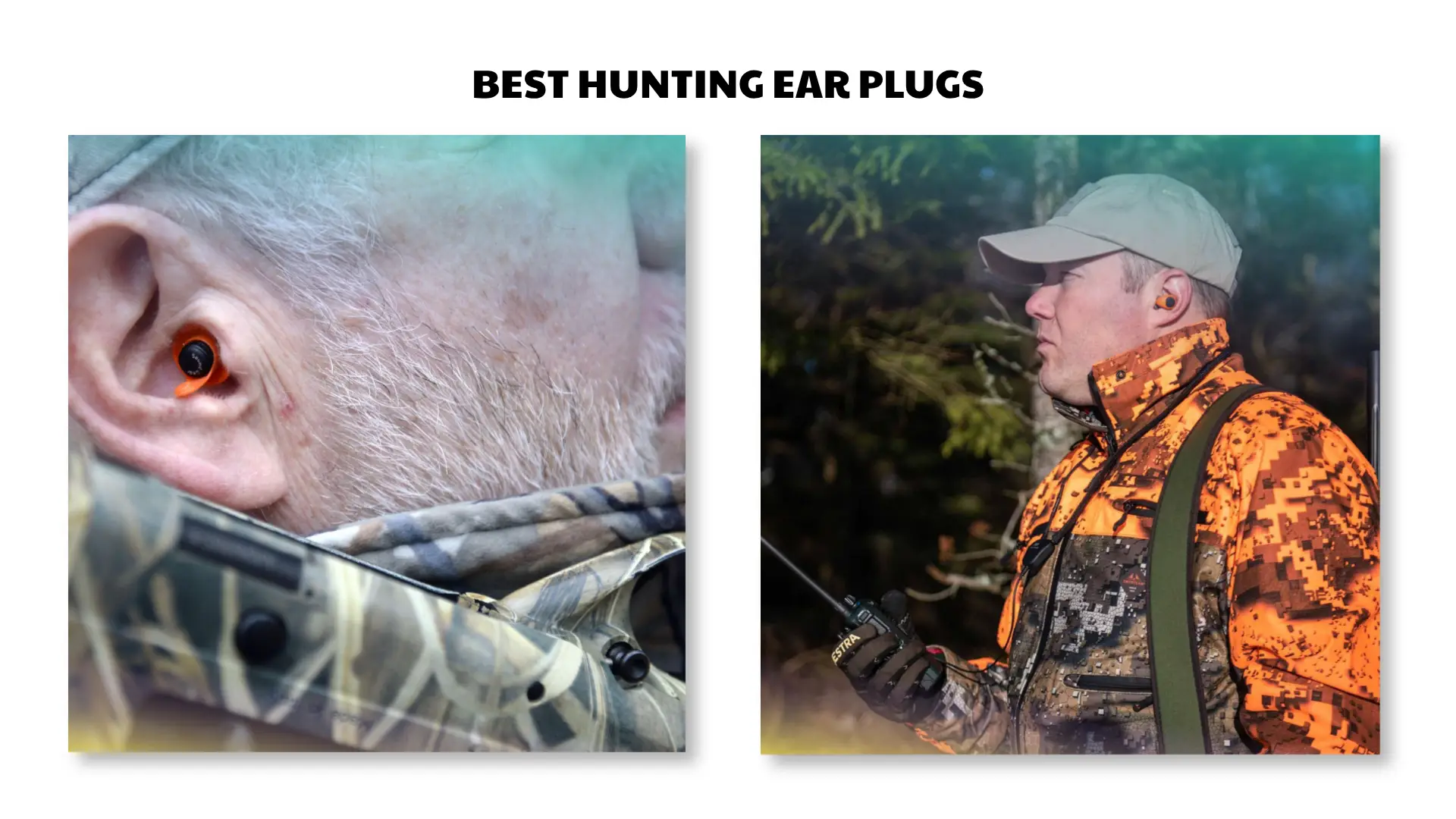

Hearing-safety note: Firearm noise can permanently damage hearing. Use purpose-built, labeled hearing protection, follow the exact fitting instructions, and consider earplugs plus earmuffs for impulse noise, enclosed ranges, or other severe exposure. Consumer active-noise-cancelling earbuds are not shooting protection unless the exact product is labeled and tested as a hearing protector.
We compared the products by verified or manufacturer-published protection information, tip and retention design, awareness technology, charging or battery system, compatibility with hats and eyewear, maintenance needs, brand support, customer-feedback themes, portability, and overall suitability for responsible hunting and range use. Exact availability, accessories, ratings, and product revisions can change, so check the current Amazon listing and manufacturer documentation before purchasing.
Key Takeaways
- Choose a product labeled as hearing protection; ordinary music earbuds and consumer noise cancellation are not substitutes for shooting ear protection.
- Fit is the deciding factor. A high NRR cannot help when a foam or flanged tip leaks, backs out, or is inserted incorrectly.
- Electronic and filtered plugs preserve more awareness, while high-NRR foam plugs are inexpensive and useful for maximum isolation or double protection.
- True-wireless buds are low profile but easy to lose; neck-cord and retention-ring designs are often easier to manage in brush, darkness, or cold weather.
- Carry clean passive backup plugs and follow federal, state, and local laws, legal seasons, licensing rules, range procedures, and ethical hunting practices.
Quick Picks
- Best Overall Electronic Pick:
ISOtunes Sport ADVANCE BT 2.0 on Amazon - Best Premium Compact System:
OTTO NoizeBarrier Micro on Amazon - Best True-Wireless Bluetooth Pick:
AXIL XCOR PRO on Amazon - Best Professional Rechargeable Kit:
3M PELTOR EEP-100 Electronic Earplug Kit on Amazon - Best High-NRR Electronic Pick:
Howard Leight Impact Sport In-Ear on Amazon - Best Battery-Free Filtered Pick:
SureFire EP4 Sonic Defenders Plus on Amazon - Best DIY Custom-Fit Pick:
Decibullz Percussive Moldable Earplugs on Amazon - Best Maximum-Attenuation Value:
Howard Leight MAX Uncorded Foam Earplugs on Amazon
Best Hunting Ear Plugs Comparison Table
| Product | Best For | Type | Protection | Awareness | Power | Fit | Check Price |
|---|---|---|---|---|---|---|---|
| 1. ISOtunes Sport ADVANCE BT 2.0 | Best Overall Electronic Pick | Corded electronic Bluetooth earplugs | 26 dB NRR with approved foam tips | Electronic ambient listening | Rechargeable | Foam and silicone tip options | Check Price on Amazon |
| 2. OTTO NoizeBarrier Micro | Best Premium Compact System | True-wireless electronic earplugs | Protection varies with selected tips; verify package label | Electronic sound enhancement | Rechargeable case | Interchangeable tips | Check Price on Amazon |
| 3. AXIL XCOR PRO | Best True-Wireless Bluetooth Pick | True-wireless electronic Bluetooth earplugs | Check current NRR and included tip configuration | Digital hearing enhancement | Rechargeable case | Multiple ear tips | Check Price on Amazon |
| 4. 3M PELTOR EEP-100 Electronic Earplug Kit | Best Professional Rechargeable Kit | Professional electronic earplugs | NRR depends on the approved 3M tip used | Level-dependent environmental listening | Rechargeable case | 3M-compatible replaceable tips | Check Price on Amazon |
| 5. Caldwell E-MAX Shadows Pro | Best Midrange True-Wireless Pick | True-wireless electronic Bluetooth earplugs | 25 dB NRR | Adjustable ambient sound | Rechargeable case | Multiple tip sizes and optional lanyard | Check Price on Amazon |
| 6. ISOtunes Sport CALIBER BT | Best Compact ISOtunes Pick | True-wireless electronic Bluetooth earplugs | 25 dB NRR with approved tips | Tactical Sound Control passthrough | Rechargeable case | Short and tall foam tip sets | Check Price on Amazon |
| 7. AXIL GS Extreme 2.0 | Best Secure Neckband Pick | Electronic Bluetooth earplugs with neck cord | Verify current package rating and protective tips | Electronic hearing enhancement | Rechargeable | Ear hooks, cord, and multiple tips | Check Price on Amazon |
| 8. Howard Leight Impact Sport In-Ear | Best High-NRR Electronic In-Ear Pick | Corded electronic earplugs | 29 dB NRR in passive protective mode | Low-level sound amplification | Replaceable batteries | Foam tips with flexible ear hooks | Check Price on Amazon |
| 9. Walker’s Silencer 2.0 Rechargeable | Best Rechargeable Walker’s Pick | True-wireless electronic earplugs | 26 dB NRR | Sound-activated compression and enhancement | Rechargeable dock | Multiple tips and sizing fins | Check Price on Amazon |
| 10. Walker’s Silencer Wireless Electronic Earbuds | Best Replaceable-Battery Walker’s Pick | Independent electronic earplugs | 25 dB NRR | Sound-activated compression and enhancement | Replaceable #10 batteries | Foam tips and secure-lock fins | Check Price on Amazon |
| 11. SureFire EP4 Sonic Defenders Plus | Best Budget Filtered Reusable Pick | Passive filtered flanged earplugs | Protection changes with filter caps and fit; check exact size label | Mechanical filtered hear-through | No batteries | Sized flanged stems with retention rings | Check Price on Amazon |
| 12. SureFire EP7 Sonic Defenders Ultra | Best Filtered Foam-Tip Pick | Passive filtered foam-tipped earplugs | Check exact size, cap position, and current package rating | Mechanical filtered hear-through | No batteries | Comply-style foam tips with retention rings | Check Price on Amazon |
| 13. Decibullz Percussive Moldable Earplugs | Best DIY Custom-Fit Pick | Thermo-molded passive filtered earplugs | Verify current package rating and filter configuration | Battery-free percussive filters | No batteries | Heat-molded outer shells with interchangeable tips | Check Price on Amazon |
| 14. Howard Leight MAX Uncorded Foam Earplugs | Best Maximum-Attenuation Value Pick | Disposable roll-down foam earplugs | 33 dB NRR | Low; blocks quiet sounds with loud sounds | No batteries | Bell-shaped slow-recovery foam | Check Price on Amazon |
| 15. Mack’s Maximum Protection Soft Foam Earplugs | Best Soft-Foam Alternative | Disposable roll-down foam earplugs | 33 dB NRR | Low; full-range passive reduction | No batteries | Soft tapered foam | Check Price on Amazon |
The comparison shows why there is no single perfect format. Electronic plugs provide the strongest awareness feature set, but they add batteries, controls, and charging. Filtered reusable plugs are compact and battery-free, although their isolation changes with size and filter configuration. High-NRR foam offers excellent value and strong labeled attenuation but reduces conversation and game sounds. Comfort, seal stability, clothing compatibility, maintenance, and a realistic backup plan are more important than choosing the product with the longest feature list.
1. ISOtunes Sport ADVANCE BT 2.0 on Amazon
Short Overview
The ISOtunes Sport ADVANCE BT 2.0 is a practical choice for hunters who want certified in-ear hearing protection without giving up ordinary conversation and environmental awareness. Its neck-cord layout keeps the two earpieces connected, which is useful when gloves, brush, or repeated removal make tiny true-wireless buds easy to lose. The model combines passive sealing from the ear tips with electronic sound control that reduces the impact of sudden loud noise while passing through lower-level sounds. Bluetooth adds value for hunters who want calls, navigation prompts, or audio during travel and setup, although media should never distract from firearm handling or awareness in the field. The supplied tip choices matter because the published protection depends on achieving a complete, repeatable seal in both ears. Its rugged construction and current-generation charging system make it better suited to regular outdoor use than ordinary consumer earbuds that merely advertise noise cancellation. Controls are accessible on the cord, so users do not have to press directly against an inserted earpiece to make every adjustment. For most buyers seeking one versatile electronic option for hunting, range practice, and noisy outdoor work, it offers a strong balance of protection, awareness, comfort, and connectivity.
Key Features
- Certified 26 dB NRR when used with the approved foam tips
- Electronic sound control for awareness between impulse noises
- Bluetooth connection for calls and audio
- Neck-cord design that helps prevent loss
- Multiple ear-tip sizes and a rechargeable battery
Pros
- Strong mix of protection and situational awareness
- Corded earpieces are easier to manage outdoors
- Useful for hunting, shooting, and noisy work
- Modern charging and Bluetooth features
Cons
- Correct foam-tip insertion is essential
- Cord may catch on high collars or layered clothing
- Electronic controls require charging and familiarity
Who It’s Best For
Hunters who want a current, versatile electronic earplug with Bluetooth, a secure neck cord, and a clearly published NRR when fitted with the approved tips.
2. OTTO NoizeBarrier Micro on Amazon
Short Overview
The OTTO NoizeBarrier Micro is aimed at users who place compact size, ruggedness, and clear environmental sound near the top of the priority list. Each earpiece sits independently in the ear, avoiding a neckband that could rub against a jacket, binocular harness, or backpack strap. The system is designed to pass through useful ambient sound while limiting harmful impulse noise, making it relevant to hunters who need to hear partners and activity around them. A charging and storage case gives the small earpieces a protected home between uses and reduces the chance of loose batteries or exposed contacts collecting debris. Because it is a premium system, buyers should evaluate fit, replacement-tip availability, warranty support, and expected service life rather than comparing price alone. The most important setup step is choosing tips that seal both ears consistently, since electronics cannot compensate for an acoustic leak around the ear canal. Its low-profile shape can be more comfortable with hats and long guns than bulky over-ear protection, but small components demand careful handling in leaves, mud, and low light. It is best viewed as a serious compact hearing-protection system for frequent users rather than a casual set of music earbuds.
Key Features
- Independent low-profile electronic earpieces
- Ambient sound enhancement and impulse-noise management
- Protective rechargeable storage case
- Multiple compatible ear-tip choices
- Compact format for use with hats and long guns
Pros
- Very low-profile fit
- Premium charging and storage solution
- Good option when neck cords are undesirable
- Designed specifically as hearing protection
Cons
- Premium purchase compared with passive plugs
- Small earpieces can be dropped in the field
- Protection depends heavily on tip selection and seal
Who It’s Best For
Frequent hunters and shooters who want a premium, compact true-wireless system and are willing to spend time achieving a dependable fit.
3. AXIL XCOR PRO on Amazon
Short Overview
The AXIL XCOR PRO is designed for buyers who want hearing enhancement, impulse-noise control, and ordinary Bluetooth earbud functions in a compact true-wireless format. Touch controls and independent earpieces make the system feel familiar to users of everyday wireless earbuds, while its intended role is hearing protection rather than entertainment alone. The low-profile body can reduce interference with cheek weld, hats, glasses, and cold-weather headwear compared with large earmuffs. Hunters may appreciate electronic awareness when listening for movement or communicating quietly, but amplification should be set conservatively so wind and brush noise do not become distracting. The charging case is convenient for transport, yet the user still needs a routine for checking charge before leaving the vehicle or camp. A tight seal is essential, and buyers with narrow, wide, or differently shaped ear canals may need to experiment with the supplied tip sizes. Because listings and packages can change, the current NRR, included tips, and warranty terms should be confirmed before purchase rather than assumed from the product name. It is a strong candidate for hunters who dislike cords and want a single compact device for awareness, protection, calls, and occasional audio.
Key Features
- True-wireless low-profile design
- Bluetooth connectivity and touch controls
- Digital ambient sound enhancement
- Rechargeable carrying case
- Interchangeable tips for fit adjustment
Pros
- No neck cord to snag on clothing
- Familiar wireless-earbud controls
- Compact with hats and eyewear
- Useful awareness features for field communication
Cons
- Easy to misplace if removed outdoors
- Touch controls can require practice with gloves
- Published protection should be checked for the exact package
Who It’s Best For
Hunters who strongly prefer true-wireless earbuds and want hearing enhancement plus Bluetooth in a compact package.
4. 3M PELTOR EEP-100 Electronic Earplug Kit on Amazon
Short Overview
The 3M PELTOR EEP-100 is a professional-style electronic earplug kit built around replaceable tips, controlled ambient listening, and a durable charging case. It suits hunters who also use hearing protection for training, industrial work, instruction, or other repeated high-noise activities. Rather than relying on consumer active noise cancellation, the system is intended to function as a labeled hearing protector when used with approved ear tips. Different 3M tip options can change comfort and attenuation, so the exact tip model and its published rating should be treated as part of the system. The case protects the earpieces during transport and charges them between sessions, which supports a disciplined routine of storage and inspection. Its controls are straightforward, but users should practice changing listening levels before entering the field instead of learning while handling other equipment. The professional design is more expensive than foam plugs and may be more equipment than an occasional hunter needs. For buyers who value an established hearing-protection brand, replaceable consumables, and a work-ready charging system, the EEP-100 remains a serious option.
Key Features
- Level-dependent electronic listening
- Rechargeable protective case
- Compatible with multiple approved 3M ear tips
- Compact in-ear profile
- Designed as professional hearing protection
Pros
- Established manufacturer and replaceable-tip ecosystem
- Rugged case supports organized storage
- Good for frequent multi-purpose use
- Low-profile with hats and eyewear
Cons
- Higher cost than basic hunting plugs
- Attenuation varies by the installed tip
- No ordinary consumer Bluetooth emphasis
Who It’s Best For
Hunters, instructors, and frequent range users who want a professional rechargeable kit with replaceable approved ear tips.
5. Caldwell E-MAX Shadows Pro on Amazon
Short Overview
The Caldwell E-MAX Shadows Pro offers a midrange route into true-wireless electronic hearing protection with Bluetooth and adjustable ambient listening. Its compact earpieces are intended to preserve a low profile around long guns, hats, and shooting glasses. The listed 25 dB NRR gives buyers a clear reference point, but that protection still depends on selecting the correct tips and seating them fully. Controls on the earpieces allow users to change mode and volume, while an optional lanyard can provide extra security when moving through brush or climbing into a stand. The rechargeable case stores the components and displays charging status, reducing guesswork before a trip. Bluetooth is convenient for calls and media during non-shooting portions of the day, but responsible users should keep volume low enough to maintain awareness. Customer feedback on small electronic earplugs often centers on fit and charging reliability, so buyers should test both immediately within the return period. This model makes the most sense for hunters who want true-wireless convenience without moving directly to the highest-priced professional systems.
Key Features
- Published 25 dB NRR
- Adjustable ambient sound controls
- Bluetooth connectivity
- Rechargeable case with status indicators
- Multiple tips and optional retention lanyard
Pros
- Good feature set for the category
- Low-profile true-wireless design
- Optional lanyard improves field security
- Clear published NRR
Cons
- Small controls may be difficult with gloves
- Charging components need protection from dirt and moisture
- Fit quality varies by ear shape
Who It’s Best For
Value-focused hunters who want true-wireless electronic protection, Bluetooth, and an optional retention lanyard.
6. ISOtunes Sport CALIBER BT on Amazon
Short Overview
The ISOtunes Sport CALIBER BT packages certified hearing protection and electronic awareness into a small true-wireless form. It is a good match for hunters who want no cable around the neck and who prefer a charging case that can refresh the earpieces between uses. The published 25 dB NRR applies when the approved protective tips are fitted correctly, making tip selection and insertion central to performance. Electronic passthrough helps with conversation and environmental sound while the system manages louder impact noise. Bluetooth can handle calls or audio during setup and travel, though it should be treated as a secondary feature to hearing protection and awareness. The included short and tall foam options give users more ways to match canal depth and ear shape than a single generic silicone tip. True-wireless buds are convenient but easy to drop, so the case should remain in a known pocket and removal should be done over a secure surface whenever possible. For buyers already comfortable with ISOtunes tips and controls, the CALIBER BT is a compact alternative to the corded ADVANCE line.
Key Features
- Certified 25 dB NRR with approved tips
- True-wireless Bluetooth design
- Electronic passthrough for awareness
- Rechargeable carrying case
- Multiple foam tip heights and sizes
Pros
- Certified protection in a compact format
- No cord around the neck
- Useful selection of protective tips
- Suitable for hunting and range use
Cons
- Easy to lose when removed outdoors
- Foam tips require correct rolling and insertion
- Battery checks are necessary before every trip
Who It’s Best For
Hunters who want a compact, certified true-wireless option and are comfortable maintaining foam tips and a charging case.
7. AXIL GS Extreme 2.0 on Amazon
Short Overview
The AXIL GS Extreme 2.0 uses a connected neck-cord design that combines hearing enhancement, noise isolation, and Bluetooth audio in one field-oriented system. Unlike tiny independent buds, the connected layout is easier to hang around the neck when moving between active use and quiet periods. Flexible ear hooks and multiple tip choices help stabilize the earpieces during walking, climbing, and repeated head movement. Electronic enhancement can make conversation and low-level sounds easier to hear, but wind settings and volume should be adjusted before a hunt begins. Bluetooth adds convenience for communication, while the physical controls are generally easier to locate than touch surfaces on true-wireless buds. Buyers should confirm the current listing’s protective rating and included tips because model revisions and bundles can differ. The neck cord may touch a jacket collar or backpack strap, so users who strongly dislike cable contact may prefer an independent-earpiece system. It is best for active hunters who value retention, easy removal, and a familiar sport-earbud shape more than the smallest possible profile.
Key Features
- Connected neck-cord design
- Electronic hearing enhancement
- Bluetooth audio and calls
- Flexible ear hooks and multiple tips
- Physical inline controls
Pros
- Harder to lose than independent buds
- Secure for walking and climbing
- Easy to remove and hang around the neck
- Useful combination of awareness and Bluetooth
Cons
- Cord can rub against collars
- Exact protective configuration should be verified
- Not as discreet as fully wireless plugs
Who It’s Best For
Active hunters who want electronic awareness and Bluetooth with the security of a connected neck-cord design.
8. Howard Leight Impact Sport In-Ear on Amazon
Short Overview
The Howard Leight Impact Sport In-Ear is a useful choice for hunters who prioritize a relatively high published passive NRR along with electronic awareness. Its foam tips and flexible ear hooks create a connected system that is easier to retain than two loose earpieces. When powered, the unit amplifies lower-level sounds and limits amplification when loud impulse noise occurs, helping users hear speech and field sounds between shots. The passive mode is especially important because it continues to provide protection even when the electronics are off or the batteries are depleted, provided the plugs remain sealed. Independent listening controls allow adjustment, but users should practice setting them equally and conservatively. Replaceable batteries avoid waiting for a recharge, although carrying spares and removing batteries during long storage may be necessary. The foam tips will eventually wear or become soiled, so replacement availability should be considered part of ongoing ownership. For hunters who want strong passive protection with electronic enhancement and do not require Bluetooth, this is a practical, purpose-built option.
Key Features
- Published 29 dB NRR in passive mode
- Electronic low-level sound amplification
- Automatic control of loud impulse amplification
- Flexible ear hooks and neck cord
- Replaceable-battery operation
Pros
- Strong published passive protection
- Functions as protection without electronic power
- Secure connected design
- Purpose-built for field and range awareness
Cons
- No Bluetooth emphasis
- Foam tips need regular replacement
- Battery management adds a small maintenance task
Who It’s Best For
Hunters who want a high published passive NRR plus electronic awareness without paying for Bluetooth features.
9. Walker’s Silencer 2.0 Rechargeable on Amazon
Short Overview
Walker’s Silencer 2.0 Rechargeable is a compact electronic system for hunters who want independent earpieces and a dedicated charging dock. The published 26 dB NRR provides a useful starting point for comparison, but only a complete seal can deliver the intended attenuation. Sound-activated compression manages sudden loud noise while microphones provide hearing enhancement between impulse events. Multiple foam tips and sizing fins help users stabilize the earpieces and tailor the fit to each ear. The rechargeable dock keeps the pair together and avoids the recurring cost of tiny disposable batteries. Because independent controls and fit can differ from left to right, setup should be completed at home rather than at the firing line or in a dark blind. True-wireless convenience also creates a loss risk, so a consistent pocket-and-case routine is important during field use. This model is a sensible match for hunters who like the Walker’s ecosystem and want rechargeable in-ear protection with a clear published rating.
Key Features
- Published 26 dB NRR
- Rechargeable earpieces and charging dock
- Sound-activated compression
- Electronic hearing enhancement
- Multiple foam tips and sizing fins
Pros
- No disposable battery purchases
- Compact low-profile earpieces
- Good fit-adjustment accessories
- Designed specifically for shooting and hunting
Cons
- Small pieces are easy to drop
- Charging dock must be kept clean and powered
- Independent controls require practice
Who It’s Best For
Hunters who want rechargeable Walker’s electronic earplugs with a compact case and multiple fit components.
10. Walker’s Silencer Wireless Electronic Earbuds on Amazon
Short Overview
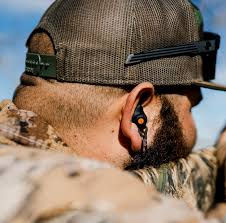
Walker’s original Silencer Wireless remains relevant for buyers who prefer replaceable batteries over rechargeable electronics. The two independent earpieces provide a low-profile fit and a published 25 dB NRR when properly inserted. Sound-activated compression and omnidirectional microphones support awareness between loud impulse events. Secure-lock fins and multiple foam-tip sizes help stabilize the plugs, which is especially useful during walking or repeated shouldering of a long gun. Replaceable #10 batteries can be swapped immediately in the field, but they are small and should be stored carefully away from children and moisture. Battery drain during storage is a known ownership consideration, so users should follow the manufacturer’s instructions rather than leaving old cells installed indefinitely. The design lacks modern Bluetooth and charging-case conveniences, but that simplicity may appeal to hunters who want dedicated hearing protection. It is a proven-style option for users who value easy battery replacement and do not mind maintaining small cells and foam tips.
Key Features
- Published 25 dB NRR
- Sound-activated compression
- Independent volume controls and microphones
- Secure-lock sizing fins
- Replaceable #10 batteries
Pros
- Immediate battery replacement in the field
- Dedicated hearing-protection design
- Low-profile fit
- Large history of user feedback
Cons
- Small batteries require care and spares
- No charging case or Bluetooth
- Foam tips and batteries are ongoing consumables
Who It’s Best For
Hunters who prefer replaceable batteries and a dedicated electronic earplug without Bluetooth or charging dependence.
11. SureFire EP4 Sonic Defenders Plus on Amazon
Short Overview
The SureFire EP4 Sonic Defenders Plus is a reusable passive option for hunters who want a compact plug without batteries, charging, or electronic controls. Its filtered design is intended to reduce harmful impulse noise while preserving more ordinary sound than a fully blocked plug when configured as directed. Small filter caps allow the user to change the amount of isolation, so the instructions and exact configuration should be understood before exposure to gunfire. Soft retention rings help hold the plugs in the outer ear and can sit under hats, glasses, and some communication headsets. Sizing is critical because SureFire offers different sizes, and a poor match can create discomfort or an incomplete seal. The reusable material is easy to carry in a pocket case, but it needs regular cleaning and inspection for tears, hardened flanges, or blocked filter ports. Filtered plugs can improve awareness compared with solid foam, yet they should not be assumed to provide the same maximum attenuation as a deeply fitted high-NRR foam plug. For budget-minded hunters who need a low-profile reusable backup or light field option, the EP4 is practical and simple.
Key Features
- Battery-free mechanical acoustic filters
- Reusable flanged stems
- Retention rings for stable fit
- Filter caps for configurable isolation
- Low-profile shape
Pros
- Affordable and reusable
- No charging or battery failure
- Very compact with hats and eyewear
- Useful as a field backup
Cons
- Correct size must be selected
- Filtered mode may provide less isolation than solid foam
- Flanges and filters require cleaning and inspection
Who It’s Best For
Hunters seeking an affordable, reusable, battery-free filtered plug for low-profile field use and backup protection.
12. SureFire EP7 Sonic Defenders Ultra on Amazon
Short Overview
The SureFire EP7 Sonic Defenders Ultra combines a reusable outer structure with compressible foam canal tips for hunters who prefer foam contact and a secure retention ring. Its mechanical filter is designed to allow more useful ambient sound than a fully sealed solid plug while helping manage impulse noise. Closing the filter caps changes isolation, so users should follow the manufacturer’s instructions and avoid guessing which mode is suitable for a particular exposure. The foam tips must be compressed, inserted, and allowed to expand just like other roll-down plugs, making fitting technique essential. Different sizes are available, and both the outer retention ring and canal tip need to match the ear comfortably. No batteries are required, which makes the EP7 appealing as dependable backup protection in a pack, blind bag, or range kit. Foam components wear and collect debris over time, so replacement tips and hygiene are ongoing considerations even though the main body is reusable. It works best for hunters who want a filtered passive design but prefer the seal and feel of foam over multiple silicone flanges.
Key Features
- Battery-free mechanical filter
- Compressible foam canal tips
- Reusable retention-ring body
- Closable filter caps
- Low-profile fit for hats and eyewear
Pros
- Foam tips can create a comfortable seal
- No electronics to charge
- Secure outer-ear retention
- Useful reusable backup option
Cons
- Foam tips are consumable
- Fitting technique directly affects protection
- Filter configuration must be understood before use
Who It’s Best For
Hunters who want battery-free filtered plugs with foam tips and secure retention in the outer ear.
13. Decibullz Percussive Moldable Earplugs on Amazon
Short Overview
Decibullz Percussive Moldable Earplugs are designed for hunters who struggle to keep standard plugs sealed or comfortable for long periods. The outer earpieces can be warmed and shaped to the user’s ears, creating a personalized retention surface without requiring a clinic-made impression. Percussive filters provide battery-free impulse management while allowing more normal environmental sound than a fully blocked plug. The molding process requires patience, careful temperature handling, and attention to the instructions, but the material can generally be reshaped if the first attempt is poor. Interchangeable foam and silicone tips let users refine the canal seal separately from the molded outer shell. A custom-feeling fit can improve retention during active hunting, yet it does not eliminate the need to verify that both ear canals are acoustically sealed. The system has more small parts than a basic foam plug, so the case and lanyard should be used to keep filters and tips organized. It is a strong option for hunters who want reusable, battery-free awareness and are willing to invest time in fitting.
Key Features
- User-moldable thermo-fit outer earpieces
- Battery-free percussive filters
- Interchangeable foam and silicone canal tips
- Remoldable fit process
- Carry case and retention accessories
Pros
- Personalized outer-ear retention
- No electronic charging
- Can be remolded if needed
- Useful for ears that reject generic plugs
Cons
- Initial fitting takes time and care
- More parts to clean and organize
- Protection still depends on the canal-tip seal
Who It’s Best For
Hunters with difficult-to-fit ears who want a reusable DIY custom shape and battery-free percussive filters.
14. Howard Leight MAX Uncorded Foam Earplugs on Amazon
Short Overview
Howard Leight MAX foam earplugs are a straightforward choice when maximum labeled attenuation, low cost per pair, and dependable backup protection matter more than electronic awareness. The bell-shaped foam is rolled down, inserted deeply, and held while it expands to seal the canal. A published 33 dB NRR places this model among the highest-rated common disposable plugs, but real protection can be much lower when insertion is shallow or uneven. The smooth outer surface helps resist soil, and the flared end can make removal easier with clean hands. Because these plugs reduce conversation and environmental sound along with gunfire, they are less suitable when hearing subtle field cues is the main priority. They are inexpensive enough to keep in every range bag, vehicle kit, coat pocket, and hunting pack as emergency spares. Single-use foam should be discarded when dirty, damaged, hardened, or no longer expanding normally rather than washed and reused indefinitely. For loud ranges, enclosed blinds, or situations where dual protection is appropriate, MAX plugs are a strong value layer under earmuffs.
Key Features
- Published 33 dB NRR
- Slow-recovery polyurethane foam
- Bell shape with flared removal end
- Disposable hygienic format
- Bulk-pack value
Pros
- High labeled attenuation
- Very low cost per pair
- Excellent backup and dual-protection layer
- No electronics or maintenance
Cons
- Reduces awareness and conversation
- Insertion technique is critical
- Disposable rather than reusable
Who It’s Best For
Hunters and shooters who want inexpensive high-NRR foam plugs for maximum isolation, backup use, or layering under earmuffs.
15. Mack’s Maximum Protection Soft Foam Earplugs on Amazon
Short Overview
Mack’s Maximum Protection Soft Foam Earplugs are another high-NRR choice for hunters who want simple, affordable protection without batteries or moving parts. The soft foam compresses for insertion and expands to fill the ear canal, making correct rolling and depth more important than the brand name alone. Its published 33 dB NRR is attractive for high-noise settings and for use beneath earmuffs when double protection is appropriate. Compared with electronic plugs, these foam plugs reduce low-level voices, game sounds, and range commands as well as loud impulses. That tradeoff makes them best for controlled shooting, backup use, or hunters who prioritize attenuation over enhanced awareness. The disposable format is hygienic and convenient for guests, training groups, or keeping sealed spare pairs in several locations. Users should never force a plug painfully deep, and anyone who cannot obtain a comfortable seal should try a different size or style. For buyers who find the Howard Leight MAX shape uncomfortable, Mack’s provides a useful alternative foam profile with the same high labeled NRR.
Key Features
- Published 33 dB NRR
- Soft slow-recovery foam
- Disposable hygienic design
- Suitable as a layer under earmuffs
- Bulk-pack availability
Pros
- High labeled attenuation
- Comfortable alternative foam profile
- Affordable for guests and backups
- No batteries or cleaning
Cons
- Reduces situational awareness
- Fit is not ideal for every canal
- Must be replaced when soiled or damaged
Who It’s Best For
Hunters who want a soft high-NRR foam alternative for controlled shooting, backup protection, or dual-protection use.
Buying Guide: How to Choose the Best Hunting Ear Plugs
Start With the Noise, Not the Feature List
Gunfire is impulse noise, and impulse noise is different from the steady hum used in many ordinary headphone comparisons. A product should be treated as hearing protection only when the exact model and tip configuration carry a recognized protection rating or the manufacturer clearly identifies it as a hearing protector. Consumer active noise cancellation can make an engine or airplane cabin sound quieter, but it is not a substitute for labeled shooting protection.
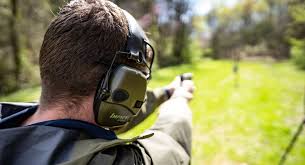
The right amount of attenuation also depends on where and how you shoot. Enclosed ranges, covered firing lines, blinds with hard surfaces, short barrels, and nearby shooters can produce more severe reflected noise than an open field with only an occasional shot. NIOSH recommends double hearing protection for impulse sounds, which means properly fitted earplugs beneath earmuffs when conditions warrant it.
Understand NRR Without Treating It as a Guarantee
The Noise Reduction Rating is a laboratory label, not a promise that every user will receive the same reduction. Real-world performance changes with canal shape, insertion depth, tip wear, movement, and training. A lower-rated plug that fits perfectly can protect better than a higher-rated plug that leaks.
Compare NRR only when the products are configured the same way. Some electronic systems publish different ratings for foam, silicone, or triple-flange tips. Filtered plugs may also change attenuation when a cap is open or closed. Read the current packaging and manual for the exact model rather than copying a number from an older review.
Choose Electronic, Filtered, or Full-Block Passive Protection
Electronic earplugs use microphones and speakers to pass through or amplify lower-level sound while limiting the output during loud impulses. They are useful for conversation, range commands, and awareness, but they require power, careful storage, and more maintenance.
Battery-free filtered plugs use mechanical acoustic filters. They are simple and compact, but the protection and amount of hear-through depend on the filter design and whether any caps are open or closed. Full-block foam plugs are inexpensive and can carry very high NRR labels, yet they reduce quiet sounds and speech along with gunfire. Many hunters keep both an awareness-oriented option and high-NRR foam backups.
Fit and Seal Are the Most Important Buying Factors
Every ear is different, and the left and right canals may even require different tip sizes. Foam tips should be rolled into a narrow crease-free cylinder, inserted with the opposite hand pulling the ear up and back, and held until expanded. Flanged tips should seal without painful pressure. A plug that slowly backs out, whistles, or sounds dramatically different between ears needs adjustment.
Electronic features do not repair a poor acoustic seal. Test fit in a quiet place by speaking, rubbing fingers near each ear, and gently cupping the outer ear. A major change in sound when the ear is cupped can suggest leakage. Formal fit testing is the most reliable way to confirm individual attenuation when access is available.
Match the Retention Style to Your Hunting Clothing
True-wireless plugs eliminate neck cords and work well with hats, eyewear, and cheek weld, but they are easy to lose in leaves or snow. Connected neck-cord designs are easier to remove and hang around the neck, although cords can rub against a hood, gaiter, or backpack strap. Retention rings and ear hooks improve stability for active walking and climbing.
Try the complete clothing system before the season. A plug that fits well in a T-shirt may shift when a high collar, insulated hood, or face covering presses against it. Bowstrings, binocular harnesses, radio cables, and hydration tubes can also affect which layout feels least intrusive.
Evaluate Awareness and Sound Quality Conservatively
Awareness features should make speech and environmental sounds usable, not unnaturally loud. Excessive amplification can exaggerate wind, brush, clothing movement, and handling noise. Start at a low setting and increase only enough to understand conversation and important cues.
Stereo microphones can help with direction, but no electronic hearing protector should create overconfidence. Visual communication, safe muzzle control, and clear range procedures remain essential. Bluetooth audio should be paused whenever it interferes with commands, partners, approaching people, animals, or changing conditions.
Battery Strategy and Cold-Weather Reliability
Rechargeable systems are convenient when charged consistently, while replaceable-battery models can be restored immediately with spares. Cold weather can reduce apparent battery endurance, and small charging contacts may fail when contaminated with moisture or debris. Charge at room temperature, inspect contacts, and carry a passive backup.
Do not rely on a phone app as the only way to control essential functions. Practice using physical buttons and confirm that protection remains available when the electronics are off. Store spare coin or hearing-aid batteries in their original packaging and away from children, pets, loose metal, and moisture.
Durability, Weather Resistance, and Maintenance
Weather resistance is useful, but no rating makes an earplug maintenance-free. Sweat, earwax, dust, sunscreen, insect repellent, and rain can block microphone ports or damage foam tips. Wipe reusable bodies as directed, remove tips before cleaning when the manual allows it, and never submerge electronics unless the manufacturer specifically permits it.
Inspect plugs before every outing. Replace cracked flanges, hardened foam, torn retention rings, blocked filters, corroded contacts, or tips that no longer expand. Let all components dry fully before sealing them in a case, because trapped moisture encourages odor and can shorten electronic life.
Comfort for Long Sits and Active Hunts
Long treestand or blind sessions reward a low-pressure fit, while spot-and-stalk hunting rewards retention and minimal cable noise. Foam can feel comfortable once expanded but may create pressure in narrow canals. Silicone flanges are reusable and fast to insert, although some users feel more localized pressure. Custom-moldable shells improve retention but still need a suitable canal tip.
Pain, numbness, or a plugged sensation that does not improve is a reason to stop and refit. Do not size up merely to chase a higher seal. The best protector is one you can wear correctly for the entire exposure period without repeatedly removing it.
Value, Reviews, Returns, and Replacement Parts
Compare total ownership cost, not just the initial purchase. Electronic products may require replacement foam tips, batteries, charging cables, cases, or filters. Passive reusable models may need new canal tips. Disposable foam is inexpensive per pair but should be stocked and replaced regularly.
Reviews are most useful when they describe fit, charging, controls, warranty service, and long-term durability. Star averages do not tell you whether a product fits your ears. Buy early enough to test fit, charge cycles, left-right balance, and controls within the return window, and confirm that replacement parts are available from the manufacturer or an authorized seller.
Responsible and Legal Field Use
Hearing protection supports responsible hunting but does not replace firearm safety, proper licensing, legal seasons, safe backstops, or clear identification of the target and what lies beyond it. Follow federal, state, and local laws as well as range rules and landowner requirements.
Keep a second set of passive plugs in a waterproof pouch for partners or equipment failure. Tell hunting companions how your electronic controls work and agree on visual signals before the hunt. A quiet, organized setup is safer than adjusting unfamiliar devices while loading, unloading, climbing, or handling a firearm.
Common Mistakes to Avoid When Buying Hunting Ear Plugs
- Buying ordinary music earbuds with active noise cancellation and assuming they are rated hearing protection.
- Choosing by the highest advertised NRR without checking the exact tip and configuration used for that rating.
- Using tips that feel loose, back out during movement, or seal differently in the left and right ears.
- Failing to roll foam tips thin enough or hold them in place while they expand.
- Turning ambient amplification so high that wind, clothing, and handling noise become distracting.
- Leaving the charging case at home or starting a hunt with partially charged earpieces.
- Removing electronic plugs when the batteries die instead of continuing to use the passive seal or switching to backup plugs.
- Ignoring replacement-tip availability, cleaning instructions, and warranty support.
- Assuming water resistance means the electronics can be submerged, washed, or stored wet.
- Using one plug only, loosening a plug to hear conversation, or wearing protection inconsistently.
- Forgetting that enclosed ranges and impulse noise may call for earplugs plus earmuffs.
- Waiting until opening day to test fit, controls, clothing interference, and battery life.
Expert Tips for Using Hunting Ear Plugs
- Fit and test the plugs at home before the season, using the exact hat, hood, glasses, and collar you plan to wear.
- Keep high-NRR disposable foam plugs in a sealed pouch as a backup even when your primary system is electronic.
- Use clean, dry hands when inserting plugs so dirt and residue are not pushed into the ear canal.
- For foam tips, roll, insert, and hold until fully expanded; a shallow plug rarely provides its labeled protection.
- Begin electronic awareness at the lowest useful setting and raise it only enough for conversation and important environmental cues.
- Pause music and calls whenever they reduce awareness, interfere with instructions, or distract from safe firearm handling.
- Check both earpieces for equal seal and function before entering a firing area.
- Protect microphone openings and charging contacts from wax, insect repellent, sunscreen, rain, and pocket debris.
- Dry reusable parts completely before closing the case, and replace any tip that is torn, hardened, dirty, or slow to recover.
- Use double hearing protection when the environment, impulse level, range rules, or professional guidance calls for it.
- Follow ethical hunting practices, legal seasons, licensing requirements, land rules, and all firearm-safety procedures.
Final Recommendation
For the broadest mix of certified protection, awareness, secure retention, Bluetooth, and current features, ISOtunes Sport ADVANCE BT 2.0 is the best overall hunting ear plug in this comparison. Premium buyers should consider the OTTO NoizeBarrier Micro or 3M PELTOR EEP-100. True-wireless buyers can compare the AXIL XCOR PRO, Caldwell E-MAX Shadows Pro, and ISOtunes CALIBER BT.
For battery-free use, the SureFire EP4, SureFire EP7, and Decibullz Percussive options are easier to keep ready in a field kit. For maximum labeled attenuation at a low cost, Howard Leight MAX and Mack’s Maximum Protection are practical foam choices and useful layers beneath earmuffs. Check current availability and package details on Amazon, choose by verified protection and fit rather than hype, and share this guide with hunting partners who need dependable hearing protection.
Frequently Asked Questions About Hunting Ear Plugs
1. What are the best hunting ear plugs for most people?
For most hunters, the best choice is a labeled electronic earplug that seals reliably, allows useful environmental listening, and remains comfortable with the user’s hat, eyewear, and firearm. The ISOtunes Sport ADVANCE BT 2.0 is a balanced corded option, while the CALIBER BT and AXIL XCOR PRO suit buyers who strongly prefer true-wireless earpieces. Hunters who need maximum attenuation or a dependable backup should also carry high-NRR foam plugs. Fit matters more than brand prestige, so test several tip sizes and confirm the exact protection rating for the installed tips.
2. Are electronic earplugs better than foam earplugs for hunting?
Electronic earplugs are often better for awareness because they pass through speech and low-level environmental sounds while managing loud impulses. Foam plugs are simpler, cheaper, and can provide very high labeled attenuation, but they reduce quiet sounds and conversation along with gunfire. Neither category is automatically better in every situation. Many hunters use electronic plugs in the field and carry foam plugs for enclosed ranges, backup protection, guests, or situations where maximum isolation is more important than hearing subtle sounds.
3. Can ordinary noise-cancelling earbuds protect hearing from gunshots?
Ordinary consumer earbuds with active noise cancellation should not be treated as shooting protection unless the exact product is labeled and tested as a hearing protector with an appropriate NRR or equivalent rating. Consumer noise cancellation is mainly designed for steady sounds such as engines and cabin noise, not the extreme peak of firearm impulse noise. A quieter sensation is not proof that harmful energy has been reduced enough. Use purpose-built, labeled earplugs or earmuffs and follow the manufacturer’s instructions.
4. What NRR should hunting ear plugs have?
There is no single NRR that is correct for every hunt because the required attenuation depends on the firearm, nearby shooters, the environment, frequency of shots, and whether sound reflects from walls or a roof. A higher NRR can provide more laboratory attenuation, but only when the plug is fitted correctly. Impulse noise may justify double protection, especially at enclosed or covered ranges. Choose a labeled product, obtain a consistent seal, and seek professional guidance when exposure is unusually severe or hearing is already compromised.
5. What does NRR mean on earplugs?
NRR stands for Noise Reduction Rating. It is a laboratory-based label used in the United States to compare the potential attenuation of hearing protectors under specified test conditions. It is not a guarantee of the reduction every person receives in the field. Ear-canal shape, insertion technique, tip wear, movement, and training can all reduce real-world protection, which is why individual fit testing and careful fitting are valuable.
6. Why does the ear-tip type change the NRR?
Foam, silicone, and flanged tips seal the ear canal differently. Foam can expand to match irregular canal shapes, while silicone tips depend more directly on selecting the right diameter and insertion depth. Some electronic products are certified only with specific protective foam tips, even if they also include comfortable silicone tips for other uses. Always read the current manual and package because the published NRR may apply to only one tip style or configuration.
7. How do I know whether an earplug has a good seal?
A properly sealed plug usually creates an even reduction in sound in both ears and remains stable when you move your jaw or turn your head. Speak aloud, rub your fingers near each ear, and gently cup the outer ear; a large change when cupping can suggest leakage. Foam plugs should remain seated after expansion, while flanged tips should not slowly work outward. The most reliable confirmation is individual fit testing, especially for frequent high-noise exposure.
8. Can my left and right ears need different tip sizes?
Yes. Ear canals are not always symmetrical, and many users obtain the best seal with different sizes or tip styles in each ear. Choose each side independently rather than forcing a matched pair because the package contains two identical tips. The goal is equal, comfortable attenuation without pain or gradual loosening. Mark or store the chosen left and right tips consistently so they are not mixed before a hunt.
9. How should foam hunting ear plugs be inserted?
With clean hands, roll the foam into a narrow, crease-free cylinder. Reach over the head with the opposite hand, pull the outer ear gently up and back, insert the compressed plug to the recommended depth, and hold it while the foam expands. Do not merely push an uncompressed plug into the canal. Follow the manufacturer’s directions, stop if insertion is painful, and use a different size or style when a comfortable seal cannot be achieved.
10. Are reusable flanged earplugs good for hunting?
Reusable flanged plugs can be good for hunting because they are quick to insert, compact, and easy to carry. Filtered models may preserve more awareness than solid plugs, while capped configurations can provide more isolation. Their performance depends on selecting the right size and maintaining soft, undamaged flanges. Replace them when the material hardens, tears, deforms, or no longer seals consistently.
11. What are filtered hunting ear plugs?
Filtered plugs use a mechanical acoustic path intended to reduce loud impulse energy while allowing more ordinary sound to pass than a fully blocked plug. They do not require batteries and are usually very compact. Protection can change when filter caps are opened or closed, and filtered mode may not provide the same maximum attenuation as solid high-NRR foam. Read the exact product instructions before relying on a filter configuration around gunfire.
12. Do electronic hunting ear plugs amplify animal sounds?
Many electronic models amplify lower-level environmental sounds, so footsteps, leaves, birds, speech, and equipment noise may become easier to hear. Amplification does not guarantee better identification or direction, and excessive gain can make wind and clothing noise distracting. Start with a low setting and treat electronics as an awareness aid rather than a substitute for careful observation. Never let enhanced sound create overconfidence about a target or surroundings.
13. Will electronic earplugs protect me if the battery dies?
Most purpose-built electronic earplugs still provide passive attenuation when the electronics are off, but only if the protective tips remain correctly sealed. The exact passive rating and behavior should be confirmed in the manual. A dead battery removes sound enhancement and electronic control features, so communication may become harder. Carry passive backup plugs and do not remove protection merely because the electronic features stop working.
14. Are Bluetooth hunting ear plugs safe to use?
Bluetooth itself does not determine hearing protection. The product must still be a labeled hearing protector, and the correct protective tips must be installed. Calls, music, and navigation audio can reduce situational awareness, so keep volume conservative and pause audio during firearm handling, range commands, partner communication, and changing field conditions. Bluetooth is a convenience feature, not a reason to compromise safe practices.
15. Should I listen to music while hunting?
Music can mask partners, wildlife, approaching people, vehicles, weather changes, and other important sounds. It can also divide attention during climbing, loading, unloading, or firearm handling. In many hunting situations, the safest approach is to keep music paused and use the device only for hearing protection and necessary communication. Always follow local rules and maintain enough awareness to act responsibly.
16. Are true-wireless earplugs easy to lose in the field?
They can be. Independent earpieces are small, often dark, and difficult to find in leaves, mud, grass, or snow. Remove them over a case, vehicle seat, or other controlled surface, and assign the charging case to the same secure pocket every time. Buyers who frequently remove protection may prefer a neck-cord model, an optional lanyard, or a retention-ring design.
17. Are corded electronic earplugs better for active hunting?
Corded models are harder to lose and can be dropped around the neck when not in use, which is helpful during walking, climbing, and gear changes. The tradeoff is that a cord may rub a hood, collar, or harness and transmit handling noise. Test the full clothing system before the season. For many active hunters, secure retention is worth the small amount of cable contact.
18. Do hunting ear plugs interfere with cheek weld?
Low-profile in-ear protection usually interferes less with cheek weld than bulky earmuffs. However, large earpiece bodies, ear hooks, glasses, hats, and facial clothing can still shift the seal or create pressure. Practice mounting the unloaded firearm in a safe environment while wearing the complete hearing-protection setup. Recheck the seal after repeated movement and never alter safe firearm handling to accommodate the device.
19. Can I wear hunting ear plugs under earmuffs?
Yes, wearing earplugs beneath earmuffs is called double hearing protection. It is useful for impulse noise, enclosed ranges, covered firing lines, and other severe exposures. The combined protection is not the simple sum of both NRR values, and fit remains essential for both layers. Electronic earmuffs can restore some communication while high-NRR plugs remain sealed underneath.
20. When is double hearing protection recommended?
NIOSH recommends double hearing protection for impulse sounds and for very high noise exposures. Firearm discharge is impulse noise, so plugs plus muffs may be appropriate depending on the firearm, environment, nearby shooters, and professional or range guidance. Enclosed and reflective spaces generally increase concern. Double protection should never be used as a reason to ignore safe distance, exposure time, maintenance, or proper fitting.
21. Are hunting ear plugs enough at an indoor range?
Earplugs alone may not be enough for every indoor range because hard surfaces reflect impulse noise and multiple shooters can create repeated exposure. Many shooters use correctly fitted plugs under earmuffs indoors. Follow the range’s rules and choose protection based on the actual environment, not only the minimum requirement. Anyone with existing hearing issues should discuss appropriate protection with a qualified hearing professional.
22. Are ear plugs enough for a single hunting shot?
A single firearm impulse can still be hazardous, and hearing damage is permanent. The fact that only one shot is expected does not make unprotected exposure safe. Wear properly fitted hearing protection before the opportunity arises, because there may be no time to insert plugs correctly after an animal appears. Electronic or filtered models are useful precisely because they can remain in place while preserving more awareness.
23. Can suppressors replace hearing protection?
A suppressor may reduce firearm noise, but it does not automatically make every firearm, load, barrel length, or environment hearing-safe. Action noise, ammunition, nearby shooters, and reflected sound still matter. Continue using appropriate hearing protection unless a qualified measurement and professional assessment show otherwise. Follow all federal, state, and local laws concerning suppressors and firearm use.
24. Do muzzle brakes affect hearing-protection needs?
Muzzle brakes can redirect blast and may increase the sound experienced by the shooter or nearby people, especially under roofs or beside walls. This can make robust hearing protection and greater spacing more important. Hunters should consider the complete firearm setup, not only caliber. Partners, guides, and bystanders need protection as well, even when they are not the person firing.
25. How long do rechargeable electronic ear plugs last?
Battery endurance varies by model, listening level, Bluetooth use, temperature, battery age, and how long the device spends in standby. Published runtime is useful for comparison but should not be treated as a guarantee in cold weather or after years of use. Charge before every trip, confirm each side reaches full charge, and carry passive backup plugs. Replace batteries or seek service when runtime drops sharply or charging becomes inconsistent.
26. Does cold weather reduce earplug battery life?
Cold temperatures can reduce the available output of rechargeable and disposable batteries. A device that lasts all day at room temperature may show a shorter runtime in winter conditions. Store the case and spares in an inside pocket when practical, start with a full charge, and avoid exposing batteries to moisture. Do not warm batteries with direct flame, high heat, or unsafe improvised methods.
27. What should I do if one electronic earplug is quieter?
First check whether the quieter side has a different seal, a blocked tip, wax on a sound port, a low battery, or an incorrect volume setting. Swap clean tips of the same size only when the manual allows it, and compare the earpieces in a quiet place. Do not probe microphone or speaker openings with sharp objects. If imbalance remains, stop relying on the electronics and contact the manufacturer or seller while using dependable passive protection.
28. How often should ear tips be replaced?
Replace foam tips when they become dirty, hardened, torn, slow to expand, permanently compressed, or unable to seal. Silicone and flanged tips last longer but should be replaced when cracked, stretched, tacky, or deformed. Frequency depends on use, earwax, sweat, storage, and cleaning. Keep spare manufacturer-approved tips in the case so worn tips do not tempt you to continue with a poor seal.
29. Can reusable earplugs be washed?
Many non-electronic silicone or flanged tips can be cleaned with mild soap and water, but electronic bodies, filters, and foam tips may require different care. Follow the exact manufacturer instructions and remove tips before cleaning only when permitted. Never seal damp components in a case. Disposable foam plugs generally should be replaced rather than repeatedly washed and reused.
30. How should I clean electronic hunting ear plugs?
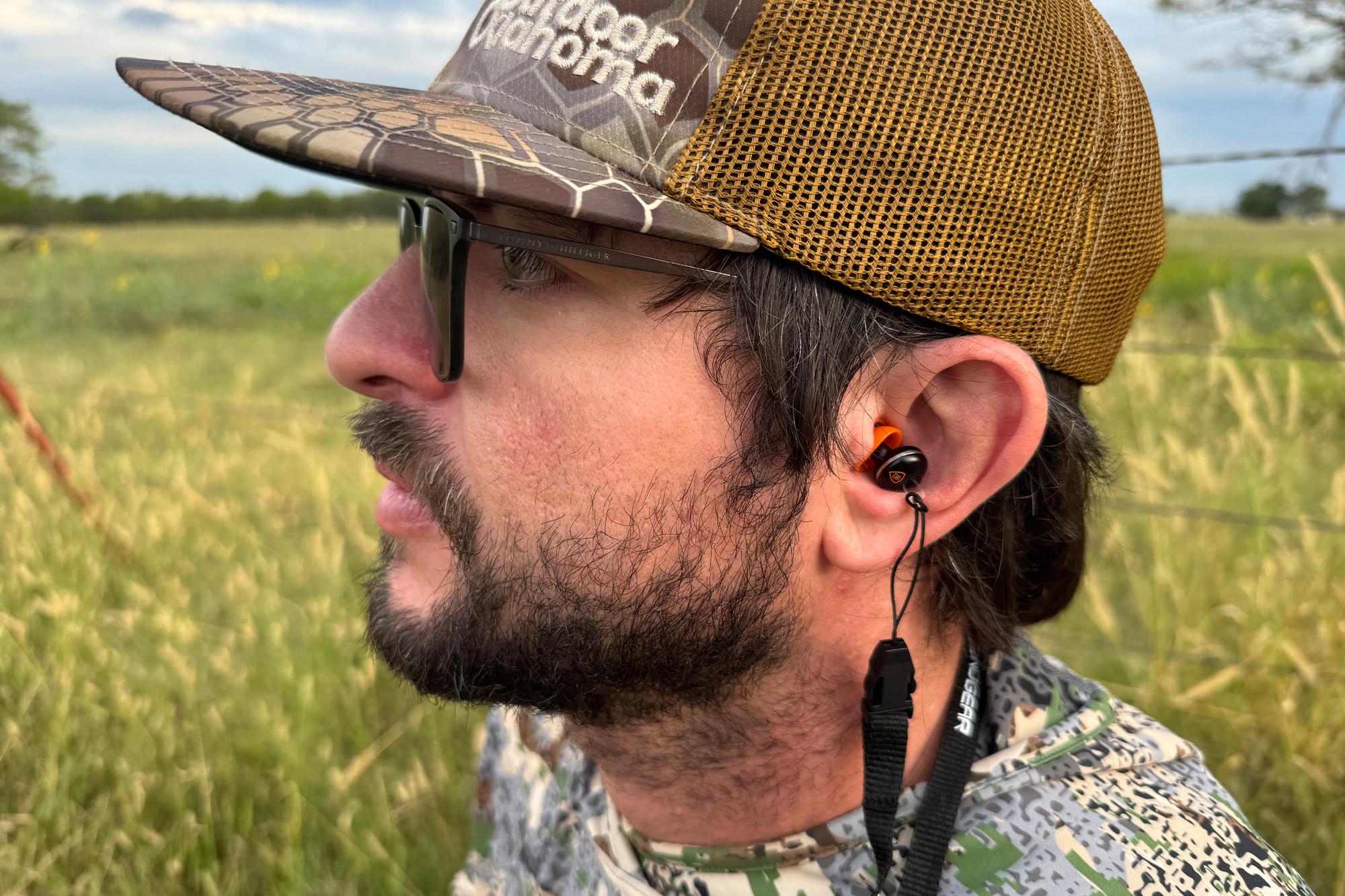
Power the device off, remove detachable tips as directed, and wipe the body with a soft dry or lightly damp cloth. Use the supplied brush or approved tool for wax around openings, but do not push debris deeper or insert metal objects. Keep liquid away from microphones, speakers, charging contacts, and filter ports unless the manual specifically allows more thorough cleaning. Dry everything fully before charging or storage.
31. Can I use alcohol wipes on ear plugs?
Alcohol may damage some foams, adhesives, coatings, silicone compounds, filters, and electronic housings. Use it only when the manufacturer specifically approves it for the exact component. Mild soap and water may be suitable for removable non-electronic tips, while electronic bodies often need a gentler wipe. When uncertain, follow the manual or contact the manufacturer rather than experimenting on protective equipment.
32. How do I keep ear plugs from smelling?
Odor usually comes from trapped moisture, wax, skin oils, or storing used plugs in a closed case before they are dry. Clean reusable components as directed, replace disposable foam, and leave the case open until all safe-to-clean parts are fully dry. Do not share in-ear products without proper replacement or sanitation. Persistent irritation, discharge, pain, or odor from the ear itself should be evaluated by a healthcare professional.
33. Can hunting ear plugs cause ear infections?
Dirty, shared, damaged, or continuously damp earplugs can contribute to irritation and may increase infection risk. Use clean hands, clean reusable tips as directed, replace disposable foam, and allow ears and equipment to dry. Do not insert plugs into an injured or infected ear without medical advice. Pain, drainage, fever, significant itching, or sudden hearing changes warrant prompt evaluation by a qualified healthcare professional.
34. Why do my ear plugs hurt after an hour?
Pain can result from tips that are too large, inserted too deeply, too stiff for the canal, or pressing against the outer ear. Try a smaller or different material, reduce unnecessary insertion force, and confirm that hats or eyewear are not shifting the earpiece. Protection should feel secure but not painful. Stop use if discomfort persists and consider a different design or professional fitting.
35. Are custom-molded ear plugs always better?
Custom or moldable plugs can improve retention and comfort for difficult ear shapes, but they are not automatically higher in attenuation. The canal seal, filter design, material, and fitting quality still determine protection. DIY moldable products require careful shaping, while clinic-made plugs may need periodic refitting as ears and materials change. Compare verified ratings and intended use rather than assuming custom fit guarantees maximum protection.
36. Can Decibullz be remolded?
Decibullz thermo-fit outer earpieces are designed to be reshaped when the first fit is unsatisfactory, provided the user follows the current instructions. Remolding the outer shell does not eliminate the need for the correct foam or silicone canal tip. Use safe water temperature and avoid forcing hot material into the ear. Inspect all components after fitting and replace damaged filters or tips.
37. What is the difference between SureFire EP4 and EP7?
Both are battery-free filtered reusable plugs with outer-ear retention rings. The EP4 uses a flanged canal stem, while the EP7 uses compressible foam-style canal tips. Some users prefer the quick insertion of flanges, while others obtain a better seal or comfort from foam. Choose the correct size and verify the current rating and filter-cap instructions for the exact package.
38. Are high-NRR foam plugs good for deer hunting?
They provide strong passive attenuation and are inexpensive, but they also reduce quiet field sounds that deer hunters may want to hear. They work well as backups, for sight-in sessions, in enclosed blinds, or under electronic earmuffs. Hunters who need more awareness may prefer electronic or filtered plugs in the field. Whatever the style, insert protection before a shot opportunity develops.
39. Are electronic ear plugs useful for turkey hunting?
Electronic awareness can help users hear partners and environmental sounds while remaining protected for a possible shot. However, amplified wind, insects, leaves, and clothing can be distracting, so gain should be set conservatively. Electronic sound does not replace visual confirmation, safe zones of fire, or clear communication. Check local hunting laws and wear protection before the firearm is ready for use.
40. What ear plugs are best for waterfowl hunting?
Waterfowl hunters often benefit from low-profile electronic or filtered plugs that work under hats and hoods and allow communication in a blind. Moisture resistance, retention, glove-friendly controls, and a sealed backup pair are especially important around boats and wet gear. Covered blinds can reflect sound, and multiple hunters may fire close together, so double protection may be appropriate. Keep electronics dry and secure with a cord, lanyard, or consistent case routine.
41. What ear plugs are best for upland hunting?
Upland hunters walk long distances and frequently move through brush, so comfort, retention, wind management, and low cable noise matter. A secure neck-cord electronic model, a well-fitted true-wireless system, or a retained filtered plug can all work. Test whether branches, collars, or backpack straps disturb the seal. Carry foam backups in case a small earpiece is lost or the electronics fail.
42. What ear plugs are best for treestand hunting?
Long stationary sits favor low-pressure comfort and electronic awareness at a conservative setting. The device should work with beanies, hoods, safety harness straps, and cold-weather layers without shifting. Charge electronic models fully because cold weather can shorten runtime. Insert and test protection before climbing or handling the firearm, and never adjust small equipment during unsafe moments.
43. What ear plugs are best for a hunting blind?
In a blind, sound may reflect from walls, roofs, windows, and nearby hunters, making robust attenuation important. Low-profile electronic plugs support communication, but foam plugs under electronic earmuffs may be more appropriate when several people are firing or the structure is enclosed. Agree on commands and zones of fire before the hunt. Keep spare plugs available for every person in the blind.
44. Can I share hunting ear plugs with another person?
Sharing in-ear products is not ideal because it transfers wax, oils, and microbes. Disposable foam should not be shared, and reusable devices should use clean replacement tips assigned to each person. Electronic bodies may be transferable only after manufacturer-approved cleaning and new hygienic tips. The safest practice is for each hunter to have personally fitted protection and spare disposable plugs for guests.
45. How should hunting ear plugs be stored?
Store clean, dry plugs in a protective case away from direct heat, sunlight, solvents, insect repellent, and loose debris. Keep electronic contacts free of wax and confirm the case itself is dry before closing it. Foam backups should remain in sealed packaging until needed. Remove replaceable batteries for long storage when the manufacturer recommends it, and recharge lithium systems periodically according to the manual.
46. Can sweat or rain damage electronic ear plugs?
Weather-resistant models tolerate more moisture than ordinary electronics, but ratings have limits and may not cover salt, solvents, open charging ports, or prolonged submersion. Wipe the earpieces after use, remove safe-to-remove tips, and dry components before charging. Do not assume a waterproof claim means the case is equally protected. Carry a small dry bag or sealed pouch in wet conditions.
47. What does IP67 mean on electronic ear plugs?
IP67 generally indicates a tested level of dust protection and temporary water immersion under specified laboratory conditions. It does not guarantee survival in every wet, muddy, salty, hot, or chemically contaminated environment. Damage, open ports, worn seals, and charging cases can have different protection levels. Follow the manufacturer’s care limits and avoid unnecessary water exposure.
48. How important is wind-noise reduction?
Wind can overwhelm microphones and make electronic awareness tiring or misleading. Good wind management is valuable for open fields, waterfowl blinds, boats, and exposed ridges. Even a well-designed system may need lower gain in strong wind. Evaluate user feedback about wind and test the product outdoors before relying on subtle amplified sounds.
49. Do hunting ear plugs work with hearing aids?
Compatibility depends on the hearing aid style, the earplug design, and the user’s hearing needs. Do not place a standard plug over or against a hearing aid unless both manufacturers and a hearing professional approve the arrangement. Some electronic hearing protectors can provide sound enhancement, but they are not hearing aids and are not programmed for individual hearing loss. Consult an audiologist for safe, effective options.
50. Can children use hunting ear plugs?
Children have smaller ear canals and may not achieve a safe fit with adult plugs. Small parts and batteries also create choking and ingestion hazards. Properly fitted youth earmuffs are often easier for adults to verify, and double protection may be needed in severe noise. A qualified hearing professional should guide in-ear protection for children, and close adult supervision is essential.
51. Are small hearing-aid batteries dangerous?
Yes. Button and coin batteries can cause severe injury or death if swallowed or inserted into the nose or ear. Store them in original child-resistant packaging, keep them away from children and pets, and do not carry loose cells with coins or keys. Dispose of used batteries promptly according to local rules. Seek emergency medical help immediately if ingestion is suspected.
52. How do I compare Amazon reviews for hunting ear plugs?
Focus on repeated comments about fit, charging reliability, left-right balance, controls, tip availability, warranty service, and durability over months of use. Separate reviews of different colors, bundles, or model generations when Amazon combines them. A high star average does not prove the plug fits your canals or provides its labeled attenuation. Confirm the exact ASIN, seller, included accessories, and return policy before ordering.
53. Should I buy hunting ear plugs from an authorized seller?
An authorized seller can improve confidence in authenticity, current packaging, warranty support, and access to replacement parts. Counterfeit or altered hearing protection is a serious risk because appearance does not prove attenuation. Check the manufacturer’s seller guidance when available and inspect packaging, labels, manuals, serial information, and included parts on arrival. Return anything inconsistent or damaged before relying on it.
54. What should I test during the return period?
Test every tip size, left-right balance, seal stability, comfort for at least a normal session, controls with gloves, Bluetooth if included, charging, case function, and compatibility with hats and eyewear. Do not expose yourself to gunfire merely to test an uncertain fit. Confirm that the manual, spare tips, cables, and advertised accessories are present. Contact support promptly if one side drains, disconnects, or sounds different.
55. Are premium electronic ear plugs worth the money?
They can be worth it for frequent hunters, instructors, and shooters who need low-profile protection, clear awareness, durable cases, replaceable parts, and dependable service. Occasional users may be equally well served by affordable filtered plugs plus high-NRR foam backups. The value depends on fit and consistent use, not the number of features. A premium system that is uncomfortable or frequently left at home is poor protection.
Read more: 15 Best Hunting Ear Buds for Hearing Protection and Field Awareness