
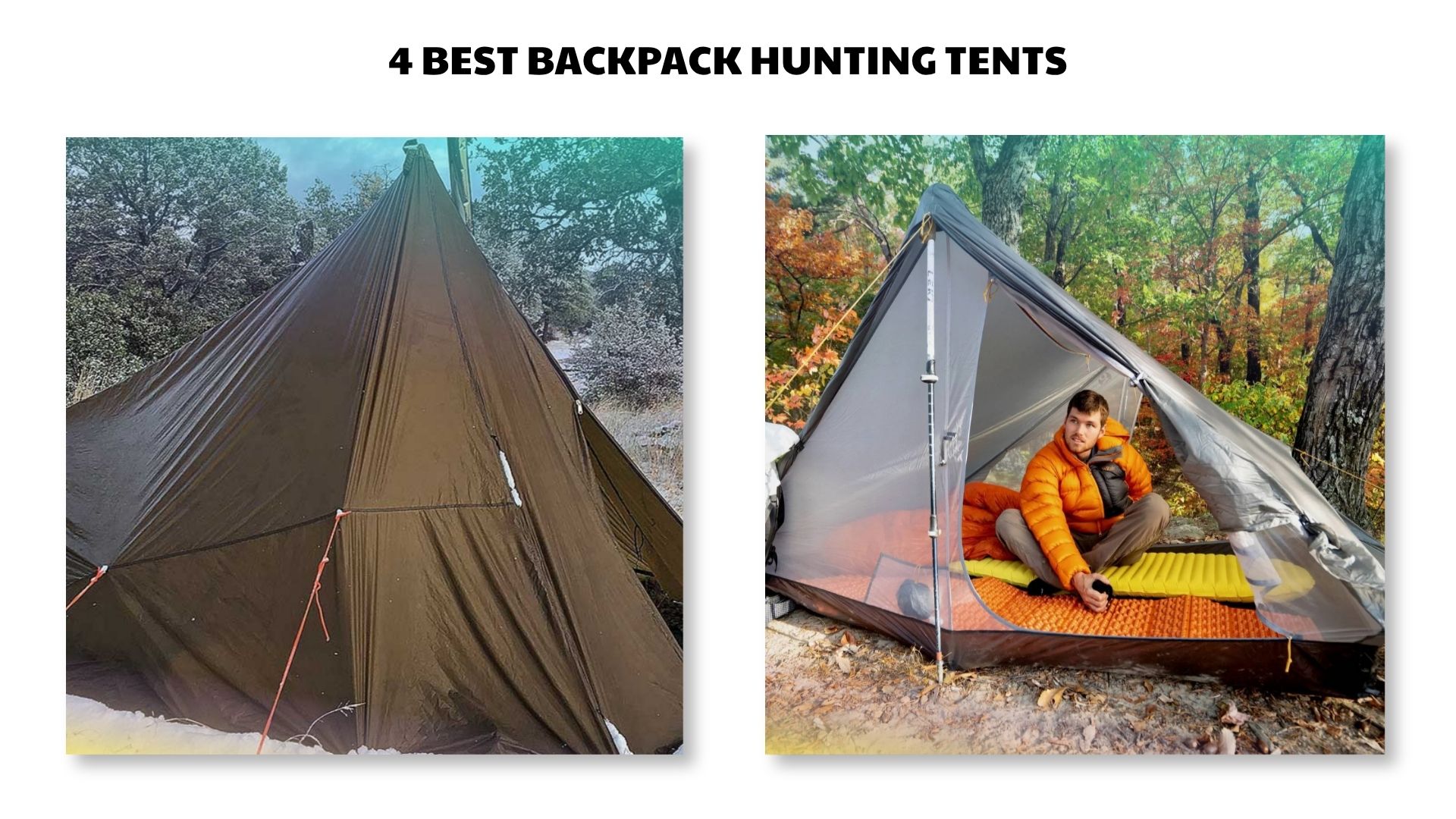
Choosing the best backpack hunting tents is about more than finding a lightweight shelter. Hunters often need a tent that can handle long hikes, changing weather, wet gear, rough ground, early mornings, and limited pack space.
This guide is written for deer hunters, elk hunters, turkey hunters, bow hunters, public land hunters, and backcountry campers who need a practical shelter for mobile hunting trips. A good backpack hunting tent should help protect you from rain, wind, insects, ground moisture, and exposure while still being light enough to carry with your hunting pack.
No tent can replace planning, outdoor skill, weather awareness, navigation, proper clothing, a safe sleep system, or good judgment. Before any hunt, check local hunting regulations, public land rules, private land permission requirements, season dates, licenses, tags, blaze orange requirements, fire restrictions, and manufacturer instructions.
Quick Picks
- Best Overall Budget Backpack Hunting Tent: Clostnature Polaris Lightweight Backpacking Tent
- Best Beginner Backpacking Tent: Kelty Late Start 1 Person Tent
- Best Compact Solo Shelter: Night Cat Backpacking Tent
- Best for Cold Weather and Rough Conditions: ALPS Mountaineering Tasmanian 2-Person Tent
Product Comparison Table
| Product | Best For | Key Features | Important Notes | Check Details |
|---|---|---|---|---|
| Clostnature Polaris Lightweight Backpacking Tent | Budget-minded hunters who want a simple backpacking shelter | Lightweight backpacking design, multiple size options, practical camping layout | Verify the current size, waterproofing details, and included accessories before buying | Check Price |
| Kelty Late Start 1 Person Tent | Beginners, solo backpackers, and simple mobile hunting camps | Freestanding structure, three-season use, fast setup design | Best for hunters who value simplicity over large interior space | Check Price |
| Night Cat Backpacking Tent | Compact solo trips, short hunts, and low-cost camping setups | Compact dome style, mesh door and window, around 4-pound listed weight in commerce coverage | Better for mild conditions than serious winter or alpine hunts | Check Price |
| ALPS Mountaineering Tasmanian 2-Person Tent | Cold weather, stronger weather protection, and two-person hunting camps | Four-season design, two doors, two vestibules, polyester materials, aluminum poles | Heavier than many three-season backpacking tents, so check pack weight carefully | Check Price |
Best Backpack Hunting Tent Reviews
1. Clostnature Polaris Lightweight Backpacking Tent
The Clostnature Polaris Lightweight Backpacking Tent is a good option for hunters who want a simple, affordable shelter for backpacking, scouting trips, weekend camping, and mobile hunting setups. It is especially useful for beginners who do not want to spend premium money before learning exactly what they need from a backcountry tent.
Key Features
- Lightweight backpacking-style shelter for camping and hiking use
- Available in multiple size options depending on the listing configuration
- Practical tent design for basic outdoor shelter needs
Pros
- Good value for hunters building a budget backpack hunting setup
- Simple enough for casual camping, scouting, and short hunting trips
- More affordable than premium ultralight hunting tents
Cons
- Not as refined as high-end backpacking shelters
- Hunters should verify current dimensions, packed weight, and included accessories before purchase
Field Notes
This tent makes sense for mild to moderate hunting conditions where budget, packability, and basic shelter matter more than extreme storm performance. It is a practical choice for public land hunters who hike in, set up near a glassing area or trail access point, and want a straightforward place to sleep.
Safety and Legal Notes
Before relying on this tent in the field, set it up at home, inspect the seams, check the stakes, test the zippers, and confirm that your sleep system fits inside. Do not use a stove or open flame inside this tent unless the manufacturer clearly states that the shelter is designed for that use. Follow local fire restrictions and campsite rules.
Best For
Best for budget-focused hunters, beginners, casual backpackers, and mobile hunters who need an affordable tent for short trips in manageable weather.
2. Kelty Late Start 1 Person Tent
The Kelty Late Start 1 Person Tent is a beginner-friendly backpacking shelter that fits hunters who want a simple solo tent with a fast setup. It is a good match for scouting trips, early-season deer hunts, turkey hunting travel, and overnight public land hunts where one person needs a basic shelter.
Key Features
- Freestanding three-season tent design
- Simple setup for newer backpackers and solo hunters
- Compact solo shelter profile for lighter camping kits
Pros
- Easy to understand for hunters new to backpack camping
- Good choice for one-person mobile setups
- Brand has a long outdoor gear history and is widely known in camping and backpacking
Cons
- Solo space can feel tight if you want to store a large hunting pack inside
- Not intended as a heavy snow or true expedition shelter
Field Notes
For backpack hunters, the biggest advantage of the Kelty Late Start is simplicity. When you hike in after dark or need to move camp quickly, an easy setup matters. The tradeoff is interior space. If you carry bulky cold-weather layers, optics, boots, and a hunting pack, plan to use the vestibule carefully and keep wet gear separated from your sleep system.
Safety and Legal Notes
Use this tent within its intended three-season limits. In cold weather, pair it with an appropriate sleeping bag, sleeping pad, clothing system, and emergency plan. Do not assume the tent alone will keep you warm. Check weather forecasts before heading into remote terrain.
Best For
Best for beginner backpack hunters, solo scouting trips, lightweight overnight camps, and hunters who want an easy-to-pitch shelter.
3. Night Cat Backpacking Tent
The Night Cat Backpacking Tent is a compact, low-cost option for hunters who want a basic solo-style camping shelter. It is best viewed as an entry-level backpacking tent for short trips, mild weather, and casual hunting travel rather than a premium backcountry shelter.
Key Features
- Compact dome-style shelter
- Mesh door and window for airflow
- Light enough for many hikers to carry on short trips
Pros
- Very budget-friendly compared with premium hunting tents
- Useful for solo camping, scouting, and short overnight hunts
- Simple shelter choice for hunters testing backpack camping for the first time
Cons
- Not ideal for harsh mountain weather or long remote hunts
- Limited space for hunters carrying large packs, boots, optics, and wet clothing
Field Notes
This tent is best for hunters who need a basic shelter and understand its limits. It can work well for warm-weather scouting trips, short deer hunting weekends, or quick camping near trailheads. For late-season elk hunting, extended rain, heavy wind, or snow, a stronger shelter would be a safer choice.
Safety and Legal Notes
Practice pitching the tent before the hunt. Carry extra stakes, guylines, a repair kit, and a groundsheet when conditions require it. Always avoid cooking inside a small tent unless the manufacturer provides clear guidance that it is safe to do so. Carbon monoxide, fire, and condensation are serious risks in enclosed shelters.
Best For
Best for hunters who need a low-cost, compact tent for mild-weather solo trips and short mobile camps.
4. ALPS Mountaineering Tasmanian 2-Person Tent
The ALPS Mountaineering Tasmanian 2-Person Tent is the most weather-focused option in this guide. It is a better fit for hunters who expect colder conditions, stronger winds, rougher camps, and more gear storage needs than a small solo tent can handle.
Key Features
- Four-season tent design
- Two doors and two vestibules for easier entry and gear storage
- Polyester fabric and aluminum pole structure listed in product coverage
Pros
- Better suited for rough conditions than many basic three-season tents
- Two vestibules help store boots, packs, and wet layers outside the sleeping area
- Good option for two hunters or one hunter who wants extra gear space
Cons
- Heavier than many ultralight backpacking tents
- May be more tent than you need for warm early-season hunts
Field Notes
Backpack hunters should pay close attention to the weight. A stronger four-season-style tent can be worth carrying when weather risk is high, but it may feel heavy on long approaches. This tent makes more sense for cold-weather deer hunts, late fall camps, exposed campsites, and situations where durability matters more than ultralight pack weight.
Safety and Legal Notes
Even with a stronger shelter, hunters should avoid exposed ridgelines, drainage bottoms, dead trees, and flood-prone campsites. In cold weather, manage condensation carefully and use a full sleep system that includes a properly rated sleeping bag and insulated sleeping pad.
Best For
Best for hunters who want more weather protection, more gear storage, and a stronger two-person tent for colder or more demanding trips.
How to Choose the Best Backpack Hunting Tents
Choose the Right Type
The most common choices are solo backpacking tents, two-person backpacking tents, four-season tents, tarp-style shelters, bivy shelters, and hot tents. Most hunters are best served by a lightweight double-wall backpacking tent because it balances protection, ventilation, setup ease, and bug protection.
Solo tents save weight but can feel cramped with hunting gear. Two-person tents give one hunter more room for a pack, boots, layers, and optics. Four-season tents are stronger but usually heavier. Hot tents can be excellent for winter base camps, but they require stove-compatible design, ventilation, fire safety, and carbon monoxide awareness.
Match the Gear to Your Hunting Style
Deer hunters on short public land trips may prefer a budget-friendly three-season tent. Elk hunters hiking deep into the backcountry may need a better balance of weight, wind stability, interior space, and durability. Bow hunters may appreciate extra vestibule space for wet clothing and careful gear organization.
Waterfowl hunters, truck campers, and base-camp hunters may not need the lightest tent. Backpack hunters who move every day should prioritize packed size, weight, and fast setup. Late-season hunters should think more about wind, rain, snow load, condensation, and sleep system warmth.
Check Fit, Sizing, and Comfort
Tent capacity can be optimistic. A one-person tent may fit one sleeping pad but not a large hunting pack. A two-person tent may be more comfortable for one hunter with gear, especially during bad weather when you may be stuck inside for several hours.
Check floor length if you are tall. Check peak height if you want to sit up. Check vestibule size if you need to store wet boots, a pack, trekking poles, and outer layers outside the sleeping area.
Consider Weight and Packability
For backpack hunting, weight matters because your tent competes with water, food, optics, clothing, first aid, game bags, and emergency gear. A lighter tent is easier to carry, but very light shelters may use thinner fabrics, smaller zippers, fewer poles, and more delicate floors.
Do not look only at “trail weight.” Make sure you understand the real packed weight with poles, stakes, guylines, stuff sack, repair items, and footprint if you plan to carry one.
Look at Materials and Durability
Tent materials affect weight, durability, stretch, water resistance, noise, and long-term value. Nylon is common in lightweight tents. Polyester can resist sagging better when wet but may be heavier depending on the design. Dyneema is very light and strong but expensive. Canvas is durable and comfortable for base camps but usually too heavy for backpack hunting.
Also check zippers, pole quality, seam construction, stake loops, guy-out points, floor denier, and whether the tent has a bathtub-style floor to help keep ground moisture out.
Think About Weather Protection
Backpack hunting often means dealing with rain, cold mornings, wind, frost, mud, and condensation. Look for a rainfly that gives enough coverage, vestibules for wet gear, ventilation points, and enough structure to stay stable in wind when properly staked.
A tent does not create warmth by itself. Warmth comes from your full sleep system: sleeping bag, sleeping pad, clothing, dry socks, ground insulation, food, hydration, and safe campsite choice.
Check Compatibility
Make sure the tent works with your sleeping pad width, pack size, trekking poles, groundsheet, stove plan, and hunting style. If you use a large framed hunting pack, confirm whether you can store it under the vestibule or inside the tent without crowding your sleeping area.
If you plan to use a tent stove, only use a shelter specifically designed for stove use. Never cut or modify a standard tent to add a stove jack unless the manufacturer provides safe instructions and parts for that exact model.
Understand Safety and Legal Requirements
Check local fire restrictions, camping rules, public land regulations, private land permission, hunting season dates, tags, licenses, blaze orange rules, firearm transport rules, and food storage rules. In bear country, follow approved food storage requirements and keep scented items away from your sleeping area.
Understand the Product’s Limits
No backpack hunting tent can guarantee warmth, safety, dryness, comfort, legal compliance, or hunting success. A tent is only one part of your system. You still need route planning, weather awareness, navigation, first aid, water treatment, communication, emergency shelter knowledge, and safe hunting practices.
Important Hunting, Outdoor, and Firearm Safety Tips Before You Buy
- Follow local hunting laws, public land rules, private land access rules, firearm safety rules, archery safety rules, and manufacturer instructions.
- Check season dates, licenses, tags, legal equipment rules, blaze orange requirements, transport rules, and storage laws before hunting.
- Carry basic safety gear such as navigation, first aid, water, weather protection, communication tools, a light source, and a trip plan.
- Practice setting up your tent before relying on it during a hunt.
- Do not use outdoor gear as a substitute for training, judgment, preparation, and safe hunting practices.
- Do not cook inside a small tent unless the manufacturer clearly states that it is safe for that shelter and setup.
- Never use a non-stove-compatible tent with a wood stove, propane heater, or open flame.
- Use carbon monoxide awareness when camping with any fuel-burning equipment near a shelter.
- Store firearms, knives, broadheads, and sharp tools securely and away from children or unauthorized users.
- Contact a qualified professional, local wildlife agency, land manager, or local authority if you are unsure about legal requirements or safe setup.
Common Mistakes to Avoid
Many hunters buy a tent based only on price, weight, or online ratings. That can lead to uncomfortable nights, wet gear, poor sleep, and unsafe decisions in bad weather.
- Buying too small: A one-person tent may not leave enough space for a hunting pack, boots, rain gear, and optics.
- Ignoring packed weight: A stronger tent may be worth it, but every pound matters on long approaches.
- Skipping setup practice: Practice at home before setting up in wind, rain, or darkness.
- Forgetting condensation: Poor ventilation can soak the inside of your shelter even when no rain gets in.
- Using the wrong tent for winter: A light three-season tent may not handle snow or strong wind.
- Trusting waterproof claims without inspection: Check seams, fly coverage, floor condition, and maintenance needs.
- Cooking carelessly: Fire and carbon monoxide risks are serious in small shelters.
- Ignoring campsite selection: Avoid dead trees, drainage channels, exposed ridges, avalanche terrain, and flood-prone ground.
- Not checking public land rules: Some areas limit where, when, or how long you can camp.
- Waiting until the hunt to test new gear: Test your tent, pad, sleeping bag, and pack setup before the season.
Troubleshooting Common Problems
| Problem | Possible Cause | What to Do |
|---|---|---|
| Condensation inside the tent | Poor ventilation, wet clothing inside, cold ground, or humid weather | Open vents when safe, keep wet gear in the vestibule, avoid breathing directly into fabric, and dry the tent when possible |
| Water under the tent floor | Bad campsite choice, groundsheet sticking out, worn floor, or heavy rain runoff | Move to higher ground, tuck the groundsheet fully under the tent, inspect the floor, and avoid drainage paths |
| Tent feels too cramped | Capacity rating is too optimistic or gear storage is poor | Use the vestibule, organize gear in small bags, or choose a two-person tent for solo hunting |
| Tent flaps loudly in wind | Loose pitch, weak staking, or poor wind orientation | Re-tension guylines, add stakes, use natural wind protection, and pitch the low end toward the wind when appropriate |
| Cold sleep despite a good tent | Wrong sleeping bag, low sleeping pad insulation, damp clothing, or poor nutrition | Upgrade the full sleep system, use a warmer pad, sleep in dry layers, and eat properly before bed |
| Zipper sticks or fails | Dirt, grit, fabric tension, or rough handling | Clean the zipper, avoid forcing it, reduce fabric tension, and carry a small repair kit |
| Poles are hard to assemble | Cold hands, low light, unfamiliar setup, or damaged shock cord | Practice before the trip, use a headlamp, inspect poles, and contact the manufacturer for replacement parts if needed |
| Gear gets wet in the vestibule | Wind-driven rain or poor vestibule coverage | Use dry bags, keep critical layers inside a waterproof liner, and angle gear away from the fly edge |
When to Get Professional Help
Contact the gear manufacturer if you notice pole damage, seam failure, zipper defects, missing parts, unclear waterproofing information, or questions about safe setup. Contact a local wildlife agency, land manager, or local authority if you are unsure about camping rules, fire restrictions, public land access, hunting seasons, legal equipment, or food storage regulations.
For backcountry hunting, consider talking with an experienced hunting guide, outdoor educator, or wilderness medicine instructor if you are new to remote camping. If you experience a medical emergency, hypothermia symptoms, carbon monoxide exposure, serious injury, or severe weather danger, seek emergency help immediately when possible.
Maintenance and Care Tips
- Set up the tent at home before the first trip and inspect all parts.
- Dry the tent completely before storage to reduce mildew risk.
- Clean dirt, mud, pine needles, and grit from the floor, zippers, poles, and stakes.
- Store the tent loosely in a cool, dry place instead of compressed for long periods.
- Check seams, guyline tensioners, pole sections, stakes, clips, and rainfly condition before each hunt.
- Use a footprint or groundsheet when appropriate, especially on rocky or abrasive ground.
- Carry a small repair kit with tape, extra cord, patches, and a pole sleeve if compatible.
- Follow manufacturer instructions for washing, seam care, waterproofing treatment, and replacement parts.
- Keep fuel, flames, heaters, and cooking systems away from non-compatible shelter fabric.
- Do not store the tent wet in your truck, garage, or pack after a trip.
Final Verdict
The best backpack hunting tents depend on your hunting style, terrain, weather, budget, and tolerance for pack weight. For most budget-minded hunters, the Clostnature Polaris Lightweight Backpacking Tent is a practical starting point. For solo beginners who want a simple setup, the Kelty Late Start is a strong choice. For short mild-weather trips, the Night Cat Backpacking Tent is a compact low-cost option. For colder and rougher conditions, the ALPS Mountaineering Tasmanian 2-Person Tent offers more weather-focused construction, though at a heavier packed weight.
Before buying, think carefully about how far you hike, how much gear you carry, whether you hunt solo or with a partner, and what weather you realistically face. A tent should support safe, responsible hunting, not replace preparation, legal compliance, outdoor judgment, or proper training.
Frequently Asked Questions
1. What is the best backpack hunting tent for most hunters?
For most hunters, the best backpack hunting tent is a lightweight two-person, three-season tent with good rain protection, ventilation, vestibule space, and manageable packed weight. Solo hunters often benefit from a two-person tent because hunting gear takes up extra room.
2. How do I know if a backpack hunting tent is worth buying?
It is worth buying if it fits your body, sleep system, pack space, weather conditions, hunting style, and budget. Check setup ease, rainfly coverage, pole quality, floor durability, packed weight, and manufacturer instructions.
3. Is a one-person tent enough for hunting?
A one-person tent can work for minimalist hunters, but it may feel cramped with boots, optics, wet layers, and a framed hunting pack. Many solo hunters prefer a two-person shelter for better comfort and gear storage.
4. Should I choose a two-person tent for solo backpack hunting?
Yes, if you can handle the extra weight. A two-person tent gives you more room during bad weather and makes it easier to organize hunting gear without crowding your sleeping bag.
5. What tent weight is good for backpack hunting?
Many backpack hunters try to keep shelter weight low, but there is no perfect number. Long-distance hunters may prioritize ultralight tents, while cold-weather hunters may accept more weight for strength and weather protection.
6. Are ultralight tents good for hunting?
Ultralight tents can be good for long hikes, but they may use thinner materials and smaller zippers. Hunters should balance weight savings with durability, weather protection, and the risk of rough campsites.
7. Are four-season tents better for hunting?
Four-season tents are better for cold, wind, and snow, but they are usually heavier and may have less ventilation in warm weather. They are not necessary for every hunt.
8. Can I use a regular backpacking tent for hunting?
Yes. Many backpacking tents work well for hunting if they fit your gear, weather, and terrain. Hunting-specific tents may offer colors, durability, or stove options, but regular backpacking tents can still be practical.
9. Do I need a camouflage tent?
Usually no. Camp placement, scent control, wind awareness, and legal hunting behavior matter more than tent camouflage. In some areas, bright colors may even improve camp visibility and safety.
10. What is the best tent color for hunting?
Earth-tone colors can blend into camp better, while brighter colors are easier to find in low light or emergencies. Check whether local rules or land managers have any visibility requirements.
11. Is a hot tent good for backpack hunting?
A hot tent can be useful in cold weather, but only if it is designed for stove use. It requires ventilation, stove safety, fire awareness, carbon monoxide awareness, and careful setup.
12. Can I put a stove in any backpacking tent?
No. Never use a stove in a standard tent unless the manufacturer clearly states that the shelter is designed for stove use. Fire and carbon monoxide risks can be deadly.
13. What is the safest way to cook near a backpack hunting tent?
Cook outside in a ventilated area away from tent fabric, dry grass, and flammable gear. Follow stove instructions, fire restrictions, and bear-country food rules.
14. How important is vestibule space?
Vestibule space is very important for hunters because it gives you a protected area for boots, wet clothing, trekking poles, and some pack items without crowding the sleeping area.
15. Should I store my hunting pack inside the tent?
You can if there is enough room and the pack is dry. In small tents, it may be better to keep the pack under the vestibule with critical items protected in waterproof bags.
16. What is a double-wall tent?
A double-wall tent has an inner tent and an outer rainfly. This design can help manage condensation and weather protection better than many single-wall shelters.
17. What is a single-wall tent?
A single-wall tent uses one main shelter layer. It can save weight but may require more careful ventilation to manage condensation.
18. What is a freestanding tent?
A freestanding tent can stand with its pole structure before being staked. You should still stake it down, especially in wind or rain.
19. Are non-freestanding tents good for hunting?
They can be good for experienced users who want lower weight, but they depend more on correct staking and site selection. Rocky or frozen ground can make setup harder.
20. How do I reduce condensation in my tent?
Use vents, avoid bringing wet gear inside, choose a campsite with airflow, keep the rainfly properly tensioned, and avoid camping too close to water when conditions allow.
21. What floor size do I need?
Check your sleeping pad size, body height, and gear storage needs. Taller hunters and hunters using wide pads should confirm interior dimensions before buying.
22. What peak height is comfortable?
A tent should let you sit up enough to change layers and organize gear. Low-profile shelters handle wind well but may feel cramped during long storms.
23. Do I need a footprint?
A footprint can protect the tent floor on rocky, wet, or abrasive ground. It adds weight, so backpack hunters should decide based on terrain and trip length.
24. Can I use a tarp instead of a tent?
A tarp can be lighter, but it offers less bug protection, privacy, and enclosed weather protection. It also requires more skill to pitch safely in bad weather.
25. Is a bivy shelter good for hunting?
A bivy can be very compact, but it can feel restrictive and may have more condensation. It is best for minimalist hunters who understand its limitations.
26. What tent is best for elk hunting?
For elk hunting, look for a tent with low packed weight, strong weather protection, enough room for gear, and a durable floor. Late-season elk hunts may require a stronger shelter than early-season trips.
27. What tent is best for deer hunting?
For deer hunting, a simple three-season backpacking tent is often enough for early and mid-season trips. Cold late-season hunts may require better wind protection and a warmer sleep system.
28. What tent is best for bow hunting?
Bow hunters should look for enough vestibule space to keep gear organized and dry. A quiet zipper and easy entry can also help during early morning movement.
29. What tent is best for turkey hunting?
For turkey hunting travel, a simple lightweight tent is often enough because many trips happen in spring. Rain protection and ventilation are still important.
30. What tent is best for waterfowl hunting?
Waterfowl hunters often camp near wet areas, so waterproofing, ground moisture protection, and drying space are important. Also check local camping and access rules near waterways.
31. Can I use a backpack hunting tent in hot weather?
Yes, but ventilation matters. Choose mesh panels, vents, and a rainfly setup that allows airflow while still protecting against storms and insects.
32. Can I use a backpack hunting tent in cold weather?
Yes, if the shelter is appropriate for the conditions. The tent alone does not keep you warm, so pair it with the right sleeping bag, sleeping pad, clothing, and food plan.
33. How do I keep my tent quiet?
Pitch it tightly, use all needed guylines, avoid loose fabric, and choose a protected campsite. Some ultralight fabrics can be noisier in wind.
34. How do I keep my gear dry?
Use dry bags, pack liners, vestibule storage, and careful campsite selection. Keep critical layers, electronics, maps, and first aid items protected from rain and condensation.
35. What should I put under my tent?
You can use a footprint, groundsheet, or manufacturer-recommended ground protection. Make sure it does not stick out beyond the tent floor, or it can collect rainwater underneath.
36. How do I choose a campsite?
Choose level, durable ground away from dead trees, flood channels, animal trails, exposed ridges, and fragile vegetation. Follow all land management rules.
37. Should I camp near water?
Camping near water can be convenient, but it may increase condensation, insects, and flood risk. Follow local setback rules and Leave No Trace practices.
38. How do I protect my tent from sharp rocks?
Clear small debris carefully without damaging the area, use a footprint if needed, and avoid dragging the tent across rough ground.
39. What should I do if a tent pole breaks?
Use a repair sleeve if available, splint the damaged section, reduce stress on the pole, and contact the manufacturer for replacement parts after the trip.
40. What should I do if a seam leaks?
Dry the area when possible, use appropriate repair tape or seam sealer according to manufacturer instructions, and inspect the tent after the trip.
41. How often should I waterproof my tent?
Follow manufacturer instructions. Reapply treatments only when needed and only with products compatible with the tent fabric and coatings.
42. Can I wash a backpack hunting tent?
Usually you should avoid machine washing unless the manufacturer allows it. Most tents should be hand-cleaned with mild products and dried completely.
43. How should I store my tent?
Store it dry, clean, and loosely packed in a cool place. Long-term compression and moisture can damage fabric, coatings, and seams.
44. How long does a backpack hunting tent last?
It depends on materials, use, UV exposure, care, storage, and weather. Regular inspection and proper storage can extend its useful life.
45. Are expensive tents always better?
Not always. Expensive tents may be lighter, stronger, or more refined, but the best choice is the one that fits your actual hunting conditions and budget.
46. Are budget tents safe?
Budget tents can be safe when used within their limits. Do not expect an entry-level tent to perform like a premium four-season shelter in severe weather.
47. What should beginners look for first?
Beginners should look for easy setup, manageable weight, good ventilation, reliable rainfly coverage, enough space, and clear manufacturer instructions.
48. What should experienced backcountry hunters prioritize?
Experienced hunters may prioritize weight, storm stability, repairability, packed size, floor durability, vestibule space, and compatibility with their full sleep and pack system.
49. Can kids use backpack hunting tents?
Kids can camp in backpacking tents with adult supervision. Adults should manage setup, campsite safety, sharp tools, fire risk, weather planning, and emergency gear.
50. Are women-specific tents necessary?
Usually no. Tent choice is based more on height, sleeping pad size, gear volume, strength, and comfort needs than gender. Some hunters may prefer lighter tents or easier setup designs.
51. Should I bring extra stakes?
Yes, extra stakes can help if the ground is loose, rocky, or windy. Consider stake type based on soil, snow, sand, or rocky terrain.
52. Should I bring extra guylines?
Extra cord is useful for repairs, better wind pitching, drying gear, and emergency fixes. Keep it organized so it does not tangle in your pack.
53. What should I do before the first hunt with a new tent?
Pitch it at home, inspect every part, sleep in it if possible, test your pad and bag fit, check packed size, and practice setup in low light.
54. What should I not do with a backpack hunting tent?
Do not use open flames inside a non-compatible tent, store it wet, ignore weather warnings, pitch under dead trees, or rely on it beyond its intended conditions.
55. When should I replace my backpack hunting tent?
Replace it when poles, seams, zippers, floor coatings, rainfly fabric, or structural parts can no longer be trusted. Safety and weather protection matter more than stretching one more season from worn gear.
Read more: