
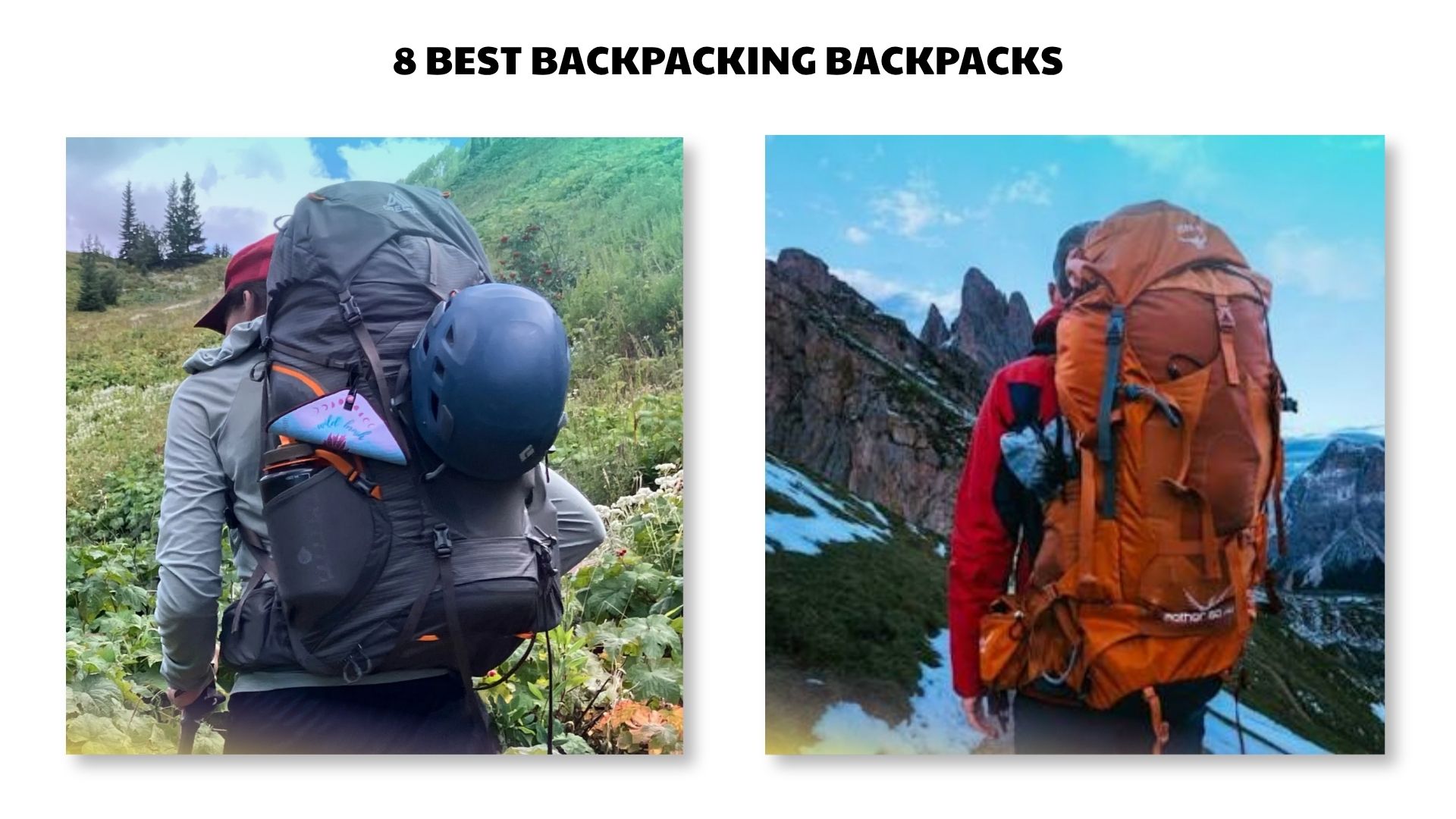
Choosing the best backpacking backpacks is not just about finding the biggest pack or the lightest pack. A good backpacking backpack should fit your torso, transfer weight to your hips, organize your gear, protect important items, and stay comfortable over long miles.
This guide is written for hikers, campers, backpack hunters, public land hunters, elk hunters, deer hunters, weekend backpackers, and beginners who want a reliable pack for overnight and multiday trips. The right pack can help carry shelter, food, water, clothing layers, first aid, navigation, sleeping gear, and field essentials without making every step harder than necessary.
No backpack can replace training, planning, fitness, safe hunting practices, weather awareness, or good judgment. Before heading outdoors, check local hunting laws, public land rules, private land permission requirements, licenses, tags, blaze orange requirements, firearm transport rules, fire restrictions, food storage rules, and manufacturer instructions.
Quick Picks
- Best Overall: Osprey Atmos AG LT 65
- Best Lightweight Load Hauler: Granite Gear Blaze 60
- Best for Heavy Loads: Osprey Aether 65
- Best for Adjustability: Gregory Paragon 60
- Best for Organization: Deuter Aircontact Core 60+10
- Best Lightweight Ventilated Pack: Osprey Exos 58
- Best Affordable Osprey Pack: Osprey Rook 65L
- Best Heavy-Duty Organization: Gregory Baltoro 65
Product Comparison Table
| Product | Best For | Key Features | Important Notes | Check Details |
|---|---|---|---|---|
| Osprey Atmos AG LT 65 | Most backpackers who want comfort and support | Suspended mesh back panel, supportive hip belt, 65L capacity class, rain cover on many versions | Comfort-focused but not the lightest option | Check Price |
| Granite Gear Blaze 60 | Lightweight backpackers who still need load support | 60L capacity class, strong frame support, removable lid, large pockets | Small hardware may be harder to use with gloves | Check Price |
| Osprey Aether 65 | Heavier loads, cold-weather gear, and long trips | Adjustable suspension, strong hip belt, front access, sleeping bag compartment | Heavier than many modern backpacking packs | Check Price |
| Gregory Paragon 60 | Backpackers who want comfort and adjustability | Adjustable torso, moving hip belt, multiple access points, useful pockets | Not ideal for very heavy loads compared with stronger load haulers | Check Price |
| Deuter Aircontact Core 60+10 | Organization, access, and comfortable traditional backpacking | Expandable capacity, U-shaped access, padded carry system, many pockets | Heavier and less minimalist than ultralight packs | Check Price |
| Osprey Exos 58 | Lightweight backpackers who want airflow and comfort | 58L capacity class, ventilated back panel, lightweight frame design | Smaller hip belt pockets and fewer features than heavier packs | Check Price |
| Osprey Rook 65L | Beginners who want an affordable Osprey pack | 65L capacity class, adjustable torso, suspended mesh back panel, rain cover | Simple feature set and not as refined as premium Osprey packs | Check Price |
| Gregory Baltoro 65 | Heavy-duty organization and heavier backpacking loads | 65L capacity class, large pockets, strong suspension, multiple access points | Heavy and expensive compared with lighter alternatives | Check Price |
Best Backpacking Backpacks Reviews
1. Osprey Atmos AG LT 65
The Osprey Atmos AG LT 65 is one of the best backpacking backpacks for hikers and hunters who want comfort, ventilation, and strong all-around support. It is a practical choice for overnight trips, multiday backpacking, early-season hunting camps, and general backcountry travel.
Key Features
- 65-liter capacity class for overnight and multiday backpacking
- Suspended mesh-style back panel for airflow and comfort
- Supportive shoulder harness and hip belt for moderate backpacking loads
- Useful organization for water bottles, layers, small items, and trail essentials
Pros
- Excellent comfort for many body types
- Good ventilation for warm-weather hiking
- Strong balance of features, comfort, and simplicity
- Practical for backpackers who do not want an ultralight minimalist pack
Cons
- Not the lightest pack in this category
- May be more pack than minimalist backpackers need
Field Notes
This pack works well when comfort matters more than shaving every possible ounce. For hunting use, it can carry camp gear, clothing layers, food, water, and safety gear, but it is not a specialized meat-hauling frame pack.
Safety and Legal Notes
Test the pack with realistic weight before heading into remote terrain. Keep essential safety items accessible, including navigation, first aid, water treatment, a light source, weather protection, and communication tools.
Best For
Best for backpackers and hunters who want a comfortable, supportive, full-size pack for overnight and multiday trips.
2. Granite Gear Blaze 60
The Granite Gear Blaze 60 is a strong choice for backpackers who want to go lighter without moving into a fragile or frameless ultralight pack. It offers a useful mix of weight savings, load support, organization, and trail practicality.
Key Features
- 60-liter capacity class for weekend and multiday trips
- Supportive frame for carrying more weight than many ultralight-style packs
- Large exterior pockets and removable lid
- Good balance of low weight and usable structure
Pros
- Excellent lightweight load-hauling balance
- Good organization without too many unnecessary extras
- Useful for backpackers moving toward lighter gear
- More supportive than many frameless ultralight packs
Cons
- Small buckles can be harder to handle with cold hands or gloves
- Less plush than heavier comfort-focused packs
Field Notes
The Blaze 60 is ideal for backpackers who have already trimmed some gear weight but still need real support. For backpack hunters, it can work well for scouting, early-season camps, and lighter mobile hunting trips.
Safety and Legal Notes
Do not cut essential safety items just to reduce pack weight. Lightweight backpacking still requires first aid, water treatment, weather protection, navigation, communication, and a realistic trip plan.
Best For
Best for lightweight backpackers, experienced hikers, and mobile hunters who want lower pack weight without giving up support.
3. Osprey Aether 65
The Osprey Aether 65 is built for backpackers who carry heavier loads and want strong adjustability. It is a good fit for longer trips, colder weather, larger food carries, and situations where a more supportive pack is worth the extra weight.
Key Features
- 65-liter capacity class for multiday backpacking
- Adjustable suspension system for dialing in fit
- Strong hip belt and shoulder harness for heavier backpacking loads
- Multiple access points for easier packing and unpacking
Pros
- Strong choice for heavier loads
- More adjustable than many simple backpacking packs
- Good access to interior gear
- Useful for colder trips with bulkier clothing and sleep systems
Cons
- Heavier than many lightweight backpacking packs
- May feel like too much pack for short warm-weather trips
Field Notes
The Aether 65 makes sense when comfort under heavier loads matters more than saving ounces. It is useful for cold-weather camp gear, longer approaches, and trips where durability and adjustability are priorities.
Safety and Legal Notes
Heavy loads increase fatigue and injury risk. Build fitness gradually, adjust the hip belt and load lifters correctly, and avoid pushing beyond your ability. When hunting, follow all game laws, tag requirements, public land rules, and firearm or archery safety rules.
Best For
Best for backpackers and hunters who carry heavier loads, colder-weather gear, or larger food and water supplies.
4. Gregory Paragon 60
The Gregory Paragon 60 is a comfortable and adjustable backpacking pack for hikers who want a good fit, easy access, and useful organization. It is especially appealing for backpackers who want a traditional pack that can be tuned to their body shape.
Key Features
- 60-liter capacity class for overnight and multiday trips
- Adjustable torso system
- Hip belt design that moves with the user
- Multiple access points for easier gear retrieval
Pros
- Very adjustable fit
- Comfortable for moderate backpacking loads
- Good exterior pockets and access points
- Useful for backpackers who want more organization than a minimalist pack
Cons
- Not the best option for very heavy loads
- Not as light as some competing 60-liter packs
Field Notes
The Paragon 60 is a strong option for backpackers who care about fit and comfort but do not need the stiffest heavy-load suspension. For hunters, it works best for camp gear and lighter overnight setups rather than serious meat-hauling duties.
Safety and Legal Notes
Fit the hip belt and shoulder harness before your trip. A pack that is technically well-made can still cause pain if it is the wrong size or poorly adjusted.
Best For
Best for backpackers who want adjustability, access, and comfort for moderate multiday loads.
5. Deuter Aircontact Core 60+10
The Deuter Aircontact Core 60+10 is a practical backpacking backpack for people who like organization, structure, and multiple access points. It is especially useful if you want a pack that can expand for longer trips and help keep gear separated instead of buried in one large compartment.
Key Features
- Expandable 60+10-liter capacity class
- Multiple access points for packing and retrieving gear
- Padded carry system for comfort under backpacking loads
- Several pockets for organization and trail essentials
Pros
- Excellent for organized packers
- Expandable capacity is useful for longer trips
- Good option for backpackers who dislike digging through top-loading packs
- Comfort-focused design for traditional backpacking loads
Cons
- Heavier than minimalist alternatives
- One-size fit may not work for everyone
Field Notes
The Deuter Aircontact Core 60+10 is useful for backpackers who want to keep a sleeping bag, food, rain gear, water filter, first aid kit, and clothing layers easy to reach. For hunting trips, the extra organization can help separate safety gear, extra socks, field layers, and camp items.
Safety and Legal Notes
Do not let extra capacity encourage unnecessary overpacking. Carry what you need for safety, weather, navigation, hydration, and legal hunting requirements, but avoid loading the pack beyond your physical ability.
Best For
Best for backpackers, campers, and hunters who want strong organization, easy access, and expandable capacity.
6. Osprey Exos 58
The Osprey Exos 58 is a lightweight backpacking pack for hikers who want ventilation, comfort, and a lower total pack weight. It is a good option for backpackers who want a lighter system but still prefer a framed pack over a frameless ultralight bag.
Key Features
- 58-liter capacity class
- Ventilated suspended back panel
- Lightweight frame design
- Useful capacity for weekend and lighter multiday trips
Pros
- Good ventilation for hot-weather backpacking
- Lighter than many traditional internal-frame packs
- More beginner-friendly than many frameless ultralight packs
- Good choice for hikers with compact gear
Cons
- Less supportive than heavier load-hauling packs
- Smaller pockets and fewer features than some traditional packs
Field Notes
The Exos 58 works best when your gear is already reasonably light and compact. For hunting use, it is better for scouting, summer backpacking, and lightweight camp gear than for heavy cold-weather or pack-out loads.
Safety and Legal Notes
Do not confuse a lightweight pack with a complete safety system. Carry the essentials for weather changes, water treatment, injury response, and navigation.
Best For
Best for lightweight backpackers who want airflow and structure without moving to a fully minimalist pack.
7. Osprey Rook 65L
The Osprey Rook 65L is an affordable backpacking backpack for beginners who want a simple, durable, and comfortable pack from a well-known outdoor brand. It offers the basic features most new backpackers need without the price of premium Osprey models.
Key Features
- 65-liter capacity class
- Adjustable torso fit
- Suspended mesh back panel for airflow
- Simple pocket layout and included rain cover on many versions
Pros
- Good beginner value
- Comfortable suspended back panel
- Durable enough for regular trail use
- Simple and easy to understand
Cons
- Not as feature-rich as premium packs
- Heavier than some lightweight alternatives
Field Notes
The Rook 65L is a strong option for new backpackers who want a full-size pack without overcomplicating the setup. It can also work for casual hunting camps where the pack mainly carries sleeping gear, clothing, food, and field essentials.
Safety and Legal Notes
Even with a comfortable pack, avoid overloading it. Learn how to adjust the hip belt, shoulder straps, sternum strap, and load lifters before your trip.
Best For
Best for beginners who want an affordable, comfortable, full-size backpacking pack.
8. Gregory Baltoro 65
The Gregory Baltoro 65 is a heavy-duty backpacking pack built for hikers who want organization, structure, and load-carrying comfort. It is not a minimalist pack, but it can be useful for gear-heavy trips where easy access and support matter.
Key Features
- 65-liter capacity class
- Large exterior pockets and multiple access points
- Supportive suspension for heavier backpacking loads
- Comfort-focused hip belt and shoulder harness
Pros
- Good organization for gear-heavy trips
- Comfortable under heavier loads
- Multiple ways to access the main compartment
- Useful for backpackers who dislike minimalist packs
Cons
- Heavy compared with many modern packs
- Expensive for backpackers who do not need its full feature set
Field Notes
The Baltoro 65 is best for people who would rather carry extra pack weight in exchange for pockets, support, and comfort. It may be useful for cold-weather backpacking or gear-heavy hunting camps, but dedicated hunters should still compare it with purpose-built hunting packs if meat hauling is a priority.
Safety and Legal Notes
A heavy-duty pack can encourage overpacking. Keep your total load realistic and practice carrying it before the trip. Heavy loads can increase the risk of falls, knee strain, back pain, and fatigue.
Best For
Best for backpackers who want heavy-duty organization, comfort, and support for gear-heavy trips.
How to Choose the Best Backpacking Backpacks
Choose the Right Type
Most overnight and multiday backpackers should look at internal frame backpacks. These packs keep the load close to your body and help transfer weight to your hips. They work well on uneven trails, steep climbs, and most backpacking routes.
External frame packs can still be useful for bulky or irregular loads, but they are less common for modern backpacking. Frameless packs are popular with ultralight hikers, but they are usually uncomfortable with heavy loads and are not ideal for most beginners or gear-heavy hunting trips.
Match Capacity to Trip Length
For short weekend trips, many backpackers use packs in the 30- to 50-liter range. For three- to five-day trips, 50 to 80 liters is common. For extended trips, winter conditions, or bulky gear, 70 liters or more may be needed.
Hunters should also consider optics, extra clothing, game bags, emergency gear, blaze orange layers, and local legal requirements. Do not choose capacity based only on trip length. Choose it based on what you must safely and legally carry.
Check Fit, Sizing, and Comfort
Backpack fit is more important than brand name. Torso length matters more than height. The hip belt should wrap your hips securely, and the shoulder straps should follow your shoulders without painful gaps or pressure points.
A good backpack should transfer most of the load to your hips instead of hanging from your shoulders. Try the pack with realistic weight before your trip. Walk stairs, climb hills, and test it with the clothing layers you expect to wear.
Consider Weight and Packability
A lighter pack can save energy, but only if it still supports your load. If you carry heavy food, water, cold-weather gear, a large tent, or hunting equipment, a slightly heavier pack with a stronger frame may feel better than a lighter pack with poor support.
Think about your full system. A lightweight backpack works best when your tent, sleeping bag, sleeping pad, stove, and clothing are also reasonably light and compact.
Look at Materials and Durability
Backpack durability depends on fabric, stitching, zippers, buckles, frame design, and how you treat the pack. Lighter fabrics can save weight but may need more careful handling around rocks, brush, deadfall, and sharp gear.
Hunters should pay special attention to abrasion resistance, quietness, buckle strength, hip belt comfort, and how the pack handles wet weather, mud, and repeated use in rough terrain.
Think About Weather Protection
Most backpacks are not fully waterproof. Rain can enter through seams, zippers, and wet fabric. Use a pack cover, pack liner, dry bags, or waterproof stuff sacks to protect sleeping gear, clothing layers, first aid items, electronics, and maps.
In cold weather, moisture management matters. Wet insulation, wet socks, and soaked base layers can create real safety risks. Keep critical gear dry even if your pack has a rain cover.
Check Compatibility
Make sure the backpack works with your sleeping bag, tent poles, hydration reservoir, water bottles, trekking poles, bear canister, rain gear, optics, and emergency gear. If you use a rifle, bow, tripod, or spotting scope for lawful hunting, confirm safe and secure carry options without blocking access to safety items.
Do not modify a backpack in a way that damages the frame, weakens straps, creates sharp edges, or causes unsafe carry. Follow manufacturer guidance for load limits, care, and attachment points.
Understand Safety and Legal Requirements
Backpackers and hunters should check public land camping rules, food storage laws, fire restrictions, hunting seasons, tags, licenses, blaze orange rules, weapon transport rules, and private land permission requirements. Regulations can change by state, unit, land agency, and season.
Understand the Product’s Limits
No backpack can guarantee comfort, injury prevention, warmth, safety, legal compliance, or hunting success. A good pack helps carry gear, but it cannot replace fitness, route planning, map skills, weather judgment, safe firearm handling, or responsible hunting behavior.
Important Hunting, Outdoor, and Firearm Safety Tips Before You Buy
- Follow local hunting laws, wildlife regulations, public land rules, private land access rules, firearm safety rules, archery safety rules, and manufacturer instructions.
- Check season dates, licenses, tags, legal equipment rules, blaze orange requirements, transport rules, and storage laws before hunting.
- Carry basic safety gear such as navigation, first aid, water, weather protection, communication tools, a light source, and a trip plan.
- Practice packing, adjusting, and walking with your backpack before relying on it in the field.
- Do not use outdoor gear as a substitute for training, judgment, preparation, and safe hunting practices.
- Keep heavy items close to your back and centered to improve balance.
- Store firearms, knives, broadheads, and sharp tools securely and away from children or unauthorized users.
- Use safe food storage in bear country and follow local rules for scented items.
- Contact a qualified professional, local wildlife agency, gear manufacturer, or local authority if you are unsure about legal requirements or safe setup.
Common Mistakes to Avoid
The wrong backpack can make a good trip miserable. Many problems come from poor fit, overpacking, choosing the wrong capacity, or buying a pack based only on online popularity.
- Buying before checking torso fit: Your height alone does not determine pack size.
- Ignoring hip belt comfort: A poor hip belt can cause sore hips, shoulder strain, and poor load transfer.
- Choosing too much capacity: Extra space often encourages overpacking.
- Choosing too little capacity: Strapping too much gear outside the pack can hurt balance and snag on brush.
- Buying based only on weight: A very light pack may not support your real load.
- Ignoring weather protection: Pack covers and dry bags matter in rain, snow, and wet brush.
- Not testing with real weight: A pack that feels good empty may feel bad after several miles loaded.
- Packing heavy gear too far from your back: This can pull you backward and waste energy.
- Ignoring hunting-specific needs: Standard backpacking packs may not be ideal for meat hauling or bulky hunting gear.
- Waiting until the trip to adjust the pack: Learn the hip belt, sternum strap, shoulder straps, and load lifters before leaving home.
Troubleshooting Common Problems
| Problem | Possible Cause | What to Do |
|---|---|---|
| Shoulder pain | Too much weight on shoulder straps, poor hip belt fit, or wrong torso size | Tighten the hip belt first, adjust load lifters, check torso length, and reduce unnecessary weight |
| Hip belt slipping | Wrong hip belt size, slick clothing, poor adjustment, or overloaded pack | Reposition the belt on your hip bones, tighten evenly, check sizing, and test with realistic weight |
| Pack pulls backward | Heavy gear packed too far away from your back | Move dense items closer to your spine and use compression straps to stabilize the load |
| Lower back soreness | Poor load transfer, wrong torso length, weak core, or too much weight | Adjust fit, repack heavier items, train gradually, and reduce nonessential gear |
| Water gets inside the pack | Rain, wet brush, unprotected seams, or no internal waterproofing | Use a pack liner, dry bags, waterproof stuff sacks, or a properly fitted rain cover |
| Hard to reach water bottles | Pocket angle or pack fit does not work for your body | Test bottle access before buying, use a hydration reservoir, or choose a pack with better side pockets |
| Gear is hard to find | Poor organization or too many loose items | Use stuff sacks, keep essentials in consistent pockets, and choose a pack with the access style you prefer |
| Pack feels unstable on rough terrain | Loose compression straps, bad weight distribution, or overloaded exterior attachments | Tighten compression straps, keep heavy gear inside, and avoid dangling items from the outside |
When to Get Professional Help
Get help from a gear shop, experienced backpacker, hunting guide, or manufacturer if you cannot make a pack fit comfortably after several adjustments. A professional can help measure torso length, check hip belt fit, explain load lifters, and compare pack sizes.
Contact a local wildlife agency, land manager, or local authority if you have questions about hunting laws, public land access, camping rules, fire restrictions, food storage, game retrieval, firearm transport, or legal equipment. For repeated pain, numbness, injury, or medical concerns, speak with a medical professional.
Maintenance and Care Tips
- Empty the pack completely after every trip.
- Shake out dirt, pine needles, food crumbs, and debris.
- Clean mud and sweat with manufacturer-approved methods.
- Dry the pack fully before storing it.
- Inspect buckles, zippers, seams, hip belt padding, shoulder straps, and frame components.
- Check for abrasion after trips through brush, rocks, deadfall, or rough terrain.
- Store the pack in a cool, dry place away from direct sun and rodents.
- Do not overload the pack beyond safe and reasonable use.
- Keep sharp tools, knives, broadheads, and cooking gear protected so they do not damage fabric.
- Follow manufacturer instructions for cleaning, repairs, replacement parts, and warranty questions.
Final Verdict
The best backpacking backpacks depend on your trip length, load weight, body shape, terrain, budget, and outdoor style. The Osprey Atmos AG LT 65 is the best overall comfort-focused choice. The Granite Gear Blaze 60 is the best lightweight load hauler. The Osprey Aether 65 is ideal for heavier loads. The Gregory Paragon 60 is excellent for adjustability.
For hunting trips, choose carefully. A backpacking backpack can work well for camp gear, scouting, and mobile overnight trips, but serious meat hauling may require a dedicated hunting frame pack. Whatever pack you choose, test it before the trip, pack it correctly, follow local laws, and carry the safety gear needed for responsible outdoor travel.
Frequently Asked Questions
1. What is the best backpacking backpack for most people?
The best backpacking backpack for most people is a properly fitted internal frame pack in the 50- to 70-liter range. It should transfer weight to the hips, fit your torso, carry your expected load, and organize gear in a way that matches your trip style.
2. How do I know if a backpacking backpack is worth buying?
It is worth buying if it fits your torso and hips, carries your real trip weight comfortably, has enough capacity, uses durable materials, and gives you access to the items you need most often.
3. What size backpack do I need for a weekend trip?
Many weekend backpackers use a pack in the 30- to 50-liter range. If your gear is bulky or you carry hunting layers, cold-weather items, or extra water, you may need more capacity.
4. What size backpack do I need for a 3- to 5-day trip?
Many backpackers use a 50- to 80-liter pack for three- to five-day trips. The best size depends on food volume, weather, sleep system bulk, and whether you carry specialized gear.
5. Is a 65-liter backpack too big?
A 65-liter backpack is not too big for many multiday trips, colder weather, or hunting camps. It may be too large if you pack very light or only take short overnight trips.
6. Is a 60-liter backpack enough for backpacking?
A 60-liter backpack is enough for many weekend and multiday backpacking trips if your gear is reasonably compact. Beginners with bulky gear may need more space.
7. Is a 70-liter backpack too heavy?
A 70-liter backpack can become heavy if you fill all the space. Larger capacity is useful for bulky gear, but it can encourage overpacking if you are not disciplined.
8. What is the difference between a hiking backpack and a backpacking backpack?
A hiking backpack is often smaller and made for day trips. A backpacking backpack is larger and built to carry overnight gear such as a tent, sleeping bag, sleeping pad, food, stove, water, and extra clothing.
9. Are backpacking backpacks good for hunting?
They can be good for scouting, camping, and carrying general gear. However, they may not be ideal for packing out meat or carrying heavy hunting-specific loads. Many hunters prefer dedicated hunting packs for that job.
10. Can I use a hunting pack for backpacking?
Yes, but hunting packs can be heavier and more specialized. They may work well for heavy loads, but some hikers prefer lighter backpacking packs for standard trail trips.
11. What is an internal frame backpack?
An internal frame backpack has hidden structure inside the back panel. It keeps the load close to the body and helps with balance on uneven terrain.
12. What is an external frame backpack?
An external frame backpack has a visible frame outside the pack bag. It can be useful for bulky loads but is less common for modern backpacking.
13. What is a frameless backpack?
A frameless backpack has little or no structural frame. It is usually best for ultralight hikers carrying very low total weight.
14. Is a frameless backpack good for beginners?
Usually no. Beginners often carry more weight and benefit from a supportive frame, hip belt, and adjustable suspension.
15. How should a backpacking backpack fit?
It should match your torso length and hip size. The hip belt should carry most of the load, the shoulder straps should rest comfortably, and the pack should feel stable when walking.
16. Does height determine backpack size?
No. Torso length matters more than overall height. Two people of the same height may need different backpack sizes.
17. How tight should the hip belt be?
The hip belt should be snug enough to support the load on your hips without causing pain, numbness, or restricted movement.
18. What are load lifters?
Load lifters are straps near the top of the shoulder harness that help pull the pack closer to your body and improve balance.
19. What is the sternum strap for?
The sternum strap helps stabilize the shoulder straps and reduce side-to-side movement. It should not be so tight that it restricts breathing.
20. How much weight should I carry backpacking?
Carry only what you can safely handle. Your ideal load depends on fitness, terrain, trip length, weather, water availability, and gear weight.
21. Should I choose comfort or lightweight design?
Choose the best balance for your trip. A lightweight pack is helpful, but a more supportive pack may feel better if you carry heavy loads.
22. Are ultralight backpacks durable?
Some ultralight backpacks are durable for their intended use, but they often require more careful handling than heavier packs with thicker fabrics.
23. What backpack material is best?
There is no single best material. Look for a balance of abrasion resistance, weight, water resistance, stitching quality, and repairability.
24. Are backpacking backpacks waterproof?
Most are not fully waterproof. Use a pack cover, liner, dry bags, or waterproof stuff sacks to protect critical gear.
25. Do I need a rain cover?
A rain cover is useful in wet weather, but it may not protect everything. An internal pack liner or dry bags are often more reliable for important items.
26. What should go at the bottom of a backpack?
Many backpackers place sleeping gear and items not needed during the day near the bottom. Keep heavy items closer to your back and centered.
27. Where should heavy items go?
Heavy items should usually go close to your spine and near the middle of the pack. This helps balance and reduces pulling.
28. Should I strap gear outside my backpack?
Only when necessary. Too much exterior gear can snag on brush, shift weight, make noise, and throw off balance.
29. How do I carry a tent on a backpack?
You can pack the tent body inside and carry poles separately, or use exterior straps if secure. Keep weight balanced and avoid loose items.
30. How do I carry water?
You can use bottles, a hydration reservoir, or both. Make sure water is easy to reach and protected from freezing in cold weather.
31. Is hydration reservoir compatibility important?
It is useful if you like drinking while moving. Bottle pockets may be better if you want easier refilling, cleaning, and monitoring of water levels.
32. What backpack is best for hot weather?
Look for ventilation, breathable back panels, manageable weight, and easy access to water. Avoid overpacking in hot weather because heat stress can become serious.
33. What backpack is best for cold weather?
Choose enough capacity for bulky layers, a warmer sleep system, gloves, food, and emergency gear. Make sure buckles and zippers are easy to use with cold hands.
34. What backpack is best for elk hunting?
For elk hunting, many hunters prefer a dedicated hunting pack with strong frame support and meat-hauling capability. A backpacking pack can work for camp gear but may not be ideal for pack-outs.
35. What backpack is best for deer hunting?
For mobile deer hunting, choose a pack that fits your terrain, clothing layers, legal safety gear, water, food, and field essentials. For overnight trips, a backpacking pack may work well.
36. What backpack is best for bow hunting?
Bow hunters should look for quiet materials, secure gear carry, enough room for layers, and safe attachment points. Avoid setups that interfere with safe movement.
37. What backpack is best for waterfowl hunting?
Waterfowl hunters should think about water resistance, mud, wet clothing, decoy needs, and boating safety. A dry bag or waterproof pack may be more useful in very wet environments.
38. Can kids use backpacking backpacks?
Yes, but the pack must fit properly and be loaded lightly. Youth backpackers should carry age-appropriate weight and be supervised by adults.
39. Are women-specific backpacks necessary?
Not always, but they can fit some people better. Women-specific packs often have shorter torso ranges and different shoulder strap and hip belt shaping.
40. What if I am between sizes?
Try both sizes with weight. Adjustable suspension can help, but comfort under load should decide the final choice.
41. How do I prevent blisters from backpacking?
Blisters usually come from footwear and socks, but pack weight can make them worse. Reduce unnecessary weight, wear broken-in boots, and carry blister care supplies.
42. Why do my shoulders hurt when backpacking?
Shoulder pain often means too much weight is hanging from the shoulder straps. Adjust the hip belt, load lifters, and torso fit, and repack heavy items closer to your back.
43. Why does my backpack squeak?
Squeaks can come from frame parts, straps, buckles, or shifting gear. Tighten compression straps, check hardware, and contact the manufacturer if the noise seems structural.
44. How do I clean a backpacking backpack?
Follow manufacturer instructions. In general, empty it, brush off dirt, spot clean with mild soap, rinse lightly, and air dry completely.
45. Can I machine wash a backpack?
Usually no. Machine washing can damage coatings, padding, frames, and hardware unless the manufacturer clearly allows it.
46. How should I store my backpack?
Store it clean, dry, and loosely packed in a cool place away from direct sunlight, moisture, rodents, and sharp objects.
47. How long does a backpacking backpack last?
It depends on use, terrain, care, materials, and load weight. Inspect it regularly and replace it if the frame, straps, seams, or buckles are no longer reliable.
48. Are expensive backpacks worth it?
They can be worth it if they fit better, carry weight more comfortably, and last longer. But a less expensive pack that fits well is better than a premium pack that fits poorly.
49. What is the best budget backpacking backpack?
The best budget option is one that fits correctly, carries your load safely, and has enough capacity. Do not buy only on price if the fit or support is wrong.
50. What is the best premium backpacking backpack?
The best premium backpack is the one that improves comfort, support, adjustability, and durability for your actual trips. Premium price alone does not guarantee the best fit.
51. Do I need hip belt pockets?
Hip belt pockets are helpful for snacks, lip balm, phone, small tools, or navigation items. They are convenient but not required.
52. Do I need a sleeping bag compartment?
A sleeping bag compartment can make access easier, but many backpackers prefer one large main compartment with stuff sacks. Choose based on your packing style.
53. What should I do before my first trip with a new backpack?
Load it with real gear, adjust every strap, walk several miles, climb stairs or hills, and fix pressure points before the trip.
54. What should I not do with a backpacking backpack?
Do not overload it, drag it over rocks, store it wet, leave food inside during storage, or modify structural parts in unsafe ways.
55. When should I replace my backpacking backpack?
Replace it when damaged straps, buckles, seams, zippers, frame parts, or hip belt padding can no longer be trusted. A failing pack can become a safety problem in remote terrain.
Read more: