
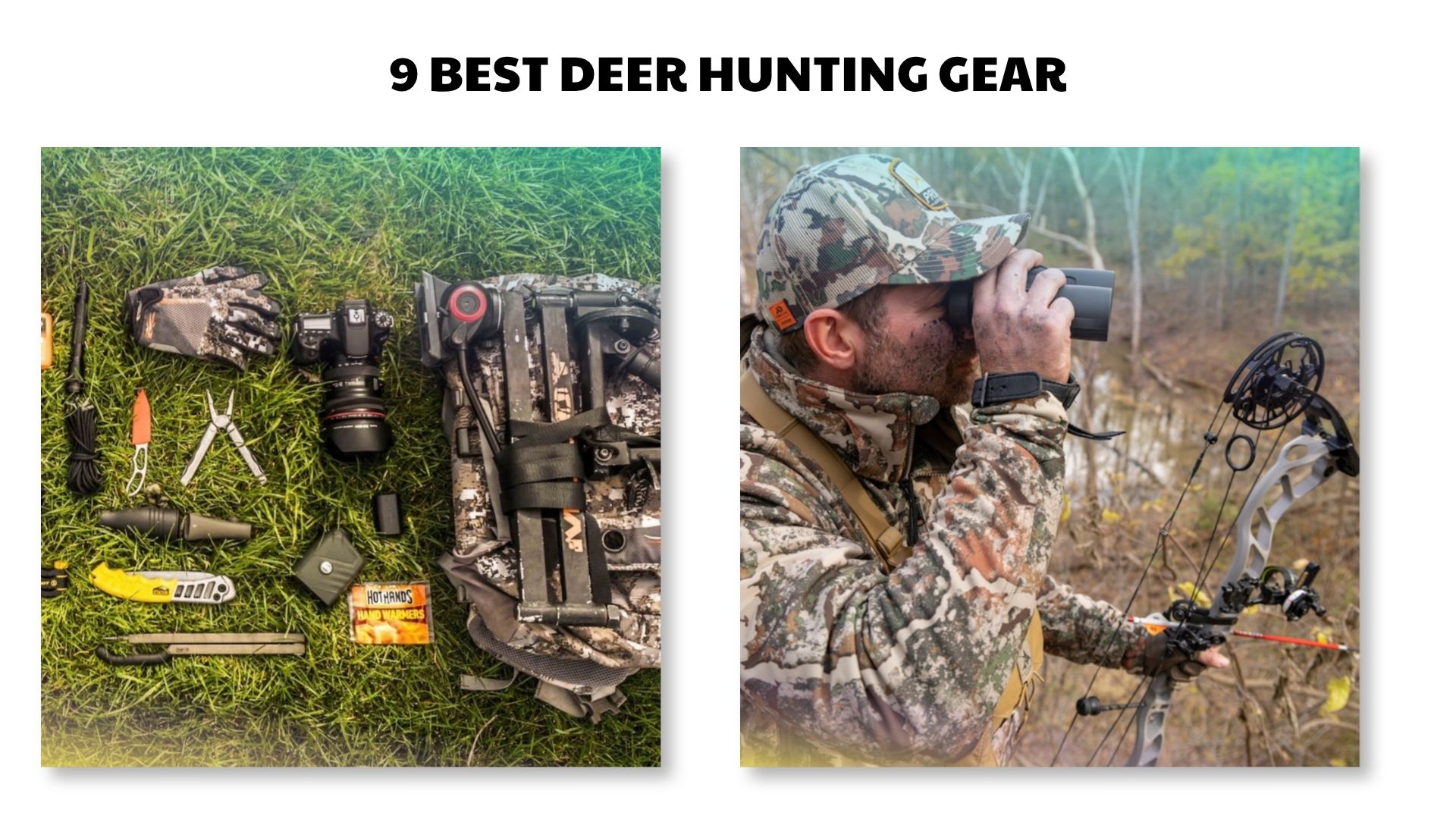

Quick Picks
- Best Overall: Vortex Optics Triumph HD 10×42 Binoculars
- Best Premium Light: OLIGHT Perun 3 Rechargeable Headlamp
- Best Budget Light: BLACK DIAMOND Astro 300 LED Headlamp
- Best Safety Essential: First Aid Only 299-Piece All-Purpose Emergency First Aid Kit
- Best Cold-Weather Backup: HotHands Hand and Body Super Warmers
Best Deer Hunting Gear Comparison Table
| Product | Best For | Key Features | Important Notes | Check Details |
|---|---|---|---|---|
| Vortex Optics Triumph HD 10×42 Binoculars | Best Overall Observation Tool | 10×42 configuration, HD optical system, rubber-armored body, included binocular harness | Ten-power magnification can feel less steady than 8x; test focus and eye relief before the hunt. | Check Price |
| OLIGHT Perun 3 Rechargeable Headlamp | Best Premium Headlamp | High-output white light, red-light modes, magnetic charging, removable light with clip and magnetic base | Powerful settings drain the battery quickly; the proprietary magnetic charger should be protected from loss. | Check Price |
| BLACK DIAMOND Astro 300 LED Headlamp | Best Budget Headlamp | 300-lumen class output, simple single-button control, AAA battery power, adjustable headband | No red-light mode; the battery compartment can be awkward to open with cold hands. | Check Price |
| First Aid Only 299-Piece All-Purpose Emergency First Aid Kit | Best General First Aid Kit | Assorted bandages, gauze, wipes, basic topical items, cold pack, emergency blanket, zippered case | A general kit is not a wilderness trauma system and does not replace training, emergency communication, or professional care. | Check Price |
| Thermacell E-Series Rechargeable Mosquito Repeller | Best for Warm-Weather Insect Comfort | Rechargeable operation, replaceable repellent cartridge, scent-free zone-style protection, simple controls | Performance can be reduced by wind, and cartridges are consumables; follow label restrictions exactly. | Check Price |
| LifeStraw Peak Series Personal Water Filter | Best Emergency Water Backup | Compact personal filter, lightweight body, field-backflush capability, no batteries required | Does not address every possible chemical, saltwater, or contamination hazard; source selection remains critical. | Check Price |
| LEATHERMAN Signal Multi-Tool | Best Field Multi-Tool | Pliers-based multi-tool, knife, saw, drivers, can opener, whistle, ferrocerium rod, carabiner | Small tools have leverage limits; the blade, saw, and fire starter require careful handling and legal compliance. | Check Price |
| HotHands Hand and Body Super Warmers | Best Disposable Cold-Weather Backup | Air-activated disposable warmers, larger body-warmer format, individually packaged, no charging required | Heat level varies with airflow and placement; prolonged direct skin contact can cause burns. | Check Price |
| YETI LoadOut GoBox 1 Gear Case | Best Small Gear Organizer | Compact rigid case, gasketed lid, removable organization components, grab-and-go format | A hard case adds weight and must be sized carefully; verify current dimensions and included accessories on the listing. | Check Price |
How We Chose the Best Deer Hunting Gear
We focused on gear that solves common field problems without encouraging unnecessary weight or unsafe reliance on technology. Each selection had to serve a clear purpose, fit into a responsible hunting system, and have a specific Amazon.com product detail page rather than a search, store, category, or redirect link.
Our comparison priorities included practical utility, ease of use, packability, weather considerations, maintenance, battery or consumable requirements, product limitations, and safety. Because prices, versions, and bundle contents change, this guide avoids fixed price claims and asks readers to confirm the current listing before ordering.
This is a core essentials guide rather than a complete packing list. Depending on the hunt, you may also need properly fitted boots, seasonal clothing, a supportive pack, a full-body tree-stand harness, navigation, communication, food, a shelter layer, a rangefinder, game bags, field-care tools, and any jurisdiction-specific equipment.
Best Deer Hunting Gear Reviews
1. Vortex Optics Triumph HD 10×42 Binoculars
The Vortex Optics Triumph HD 10×42 is a practical starting point for hunters who want one binocular for scouting field edges, checking timber openings, and confirming details before making any hunting decision. The 10×42 format offers useful reach without moving into the bulk of a spotting scope, while the included harness helps keep the binocular accessible and reduces neck strain.
Key Features
- 10x magnification with 42 mm objective lenses for a familiar all-purpose hunting configuration
- HD optical system intended to improve detail and color rendition compared with basic entry-level glass
- Rubber-armored exterior for grip and everyday field protection
- Adjustable eyecups and center-focus controls for individual setup
- Binocular harness included with the package
Pros
- Useful balance of reach, size, and price for many deer hunters
- Harness keeps the binocular close without hanging from the neck
- Simple controls are approachable for beginners
- Works for preseason scouting as well as general wildlife observation
Cons
- Low-light contrast and edge clarity are not on the level of premium binoculars
- A 10x image may appear shakier than an 8x image when used unsupported
- Fit and eye relief still need to be adjusted for each user
Field Notes
Use the harness high enough that the binocular does not swing into a bow, pack buckle, or firearm stock. Ten-power glass is helpful across fields, but a supported position against a tree or pack can make the image steadier. Clean lenses with a blower and lens cloth rather than a shirt sleeve, which may carry grit.
Safety and Legal Notes
Binoculars help identify animals, terrain, people, buildings, roads, and possible backstops, but they never replace positive target identification or safe handling. Never use a mounted firearm optic as a general observation tool. Follow all hunting laws, access rules, and manufacturer instructions.
Best For
Hunters who want a versatile, value-oriented binocular for scouting, stand hunting, and mixed woodland or field terrain.
2. OLIGHT Perun 3 Rechargeable Headlamp
The OLIGHT Perun 3 is a versatile headlamp for hunters who walk in before daylight, recover gear after sunset, or need a hands-free work light around a vehicle or camp. Its wide range of output levels is more useful than simply chasing maximum brightness: low modes help preserve night vision and battery life, while higher modes are available for navigation or emergency tasks.
Key Features
- Multiple white-light levels, including a very high-output turbo setting
- Red-light options for low-intensity tasks where bright white light is unnecessary
- Rechargeable battery with magnetic charging connection
- Light can be removed from the headband and used with its pocket clip or magnetic base
- Weather-resistant metal construction designed for outdoor use
Pros
- Broad range of light levels for walking, camp chores, and close work
- Red light can reduce glare during simple tasks
- Removable design adds flashlight and work-light versatility
- Strong headband retention for deliberate movement
Cons
- Heavier and more front-loaded than minimalist headlamps
- Maximum output is unnecessary for most hunting tasks and shortens runtime
- Magnetic charging cable is less universal than a standard USB cable
Field Notes
Learn the button sequence at home, lock the light before packing it, and start the hunt with a full charge. Use the lowest practical setting around other hunters. Carry a separate backup light because any rechargeable lamp can become unavailable after accidental activation, cold-weather battery loss, damage, or a forgotten charger.
Safety and Legal Notes
Do not shine a powerful beam toward people, roads, occupied homes, aircraft, or vehicle operators. A headlamp does not make nighttime travel automatically safe; slow down, confirm footing, use navigation tools, and follow local rules governing access before and after legal hunting hours.
Best For
Hunters who want a durable, high-output rechargeable light for predawn access, recovery work, camp, and emergency use.
3. BLACK DIAMOND Astro 300 LED Headlamp
The BLACK DIAMOND Astro 300 is a straightforward choice for hunters who value simplicity and widely available batteries. It avoids complicated mode menus and works well as a primary budget light or as a backup kept in a daypack. The AAA power system is especially useful when charging access is limited.
Key Features
- Up to 300 lumens of white-light output
- Single-button operation with dimming capability
- Powered by three AAA batteries
- Adjustable elastic headband
- Splash-resistant construction for ordinary outdoor conditions
Pros
- Affordable and easy to understand
- Replacement AAA batteries are widely available
- Light enough for routine pack carry
- Suitable as a backup even for hunters who use a premium rechargeable lamp
Cons
- No red-light setting
- Battery door may be difficult to manipulate with gloves
- Not intended for submersion or severe water exposure
Field Notes
Install fresh batteries before the season and keep a spare set in a sealed bag. Check that the lamp cannot switch on inside the pack. Because this model does not have a red mode, point the beam at the ground and use low output when working near partners.
Safety and Legal Notes
Inspect the housing and battery contacts after wet use. Remove leaking batteries and follow local disposal rules. Carry a second independent light on any trip that could extend past sunset, and never depend on a phone flashlight as your only illumination source.
Best For
Budget-conscious hunters, occasional users, and anyone building a reliable backup-light system.
4. First Aid Only 299-Piece All-Purpose Emergency First Aid Kit
A first aid kit belongs in every deer hunting plan, and the First Aid Only 299-piece kit offers a broad base of supplies for minor cuts, scrapes, blisters, small burns, and common discomforts. Its soft zippered case is easier to store in a vehicle, camp box, or larger hunting pack than a rigid workplace cabinet.
Key Features
- Large assortment of adhesive bandages and basic wound-care supplies
- Gauze pads, cleansing wipes, tape, and common topical packets
- Instant cold pack and emergency blanket
- Basic tools and accessories stored in a zippered case
- Compact enough for a vehicle or camp tote despite the high piece count
Pros
- Broad starter assortment for minor incidents
- Clearly packaged supplies are easier to inventory than loose items
- Useful as a vehicle or camp base kit
- Can be customized for personal medical needs and hunt conditions
Cons
- High piece count does not necessarily mean advanced emergency capability
- The packed case can make individual items slower to locate
- Used and expired items require routine replacement
Field Notes
Open the kit before the season and organize frequently used items where they can be reached quickly. Add personal medications, blister care, emergency contact details, and any supplies recommended by a qualified medical professional. For remote hunts, consider training and a purpose-built wilderness kit rather than relying on a general household kit alone.
Safety and Legal Notes
A first aid kit does not replace first aid training, emergency services, evacuation planning, or professional medical care. Call emergency services for serious bleeding, breathing problems, chest pain, major trauma, altered consciousness, severe allergic reaction, suspected fracture, or any condition beyond your training. Follow medication labels and medical advice.
Best For
Hunters who need a broad, affordable base kit for a vehicle, camp, blind bag, or larger daypack.
5. Thermacell E-Series Rechargeable Mosquito Repeller
Early-season deer hunts can involve mosquitoes that make it difficult to sit still and concentrate. The Thermacell E-Series creates a localized repellent zone without requiring hunters to coat every exposed surface with a strong-smelling spray. It is most useful in a relatively stationary blind, stand base, or camp setting.
Key Features
- Rechargeable electronic repeller with replaceable liquid refill
- Designed to create a localized mosquito-repellent zone
- No open flame
- Simple push-button operation and status indication
- Portable form suited to blinds, patios, camps, and other stationary outdoor areas
Pros
- Can reduce the need for constant swatting and movement
- No aerosol application to clothing or skin
- Quiet operation
- Rechargeable design avoids disposable fuel cells
Cons
- Wind can move the repellent away from the intended area
- Requires charged battery and replacement refills
- Not a substitute for tick checks, protective clothing, or disease-prevention guidance
Field Notes
Set the unit up before insects become distracting and position it according to the label, considering wind direction and enclosure ventilation. Keep refill levels and charge status in the pre-hunt checklist. Do not expect a moving protective bubble while hiking.
Safety and Legal Notes
Read and follow the product label, refill instructions, ventilation guidance, storage rules, and local restrictions. Keep the device and refills away from children, pets, food, and water sources as directed. For tick and mosquito-borne disease prevention, use a complete strategy based on public-health guidance.
Best For
Early-season stand and blind hunters who remain in one location and want a low-movement mosquito-control option.
6. LifeStraw Peak Series Personal Water Filter
Most deer hunts should begin with enough safe drinking water for the planned duration, but a compact filter adds redundancy when a route runs long or a vehicle becomes inaccessible. The LifeStraw Peak Series Personal Water Filter is small enough to live in an emergency pouch without competing with major gear.
Key Features
- Compact hollow-fiber style personal filtration design
- No battery or charging requirement
- Can be used directly from a suitable water source or with a compatible container setup
- Designed for cleaning or backflushing in the field
- Light enough for emergency-kit carry
Pros
- Adds water redundancy without much bulk
- Simple mechanical operation
- Useful for scouting, hiking, travel, and emergency preparation
- No pump battery to maintain
Cons
- Flow rate can decline when the filter is dirty
- Freezing after use can damage wet filter media
- Not appropriate for saltwater or every chemically contaminated source
Field Notes
Carry clean water first and treat the filter as backup rather than permission to under-pack water. Select the clearest reasonable source, avoid water near obvious chemical or sewage contamination, and follow the manufacturer’s cleaning and storage process. Protect a used wet filter from freezing.
Safety and Legal Notes
No portable filter makes every water source safe. Read the exact contaminant-removal claims for the current model and add treatment steps when public-health or local guidance calls for them. Seek medical care for significant dehydration or persistent gastrointestinal symptoms.
Best For
Day hunters, scouts, and backcountry hunters who want a compact emergency layer behind their normal water supply.
7. LEATHERMAN Signal Multi-Tool
The LEATHERMAN Signal combines everyday repair functions with a few outdoor-oriented additions. It can help tighten loose hardware, cut cord, open packaging, make minor gear repairs, or provide a backup signaling and fire-starting component. It is not a replacement for dedicated tools when major repairs, game processing, or emergency fire management are expected.
Key Features
- Pliers-based body with multiple folding tools
- Knife blade, saw, screwdrivers, wire-related tools, and can opener
- Integrated emergency whistle and removable ferrocerium rod
- Carabiner-style attachment point
- Locking implements on supported tools
Pros
- Covers many minor repair tasks in one compact tool
- Outdoor additions provide useful redundancy
- Can clip to a pack or ride in a belt sheath
- Stainless-steel construction is straightforward to maintain
Cons
- Heavier than carrying only a small knife
- Miniature tools cannot replace full-size pliers, saws, or drivers
- Blade laws and carry rules vary by location
Field Notes
Match the driver to the fastener, keep fingers clear of folding paths, and avoid applying excessive leverage. A multi-tool can address loose buckles, straps, screws, and simple camp tasks, but damaged tree-stand components, climbing equipment, firearm parts, or critical safety gear should not receive improvised field repairs.
Safety and Legal Notes
Use the blade and saw away from the body, close and store tools after use, and keep them inaccessible to children. Follow local knife, fire, access, and transport laws. Never use a multi-tool to modify a firearm, defeat a safety device, or repair load-bearing equipment beyond manufacturer guidance.
Best For
Hunters who want one compact tool for minor gear maintenance, camp chores, and emergency redundancy.
8. HotHands Hand and Body Super Warmers
Stationary deer hunting can feel much colder than the same temperature during a hike. HotHands Hand and Body Super Warmers are simple emergency or comfort items that can be stored in a pack and activated when conditions are colder than forecast. They work best as a supplement to proper layers, wind protection, dry insulation, food, and movement planning.
Key Features
- Air-activated disposable heat packs
- Larger format intended for hand or body-warming applications
- Individually packaged for storage until needed
- No battery, cable, or charger required
- Packable backup for late-season sits and vehicle kits
Pros
- Simple activation
- Useful when rechargeable devices are depleted
- Easy to distribute among hunting partners
- Long shelf storage when unopened and kept as directed
Cons
- Single-use product creates waste
- Heat can become uncomfortable or unsafe against bare skin
- Cannot compensate for wet clothing or inadequate insulation
Field Notes
Open warmers before the cold becomes severe because activation is not instantaneous. Place them only where the package instructions allow, maintain a fabric layer between the warmer and skin when directed, and check skin sensation regularly. People with reduced circulation or sensation should seek medical guidance before use.
Safety and Legal Notes
Follow all warnings concerning direct skin contact, sleeping, children, circulation problems, and disposal. Stop use if the warmer feels excessively hot or causes redness, pain, numbness, or blistering. Recognize early signs of hypothermia and end the hunt or seek emergency help rather than relying on a warmer.
Best For
Cold-weather stand hunters who want a lightweight, no-charge backup to a complete layering system.
9. YETI LoadOut GoBox 1 Gear Case
Small hunting essentials often fail because they are scattered, wet, discharged, or left in another bag. The YETI LoadOut GoBox 1 provides a compact home for batteries, permits, tags, lens supplies, first aid refills, fire-starting tools, cords, and other items that benefit from a protected, repeatable location.
Key Features
- Compact rigid gear-case construction
- Gasketed lid intended to help protect contents from ordinary outdoor exposure
- Internal organization components for separating small items
- Carry handle for vehicle-to-camp transport
- Stackable, easy-to-label form
Pros
- Improves pre-hunt inventory and organization
- Protects fragile small gear better than a loose fabric pouch
- Useful across hunting, fishing, camping, and vehicle storage
- Easy to dedicate to batteries, optics care, first aid, or electronics
Cons
- Heavier and bulkier than a soft zip pouch
- Premium price for a small storage case
- Not a substitute for securing valuables against theft
Field Notes
Assign the case one clear job and use a printed checklist inside the lid. Keep batteries isolated from loose metal objects, protect documents in a sealed sleeve, and avoid overpacking until the latches or hinges are stressed. A rigid case is usually best in the vehicle, camp, or larger pack rather than carried on every short sit.
Safety and Legal Notes
Do not store loose ammunition, fuels, chemicals, medication, or sharp tools together without suitable individual protection. Follow product instructions and local transport laws. A weather-resistant case is not automatically fireproof, theft-proof, food-safe, or suitable for submersion.
Best For
Organized hunters who want a durable, repeatable storage system for small accessories in a vehicle, camp, or gear room.
How to Choose the Best Deer Hunting Gear
Start With the Hunt, Not the Product
Write down the season, expected temperature range, precipitation, terrain, distance from the vehicle, legal hunting method, stand or ground setup, and likely time away from help. A product earns space only when it addresses one of those conditions or provides meaningful emergency redundancy.
Build a Safety-Critical Core
Before convenience accessories, assemble the items that keep a delay from becoming an emergency: navigation, communication, first aid, water, weather protection, insulation, reliable light, and a trip plan. Add legally required visibility equipment and a full-body fall-arrest system whenever an elevated stand is involved.
Choose the Right Optics
Binoculars should fit your hands and face, focus smoothly, and provide enough eye relief for comfortable viewing. Eight-power models are steady and wide, while 10-power models offer more reach. Lens quality, coatings, weather sealing, ergonomics, and warranty support may matter more than an impressive magnification number.
Plan a Primary and Backup Lighting System
A headlamp leaves both hands free, but it can still fail. Select useful low modes, a comfortable strap, battery status indication, and a lockout feature when available. Pair a rechargeable primary light with an independent backup and protect spare batteries from moisture and short circuits.
Match Clothing to Activity Level
Walking to a stand produces heat; sitting produces very little. Use layers that can be vented during movement and restored before cooling. Consider wind, precipitation, humidity, moisture management, and legally required blaze colors. Avoid claims that a garment is fully waterproof or rated to a temperature unless the exact manufacturer documentation supports it.
Check Fit, Sizing, and Comfort
Boots should hold the heel, leave toe room, and accommodate the intended sock system. Packs should transfer load to the hips without restricting breathing or movement. Gloves must balance warmth with safe control and dexterity. Test every item with the full hunting system rather than in isolation.
Consider Weight and Packability
Extra gear becomes a safety issue when it causes fatigue, poor balance, or abandoned essentials. Compare the value of each item with its weight and bulk. Lightweight does not always mean better: support, insulation, runtime, and durability may justify additional weight when they solve a real need.
Look at Materials and Durability
Quiet fabrics, protected zippers, corrosion-resistant hardware, reinforced attachment points, and serviceable components generally improve field value. Inspect seams, buckles, battery doors, lens covers, blades, and closures. Never hide structural damage with tape or an improvised repair when the component affects climbing or fall protection.
Think About Weather Protection
Water resistance, waterproofing, and submersion ratings are not interchangeable. Read the exact ingress rating and care instructions. Cold can reduce battery performance, heat can damage medication and adhesives, and freezing can ruin a wet water filter. Build weather protection around the entire system.
Check Compatibility
Make sure binocular harnesses do not interfere with pack straps, headlamps fit over hats, replacement batteries or chargers are available, filters work with intended containers, and storage cases fit the vehicle or pack. Confirm that any optics, tree-stand equipment, or archery accessories are compatible through the manufacturer or a qualified professional.
Understand Safety and Legal Requirements
Hunting laws change by place and season. Check official rules for licenses, tags, reporting, legal hours, legal methods, magazine or equipment restrictions, blaze colors, tree-stand policies, public-land access, transport, carcass movement, and baiting. Private property always requires valid permission.
Understand the Product’s Limits
No binocular guarantees identification in poor conditions, no light prevents navigation errors, no repeller stops every bite, no hand warmer prevents hypothermia, and no first aid kit replaces medical training. Reliable gear supports judgment; it does not replace it.
Important Hunting, Outdoor, and Firearm Safety Tips Before You Buy
- Follow the four basic firearm safety rules at all times and obtain qualified instruction before hunting with any firearm.
- Treat every firearm as loaded, keep the muzzle in a safe direction, keep your finger outside the trigger guard until ready, and be certain of the target and what is beyond it.
- Use binoculars rather than a firearm-mounted optic to identify animals, people, structures, roads, and terrain.
- Follow local hunting laws, public-land rules, private-land permission requirements, range rules, and manufacturer instructions.
- Check season dates, licenses, tags, reporting rules, legal equipment, visibility requirements, transport rules, and secure-storage laws.
- Use a properly fitted full-body harness for elevated hunting and remain connected as the manufacturer directs.
- Carry navigation, first aid, water, weather protection, communication, light, and a written or shared trip plan.
- Practice with gear before relying on it and carry backups for safety-critical electronic equipment.
- Store firearms, knives, medication, batteries, and chemicals securely away from children and unauthorized users.
- Stop the hunt when weather, fatigue, injury, visibility, equipment failure, or uncertainty makes continued activity unsafe.
Common Mistakes to Avoid
Buying by price alone. The cheapest option is poor value when it does not fit, cannot handle the expected conditions, or fails to solve the intended problem. Premium pricing also does not guarantee suitability.
Testing gear for the first time on opening day. Unfamiliar controls, rubbing pack straps, dead batteries, stiff boots, and missing adapters should be discovered at home.
Carrying duplicates but missing essentials. Three knives do not compensate for no water, first aid, navigation, or backup light. Build the safety core first.
Ignoring fit. Boots, packs, gloves, harnesses, and optics all depend on personal fit. Return or exchange uncomfortable gear before the season rather than hoping it improves under load.
Trusting marketing language without checking the exact model. Verify dimensions, weights, battery type, ingress rating, contents, and compatibility on the current manufacturer or product page.
- Do not assume camouflage eliminates human scent or movement.
- Do not rely on a phone as the only map, light, or communication device.
- Do not climb with equipment in your hands; use a haul line and approved procedures.
- Do not allow batteries to remain discharged, loose, corroded, or exposed to metal objects.
- Do not keep expired first aid supplies merely to preserve a high piece count.
- Do not under-pack water because a stream appears on a map.
- Do not continue in severe weather merely because expensive gear is advertised as protective.
Troubleshooting Common Problems
| Problem | Possible Cause | What to Do |
|---|---|---|
| Binocular image is blurry | Incorrect focus, diopter, eyecup position, or dirty lenses | Reset the diopter, adjust eyecups, focus on a stationary object, and clean with proper lens tools. |
| Binocular image shakes | Magnification, fatigue, unsupported posture, or poor grip | Brace against a tree or pack, use the harness, slow breathing, or consider lower magnification. |
| Headlamp runtime is short | High-output use, cold battery, old cells, or accidental activation | Use lower modes, warm or replace batteries, engage lockout, and carry a backup light. |
| Headlamp will not turn on | Lock mode, depleted battery, reversed cells, corrosion, or damaged switch | Check the manual, power source, contacts, orientation, and housing; replace or service damaged equipment. |
| First aid items are hard to find | Overpacked case or poor organization | Group supplies by function, label pockets, remove unnecessary duplicates, and practice accessing the kit. |
| Mosquito repeller seems ineffective | Wind, poor placement, empty refill, low charge, or insufficient warm-up | Follow label placement, check wind direction and status, replace the refill, and use complementary protective measures. |
| Water filter flow is slow | Sediment buildup, trapped air, or incomplete cleaning | Follow the manufacturer’s backflush or cleaning procedure and avoid forcing water in an unapproved direction. |
| Multi-tool joint is stiff | Dirt, corrosion, or lack of approved lubrication | Clean and dry it, use only manufacturer-recommended maintenance, and seek service for damage. |
| Hand warmer is too hot | Direct skin contact, tight placement, or restricted heat dissipation | Remove it immediately, inspect skin, follow package placement rules, and seek medical care for a burn. |
| Gear case contains moisture | Wet gear sealed inside, damaged gasket, or condensation | Dry contents and case fully, inspect the seal, add suitable desiccant if appropriate, and avoid storing damp items. |
| Feet become cold despite insulated boots | Boots too tight, wet socks, sweating, low circulation, or insufficient ground insulation | Adjust sock and boot fit, manage moisture, move safely, use an insulated platform, and end the hunt if cold injury is possible. |
| Pack causes shoulder or hip pain | Incorrect torso fit, poor load placement, loose belt, or excessive weight | Refit the pack, move dense items close to the body, reduce load, and consult a pack fitter if pain persists. |
When to Get Professional Help
Contact a qualified firearms instructor for safe handling, storage, transport, and lawful field-use questions. Consult a licensed dealer or local authority for ownership and transport requirements, and use the official wildlife agency for hunting seasons, legal equipment, tagging, access, and carcass rules.
Ask a boot fitter or pack specialist for persistent pain, numbness, hot spots, or unstable load carry. Contact the manufacturer for internal optic fogging, damaged battery compartments, failed seals, malfunctioning tools, or any product recall or safety concern.
Use a hunting guide, land manager, or experienced local mentor when terrain, weather, access, or recovery planning exceeds your experience. Seek professional instruction before installing or using a tree stand, saddle system, climbing aid, complex archery setup, or unfamiliar optics mount.
Call emergency services for serious injury, uncontrolled bleeding, breathing problems, altered consciousness, chest pain, severe allergic reaction, suspected hypothermia, heat illness, major trauma, or any situation beyond your training. A product guide cannot diagnose or treat a medical emergency.
Maintenance and Care Tips
- Air-dry packs, clothing, boots, cases, and straps completely before storage.
- Clean binocular lenses with a blower, lens brush, and approved microfiber cloth; keep caps installed during transport.
- Charge rechargeable lights before the season and at regular intervals; inspect cables, contacts, and housings.
- Remove disposable batteries during long storage and protect spares in proper holders.
- Inventory first aid supplies, replace used or expired items, and protect the kit from moisture and excessive heat.
- Store insect-repellent refills in accordance with the label and verify charge and refill status before each trip.
- Clean and backflush water filters exactly as directed; protect wet filter media from freezing.
- Clean, dry, and lightly maintain multi-tools only with manufacturer-approved methods; inspect blade locks and sheath retention.
- Keep hand warmers sealed until needed and dispose of used products according to package and local guidance.
- Wipe gear-case seals clean, allow damp contents to dry, and avoid compressing the lid with excess contents.
- Inspect boots for sole separation, worn tread, damaged waterproof membranes, and compressed insulation.
- Inspect packs, harnesses, tree stands, ropes, straps, buckles, and stitching before every season and use; retire unsafe equipment.
- Store firearms unloaded and secured from unauthorized access according to law and manufacturer guidance, with ammunition handled as required locally.
Final Verdict
The best deer hunting gear is the equipment that matches your terrain, weather, experience, and safety plan without creating unnecessary complexity. For most hunters, the Vortex Optics Triumph HD 10×42 Binoculars are the most broadly useful product in this guide because observation supports scouting, identification, and careful decision-making. The OLIGHT Perun 3 offers a versatile premium lighting system, while the BLACK DIAMOND Astro 300 is an affordable primary or backup lamp.
The First Aid Only 299-Piece Kit, LifeStraw Peak Series Filter, and HotHands Super Warmers strengthen emergency readiness, but each has limits and must be paired with training and a complete plan. The Thermacell E-Series improves stationary early-season comfort, the LEATHERMAN Signal handles minor field tasks, and the YETI LoadOut GoBox 1 helps keep critical small items organized and protected.
Choose fewer items that you have fitted, tested, maintained, and practiced with rather than carrying a large collection you do not understand. Confirm current hunting laws, use safe firearm or archery practices, share a trip plan, and turn back when conditions exceed your preparation.
Frequently Asked Questions
1. What is the best deer hunting gear for most hunters?
The best core kit combines dependable binoculars, a primary and backup light, weather-appropriate clothing, navigation, water, first aid, communication, and any legally required visibility equipment. The right mix depends on terrain, season, access method, and how far you will be from help.
2. What deer hunting gear should a beginner buy first?
Start with safety and comfort: proper boots, layered clothing, required blaze orange or pink, binoculars, a headlamp, first aid, water, navigation, and a simple pack. Borrow or rent specialized gear until you understand your hunting style.
3. Do I need expensive gear to hunt deer responsibly?
No. Reliable fit, legal compliance, practiced use, and maintenance matter more than premium branding. Spend first on footwear, weather protection, optics you can use comfortably, and safety equipment.
4. Are 10×42 binoculars good for deer hunting?
Yes, especially in mixed fields and woodland edges. They provide useful reach and light-gathering ability, although some hunters prefer steadier 8×42 binoculars in dense timber or when glassing without support.
5. Is 8x or 10x magnification better for deer hunting?
Eight-power binoculars are generally steadier and offer a wider field of view, while 10x binoculars reveal more distant detail. Choose based on terrain, hand steadiness, and typical viewing distance.
6. Can binoculars replace a rangefinder?
No. Binoculars help observe and identify, while a rangefinder measures distance. Never estimate beyond your skill or equipment limits, and follow legal and ethical shot-selection practices.
7. Should I use a riflescope to scan for deer?
No. Use binoculars for observation. Pointing a firearm at something merely to identify it violates basic safe-handling principles because the muzzle may cover people, livestock, buildings, or non-target animals.
8. How bright should a deer hunting headlamp be?
A moderate low setting is enough for most trail and gear tasks. High output is helpful for navigation or emergencies, but it consumes battery faster and can blind partners. A useful range of levels matters more than maximum lumens.
9. Is a red-light headlamp necessary for deer hunting?
It is not mandatory in most situations, but red light can reduce glare during close tasks and preserve some night adaptation. It does not make a hunter invisible to wildlife and does not replace legal access or lighting rules.
10. Should I carry two lights while deer hunting?
Yes when there is any chance of being out before dawn or after sunset. Carry a primary headlamp plus an independent backup light with compatible spare power.
11. Are rechargeable headlamps good in cold weather?
They can be, but battery performance may fall in cold conditions. Start fully charged, keep the lamp protected, carry a backup, and follow the manufacturer’s operating-temperature guidance.
12. What should be in a deer hunting first aid kit?
At minimum, include basic wound care, gloves, gauze, tape, blister supplies, an emergency blanket, personal medications, emergency contacts, and items matched to your training. Remote hunts may require a more specialized kit and evacuation plan.
13. Does a first aid kit replace wilderness first aid training?
No. Supplies are useful only when the user understands their limits. Formal first aid and CPR training improve decision-making, and serious illness or injury still requires emergency services and professional care.
14. How often should I inspect my first aid kit?
Check it before each season and after every use. Replace expired medication, damaged sterile packaging, depleted supplies, and anything exposed to moisture or extreme heat.
15. Can I leave a first aid kit in a hot vehicle?
Long-term heat can shorten the life of medications, adhesives, and some packaged materials. Follow storage instructions and move temperature-sensitive items when vehicle conditions exceed their recommended range.
16. Do mosquito repellers work in a deer blind?
Zone-style repellers can be useful in relatively still air, but wind and blind ventilation affect performance. Follow the label and combine the device with clothing, tick checks, and public-health recommendations.
17. Will a Thermacell eliminate all mosquito bites?
No. No repellent guarantees complete protection. Coverage changes with wind, placement, refill level, and local insect pressure.
18. Can I use an electronic mosquito repeller while walking?
Most zone-style devices work best while relatively stationary. Read the model instructions and do not assume the protection area moves effectively with you.
19. Do deer smell mosquito repellent?
Deer have sensitive noses, and any added odor may be detectable. However, wind direction, human scent, movement, and access route also matter. Follow product directions rather than making unsupported scent-elimination claims.
20. Should I carry a water filter on a day hunt?
It is a useful backup when hunting far from the vehicle or in warm weather, but it should not replace carrying adequate safe water for the planned trip.
21. Can a LifeStraw make any water safe to drink?
No. Personal filters have specific contaminant limits and do not make saltwater or every chemically polluted source safe. Check the current manufacturer claims and local water guidance.
22. How do I protect a used water filter from freezing?
Once the filter media is wet, freezing may damage it. Follow the manufacturer’s storage instructions, keep it close to body warmth in freezing conditions, and replace it if freeze damage is suspected.
23. What is a multi-tool useful for during deer season?
A multi-tool can cut cord, open packaging, tighten minor hardware, handle small repairs, and support camp chores. It should not be used for improvised repair of load-bearing safety equipment or unsafe firearm modification.
24. Is a multi-tool enough for field dressing a deer?
A multi-tool may work for limited tasks, but a clean, purpose-designed hunting knife is usually easier to control and maintain. Follow local tagging and carcass-handling rules and obtain hands-on instruction.
25. How should I carry a hunting knife or multi-tool?
Use a secure sheath or closed tool position, keep the edge away from the body, and follow local blade and transport laws. Inspect retention before climbing, crawling, or riding an ATV.
26. Are disposable hand warmers safe?
They can be safe when used exactly as directed, but prolonged direct skin contact may cause burns. Check skin regularly and use extra caution with reduced sensation or circulation.
27. Can hand warmers prevent hypothermia?
No. They are only a supplement. Hypothermia prevention depends on dry insulation, wind and rain protection, nutrition, hydration, activity management, shelter, and the decision to leave before conditions become dangerous.
28. Where should I place hand warmers while hunting?
Use only placements allowed by the package instructions, usually with a clothing layer between the warmer and skin. Never improvise use inside tight footwear or while sleeping unless the manufacturer specifically permits it.
29. What clothing layers are best for deer hunting?
Use a moisture-managing base layer, insulating midlayers, and an outer layer matched to wind and precipitation. Adjust layers before sweating heavily and carry dry backup insulation when conditions warrant.
30. Is cotton bad for cold-weather deer hunting?
Cotton holds moisture and dries slowly, so it is generally a poor choice next to the skin in cold or wet conditions. Wool and suitable synthetics usually manage moisture more effectively.
31. How much insulation do deer hunting boots need?
There is no universal number. Stationary late-season hunters often need more insulation than active hunters, while excess insulation can cause sweat and cold feet. Match the boot to temperature, activity, fit, and sock system.
32. How should deer hunting boots fit?
They should secure the heel without crushing toes and leave room for the intended sock system. Try them late in the day, break them in before the season, and consult a boot fitter for persistent pain or numbness.
33. Are waterproof boots always better for deer hunting?
Waterproof boots help in wet grass, mud, and shallow crossings, but they can be warmer and slower to dry internally. Breathability, terrain, temperature, and expected water exposure all matter.
34. What pack size is best for deer hunting?
A small daypack may suit short stand hunts, while all-day or backcountry hunts require more capacity and support. Choose based on layers, water, safety gear, food, and any meat-hauling plan.
35. Do I need a framed hunting pack?
A supportive frame is valuable when carrying heavy loads or packing meat. For light day-hunt gear near a vehicle, a simpler pack may be adequate.
36. How should I organize small deer hunting gear?
Group items by function in labeled pouches or a rigid case: lighting and batteries, first aid, navigation, optics care, permits, fire and shelter, and food or water. Use a checklist so critical items return to the same place.
37. Is a hard gear case waterproof?
Only when the manufacturer gives a specific water-ingress claim for the exact model. A gasketed case may resist rain and splashes without being suitable for submersion.
38. Should batteries be stored loose in a gear box?
No. Protect terminals in original packaging or a battery holder and keep them away from coins, keys, and other conductive metal objects that could cause a short circuit.
39. What navigation gear should deer hunters carry?
Carry a map or offline mapping method, compass, and a charged communication device appropriate to the area. Know how to use them and leave a trip plan with a responsible person.
40. Can a phone replace a GPS or compass?
A phone is useful but can fail from battery loss, damage, cold, moisture, or lack of service. Carry offline maps and an independent backup suited to the remoteness of the hunt.
41. Do I need a satellite communicator for deer hunting?
It is worth considering when hunting beyond reliable cellular coverage. Subscription, sky view, battery management, and emergency-response limitations must be understood before relying on one.
42. What should I tell someone before leaving for a hunt?
Share the hunting area, parking location, route, partners, vehicle details, expected return time, and what to do if you are overdue. Update the plan when conditions change.
43. What safety gear is required for tree-stand hunting?
Use a properly fitted full-body fall-arrest system and remain connected according to the stand and harness instructions. Inspect every component and use a haul line rather than climbing with equipment in your hands.
44. Can I repair a damaged tree stand with a multi-tool?
Do not rely on improvised repairs to structural or fall-protection components. Stop using damaged equipment and contact the manufacturer or a qualified professional.
45. When should I replace a safety harness?
Follow the manufacturer’s service-life and inspection instructions. Replace it after a fall, when damage or contamination is present, when labels are unreadable, or when the manufacturer directs replacement.
46. What blaze orange rules apply to deer hunting?
Requirements vary by jurisdiction, season, weapon type, and land designation. Check the current wildlife-agency regulation for the exact hunt rather than relying on last year’s rules.
47. Is camouflage more important than wind direction?
Camouflage can help break up outline, but movement, wind, access route, noise, and safe positioning often matter more. No clothing makes a hunter invisible.
48. How can I reduce gear noise?
Secure loose straps, separate hard objects, lubricate only where the manufacturer permits, and practice wearing the full system. Do not compromise safety buckles or protective equipment merely to make it quieter.
49. How do I prepare new gear before opening day?
Fit, assemble, charge, label, and test everything at home. Walk with the loaded pack, practice headlamp controls, focus binoculars, inspect first aid supplies, and verify current laws and access.
50. What is the most common deer hunting gear mistake?
Waiting until the hunt to test new equipment is among the most common mistakes. Poor fit, unfamiliar controls, dead batteries, and missing parts are much easier to fix at home.
51. How much should a deer hunting pack weigh?
There is no single ideal weight. Carry what is needed for safety and the planned hunt, remove duplicates that add no value, and train with the expected load before the season.
52. What should I do if my headlamp turns on inside my pack?
Use its lockout mode if available, separate the switch from pressure points, carry spare power, and confirm operation before leaving the vehicle. Replace damaged switches or housings.
53. What should I do if my binoculars fog or look blurry?
Check focus, diopter setting, eyecup position, and dirty external lenses. Let the binocular acclimate gradually to temperature changes. Internal fogging may require manufacturer service.
54. When should I contact a hunting guide or gear professional?
Get help when you are unfamiliar with local terrain, pack fitting, tree-stand systems, backcountry planning, optics setup, carcass care, or legal requirements. Professional instruction is especially valuable before using complex safety equipment.
55. How often should deer hunting gear be replaced?
Replace gear based on condition, safety instructions, and performance rather than age alone. Retire damaged fall-protection equipment, leaking batteries, degraded first aid supplies, cracked lights, unreliable footwear, and any item the manufacturer deems unsafe.
Read more: