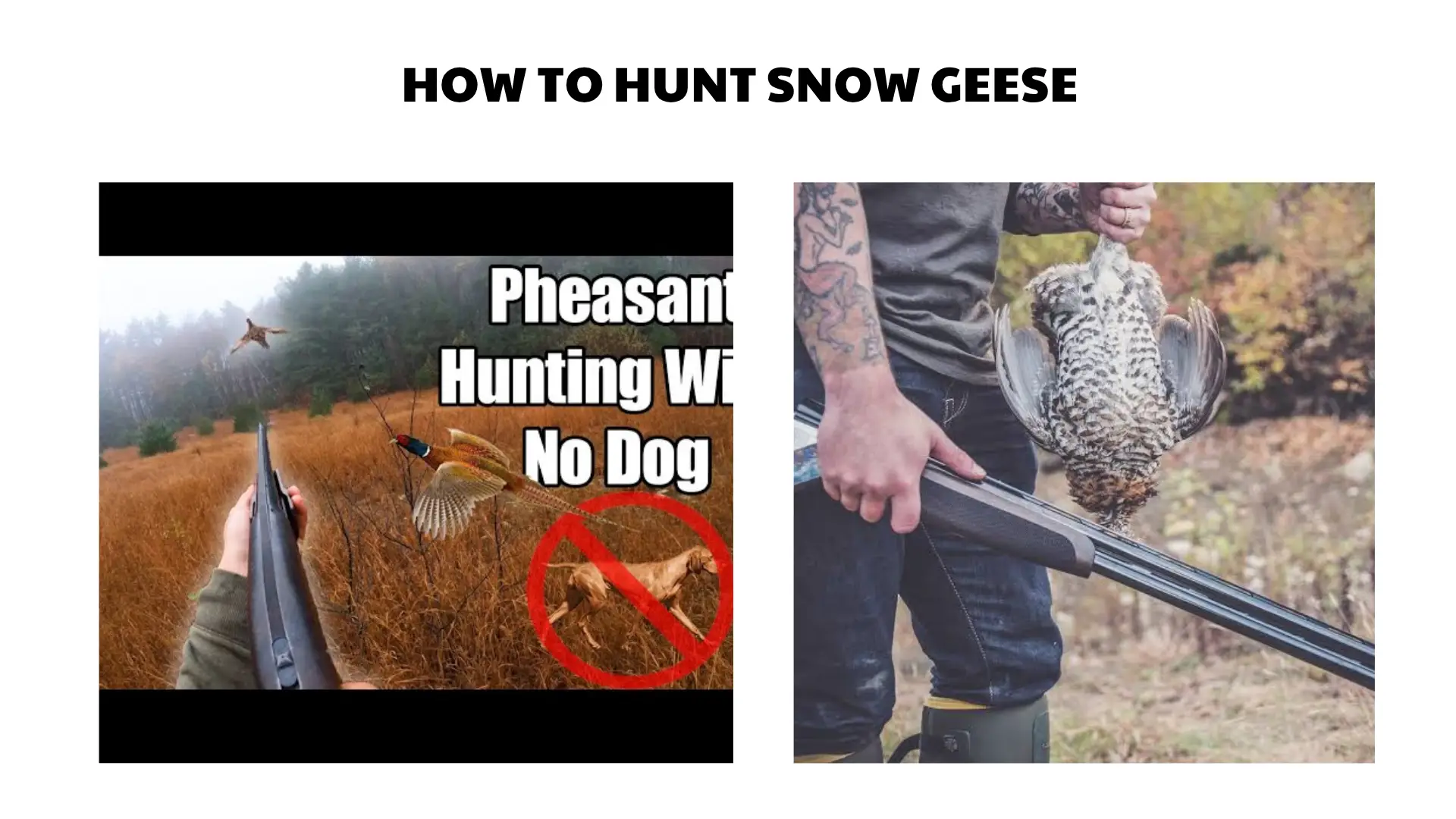
Learning how to hunt upland birds without a dog is possible, but it requires a different mindset than hunting behind a trained pointer, flusher, or retriever. Without a dog, the hunter must do more of the work: finding habitat, reading sign, moving through cover carefully, flushing birds at a safe distance, marking the fall, and recovering game responsibly.
This guide is for beginners who want practical, legal, safety-focused instruction for hunting pheasant, quail, grouse, chukar, partridge, woodcock, and similar upland game birds where they are legal to hunt. It explains scouting, walking patterns, firearm safety, public land and private land access, gear, ethical shot decisions, recovery, meat care, and common mistakes.
Upland bird hunting is active, uncertain, and highly dependent on habitat, weather, season, pressure, and local regulations. Careful preparation will not guarantee success, but it can help you hunt more safely, make better decisions, and improve each time you step into the field.
Quick Answer
To learn how to hunt upland birds without a dog, first check your official wildlife agency’s current rules for licenses, seasons, bag limits, legal hours, species, access, ammunition, and reporting. Then scout likely habitat, walk slowly into or across the wind, pause often to encourage close flushes, and keep shots conservative so you can recover birds without canine help. Wear required visibility clothing, maintain safe muzzle control, and take only clearly identified, legal, ethical shot opportunities. With practice and patience, a beginner can improve steadily, but success is never guaranteed.
Important Legal and Safety Notice Before You Hunt
Hunting regulations vary by country, state, province, county, season, species, land type, and weapon type. Before hunting upland birds, check your official wildlife agency for current license, permit, tag, season, legal hour, species identification, bag limit, possession limit, land access, ammunition, firearm, bow, reporting, and transport rules. Do not treat any online article as a substitute for current regulations.
- Hunting license and permits: Carry a valid license and any required upland bird stamp, habitat stamp, migratory bird registration, permit, or tag.
- Tags or harvest reporting: Follow species-specific tagging, harvest reporting, check station, possession, and transport rules where required.
- Legal season and legal hours: Confirm exact open dates, legal hours, daily limits, possession limits, sex restrictions, and area closures.
- Legal weapons and ammunition: Use only legal firearms, bows, shot sizes, non-toxic shot where required, magazine limits, and transport methods.
- Public land or private land access: Verify boundaries, parking rules, walk-in access, refuge rules, wildlife area restrictions, and private land permission.
- Required clothing or visibility rules: Wear blaze orange or other required visibility clothing when mandated, and consider it strongly for moving upland hunts.
- Safe firearm or bow handling: Keep the muzzle pointed safely, identify the target and what is beyond it, and never shoot toward people, roads, homes, livestock, vehicles, trails, or unclear movement.
- Weather, navigation, and emergency planning: Carry water, first aid, navigation tools, weather layers, and a communication plan.
Useful official starting points include your state or provincial wildlife agency, local regulation booklets, and hunter education resources such as the U.S. Fish & Wildlife Service general hunting laws, the U.S. Fish & Wildlife Service Learn to Hunt page, and the International Hunter Education Association.
Understanding the Game Species and Its Habitat
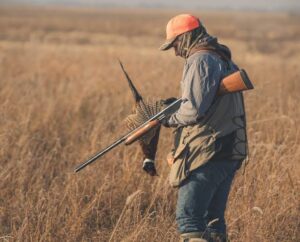
“Upland birds” is a broad hunting category that can include pheasant, quail, grouse, chukar, partridge, prairie grouse, woodcock, and other ground-oriented game birds. These species differ by region, habitat, season, and legal status, so beginners should learn the specific birds in their area before hunting.
Many upland birds use a combination of food, cover, and escape habitat. Pheasants may use grass, crop edges, cattails, ditches, and brush. Quail often relate to brushy cover, weedy edges, thickets, and food-rich openings. Grouse may use young forest, timber edges, logging trails, aspen stands, conifer cover, or mountain habitat depending on species. Chukar and similar birds may use steep, rocky country with grass, shrubs, and water nearby.
Without a dog, habitat reading becomes more important. Look for fresh tracks, droppings, feathers, dusting bowls, feeding scratch marks, roosting cover, escape lanes, and places where birds can move between food and protection. Birds may hold tight in harsh weather, run ahead in open cover, or flush wild after heavy hunting pressure.
What You Need Before You Start
- Valid hunting license, permits, tags, stamps, habitat authorizations, and current regulation knowledge
- Legal shotgun, bow, or other hunting method allowed in your area
- Legal ammunition, including non-toxic shot where required by land type or species rules
- Hunter orange or required visibility clothing if applicable
- Weather-appropriate hunting clothing, brush pants, gloves, hat, and durable boots
- Navigation tools such as map, compass, GPS, or hunting app with verified boundaries
- First aid kit, water, snacks, emergency communication, and a plan for getting back safely
- Binoculars or optics for scouting and safe observation
- Game vest with blaze orange panels, shell loops, and a breathable game pouch
- Game bags, disposable gloves, cooler, ice, and basic meat care supplies
- Notebook or phone notes for recording habitat, weather, flushes, and recovery details
How To Hunt Upland Birds Without A Dog: Step-by-Step Guide
Step 1: Check Local Hunting Laws First
Start with current official regulations. Confirm the legal species in your area, open season, hunting hours, daily bag limits, possession limits, license requirements, stamps, permits, legal weapons, ammunition rules, public land rules, private land permission requirements, and harvest reporting.
Some upland species have sex restrictions, special zones, controlled hunt permits, wildlife area check-in rules, non-toxic ammunition requirements, or migratory bird rules. When in doubt, call the wildlife agency before you hunt.
Step 2: Learn the Animal’s Patterns
Learn where your target birds feed, loaf, roost, hide, and escape. Upland birds often use edges: grass next to crops, brush next to openings, timber next to trails, and draws next to fields. They may move differently in heat, cold, wind, snow, rain, or heavy hunting pressure.
Without a dog, you need to predict where birds are likely to hold close enough for a safe flush. Focus on smaller pieces of cover, pinch points, field corners, ditches, brushy edges, and habitat transitions where birds have food and protection nearby.
Step 3: Choose a Legal Hunting Area
Use official maps to identify public hunting land, wildlife management areas, walk-in access programs, state forests, national forests, refuges where hunting is open, or private land where you have permission. Verify boundaries before stepping into cover.
On private land, ask permission respectfully and follow every landowner instruction. On public land, park legally, avoid blocking gates, respect other users, and do not assume every parcel or refuge area is open to upland hunting.
Step 4: Scout Before the Hunt
Scout for fresh sign and realistic recovery conditions. Tracks, droppings, feathers, dusting areas, feeding sign, and previous flushes can all help. Also note cover thickness, safe shooting lanes, roads, buildings, livestock, fences, water hazards, and property lines.
Because you do not have a dog, choose habitat where you can see birds flush, mark the fall, and recover game. Extremely thick cover may hold birds, but it can make recovery difficult for a beginner hunting alone.
Step 5: Prepare Your Gear Safely
Check your firearm or bow before the hunt, use only legal equipment, and follow manufacturer guidance. Do not modify firearms, ammunition, or safety features. Pattern your shotgun or practice with legal targets before the season so you know your practical range.
Pack a game vest, water, first aid kit, navigation tools, licenses, legal ammunition, gloves, and meat care supplies. Keep gear simple enough that you can walk safely and keep your hands and attention available.
Step 6: Plan for Wind, Weather, and Entry Route
Wind affects sound, scent, hearing, and how birds use cover. Walking into or quartering into the wind can help you approach carefully and keep birds from flushing too far ahead. Strong tailwinds may push birds out early before you are close.
Plan a route that covers likely habitat without crossing unsafe backdrops. Avoid shooting toward roads, homes, barns, livestock, vehicles, trails, or partners. Check weather and daylight so you do not get caught far from the vehicle without water, warmth, or navigation.
Step 7: Set Up Carefully
Upland hunting is usually a walking hunt rather than a fixed blind or tree stand setup. Choose a safe walking line through cover and decide in advance where shots are allowed and where they are not. If you hunt with a partner, agree on spacing, hand signals, verbal calls, and zones of fire before loading.
Tree stands are generally not part of upland bird hunting, but the broader rule still applies: if you ever use an elevated platform for another hunt, use a full-body safety harness and follow official tree stand safety guidance.
Step 8: Stay Patient and Observe
Move slower than feels natural. Walk a few steps, stop, listen, and watch cover ahead. Many upland birds flush when a hunter pauses because the sudden silence creates pressure. Use a zigzag or grid pattern to cover small habitat patches thoroughly.
Look for birds running, heads above grass, wing sounds, tracks, droppings, and movement at the edges. Do not rush through the best cover. Without a dog, patience and careful observation replace canine scent work.
Step 9: Take Only a Safe, Legal, and Ethical Shot Opportunity
Only take a shot when the bird is clearly identified, legal to harvest, safely above the background, and within your practiced range. Never shoot at sound, low movement in cover, or a bird crossing toward people, roads, homes, livestock, vehicles, or trails.
Without a dog, recovery is a major ethical factor. Pass on long shots, thick-cover shots, or uncertain angles that make recovery unlikely. A bird you do not shoot is better than one you cannot recover responsibly.
Step 10: Follow Legal Recovery and Reporting Rules
After a shot, keep the muzzle safe, mark the bird’s fall with a landmark, communicate with partners, and walk directly to the spot. Search slowly in expanding circles if needed. If a bird crosses onto private land or into a closed area, follow the legal process instead of trespassing.
Complete any required tagging, check-in, reporting, or possession requirements. Keep evidence of species or sex attached where regulations require it during transport.
Step 11: Handle the Game Responsibly
Use clean gloves and tools, cool birds promptly, and keep game clean and separate from ready-to-eat foods. Warm weather can spoil meat quickly, so bring a cooler and ice when needed.
Responsible meat care is part of ethical hunting. Plan before the hunt so you know how to transport, store, prepare, or share the harvest legally and respectfully.
Best Time, Place, and Conditions for This Hunt
The best time depends on species, season, weather, and local pressure. Early morning often finds birds moving from roosting cover toward feeding areas. Late afternoon can be useful as birds return to protective cover. Midday can work near thick cover, shaded areas, windbreaks, or water in dry regions.
Good places are usually habitat edges with food and protection close together. For pheasant, this might mean grass near crop fields, ditches, cattails, or brushy corners. For quail, look for weedy openings near brush. For grouse, focus on young timber, forest edges, logging trails, and cover transitions. For chukar, expect steep rocky country with escape slopes and water somewhere in the broader landscape.
Wind direction matters because it can help you approach cover and control flush distance. Hunting pressure matters because birds may run, hold tighter, or move into heavier cover after repeated disturbance. Public land often requires more walking and better map work, while private land depends on permission, respect, and trust.
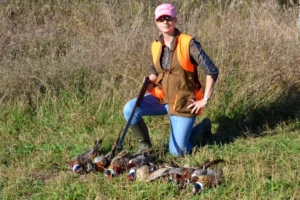
Helpful Tips for Better Results
- Start with smaller cover patches where a bird cannot run far ahead without showing itself.
- Walk slowly, stop often, and let pauses work for you.
- Hunt into or quartering into the wind when terrain allows.
- Wear blaze orange or required visibility clothing so other hunters can see you.
- Mark every flush and every fall with a specific landmark, not a vague direction.
- Take conservative shots because recovery is harder without a dog.
- Keep notes on cover type, weather, sign, flushes, and mistakes after every hunt.
Common Mistakes to Avoid
Dogless upland hunting becomes unsafe or frustrating when beginners try to cover too much ground too quickly. Slow down, choose realistic habitat, and make recovery part of every decision.
- Not checking current regulations before hunting.
- Hunting without proper license, stamps, tags, permits, or land permission.
- Ignoring blaze orange or visibility requirements.
- Walking too fast through good cover.
- Failing to pause and listen.
- Choosing cover that is too thick for responsible recovery.
- Shooting too low or toward unsafe backgrounds.
- Taking long shots that make recovery unlikely without a dog.
- Not agreeing on zones of fire when hunting with a partner.
- Overpacking unnecessary gear and underpacking water, first aid, and navigation.
- Crossing unclear property lines or retrieving game without legal permission.
- Ignoring weather, heat, cold, fatigue, and navigation risks.
Troubleshooting Common Problems
| Problem | Possible Cause | What to Do |
|---|---|---|
| You are not seeing any birds | Poor habitat, wrong timing, heavy pressure, weather changes, or limited scouting | Scout more sign, focus on food-cover edges, slow down, and try different legal access points. |
| Birds flush too far away | Walking too fast, tailwind, open cover, pressured birds, or noisy entry | Walk into the wind, move slower, pause more often, and focus on tighter cover or smaller patches. |
| Birds run ahead instead of flushing | Long cover strips, pheasant behavior, open escape routes, or lack of blockers | Work shorter cover, approach from edges, use safe partner positioning where legal, and avoid pushing birds toward unsafe areas. |
| You cannot recover a bird easily | Shot was too long, cover was too thick, fall was poorly marked, or you rushed the search | Mark the fall, search slowly in circles, ask a partner to help, and take closer shots in the future. |
| Other hunters are nearby | Popular public land, easy access, opening weekend, or limited habitat | Communicate respectfully, keep distance, wear visibility clothing, and choose another legal area if safety is questionable. |
| Property boundaries are unclear | Old maps, poor signage, mixed parcels, or uncertain access routes | Stop and verify with official maps, agency staff, or landowners before hunting or retrieving game. |
| Bad weather changes the plan | Heat, storms, snow, high wind, mud, or poor visibility | Adjust timing, shorten the route, carry proper gear, or cancel the hunt if safety is at risk. |
| Gear failure slows you down | Unbroken boots, wet clothing, dead batteries, damaged vest, or poor packing | Test gear before the hunt, carry simple backups, and keep safety items accessible. |
| You are unsure if the bird is legal | Poor identification, sex restrictions, similar species, or confusing regulations | Do not shoot. Study identification guides and confirm rules before the next hunt. |
| Beginner nervousness affects safety | Fast flushes, lack of practice, partner pressure, or unfamiliar terrain | Pass on rushed shots, keep the muzzle safe, breathe, and practice more before hunting again. |
| You get tired far from the vehicle | Overpacking, steep terrain, heat, dehydration, or poor route planning | Rest, hydrate, shorten the hunt, mark your route, and build fitness gradually. |
Ethical Hunting and Conservation
Ethical upland hunting means respecting wildlife, following the law, recovering game responsibly, and making safe decisions even when a bird flushes unexpectedly. Without a dog, ethics require extra restraint because recovery can be harder.
- Respect wildlife by learning species identification and habitat needs.
- Respect landowners, gates, crops, livestock, and private boundaries.
- Respect other hunters by communicating, wearing visible clothing, and avoiding unsafe crowding.
- Obey seasons, limits, legal hours, access rules, and reporting requirements.
- Practice before hunting and stay within your real ability.
- Pass on unsafe, uncertain, low, or hard-to-recover shots.
- Avoid waste by caring for meat promptly and responsibly.
- Support conservation through licenses, habitat programs, reporting, and clean field behavior.
- Leave the land cleaner than you found it.
When to Get More Training or Professional Guidance
Seek more training if you have never handled a firearm or bow, have not completed hunter education, are unsure about local laws, do not understand land boundaries, cannot identify upland species confidently, or are not comfortable with safe shooting around other hunters.
Also get help if you are hunting unfamiliar terrain, struggling to recover birds, unsure how to care for meat, or planning to hunt public land with heavy pressure. Good learning sources include official hunter education courses, state or provincial wildlife agencies, certified instructors, ethical mentors, conservation organizations, local upland hunting clubs, and reputable shooting coaches.
After the Hunt: Follow-Up, Gear Care, and Learning
After the hunt, unload and store firearms safely according to law and manufacturer guidance. Dry boots, clean brush seeds from clothing, inspect your vest, restock first aid supplies, and put licenses or permits back where you can find them.
Complete any legal harvest reporting or check-out requirements. Cool harvested birds promptly and follow safe food handling practices. Keep notes on weather, wind, cover, sign, flushes, shots passed, recovery results, and access details.
Dogless upland hunting improves through honest review. Ask what cover held birds, where birds escaped, whether your walking pace was too fast, and whether your shot choices supported responsible recovery.
Recommended Hunting Gear and Tools to Consider
You do not always need expensive gear to hunt responsibly. Choose gear based on your local laws, hunting method, species, terrain, weather, safety needs, skill level, and budget.
- Legal hunting weapon or method allowed in your area
- Legal ammunition, including non-toxic shot where required
- Quality boots for your terrain and weather
- Weather-appropriate clothing and required visibility gear
- Brush pants, gloves, and eye protection for heavy cover
- Game vest with blaze orange panels and a comfortable game pouch
- Binoculars or optics for safe observation
- Navigation tools such as a map, compass, GPS, or hunting app
- First aid kit and emergency communication
- Game bags, gloves, cooler, ice, and meat care supplies
Final Thoughts
Learning how to hunt upland birds without a dog is mainly about preparation, patience, and restraint. Check the law first, choose legal land, learn the birds in your region, scout habitat, walk slowly, pause often, and make recovery part of every shot decision.
A dog can be a valuable partner, but not having one does not prevent a careful hunter from learning upland skills. Hunt legally, safely, patiently, and ethically. Choose gear and methods based on your local laws, terrain, skill level, and conservation responsibilities, and treat every outing as a chance to become a better field observer.
FAQs
1. How long does it take to learn how to hunt upland birds without a dog?
A beginner can learn the basic approach in a few focused outings, but becoming consistent usually takes a full season or more. You must learn bird habitat, safe walking patterns, flushing behavior, shot discipline, and careful recovery without relying on a dog.
2. Can you really hunt upland birds without a dog?
Yes. A dog can help locate, flush, and retrieve birds, but hunters can still hunt legally and ethically without one by moving slowly, reading cover, pausing often, marking shot locations carefully, and keeping shots within practical recovery range.
3. What upland birds can be hunted without a dog?
Depending on your region, hunters may pursue pheasant, quail, grouse, chukar, partridge, woodcock, dove, prairie grouse, or other upland species. Legal species, seasons, limits, and methods vary, so verify current rules with your wildlife agency.
4. Do I need a hunting license for upland birds?
Yes, most jurisdictions require a hunting license, and some species may require upland bird stamps, habitat stamps, permits, tags, migratory bird registration, or harvest reporting. Check the current regulation booklet before you hunt.
5. Do upland bird seasons change every year?
Season dates, bag limits, possession limits, legal hours, and area rules can change. Always use current official regulations instead of relying on old articles, printed notes, or what a friend remembers from last year.
6. Is hunter education required?
Hunter education is required for many hunters in many places, especially younger or first-time hunters. Even where it is not required for your age group, a certified hunter education course is strongly recommended.
7. What is the safest firearm for upland bird hunting?
The safest firearm is one that is legal, properly maintained, appropriate for the species, and familiar to the hunter through safe practice. Follow manufacturer instructions, hunter education guidance, and all local rules for firearm type, gauge, ammunition, and transport.
8. What basic firearm safety rules matter most?
Treat every firearm as loaded, keep the muzzle pointed in a safe direction, keep your finger off the trigger until ready to shoot, identify the target and what is beyond it, and never shoot toward roads, homes, livestock, vehicles, trails, people, or unclear movement.
9. Can I bowhunt upland birds?
Some places may allow archery methods for certain upland species, but rules vary widely. If legal, practice enough to know your effective range and pass on uncertain opportunities that could lead to poor recovery.
10. Do I need blaze orange?
Blaze orange or other visibility clothing is often required or strongly recommended for upland hunting. Check local rules and consider wearing it even when not required because upland hunters often move through cover with other hunters nearby.
11. What boots are best for hunting without a dog?
Choose comfortable, broken-in boots with support and traction for the terrain. Upland hunting without a dog often requires more walking, so blister prevention, ankle support, and dry feet are more important than style.
12. What clothing should I wear?
Wear weather-appropriate layers, visibility clothing when required or wise, and tough outerwear that can handle brush, briars, grass, and seed heads. Avoid loose straps or shiny items that catch on cover.
13. How much gear should a beginner carry?
Carry enough for safety, navigation, water, licenses, ammunition, and meat care, but avoid overpacking. Without a dog, you may walk farther and recover birds yourself, so light, organized gear helps.
14. Where should I look for upland birds?
Look for food, cover, edge habitat, water where relevant, escape routes, and pressure-free pockets. Productive areas may include grasslands, crop edges, brushy draws, field corners, hedgerows, creek bottoms, timber edges, burns, or rocky slopes depending on the species.
15. How do I scout for upland birds without a dog?
Study maps, talk with wildlife agency staff, check legal access, look for tracks, droppings, dusting areas, feeding sign, feathers, roosting cover, and fresh movement. Walk likely habitat slowly and make notes after every outing.
16. What signs show upland birds are nearby?
Useful signs may include tracks, droppings, feathers, dusting bowls, feeding scratch marks, wing marks in snow or dust, calls, flushes, and repeated use of cover edges. Fresh sign near good cover is more useful than old sign in poor habitat.
17. What time of day is best?
Early morning and late afternoon can be productive because birds often move between roosting, feeding, and loafing cover. Midday can still work near thick cover, water, or shaded protection, depending on species, weather, and pressure.
18. Does wind direction matter for upland birds?
Yes. Wind affects scent, sound, bird movement, and how birds flush. Without a dog, walking into or quartering into the wind can help you hear birds, approach cover carefully, and avoid pushing birds out too far ahead.
19. How should I walk without a dog?
Walk slowly in a zigzag or grid pattern, focus on cover edges and likely escape routes, and pause often. Many birds flush when a hunter stops because the pause makes them nervous.
20. Why should I pause while walking?
Pausing can trigger birds that are holding tight to flush within range. It also gives you time to listen, breathe, check your position, and maintain safe muzzle control.
21. Should I hunt alone or with a partner?
A careful partner can help cover more ground and mark downed birds, but safety planning is essential. Agree on zones of fire, spacing, communication, and when no shot is allowed before entering cover.
22. How far apart should hunters walk?
Spacing depends on terrain, visibility, cover, and local conditions. Hunters must always maintain safe shooting lanes, know each other’s positions, and avoid shooting low or toward a partner.
23. What is a safe zone of fire?
A safe zone of fire is the area where a hunter can shoot without endangering anyone. In upland hunting, that zone changes as people move, so communicate often and pass on shots that are not clearly safe.
24. How do I avoid shooting too low?
Upland birds often flush from cover close to the ground, especially in thick habitat. Wait until the bird is clearly above a safe background and away from people, dogs, livestock, roads, buildings, and vehicles.
25. What if the bird flushes behind me?
Do not swing through people, roads, vehicles, or unsafe backgrounds. If the shot is not safe and controlled, let the bird go.
26. How close should a bird be before I shoot?
Only shoot within your practiced effective range and when you can identify the species, confirm legality, and recover the bird responsibly. Passing on long or uncertain shots is part of ethical hunting.
27. How do I improve recovery without a dog?
Take conservative shots, watch the bird carefully, mark the exact fall location with a landmark, walk straight to that point, and search slowly in expanding circles. Hunting with a partner who marks the fall can help.
28. What should I do immediately after a bird falls?
Keep the firearm pointed in a safe direction, communicate with partners, mark the fall, unload if crossing obstacles or entering difficult cover as required by safe practice, and recover the bird promptly and legally.
29. What if I cannot find a bird?
Search carefully, mark the last known location, use a grid pattern, and ask a partner to help if available. If recovery is doubtful because of cover or distance, adjust your future shot choices to reduce that risk.
30. Can I retrieve birds on private property?
Do not trespass. If a bird lands across a boundary, follow local recovery laws and contact the landowner or wildlife agency if needed.
31. How do I hunt public land without a dog?
Use official maps, verify access, start near overlooked cover, avoid crowding other hunters, walk slowly, and focus on fresh sign. Public land birds may be pressured, so quiet entry and patient coverage matter.
32. How do I get private land permission?
Ask politely, explain who you are, what species and dates you are interested in, and how you will respect gates, crops, livestock, parking, trash, and boundaries. Written permission is best when available.
33. Can I hunt field edges without a dog?
Yes, if legal and safe. Field edges, ditches, hedgerows, and corners can hold birds, especially near food and cover, but always verify property lines and avoid shooting toward roads, houses, or livestock.
34. Can I hunt thick cover without a dog?
Yes, but recovery becomes harder and safety becomes more important. Move slowly, use visibility clothing, keep shots close and safe, and avoid cover where you cannot recover game responsibly.
35. What species are hardest without a dog?
Fast-running pheasants, mountain chukar, and birds in very thick or steep cover can be challenging without a dog. Beginners should start with manageable terrain and realistic recovery conditions.
36. Is quail hunting possible without a dog?
Yes, but it requires careful walking, listening, and marking covey locations. After a covey flushes, watch where birds land and move slowly through the area only where legal and safe.
37. Is grouse hunting possible without a dog?
Yes. Many hunters still-hunt or walk forest edges, logging trails, young timber, and cover transitions for grouse. Safety and fast target identification are essential in wooded terrain.
38. Is pheasant hunting possible without a dog?
Yes, but pheasants often run ahead in cover. Work edges, blockers where legal and safe, slow pauses, and smaller pieces of cover where birds are less likely to escape far ahead.
39. Is chukar hunting possible without a dog?
Yes, but chukar country can be steep and physically demanding. Plan for water, weather, navigation, footwear, and a conservative route back to the vehicle.
40. How do I stay safe in steep terrain?
Wear supportive boots, slow down, watch footing, avoid risky slopes, carry water, and tell someone your route. Do not take shots when balance, footing, or background is unsafe.
41. How do weather conditions affect upland birds?
Heat, cold, rain, snow, wind, drought, and storms influence bird location and hunter safety. Birds may seek shade, thermal cover, windbreaks, water, or food depending on conditions.
42. Should I hunt in hot weather?
Be cautious. Heat can stress hunters, spoil meat faster, and make recovery urgent. Carry water, hunt cooler hours, and stop if conditions are unsafe.
43. What should I do in snow?
Snow can reveal tracks and flush patterns, but it also increases cold risk and navigation challenges. Wear proper layers, watch footing, and avoid weather that could trap you.
44. How do I navigate safely?
Carry a map, compass, GPS or phone app, backup power, and know how to return without cell service. Mark parking, boundaries, and hazards before walking into cover.
45. What should be in a first aid kit?
Carry basic bandages, blister care, antiseptic, personal medications, emergency blanket, tweezers, and supplies appropriate for your terrain. A kit is only useful if you know how to use it.
46. How much water should I carry?
Carry more than you think you need, especially in warm, dry, or steep country. Upland hunting is active, and dehydration can affect judgment and safety.
47. Do I need binoculars?
Binoculars are useful for scouting fields, edges, distant cover, and property boundaries. Never use a rifle scope or firearm-mounted optic to identify something you are not already prepared to safely target.
48. What is the biggest mistake when hunting without a dog?
The biggest mistake is taking shots that make recovery unlikely. Without a dog, ethical hunters must keep shots closer, mark birds carefully, and avoid thick cover or long distances that reduce recovery chances.
49. How can beginners practice before the season?
Take hunter education, practice safe firearm handling, shoot appropriate clay targets, walk with your hunting vest and boots, study bird identification, and scout legal habitat before opening day.
50. What should I do after harvesting an upland bird?
Follow any tagging, reporting, possession, and transport rules. Cool the bird promptly, keep it clean, preserve any required evidence of species or sex, and use the meat responsibly.
51. Do I need to report upland bird harvest?
Reporting requirements vary by species and location. Some permits, wildlife areas, or migratory species programs may require reporting, so check current rules.
52. How do I care for upland bird meat?
Keep birds clean, cool them promptly, avoid cross-contamination, and follow food safety guidance. Plan meat care before the hunt so warm weather or long walks do not create problems.
53. When should I hire a guide or seek a mentor?
Get help if you are unsure about firearm safety, laws, boundaries, bird identification, recovery, or unfamiliar terrain. Ethical mentors and certified hunter education instructors can shorten the learning curve.
54. How does upland hunting support conservation?
Regulated hunting funds wildlife management through licenses, stamps, habitat programs, and conservation partnerships. Responsible hunters also support conservation by obeying limits, reporting harvest when required, and respecting habitat.
55. Can success be guaranteed without a dog?
No. Success depends on weather, habitat, bird numbers, hunting pressure, legal access, skill, patience, and ethical decisions. A dog can help, but preparation and restraint matter most.
Read more: How to Hunt Snow Geese: A Beginner-Friendly Waterfowl Guide