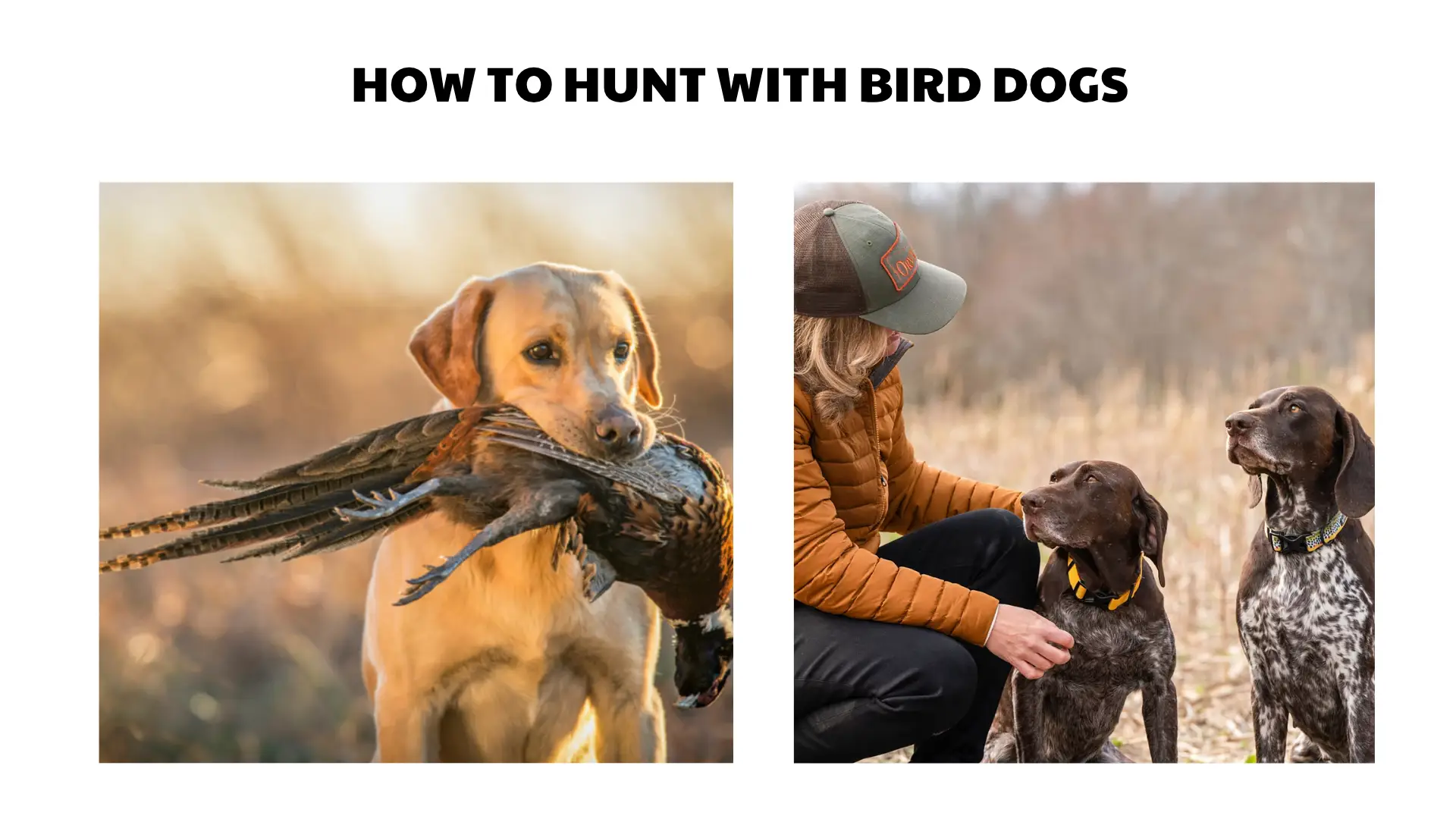
Learning how to hunt with bird dogs is about more than walking behind a trained dog and waiting for birds to flush. It is a partnership built on legal preparation, safe firearm handling, dog control, scouting, habitat knowledge, patience, and respect for wildlife. A good bird dog can help locate birds, point or flush game, and support recovery, but the hunter is still responsible for every legal, ethical, and safety decision.
This guide is for beginners who want a practical introduction to upland bird hunting with pointing dogs, flushing dogs, or retrievers. You will learn what to check before the season, how to choose safe hunting areas, how to read bird habitat, how to work with a dog in the field, what gear matters, and how to avoid common mistakes.
Success depends on season timing, local bird numbers, dog training, weather, access, shooting practice, and ethical judgment. No dog or gear setup can guarantee birds. The goal is to hunt legally, safely, and responsibly while building a better partnership with your dog over time.
Quick Answer
To learn how to hunt with bird dogs, first verify current hunting regulations, licenses, permits, legal species, season dates, land access rules, dog rules, and firearm requirements with your official wildlife agency. Then scout upland bird habitat, condition and train your dog, plan a safe route, and maintain clear zones of fire with every hunter in the group. Work into or across the wind when possible, keep the dog under control, and take only safe, legal, clearly identified, and ethical shot opportunities. With practice, patience, and good dog care, beginners can build useful field skills without rushing the process.
Important Legal and Safety Notice Before You Hunt
Hunting regulations vary by country, state, province, county, season, land type, species, weapon type, and dog-use rules. Before hunting, readers must check their official wildlife agency for current license, permit, tag, season, weapon, bag limit, land access, dog training, dog use, reporting, and transport rules.
- Hunting license and permits: Carry the correct current license and any required upland bird permits, habitat stamps, access permits, or species documents.
- Tags or harvest reporting: Follow all tagging, possession, check station, harvest survey, reporting, and transport rules where required.
- Legal season and legal hours: Confirm open dates, legal hours, daily limits, possession limits, and closed areas before entering the field.
- Legal weapons and ammunition: Use only legal firearms, bows, ammunition, shot types, magazine limits, and methods allowed for the species and location.
- Public land or private land access: Verify boundaries, parking, dog rules, leash rules, training restrictions, closed zones, and written private land permission.
- Required clothing or visibility rules: Follow blaze orange or other visibility requirements for hunters and consider high-visibility gear for dogs.
- Safe firearm or bow handling: Identify the bird and what is beyond it, know where the dog and partners are, and never shoot toward roads, homes, livestock, people, dogs, vehicles, trails, or unclear movement.
- Weather, navigation, and emergency planning: Plan for heat, cold, water, mud, rough terrain, dog injuries, first aid, hydration, communication, and the route back.
For current official guidance, start with your state or provincial wildlife agency, hunter education provider, and general hunting safety resources such as the U.S. Fish & Wildlife Service general hunting laws page and the International Hunter Education Association.
Understanding the Game Species and Its Habitat
The phrase bird dog hunting usually refers to upland game birds such as pheasant, quail, grouse, chukar, partridge, prairie grouse, woodcock, or other legal upland species. These birds often use ground cover for feeding, resting, nesting, escape, and protection from weather. Their exact habitat varies by region and species.
Upland birds may use grasslands, brushy draws, crop edges, timber cuts, shelterbelts, creek bottoms, weed patches, rocky slopes, sagebrush, young forest cover, or wet edges. They often move between food, water, loafing cover, and protective escape cover. Hunting pressure, snow, drought, wind, temperature, and predator activity can all affect where birds hold.
Bird dogs help by using scent to locate birds that hunters may never see on their own. A pointing dog may freeze or point when it finds bird scent. A flushing dog may push birds into flight within range. A retriever may help locate and bring back harvested birds. The hunter must understand both the bird’s habitat and the dog’s signals.
What You Need Before You Start
- Valid hunting license, permits, tags, habitat stamps, dog-use permissions, and current regulation knowledge
- Legal hunting weapon or method allowed in your area
- Legal ammunition or projectiles approved for the species, land type, and firearm
- Hunter orange or required visibility clothing if applicable
- Weather-appropriate upland clothing, brush pants, gloves, hat, and durable boots
- Bird dog with basic obedience, recall, conditioning, identification, and safe transport setup
- Dog collar, leash, water, bowl, first aid supplies, and GPS or bell if legal and useful
- Navigation tools such as map, compass, GPS, or hunting app with verified boundaries
- First aid kit, water, snacks, and emergency communication for the hunter
- Binoculars or optics if useful for terrain, access, or safe observation
- Game vest, game bags, gloves, cooler, and basic meat care supplies if relevant
how to hunt with bird dogs: Step-by-Step Guide
Step 1: Check Local Hunting Laws First
Read the current regulations for the species and area you plan to hunt. Confirm season dates, legal hours, bag limits, possession limits, required permits, legal weapons, ammunition rules, blaze orange requirements, dog-use rules, public land restrictions, private land permission, reporting rules, and transport rules.
Some areas restrict dog training outside certain dates, require dogs to be leashed in specific zones, or close habitat to protect wildlife. If you are unsure, contact the wildlife agency before hunting.
Step 2: Learn the Animal’s Patterns
Study the target upland bird’s preferred cover, feeding areas, escape routes, and daily movement. Pheasants may use grass, cattails, crop edges, and shelterbelts. Quail may use brushy cover and edges. Grouse may use young forest, timber edges, or mountain cover depending on species and region.
Learn how weather changes behavior. Wind can affect scenting conditions for the dog. Heat can reduce dog endurance. Snow may concentrate birds near food or thermal cover. Pressure may push birds into thicker or less obvious cover.
Step 3: Choose a Legal Hunting Area
Use official maps and agency resources to identify public wildlife areas, walk-in access, national or state lands, and private lands where you have permission. Mark boundaries, parking areas, closed zones, roads, trails, water hazards, fences, and safe exit routes.
If hunting private land, get permission before bringing a dog. Ask about livestock, traps, fences, sensitive areas, gates, crops, and where you may park. Respectful dog handling helps protect future access.
Step 4: Scout Before the Hunt
Scout for bird sign such as tracks, droppings, feathers, dusting areas, feeding sign, edge cover, roosting cover, and escape routes. Also scout for dog safety: barbed wire, roads, ice, deep water, cactus, porcupines, snakes, livestock, traps, and extreme heat.
Fresh sign and safe cover matter. A field that looks good from the road may be too dry, too pressured, too dangerous for the dog, or closed to hunting.
Step 5: Prepare Your Gear Safely
Check your firearm or bow, ammunition, licenses, maps, clothing, dog gear, and first aid supplies before leaving home. Use only legal and manufacturer-approved equipment. Do not modify firearms, ammunition, or safety features.
Prepare the dog as carefully as you prepare yourself. Bring water, a leash, collar identification, emergency vet contact information, and a safe crate or vehicle setup. Condition the dog before the season instead of expecting full performance on opening day.
Step 6: Plan for Wind, Weather, and Entry Route
When possible, hunt into or across the wind so scent reaches the dog before birds flush. Plan a route that keeps hunters spaced safely, gives the dog room to work, and avoids roads, houses, livestock, and unsafe shooting directions.
Weather planning is also dog care. In heat, shorten the hunt and carry extra water. In cold, watch for ice, paw injury, wet fur, and fatigue. Tell someone where you are going and when you expect to return.
Step 7: Set Up Carefully
Upland hunting with bird dogs is usually an active walking hunt rather than a fixed blind setup. Set up your group by assigning safe zones of fire, walking direction, dog position, and communication signals before the dog is released.
If hunting over pointing dogs, approach points calmly and avoid crowding the dog. If hunting with flushing dogs, keep the dog within a controlled range. If hunting with retrievers, mark birds carefully and pause shooting when the dog is working.
Step 8: Stay Patient and Observe
Watch the dog’s body language. A bird dog may show scent by slowing down, turning into the wind, raising its head, lowering its nose, tightening its pattern, wagging differently, pointing, or getting intense around cover.
Stay patient. Do not rush points, shout constantly, or pressure the dog into mistakes. Good handling uses calm cues, safe walking lines, and trust built through training.
Step 9: Take Only a Safe, Legal, and Ethical Shot Opportunity
Only shoot when the bird is positively identified, legal to harvest, within your practiced ability, and in a safe direction. Know where the dog, partners, roads, trails, buildings, livestock, and vehicles are before any shot.
Never shoot a low bird over a dog or another hunter. Never swing through a person, dog, or unsafe background. Passing on an unsafe shot is part of responsible bird dog hunting.
Step 10: Follow Legal Recovery and Reporting Rules
After a harvest, mark the bird’s fall, keep firearms pointed safely, and let the dog recover only when it is safe. Follow all tagging, reporting, possession, and transport rules. If a bird falls across a boundary, do not trespass; follow the legal process for that location.
Ethical recovery is one of the main reasons hunters value bird dogs. Still, the dog must be controlled, and the hunter remains responsible for legal and safe recovery.
Step 11: Handle the Game Responsibly
Use clean tools and gloves when appropriate, cool harvested birds promptly, and keep the meat clean. Retain evidence of species or sex where regulations require it during transport.
Respectful use of harvested birds is part of ethical hunting. Plan for storage, cooking, sharing, or processing before the hunt begins.
Best Time, Place, and Conditions for This Hunt
The best time and place depend on the bird species, season, weather, local habitat, pressure, and dog condition. Early morning can be productive when temperatures are cooler and scenting conditions are better, but legal hunting hours and local patterns matter most.
Good conditions often include safe temperatures for the dog, workable wind, accessible cover, and fresh sign. Very hot, dry, windy, icy, or stormy conditions can reduce scenting ability and increase risk to both hunter and dog.
Public land can offer opportunity but may have pressure, road noise, other dogs, and boundary complexity. Private land may offer less pressure but requires permission and careful landowner respect. Local regulations and local bird behavior should guide every decision.
Helpful Tips for Better Results
- Train obedience and recall before the season, not during the first hunt.
- Carry more water than you think the dog will need, especially in warm or dry cover.
- Hunt into or across the wind when possible to help the dog use scent.
- Agree on safe zones of fire before anyone loads a firearm.
- Watch the dog’s body language instead of walking too fast through cover.
- Use high-visibility gear for hunters and consider visible dog gear when appropriate.
- End the hunt early if the dog is overheated, injured, confused, or too tired.
Common Mistakes to Avoid
The biggest beginner mistake is assuming the dog will solve every problem. A bird dog is a partner, not a substitute for regulations, scouting, safe gun handling, and ethical judgment.
- Not checking current regulations, dog-use rules, and access restrictions.
- Hunting before the dog has reliable recall and basic obedience.
- Ignoring wind direction and scenting conditions.
- Walking too fast and missing the dog’s birdy behavior.
- Letting the dog range beyond control in unsafe terrain.
- Failing to agree on zones of fire with hunting partners.
- Shooting low birds or unclear targets near dogs or people.
- Underpacking dog water, first aid, and emergency supplies.
- Overworking a dog in heat, cold, thorns, ice, or rough terrain.
- Trespassing, crossing unclear boundaries, or ignoring private land permission.
- Failing to plan game recovery, reporting, transport, and meat care.
Troubleshooting Common Problems
| Problem | Possible Cause | What to Do |
|---|---|---|
| You are not seeing any birds | Poor habitat, wrong timing, heavy pressure, stale scouting, or low bird numbers | Scout fresh sign, adjust habitat choice, check wind, and try different legal access points. |
| The dog ranges too far | Excitement, weak recall, open terrain, or lack of training | Shorten the hunt, use a check cord during training, reinforce recall, and consider professional help. |
| The dog flushes birds out of range | Too much speed, poor control, young dog behavior, or pressured birds | Slow down, work into the wind, reinforce control, and choose easier cover for training. |
| The dog will not search | Fatigue, heat, confusion, lack of bird exposure, or poor confidence | Take a break, check the dog’s health, use shorter sessions, and build confidence with training. |
| The dog is distracted by other wildlife | Insufficient training, high prey drive, or too much freedom | Regain control, avoid unsafe pursuit, and work on obedience before hunting again. |
| Other hunters are too close | Public land pressure, poor communication, or crowded access | Keep your dog close, unload if needed, communicate politely, and move to another legal area. |
| Boundaries are unclear | Map error, poor signage, mixed ownership, or uncertain access | Stop and verify with official maps, agency staff, or the landowner before continuing. |
| Bad weather creates risk | Heat, lightning, ice, snow, fog, high wind, or rough terrain | Shorten, delay, or cancel the hunt. Dog and hunter safety come first. |
| Gear fails in the field | Dead GPS battery, broken lead, wet gear, damaged boots, or poor packing | Inspect gear before leaving, carry simple backups, and do not rely on electronics alone. |
| You are unsure whether a bird is legal | Poor identification, fast flush, similar species, or confusing regulations | Do not shoot. Study identification and confirm rules before the next hunt. |
| Recovery becomes difficult | Thick cover, poor marking, dog confusion, private land, or unsafe terrain | Mark the fall, keep the firearm safe, control the dog, and follow legal recovery rules. |
Ethical Hunting and Conservation
Ethical bird dog hunting respects wildlife, dogs, landowners, other hunters, and the habitat that supports upland birds. The goal is not simply to harvest birds. The goal is to participate responsibly in a conservation system that depends on safe, lawful, and respectful behavior.
- Respect wildlife by learning identification, seasons, limits, and habitat needs.
- Respect your dog by training, conditioning, hydrating, and resting it properly.
- Respect landowners by asking permission, closing gates, avoiding livestock, and cleaning up.
- Respect other hunters by controlling your dog and honoring safe zones of fire.
- Obey seasons, bag limits, possession limits, access rules, and reporting requirements.
- Practice shooting before hunting and pass on unsafe or uncertain shots.
- Recover game responsibly and avoid waste.
- Support conservation through licenses, habitat work, ethical harvest, and responsible participation.
- Leave the land cleaner than you found it.
When to Get More Training or Professional Guidance
Get more training before hunting if you have never handled a firearm or bow, have not completed hunter education, are unsure about local laws, do not understand land boundaries, are not confident in safe shooting, or are hunting unfamiliar terrain with a dog.
Professional guidance is also valuable when introducing a dog to birds or gunfire, correcting range problems, improving recall, building retrieving skills, handling multiple dogs, or learning legal recovery and meat care. Good sources include official hunter education courses, state or provincial wildlife agencies, certified instructors, professional dog trainers, experienced ethical mentors, local conservation organizations, and reputable bird dog clubs.
After the Hunt: Follow-Up, Gear Care, and Learning
After the hunt, unload and store firearms safely. Check your dog for cuts, thorns, ticks, burrs, sore paws, eye irritation, dehydration, or fatigue. Offer water, rest, and appropriate care. Contact a veterinarian if you see serious injury, heat stress, unusual behavior, or persistent pain.
Clean and dry boots, vests, dog collars, GPS units, leads, game bags, and tools. Complete any required harvest reports or check-out procedures. Keep notes about weather, wind, habitat, dog performance, bird contacts, shots passed, recovery work, and safety lessons.
Improvement comes from honest review. Train one skill at a time before the next hunt and keep the dog’s welfare at the center of the process.
Recommended Hunting Gear and Tools to Consider
You do not always need expensive gear to hunt responsibly. Choose gear based on your local laws, hunting method, species, terrain, weather, safety needs, dog needs, skill level, and budget.
- Legal hunting weapon or method allowed in your area
- Quality boots for upland terrain and weather
- Weather-appropriate clothing and required visibility gear
- Upland vest or pack with room for water, first aid, and game care supplies
- Dog collar, leash, identification, water bowl, and safe crate or vehicle setup
- Dog GPS, bell, or beeper only where legal and useful
- Binoculars or optics for safe observation
- Navigation tools such as a map, compass, GPS, or hunting app
- First aid kit and emergency communication for both hunter and dog
- Game bags, gloves, cooler, and meat care supplies if relevant
Final Thoughts
Learning how to hunt with bird dogs takes time, humility, and consistency. Start with the law, build safe firearm habits, train obedience, scout real bird habitat, plan around wind and weather, and care for your dog before, during, and after every hunt.
A good bird dog can make upland hunting more rewarding, but the hunter must make the safe and ethical decisions. Choose methods and gear based on your local laws, terrain, skill level, dog’s ability, and conservation responsibilities. Hunt patiently, pass on unsafe opportunities, and treat every day in the field as a chance to learn.
FAQs
1. How long does it take to learn how to hunt with bird dogs?
Most beginners can learn the basic process in one season, but building a smooth partnership with a bird dog often takes years. The hunter must learn laws, safe gun handling, bird behavior, dog handling, and field communication while the dog learns obedience, bird contact, steadiness, and recovery work.
2. Do I need a hunting license to hunt with a bird dog?
Yes, you generally need the proper hunting license and any required upland bird permits, stamps, habitat stamps, tags, or access permits. Requirements vary by location and species, so check your official wildlife agency before hunting.
3. Can any dog be a bird dog?
Some dogs have stronger natural bird-hunting instincts than others. Pointing breeds, flushing breeds, and retrievers are commonly used, but training, health, temperament, field exposure, and obedience matter as much as breed reputation.
4. What is the difference between a pointing dog and a flushing dog?
A pointing dog usually locates birds and holds still to show the hunter where the bird is. A flushing dog works closer and pushes birds into flight within safe range. Both styles require control, safety, and teamwork.
5. What is a retriever in bird hunting?
A retriever is trained to locate and bring back harvested birds. Some retrievers also flush upland birds, while others are used mainly for recovery. Good retrieving work supports ethical game recovery.
6. What upland birds can I hunt with bird dogs?
Depending on your region, upland hunting may include pheasant, quail, grouse, chukar, partridge, prairie grouse, woodcock, or other legal game birds. Always verify legal species, seasons, limits, and methods locally.
7. Do bird dogs need formal training?
Formal training is not always required, but structured obedience, recall, steadiness, exposure to birds, and safe field manners are very important. Many beginners benefit from a professional trainer, club, mentor, or organized training group.
8. What commands should a bird dog know before hunting?
At minimum, the dog should understand recall, sit or stay, heel or close control, whoa or stop if used for pointing dogs, leave it, kennel or load up, and basic handling cues. Commands should work around excitement, birds, other dogs, and gunfire.
9. How do I introduce a dog to gunfire safely?
Gunfire introduction should be gradual, positive, and done carefully, often with help from an experienced trainer. Never surprise a young or unprepared dog with loud shooting, because fear can be difficult to reverse.
10. How old should a dog be before hunting?
Age depends on the dog’s maturity, health, obedience, and training progress. Many young dogs begin with short, low-pressure field exposure before doing full hunts. Ask a veterinarian and experienced trainer for guidance.
11. Can I hunt with more than one bird dog?
Yes, experienced handlers may hunt multiple dogs, but beginners should usually start with one dog. Multiple dogs require strong obedience, clear communication, and careful control around birds, roads, fences, and other hunters.
12. What gear does a bird dog need?
Common dog gear includes a well-fitted collar, identification tag, lead, water, collapsible bowl, first aid kit, protective vest if useful, GPS or bell where legal and appropriate, and a safe crate or vehicle setup.
13. Should a bird dog wear a GPS collar?
A GPS collar can help locate a dog in thick cover or open country, but it does not replace training or recall. Check local rules, battery life, terrain, and safe use before relying on electronic equipment.
14. Are electronic collars legal for bird dogs?
Rules vary by jurisdiction and land type. Electronic collars may be legal in many areas, but training should be humane, responsible, and based on clear communication rather than punishment. Check local regulations and learn proper use from a qualified trainer.
15. What should I pack for the dog?
Pack water, food or snacks if needed, a leash, waste bags, first aid supplies, tweezers or a tick tool, vet wrap, a towel, a spare collar, and emergency veterinary contact information. Adjust the kit for heat, cold, thorns, water, and distance from help.
16. How do I keep my bird dog safe in hot weather?
Hunt during cooler parts of the day, carry plenty of water, watch for heat stress, take breaks, and avoid pushing the dog beyond its conditioning. If the dog shows weakness, confusion, heavy distress, or collapse, stop immediately and seek veterinary help.
17. How do I keep my bird dog safe in cold weather?
Use appropriate conditioning, provide dry rest, watch for ice buildup, carry water, and avoid leaving the dog wet and exposed. Dogs can still overheat in cold weather when working hard, so monitor both temperature and fatigue.
18. What firearm safety rules matter most with dogs?
Keep the muzzle pointed in a safe direction, keep your finger off the trigger until ready, identify the bird and background, know where the dog and partners are, and never shoot low birds or toward dogs, people, roads, vehicles, livestock, or buildings.
19. What is a safe zone of fire?
A safe zone of fire is the area where a hunter can safely shoot without endangering partners, dogs, property, or the public. Discuss zones before the hunt and never swing a muzzle outside your safe area.
20. Should I shoot when the dog is near the bird?
No. Do not shoot if the dog is in the line of fire, near the bird, hidden by cover, or in an uncertain position. Wait for a safe, clear, legal, and ethical opportunity or pass.
21. How do I hunt safely with other hunters and dogs?
Agree on walking lines, zones of fire, dog handling signals, emergency plans, and when shots are allowed. Keep communication calm and stop the hunt if anyone loses track of a dog or person.
22. Do I need blaze orange when hunting with bird dogs?
Blaze orange or other visibility clothing may be required by law and is often wise for upland hunting. Check your regulations and consider high-visibility gear for both hunters and dogs.
23. Can bird dogs hunt on public land?
Yes, where dogs are allowed and hunting is open. Public land may have leash rules, closed areas, seasonal restrictions, dog training rules, check-in systems, or conflicts with other users, so verify area-specific rules.
24. Can I use a bird dog on private land?
Yes, with permission from the landowner. Make sure the landowner is comfortable with dogs, respect livestock, gates, crops, fences, and boundaries, and clean up after yourself and your dog.
25. How do I scout for upland birds with a dog?
Look for food, cover, water, edges, tracks, droppings, feathers, dusting areas, and places birds can escape pressure. Also consider whether the terrain is safe for your dog’s paws, nose, eyes, and conditioning.
26. What habitat should I hunt with bird dogs?
Habitat depends on the species. Upland birds often use grasslands, brushy edges, crop borders, shelterbelts, timber edges, rocky slopes, or young forest cover. Learn the specific bird and region before choosing a route.
27. How does wind direction affect bird dog hunting?
Wind carries scent to the dog. Hunting into or across the wind often helps dogs locate birds more effectively. A tailwind can make scenting harder, so adjust your route and expectations.
28. How close should my dog work?
The ideal distance depends on dog style, species, cover, terrain, and hunter ability. Flushing dogs usually work closer, while pointing dogs may range wider. The dog must remain under control and within a safe hunting plan.
29. What should I do when a pointing dog points?
Approach calmly, know where the dog and partners are, keep the muzzle safe, and prepare for a possible flush only when the situation is legal and safe. Do not rush into the dog or swing across unsafe areas.
30. What should I do when a flushing dog gets birdy?
Watch the dog’s body language, keep your muzzle safe, slow your pace, and be ready only for a safe flush in your zone of fire. Do not crowd other hunters or shoot at unclear movement.
31. What does it mean when a dog gets birdy?
A dog is often called birdy when its behavior suggests fresh bird scent, such as faster tail movement, focused searching, sudden turns, or intense attention to cover. Learn your dog’s individual signals through time in the field.
32. What if my dog bumps birds too far away?
The dog may be ranging too far, moving too fast, or lacking steadiness. Shorten the hunt, reinforce control, work easier cover, and consider help from a trainer rather than punishing the dog harshly.
33. What if my dog will not retrieve?
Retrieving can require patient training and positive repetition. Do not turn recovery into a fight in the field. Work with a qualified trainer if the dog struggles with picking up, carrying, or delivering birds.
34. What if my dog chases deer or other wildlife?
Stop the behavior through training and control before hunting. Chasing non-target wildlife may be illegal, unsafe, or harmful to the dog and wildlife. Use a leash or end the hunt if the dog cannot be controlled.
35. Can bird dogs disturb nesting birds?
Yes, dogs can disturb wildlife outside hunting season or in sensitive areas. Follow dog training seasons, closures, leash rules, and ethical restraint, especially during nesting and brood-rearing periods.
36. How do I find a lost bird dog?
Stop, call calmly, check the last known location, use GPS if available, contact hunting partners, and avoid creating more confusion. Identification tags, microchips, and current contact information are important before every hunt.
37. Should my bird dog be in shape before season?
Yes. Bird dogs need conditioning just like hunters. Build endurance gradually before the season, check paws, maintain a healthy weight, and talk to a veterinarian about fitness, vaccines, parasites, and injury risks.
38. How do I protect my dog from thorns and cuts?
Condition the dog’s paws, check feet often, avoid unsafe cover when possible, and consider a protective vest or boots where practical. Carry basic first aid and seek veterinary help for serious injuries.
39. Do bird dogs need water during the hunt?
Yes. Carry enough clean water for both hunter and dog. Do not rely on ponds, ditches, or puddles because water may be contaminated, frozen, inaccessible, or unsafe.
40. Can I hunt with a young dog and a gun at the same time?
Only if the dog is properly introduced to gunfire and the handler can manage safety. Many beginners should join a mentor, trainer, or controlled training session before combining birds, gunfire, and a young dog.
41. What is the best shotgun for hunting with bird dogs?
The best shotgun is one that is legal, reliable, fits the hunter, and can be handled safely. Avoid focusing on gear before safety, practice, and local laws. Use only appropriate ammunition for your firearm and regulations.
42. Can I bowhunt upland birds with a dog?
Bowhunting rules for upland birds vary and may be impractical or restricted in many areas. Check local regulations and only use methods that allow safe, ethical, and legal recovery.
43. How do I recover birds ethically with a dog?
Mark the fall carefully, keep the dog under control, avoid unsafe shooting after the flush, and begin recovery promptly when safe. Follow property boundaries and do not trespass during recovery.
44. What should I do after harvesting a bird?
Follow tagging, reporting, possession, and transport rules. Keep birds clean and cool, retain required identification if applicable, and use the meat responsibly.
45. Do I have to report harvested upland birds?
Some areas require harvest reporting, check stations, permits, or survey participation, while others do not. Check the current rules for the species and land type you hunt.
46. How should I care for upland bird meat?
Use clean hands and tools, cool birds promptly, prevent cross-contamination, and follow food safety guidance. Keep required parts or identification attached during transport when regulations require it.
47. How much does it cost to hunt with bird dogs?
Costs vary widely. Basic costs include license, permits, firearm or legal method, ammunition, safety gear, dog care, food, veterinary care, training, travel, and possible access fees. Start practical and add gear only when needed.
48. Is a professional dog trainer worth it?
A good trainer can be very helpful, especially for first-time handlers, gunfire introduction, steadiness, retrieving problems, or advanced field work. Choose a trainer who uses humane, clear, and responsible methods.
49. Should I join a bird dog club?
A club can provide mentorship, training days, safety habits, field exposure, and community. Look for groups that prioritize legal hunting, dog welfare, and ethical conduct.
50. How do I avoid conflicts on public land with a dog?
Keep the dog under control, avoid crowding other hunters, respect trails and parking areas, pick up waste when appropriate, and move away if another group is already working cover.
51. What are common beginner mistakes when hunting with bird dogs?
Common mistakes include hunting before the dog is ready, poor muzzle control, unclear zones of fire, ignoring heat or fatigue, weak recall, skipping regulations, and expecting the dog to replace scouting.
52. What should I do if my dog is injured in the field?
Stop hunting, secure the firearm, control the dog, give basic first aid only within your training, and contact a veterinarian. Carry emergency vet information before leaving home.
53. Can hunting with bird dogs improve conservation?
Yes, responsible hunters support conservation through licenses, habitat programs, ethical harvest, reporting, and respect for wildlife. Good dog handlers also avoid unnecessary disturbance and protect access through responsible behavior.
54. What is the safest way to improve after each hunt?
Review dog work, bird contacts, wind, cover, shooting decisions, safety communication, and recovery. Keep notes and train one skill at a time before the next outing.
55. Can hunting success with bird dogs be guaranteed?
No. Success depends on regulations, bird numbers, weather, habitat, pressure, dog training, hunter skill, safety, and patience. A good hunt can still be valuable even without a harvest.
Read more:
How To Hunt With A Traditional Bow: A Beginner-Friendly Guide