
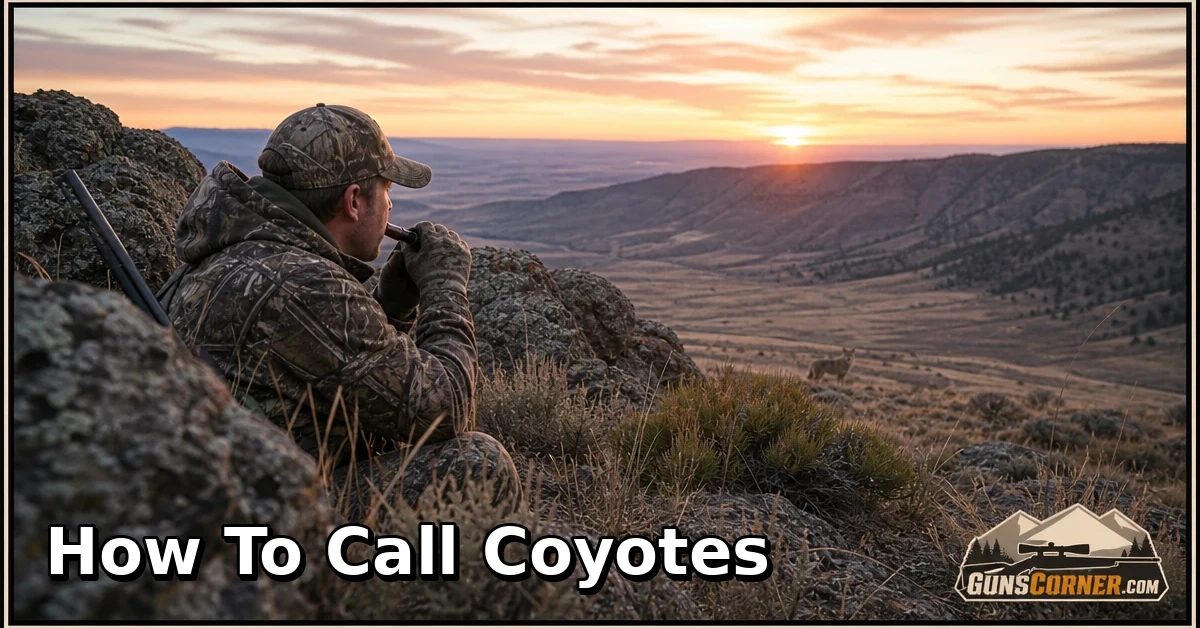

Learning how to call coyotes is a practical skill built on realistic sounds, careful setup, scouting, patience, and safe shot discipline. This guide explains how to choose a call, plan a stand, use basic calling sequences, respond when coyotes do not appear, and hunt responsibly within local regulations.
To call coyotes, first confirm your local license, season, weapon, land-access, and calling rules. Scout areas with fresh tracks, scat, tracks, vocalizations, prey, and suitable cover, then set up with the wind and terrain working in your favor. Begin with a realistic distress or coyote vocalization, call intermittently, and remain still while watching likely approach routes. Success is never guaranteed, so prioritize patience, target identification, safe backgrounds, and ethical decisions.
Important Legal and Safety Notice Before You Hunt
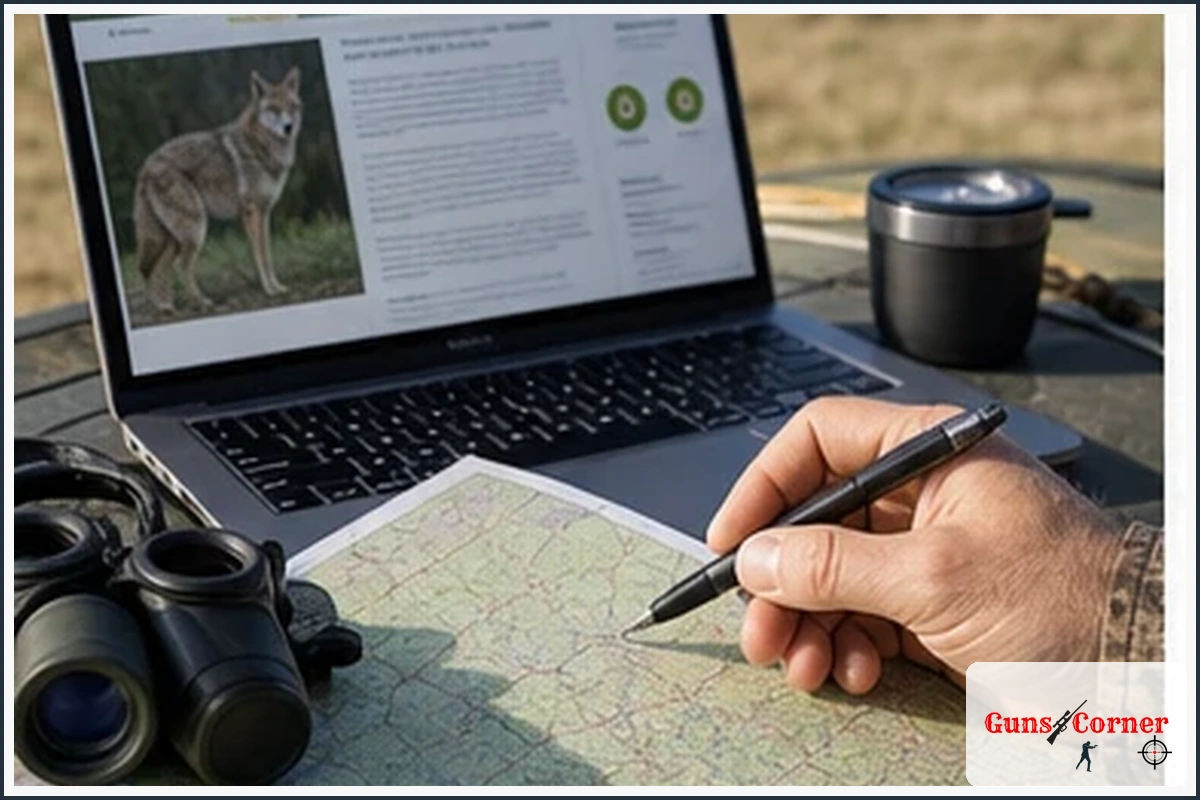
Coyote regulations vary widely by state, province, county, land type, season, and hunting method. Before hunting, consult your official wildlife agency and confirm current requirements.
- Hunting license, permits, and any required tags
- Open seasons, legal hunting hours, and harvest reporting
- Legal firearms, bows, ammunition, and electronic-call rules
- Public-land boundaries or written private-land permission
- Required hunter-orange or visibility clothing
- Firearm and bow handling requirements
- Rules involving bait, lights, night hunting, suppressors, and vehicles
- Weather, navigation, communication, and emergency planning
Always identify your target and what lies beyond it. Never shoot toward roads, homes, livestock, people, vehicles, trails, or unclear movement. New hunters should complete a hunter education course and practice with an experienced mentor whenever possible.
Why Calling Works
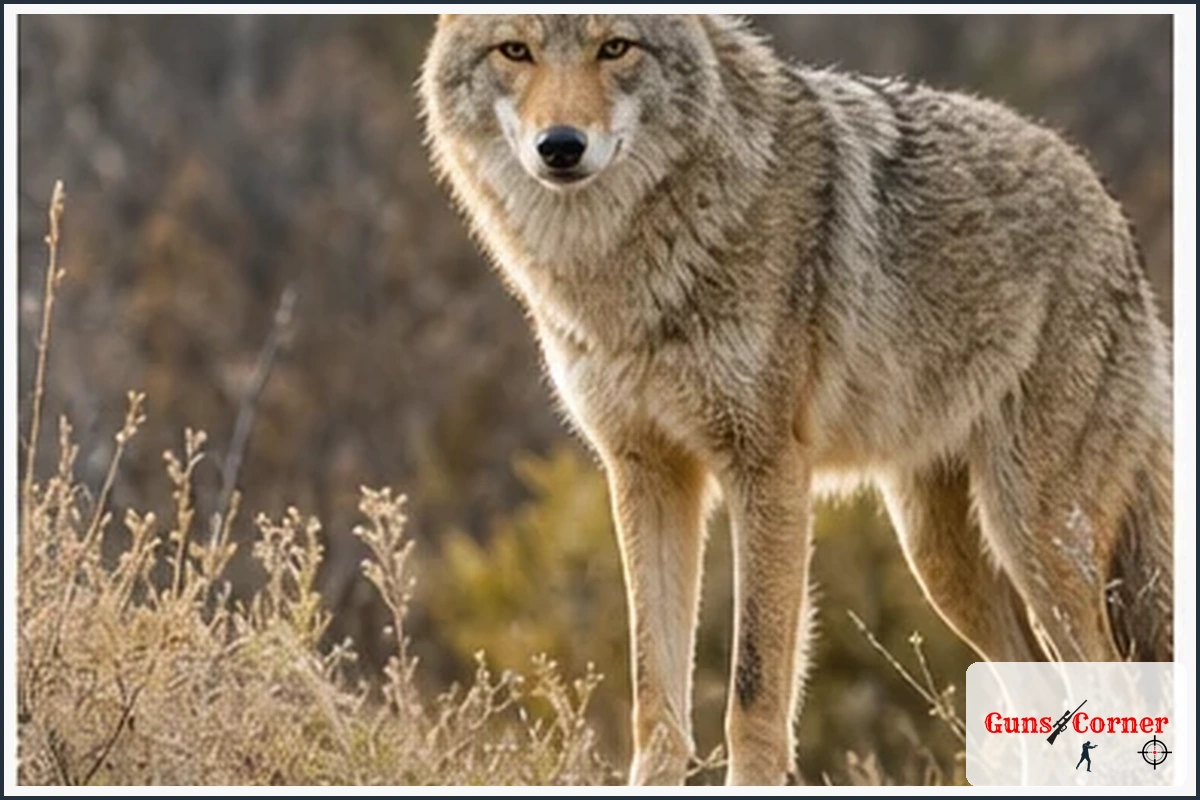
Coyotes are adaptable predators that investigate sounds connected to food, territory, communication, or social activity. A call does not force a coyote to appear. It creates a reason for the animal to investigate an area, which is why calling works best when combined with good habitat knowledge and a concealed, downwind setup.
Choose the Right Coyote Call
Electronic Calls
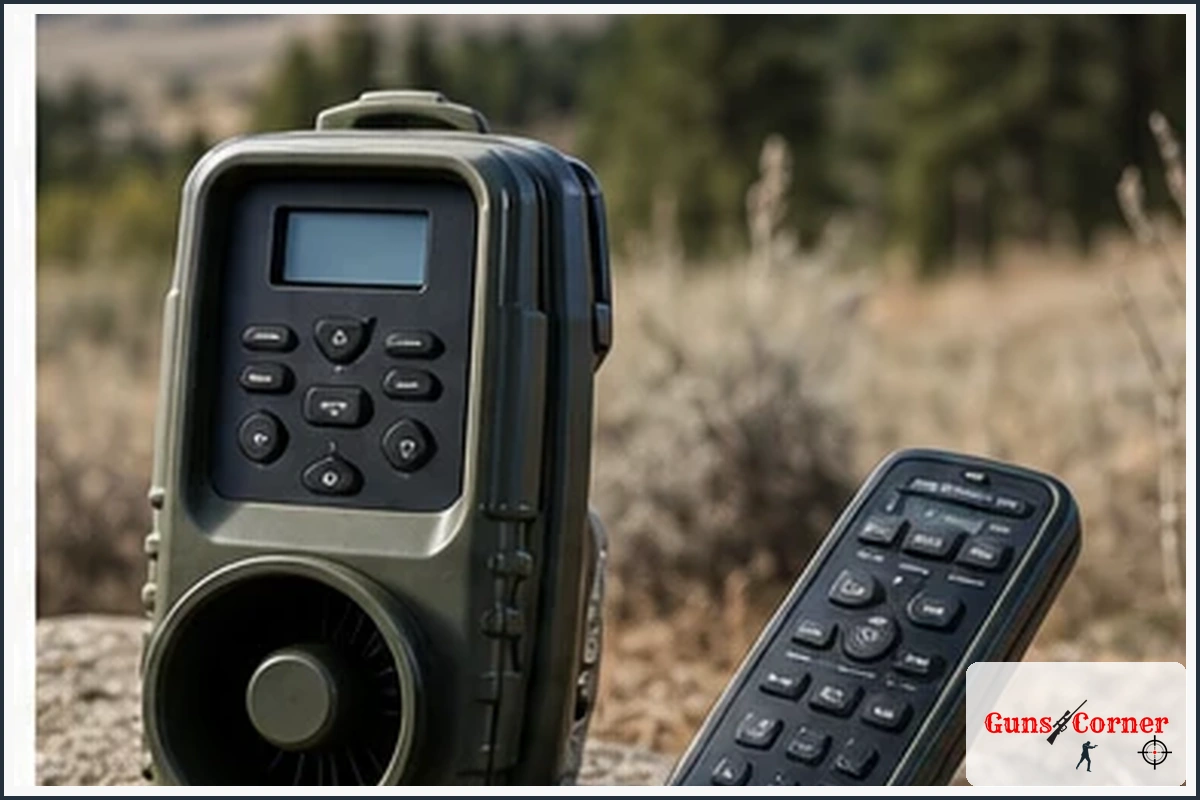
Electronic calls can offer many sounds, adjustable volume, and remote placement away from the hunter. They are useful for beginners because they make it easier to experiment with distress sounds and coyote vocalizations. Verify that electronic calls are legal where you hunt.
Open-Reed and Closed-Reed Calls
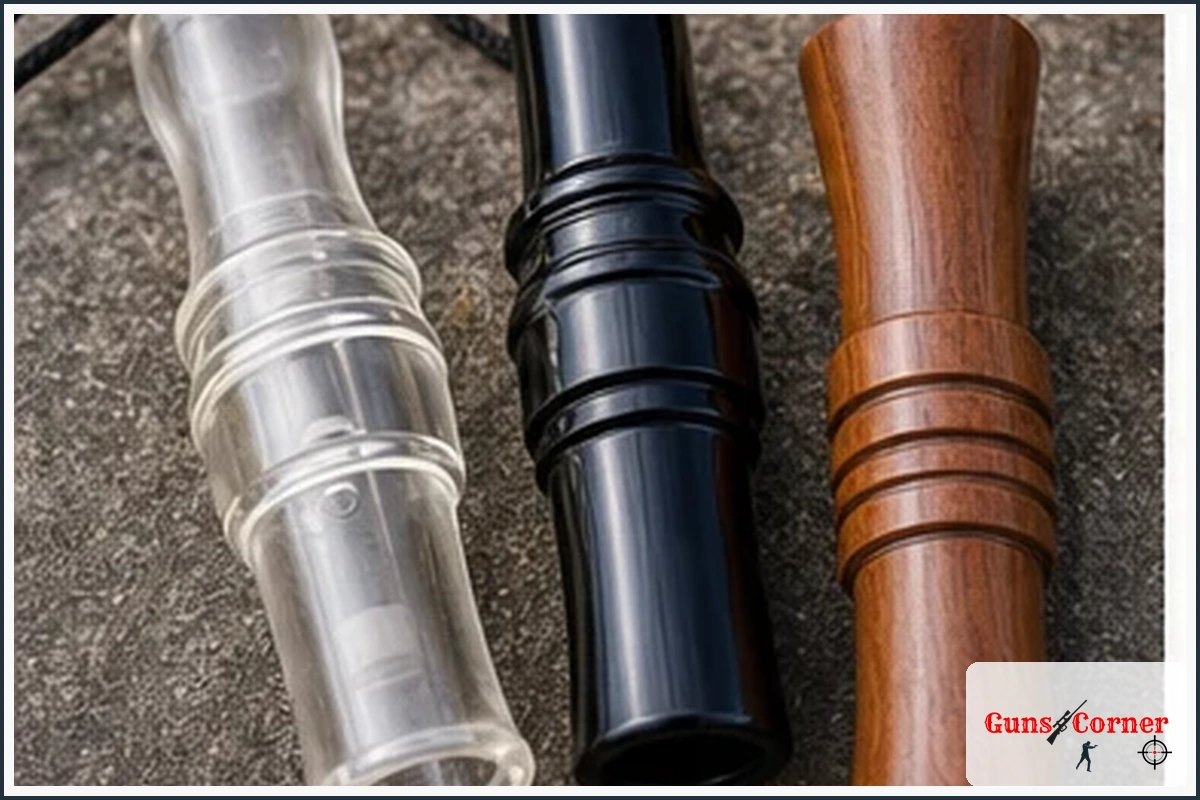
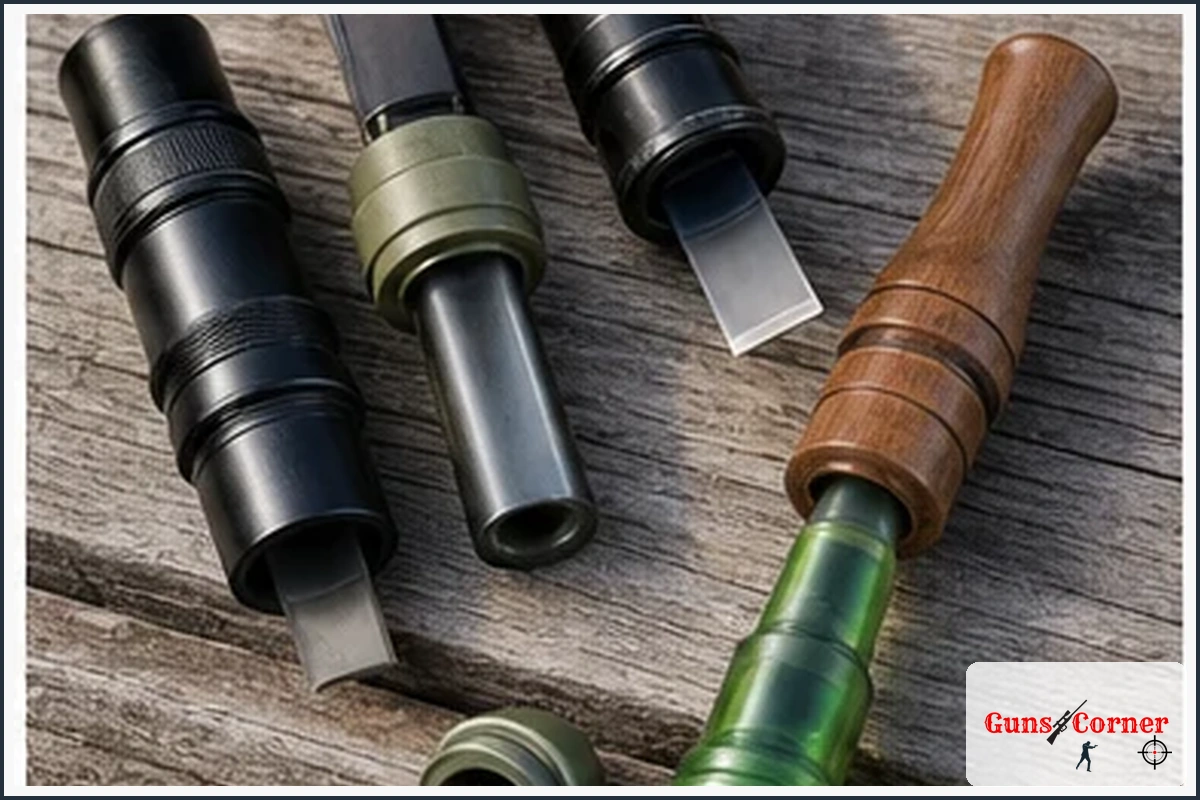
Hand calls are lightweight and inexpensive. Closed-reed calls are often easier for beginners, while open-reed calls provide more control over pitch and volume. Practice before hunting so the sound is consistent rather than loud and erratic.
Howler and Diaphragm Calls
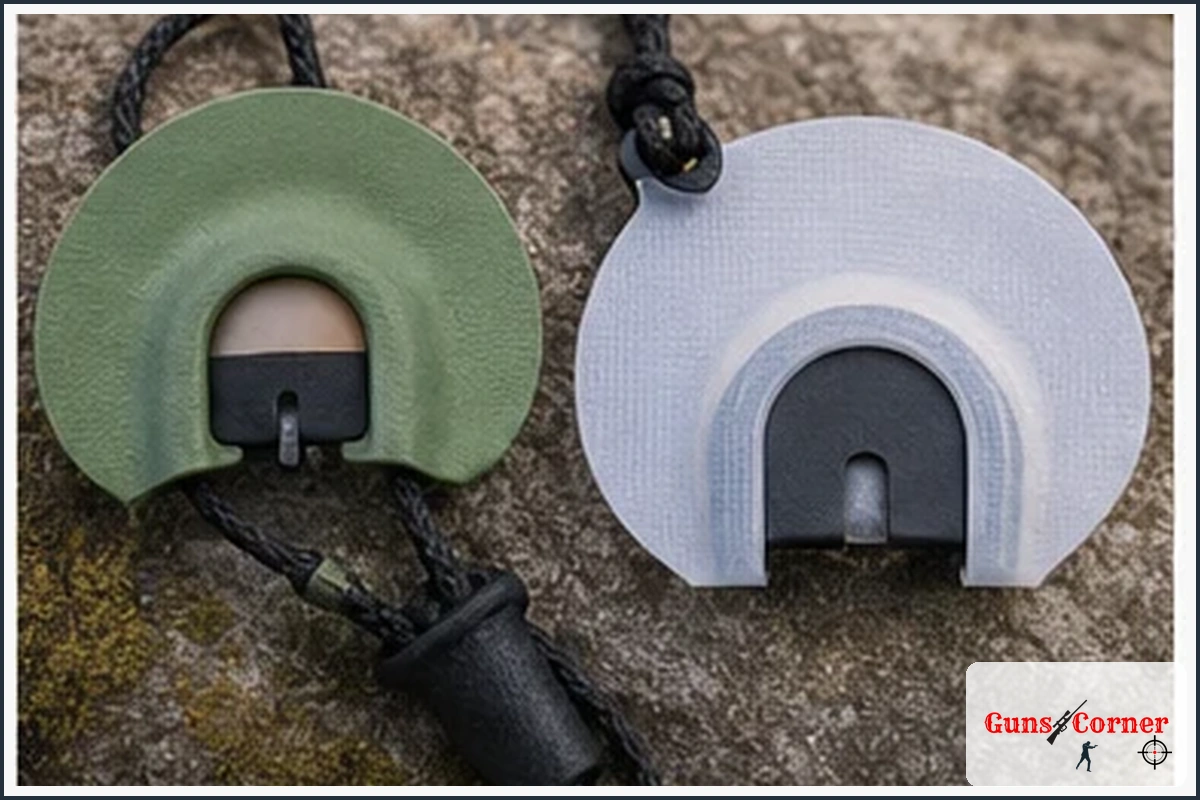
Howlers and diaphragm calls can produce coyote vocalizations, including howls and yelps. They require more practice but can help create the impression of another coyote nearby.
Understand Coyote Sounds
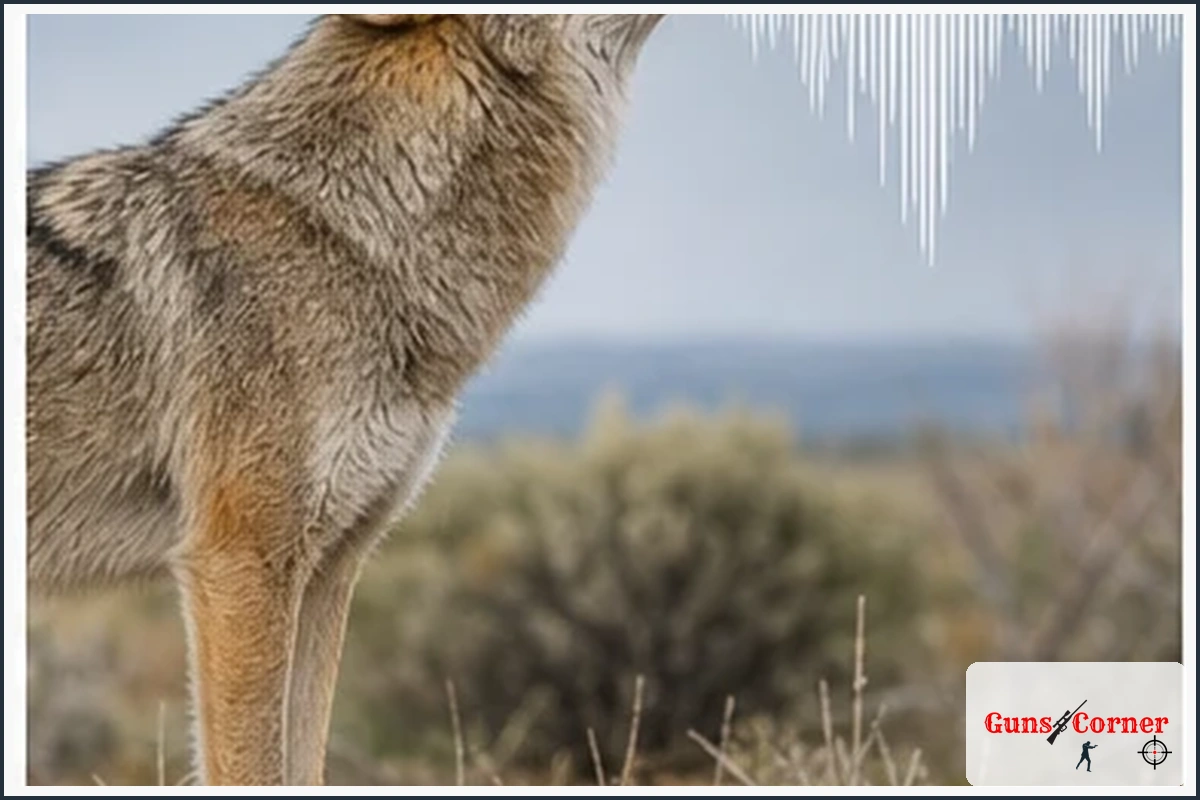
Locator Howls
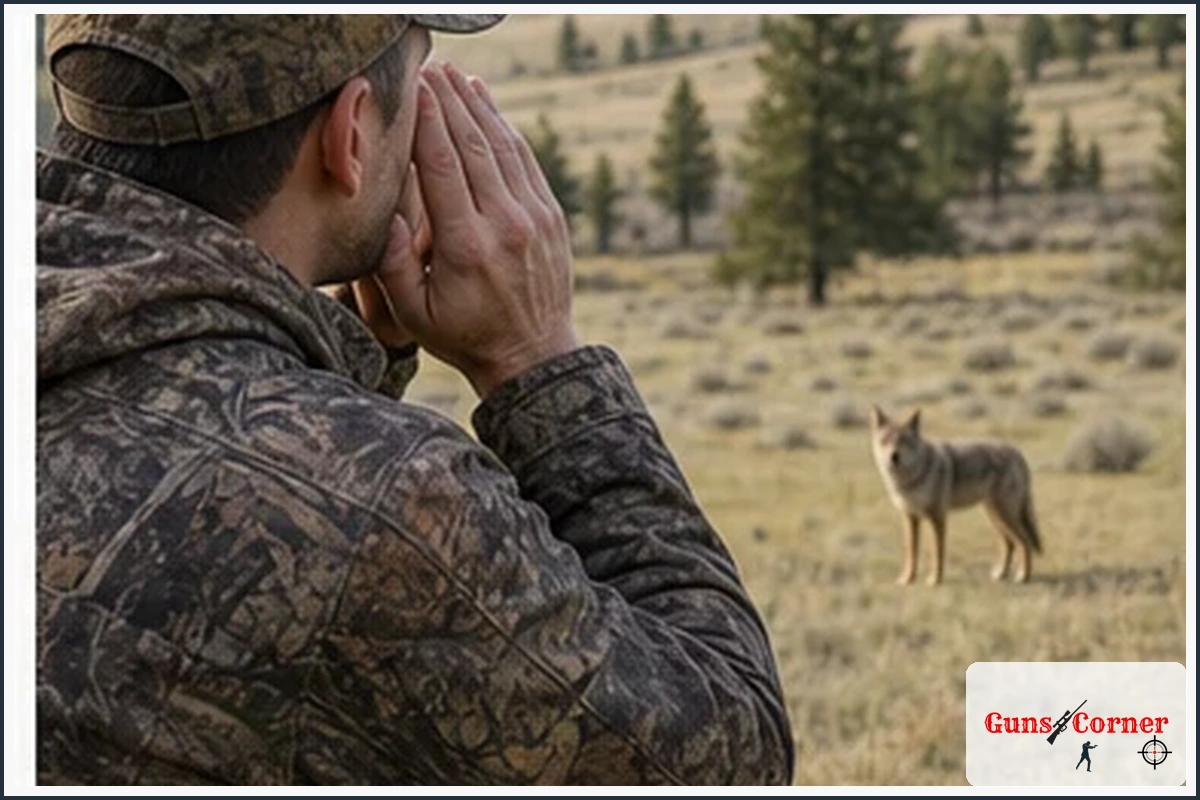
A locator howl is used to encourage a coyote to respond and reveal its presence. Use a moderate, non-aggressive sound and listen carefully. A response may be distant, subtle, or delayed.
Distress Sounds
Prey-distress sounds imitate an animal in trouble. Rabbit, rodent, bird, or other regional prey sounds may be useful, but the best choice depends on local prey and the coyote’s experience with hunters.
Coyote Vocalizations
Non-aggressive howls, lone howls, yelps, and other social sounds can appeal to curiosity or territorial behavior. During breeding or pup-rearing periods, social and pup-related sounds may become more relevant, but local regulations and seasonal behavior should guide your choices.
Pup Distress
Pup-distress sounds can create a strong response from adult coyotes, but they should be used thoughtfully. Repeating them excessively can educate animals or create an unnatural calling sequence.
How to Call Coyotes Step by Step
Step 1: Check the Rules Before Choosing a Calling Method
Confirm whether electronic calls, night hunting, bait, thermal optics, lights, specific firearms, or particular ammunition are legal in your area. Also verify legal shooting hours, reporting rules, and restrictions near homes, roads, livestock, and public facilities.
Step 2: Scout for Fresh Coyote Activity
Look for tracks, scat, travel routes, denning areas, vocal responses, and prey activity. Focus on habitat edges, brushy draws, open fields, creek bottoms, ridges, and other places where coyotes can travel while remaining concealed. Fresh sign matters more than old sign.
Step 3: Confirm Legal Land Access
Use reliable maps to verify boundaries and access points. On public land, understand parking rules, nearby users, and boundary lines. On private land, obtain clear permission before entering and respect livestock, gates, buildings, and property improvements.
Step 4: Study the Wind and Approach Route
Choose an approach that keeps your movement and scent away from likely coyote travel routes. Coyotes often circle toward the downwind side, so place yourself where approaching animals can be seen before they reach your scent cone.
Step 5: Select a Safe Calling Position
Use natural cover, a blind, or terrain that breaks up your outline. You need a clear view of likely approach routes and a safe background for any legal shot. Avoid setups that point toward roads, homes, livestock, trails, or occupied areas.
Step 6: Begin Quietly
Start with a soft locator howl, a low-volume distress sound, or another realistic call suited to the situation. A loud opening call may be appropriate in open terrain, but excessive volume can alarm nearby coyotes.
Step 7: Use Pauses
Call for a short period, then remain silent while scanning. Coyotes may take time to approach, and constant calling can sound unnatural. During a stand, alternate calling with quiet observation rather than blowing continuously.
Step 8: Adjust Volume and Sound Gradually
If the terrain is large or windy, increase volume gradually. If you believe a coyote is nearby, reduce the volume and make the sound more subtle. Change sounds only when the first sequence has had a reasonable opportunity to work.
Step 9: Watch the Downwind Side
Keep your attention on the downwind edge, thick cover, draws, brush lines, and elevated terrain that could hide an approaching animal. Move slowly and use binoculars when they improve identification without creating unsafe shooting conditions.
Step 10: Make Only a Safe, Ethical Decision
Act only when the animal is clearly identified, legally harvestable, within your practiced range, and positioned against a safe background. Pass on any shot that is uncertain, obstructed, too far, or likely to endanger people, livestock, pets, or property.
Step 11: Follow Recovery, Tagging, and Reporting Rules
If a legal harvest occurs, follow your local requirements for tagging, reporting, transport, and possession. Approach carefully, use appropriate gloves and tools, and seek experienced help if you are unsure about recovery or handling procedures.
Building a Simple Beginner Calling Sequence
A beginner sequence should be simple and repeatable. Start with several soft calls, pause to listen, and then make a slightly stronger series if nothing responds. You can later add a coyote howl, another prey sound, or a pup-distress sound when the season, local behavior, and regulations make it appropriate.
- Settle into position and remain quiet for several minutes.
- Use a soft locator howl or low-volume distress sound.
- Wait and scan likely approach routes.
- Repeat the sound with a natural pause.
- Increase volume only if terrain, wind, or distance requires it.
- Change sounds sparingly rather than cycling rapidly through recordings.
- End the stand quietly and leave using the least disruptive route.
Best Time, Place, and Conditions for Calling Coyotes
The best conditions depend on local coyote behavior, legal hunting hours, weather, terrain, prey availability, and hunting pressure. Coyotes may move during daylight, dawn, dusk, or nighttime periods, but you must follow local rules.
- Choose locations with fresh sign rather than relying only on reputation.
- Use terrain that allows coyotes to approach while remaining hidden.
- Pay attention to wind direction and changing wind conditions.
- Consider how rain, snow, heat, cold, and strong wind affect movement and sound.
- Reduce calling pressure in areas where coyotes have recently encountered hunters.
- Avoid setups that create conflicts with hikers, livestock owners, or other hunters.
Scouting Clues to Look For
- Fresh tracks in mud, dust, snow, or soft soil
- Scat along trails, ridges, roads, or prominent terrain features
- Tracks and movement near water sources
- Prey concentrations, carcass sites, or active feeding areas
- Brushy draws, fence crossings, and field edges
- Nighttime vocalizations that identify general locations
- Travel routes between cover, food, and water
Do not disturb dens, livestock, private property, or sensitive wildlife areas simply to improve a calling setup. Good scouting should make the hunt more informed, not more intrusive.
Gear Checklist for Coyote Calling
- Legal firearm or bow suited to your practiced ability
- One or more legal hand calls or an electronic call where permitted
- Binoculars for observation and identification
- Weather-appropriate clothing and quiet footwear
- Required hunter-orange or visibility gear
- Map, compass, GPS, or reliable navigation app
- Water, food, flashlight, first aid, and emergency communication
- Gloves, game bags, cooling equipment, and legal transport supplies
- Seat, ground pad, or legal blind equipment for comfortable waiting
Helpful Tips for Better Results
- Practice each call until it sounds natural before hunting.
- Use fewer sounds with better timing rather than constant calling.
- Set up where you can see the downwind approach.
- Keep your firearm or bow pointed in a safe direction at all times.
- Limit movement when scanning and turn slowly if an animal appears.
- Use terrain and shadows to break up your outline.
- Keep a hunting journal with wind, weather, sounds, responses, and sign.
- Change locations when repeated stands show little fresh activity.
- Give pressured coyotes time and avoid making every stand sound identical.
- Hunt with a mentor until you are confident with navigation, calling, and safe shot decisions.
Common Mistakes to Avoid
- Calling without checking current regulations
- Entering private land without permission
- Ignoring property boundaries or public-land access rules
- Setting up with the wind blowing directly toward likely travel routes
- Calling too loudly or continuously
- Moving too much while scanning
- Using sounds that do not fit the season or local conditions
- Taking an uncertain shot at a partially hidden animal
- Failing to identify what lies beyond the target
- Leaving without planning for legal recovery, reporting, and transport
Troubleshooting Common Problems
| Problem | Possible Cause | What to Do |
|---|---|---|
| No coyotes respond | Low local activity, poor scouting, unsuitable wind, or excessive pressure | Scout fresh sign, adjust locations, improve wind awareness, and vary timing legally. |
| A coyote appears but will not approach | It may have detected movement, scent, or an unnatural sound | Stay still, stop calling briefly, and watch the downwind side. |
| Coyotes circle downwind | The setup allows them to reach your scent before entering view | Choose a position with better visibility downwind or change your entry route. |
| The call sounds unnatural | Too much volume, poor control, or limited practice | Practice softly, use pauses, and begin with simpler calls. |
| Wind changes during the stand | Weather or terrain is shifting the scent pattern | Stop calling if needed and relocate only when movement can be made safely. |
| You are unsure whether a shot is legal | Unclear season, distance, weapon, land, or reporting rules | Do not shoot. Check the official regulations before continuing. |
| Visibility is poor | Low light, fog, snow, brush, or unsafe background | Wait for safe identification or end the stand; never shoot at movement alone. |
Ethical Hunting and Conservation
Ethical coyote hunting means respecting wildlife, landowners, other hunters, and non-hunting members of the public. Follow seasons and limits, avoid prohibited methods, use only practiced shots, and pass when conditions are unsafe or uncertain.
Licenses and lawful participation support wildlife management and conservation programs. Leave gates as you found them, remove trash and spent materials, avoid unnecessary disturbance, and make every reasonable effort to use or responsibly handle a legal harvest according to local rules.
When to Get More Training or Professional Guidance
Seek additional instruction if you have never handled a firearm or bow, have not completed hunter education, are unsure about local regulations, or lack confidence in identifying a safe background. A certified instructor, official wildlife agency, experienced ethical mentor, or reputable conservation organization can help with calling, navigation, shot discipline, recovery, and meat care.
After the Hunt: Gear Care and Learning
- Unload and store firearms or bows according to manufacturer and local safety guidance.
- Clean and dry calls, optics, clothing, boots, and navigation equipment.
- Record weather, wind, sign, sounds, responses, and stand locations.
- Complete harvest reporting and tagging requirements promptly.
- Handle and cool any legal harvest responsibly.
- Review what worked and change only one or two variables on the next hunt.
Recommended Hunting Gear and Tools to Consider
You do not need expensive equipment to call coyotes responsibly. Choose gear based on local law, terrain, weather, hunting method, safety needs, skill level, and budget.
- Legal hand calls or an approved electronic call
- Binoculars for observation
- Quiet, weather-appropriate clothing and durable boots
- Navigation tools and backup communication
- First aid kit, water, food, and emergency supplies
- Required visibility clothing
- Gloves, game bags, cooler, and meat-care supplies when relevant
Final Thoughts
Learning how to call coyotes takes practice, scouting, sound control, patience, and a careful understanding of wind and terrain. Start with simple calls, make legal access a priority, and take only a clearly identified, safe, ethical shot within your ability. Responsible preparation will improve your experience even when coyotes do not respond.
Frequently Asked Questions
What is the best sound for calling coyotes?
There is no universal best sound. Prey distress, locator howls, social howls, and pup-related sounds can all work in suitable conditions. Choose sounds that fit local behavior and practice them before hunting.
Can beginners use an electronic coyote call?
Yes, if electronic calls are legal in the hunting area. They are convenient and offer many sounds, but beginners still need to learn setup, wind, concealment, and safe target identification.
Are mouth calls better than electronic calls?
Neither is always better. Mouth calls are lightweight and quiet to carry, while electronic calls provide sound variety and remote placement. Skill, conditions, and local law matter more than the equipment alone.
How long should I stay in one coyote stand?
Stand duration depends on terrain, wind, calling pressure, and local coyote behavior. Remain long enough for a distant animal to approach, but relocate when the area lacks fresh sign or the wind becomes unsuitable.
How often should I call?
Use realistic calling periods followed by pauses. Constant sound can appear unnatural, while occasional calls give approaching coyotes time to investigate.
Should I start with a howl or distress sound?
Either can be appropriate. Howls may locate or interest coyotes, while distress sounds imitate prey. Choose based on season, pressure, local observations, and the response you want to encourage.
How loud should a coyote call be?
Use enough volume to carry through the terrain and wind, but avoid maximum volume by default. Start softer when you suspect a nearby coyote and increase gradually when necessary.
Why do coyotes circle downwind?
They may use their sense of smell to verify what they hear. Set up so the downwind side remains visible or difficult for a coyote to reach without exposing itself.
What wind direction is best for coyote calling?
A steady wind that carries your scent away from likely approach routes is generally easier to manage. Always account for terrain, swirling wind, and changing weather.
How do I scout for coyotes?
Look for fresh tracks, scat, vocalizations, prey, water, travel corridors, brushy cover, and field edges. Use maps to connect sign with legal access and safe shooting positions.
Where do coyotes usually travel?
They often use cover, draws, ridges, field edges, creek bottoms, fence crossings, and routes connecting food, water, and resting areas. Local terrain and pressure can change these patterns.
Is public land good for coyote calling?
Public land can be productive when it contains fresh sign and legal access. Study boundaries, parking, other users, nearby private property, and safe shooting directions before setting up.
Do I need permission to call coyotes on private land?
Yes. Obtain clear permission before entering private property and follow the landowner’s instructions regarding gates, livestock, buildings, vehicles, and cleanup.
Can I call coyotes near livestock?
Only with landowner permission and careful target identification. Never shoot toward livestock or use a setup where a missed shot could endanger animals, people, or property.
Are coyotes more responsive during breeding season?
Vocalizations and social behavior may become more noticeable during breeding periods, but responses vary by region and pressure. Follow local regulations and avoid assuming one seasonal tactic will always work.
Do pup-distress sounds always work?
No. Pup-distress sounds can produce strong curiosity or protective responses in some situations, but coyotes may ignore them, especially after repeated exposure.
Should I use coyote urine or other scent products?
Check local regulations before using any scent product. Scent is not a substitute for proper wind management, concealment, scouting, and safe positioning.
How important is camouflage?
Camouflage can help, but concealment, stillness, and a favorable background are usually more important than expensive patterns. Follow any required visibility-clothing rules.
Do coyotes see movement easily?
They can detect movement, especially in open terrain. Move slowly, use cover, and prepare your shooting position before calling.
Should I use a blind?
A blind can reduce movement and help conceal your outline. Place it where you have safe visibility, legal access, and a clear background.
Is a tree stand suitable for coyote calling?
A stand can improve visibility in some terrain, but use a full-body safety harness, follow manufacturer instructions, and verify that the setup and shooting direction are safe and legal.
Can I call coyotes at night?
Only if nighttime hunting, lighting, thermal equipment, and the chosen weapon are legal in your area. Night hunting requires extra caution because positive identification and background awareness are more difficult.
What firearm is best for coyotes?
The best legal firearm is one you can handle safely and shoot accurately within your practiced range. Verify caliber, ammunition, magazine, and weapon restrictions with your official wildlife agency.
Can I bowhunt coyotes?
Bowhunting may be legal in some areas. Practice extensively, use legal equipment, know your effective range, and take only a close, clear shot that offers a responsible recovery opportunity.
What should I do if a coyote appears unexpectedly?
Stay calm, identify it clearly, confirm the background and legality, and act only if the shot is safe and within your ability. Otherwise, allow it to leave.
What if a coyote hangs up and will not approach?
It may have detected scent, movement, pressure, or an unnatural call. Remain still, watch the downwind side, and consider a subtle sound change only after allowing enough time.
Why are coyotes not responding to my calls?
Possible reasons include low activity, poor habitat, wind problems, excessive pressure, incorrect timing, or unrealistic sound. Improve scouting and change one variable at a time.
How many sounds should I use during a stand?
Start with one or two sounds and use them naturally. Too many rapid changes can create an unrealistic sequence and make it difficult to learn what worked.
Should I call every day in the same area?
Repeated pressure can make coyotes cautious. Rotate legal locations, respect neighboring hunters, and let heavily pressured areas rest when possible.
How far apart should calling stands be?
The distance depends on terrain, sound travel, wind, and local pressure. Avoid overlapping stands so closely that previous calling disturbs your next setup.
Can weather affect coyote calling?
Yes. Wind, rain, snow, heat, cold, and visibility affect movement, sound travel, scent, and safety. Never let poor weather compromise navigation or shot identification.
What should I do if fog or darkness reduces visibility?
Stop calling or end the hunt if you cannot positively identify the animal and background. Safety is more important than completing a stand.
Can I shoot a coyote near a road?
Only if local law allows it and the shooting position, background, and distance from roads are unquestionably safe. Many jurisdictions impose specific restrictions.
Can I call coyotes near homes?
Use extreme caution and verify local discharge, setback, and land-use rules. Do not hunt where a shot could endanger residents, pets, vehicles, or property.
What should I do after a legal harvest?
Follow local tagging, reporting, transport, and possession rules. Handle the animal respectfully, use gloves and clean equipment, and cool the meat promptly when it is intended for lawful use.
Do coyotes need to be reported?
Reporting requirements vary by jurisdiction. Check your official wildlife agency before hunting and complete any required report after harvest.
What should I bring for a full day of calling?
Bring legal calls, a safe weapon, weather-appropriate clothing, navigation tools, water, food, first aid, communication equipment, visibility gear, and supplies for lawful recovery and transport.
Is coyote calling expensive?
It can be done with a basic hand call and existing outdoor gear. Costs increase with electronic calls, optics, blinds, specialized clothing, and transportation, but expensive equipment does not guarantee success.
Should I hunt coyotes alone?
Beginners should consider hunting with an experienced mentor. If hunting alone, share your route and return time, carry communication equipment, and plan for weather, navigation, and emergencies.
What is the most important coyote-calling skill?
Safe, patient observation is one of the most important skills. A realistic call cannot compensate for poor wind management, excessive movement, weak scouting, or unsafe shot selection.
How can I improve after a failed hunt?
Record wind, weather, location, sign, sounds, stand duration, and animal responses. Change one or two factors on the next legal hunt so you can identify what improves your results.