

Quick Answer
To learn how to hunt rattlesnakes, first verify whether rattlesnake hunting is legal in your exact location and whether you need a hunting license, reptile permit, event permit, landowner permission, reporting, or transport documentation. Then study rattlesnake habitat from a safe distance, including rocky areas, desert flats, brushy cover, grasslands, denning sites, rodent-rich areas, and warm basking locations. Beginners should avoid handling live rattlesnakes, avoid reaching where they cannot see, and never attempt close-contact capture without professional training. If hunting is legal and appropriate, act only with a safe method, legal access, clear target identification, a safe background, and an emergency plan for snakebite.
Important Legal and Safety Notice Before You Hunt
Hunting regulations vary by country, state, province, county, species, season, public land unit, private land status, and weapon type. Before hunting rattlesnakes, readers must check their official wildlife agency for current license, permit, tag, season, weapon, bag limit, land access, reporting, possession, collection, live transport, commercial-use, and carcass transport rules.
Rattlesnake laws can be complex. Some states classify rattlesnakes as nongame wildlife. Some require a hunting license or reptile permit. Some restrict organized rattlesnake events. Some protect certain rattlesnake species completely. Public lands, parks, refuges, preserves, tribal lands, state natural areas, and city limits may prohibit collection, killing, discharge of weapons, or handling even when private-land rules differ.
- Hunting license and permits: Confirm whether you need a hunting license, reptile permit, rattlesnake permit, public land permit, commercial permit, or nuisance-wildlife authorization.
- Tags or harvest reporting: Some areas may require reporting, possession records, event documentation, or restrictions on live collection and transport.
- Legal season and legal hours: Verify whether rattlesnakes have an open season, closed season, event season, daylight-only rules, or no legal take.
- Legal weapons and ammunition: Check rules for firearms, shotguns, rimfire rifles, handguns, bows, air guns, tools, traps, hooks, artificial lights, and vehicle use.
- Public land or private land access: Get landowner permission and verify public land rules before entering deserts, ranches, canyons, grasslands, rocks, or denning areas.
- Required clothing or visibility rules: Wear hunter orange or visibility clothing where required, especially if firearm seasons or shared public land use are involved.
- Safe firearm or bow handling: Identify the target and what is beyond it. Never shoot toward roads, homes, livestock, people, vehicles, trails, rocks, hard surfaces, or unclear movement.
- Weather, navigation, and emergency planning: Carry water, first aid, communication, maps, sun protection, and a plan for rapid medical care.
- Venom safety: Do not touch or handle rattlesnakes casually. If bitten, move away from the snake, call emergency services, stay calm, and get medical care quickly.
Understanding the Game Species and Its Habitat
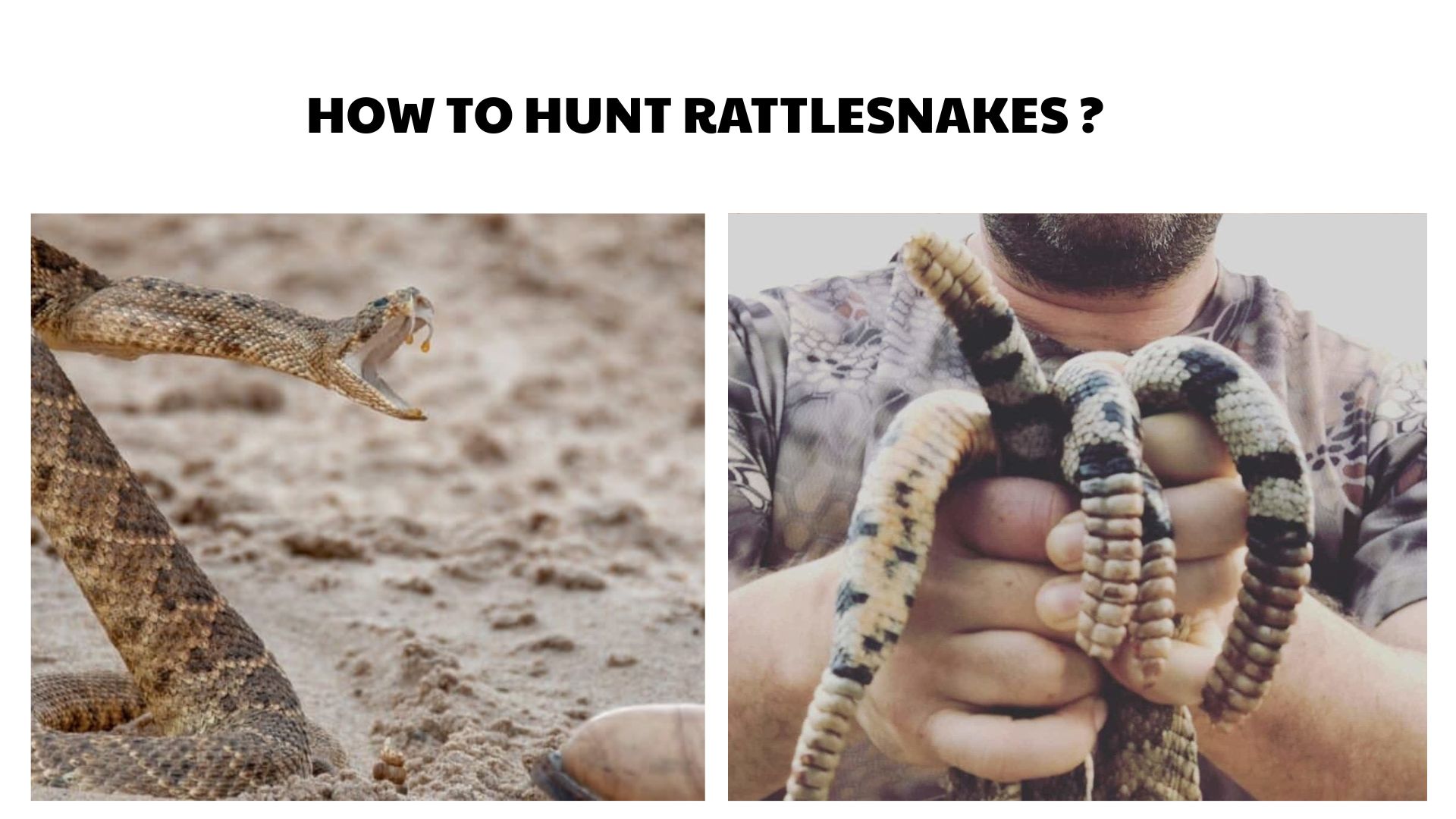
The target species for this guide is rattlesnake, a group of venomous pit vipers found in many parts of North America. Common species include western diamondback rattlesnakes, prairie rattlesnakes, timber rattlesnakes, eastern diamondback rattlesnakes, sidewinders, speckled rattlesnakes, Mojave rattlesnakes, and others. Legal status varies by species and location.
Rattlesnakes use venom primarily to capture prey and defend themselves when threatened. They do not seek conflict with people. Most bites happen when a person accidentally steps near a snake, tries to handle one, attempts to kill one at close range, or reaches into hidden spaces where a snake is resting.
Rattlesnakes are often associated with rocky ledges, desert flats, grasslands, brushy slopes, canyon edges, prairie dog towns, rodent-rich areas, woodpiles, old buildings, south-facing slopes, and seasonal denning areas. They may bask in warm weather, shelter during extreme heat, and use underground or rocky refuges during cold periods.
Rattlesnakes eat rodents, rabbits, birds, lizards, and other small animals. This makes them important predators in many ecosystems. Their movement depends on temperature, season, prey availability, breeding behavior, and shelter. They may be most visible during warm but not extreme conditions, often around spring and fall activity periods, dawn, dusk, or mild nights where legal observation is allowed.
Beginners should learn to recognize safe-distance signs of rattlesnake habitat rather than trying to handle snakes. Useful clues include rodent activity, rock crevices, shed skins, basking areas, den entrances, warm road edges, brush piles, and areas where snakes may travel between shelter and prey.
What You Need Before You Start
- Valid hunting license, reptile permit, event permit, land access approval, and current regulation knowledge if hunting is legal
- Legal hunting method allowed in your area
- Hunter orange or required visibility clothing if applicable
- Weather-appropriate clothing, sturdy boots, long pants, and snake-aware field clothing
- Navigation tools such as map, compass, GPS, or hunting app with public and private land boundaries
- First aid kit, water, snacks, and emergency communication
- Binoculars or optics for safe observation from a distance
- Snakebite emergency plan, including nearest hospital location and reliable communication
- Flashlight or headlamp for safe travel where legal, not for illegal spotlighting or unsafe handling
- Heavy gloves for general brush work only, not for handling venomous snakes unless professionally trained
- Dog leash, dog first aid plan, and emergency veterinarian information if dogs are present
- Cooler, gloves, and legal transport supplies only if harvest and possession are lawful and safe
how to hunt rattlesnakes: Step-by-Step Guide
Step 1: Check Local Hunting Laws First
Start by checking official rattlesnake and reptile regulations for your exact location. Confirm whether rattlesnakes are legal to hunt, which species are legal, what permits are required, whether there is a season, whether collection is allowed, whether live possession is allowed, and whether public land has extra restrictions.
Do not rely on general advice from social media or old stories about rattlesnake roundups. Laws can change, and certain species may be protected even when other rattlesnakes are legal. If you cannot identify the species or confirm the area is open, do not hunt.
Step 2: Learn the Animal’s Patterns
Rattlesnakes are temperature-sensitive reptiles. They may bask when conditions are warm, hide during extreme heat, and seek protected dens during cold periods. They use cover, rock crevices, burrows, brush, and shaded areas to regulate body temperature and avoid predators.
They often move where prey is present. Rodent-rich areas, brushy edges, rocky outcrops, old buildings, grasslands, desert washes, ranch edges, and canyon slopes can provide food and shelter. Understanding these patterns helps you avoid surprise encounters and observe from a safe distance.
Step 3: Choose a Legal Hunting Area
Legal rattlesnake hunting may occur on private ranches, deserts, prairies, brush country, or public lands where regulations allow it. However, many public lands, parks, refuges, preserves, recreation areas, and natural areas prohibit collection, killing, handling, or firearm discharge.
For private land, get permission before entering. Discuss roads, livestock, homes, barns, wells, equipment, neighboring properties, and safe zones. Do not cross private land without permission. Do not hunt near homes, campsites, trails, roads, or public-use areas.
Step 4: Scout Before the Hunt
Scout from a safe distance. Look for habitat features such as rocky ledges, rodent burrows, warm south-facing slopes, brush piles, desert washes, grassland edges, old foundations, and sheltered denning areas. Use binoculars rather than reaching into cover.
Never place hands or feet where you cannot see. Do not flip rocks, logs, boards, or debris casually. Do not reach into holes, crevices, brush, woodpiles, or abandoned structures. Disturbing den sites can be unsafe and may be illegal or harmful to local snake populations.
Step 5: Prepare Your Gear Safely
Prepare only legal gear and use it only within your training and the law. If firearms or bows are legal, follow manufacturer instructions and official hunter education guidance. Do not modify weapons, make ammunition, bypass safety features, or use illegal ammunition or devices.
Pack for emergency response. A rattlesnake bite is a medical emergency. Carry communication, know the fastest route to medical care, and hunt with a partner when possible. Do not depend on outdated snakebite kits, cutting, suction, ice, alcohol, or tourniquets.
Step 6: Plan for Wind, Weather, and Entry Route
Wind direction is usually less important for rattlesnakes than for deer, but weather and temperature are extremely important. Rattlesnakes are more likely to be active in warm conditions and less visible during cold or extreme heat. Hot weather also increases dehydration risk for hunters.
Plan an entry route that avoids unstable rocks, thick brush, tall grass, cliff edges, old boards, abandoned structures, and areas where you cannot see your footing. Step on top of logs or rocks before stepping over, and look carefully before sitting, kneeling, or placing your hands.
Step 7: Set Up Carefully
Rattlesnake hunting usually does not involve a traditional blind or tree stand. A safe setup means keeping distance, using visibility, avoiding close contact, and maintaining a safe background if any legal hunting method is used.
If you are on shared land, communicate clearly with partners. Keep dogs leashed or away from snake habitat. Never crowd a rattlesnake, corner it, or try to make it move for a better angle. If the situation is unsafe, leave the snake alone.
Step 8: Stay Patient and Observe
Observe from a distance. A rattlesnake may stay still, coil, move away, or rattle as a warning. Do not interpret a lack of rattling as safety. Some rattlesnakes may not rattle before a defensive bite.
Patience also means passing on situations that are not legal, safe, or ethical. If the snake is in rocks, near a road, near a building, near people, near pets, or in an uncertain background, do not attempt to hunt it.
Step 9: Take Only a Safe, Legal, and Ethical Shot Opportunity
Only act when the rattlesnake is clearly identified, legal to take, within your practiced ability, and positioned with a safe background. Do not shoot toward rocks, roads, buildings, vehicles, livestock, people, pets, trails, water tanks, equipment, or hard surfaces that may create ricochet risk.
Ethical rattlesnake hunting means avoiding unnecessary suffering, avoiding protected species, avoiding den disturbance, and passing on any situation that involves unsafe close contact. If you are hunting because of a snake near a home or workplace, professional removal is often safer and more appropriate than hunting.
Step 10: Follow Legal Recovery and Reporting Rules
After any legal harvest, follow possession, reporting, transport, and disposal rules. Some jurisdictions regulate live possession, commercial use, sale, venom extraction, skins, meat, or transport across boundaries. Do not assume a harvested rattlesnake can be kept, sold, transported, or displayed.
Use extreme caution around any recently killed venomous snake. A dead or dying snake may still move reflexively and can still cause injury. Keep people and pets away and follow agency guidance for handling or disposal.
Step 11: Handle the Game Responsibly
If legal harvest and use are allowed, handle the animal only if you are trained, properly equipped, and following local rules. Wear protective gloves, avoid the head and fangs, keep tools clean, and follow safe food handling guidance if meat use is legal and intended.
If you are not trained to handle venomous snakes, do not handle the carcass. Contact a wildlife professional, local authority, or experienced legal mentor for guidance. Responsible handling includes protecting yourself, pets, other people, and non-target wildlife.
Best Time, Place, and Conditions for This Hunt
The best time to observe rattlesnakes depends on legal season, legal hours, species, weather, temperature, and habitat. Rattlesnakes are more active when conditions are warm but not dangerously hot. In many regions, spring and fall can bring more visible movement, while extreme summer heat may push snakes into shade, burrows, or cooler activity periods.
Good rattlesnake habitat may include rocky slopes, canyon edges, desert flats, brushy cover, grasslands, prairie dog towns, rodent-rich ranch areas, old foundations, woodpiles, and south-facing denning areas. However, many of these places can also be dangerous, private, protected, or closed to hunting.
Weather matters. Warm days can increase snake activity. Cold weather can reduce visible movement. Heavy rain, flash flooding, lightning, high wind, or extreme heat can make field travel unsafe. In desert and prairie country, hydration, sun protection, and navigation are essential.
Public land may have strict restrictions or closures, while private land requires permission. Local regulations and local species status matter more than general advice. In many cases, safe observation or professional removal is a better choice than hunting.
Helpful Tips for Better Results
- Check current rattlesnake laws before every trip because species rules, permits, seasons, and public land restrictions vary widely.
- Learn local rattlesnake species and which species are protected before entering the field.
- Do not handle live rattlesnakes unless you are professionally trained and legally authorized.
- Keep children, pets, and untrained observers away from rattlesnake areas.
- Wear sturdy boots and long pants when walking in snake habitat.
- Never put your hands or feet where you cannot see.
- Use binoculars for safe observation instead of approaching closely.
- Avoid shooting into rocks, hard ground, water, metal, roads, or unsafe backgrounds.
- Carry reliable communication and know the fastest route to emergency medical care.
- Keep dogs leashed and consider snake-avoidance training in rattlesnake country.
- Call professional snake removal for snakes near homes, schools, campsites, barns, or workplaces.
- Leave den sites undisturbed unless a wildlife agency specifically directs otherwise.
Common Mistakes to Avoid
Rattlesnake hunting mistakes can have serious consequences. Many bites occur when people try to handle, move, kill, photograph, or show off with venomous snakes. Responsible hunters avoid close contact and treat every rattlesnake encounter as a safety situation first.
- Not checking current regulations: Rattlesnake rules vary by species, state, public land, private land, event status, and method.
- Assuming every rattlesnake is legal to take: Some species or populations may be protected.
- Handling live snakes: Close contact creates the greatest bite risk and should be avoided by beginners.
- Hunting without permission: Private ranches, deserts, farms, mines, and abandoned structures still require legal access.
- Disturbing dens: Den disturbance may be illegal, unsafe, and harmful to local populations.
- Shooting into rocks or hard surfaces: Ricochet risk can make shooting unsafe.
- Reaching into hidden spaces: Holes, crevices, boards, woodpiles, and brush can hide snakes.
- Underpacking safety essentials: Water, communication, navigation, first aid, and emergency planning are critical.
- Not knowing snakebite first aid: Outdated methods such as cutting, suction, ice, and tourniquets can worsen outcomes.
- Letting dogs roam: Dogs are often bitten when they investigate snakes at close range.
- Taking unsafe or unethical shots: Never act if the target, species, legality, or background is uncertain.
- Trying to remove snakes from homes yourself: Professional removal is usually safer.
Troubleshooting Common Problems
| Problem | Possible Cause | What to Do |
|---|---|---|
| You are not seeing any rattlesnakes | Wrong temperature, wrong season, poor habitat, low activity, or snakes staying hidden | Study local habitat and temperature patterns, but do not disturb dens or reach into hidden spaces. |
| You are unsure if the species is legal | Multiple rattlesnake species may occur in the area and some may be protected | Do not hunt until you confirm species and legal status with the official wildlife agency. |
| A rattlesnake is near a home or barn | Rodents, cover, woodpiles, livestock feed, water, or shelter may attract snakes | Keep people and pets away and call professional snake removal or local authorities. |
| Your dog finds a rattlesnake | Dogs are curious and may approach too closely | Call the dog away if safe, leash it, leave the area, and seek veterinary care immediately if bitten. |
| The background is unsafe | Rocks, roads, buildings, people, livestock, vehicles, or hard surfaces are nearby | Do not shoot. Leave the snake alone or call a professional if removal is needed. |
| Weather becomes dangerous | Extreme heat, lightning, flash flooding, cold, or high wind | End the trip and return safely. Weather safety is more important than hunting. |
| Property boundaries are unclear | Mixed public and private land, ranch roads, or poor mapping | Stop and verify boundaries using official maps, GPS, signs, and landowner permission. |
| You feel nervous around the snake | Limited experience, close distance, or unsafe terrain | Back away slowly, keep distance, and do not attempt to handle or kill it. |
| Someone is bitten | Close contact, accidental step, handling, or hidden snake | Move away from the snake, call emergency services, keep the person calm, and get medical care quickly. |
| You are unsure how to handle a carcass | Venomous snake reflexes, legal transport rules, or lack of training | Do not handle it without training. Contact wildlife officials or a qualified professional for guidance. |
Ethical Hunting and Conservation
Ethical rattlesnake hunting requires respect for wildlife, law, public safety, and ecosystems. Rattlesnakes help control rodent populations and are important native predators. They should not be killed simply because they are feared or misunderstood.
- Respect wildlife by taking only legal, safe, and justified opportunities.
- Respect landowners by asking permission and following property rules.
- Respect other hunters, hikers, campers, and outdoor users by avoiding unsafe areas.
- Obey seasons, permits, species restrictions, bag limits, legal hours, and land access rules.
- Avoid waste where legal use is allowed, and follow transport and disposal rules.
- Practice before hunting and know your safe effective range if a legal shooting method is used.
- Pass on unsafe, uncertain, unnecessary, or poorly identified opportunities.
- Support conservation by learning local rattlesnake ecology and avoiding den disturbance.
- Leave the land cleaner than you found it.
When to Get More Training or Professional Guidance
Beginners should seek more training or professional guidance when they have never handled a firearm or bow, have not completed hunter education, are unsure about local laws, do not understand land boundaries, are not confident in safe shooting, are hunting unfamiliar snake habitat, or need help with legal handling, transport, or reporting rules.
Professional help is strongly recommended when a rattlesnake is near a home, school, campsite, barn, workplace, trail, livestock area, or pet area. It is also appropriate when species identification is uncertain, when local permits are unclear, when live removal is needed, or when a dog or person may be at risk.
Good learning sources include official hunter education courses, state or provincial wildlife agencies, certified instructors, experienced ethical mentors, licensed wildlife-control professionals, local conservation organizations, herpetological societies, and reputable hunting clubs.
After the Hunt: Follow-Up, Gear Care, and Learning
After the hunt, unload and store firearms safely according to law and manufacturer instructions. If bowhunting, secure broadheads and inspect arrows safely. Clean dust, mud, cactus spines, brush, and debris from boots, clothing, packs, and tools.
Review what worked and what did not. Keep notes about legal access, habitat, weather, temperature, snake activity, safety concerns, and emergency planning. These notes can help you understand snake behavior and avoid unsafe encounters in the future.
If a rattlesnake was legally harvested, follow possession, transport, reporting, and disposal rules. Do not handle the head or fangs. Keep pets and children away. If meat use is legal and intended, follow safe food handling and local rules. If you lack training, get professional guidance before handling.
If anyone was bitten or had close contact, seek medical guidance immediately. Do not wait for symptoms to become severe. Rattlesnake bite care belongs in the hands of medical professionals.
Recommended Hunting Gear and Tools to Consider
You do not always need expensive gear to hunt responsibly. Choose gear based on your local laws, hunting method, species, terrain, weather, safety needs, skill level, and budget. For rattlesnakes, safety and legal compliance matter more than specialized equipment.
- Legal hunting weapon or method allowed in your area
- Quality boots for desert, prairie, rocks, brush, cactus, and uneven terrain
- Weather-appropriate clothing and required visibility gear
- Binoculars or optics for safe observation from a distance
- Navigation tools such as a map, compass, GPS, or hunting app
- First aid kit and emergency communication
- Water, sun hat, sunscreen, and heat-safety supplies for desert or prairie conditions
- Headlamp or flashlight for safe travel where legal and appropriate
- Dog leash, dog first aid plan, and emergency veterinarian contact if dogs are present
- Gloves and legal transport supplies only if trained and legally authorized to handle a harvested snake
Final Thoughts
Learning how to hunt rattlesnakes begins with law, safety, and restraint. Rattlesnakes are venomous native predators, and many encounters are best handled by leaving the snake alone or calling a professional. Before any hunt, confirm legal species, permits, land access, weapon rules, reporting rules, and emergency medical plans.
If hunting is legal and appropriate, keep distance, avoid handling live snakes, protect pets, use only safe and legal methods, and never act without a clear target and safe background. Hunt legally, safely, patiently, and ethically, and choose your methods and gear based on local laws, terrain, skill level, medical readiness, and conservation responsibilities.
FAQs
1. How long does it take to learn how to hunt rattlesnakes?
A beginner can learn basic rattlesnake safety quickly, but responsible rattlesnake hunting requires legal knowledge, species identification, venom safety, field awareness, and professional-level caution.
2. Is rattlesnake hunting legal?
It depends on the state, province, species, land type, season, and method. Some areas allow limited take, while others protect certain rattlesnakes or prohibit collection.
3. Do I need a license to hunt rattlesnakes?
Many areas require a hunting license, reptile permit, rattlesnake permit, or event permit. Always check your official wildlife agency before hunting.
4. Are rattlesnakes considered game animals?
Rattlesnakes may be classified as nongame wildlife, reptiles, protected wildlife, nuisance wildlife, or regulated species depending on the jurisdiction.
5. Is there a rattlesnake hunting season?
Some areas have open seasons, some have event-specific seasons, some have no closed season, and some prohibit take. Check current regulations.
6. Is there a bag limit for rattlesnakes?
Bag limits vary widely. Some species may have limits, while protected species may have a zero limit. Verify local rules before hunting.
7. Which rattlesnake species can be hunted?
Legal species vary by region. Western diamondback, prairie rattlesnake, timber rattlesnake, and other species may have different legal status depending on location.
8. Why is species identification important?
Some rattlesnake species are protected or restricted. If you cannot identify the species and confirm legality, do not hunt.
9. Can I hunt rattlesnakes on public land?
Only where public land rules allow it. Parks, refuges, preserves, recreation areas, and wildlife areas may prohibit collection, killing, or weapon discharge.
10. Can I hunt rattlesnakes on private land?
Only with landowner permission and legal compliance. Discuss access, livestock, homes, roads, and safe areas before entering.
11. Do I need written permission from a landowner?
Written permission is strongly recommended and may be required. It helps prevent trespassing issues and clarifies boundaries.
12. Where do rattlesnakes live?
Rattlesnakes may live in deserts, grasslands, rocky slopes, canyon edges, brushy areas, prairie dog towns, woodlands, and rodent-rich habitat depending on species.
13. What do rattlesnakes eat?
Rattlesnakes eat rodents, rabbits, lizards, birds, and other small animals. They help control prey populations in many ecosystems.
14. When are rattlesnakes most active?
Rattlesnakes are often active in warm weather, especially when temperatures are suitable for movement. Extreme heat or cold can reduce visible activity.
15. Are rattlesnakes active at night?
They can be active at night in warm conditions, but night hunting may be illegal or restricted. Always check local rules.
16. Can I use a flashlight to find rattlesnakes?
Artificial light rules vary. Do not use lights for hunting or collection unless your official regulations clearly allow it.
17. Do rattlesnakes always rattle before biting?
No. A rattlesnake may not rattle before a defensive bite. Never rely on hearing a rattle to stay safe.
18. Can rattlesnakes chase people?
Rattlesnakes generally try to avoid conflict. Bites usually happen when people step near them, handle them, corner them, or disturb them.
19. Can rattlesnakes strike after they are dead?
Recently killed venomous snakes can still move reflexively and cause injury. Do not handle the head or fangs.
20. What should I do if I see a rattlesnake?
Stop, keep distance, do not touch it, and give it space to move away. If it is near people or pets, call a professional remover or local authority.
21. What should I do if bitten by a rattlesnake?
Move away from the snake, call emergency services, stay calm, remove tight jewelry or clothing near the bite area, and get medical care quickly.
22. Should I use a tourniquet for a rattlesnake bite?
No. Tourniquets are not recommended for rattlesnake bites and can worsen injury. Seek emergency medical care.
23. Should I cut the bite or suck out venom?
No. Cutting or suction can worsen injury and does not replace medical care. Call emergency services immediately.
24. Should I put ice on a rattlesnake bite?
No. Ice is not recommended for rattlesnake bites. Get medical care as soon as possible.
25. Do snakebite kits work?
Many old-style snakebite kits rely on outdated methods. The most important response is rapid emergency medical care.
26. What gear helps prevent rattlesnake bites?
Sturdy boots, long pants, careful foot placement, gloves for brush work, good lighting for walking, and avoiding hidden hand placement can reduce risk.
27. Do snake gaiters help?
Snake gaiters may add protection in snake habitat, but they do not replace caution, distance, and good field awareness.
28. Should I hunt rattlesnakes with dogs?
Beginners should avoid using dogs around rattlesnakes. Dogs are curious and can be bitten. Keep dogs leashed and consider snake-avoidance training.
29. What if my dog is bitten by a rattlesnake?
Move the dog away from the snake and seek emergency veterinary care immediately. Do not delay treatment.
30. Can I remove a rattlesnake from my yard myself?
It is safer to call a trained snake-removal professional or local authority, especially if people, children, pets, or neighbors are nearby.
31. Can I shoot a rattlesnake near my house?
Local laws may prohibit discharge, and shooting near buildings can be unsafe. Professional removal is usually safer.
32. Can I hunt rattlesnakes near roads?
Road hunting or shooting from or across roads is often illegal and unsafe. Never shoot toward roads or vehicles.
33. Can I collect live rattlesnakes?
Live collection is heavily regulated in many places and may require permits. Beginners should not handle live rattlesnakes.
34. Can I sell rattlesnakes, skins, meat, or venom?
Commercial use is often regulated and may require special permits. Check wildlife agency rules before possessing, transporting, selling, or trading any part.
35. Can I trap rattlesnakes?
Trapping rules vary and may require permits or professional licensing. Do not trap rattlesnakes without confirming legality and safety.
36. What is the safest way to scout rattlesnake habitat?
Use binoculars, stay on clear footing, avoid reaching into hidden spaces, and observe from a distance. Do not disturb dens.
37. What is rattlesnake denning habitat?
Denning habitat may include rock crevices, underground shelters, south-facing slopes, or other protected places used during cold periods.
38. Should I disturb a rattlesnake den?
No. Disturbing dens can be unsafe, harmful, and illegal. Leave den sites alone unless directed by wildlife authorities.
39. Is wind direction important for rattlesnake hunting?
Wind is less important than temperature, visibility, terrain, and safety. Strong wind can reduce hearing and make movement hazardous.
40. Does scent control matter for rattlesnakes?
Scent control is not a major rattlesnake hunting concern. Distance, legal access, safe footing, and avoiding close contact matter more.
41. Do I need a blind for rattlesnake hunting?
No. Rattlesnake hunting does not usually involve blinds. Safe observation, distance, and legal access are more important.
42. Do I need a tree stand for rattlesnake hunting?
No. Tree stands are not relevant for normal rattlesnake hunting and can create unnecessary risk.
43. What firearm is used for rattlesnake hunting?
Use only a legal method allowed in your area. Firearm use near rocks, roads, homes, or hard surfaces can be very dangerous.
44. Can I bowhunt rattlesnakes?
Some places may allow archery methods, while others may not. Beginners should avoid close contact and check local laws first.
45. Is rattlesnake meat safe to eat?
Where legal, some people use rattlesnake meat, but safe handling, cooking, and local rules matter. Do not handle venomous snakes without training.
46. How should I handle a harvested rattlesnake?
Only handle it if legal and trained. Avoid the head and fangs, wear protection, keep people and pets away, and follow transport rules.
47. Do I have to report harvested rattlesnakes?
Reporting requirements vary. Some permits, events, or commercial uses may require records or reporting.
48. Are rattlesnakes important to conservation?
Yes. Rattlesnakes help control rodents and are part of native ecosystems. Ethical hunters should avoid unnecessary killing and den disturbance.
49. Why are some rattlesnakes protected?
Some species or populations may be vulnerable because of habitat loss, overcollection, persecution, or limited range. Protection varies by location.
50. What is the biggest beginner mistake?
The biggest mistake is trying to handle or closely approach a venomous snake without training. Distance is the safest choice.
51. Can kids participate in rattlesnake hunting?
Children should not handle rattlesnakes. Youth participation, if legal, requires close adult supervision, hunter education, distance, and strict safety rules.
52. Is rattlesnake hunting expensive?
Costs vary by license, permits, travel, legal equipment, safety gear, and training. Emergency readiness is more important than gear quantity.
53. When should I call a professional?
Call a professional when a rattlesnake is near homes, pets, children, livestock, workplaces, schools, campsites, or public areas.
54. How do hunters support rattlesnake conservation?
Hunters support conservation by following laws, respecting protected species, avoiding den disturbance, reporting as required, and educating others about snake safety.
55. What is the best way to improve at rattlesnake safety?
Study local species, learn regulations, keep distance, take hunter education, learn snakebite first aid, avoid handling, and seek training from qualified experts.
Read more: