
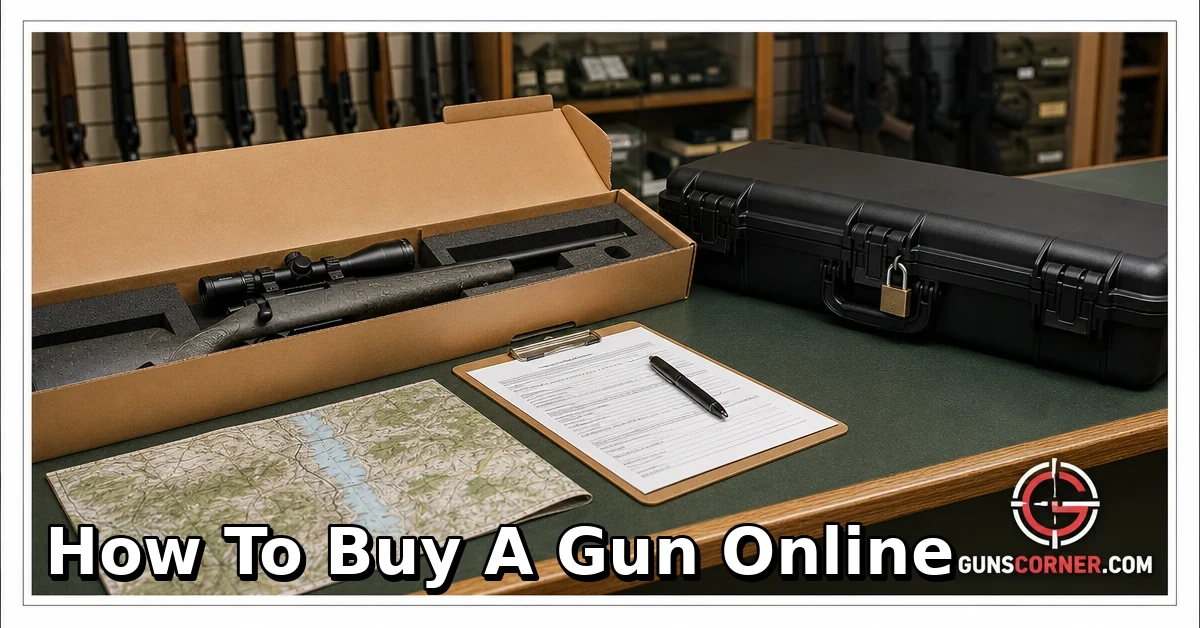

Learning how to buy a gun online involves more than choosing a firearm and clicking checkout. In the United States, online firearm purchases generally require shipment to a federally licensed firearms dealer, commonly called an FFL, where the buyer completes the required identification and background-check process. This guide explains the lawful process, safety considerations, dealer selection, hunting preparation, and common mistakes beginners should avoid.
To buy a gun online legally, first confirm that the firearm is lawful where you live and choose a local FFL willing to receive the shipment. Purchase only from a legitimate seller, provide the receiving dealer’s information, and complete the required transfer process in person. Bring valid identification and any required permits, follow all federal, state, and local rules, and complete a hunter education course before taking the firearm hunting.
Important Legal and Safety Notice Before You Buy

Firearm laws vary by country, state, county, city, firearm type, buyer status, and intended use. Before ordering, verify current requirements with the Bureau of Alcohol, Tobacco, Firearms and Explosives (ATF), your state wildlife or public safety agency, and a licensed firearms dealer.
- Confirm that you are legally eligible to purchase and possess the firearm.
- Check whether your state or locality requires permits, waiting periods, registration, or additional paperwork.
- Verify that the firearm, magazine, ammunition, and configuration are legal where you live.
- Arrange transfer through a licensed FFL unless a specific lawful exception applies.
- Bring acceptable identification and any required documentation to the dealer.
- Never use a false identity, straw purchaser, private shipment, or prohibited transfer method.
- Plan secure storage, transportation, and training before taking possession.
- For hunting, also verify season dates, tags, legal hunting hours, weapon restrictions, and land access rules.
What an Online Firearm Purchase Usually Involves
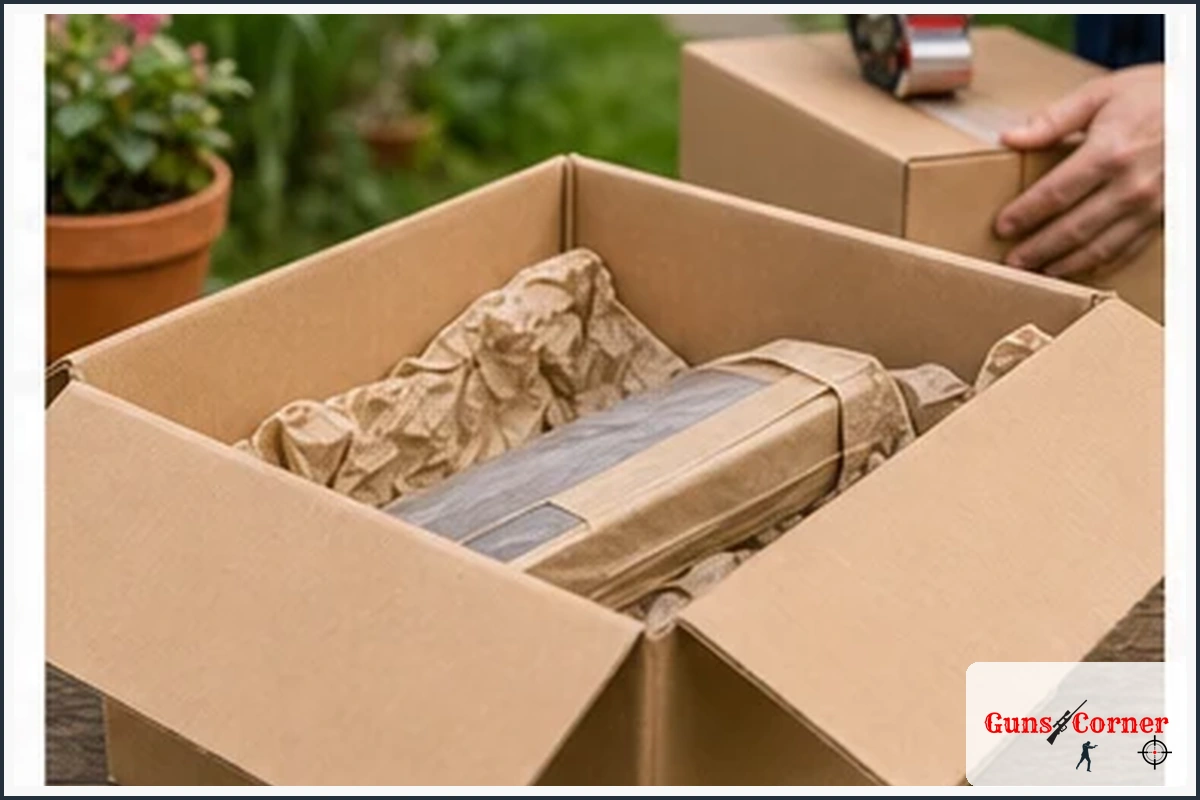
An online firearm purchase is normally a dealer-to-dealer transaction. The online seller ships the firearm to a receiving FFL near the buyer. The receiving dealer handles the required transfer paperwork and background-check process according to applicable law.
- Research the firearm and confirm it is legal in your location.
- Find a local FFL that accepts transfers.
- Confirm the dealer’s fees, identification requirements, and process.
- Place the order with a reputable licensed seller.
- Provide the receiving dealer’s information as instructed.
- Wait for the firearm to arrive and for the dealer to contact you.
- Complete the required paperwork and background-check process in person.
- Take possession only after the dealer confirms that the transfer is lawful.
How to Buy a Gun Online Step by Step
Step 1: Decide What You Actually Need
Start with the intended lawful purpose. A hunting firearm should match the game species, terrain, legal season, shooting distance, and your physical ability. Avoid choosing based only on appearance, internet popularity, or price.
Consider whether you need a rifle, shotgun, or another lawful hunting platform. Your state wildlife agency may restrict certain firearms, ammunition, actions, or magazine capacities for particular species or seasons.
Step 2: Check Your Eligibility and Local Rules

Before shopping, review current federal, state, and local requirements. Rules may address age, prohibited-person status, permits, waiting periods, purchase records, firearm features, transportation, and storage.
If any rule is unclear, ask a licensed dealer or the appropriate government agency before placing an order. Do not rely on an old forum post, product listing, or social media comment as legal advice.
Step 3: Choose a Reputable Online Seller
Use an established retailer or licensed seller with clear contact information, written policies, secure payment procedures, and transparent shipping and return terms. Be cautious of unusually low prices, pressure to pay by irreversible methods, or sellers who avoid explaining the transfer process.
- Check the seller’s business identity and customer-service information.
- Read shipping, cancellation, return, and restocking policies.
- Confirm how damaged, incorrect, or noncompliant shipments are handled.
- Use a secure payment method and retain order records.
- Do not send money to a private individual without verifying the lawful transaction process.
Step 4: Find a Local FFL Before Ordering

Contact a local federally licensed firearms dealer before checkout. Ask whether the dealer accepts incoming transfers, what fees apply, which identification documents are needed, and whether the dealer requires the seller to send specific information.
Some dealers will not accept certain firearms or shipments from private sellers. Confirm the details in advance so the firearm is not sent to the wrong location or returned unexpectedly.
Step 5: Confirm the Firearm Is Suitable for Hunting
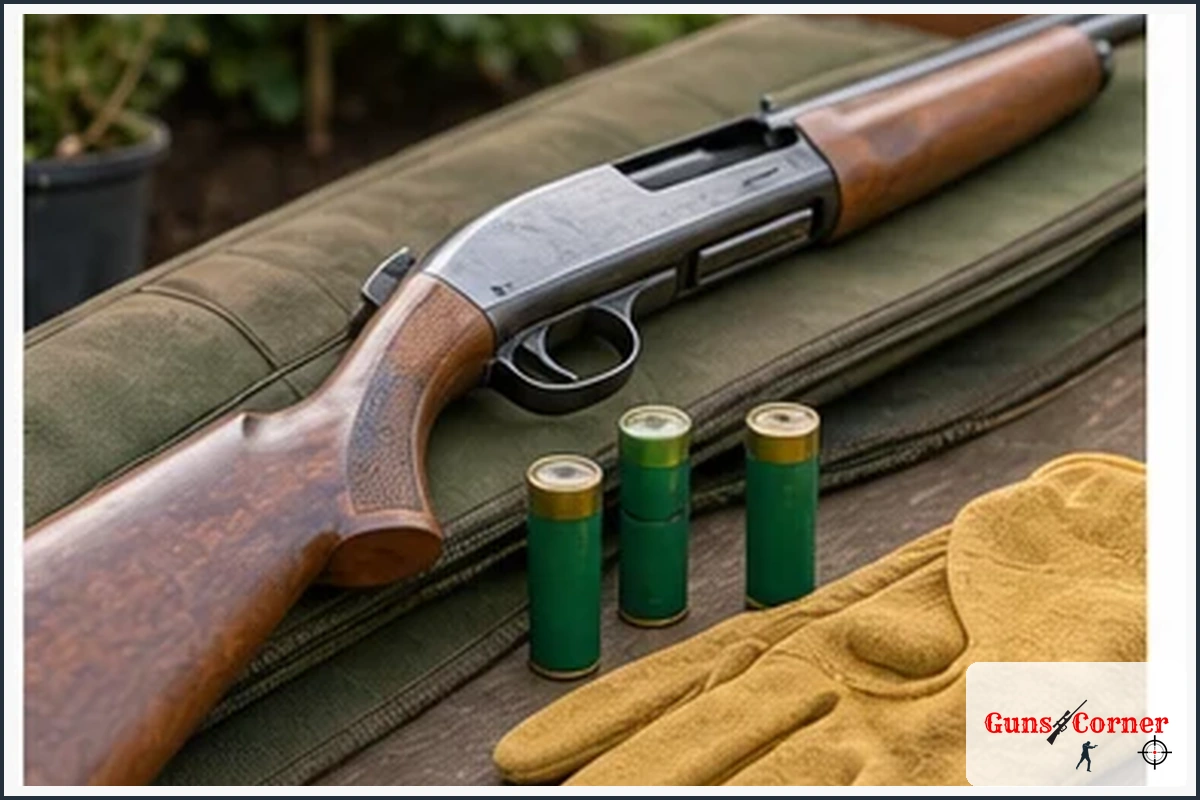
For hunting, verify the firearm’s caliber or gauge, ammunition availability, operating system, weight, fit, recoil, and legal status. You should be able to handle the firearm safely and practice accurately before hunting.
Check your wildlife regulations for the intended species. A firearm that is legal for one type of hunting may not be legal for another, and rules can change between seasons or locations.
Step 6: Place the Order Carefully
Review the exact model, barrel length, chambering, configuration, and included components before submitting payment. Make sure the shipping and receiving information matches the instructions provided by the FFL.
Do not attempt to have a firearm shipped directly to your home unless you have independently confirmed that a specific lawful exception applies. The usual process is shipment to a licensed receiving dealer.
Step 7: Complete the Transfer at the Dealer
When the firearm arrives, the receiving dealer will generally require you to appear in person, present acceptable identification, complete the applicable transfer form, and undergo the required background-check process. The dealer may also apply state or local procedures.
Answer all questions truthfully. If the transfer is delayed or denied, ask the dealer about lawful next steps. Never pressure the dealer to bypass a required procedure.
Step 8: Inspect the Firearm Safely at the Dealer
Ask the dealer to demonstrate basic operation and safety features. Keep the firearm pointed in a safe direction, keep your finger outside the trigger guard, and treat it as loaded until you personally verify otherwise under the dealer’s guidance.
Confirm that the model and configuration match your order. If something appears incorrect or damaged, notify the dealer before taking possession.
Step 9: Transport and Store It Responsibly
Follow local transportation rules and the firearm manufacturer’s instructions. Use a suitable case, keep the firearm unloaded when required, and separate ammunition when applicable. At home, store the firearm secured from unauthorized users, especially children and visitors.
A locking device or secure safe is an important part of responsible ownership. Store ammunition securely and maintain a clear system so you know whether the firearm is loaded or unloaded.
Step 10: Train Before Hunting
Complete a recognized hunter education course and obtain hands-on instruction from a qualified instructor. Practice loading, unloading, carrying, safe storage, sight alignment, recoil management, and field positions with the exact firearm and ammunition you plan to use.
Never hunt with a firearm you have not practiced with. Your effective range should be based on repeatable accuracy and safe judgment, not marketing claims.
Choosing a Gun for Hunting
Match the Firearm to the Game and Regulations
Different game species and hunting seasons may require different firearm types or ammunition. Check official regulations before purchasing, especially for waterfowl, big game, upland birds, and special weapon seasons.
Consider Fit and Recoil
A firearm that fits comfortably is easier to control and practice with. Excessive recoil can cause flinching, poor accuracy, and unsafe handling. A qualified instructor or dealer can help you evaluate fit.
Plan for Ammunition Availability
Choose ammunition that is legal, appropriate for the species, and reasonably available. Follow the firearm manufacturer’s specifications and never use ammunition that does not match the firearm’s markings.
Think About Terrain and Carrying Distance
Weight, sling attachment, weather resistance, and ease of safe carry matter in real hunting conditions. A firearm that is difficult to carry through your terrain may reduce both comfort and safety.
Scouting and Field Preparation After Your Purchase
Buying a firearm is only one part of preparing for a hunt. Scout legal hunting areas, confirm property boundaries, study maps, and learn where animals feed, bed, travel, or seek cover. Look for tracks, trails, droppings, rubs, scrapes, water sources, and other lawful signs appropriate to the species.
- Verify public-land boundaries and access rules.
- Obtain written permission before entering private property.
- Plan parking and entry routes that do not block roads or gates.
- Check wind direction and avoid exposing your position unnecessarily.
- Identify safe shooting directions and what lies beyond the target.
- Carry navigation tools, water, first aid, and reliable communication.
- Tell someone where you will be and when you expect to return.
Firearm Safety for Hunting
- Treat every firearm as if it is loaded.
- Keep the muzzle pointed in a safe direction.
- Keep your finger outside the trigger guard until ready to fire.
- Identify the target and what is beyond it.
- Do not shoot toward roads, homes, livestock, vehicles, trails, or unclear movement.
- Unload the firearm before crossing obstacles, climbing, entering a vehicle, or changing locations when appropriate.
- Wear hearing and eye protection during practice.
- Use required blaze orange or other visibility clothing.
- Follow manufacturer instructions and hunter education guidance.
Ethical Shot Decisions
Take a shot only when the animal is clearly identified, the target is legal, the background is safe, and the shot is within your practiced ability. If any part of the situation is uncertain, do not shoot.
Ethical hunting means accepting that some opportunities should be passed. Patience, restraint, and a strong recovery plan are more important than filling a tag quickly.
Common Mistakes to Avoid
- Ordering before confirming local legality.
- Failing to arrange an FFL transfer in advance.
- Assuming the online seller handles all local requirements.
- Using an unsuitable firearm or ammunition for the intended hunt.
- Ignoring dealer transfer fees and identification requirements.
- Buying without budgeting for training, secure storage, optics, and ammunition.
- Practicing only from a bench instead of safe field positions.
- Hunting without checking land access, season dates, or bag limits.
- Taking a shot when the target or background is unclear.
- Leaving recovery, tagging, reporting, or meat care until the last minute.
Troubleshooting Common Problems
| Problem | Possible Cause | What to Do |
|---|---|---|
| The dealer will not accept the shipment | The dealer does not accept transfers or the seller information is incomplete | Contact the dealer before ordering and follow the dealer’s required process. |
| The firearm may not be legal locally | State or local rules differ from federal rules | Pause the transaction and confirm current requirements with the relevant agency or FFL. |
| The transfer is delayed | Background-check or local processing requirements | Ask the dealer about the lawful status and do not attempt to bypass the process. |
| The firearm feels difficult to control | Poor fit, excessive recoil, or insufficient training | Stop hunting with it and seek instruction or a better-fitting legal option. |
| You are not seeing game after purchasing new gear | Limited scouting, poor timing, wind problems, or hunting pressure | Review maps and animal sign, adjust legally, and focus on learning rather than guaranteed success. |
| Property boundaries are unclear | Outdated maps or poorly marked borders | Verify ownership before entering and obtain permission where required. |
Ethical Hunting and Conservation
Responsible firearm ownership supports safe, lawful, and conservation-minded hunting. Obey seasons, bag limits, weapon rules, and access restrictions. Avoid waste, respect landowners and other outdoor users, and leave camps and hunting areas cleaner than you found them.
Licenses, permits, habitat programs, and regulated harvests often support wildlife management. Learn local conservation priorities and report harvests when required. Passing on an unsafe shot is always better than taking an irresponsible one.
When to Get More Training or Professional Guidance
Seek additional help if you have never handled a firearm, are unsure about local laws, do not understand the transfer process, or lack confidence in safe shooting. Useful sources include official hunter education courses, certified firearms instructors, licensed dealers, experienced ethical mentors, and local conservation organizations.
After the Purchase: Gear Care and Learning
- Read the manufacturer’s manual and follow maintenance instructions.
- Store the firearm and ammunition securely.
- Keep records of training, regulations, and equipment checks.
- Practice before the season and confirm your zero or pattern safely.
- Record weather, animal sign, access conditions, and lessons learned.
- Review harvest reporting, transport, and meat-care requirements before hunting.
Recommended Hunting Gear and Tools to Consider
You do not need expensive equipment to hunt responsibly. Choose gear based on local law, species, terrain, weather, safety needs, skill level, and budget.
- Legal hunting firearm and appropriate ammunition
- Secure firearm case and locking device
- Eye and hearing protection
- Required blaze orange or visibility clothing
- Weather-appropriate clothing and boots
- Binoculars or suitable optics
- Map, compass, GPS, or reliable hunting app
- First aid kit, water, food, and emergency communication
- Gloves, game bags, cooler, and meat-care supplies when relevant
Final Thoughts
Learning how to buy a gun online starts with legality, a receiving FFL, careful research, and responsible transfer procedures. For hunting, the process continues with training, scouting, safe handling, ethical shot decisions, and respect for wildlife and land access rules. Verify current regulations before every purchase and hunt, and choose equipment that matches your skills, terrain, and conservation responsibilities.
Frequently Asked Questions
Can you buy a gun online?
In many lawful U.S. transactions, you can purchase a firearm online and have it shipped to a licensed dealer for the required transfer process. Exact rules vary by location and buyer status.
Does an online gun purchase ship directly to your home?
Usually, the firearm is shipped to a receiving FFL. Do not assume direct shipment is lawful; confirm the proper process with a licensed dealer.
What is an FFL?
An FFL is a federally licensed firearms dealer authorized to conduct certain firearm transactions and transfers.
How do I find an FFL?
Contact local licensed dealers and ask whether they accept incoming transfers, what fees apply, and what identification they require.
Do I need an FFL before ordering?
It is wise to arrange the receiving dealer before ordering so you know the shipment will be accepted and understand the transfer requirements.
What identification is usually required?
Dealers generally require acceptable government-issued identification, but exact requirements vary. Ask the receiving dealer before visiting.
Is a background check required?
The required transfer process commonly includes a background check, but procedures and additional requirements vary by jurisdiction.
Can a background check be delayed?
Yes. Delays can occur for several reasons. Ask the dealer about the lawful process and do not attempt to bypass it.
Can a denied transfer be appealed?
Potential appeal or correction procedures may exist. Ask the dealer or the appropriate government agency for current instructions.
Can someone else pick up my online firearm order?
Do not assume another person can complete the transfer. Ask the dealer about lawful pickup and transfer requirements.
Can I buy a gun online from another state?
Interstate purchases commonly require shipment to an FFL in the buyer’s state, subject to applicable federal and local law.
Can I buy a gun online from a private seller?
Private-party transactions are subject to specific laws and restrictions. Use a licensed dealer when required and obtain legal guidance if uncertain.
What should I verify before ordering?
Verify your eligibility, local legality, required permits, firearm configuration, receiving dealer, fees, shipping terms, and hunting regulations.
How much does an FFL transfer cost?
Transfer fees vary by dealer and location. Ask for the complete fee before placing the order.
Can I return a firearm bought online?
Return policies differ by seller and may involve dealer coordination. Read the policy before purchasing.
What if the firearm arrives damaged?
Notify the receiving dealer before taking possession and follow the seller’s written damage or return procedure.
How do I choose a hunting firearm?
Match the firearm to the species, legal season, terrain, recoil tolerance, fit, ammunition, and your ability to practice safely.
Can I hunt with any firearm I buy online?
No. Hunting regulations may limit firearm types, ammunition, or configurations by species, season, and location.
Should beginners buy a firearm online?
Beginners can use a lawful online purchase process, but hands-on guidance from a licensed dealer or qualified instructor is especially valuable.
Should I complete hunter education?
Yes. Hunter education is strongly recommended and may be required before hunting in some jurisdictions.
How should I practice before hunting?
Practice safe handling, loading and unloading, shooting positions, recoil control, and accuracy with the firearm and ammunition you will use.
What is an ethical shot?
It is a shot taken only when the animal is clearly identified, legal, within your practiced ability, and backed by a safe shooting direction.
Should I use blaze orange?
Wear blaze orange or other required visibility clothing whenever local hunting regulations require it or when it improves safety.
Can I transport a newly purchased firearm in my vehicle?
Follow current transportation laws and the manufacturer’s instructions. Use a suitable case and comply with unloading and ammunition rules.
How should I store the firearm?
Store it secured from unauthorized users, especially children and visitors. Use a safe or appropriate locking device and secure ammunition responsibly.
What should I do if I am unsure about a law?
Do not guess. Contact your official wildlife or public safety agency and a licensed firearms dealer before purchasing or hunting.
How do I scout after buying a hunting firearm?
Study legal maps, confirm boundaries, and look for species-specific sign such as tracks, trails, feeding areas, bedding areas, or water sources.
Does wind direction matter when hunting?
Yes. Wind can carry scent and affect animal behavior. Plan your entry route and hunting position with wind direction in mind.
Can I hunt private land after buying a gun online?
Only with the landowner’s permission or another lawful access arrangement. Verify boundaries before entering.
Can I hunt public land with a newly purchased firearm?
Yes, if the firearm, season, ammunition, license, tags, and public-land rules all permit it. Check current regulations first.
What should I do after a successful hunt?
Follow local tagging, reporting, transport, recovery, and meat-care requirements. Handle the harvest respectfully and avoid waste.
Do I need to report a harvest?
Some jurisdictions require harvest reporting. Confirm the current rule with your official wildlife agency.
What if I am not confident carrying a firearm in the field?
Do not hunt until you receive additional instruction and can handle the firearm safely under realistic field conditions.
Can online listings be scams?
Yes. Be cautious of unverifiable sellers, pressure to use irreversible payments, missing contact information, and prices that seem unrealistic.
Should I buy optics at the same time?
Optics can help with identification and accuracy, but choose them based on the species, terrain, firearm, budget, and ability to use them safely.
What is the biggest beginner mistake?
Ordering before confirming legality and the receiving dealer’s process is a common mistake. Training and safe storage are equally important.
How can I improve my hunting results?
Scout more, practice safely, understand animal behavior, manage wind and noise, follow regulations, and prioritize ethical decisions over guaranteed success.