
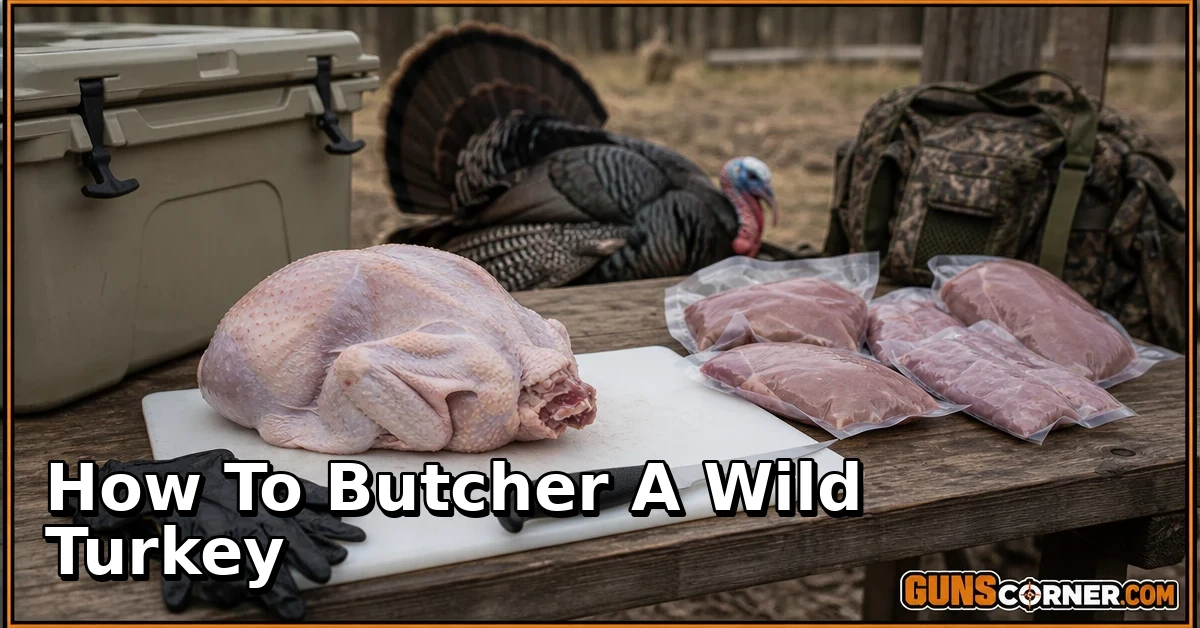

Learning how to butcher a wild turkey helps you turn a legal harvest into clean, usable meat while reducing waste. The process requires a sharp knife, a sanitary work area, patience, and careful attention to food safety. This guide explains practical field preparation, plucking or skinning, removing the breasts and legs, cooling the meat, and handling the remains responsibly.
To butcher a wild turkey, confirm the harvest is legal, cool the bird promptly, choose either plucking or skinning, and use a clean, sharp knife to remove the breast, thighs, drumsticks, and wings. Keep meat, tools, and surfaces clean, and chill the meat as soon as possible. Work slowly, avoid cutting into the digestive tract, and follow local harvest-reporting, transport, and game-disposal rules.
Important Legal and Safety Notice Before You Begin
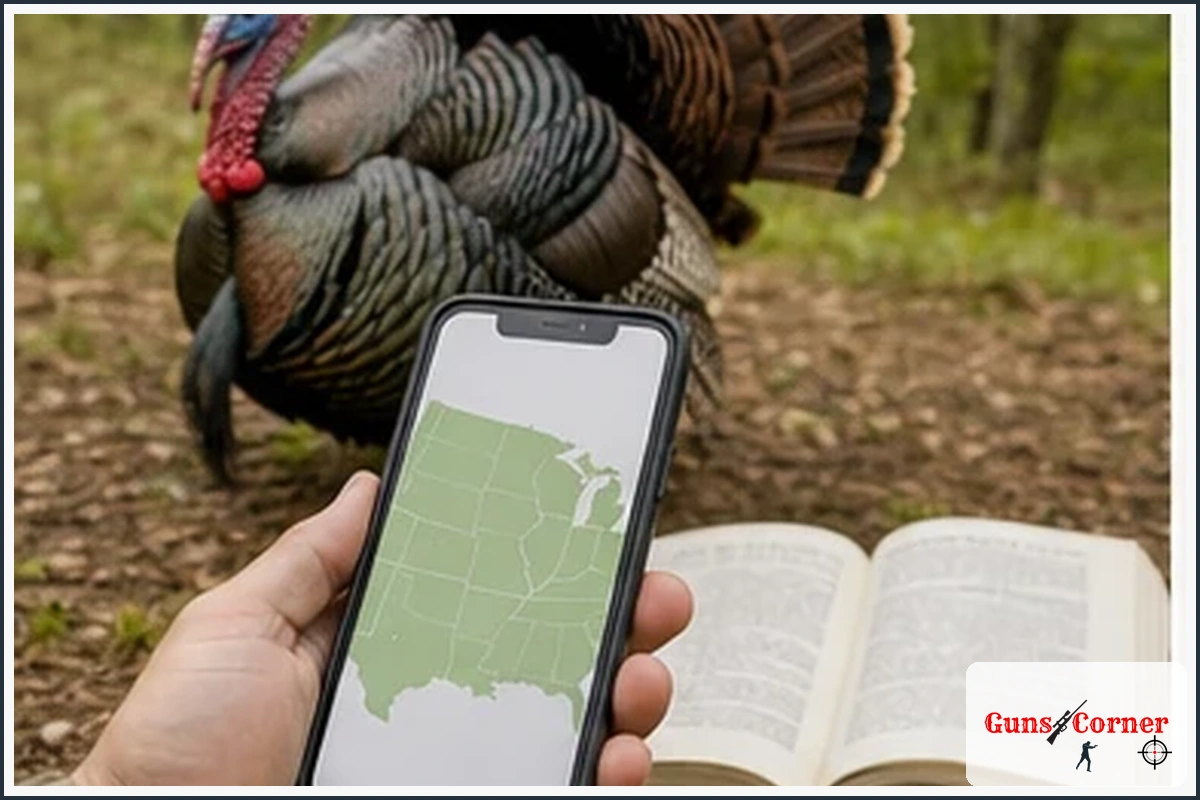
Turkey regulations vary by state, province, season, land type, and hunting method. Before hunting or transporting a wild turkey, check your official wildlife agency for current license, permit, tag, season, legal-hours, weapon, possession, tagging, reporting, and transport requirements.
- Confirm that the bird was legally harvested and properly tagged or reported.
- Follow local requirements for retaining evidence of sex or species identification.
- Use a clean knife and wash hands, tools, and work surfaces frequently.
- Wear cut-resistant gloves if available, while still handling the knife carefully.
- Keep raw turkey separate from ready-to-eat food.
- Cool the meat promptly and keep it cold during transport.
- Never process game where runoff can contaminate drinking water or food areas.
- Dispose of feathers and remains according to local rules and landowner requirements.
What You Need to Butcher a Wild Turkey
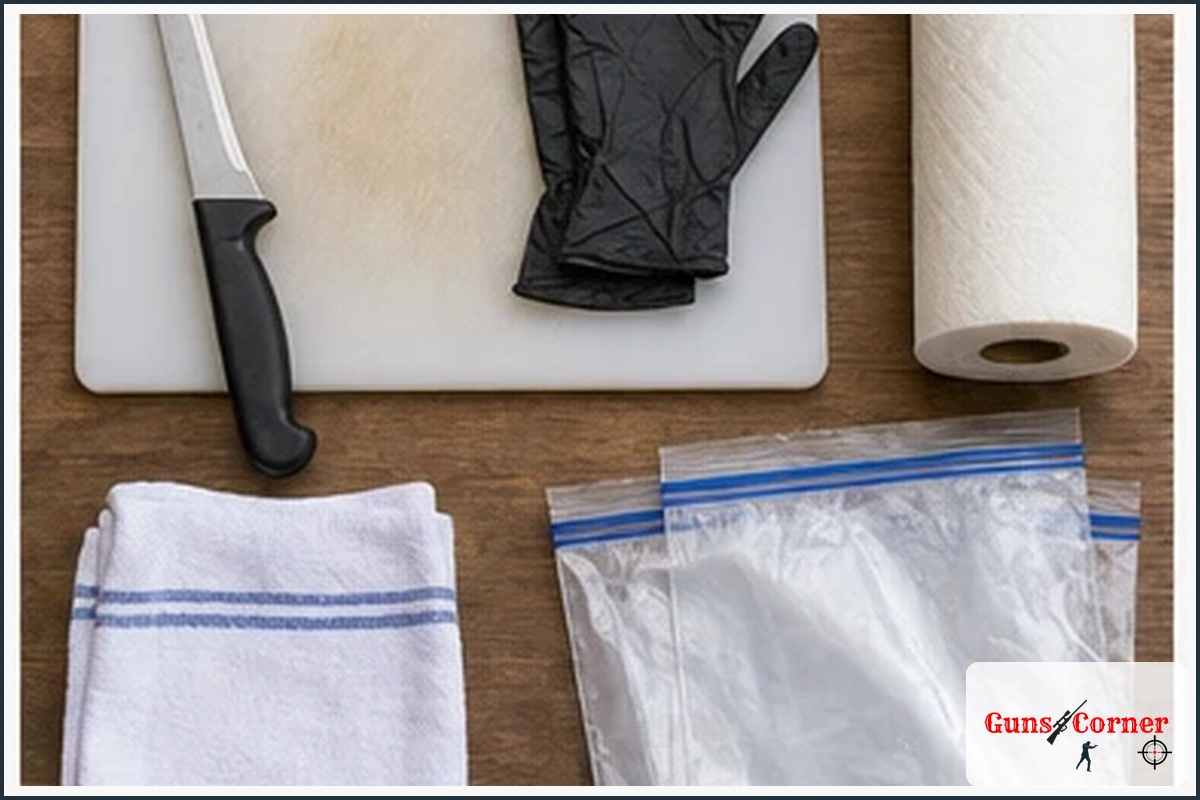
- Sharp boning or fillet knife
- Clean cutting board or washable work surface
- Disposable or washable gloves
- Paper towels or clean cloths
- Food-safe bags or containers
- Ice and a clean cooler
- Warm water, soap, and disinfectant for cleanup
- Game shears, optional for removing wings or difficult joints
A plucking setup may also require a large container for feathers and extra time. If you prefer speed and simplicity, skinning is usually easier, although it removes the skin and some surface fat.
Before You Start: Choose Plucking or Skinning
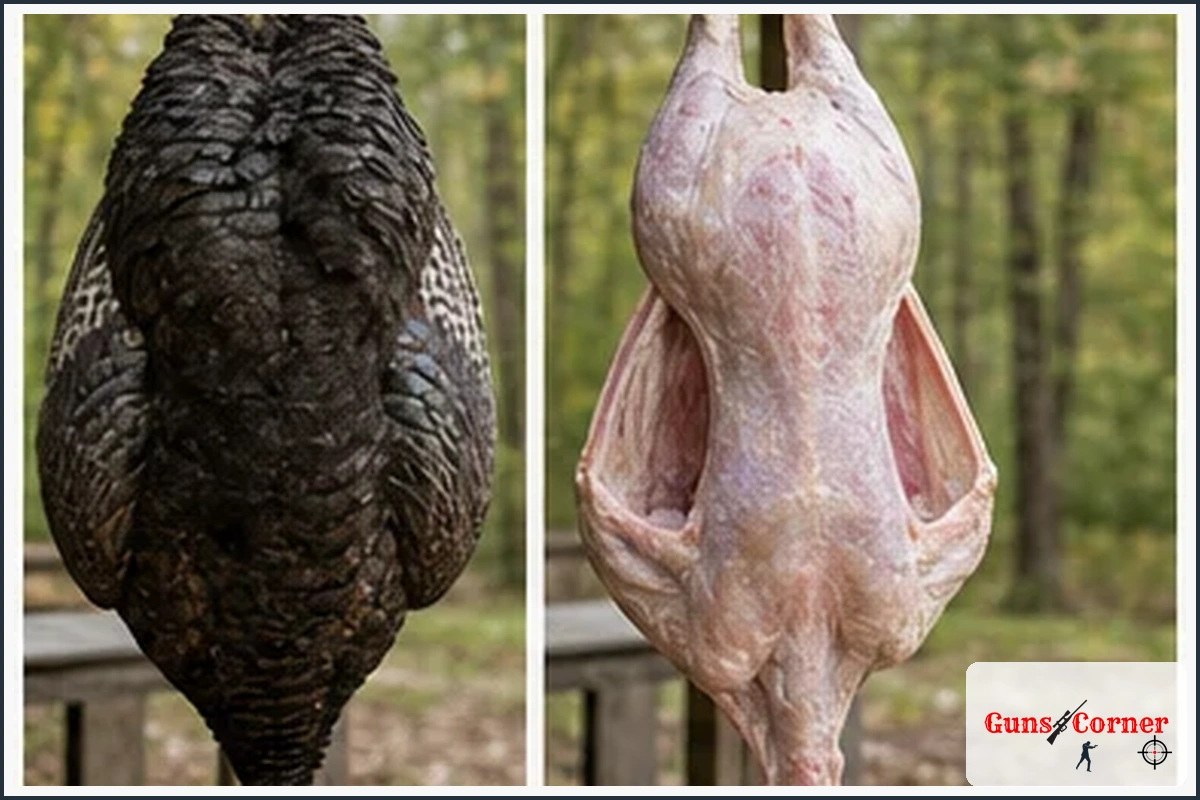
Plucking the Turkey
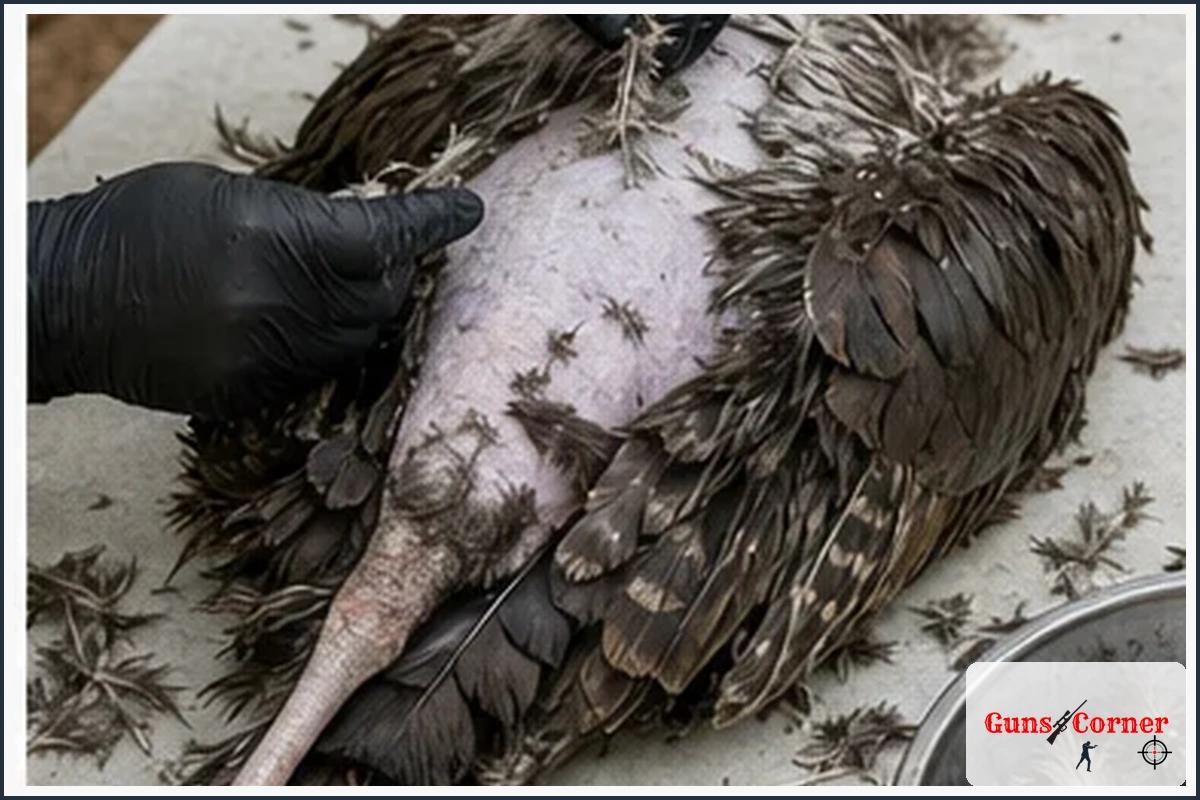
Plucking preserves the skin, which can help protect the meat during cooking and retain moisture. It takes longer and requires removing many feathers carefully. Plucking is often worthwhile when you plan to roast the bird whole.
Skinning the Turkey
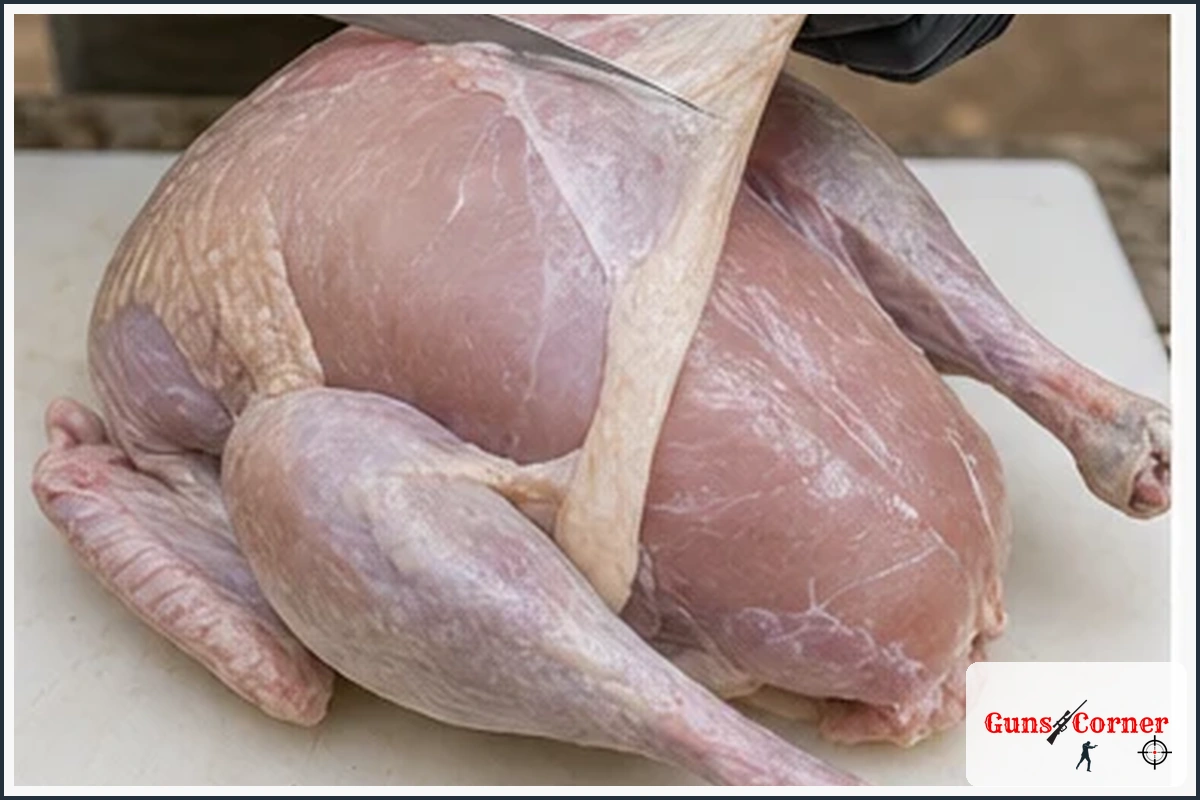
Skinning is generally faster and practical when you plan to remove individual portions. It exposes the meat quickly and avoids handling large quantities of feathers. The finished meat may be leaner and can dry more easily during cooking.
How to Butcher a Wild Turkey Step by Step
Step 1: Confirm the Bird and Prepare a Clean Workspace
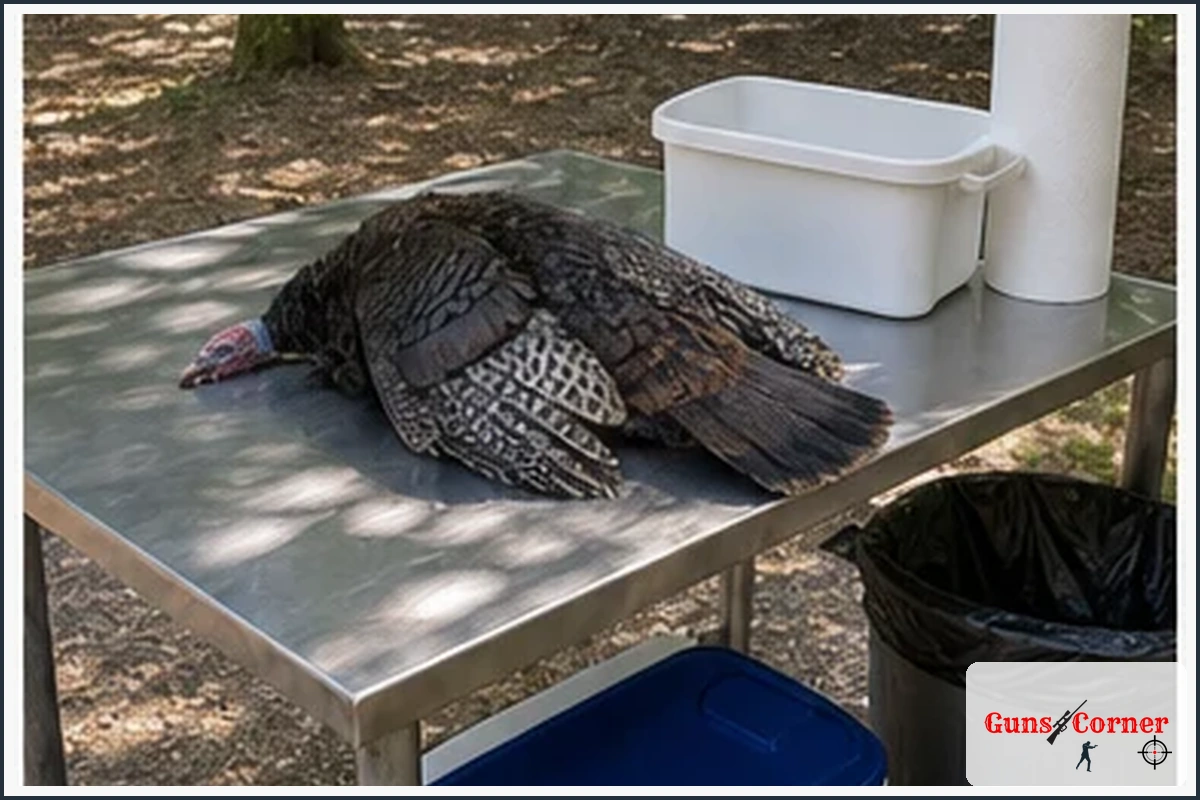
Before cutting, verify the species, sex identification requirements, tag, and any evidence required by local law. Choose a shaded, clean location away from pets, livestock, and food preparation areas.
Wash your hands and sanitize the cutting surface. Keep the knife sharp; a dull knife requires more force and is more likely to slip.
Step 2: Cool the Bird Promptly
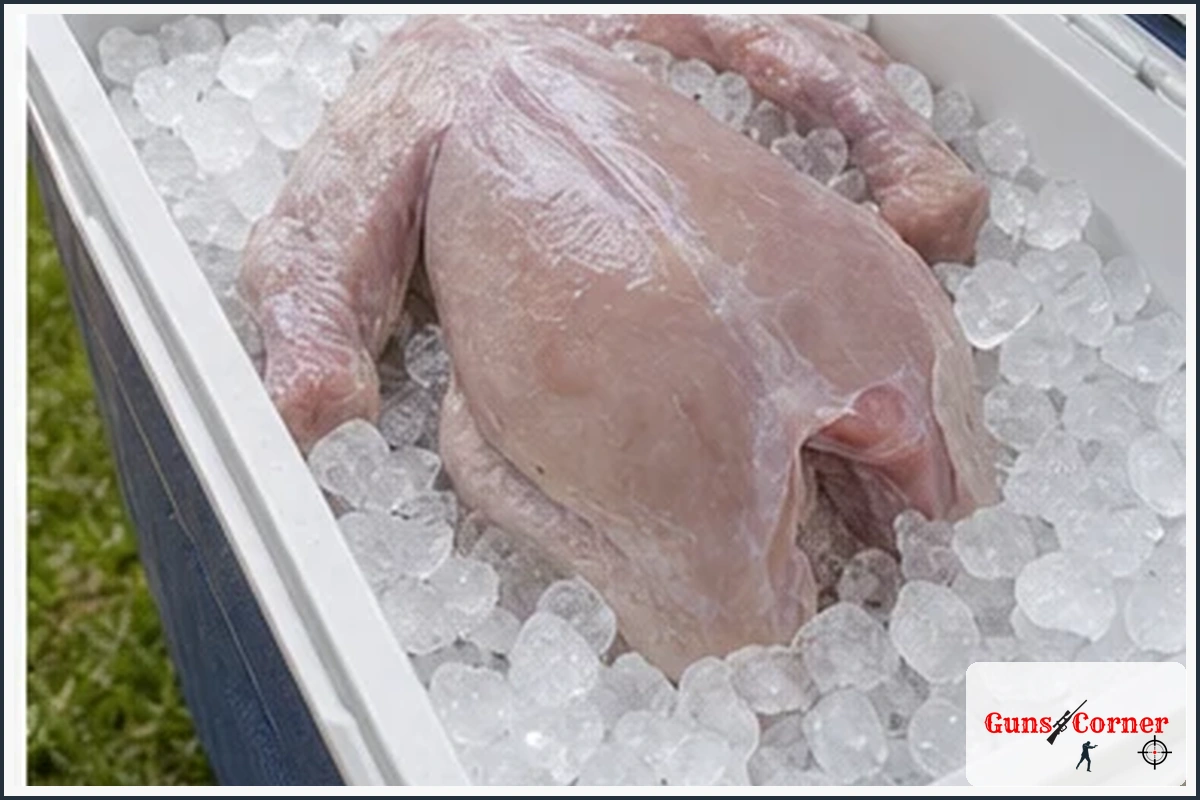
Field dress or process the turkey as soon as practical, especially in warm weather. Remove unnecessary heat from the body cavity and place the bird in a clean cooler with ice or frozen containers. Keep the meat cold throughout the process.
Do not seal warm meat in an airtight container for extended periods. Allow heat to escape while maintaining sanitary conditions, then package the chilled portions.
Step 3: Remove Feathers or Skin
For Plucking
Hold the skin firmly and pull small groups of feathers in the direction they naturally lie. Start with the larger body feathers and work carefully around the breast, legs, and thighs. Avoid tearing the skin, and use short pulls rather than yanking large handfuls.
For Skinning
Lay the turkey breast-up. Make a shallow opening in the skin over the breast and peel the skin away from the meat with your fingers. Use the knife only where connective tissue resists. Continue toward the legs and thighs, keeping the blade pointed away from the meat whenever possible.
Step 4: Remove the Head, Neck, and Feet if Required
Follow local rules before removing identifying parts. When permitted, use a clean knife or shears to separate the head and feet at the joints. Avoid cutting yourself around the sharp spur area of a mature gobbler.
Step 5: Open the Body Cavity Carefully
Place the turkey breast-up. Make a shallow incision through the skin near the lower abdomen, taking care not to puncture the intestines or other internal organs. Extend the opening only as much as needed to remove the contents.
Remove the internal organs carefully. If the digestive tract is punctured, separate contaminated surfaces and meat, clean the area, and sanitize your tools before continuing. Do not use meat contaminated with intestinal contents.
Step 6: Remove the Breast Meat
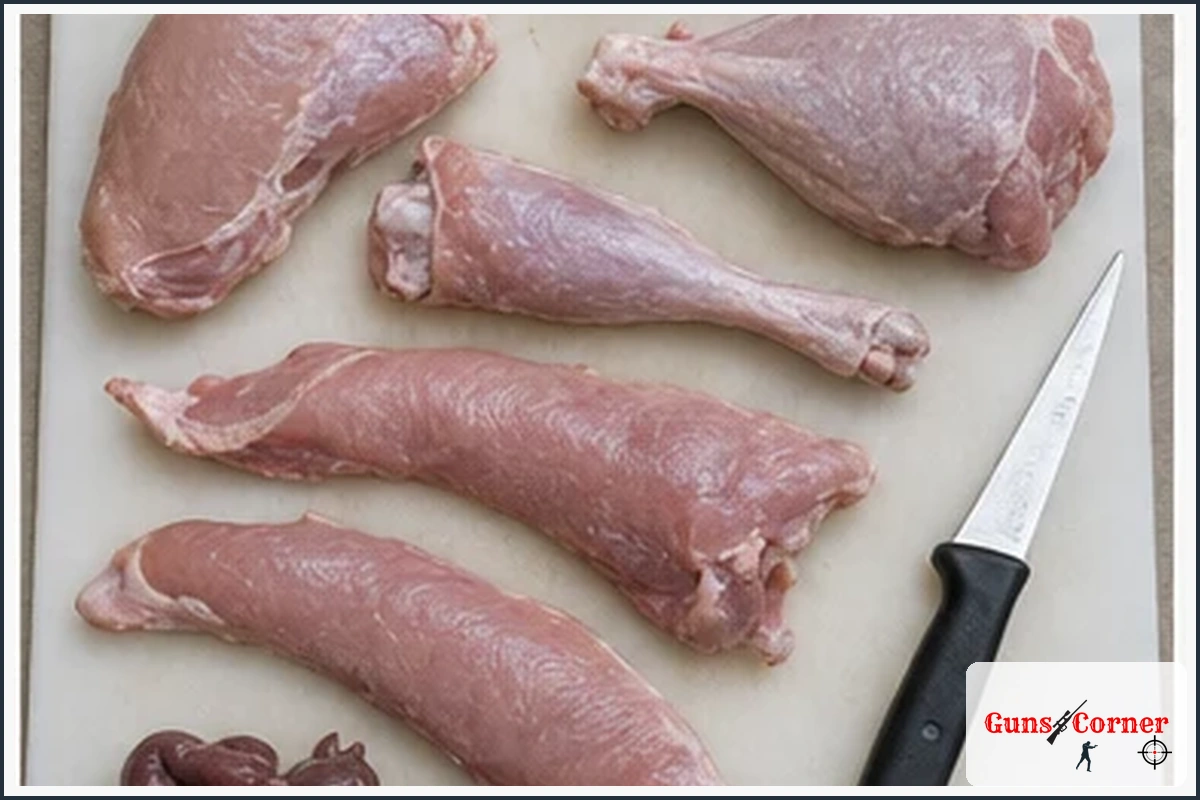
Place the turkey on its back with the breastbone facing upward. Locate the central breastbone and make a shallow cut along one side. Keep the knife close to the bone and follow the natural shape of the rib cage, separating the breast fillet in one piece.
Repeat on the opposite side. Trim away feathers, connective tissue, bruised portions, or unwanted skin. Avoid sawing through bone unnecessarily, as smooth cuts make the meat easier to package.
Step 7: Remove the Thighs and Drumsticks
Pull one leg away from the body to expose the hip joint. Cut through the joint rather than forcing the knife through the bone. Separate the thigh and drumstick if desired by locating the joint between them.
Repeat on the other side. Large gobbler legs may contain substantial connective tissue, so they are often best suited to slow cooking, braising, pressure cooking, or grinding rather than quick grilling.
Step 8: Remove the Wings
Extend a wing and locate the shoulder joint. Cut through the joint and trim away excess skin or connective tissue. The wing tips can be saved for stock if local disposal rules allow.
Step 9: Inspect and Trim the Meat
Check each portion for remaining feathers, small bone fragments, damaged areas, or contamination. Trim only what is necessary. Avoid washing raw turkey under a running faucet because splashing can spread bacteria around the work area.
Step 10: Package and Chill the Portions
Place the turkey pieces in clean food-safe bags or containers. Label them with the cut and date, then refrigerate or freeze promptly. Keep the meat consistently cold during transport and storage.
Step 11: Clean the Work Area and Tools
Wash knives, cutting boards, gloves, counters, and containers with hot soapy water. Apply a suitable food-safe sanitizer according to its label directions. Wash your hands after handling the bird, packaging, and waste.
How to Handle the Giblets
The heart and liver may be saved if they are clean and suitable for use. Inspect them carefully, remove unwanted tissue, and chill them with the rest of the meat. The gizzard can also be used after thorough cleaning, although preparation takes additional care.
If an organ is damaged, contaminated, or questionable, discard it according to local rules. When in doubt about food safety, do not eat it.
Best Practices for Wild Turkey Meat Quality
- Process the bird promptly after the hunt.
- Keep the meat shaded and cold.
- Use a sharp knife and controlled movements.
- Separate clean meat from feathers, dirt, and digestive contents.
- Trim bruised or contaminated areas.
- Package portions in meal-sized quantities.
- Label packages with the cut and date.
- Thaw frozen turkey in the refrigerator rather than at room temperature.
Common Mistakes to Avoid
- Waiting too long to cool the bird in warm weather
- Using a dull knife
- Cutting deeply into the body cavity
- Forcing a knife through joints or bones
- Mixing feathers, dirt, and clean meat
- Rinsing raw turkey in a way that splashes contamination
- Leaving meat exposed to insects or direct sunlight
- Ignoring local tagging, evidence, transport, or reporting rules
- Discarding remains where they could attract people, pets, or livestock
Troubleshooting Common Problems
| Problem | Possible Cause | What to Do |
|---|---|---|
| The skin tears while plucking | Large groups of feathers are being pulled or the skin is not supported. | Pull smaller groups in the natural direction of growth and hold the skin firmly. |
| The knife keeps slipping | The blade is dull, the meat is wet, or the cut is being forced. | Dry the surface, sharpen or replace the knife, and use controlled strokes. |
| The intestines are punctured | The opening cut was too deep. | Separate contaminated material, clean and sanitize tools, and discard questionable meat. |
| The meat feels warm | The bird was not cooled quickly or the cooler lacks sufficient ice. | Move the meat to a properly chilled cooler and avoid prolonged storage while warm. |
| There are many feathers remaining | Small pin feathers were missed during plucking. | Remove them with clean tweezers or carefully trim them without damaging the meat. |
| The legs seem tough | Wild turkey leg muscles receive heavy use. | Use slow, moist cooking methods instead of treating them like breast meat. |
Cooking and Storage Considerations
Wild turkey is leaner and often more active than domestic turkey, so breast meat can become dry if overcooked. Use a reliable food thermometer and follow current food-safety guidance for poultry. Store fresh meat under proper refrigeration and freeze portions you will not use soon.
When cooking, keep raw turkey separate from ready-to-eat foods, wash hands after handling it, and clean preparation surfaces promptly.
Ethical Hunting and Conservation
Responsible turkey hunting continues after the shot. Follow the legal season, bag limit, weapon restrictions, tagging rules, and reporting requirements. Recover the bird promptly, use as much edible meat as practical, respect landowners and other hunters, and leave the hunting area clean.
Licenses and permits often support wildlife management, habitat work, research, and hunter education. Learning to process your own harvest responsibly is part of ethical participation in conservation.
When to Get More Training or Professional Guidance
Ask an experienced hunter, butcher, hunter education instructor, or wildlife agency representative for help if you are uncertain about legal identification requirements, safe knife handling, meat contamination, transport rules, or proper disposal. A local mentor can also demonstrate plucking, skinning, joint separation, and sanitary packaging.
After the Hunt: Gear Care and Learning
Clean and dry your knife, cooler, cutting board, gloves, and other equipment after every use. Record what method you used, how long processing took, which cuts your household preferred, and what you would change next time.
Review the current regulations again before your next hunt. Regulations, reporting systems, seasons, and land-access rules can change.
Recommended Tools to Consider
You do not need expensive equipment to butcher a wild turkey safely. Choose tools based on your skill level, local conditions, sanitation needs, and budget.
- Sharp boning knife with a secure handle
- Washable cutting board
- Cut-resistant gloves
- Food-safe storage bags or containers
- Reliable cooler and ice
- Paper towels and food-safe sanitizer
- Permanent marker for labeling packages
- Game shears for difficult joints
Frequently Asked Questions
Is it better to pluck or skin a wild turkey?
Plucking preserves the skin and is useful for whole-bird cooking. Skinning is faster and convenient when removing individual cuts.
How soon should I butcher a wild turkey?
Process and cool it as soon as practical, especially during warm weather. The priority is removing heat and keeping the meat cold.
Can I butcher a wild turkey in the field?
Yes, if local rules allow it and you can maintain sanitary conditions. Make sure required evidence of species or sex remains with the bird as required.
Do I need to remove all the feathers before cutting?
No. You can skin the turkey instead, or remove only enough feathers to access the cuts you plan to take.
What is the easiest cut to remove from a wild turkey?
The breast is usually the simplest cut for beginners because it is broad and easy to follow along the breastbone.
How do I remove turkey breast meat?
Cut along one side of the breastbone and follow the rib cage with a sharp knife, keeping the blade close to the bone.
How do I remove the legs?
Pull the leg away from the body and cut through the hip joint. You can then separate the thigh and drumstick at their natural joint.
Should I save the turkey legs?
Yes. They can be flavorful when cooked slowly with moisture, although they may be firmer than domestic turkey legs.
Can I eat the wings?
Yes, if they are clean and properly chilled. Remove them at the shoulder joint and cook them using a suitable moist method.
What should I do if I puncture the intestines?
Stop and separate contaminated material from clean meat. Sanitize tools and surfaces, and discard meat that may be contaminated or unsafe.
Should I wash wild turkey meat?
Avoid rinsing raw turkey under running water because splashing can spread bacteria. Trim contamination and clean your tools and surfaces instead.
How should I cool wild turkey meat?
Place the portions in a clean cooler with sufficient ice or refrigerate them promptly. Keep the meat consistently cold during storage and transport.
Can I freeze wild turkey immediately?
Chill the meat first, package it in clean airtight materials, label it, and then freeze it promptly.
How long does wild turkey meat last in the refrigerator?
Follow current food-safety guidance for raw poultry and keep the meat continuously refrigerated. Freeze it if you will not use it promptly.
How should I package turkey breast?
Package breasts individually or in meal-sized portions, remove excess air, label the package, and keep it cold.
Can I cook wild turkey like domestic turkey?
You can use many of the same methods, but wild turkey is leaner. Avoid overcooking and consider moist cooking methods for legs and thighs.
What is the best way to cook wild turkey legs?
Slow cooking, braising, pressure cooking, or stewing can help tenderize the legs.
What knife is best for butchering a wild turkey?
A sharp boning or fillet knife with a secure handle is usually sufficient. Choose a blade you can control safely.
Do I need cut-resistant gloves?
They are not mandatory everywhere, but they can provide additional protection. They do not replace careful knife handling.
How do I clean my turkey-processing tools?
Wash tools with hot soapy water, then use an appropriate food-safe sanitizer according to its label directions.
Can I use a kitchen counter to butcher a turkey?
Only if the surface can be thoroughly cleaned and sanitized afterward. Keep raw game separate from household food preparation.
What should I do with feathers?
Collect and dispose of them according to local rules and landowner requirements. Do not leave waste where it could create a nuisance or sanitation concern.
What should I do with the remains?
Follow local wildlife, landowner, and sanitation requirements. Dispose of remains discreetly and responsibly.
Do hunting regulations affect butchering?
Yes. Regulations may govern tagging, evidence of sex, transport, reporting, possession, and disposal. Verify current rules with the official wildlife agency.
Do I need to report a harvested turkey?
Some jurisdictions require harvest reporting, while others use different systems. Check your current local regulations before hunting.
Can I butcher a turkey before transporting it?
Only if local rules allow it and you retain any required identifying evidence. When uncertain, leave the bird intact until you confirm the regulation.
How do I avoid wasting meat?
Remove the breast, thighs, drumsticks, wings, and usable giblets when clean and legal to keep. Plan cooking methods around each cut.
Should I remove bruised meat?
Yes. Trim damaged, contaminated, or questionable areas before packaging.
What if the turkey smells unusual?
Do not taste questionable meat. When food safety is uncertain, discard it.
Can beginners butcher a wild turkey?
Yes. Start with the breast and work slowly. An experienced mentor can make the process safer and easier to learn.
Is plucking more difficult than skinning?
Usually, yes. Plucking takes more time and patience, while skinning is generally faster for portioning.
How can I keep feathers off the meat?
Use a clean work area, remove feathers before cutting, and wipe the surface with clean paper towels rather than spreading debris.
What is the most common beginner mistake?
Rushing. Slow, controlled cuts reduce waste, protect your hands, and help prevent accidental contamination.
Should I hunt a turkey before learning to butcher one?
It is helpful to watch a demonstration or practice the basic process with an experienced hunter before your first harvest.
Where can I learn more about turkey regulations?
Use your state or provincial wildlife agency, official hunter education program, or a reputable conservation organization.
How does processing support conservation?
Using the harvest responsibly, following regulations, and avoiding waste show respect for wildlife and support the ethical tradition of regulated hunting.
Final Thoughts
Knowing how to butcher a wild turkey lets you handle a legal harvest safely, cleanly, and respectfully. Confirm the regulations, cool the bird promptly, choose plucking or skinning, remove the portions carefully, and keep everything sanitary. With practice and guidance from an experienced hunter, the process becomes straightforward while helping you make full use of the harvest.