
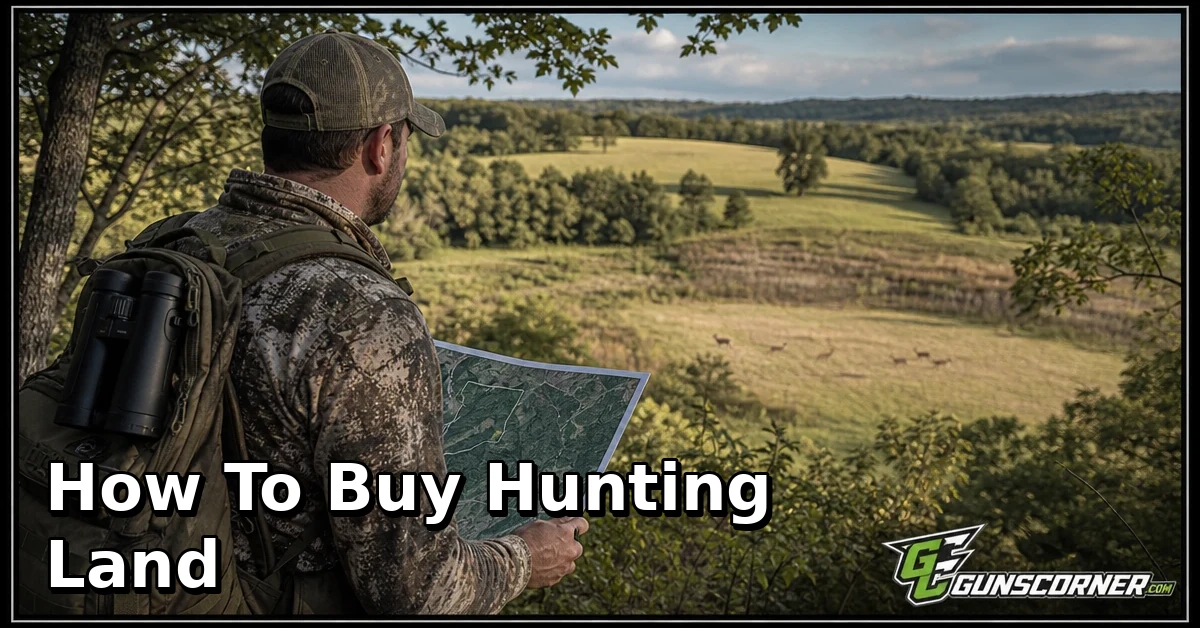

Buying hunting land is a major financial decision, but the right property can provide dependable access, better wildlife habitat, privacy, and long-term recreational value. This guide explains how to buy hunting land by setting realistic goals, evaluating habitat and access, checking legal details, inspecting the property, and completing due diligence before making an offer.
To buy hunting land, first define your budget, target species, preferred region, acreage, and hunting goals. Then compare properties by habitat, wildlife sign, access, boundaries, neighboring land use, water, terrain, taxes, restrictions, and future management potential. Verify ownership, easements, zoning, mineral rights, timber rights, wetlands, flood risks, and local hunting regulations before closing. Work with qualified real estate, legal, lending, and land-management professionals, and never assume a property is legally accessible or suitable for hunting without confirming it.
Important Legal and Safety Notice Before You Hunt

Owning land does not automatically make every hunting activity legal. Hunting regulations vary by state, province, county, game species, season, weapon, and land type. Before hunting, contact the official wildlife agency for current license, permit, tag, season, legal-hours, bag-limit, weapon, reporting, and transport requirements.
- Confirm hunting licenses, permits, and tags required in your location.
- Verify legal seasons, hunting hours, bag limits, and harvest reporting rules.
- Check legal weapons, ammunition, archery equipment, baiting, and supplemental-feeding rules.
- Review property boundaries, access easements, public-road rights, and neighboring ownership.
- Follow required hunter-orange or other visibility rules.
- Use firearms and bows safely, identify the target, and know what lies beyond it.
- Plan for weather, navigation, first aid, hydration, and emergency communication.
Start by Defining Your Hunting Land Goals
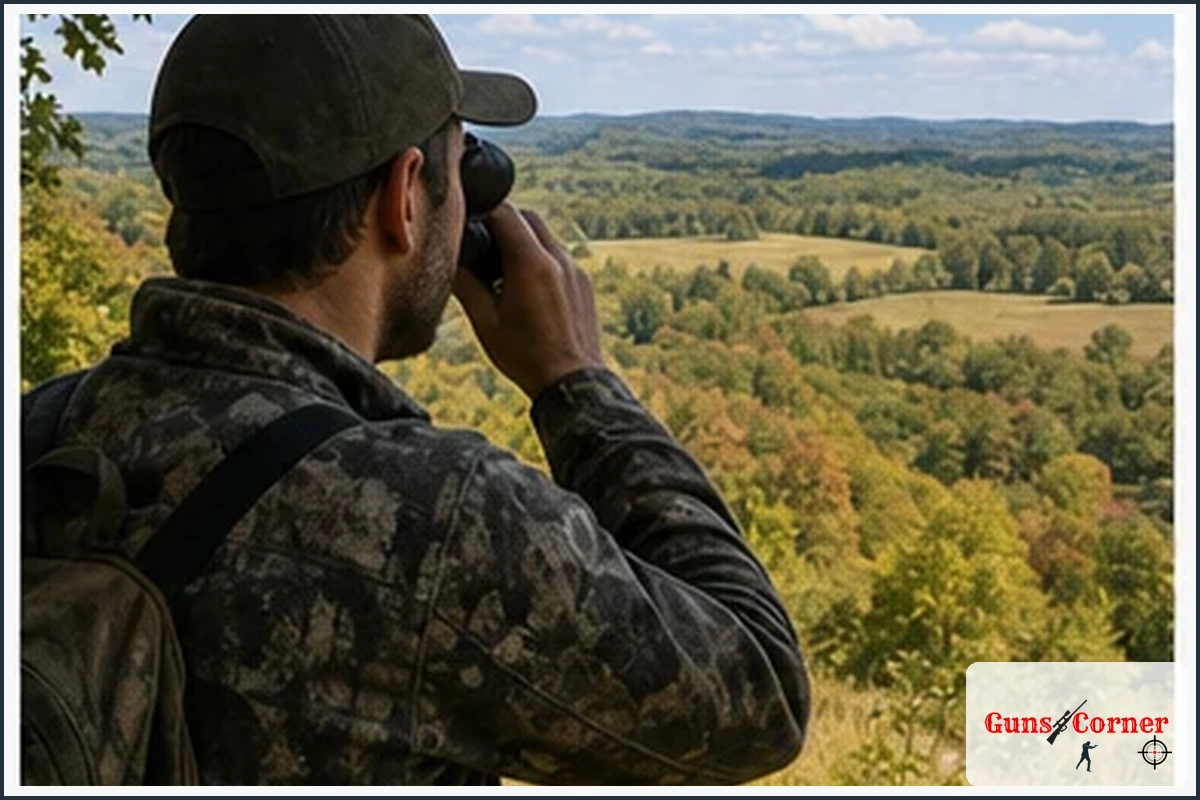
The best hunting property depends on what you want it to accomplish. A small parcel near home may be ideal for convenient deer hunting, while a larger tract may better support habitat projects, multiple hunters, camping, timber income, or long-term investment.
Questions to Answer Before Searching

- Which game species do you want to hunt?
- How often will you realistically visit the property?
- How much land can you afford without creating financial stress?
- Do you need road access, utilities, a cabin site, or storage?
- Will you hunt alone, with family, or with a small group?
- Are income opportunities such as timber, farming, grazing, or leasing important?
- Do you want improved habitat now, or are you willing to manage the land over time?
Build a Complete Hunting Land Budget

The purchase price is only one part of the cost. Rural land may require ongoing spending for taxes, insurance, surveys, gates, roads, food plots, habitat work, equipment, liability protection, and maintenance.
| Cost Category | What to Consider |
|---|---|
| Purchase and financing | Down payment, interest, lender fees, appraisal, and closing costs. |
| Due diligence | Survey, title search, inspections, environmental review, and professional advice. |
| Annual ownership | Property taxes, insurance, association fees, and basic maintenance. |
| Access and improvements | Road repairs, gates, bridges, culverts, parking, trails, or approved structures. |
| Habitat management | Invasive-plant control, prescribed work by qualified professionals, timber planning, or habitat restoration. |
| Hunting operations | Blinds, stands, cameras, navigation tools, safety equipment, and meat-care supplies. |
Ask lenders about rural-property loans, land loans, and applicable agricultural or conservation programs. Loan terms, down-payment requirements, interest rates, and acceptable property uses vary, so compare offers carefully.
How to Buy Hunting Land Step by Step
Step 1: Choose a Search Area
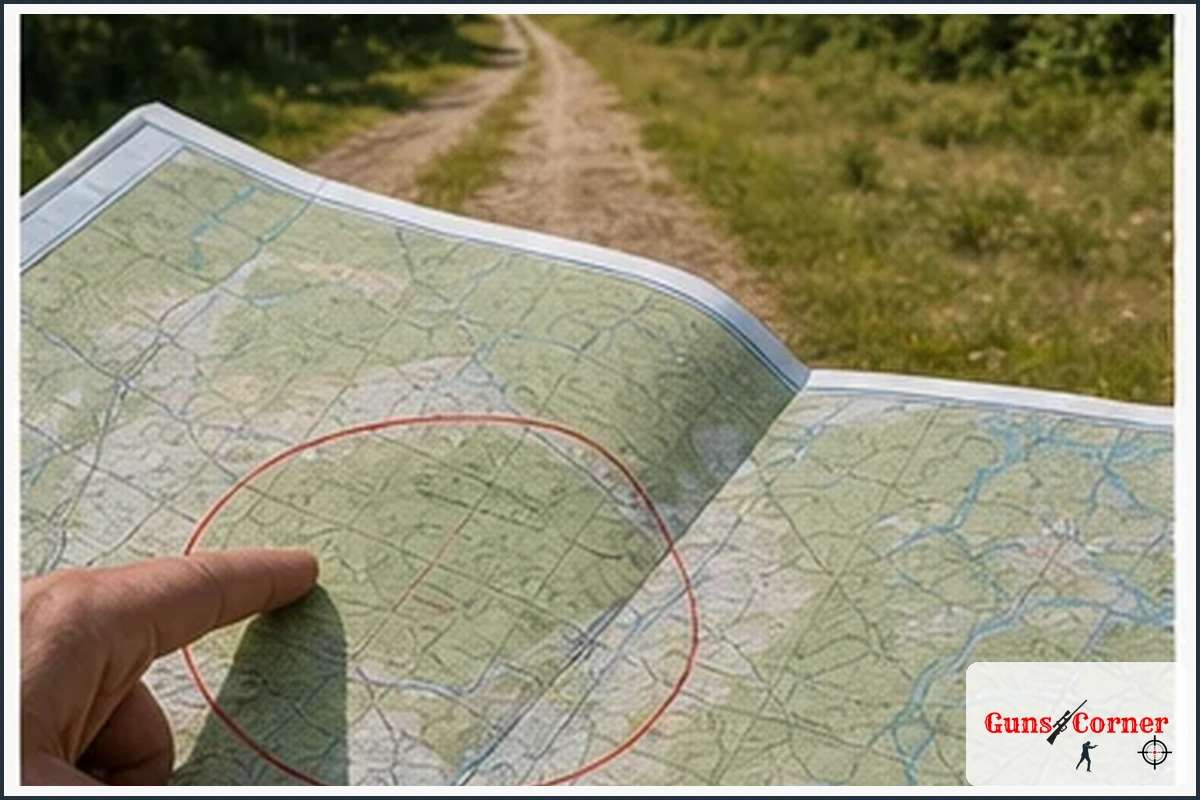
Begin with a realistic travel radius. A property that looks attractive on a map may become difficult to use if it requires a long drive, seasonal road access, or specialized equipment.
Study county maps, public ownership maps, topographic maps, aerial imagery, and wildlife habitat information. Look for connected habitat, nearby water, agricultural edges, timber, wetlands, ridges, drainages, and protected areas. These features can improve wildlife value, but they do not guarantee hunting success.
Step 2: Research the Local Wildlife and Hunting Rules
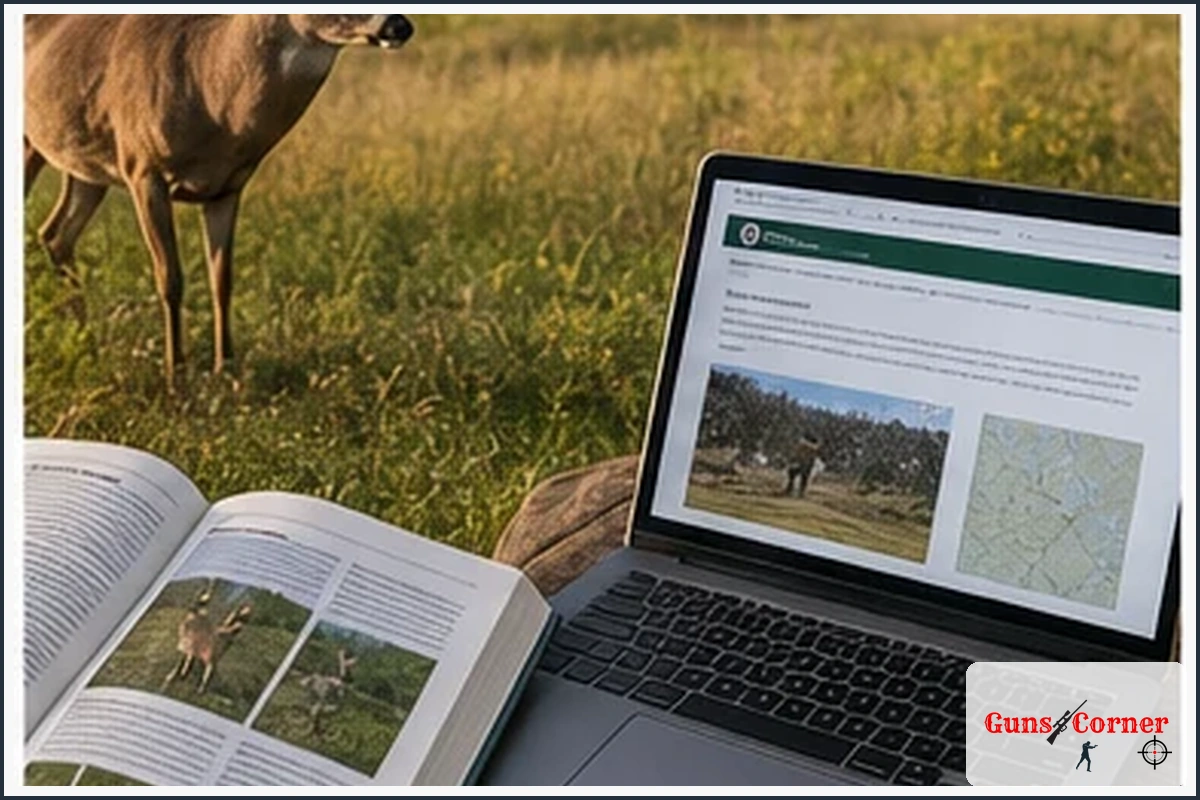
Contact the official wildlife agency before making assumptions about the area. Learn which species are present, how seasons are structured, what weapons are legal, and whether special permits or reporting rules apply.
Also determine whether local restrictions affect baiting, food plots, blinds, tree stands, nighttime access, burning, timber work, or construction.
Step 3: Find Properties Through Multiple Sources
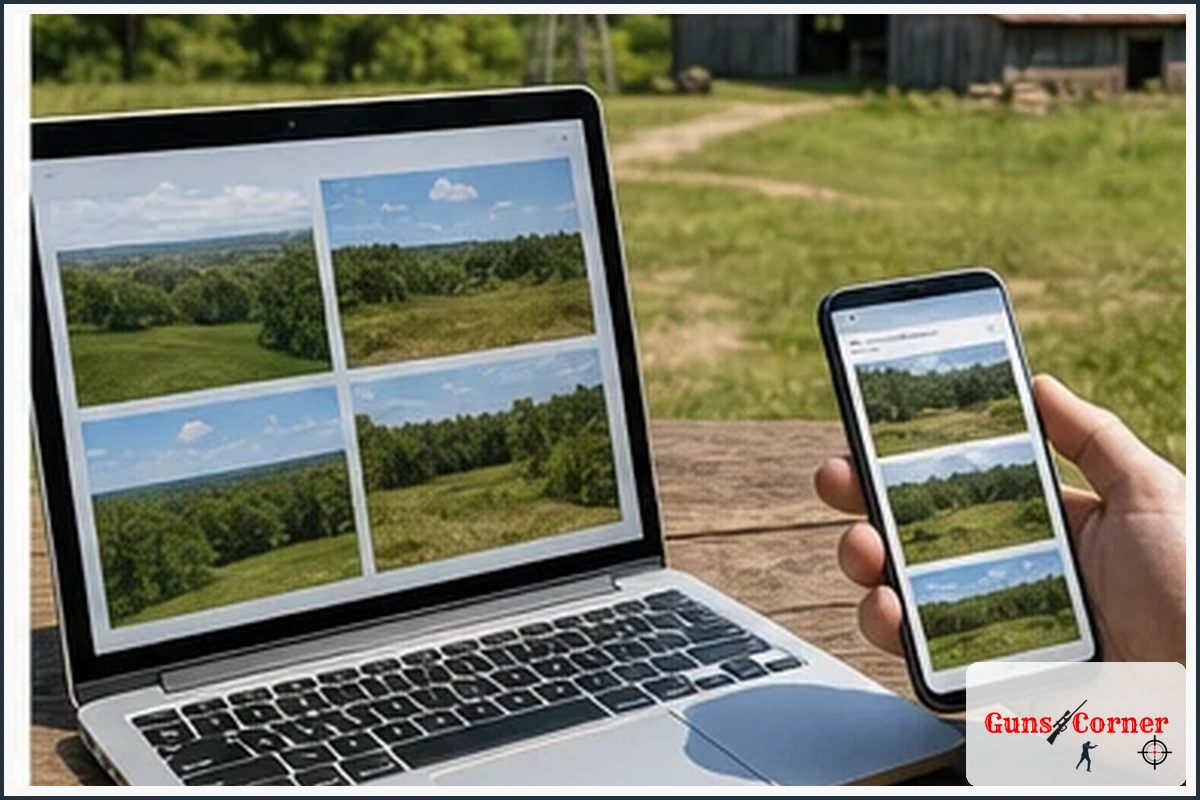
Use rural land agents, local listings, auctions, owner-direct advertisements, county records, and regional land networks. A hunting-focused agent may understand habitat and access issues better than a general residential agent, but every representation agreement should be reviewed carefully.
Do not rely only on photographs or listing descriptions. Marketing language such as “excellent hunting” is not a substitute for maps, field inspections, wildlife sign, legal review, and independent verification.
Step 4: Screen the Property Before Visiting
Before scheduling a visit, review the parcel map, acreage, road frontage, neighboring properties, topography, water features, and known restrictions.
- Is the parcel legally accessible?
- Does the road remain usable in wet or snowy weather?
- Are the boundaries clear?
- Is the acreage continuous or divided into isolated sections?
- Are there nearby homes, livestock operations, busy roads, or public recreation areas?
- Could development, timber harvest, mining, or farming change the property’s value?
Step 5: Walk the Property Carefully
Visit the land in person and walk more than the easiest area near the road. Look for game trails, tracks, droppings, rubs, scrapes, feeding areas, bedding cover, crossings, water, and travel corridors. Wildlife sign shows use, but it changes with season, weather, food availability, and hunting pressure.
Inspect the land for steep terrain, wetlands, erosion, fallen trees, unstable stream crossings, invasive plants, old wells, debris, fences, and other hazards. Bring a map or GPS and mark important locations without disturbing wildlife sign.
Step 6: Evaluate Habitat and Future Potential
A property does not need to be perfect on the day you inspect it. However, improvements should be practical, legal, affordable, and compatible with the surrounding landscape.
Consider the balance of cover, food, water, and secure travel routes. Ask whether the property connects to larger habitat or functions as an isolated parcel. A qualified wildlife biologist, forester, or conservation professional can help identify realistic improvements.
Step 7: Confirm Access and Property Boundaries
Legal access is one of the most important parts of buying hunting land. Verify that the property connects to a public road or has a recorded easement. Do not assume that a visible road, trail, or gate provides legal access.
Ask for a current survey or arrange for one when necessary. Confirm corners, fences, streams, road rights, shared driveways, and neighboring boundaries. Obtain permission before entering adjoining private land, even if a route appears convenient.
Step 8: Investigate Title, Easements, and Restrictions
Have a qualified title professional review ownership history, liens, easements, covenants, mineral rights, timber rights, water rights, leases, and access agreements.
Restrictions may limit hunting, building, clearing, timber work, commercial activity, firearms, overnight use, or the placement of blinds and stands. A conservation easement may protect habitat while limiting development or land-management choices.
Step 9: Check Zoning, Taxes, and Environmental Concerns
Contact the county or local planning office about zoning, minimum building sizes, septic requirements, flood zones, wetlands, shoreline rules, road standards, and future development plans.
Review tax classification and any agricultural, forestry, or conservation program obligations. Ask whether changing the land’s use could affect taxes or require repayment of benefits.
Step 10: Review Income and Management Opportunities Carefully
Some properties may generate income from timber, farming, grazing, mineral rights, hunting leases, or conservation programs. These opportunities can help offset ownership costs, but they may also conflict with hunting goals.
For example, agricultural activity can provide food sources but may increase equipment traffic. Timber work can improve habitat in some circumstances while temporarily reducing cover in others. Get written details about existing agreements and consult appropriate professionals before relying on projected income.
Step 11: Make an Offer With Appropriate Contingencies
A purchase offer should protect your ability to complete due diligence. Depending on local practice and professional advice, contingencies may address financing, title, survey, inspection, access, environmental concerns, zoning, and review of leases or restrictions.
Use a qualified real estate attorney or closing professional where appropriate. Never remove important protections simply because a property appears popular or another buyer is interested.
Step 12: Close Carefully and Create a Management Plan
Before closing, confirm that the final documents match the agreed terms. Keep copies of the deed, survey, title policy, easements, restrictions, permits, leases, and maps.
After purchase, mark boundaries lawfully, post contact information where appropriate, introduce yourself to neighbors, and create a written plan for access, safety, habitat work, hunting, emergency response, and maintenance.
What Makes Land Valuable for Hunting?
Habitat Diversity
Properties with a mix of cover, food sources, water, and travel routes may support more consistent wildlife use than uniform land. Edges between different habitat types can be especially useful, although local species and seasonal conditions determine how animals use them.
Secure Cover
Dense vegetation, mature timber, brush, wetlands, and terrain features can provide security and bedding areas. Evaluate whether cover is present year-round or only during one season.
Food and Water
Natural forage, crops, mast-producing trees, grasses, and reliable water may increase wildlife use. Verify whether food sources are permanent, seasonal, farm-dependent, or vulnerable to drought.
Connectivity
A smaller property connected to larger habitat may be more useful than a larger isolated parcel. Study neighboring land uses, conservation areas, public land, and movement corridors.
Low Disturbance
Frequent vehicle traffic, nearby development, heavy recreation, livestock activity, and surrounding hunting pressure can affect wildlife behavior. Consider how much disturbance the property receives throughout the year.
Public Access, Private Access, and Neighbor Relations
Private ownership does not eliminate the need for good relationships. Talk respectfully with neighbors about boundaries, roads, livestock, gates, shared access, and safety concerns. Do not enter neighboring property without permission.
If the land borders public property, confirm the exact boundary and learn how other hunters, hikers, anglers, or recreational users access the area. Use marked parking areas where required, avoid blocking roads, and maintain safe separation from other people.
Safety Planning for Owned Hunting Land
- Mark or map property boundaries before hunting.
- Identify roads, homes, trails, livestock areas, and neighboring buildings.
- Establish safe shooting directions and backstops.
- Tell a trusted person where you will be and when you expect to return.
- Use a full-body harness whenever using a tree stand.
- Unload firearms during transport and follow manufacturer instructions.
- Carry navigation tools, water, first aid, weather gear, and communication equipment.
- Wear required visibility clothing during applicable seasons.
- Do not shoot toward roads, houses, livestock, people, vehicles, or unclear movement.
Recommended Tools for Evaluating Hunting Land
- County parcel maps and ownership records
- Topographic maps and current aerial imagery
- GPS device or mapping application
- Compass and backup navigation method
- Binoculars for observing habitat and neighboring activity
- Boots and weather-appropriate field clothing
- Notebook or digital field journal
- Camera for documenting access, structures, and potential hazards
- Professional survey, title, legal, lending, forestry, or wildlife advice when needed
Helpful Tips for Better Results
- Buy for your actual budget rather than your maximum borrowing capacity.
- Visit the property in more than one season when possible.
- Inspect access after rain, snow, or seasonal flooding if those conditions affect the area.
- Study neighboring land because wildlife and hunting pressure do not stop at property lines.
- Record wildlife sign, habitat types, access points, and hazards during every visit.
- Ask direct questions about timber contracts, leases, easements, and restrictions.
- Assume every important claim must be independently verified.
- Consider how future development could affect privacy and wildlife movement.
- Learn local hunting laws before planning stands, blinds, food plots, or access routes.
- Keep good relationships with neighbors and communicate about safety.
Common Mistakes to Avoid
- Buying based only on acreage or attractive listing photos.
- Assuming a road or gate provides legal access.
- Failing to verify boundaries with a survey or reliable records.
- Ignoring easements, deed restrictions, leases, or conservation limitations.
- Underestimating taxes, maintenance, travel, and habitat-management costs.
- Assuming current wildlife sign guarantees future hunting success.
- Overlooking flood, wetland, erosion, or environmental concerns.
- Failing to research neighboring development and land-use plans.
- Taking possession without a plan for gates, visitors, emergency access, and liability.
- Hunting before confirming current licenses, seasons, weapon rules, and reporting requirements.
Troubleshooting Common Problems
| Problem | Possible Cause | What to Do |
|---|---|---|
| The property looks good online but poor in person | Outdated imagery, seasonal changes, difficult terrain, or missing context | Walk the entire parcel, compare multiple map sources, and arrange a professional inspection if needed. |
| Access is unclear | Unrecorded roads, disputed routes, locked gates, or missing easements | Review title documents, plat maps, and recorded easements with a qualified professional before buying. |
| Wildlife sign is limited | Wrong season, drought, recent disturbance, habitat limitations, or heavy pressure | Inspect neighboring habitat, revisit at another time, and seek objective wildlife or habitat advice. |
| The land is affordable but annual costs are high | Taxes, road work, insurance, equipment, or management needs were overlooked | Create a full ownership budget and keep an emergency reserve before making an offer. |
| Restrictions conflict with hunting plans | Deed covenants, conservation easements, zoning, or association rules | Obtain written clarification and legal review before removing purchase contingencies. |
| Neighbors use the area heavily | Nearby public access, informal routes, shared roads, or unclear boundaries | Map all entrances, communicate respectfully, and establish lawful boundaries and access procedures. |
Ethical Hunting and Conservation
Responsible ownership includes more than harvesting game. Respect wildlife, landowners, neighbors, other outdoor users, and the habitat itself. Follow seasons and limits, pass on unsafe or uncertain shot opportunities, avoid waste, and use harvested game responsibly.
Licenses, permits, and other legal hunting participation often support wildlife research, habitat management, and conservation programs. Consider working with qualified wildlife professionals before changing habitat, removing vegetation, altering watercourses, or conducting prescribed work.
Leave the property cleaner than you found it, secure gates, prevent accidental damage, and keep visitors informed about hazards and boundaries.
When to Get More Training or Professional Guidance
Seek professional help when you are uncertain about land law, title, financing, zoning, boundaries, conservation easements, timber, wetlands, or wildlife management.
Beginners should also complete a hunter education course and learn from a qualified instructor or experienced ethical mentor before hunting. Additional guidance is especially important if you have not handled a firearm or bow safely, do not understand local regulations, or plan to use tree stands, remote terrain, or specialized equipment.
After Buying the Property: First-Year Priorities
- Organize the deed, survey, title documents, maps, restrictions, and emergency contacts.
- Walk and photograph boundaries, access routes, gates, structures, and hazards.
- Introduce yourself to nearby landowners and discuss practical concerns.
- Review current wildlife regulations before planning any hunt.
- Document wildlife sign without excessive disturbance.
- Repair only necessary access problems after checking permits and restrictions.
- Create a realistic habitat and maintenance plan rather than changing everything at once.
- Keep notes about weather, wildlife movement, hunting pressure, and management results.
Final Thoughts
Learning how to buy hunting land requires more than finding a parcel with wildlife sign. Define your goals, build a complete budget, inspect habitat and access, verify title and restrictions, understand local regulations, and use qualified professionals for complex questions. The best property is one you can legally access, safely manage, afford over time, and enjoy responsibly.
Frequently Asked Questions
Is buying hunting land a good investment?
It can provide recreational, habitat, privacy, and possible income value, but results depend on location, market conditions, management costs, access, regulations, and your long-term goals. No land purchase guarantees financial return or hunting success.
How much land do I need for hunting?
There is no universal acreage requirement. Suitable size depends on species, habitat, local hunting pressure, surrounding land, access, and applicable regulations. A smaller connected parcel may be more useful than a larger isolated tract.
What should I look for when buying hunting land?
Evaluate legal access, boundaries, habitat diversity, water, food, cover, wildlife sign, neighboring land use, terrain, taxes, restrictions, title, and future management potential.
Should I buy land near public hunting land?
Nearby public land may provide larger connected habitat, but it can also bring more hunting pressure and recreational traffic. Study access, boundaries, public use, and local wildlife patterns before deciding.
How do I know if land has good wildlife habitat?
Look for a practical balance of food, water, secure cover, travel routes, and connectivity. Confirm observations across seasons when possible and consider advice from a qualified wildlife professional.
Does more acreage always mean better hunting?
No. Habitat quality, connectivity, access, disturbance, surrounding land, and management can matter more than acreage alone.
Should I buy wooded or agricultural land?
Both can be valuable. Wooded land may provide cover, while agricultural land may offer food. A mixture of habitat types is often useful, but local species and seasonal conditions should guide the decision.
How important is water on hunting land?
Water can be important, especially during dry periods, but its value varies by species, climate, and surrounding habitat. Look for reliable water and safe, legal access to it.
How can I verify legal access?
Review recorded easements, deeds, plats, road rights, and title documents with a qualified professional. Never rely only on a visible road, verbal promise, or listing description.
Do I need a survey before buying hunting land?
A survey can clarify acreage, corners, encroachments, roads, fences, and boundaries. Whether it is required depends on the transaction and local practice, but it may prevent serious future disputes.
What are easements?
An easement is a legal right allowing a person or entity to use part of a property for a specified purpose, such as access or utilities. Review its location and terms because it may affect hunting, privacy, and development.
Can I hunt immediately after buying land?
Only if you have completed all required legal steps, including licenses, tags, season checks, legal access confirmation, and compliance with weapon and land-use rules.
Does owning land allow me to ignore hunting seasons?
No. Private ownership generally does not remove wildlife regulations. Verify current rules with the official wildlife agency.
Do I need permission to hunt my own property?
You may still need a hunting license, tag, permit, or other authorization. Rules vary by location, species, and season.
Can I invite friends to hunt my property?
Only after confirming applicable laws, liability considerations, guest requirements, and safety procedures. Explain boundaries, access routes, emergency plans, and safe shooting areas to every guest.
What should I ask a rural land agent?
Ask about access, boundaries, title, easements, restrictions, leases, timber, mineral rights, taxes, water, wetlands, flood risk, structures, neighboring land use, and known wildlife information.
Should I use a hunting land specialist?
A specialist may better understand habitat and recreational property concerns, but you should still independently verify claims and use appropriate legal, title, lending, survey, and wildlife professionals.
How do I finance hunting land?
Potential options may include cash, land loans, rural-property loans, or other lending arrangements. Terms vary, so compare lenders and include taxes, maintenance, insurance, and improvements in your budget.
What is a land loan?
A land loan is financing designed for purchasing property that may not include a conventional residence. Requirements and terms vary by lender, property type, access, income, and intended use.
Should I buy at auction?
Auctions can offer opportunities, but due diligence may be limited and purchase terms can be strict. Understand bidding rules, title status, access, financing, inspection rights, and closing requirements before participating.
What are conservation easements?
Conservation easements are legal agreements that may protect habitat or open space while limiting development or certain land uses. Review the exact document before purchasing.
Can I build a cabin on hunting land?
That depends on zoning, access, septic rules, flood and wetland regulations, deed restrictions, and permits. Confirm feasibility with the local planning authority before assuming construction is allowed.
Can I install food plots?
Food plots may be restricted by local regulations, conservation agreements, agricultural rules, wetlands, or erosion concerns. Check the law and obtain professional guidance where needed.
Can I place a hunting blind or tree stand anywhere on my property?
Not necessarily. Local rules, safety concerns, easements, restrictions, and boundary proximity may apply. Place equipment only where it is lawful and provides a safe shooting direction.
How close can I hunt to a road or house?
Distances and restrictions vary by jurisdiction. Check current local rules and always maintain a safe backstop and separation from people, homes, roads, vehicles, and livestock.
How do I prevent trespassing on my hunting land?
Maintain clear boundaries, use lawful signs where appropriate, document access points, communicate with neighbors, and contact local authorities about suspected illegal entry rather than confronting people unsafely.
Should I post my property boundaries?
Posting requirements and recommended practices vary. Clear boundary markers can reduce confusion, but they do not replace surveys, recorded documents, or respectful communication.
How often should I visit the property?
Visit often enough to monitor access, gates, hazards, wildlife sign, weather damage, and unauthorized activity. Frequency depends on distance, season, infrastructure, and management needs.
Can trail cameras help evaluate land?
They may provide useful information about wildlife activity, but use them legally and respectfully. Avoid placing cameras where they could intrude on neighbors or other land users.
What if the property has little wildlife sign?
Revisit during different seasons, inspect neighboring habitat, consider weather and recent disturbance, and seek objective habitat advice before relying on a short visit.
What if neighbors hunt the same animals?
Neighboring hunting can affect movement and pressure. Study access, communicate respectfully, and evaluate the entire local landscape rather than viewing your parcel in isolation.
How does weather affect land evaluation?
Rain, snow, drought, and seasonal flooding can reveal road conditions, drainage, erosion, water availability, and access problems that may not be visible during dry weather.
Should I buy land with a poor road?
A poor road may be manageable if repairs are legal, affordable, and permitted. Obtain professional estimates and confirm shared-road responsibilities before purchasing.
What should I do after closing?
Organize documents, verify boundaries, inspect hazards, introduce yourself to neighbors, review regulations, secure access, and create a practical first-year management plan.
How can I manage hunting pressure on my own land?
Limit access, establish written rules for guests, use controlled entry points, communicate with neighbors, and plan hunts around safety, habitat, and local regulations.
Should I lease hunting rights to offset costs?
A lease may help with expenses, but it can reduce privacy and affect wildlife management. Use a written agreement reviewed by an appropriate professional and confirm insurance and legal requirements.
How do I protect harvested game on my property?
Follow local tagging, reporting, transport, and meat-handling rules. Plan access, cooling, clean equipment, and timely processing before the season begins.
Is hunting land tax-deductible?
Tax treatment depends on ownership structure, land use, income activity, and local law. Consult a qualified tax professional rather than relying on general advice.
When should I walk away from a property?
Consider walking away when access is uncertain, title problems remain unresolved, restrictions conflict with your goals, costs exceed your budget, or important claims cannot be independently verified.
What professional help is most important?
Depending on the property, useful professionals may include a rural real estate agent, lender, surveyor, title professional, attorney, tax adviser, forester, wildlife biologist, or conservation specialist.
Can buying hunting land guarantee hunting success?
No. Success depends on habitat, wildlife behavior, weather, seasons, hunting pressure, skill, patience, and ethical decision-making.
What is the best first step for a beginner?
Write down your hunting, financial, access, and management goals, then verify local regulations and inspect several properties before making any offer.