
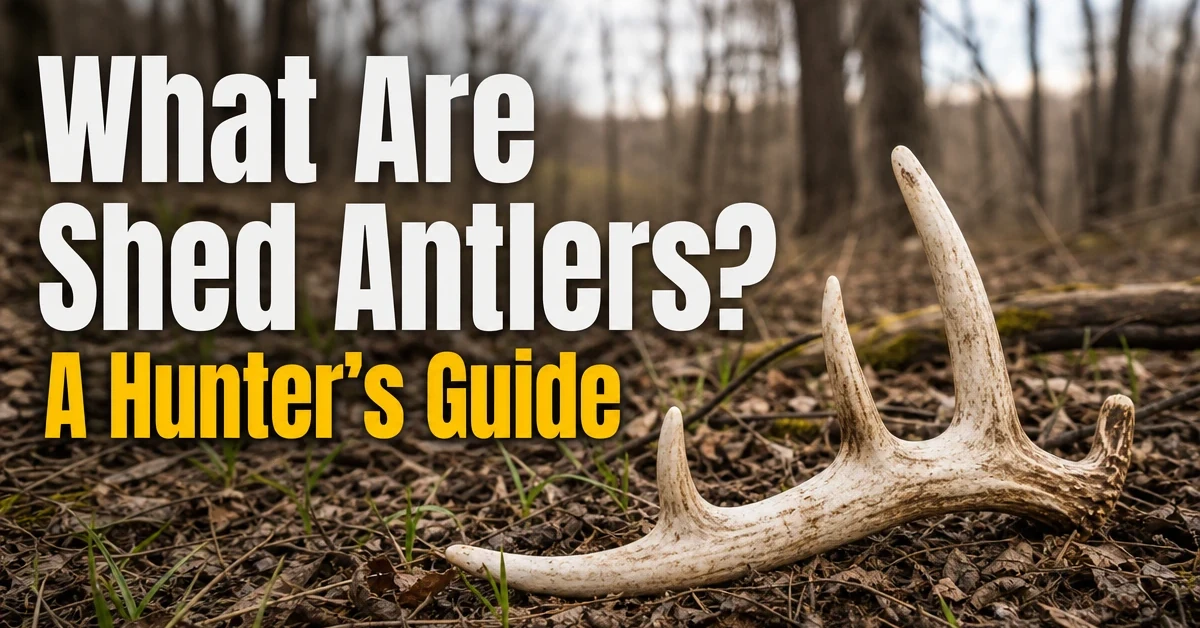

What are shed antlers? They are naturally dropped antlers that male deer, elk, moose, and other antlered members of the deer family lose after the breeding season. Shed hunting can reveal wildlife activity and provide antlers for display or crafts, but timing, animal welfare, access laws, and local regulations matter.
What Are Shed Antlers?
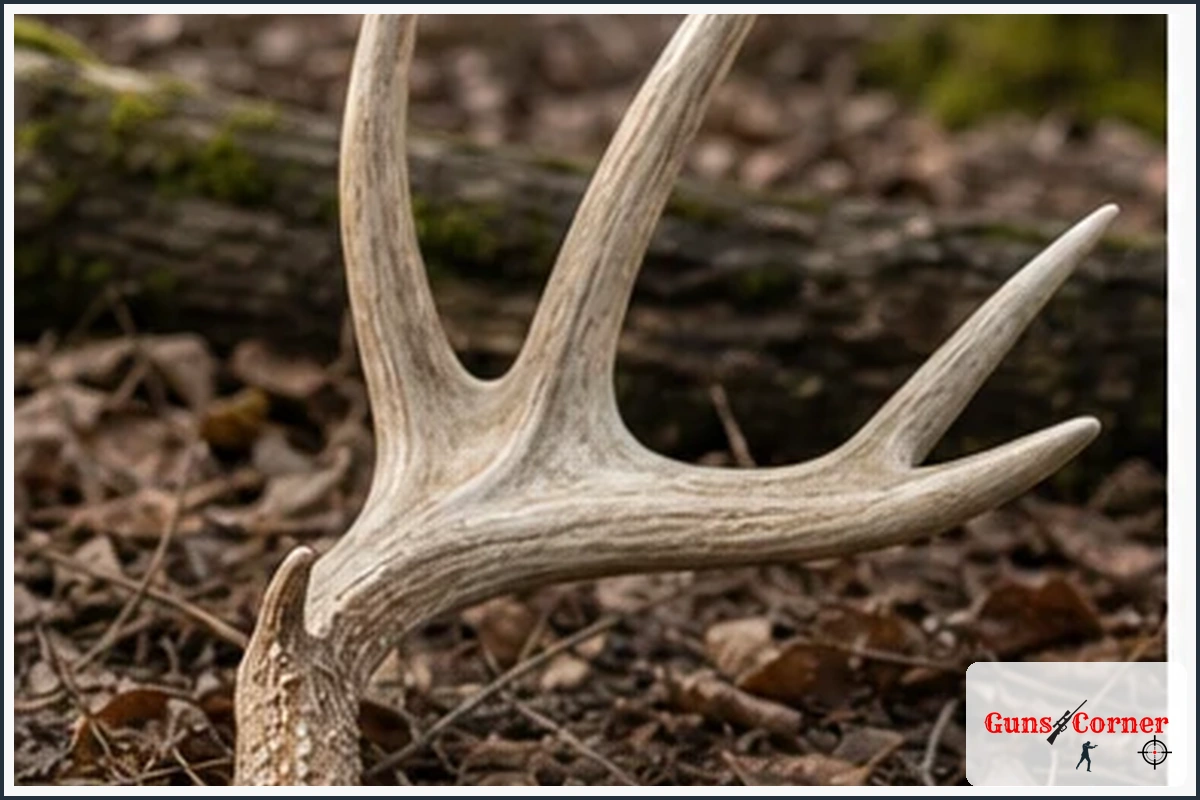
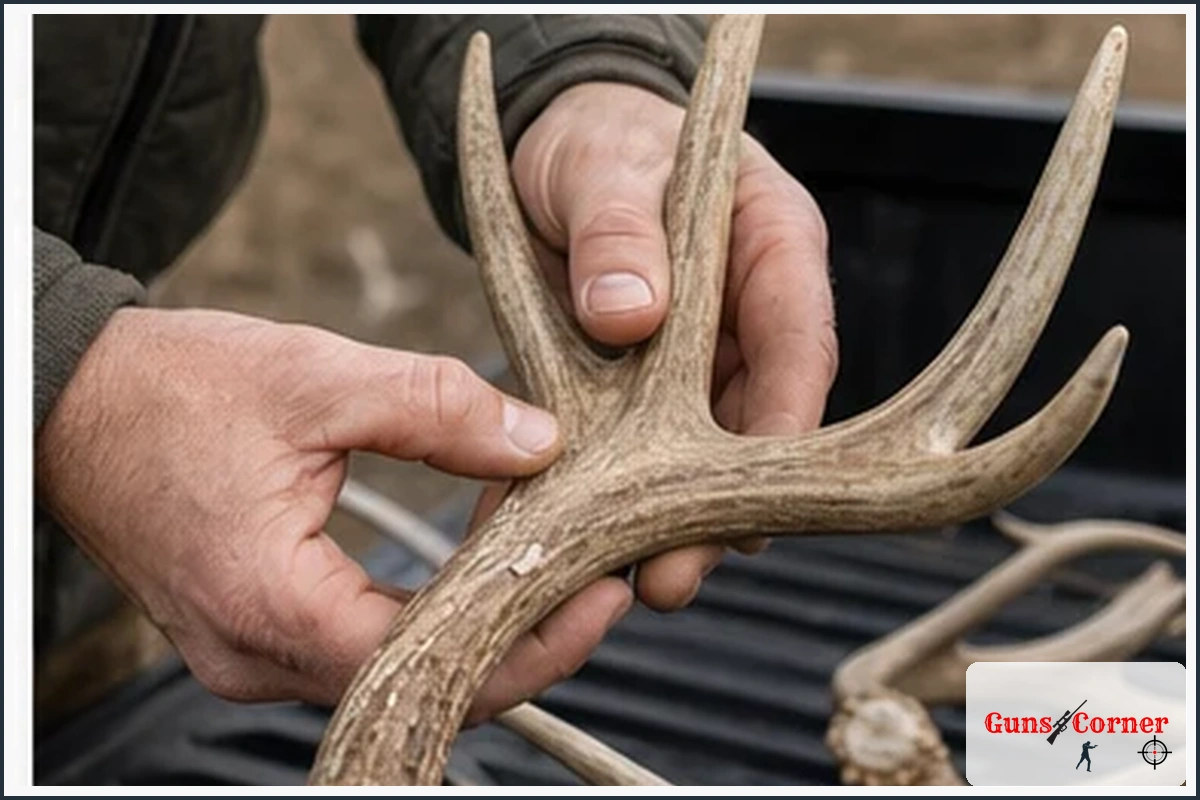
Shed antlers are fully grown antlers that a male cervid has naturally cast off. Unlike permanent horns, antlers are made of bone and are regrown annually by most male deer-family animals.
Antlers grow during spring and summer under a protective covering called velvet. After the breeding season, changing hormone levels weaken the connection between the antler and the skull. The antler eventually falls away, usually without seriously injuring the animal.
Which Animals Shed Antlers?
| Animal | Typical Antler Cycle | Important Note |
|---|---|---|
| White-tailed deer | Usually late winter to early spring | Timing varies with age, health, region, and nutrition. |
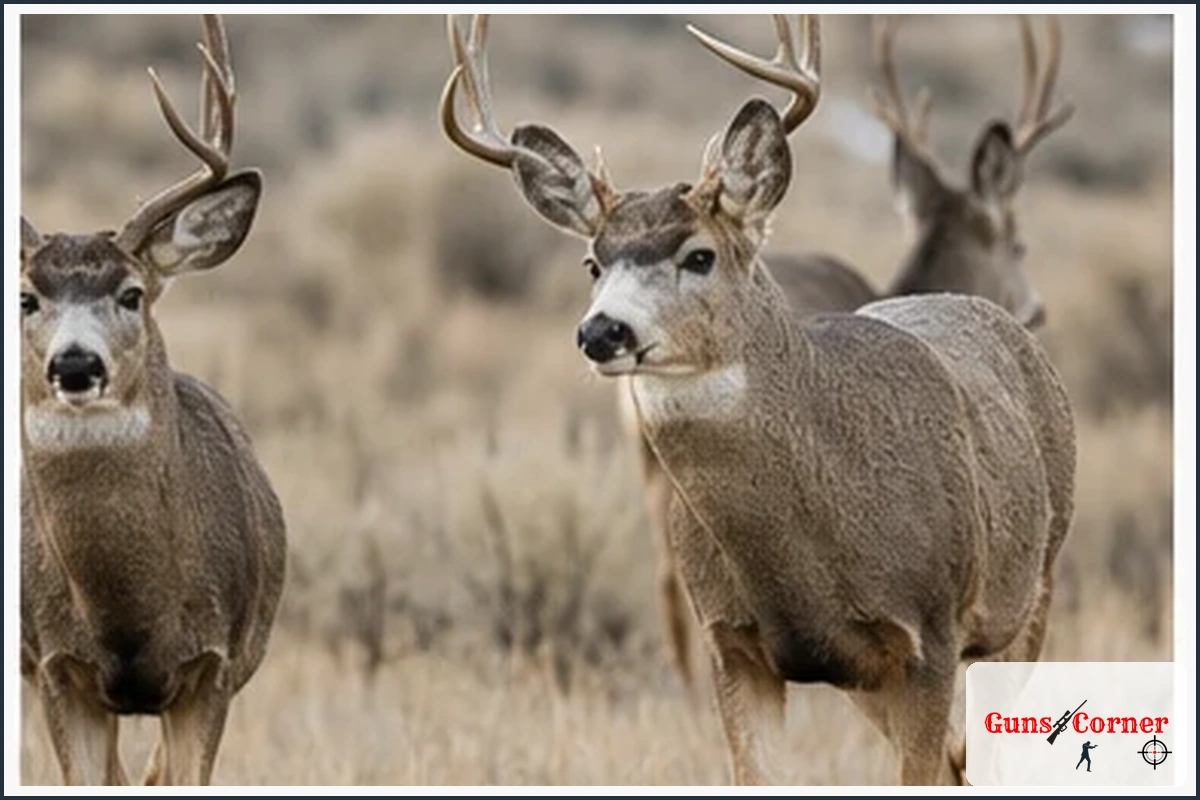
| Mule deer | Generally late winter or spring | Mountain conditions can shift the timing. |
| Elk | Often late winter through spring | Bulls may shed at different times within the same herd. |
| Moose | Usually winter to early spring | Local climate and individual condition influence timing. |
Most female deer do not grow antlers, although unusual exceptions can occur because of hormonal or reproductive conditions.
Why Do Deer Shed Their Antlers?
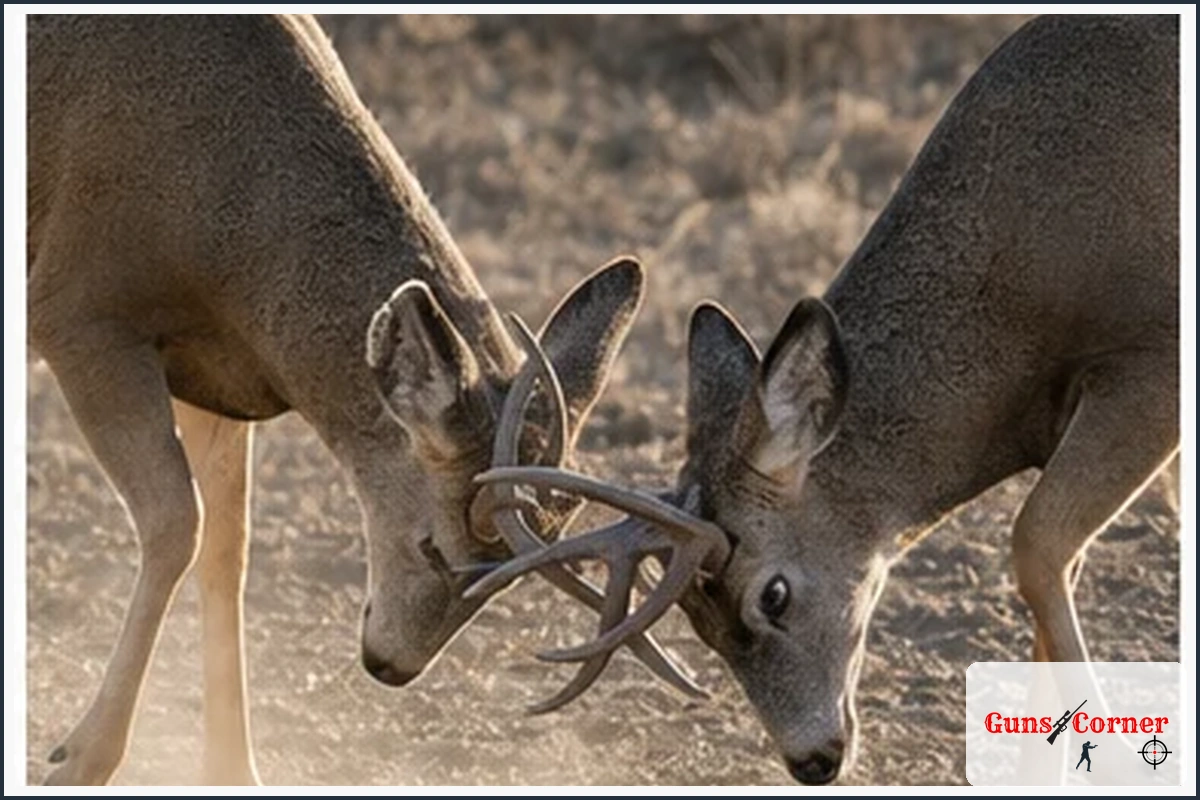
Antlers are primarily used during the breeding season for display and competition between males. After the rut, testosterone levels decline. This weakens the tissue connecting the antler to the skull, allowing the antler to drop.
The animal then begins another growth cycle. New antlers develop during the following spring and summer, often becoming larger as the animal matures if food, health, genetics, and habitat conditions are favorable.
When Do Deer Shed Antlers?
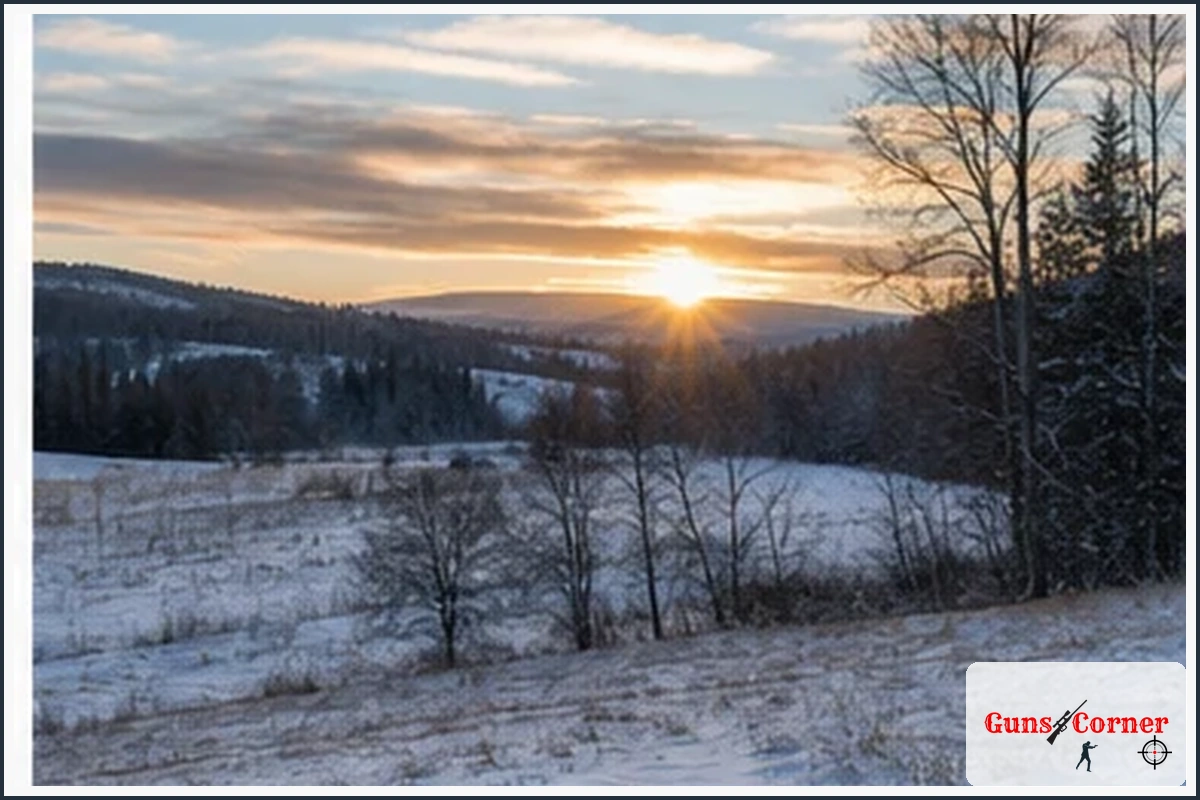
There is no universal shed date. White-tailed deer commonly shed from late winter into early spring, while elk and other species may follow somewhat different schedules. Severe weather, nutrition, age, stress, breeding activity, and regional climate can all affect timing.
Finding one fresh shed does not mean every buck or bull in the area has dropped its antlers. Some animals may still be carrying both antlers, while others may have already lost one.
What Does a Fresh Shed Antler Look Like?
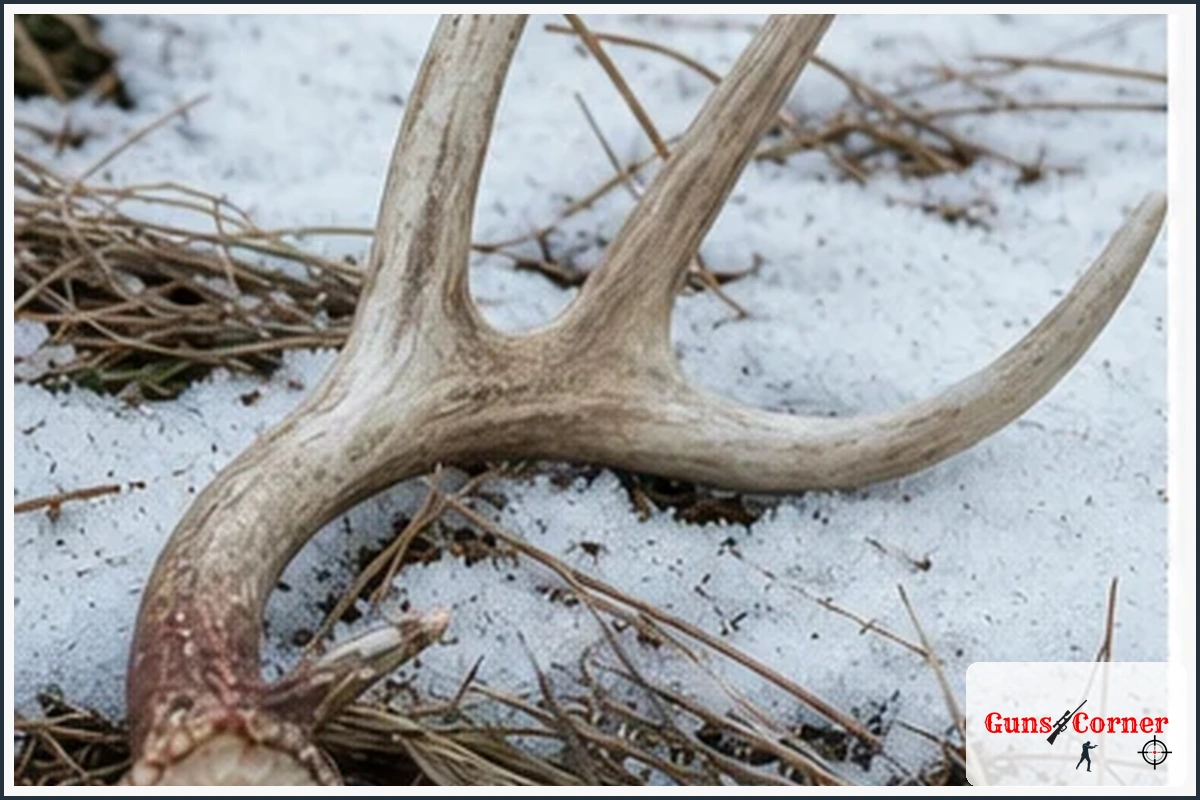
- Color: Fresh antlers may look pale, clean, or slightly moist before weathering darkens them.
- Base: The burr, or rough base surrounding the attachment point, may show fresh edges.
- Surface: Recent sheds generally have less cracking, bleaching, chewing, and weather damage.
- Condition: Older antlers may be faded, polished, gnawed, or partially buried.
- Pairing: Finding one antler may help you search for its matching side, but the animal may have traveled before dropping the other.
Appearance alone cannot always establish exactly when an antler was dropped. Weather, soil, sunlight, rodents, and water can change its condition quickly.
Where Are Shed Antlers Commonly Found?
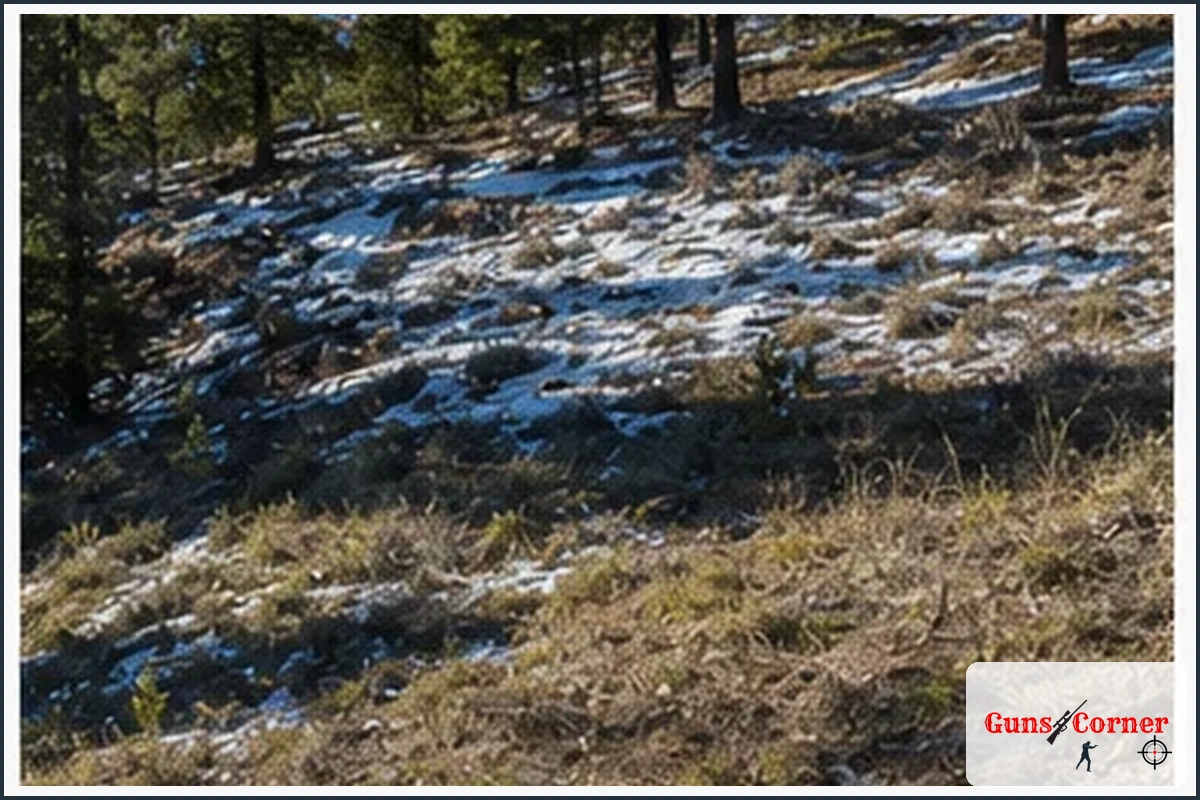
Shed antlers are most often found where animals spend time after the breeding season. Productive areas may include:
- South-facing slopes that receive more winter sunlight
- Thick bedding cover
- Travel corridors between feeding and bedding areas
- Fence crossings and trail intersections
- Edges of agricultural fields or natural food sources
- Low-stress areas near water
- Places where animals jump, turn, or move over uneven ground
These are patterns, not guarantees. Repeated human pressure can push wildlife into different cover or cause animals to leave an otherwise promising area.
How to Search for Shed Antlers Responsibly
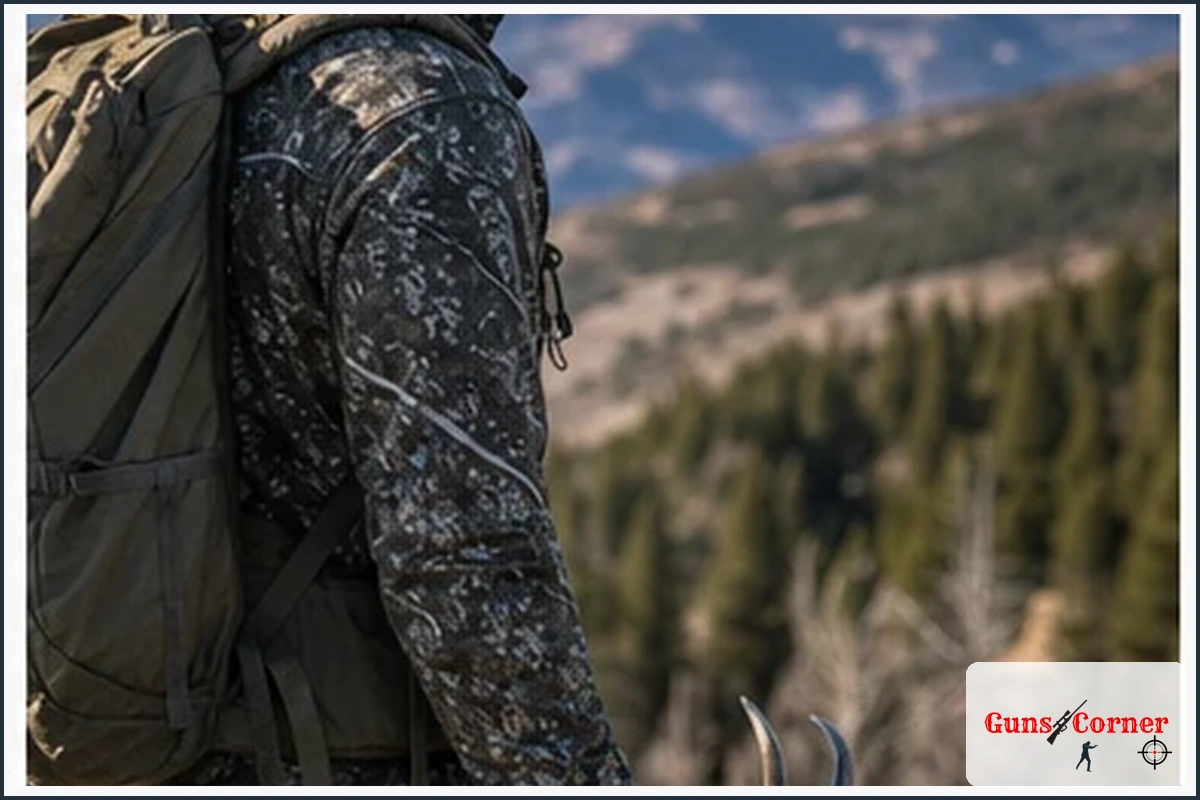
- Check access rules first. Confirm whether shed collection is allowed on the property or public land.
- Wait for an appropriate time. Entering wintering areas too early can disturb animals when energy reserves are low.
- Use binoculars. Glass open slopes, field edges, and bedding cover before walking long distances.
- Walk slowly. Scan the ground from multiple angles because antlers can blend into leaves, grass, and branches.
- Mark productive locations. Note habitat features rather than repeatedly crowding animals.
- Respect boundaries. Do not trespass or cross closed areas to retrieve an antler.
- Leave wildlife undisturbed. Back away if you encounter stressed, concentrated, or wintering animals.
Are Shed Antlers Legal to Collect?
Shed-antler rules vary by state, province, county, wildlife-management unit, and land type. Some areas restrict collection during late-winter closure periods, limit the methods or dates allowed, or prohibit collection in specific wildlife refuges and winter ranges.
Before searching, check the current rules from the relevant state wildlife agency, federal land manager, national forest, refuge, park, or private landowner. General online advice does not replace official regulations.
What Can You Do With Shed Antlers?
Lawfully collected antlers can be used for display, education, artwork, and certain household crafts. Common uses include:
- Wildlife displays and nature education
- Decorative arrangements
- Ornaments and small crafts
- Knife or tool handles made by experienced craftspeople
- Coat or hat racks designed with secure mounting
- Photography and habitat-study collections
Use caution before giving antlers to dogs. Hard antlers can fracture teeth, injure the mouth, or create choking or digestive risks. Ask a veterinarian about safer chew alternatives rather than assuming an antler is harmless.
Shed Antlers and Wildlife Conservation
Shed hunting can encourage people to learn about habitat, seasonal movement, and wildlife management. It should not become an excuse to pressure animals during harsh conditions.
Keep a respectful distance from deer, elk, moose, and other wildlife. Do not use vehicles, dogs, drones, or repeated drives to force animals out of cover unless specifically permitted and consistent with local law. Ethical observation protects wildlife and improves the quality of the outdoor experience.
Common Shed-Hunting Mistakes
- Searching wintering areas before wildlife has dispersed
- Assuming every dropped antler marks a large or nearby animal
- Ignoring public-land collection restrictions
- Walking past antlers because they are hidden in grass or leaves
- Focusing only on open fields instead of cover and travel routes
- Disturbing wildlife to find a decorative object
- Giving hard antlers to dogs without considering dental safety
- Trespassing while trying to recover a matching antler
FAQs
1. What are shed antlers?
Shed antlers are naturally cast-off antlers from deer, elk, moose, and related animals. They are bone structures that males typically grow and lose every year.
2. Do deer feel pain when they shed antlers?
The natural shedding process is generally not considered a major injury because the connection weakens before the antler drops. However, animals can still be harmed by falls, entanglement, or human disturbance.
3. Do female deer shed antlers?
Normally, female deer do not grow antlers. Rare hormonal conditions can produce antler growth in some females.
4. What month do deer shed antlers?
Many deer shed from late winter into early spring, but the exact timing depends on species, region, age, nutrition, health, and weather.
5. Do all deer shed antlers at the same time?
No. Individual deer shed at different times, so one fresh antler does not indicate that the entire local herd has finished shedding.
6. Do elk shed antlers?
Yes. Bull elk normally shed their antlers annually, commonly during late winter or spring.
7. Are shed antlers bone?
Yes. Mature antlers are made primarily of bone, although they grow under velvet during the development stage.
8. Are antlers and horns the same thing?
No. Antlers are usually temporary bone structures that are regrown annually. Horns generally have a permanent bony core covered by keratin and are not normally shed each year.
9. Where should beginners look for shed antlers?
Start with legal, accessible areas containing bedding cover, travel routes, winter food sources, sunny slopes, and fence crossings. Avoid disturbing concentrated wintering wildlife.
10. Can you find both antlers from the same deer?
Sometimes, but not always. A deer may travel between dropping the two sides, and another person or animal may find one first.
11. How can you tell whether an antler is fresh?
Fresh sheds may have cleaner surfaces, sharper burr edges, and less fading or weather damage. These signs are not a precise age test.
12. Do shed antlers have blood on them?
Usually not. The attachment area may show slight staining or fresh tissue residue, but a large amount of blood is not typical of normal shedding.
13. Are shed antlers valuable?
Value depends on species, size, condition, legality, demand, and local market rules. Many antlers have more personal, educational, or decorative value than financial value.
14. Can you sell shed antlers?
Possession and sale rules vary by jurisdiction and species. Check current wildlife-agency and land-management regulations before selling, buying, or transporting them.
15. Can you take shed antlers from public land?
Not always. Some public lands allow collection, while others restrict or prohibit it, especially during sensitive winter periods. Verify the rules for the exact property.
16. Can you collect antlers in a national park?
Many national parks prohibit removing natural objects, including antlers. Check the specific park’s current regulations before collecting anything.
17. Is shed hunting legal on private land?
It requires landowner permission, and wildlife or seasonal restrictions may still apply. Permission to enter does not automatically override collection regulations.
18. Can dogs chew shed antlers?
Hard antlers can break teeth or cause other injuries. Consult a veterinarian before offering one, and never assume a natural object is automatically safe.
19. Do bigger sheds prove a bigger deer lived nearby?
A larger antler usually reflects the animal’s biology and growing conditions, but the antler may have been carried from another area before it was dropped.
20. Does finding a shed prove deer still use the area?
It confirms that an animal was there at some point, but it does not prove current use. Habitat, food, weather, and hunting pressure may have changed.
21. Should you use a trail camera to find shed antlers?
Trail cameras can help document animal presence where legal, but they do not replace habitat knowledge and careful ground searches. Check camera restrictions on the property.
22. Can you use dogs to find shed antlers?
Rules vary, and dogs can disturb wildlife during vulnerable periods. Confirm local regulations and avoid using dogs in sensitive wintering areas.
23. What should you do if you find a skull with antlers attached?
Do not assume it is a naturally shed antler. Leave it in place if required by law and contact the appropriate wildlife agency for guidance, especially if the circumstances appear unusual.
24. Are antlers good for knife handles?
They can be used by experienced craftspeople, but cutting and drilling hard bone requires appropriate tools, eye protection, dust control, and safe technique.
25. Can shed antlers be used as furniture?
Yes, some people use them in racks, lamps, or decorative furniture. Mounting must be secure, and sharp points should be positioned away from children, pets, and walkways.
26. Should you bleach shed antlers?
Bleaching can damage the antler and create hazardous fumes. If cleaning is necessary, use a mild method appropriate for porous bone and follow product safety instructions.
27. Can shed antlers spread disease?
Antlers are not generally a primary disease concern, but wildlife materials can carry dirt, parasites, or contamination. Wear gloves when handling questionable material and follow local wildlife guidance.
28. Should you pick up every shed antler you find?
Only if collection is legal and doing so will not disturb wildlife or sensitive habitat. In restricted areas, observation may be allowed while removal is not.
29. What is the best time of day to search for sheds?
Good visibility is more important than a guaranteed time. Daylight allows safer travel and careful scanning, while early morning or late afternoon light can make some shapes easier to see.
30. What is the most important shed-hunting rule?
Protect wildlife first: verify access and collection regulations, avoid stressing animals, respect property boundaries, and leave sensitive wintering areas undisturbed.
Final Answer
Shed antlers are naturally dropped, annually regrown bone structures from deer, elk, moose, and related animals. They are most often found after the breeding season in bedding areas, travel corridors, food-source edges, and other places where animals spend winter.
Before shed hunting, confirm current collection rules, obtain permission where required, and avoid disturbing wildlife during stressful conditions. Responsible shed hunting supports wildlife conservation and fair, respectful outdoor recreation.