
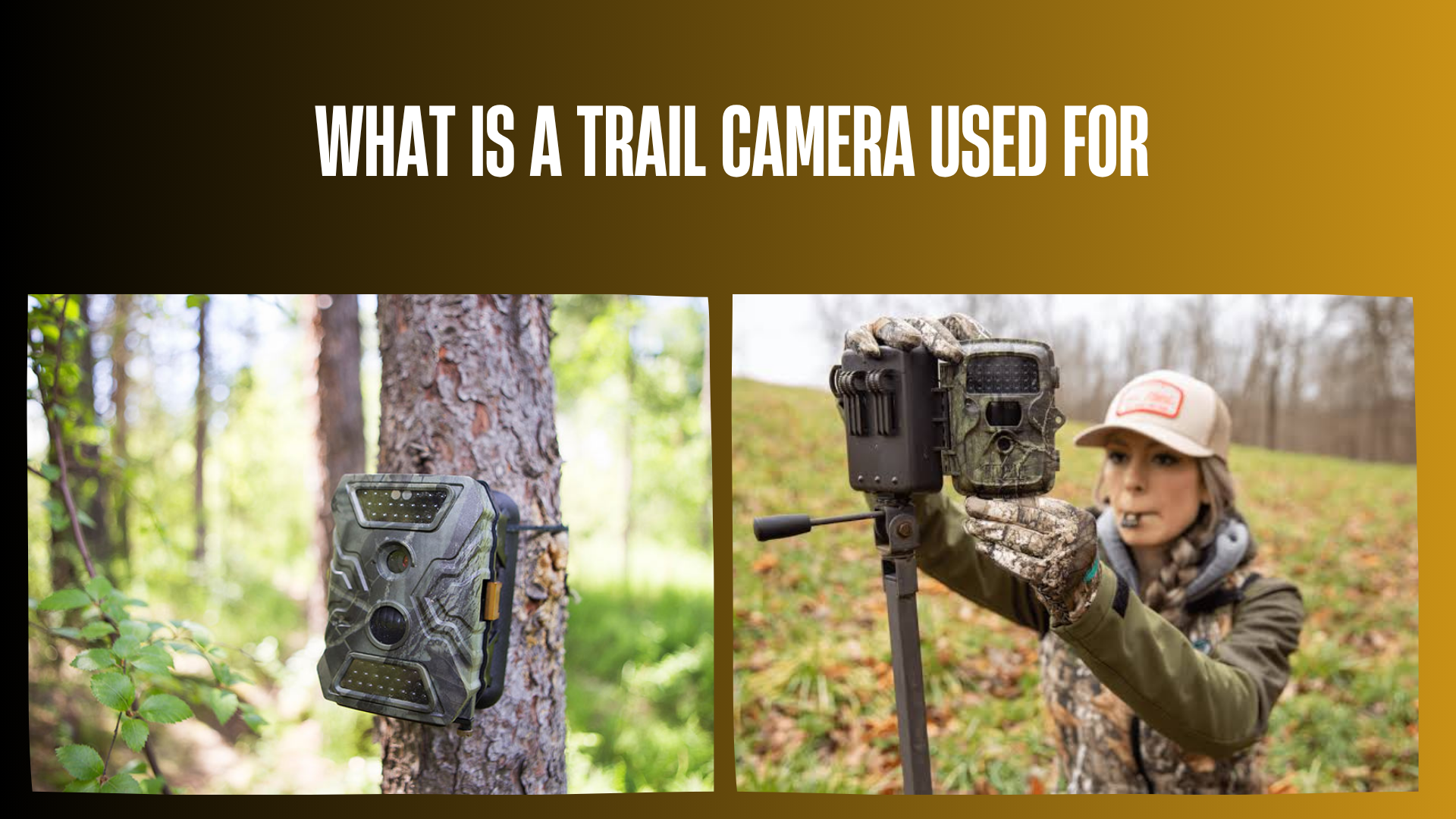

A trail camera is a remote camera designed to automatically capture photos or videos of wildlife, people, or outdoor activity when movement is detected. In hunting, a trail camera is mainly used as a scouting tool to help hunters understand animal behavior, identify movement patterns, monitor habitat use, and make better-informed decisions before entering the field.
Trail cameras have become one of the most common tools in modern wildlife observation and hunting preparation. They allow hunters to collect information about animals without constantly disturbing the area. However, a trail camera does not guarantee hunting success. It provides observations and data, while factors such as weather, habitat, hunting pressure, animal behavior, and regulations still influence what happens in the field.
This guide explains what a trail camera is used for, how it works, why hunters use them, where they are commonly placed, important setup considerations, legal and ethical concerns, and mistakes beginners should avoid.
Quick Answer: What Is a Trail Camera Used For?
A trail camera is used to remotely monitor wildlife activity by capturing images or videos when animals pass in front of the camera. Hunters commonly use trail cameras to scout deer movement, identify travel routes, monitor food sources, observe animal behavior, and gather information before hunting season or during the season.
A trail camera is a scouting tool, not a guarantee of finding or harvesting game. Hunters should use cameras responsibly, follow local regulations, respect property boundaries, and avoid excessive disturbance to wildlife.
Key Takeaways
- Trail cameras automatically capture wildlife images or videos using motion detection.
- Hunters use them to scout animal activity and understand patterns.
- They can help identify travel routes, feeding areas, and timing of movement.
- Camera data should be combined with other scouting information.
- Rules regarding trail cameras vary by location and public land regulations.
What Is a Trail Camera?
A trail camera, also called a game camera or wildlife camera, is a camera system designed for outdoor monitoring. Unlike a traditional camera that requires a person to press a button, a trail camera operates automatically.
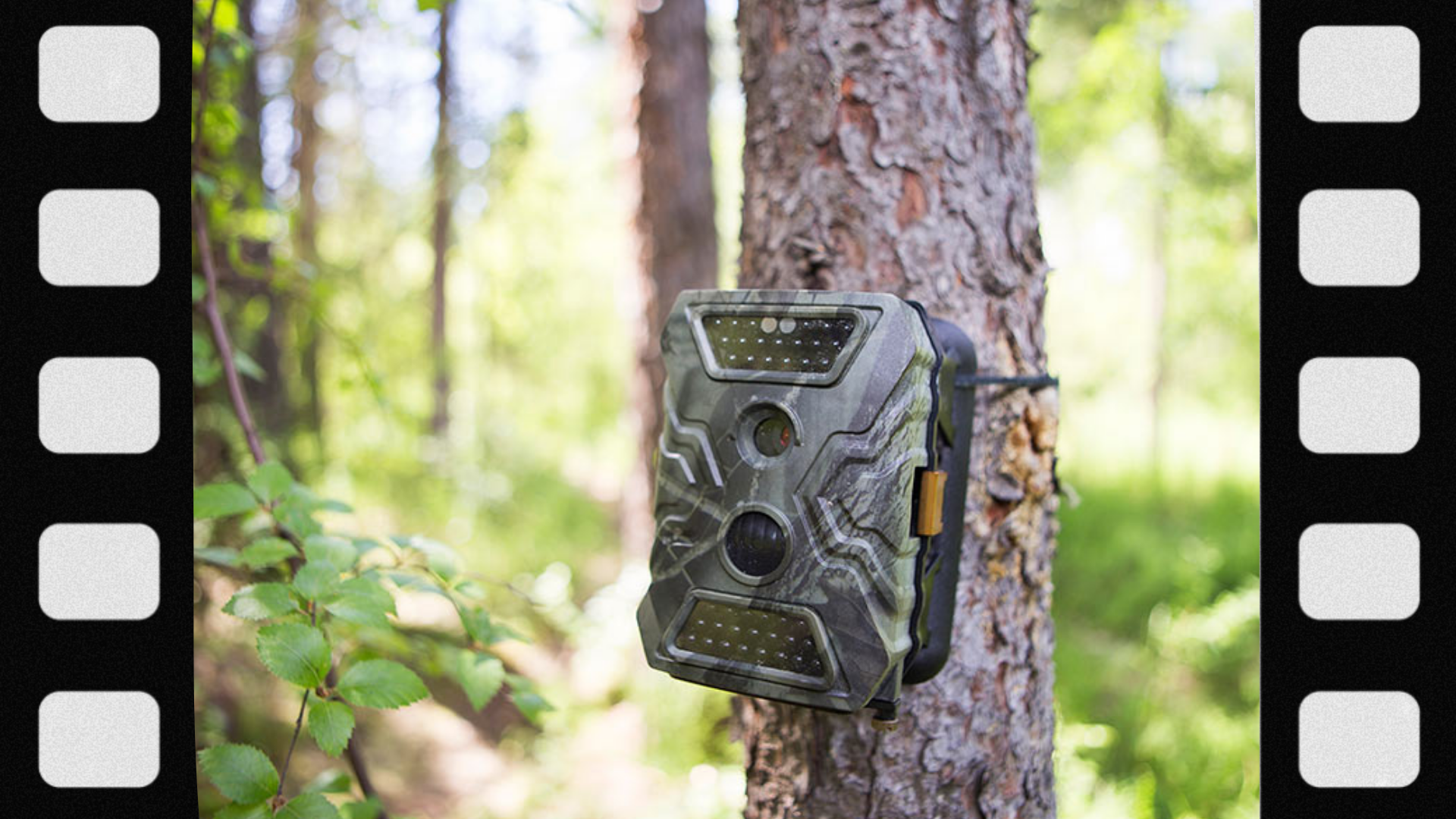
Most trail cameras include:
- A motion sensor that detects movement.
- A camera that captures photos or videos.
- Infrared or flash technology for low-light conditions.
- Storage for recorded images and videos.
- A weather-resistant housing for outdoor use.
- A power source such as batteries or external power options.
Some modern trail cameras may include wireless features that allow images to be transmitted remotely, depending on the model and available service.
What Is a Trail Camera Used For in Hunting?
For hunters, the primary purpose of a trail camera is scouting. Instead of relying only on direct observation, hunters can collect information about wildlife activity over days, weeks, or months.
1. Monitoring wildlife movement
One of the most common uses of trail cameras is learning when and where animals move.
A camera may help hunters observe:
- Time of day animals appear.
- Frequently used trails.
- Changes in movement patterns.
- Species using a specific area.
- Seasonal activity changes.
This information can help hunters better understand an area before making hunting decisions.
2. Scouting deer activity
Many hunters use trail cameras for deer scouting because deer behavior can change throughout the year.
Trail cameras may help identify:
- Areas where deer frequently travel.
- Potential feeding locations.
- Times when deer are active.
- Changes in buck activity.
- How animals respond to habitat changes.
However, deer movement is affected by many variables, including weather, food availability, hunting pressure, habitat conditions, and seasonal behavior. Camera observations should not be treated as a guaranteed prediction of future movement.
3. Finding travel corridors
Animals often move through natural routes created by terrain, vegetation, food sources, and shelter. Hunters may place trail cameras near possible travel corridors to observe how wildlife uses an area.
Examples include:
- Edges between forests and fields.
- Narrow openings between cover areas.
- Wildlife trails.
- Areas connecting feeding and bedding locations.
4. Monitoring food sources
Trail cameras are often used near natural food sources or managed habitat areas to observe wildlife activity.
Examples include:
- Agricultural fields.
- Natural vegetation.
- Fruit-producing plants.
- Food plots where permitted.
Hunters should always verify local regulations regarding baiting, feeding wildlife, and attractants because laws vary significantly between locations.
5. Identifying animal species
A trail camera can help identify what animals are using a property. This can be useful for wildlife observation, habitat management, and understanding local ecosystems.
Images may show:
- Deer.
- Turkeys.
- Predators.
- Small game.
- Other wildlife species.
How Does a Trail Camera Work?
A trail camera works by combining motion detection technology with automatic image or video capture.
Motion detection
When an animal moves within the camera’s detection area, the sensor triggers the camera to record an image or video.
Image capture
The camera records activity based on settings chosen by the user, such as:
- Photo mode.
- Video mode.
- Capture delay.
- Trigger sensitivity.
- Time-lapse settings.
Night operation
Many trail cameras can operate in low-light conditions using infrared technology. This allows users to monitor wildlife activity at different times of day without requiring direct observation.
Trail Camera Uses Beyond Hunting
Although trail cameras are popular among hunters, they are also used for other outdoor purposes.
Wildlife research and observation
Researchers and land managers may use remote cameras to study animal populations, behavior, habitat use, and wildlife activity.
Property monitoring
Some landowners use outdoor cameras to monitor activity on private property. Users should consider privacy laws and local regulations before recording areas where people may appear.
Conservation projects
Trail cameras can support conservation efforts by helping document wildlife presence and changes in habitat use.
Where Should You Put a Trail Camera?
Choosing the right location is one of the most important parts of using a trail camera effectively. A camera placed in the wrong area may collect little useful information, while a properly positioned camera can provide valuable observations about wildlife activity.
Hunters should choose locations based on habitat, animal behavior, access, and legal considerations rather than simply placing cameras randomly.
1. Near wildlife trails
Animal trails are common locations for trail cameras because they show where wildlife regularly travels.
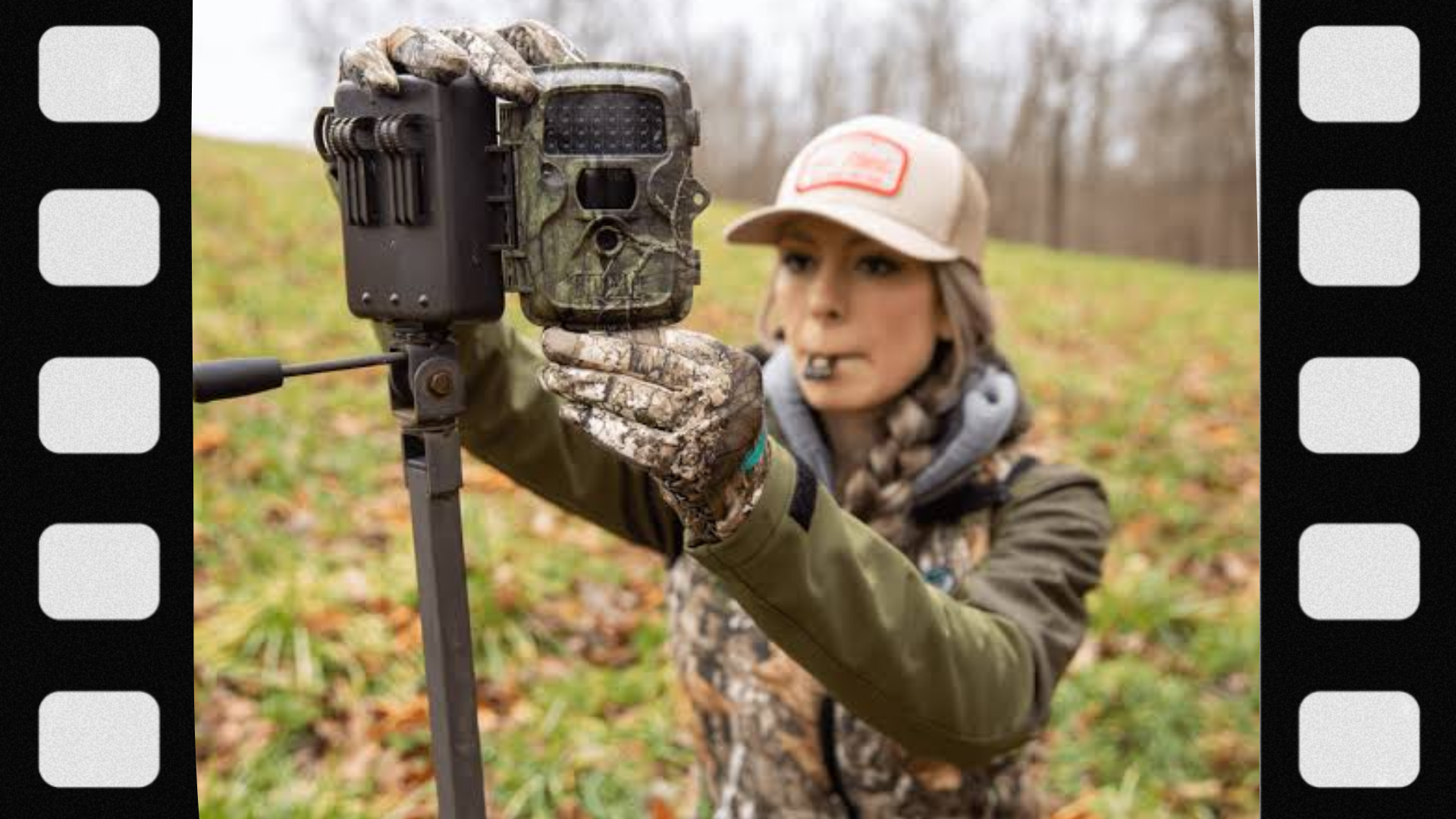
Possible locations include:
- Natural travel routes.
- Paths between bedding and feeding areas.
- Funnels created by terrain.
- Openings through thick vegetation.
However, animal movement changes over time. A trail that is active during one season may become less important later.
2. Near food sources
Food availability can influence where animals spend time. Hunters may use cameras near natural food sources or legal hunting areas to observe wildlife activity.
Examples include:
- Agricultural fields.
- Natural browse areas.
- Wild fruit-producing plants.
- Managed habitat areas.
Always check local regulations before using cameras near bait, feed, minerals, or attractants because rules differ by location.
3. Near water sources
Water can be an important habitat feature, especially during certain weather conditions. Trail cameras may help document which animals visit water sources and when activity occurs.
Examples include:
- Streams.
- Ponds.
- Water holes.
- Natural drainage areas.
4. Habitat transition areas
Places where different habitat types meet can be valuable observation points because animals often use these areas for movement and cover.
Examples include:
- Forest edges.
- Field borders.
- Brush lines.
- Changes between thick cover and open ground.
Trail Camera Placement Checklist
| Factor | What to Consider |
|---|---|
| Camera height | Position the camera according to the species and area being monitored |
| Camera angle | Avoid pointing directly into strong sunlight when possible |
| Detection zone | Make sure the camera covers the intended area |
| Access | Choose a location that allows safe and legal visits |
| Disturbance | Limit unnecessary activity around wildlife areas |
How to Set Up a Trail Camera
A proper setup helps improve the quality of information collected.
Step 1: Select a legal location
Before placing a camera, confirm that you have permission to use the property and that trail cameras are allowed in that area.
Rules may differ between:
- Private land.
- Public hunting areas.
- Wildlife management areas.
- Protected lands.
Step 2: Choose the camera direction
Camera direction matters because lighting conditions can affect image quality.
Many users avoid placing cameras where the lens faces directly toward rising or setting sunlight because glare may reduce visibility.
Step 3: Adjust settings
Trail camera settings should match the purpose of monitoring.
Common settings include:
- Photo or video mode.
- Trigger sensitivity.
- Time delay between captures.
- Image resolution.
- Time stamp options.
Step 4: Check the camera responsibly
Frequent visits may disturb wildlife and reduce the usefulness of the camera location.
Consider:
- Checking cameras when conditions allow minimal disturbance.
- Avoiding unnecessary activity near animal areas.
- Using remote systems when appropriate and legal.
What Information Can a Trail Camera Tell You?
A trail camera provides observations, not guarantees. The information collected can help hunters and wildlife observers understand patterns.
A camera may show:
- Which species are using an area.
- Approximate times of animal activity.
- Changes in animal presence.
- Seasonal behavior patterns.
- Responses to habitat changes.
Common Trail Camera Mistakes
1. Checking cameras too often
Constant visits can introduce human scent, noise, and disturbance. This may affect wildlife behavior and reduce the quality of observations.
2. Placing cameras randomly
A camera placed without considering habitat and animal movement may produce limited useful information.
3. Ignoring sunlight direction
Poor camera orientation can create washed-out images, shadows, or reduced visibility.
4. Expecting cameras to predict the future
Seeing an animal at a certain location and time does not guarantee it will return under the same conditions.
Wildlife behavior changes with:
- Weather.
- Food availability.
- Season.
- Human pressure.
- Habitat changes.
5. Forgetting maintenance
Outdoor equipment requires regular attention.
Users should check:
- Battery condition.
- Memory storage.
- Weather damage.
- Camera positioning.
- Physical security.
Trail Camera Safety and Legal Considerations
Trail camera laws vary depending on location. Hunters should always check current regulations from the appropriate wildlife agency before using cameras.
Rules may address:
- Use on public land.
- Remote transmission cameras.
- Electronic devices during hunting.
- Privacy concerns.
- Baiting and attractants.
A camera that is legal in one area may not be legal in another.
Ethical Use of Trail Cameras
Responsible hunters use trail cameras as scouting tools while respecting wildlife and land-use rules.
Ethical practices include:
- Respecting private property.
- Following public-land regulations.
- Avoiding unnecessary disturbance.
- Using information responsibly.
- Respecting wildlife conservation principles.
What Not to Do When Using a Trail Camera
- Do not place cameras on property where you do not have permission.
- Do not assume trail camera rules are the same everywhere.
- Do not use cameras to replace actual scouting knowledge.
- Do not assume one photo guarantees future animal behavior.
- Do not ignore privacy concerns when cameras may capture people.
- Do not use illegal baiting or attractants to manipulate wildlife activity.
Do You Need Expensive Trail Camera Gear?
You do not need the most expensive equipment to scout responsibly. A useful trail camera choice depends on your purpose, environment, durability needs, battery requirements, and local regulations.
Essential considerations
- Reliable image capture.
- Weather resistance.
- Battery performance.
- Simple operation.
- Appropriate placement options.
Optional features
- Wireless image transmission.
- Mobile applications.
- Video recording.
- Advanced detection settings.
Final Answer: What Is a Trail Camera Used For?
A trail camera is used to remotely monitor wildlife activity by capturing photos and videos when movement is detected. In hunting, the main purpose of a trail camera is scouting. Hunters use these cameras to observe animal movement, understand habitat use, monitor travel routes, and collect information before making hunting decisions.
A trail camera can help hunters learn more about an area, but it does not guarantee hunting success. Wildlife behavior changes because of weather, food availability, habitat conditions, hunting pressure, and seasonal patterns. Responsible hunters combine trail camera information with ethical hunting practices, local regulations, and real-world scouting.
Before using a trail camera, hunters should verify current rules in their area, respect property boundaries, avoid unnecessary disturbance, and use cameras as a tool for observation rather than a replacement for knowledge and preparation.
FAQs
1. What is a trail camera used for?
A trail camera is used to automatically capture images or videos of wildlife and outdoor activity. Hunters commonly use trail cameras for scouting, monitoring animal movement, and learning how wildlife uses an area.
2. How does a trail camera work?
A trail camera uses motion detection sensors to trigger photo or video recording when an animal or object enters the detection area.
3. Why do hunters use trail cameras?
Hunters use trail cameras to gather information about wildlife activity without constantly being present in the area. This can help them understand movement patterns and habitat use.
4. Are trail cameras only used for deer hunting?
No. Trail cameras can be used to monitor many wildlife species, including deer, turkey, predators, and small game, depending on location and purpose.
5. Do trail cameras guarantee hunting success?
No. A trail camera provides information, but animal behavior can change because of weather, food, habitat, pressure, and other factors.
6. Where should I place a trail camera?
Common locations include wildlife trails, habitat edges, food sources, water areas, and places where animals naturally travel.
7. How high should a trail camera be mounted?
Camera height depends on the species being monitored, terrain, and camera angle. Users should position cameras according to their observation goals.
8. How often should I check my trail camera?
The best checking schedule depends on the location, camera type, and purpose. Checking too frequently may increase disturbance in wildlife areas.
9. Can trail cameras scare deer?
Wildlife reactions vary. Some animals may become aware of human activity, while others may ignore cameras. Placement, scent, movement, and disturbance can influence animal behavior.
10. What is the difference between a trail camera and a security camera?
Trail cameras are designed for outdoor wildlife monitoring and often use motion detection and camouflage features. Security cameras are generally designed for property monitoring and human activity.
11. Do trail cameras work at night?
Many trail cameras can capture images or videos during low-light conditions using infrared technology or other night-vision features.
12. How long do trail camera batteries last?
Battery life depends on the camera model, settings, weather conditions, image frequency, and how often the camera is triggered.
13. Can trail cameras record videos?
Many trail cameras offer video recording options. The available features depend on the specific camera model.
14. Are cellular trail cameras worth it?
Cellular trail cameras can be useful for users who want remote access to images, but their value depends on location, service availability, cost, and personal needs.
15. Do trail cameras need internet?
Traditional trail cameras usually do not require internet access. Cellular models may require a compatible service plan to transmit images remotely.
16. Can I use a trail camera on public land?
It depends on local regulations. Some public lands have specific rules regarding trail camera placement and use.
17. Are trail cameras legal everywhere?
No. Trail camera regulations vary by state, province, wildlife management area, and land type. Hunters should verify current rules before use.
18. Can I put a trail camera on private property?
You should only place cameras on property where you have permission. Respecting property rights is an important part of responsible outdoor behavior.
19. What animals can trail cameras detect?
Trail cameras can record many animals depending on location, camera settings, and detection range.
20. Can trail cameras help with wildlife research?
Yes. Researchers, conservation groups, and land managers often use remote cameras to study animal behavior and habitat use.
21. What settings should I use on a trail camera?
Settings depend on your purpose. Common options include photo mode, video mode, trigger sensitivity, and capture delay.
22. Why is my trail camera not getting pictures?
Possible causes include poor placement, incorrect settings, battery issues, memory problems, limited animal activity, or technical problems.
23. Why are my trail camera pictures blurry?
Blurry images may result from camera settings, animal movement, lighting conditions, or placement issues.
24. Why are deer avoiding my trail camera?
Possible reasons include human disturbance, scent, camera placement, environmental changes, or natural changes in deer movement.
25. Can trail cameras replace scouting?
No. Trail cameras are one scouting tool. They work best when combined with knowledge of habitat, animal behavior, and responsible field observation.
26. Should I use a flash or infrared trail camera?
The choice depends on personal preference, desired image quality, and the conditions where the camera will be used.
27. How do I protect a trail camera from theft?
Users can consider secure mounting methods, appropriate placement, and following property-use rules. No security method completely eliminates theft risk.
28. Can trail cameras disturb wildlife?
Any human activity around wildlife areas can potentially create disturbance. Responsible placement and limited visits can help reduce impact.
29. What is the biggest mistake beginners make with trail cameras?
A common mistake is expecting cameras to provide guaranteed answers instead of using them as one source of information among many.
30. Are expensive trail cameras better?
More expensive cameras may include additional features, but the best choice depends on the user’s goals, environment, and practical needs.
Read more: