

What are hunting regulations? They are the laws and official rules that control when, where, how, and what wildlife may be hunted. They commonly cover licenses, permits, seasons, legal weapons, bag limits, hunter education, tagging, reporting, land access, and safety requirements. Because these rules vary by location and species, always check the current regulations from the appropriate wildlife agency before hunting.
What Hunting Regulations Usually Cover
| Regulation Area | What It May Control |
|---|---|
| Licenses and permits | Who may hunt and which species or areas they may hunt |
| Seasons and hours | Opening dates, closing dates, legal shooting hours, and special seasons |
| Bag limits | The number, sex, age, or type of animals a hunter may harvest |
| Legal equipment | Approved firearms, ammunition, bows, crossbows, shotguns, muzzleloaders, and optics |
| Tagging and reporting | How harvested animals must be tagged, recorded, checked, or reported |
| Land access | Rules for public land, private property, wildlife areas, and restricted zones |
| Safety requirements | Hunter education, hunter orange, firearm transport, boating, or tree-stand rules |
Why Hunting Regulations Vary
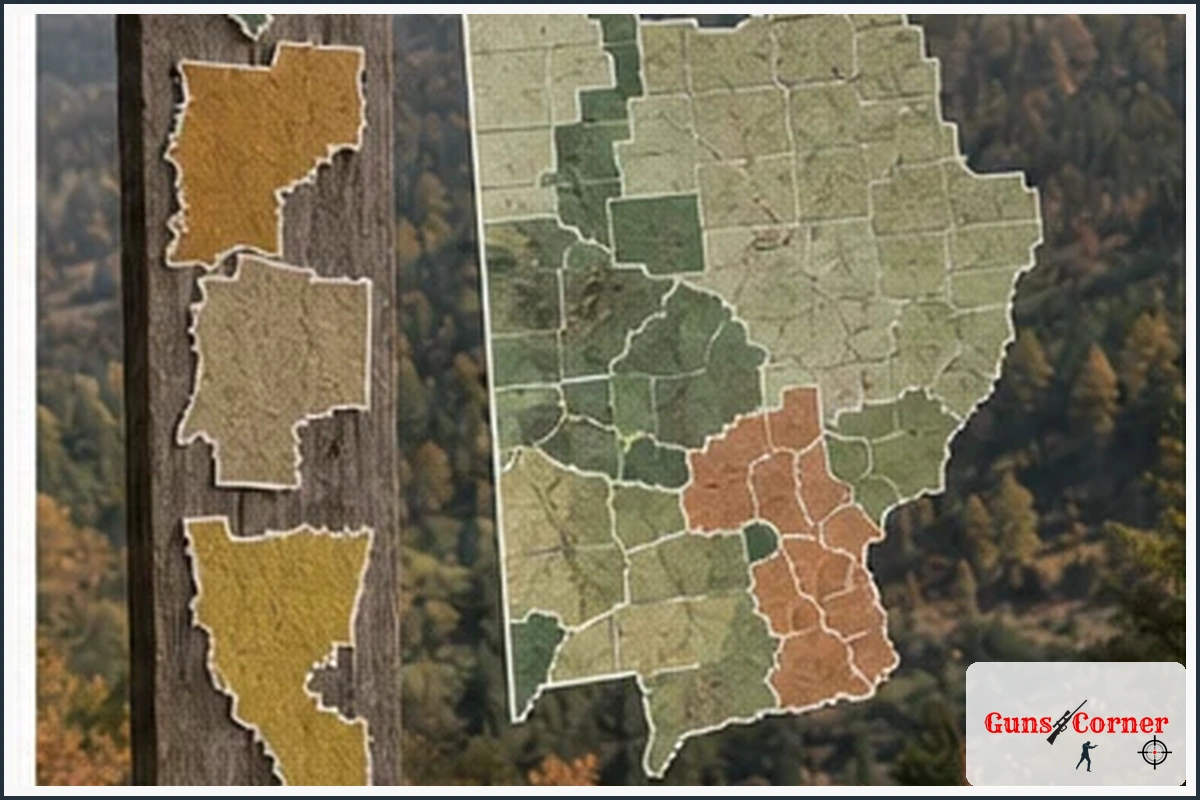
There is no single nationwide set of hunting rules. Requirements can change by country, state, province, county, wildlife management unit, species, season, weapon type, land category, and residency status.
For example, a deer season may have different rules for archery, muzzleloader, and rifle hunting. A public wildlife area may also impose restrictions that do not apply on private land. Emergency rules may be added to address disease, drought, fire danger, or wildlife population changes.
Regulations You Should Check Before Hunting
Licenses, permits, and hunter education
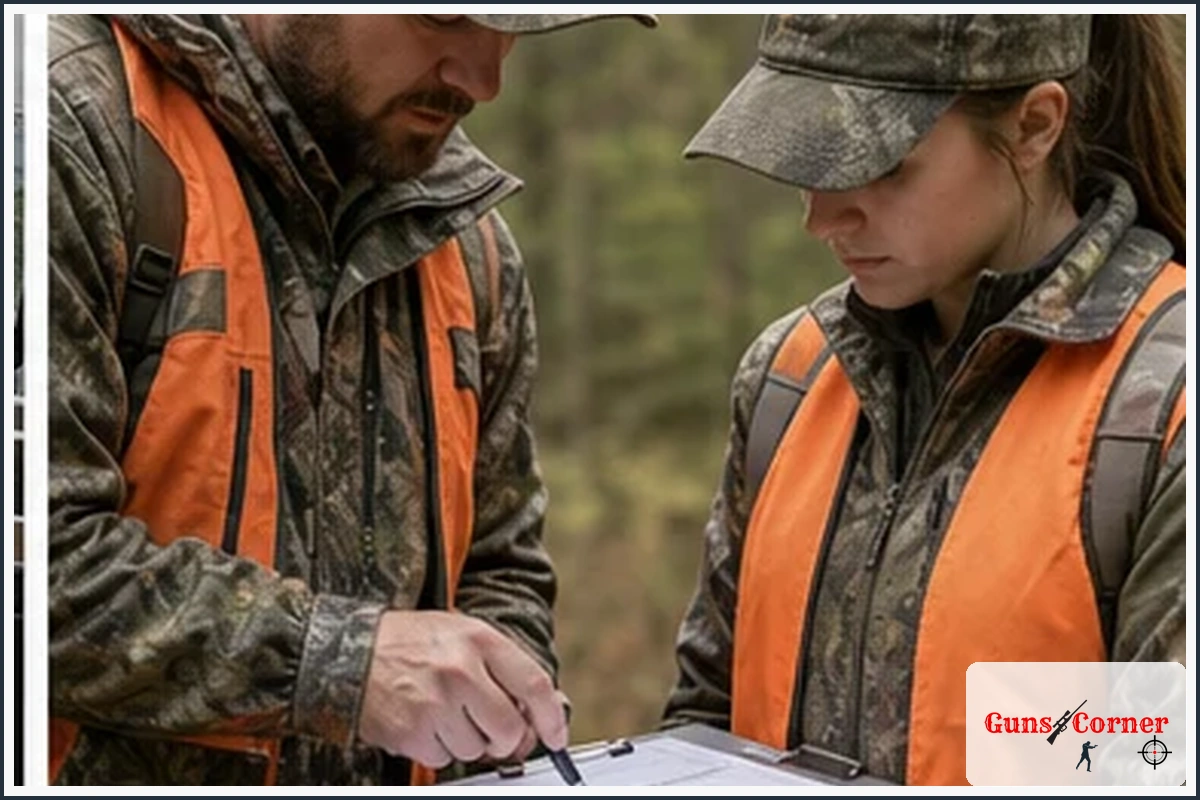
Most jurisdictions require an appropriate hunting license, and some hunts also require species-specific permits, tags, stamps, or lottery approval. Many first-time hunters must complete an approved hunter-education course, although exemptions may exist.
Carry required documents in the format accepted by the regulating agency. Confirm whether licenses must be printed, displayed electronically, signed, or attached to harvested game.
Season dates and legal hunting hours
Check the exact season for the species, location, weapon, and season segment. Legal shooting hours may differ for big game, migratory birds, predators, and small game.
Do not assume that a general season date applies to every wildlife management unit. Always verify opening and closing times in the current official regulation booklet.
Bag limits and possession limits
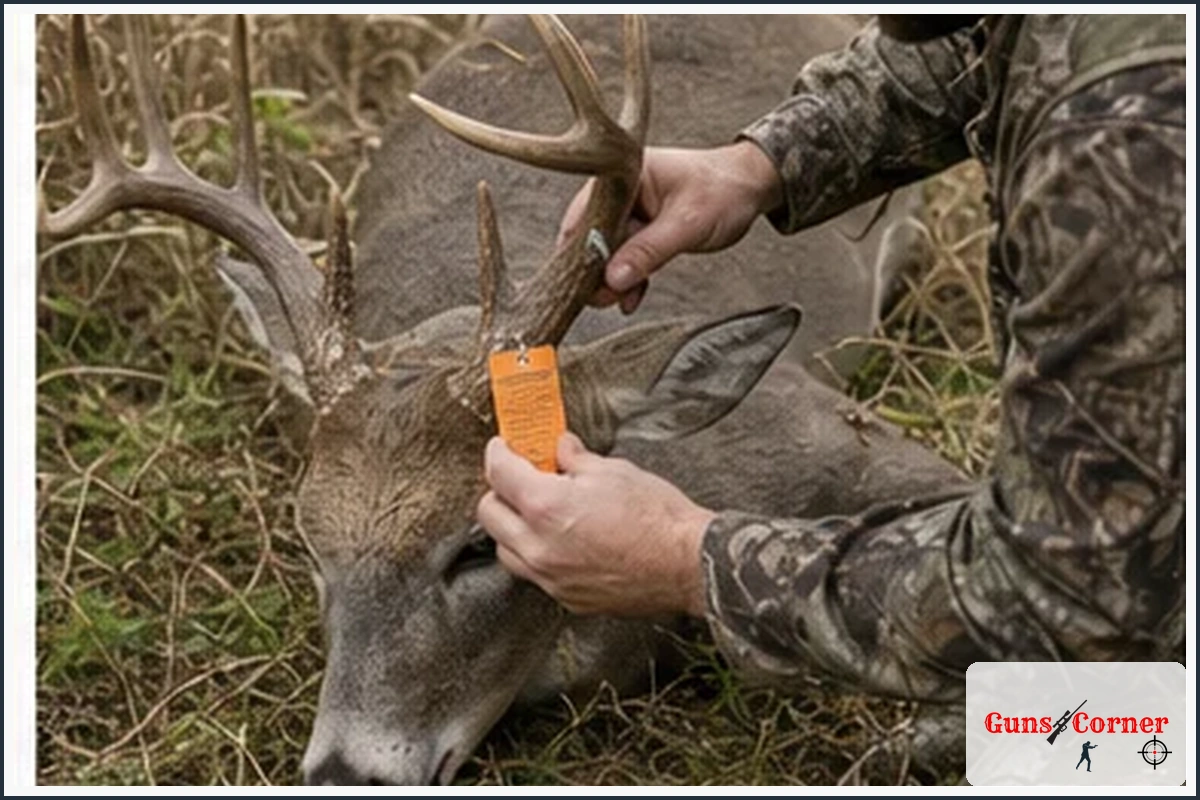
A bag limit is the amount a hunter may legally harvest during a specified period. A possession limit may restrict the total number a person may possess after multiple hunting days.
Limits may distinguish between antlered and antlerless animals, males and females, species, subspecies, or age classes. Exceeding a limit can be a serious violation even if the animals were taken on different days.
Legal weapons and ammunition
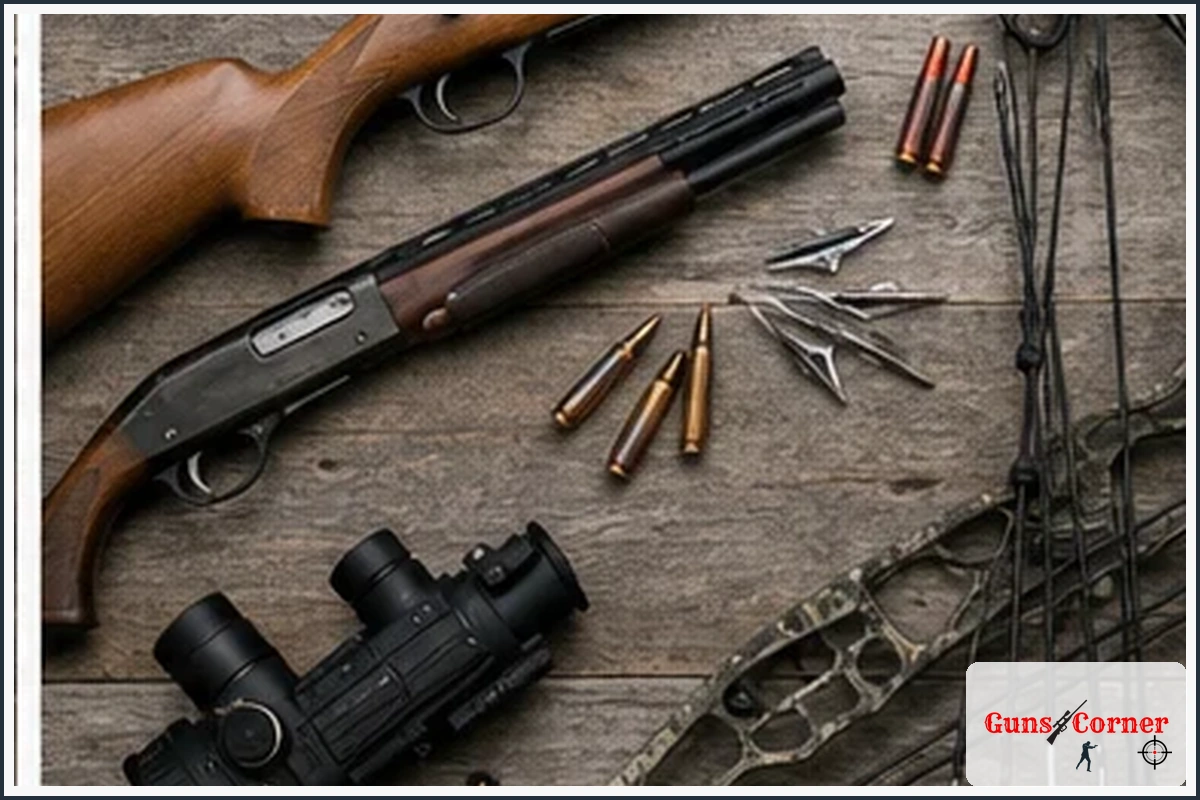
Regulations may specify which firearms, gauges, calibers, bullets, shot sizes, bows, crossbows, muzzleloaders, broadheads, or electronic equipment are legal.
Some areas restrict centerfire rifles, require non-toxic shot, limit muzzleloader features, establish minimum archery equipment standards, or prohibit certain sights and night-vision devices. Never assume that equipment legal in one state or season is legal elsewhere.
Tagging, checking, and reporting harvested game
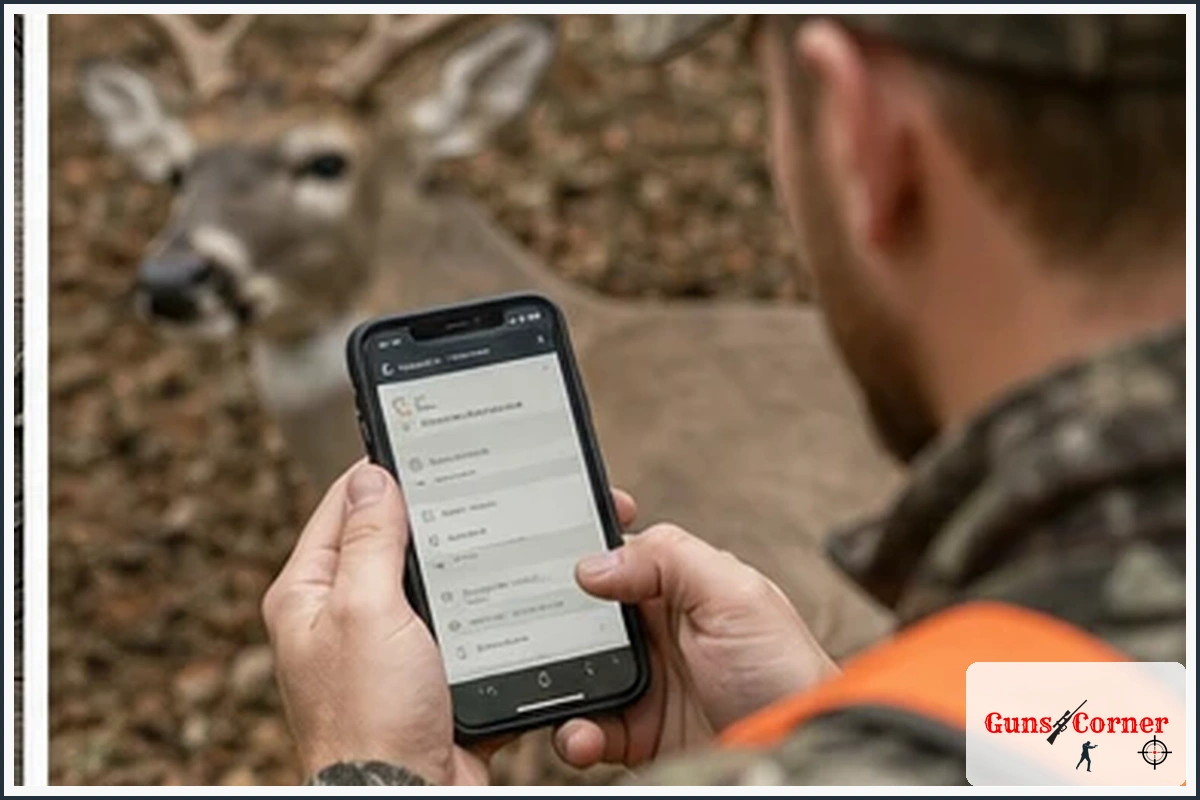
Many jurisdictions require hunters to immediately tag harvested animals and later report or check them through an agency website, phone system, mobile application, or check station.
Read the instructions before hunting. Incorrect tag information, missed reporting deadlines, or failure to validate a harvest may create legal problems even when the animal was taken during an otherwise legal hunt.
Land access and property boundaries
Public land may include national forests, state forests, wildlife management areas, military lands, reservoirs, and other properties with separate rules. Private land generally requires landowner permission, and permission to enter does not always authorize every hunting method.
Check boundaries, access restrictions, parking rules, vehicle regulations, baiting provisions, camping rules, and posted closures. Do not trespass to hunt or recover game.
How to Find the Correct Hunting Regulations
- Identify the country, state, province, or territory where you will hunt.
- Find the official wildlife or natural-resources agency website.
- Select the species and hunting location.
- Choose the correct season, weapon type, and land category.
- Review license, permit, tag, bag-limit, and reporting requirements.
- Check special restrictions for bait, dogs, electronic calls, thermal optics, suppressors, or night hunting.
- Read the current regulation booklet and check for emergency orders or corrections.
- Carry the required license, tags, identification, and permits in the field.
Official regulations override general online articles, summaries, and older printed materials. Check them again immediately before the hunt because rules can change during a season.
Common Special Rules Hunters May Miss
- Different rules for public and private land
- Separate archery, muzzleloader, shotgun, and modern-firearm seasons
- Hunter-orange requirements
- Non-toxic ammunition requirements for waterfowl or certain wildlife areas
- Restrictions on baiting, feeding, mineral sites, or food plots
- Prohibitions on spotlighting, artificial light, or thermal equipment
- Restrictions on electronic calls or remote-controlled decoys
- Special disease-management zones, including chronic wasting disease rules
- Separate youth, disability, apprentice, or military seasons
- Weapon restrictions near roads, buildings, camps, or occupied structures
- Additional rules for migratory birds and federal lands
What Are Hunting Regulations Designed to Do?
Hunting regulations support wildlife conservation, sustainable harvest, public safety, fair chase, habitat management, and ethical hunting. Season dates and limits are often based on population information, reproduction, migration, habitat conditions, and long-term management goals.
Following the rules also helps protect access to hunting areas and maintains public confidence in hunters. Responsible hunters identify their target positively, use appropriate equipment, recover harvested game, avoid waste, and respect property boundaries.
Safety Rules That Apply Regardless of Local Regulations
Legal hunting is not automatically safe hunting. Follow the four universal firearm-safety principles:
- Treat every firearm as if it is loaded.
- Keep the muzzle pointed in a safe direction.
- Keep your finger outside the trigger guard until ready to shoot.
- Be certain of your target and what is beyond it.
Use eye and hearing protection, follow manufacturer instructions, maintain a safe backstop, and never rely on a mechanical safety to replace careful handling. Do not climb into a tree stand, cross an obstacle, or enter a boat with a loaded firearm unless the applicable safety procedures specifically allow it and the firearm remains controlled.
Common Mistakes to Avoid
- Using last year’s regulation booklet
- Checking only the statewide summary instead of the specific wildlife unit
- Assuming private-land rules apply on public land
- Forgetting a species permit, tag, stamp, or harvest report
- Assuming equipment legal in another state is legal locally
- Ignoring emergency wildlife or disease regulations
- Failing to confirm legal shooting hours
- Entering private property without clear permission
- Taking a shot without positive target identification
- Waiting until after the hunt to learn tagging or reporting procedures
What to Do Before Leaving for the Field
- Read the current official regulation guide.
- Confirm your license, permits, tags, and identification.
- Verify the season, hunting unit, legal hours, and bag limit.
- Confirm that your firearm, bow, ammunition, broadheads, calls, and optics are legal.
- Check access permission and property boundaries.
- Practice with the equipment you will actually use.
- Tell someone where you are going and when you expect to return.
- Carry navigation, communication, first-aid, weather, and emergency equipment appropriate for the area.
FAQs
1. What are hunting regulations?
Hunting regulations are official laws governing hunting seasons, licenses, species, equipment, bag limits, land access, tagging, reporting, and safety.
2. Who makes hunting regulations?
Rules are usually established by a state, provincial, territorial, federal, or national wildlife agency. Land-management agencies may add rules for specific properties.
3. Are hunting regulations the same everywhere?
No. Regulations vary by jurisdiction, species, location, season, weapon, land category, and residency.
4. Where can I find current hunting regulations?
Use the official wildlife or natural-resources agency website for the location where you intend to hunt. Read the current regulation booklet and any emergency updates.
5. Do I need a hunting license?
In many jurisdictions, yes. The required license depends on the species, location, residency, age, and type of hunt.
6. Is hunter education required?
Many jurisdictions require hunter education for certain hunters, especially beginners or younger hunters. Requirements and exemptions vary.
7. What is a hunting permit?
A permit is an authorization for a specific opportunity, species, area, season, or method. Some permits are issued through drawings or limited quotas.
8. What is a hunting tag?
A tag is a document or electronic authorization used to identify and record a legally harvested animal.
9. What is a bag limit?
A bag limit is the maximum number of animals a hunter may legally harvest during a stated period or season.
10. What is a possession limit?
A possession limit is the maximum amount of legally taken wildlife a person may possess at one time under applicable rules.
11. Can hunting seasons differ within one state?
Yes. Wildlife management units, counties, public lands, species, and weapon types may have different seasons.
12. Are hunting hours regulated?
Often. Legal shooting hours may be based on sunrise, sunset, or specific times listed in the regulation guide.
13. Are rifles legal for every hunting season?
No. Some seasons or areas restrict rifles or require specific cartridges, bullets, or firearm types.
14. Are bows and crossbows regulated?
Yes. Rules may address draw weight, broadhead dimensions, crossbow specifications, season dates, and permitted hunting areas.
15. Is hunter orange required?
Some jurisdictions require fluorescent orange or another visibility color during particular seasons or on certain lands. Check the local rule.
16. Is baiting legal?
Baiting rules vary widely by species, location, season, and disease-management status. Never assume baiting is legal without checking current regulations.
17. Are electronic calls legal?
Electronic-call rules differ by species and jurisdiction. Some allow them for certain predators or nuisance wildlife but prohibit them for other game.
18. Are thermal scopes legal for hunting?
Thermal and night-vision equipment may be restricted or prohibited for particular species, times, or areas. Verify the current rule before use.
19. Can I hunt on public land without checking extra rules?
No. Public properties may have additional regulations for access, weapons, vehicles, camping, bait, shooting hours, and restricted zones.
20. Do I need permission to hunt private land?
Generally, you need clear permission from the landowner or lawful occupant. Confirm boundaries and any conditions attached to that permission.
21. What happens if I exceed a bag limit?
Exceeding a bag limit may result in citations, fines, loss of hunting privileges, or other penalties. Stop hunting that species once you reach the legal limit.
22. Do I have to report harvested game?
Many jurisdictions require harvest reporting or checking, sometimes within a short deadline. Follow the exact instructions for the species and location.
23. Can hunting regulations change during a season?
Yes. Emergency orders, disease concerns, weather events, fires, or population changes can lead to temporary changes.
24. Are federal hunting regulations different from state regulations?
They can be. Migratory birds, federal lands, wildlife refuges, and certain protected species may be subject to federal rules in addition to state requirements.
25. Can I use regulations from a previous year?
No. Older guides may contain incorrect dates, limits, equipment rules, or disease restrictions. Use the current official publication.
26. What should I do if two sources disagree?
Use the most recent regulation published by the responsible official agency and contact that agency for clarification before hunting.
27. Are there special hunting rules for young hunters?
Many jurisdictions offer youth seasons or special supervision requirements. Confirm age limits, adult-supervision rules, and equipment restrictions.
28. Do hunting regulations protect wildlife?
Yes. Seasons, permits, limits, and equipment rules help manage harvest and support sustainable wildlife populations and conservation programs.
29. Does following regulations guarantee a safe hunt?
No. Legal compliance must be combined with firearm or archery safety, weather awareness, navigation, target identification, and ethical judgment.
30. What is the most important regulation to check first?
Start with the current official rules for your exact location, species, season, weapon, and land type. Those details determine nearly every other requirement.
Final Answer
What are hunting regulations? They are the location-specific laws and rules that determine who may hunt, what may be hunted, when and where hunting is allowed, which equipment is legal, and how harvested game must be handled and reported. Before hunting, verify the current official regulations for your species, wildlife unit, weapon, land category, and residency status. Follow them alongside safe firearm handling, hunter education, fair-chase principles, and responsible wildlife conservation.