
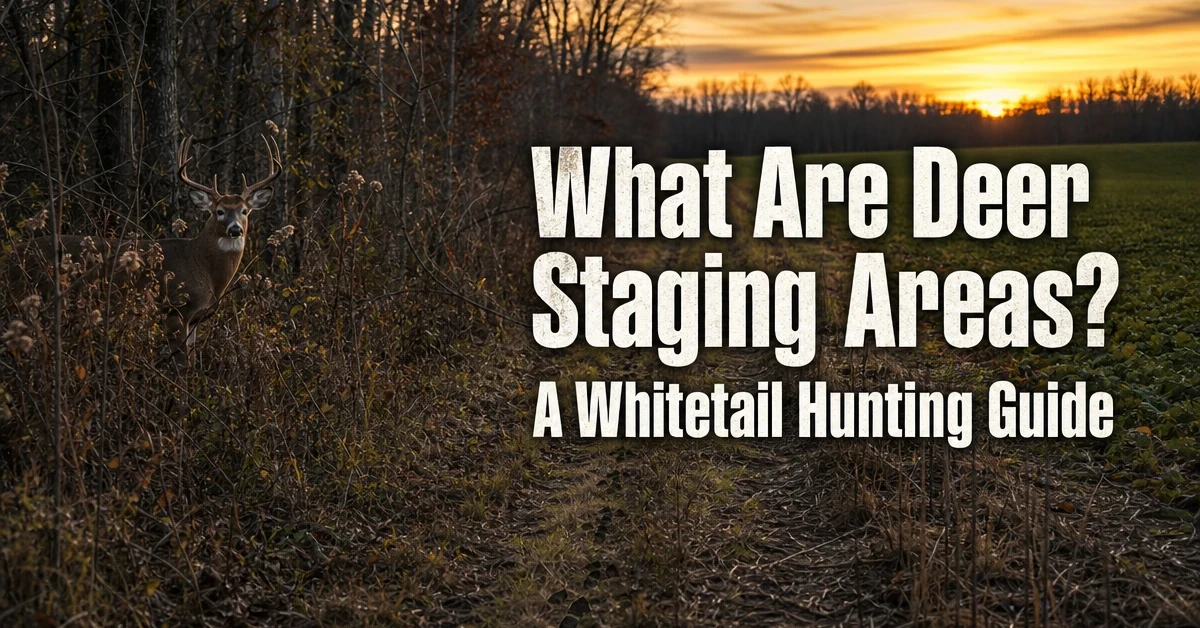

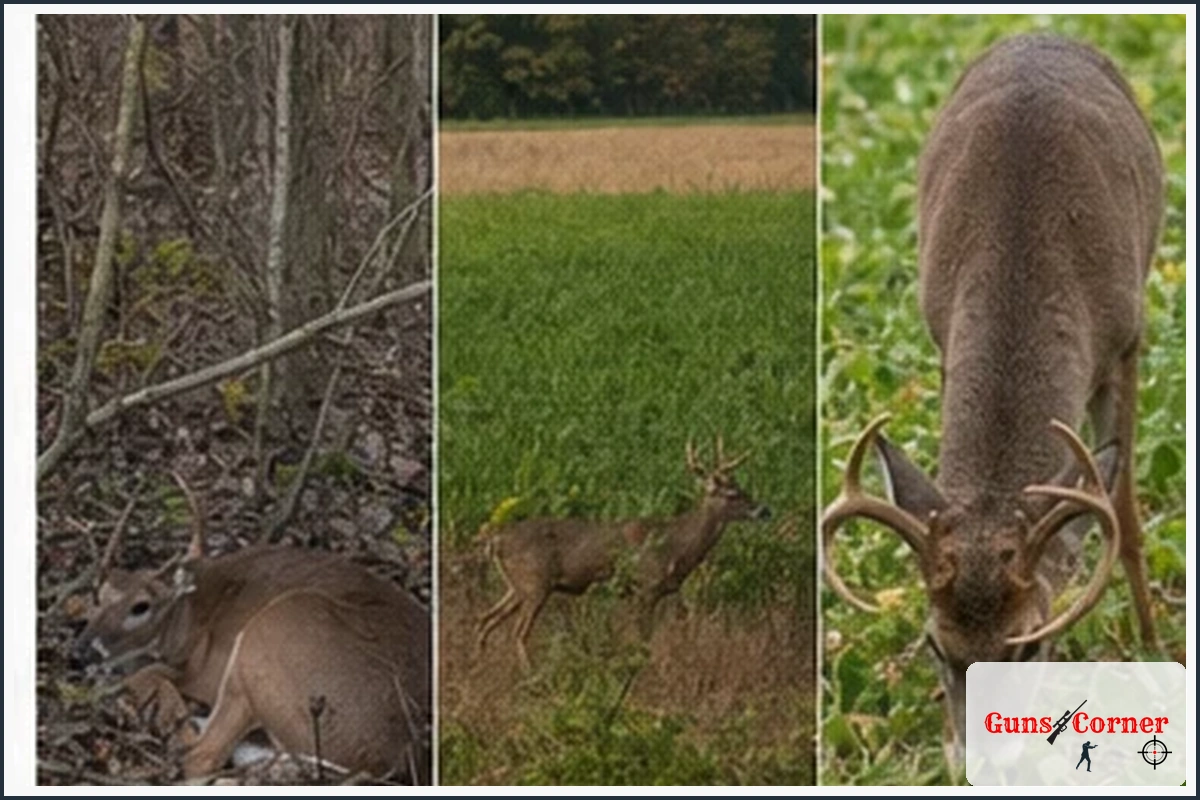
What are deer staging areas? They are transition spots where whitetails pause, check their surroundings, and prepare to move between bedding cover and feeding areas, often shortly before dark. Learning to identify these locations can improve scouting and stand placement, but deer use them differently depending on wind, pressure, food, terrain, and season.
What Are Deer Staging Areas?
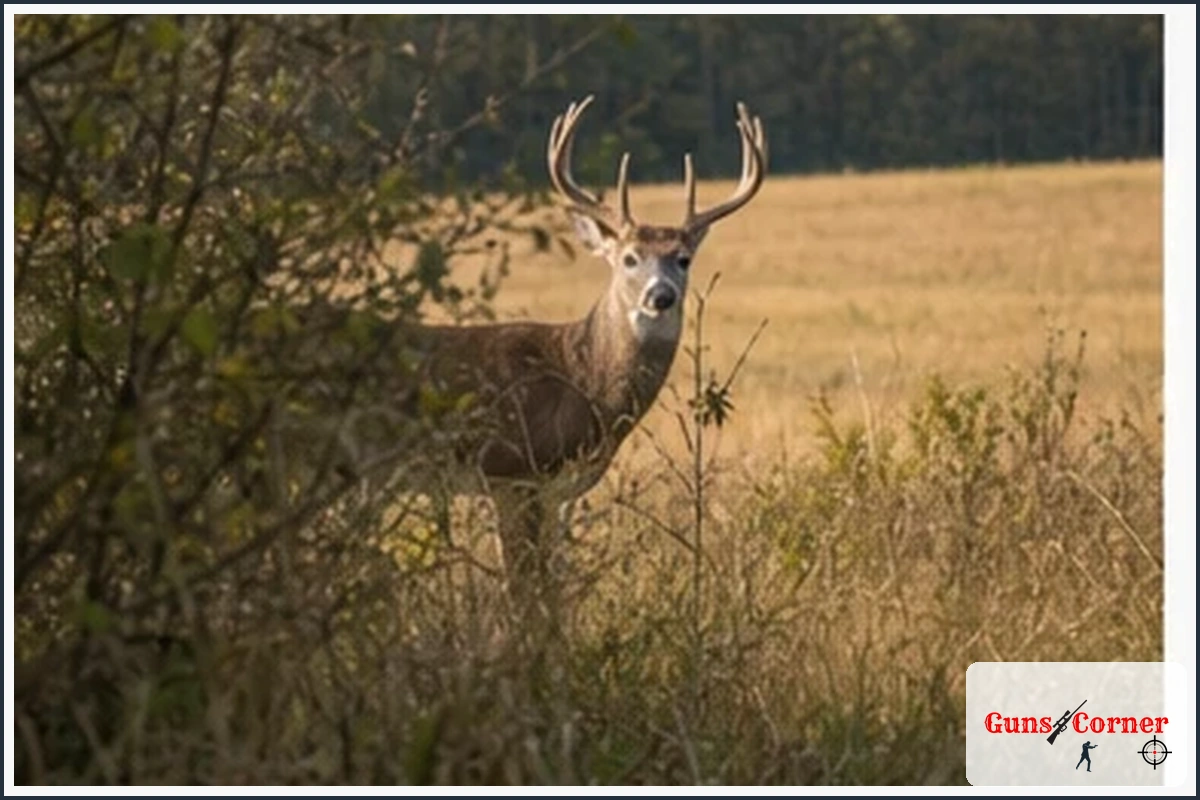
A deer staging area is a secure zone near a food source where deer gather or pause before entering open feeding habitat. It may be a strip of brush, young forest, tall grass, thick conifers, or the edge of a crop field.
Staging areas are usually closer to feeding areas than bedding areas. Deer may spend minutes or several hours there, browsing, socializing, checking the wind, and waiting for better visibility or darkness before moving into the open.
Where Do Deer Staging Areas Form?
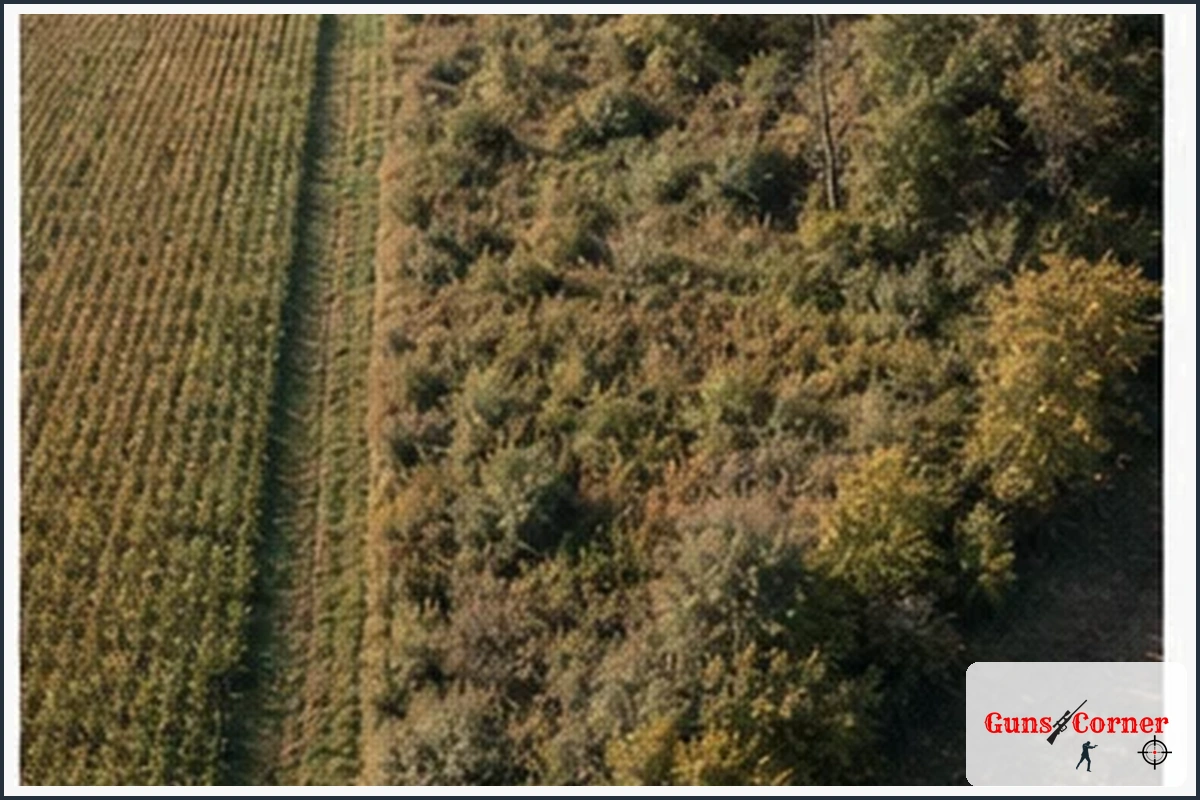
Look for places that combine concealment, nearby food, and a feeling of security. Common examples include:
- Brushy edges between woods and agricultural fields
- Young clear-cuts or overgrown logging roads
- Conifer pockets near crop fields or food plots
- Tall grass, weeds, and patches of native cover
- Thick creek bottoms and brush-lined draws
- Small openings inside larger timber stands
- Transition zones between mature timber and dense regeneration
- Benches or flat areas below bedding cover and above feeding locations
A staging area is not always obvious. It may be only a narrow band of cover between a bedding area and a destination food source.
How to Identify a Deer Staging Area
Look for Concentrated Sign
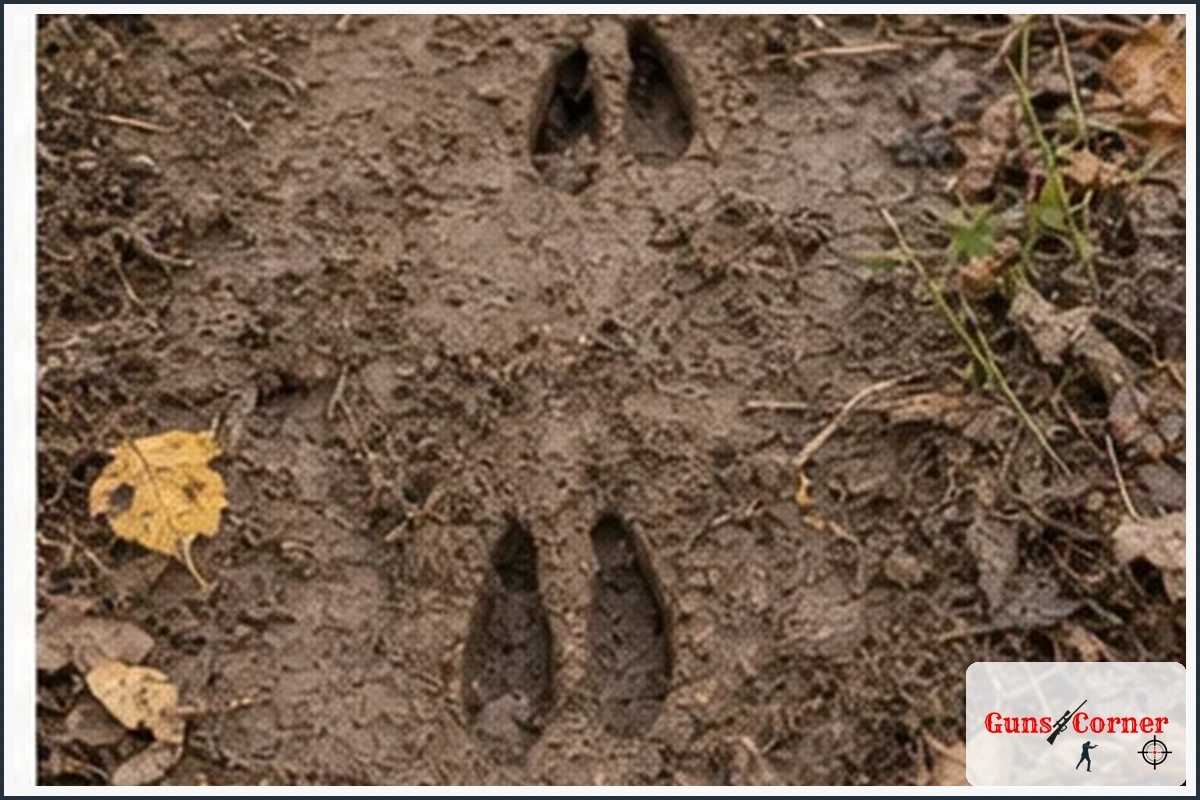
Several types of sign together are more useful than one isolated clue. Check for:
- Multiple fresh tracks leading toward food
- Numerous trails entering or leaving cover
- Browsed plants and clipped stems
- Fresh droppings in or near thick cover
- Rubs, especially along travel routes
- Occasional beds located near, but not directly inside, feeding areas
- Flattened vegetation and repeated crossings
Study the Transition
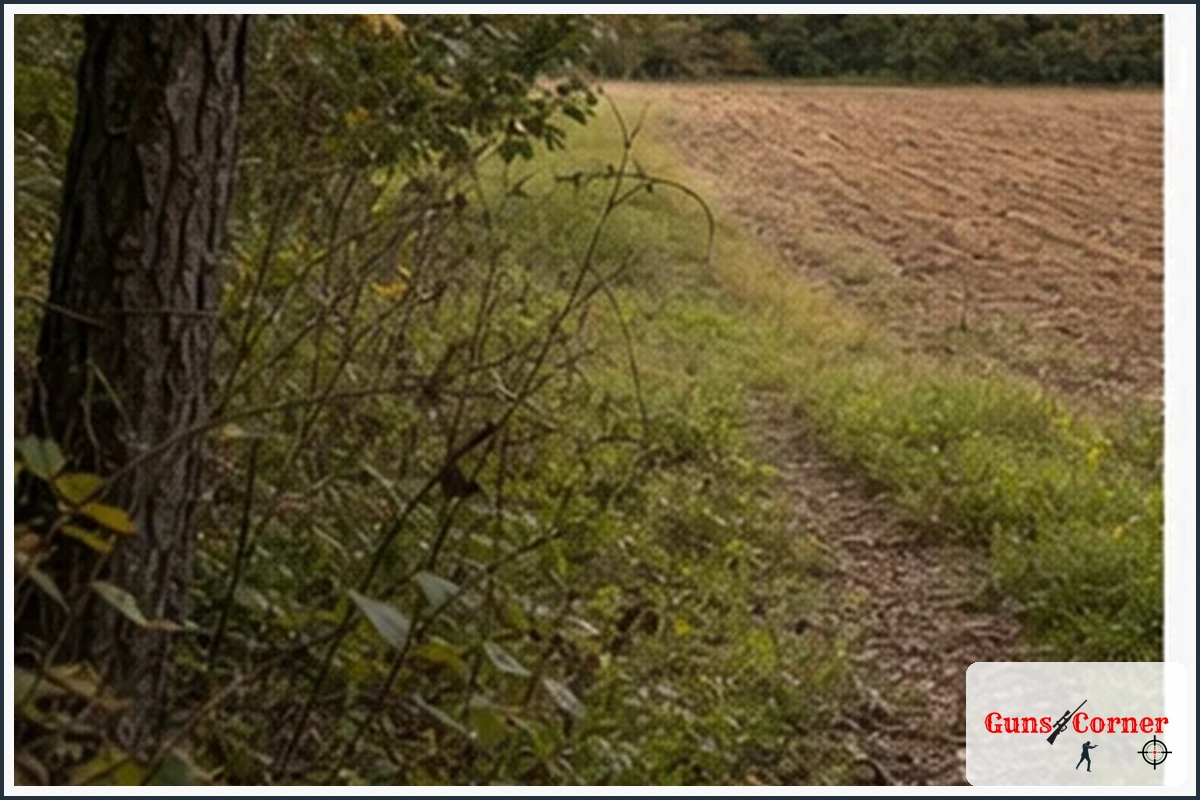
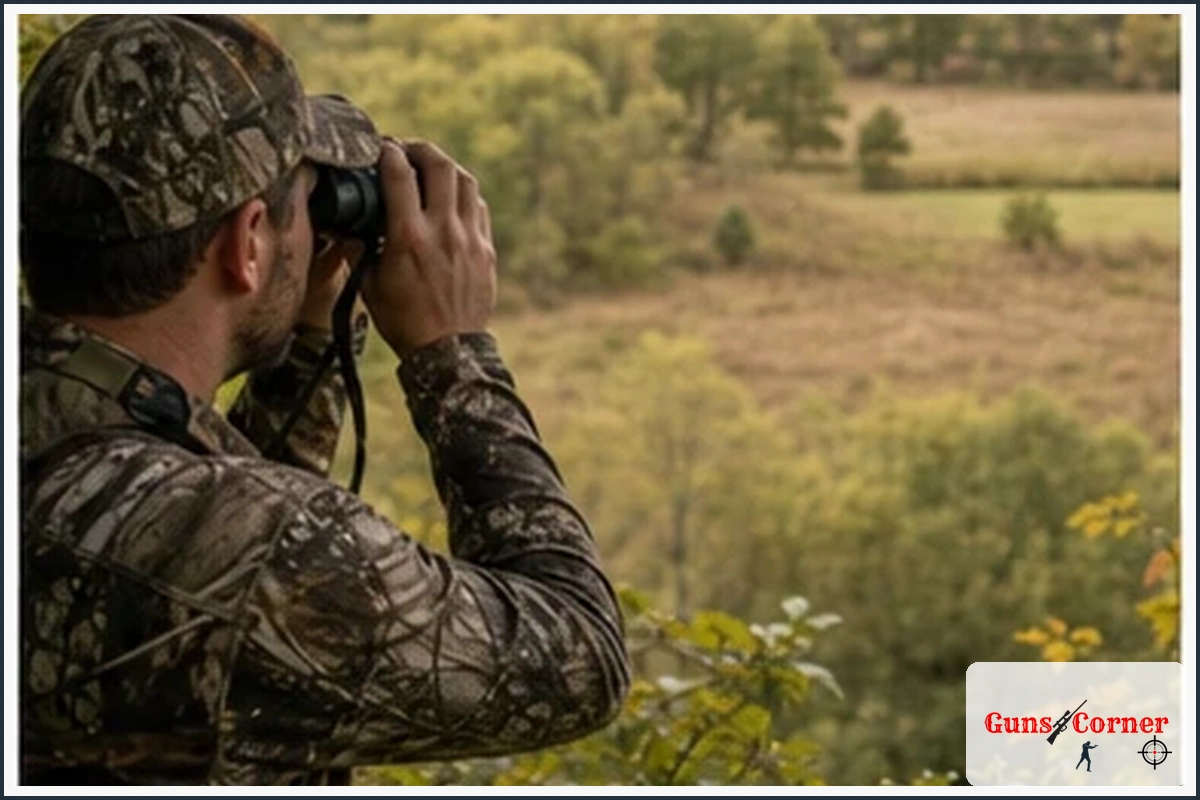
Focus on the boundary between security cover and feeding habitat. Deer often prefer to remain hidden until the last practical moment, especially where they experience hunting pressure.
Consider the Wind
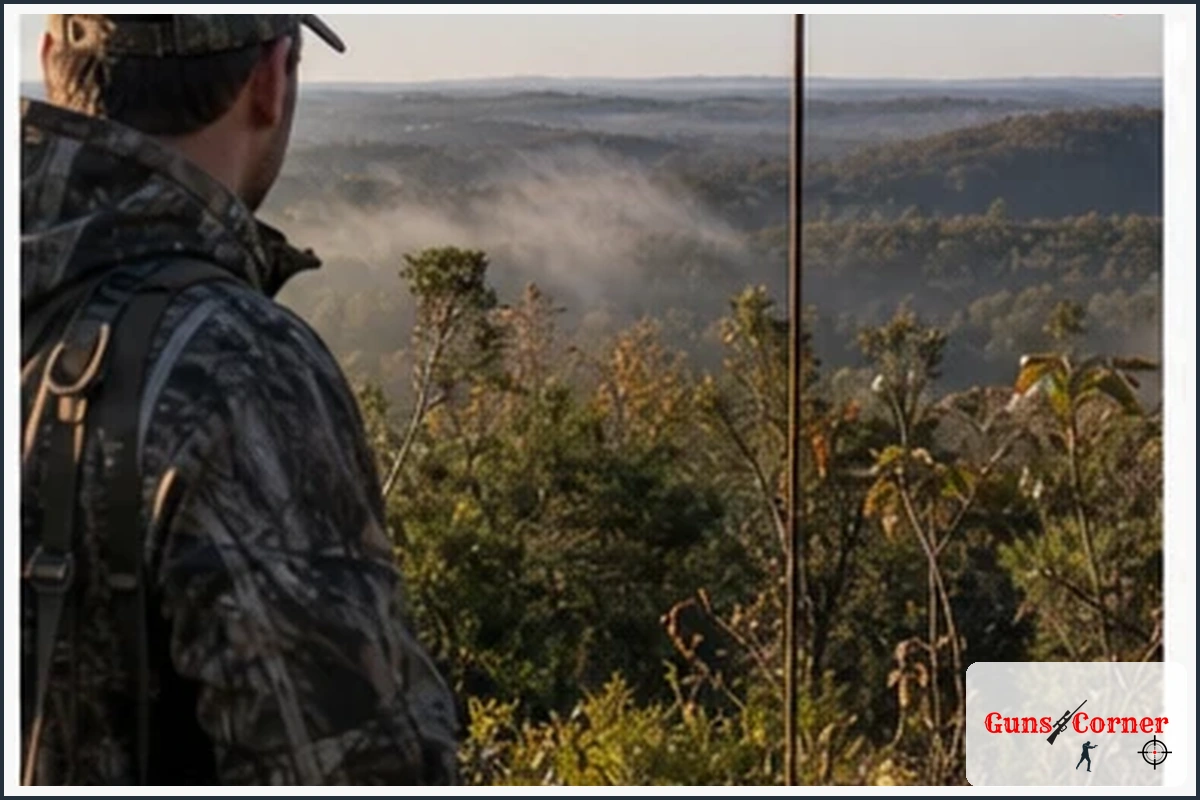
Deer may use a staging area because it allows them to scent-check nearby danger before entering the open. A location that appears ideal on a map may be poor in the field if prevailing winds expose deer to human scent or carry your scent into bedding cover.
Use Trail Cameras Carefully
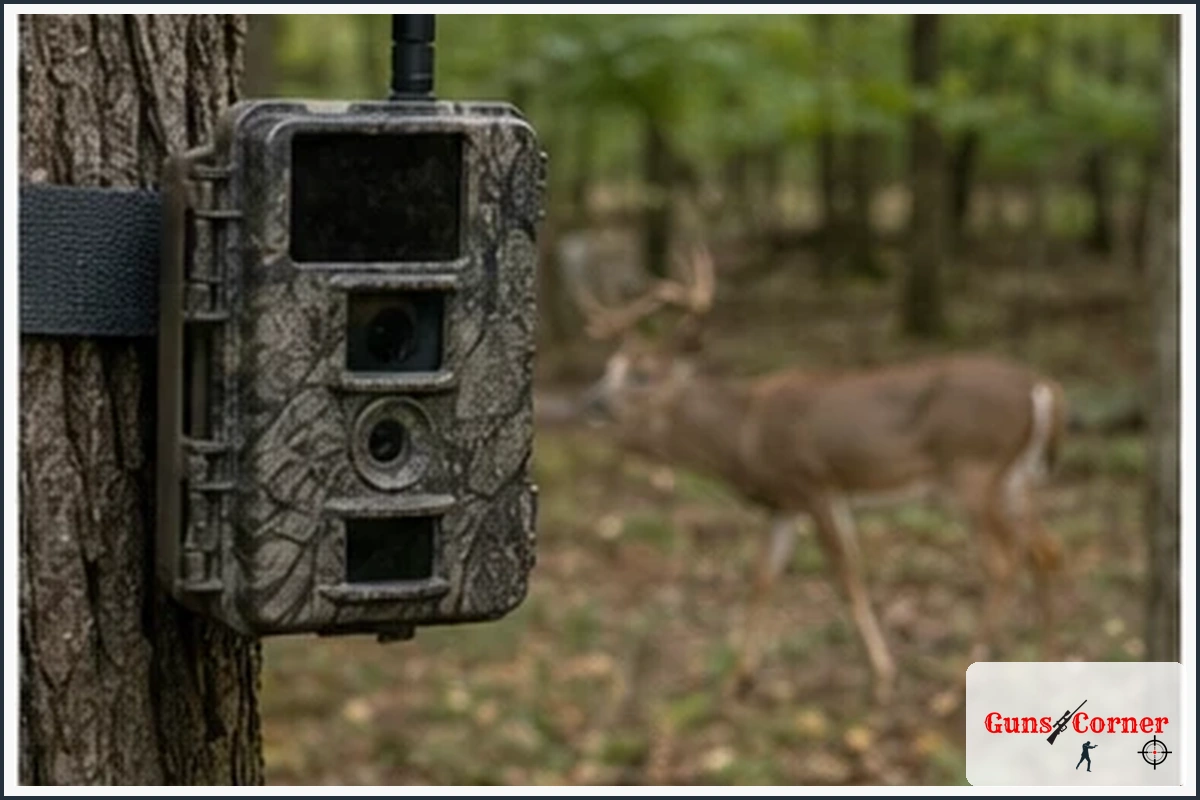
A trail camera can help confirm timing and direction of movement, but it should be placed without repeatedly disturbing the area. Follow all local trail-camera rules, particularly on public land, and avoid assuming that one photograph proves a consistent pattern.
Staging Areas Compared With Bedding and Feeding Areas
| Area | Primary Purpose | Typical Features | Common Deer Behavior |
|---|---|---|---|
| Bedding area | Rest and security | Dense cover, secluded terrain, favorable wind | Resting, watching, and scent-checking |
| Staging area | Transition and preparation | Thick cover near food or a travel route | Pausing, browsing, and waiting before movement |
| Feeding area | Foraging | Crop fields, mast, browse, food plots, or natural openings | Feeding and social activity |
These zones can overlap. A deer may browse in cover, bed briefly near a food source, or change routes when weather and hunting pressure change.
Why Deer Use Staging Areas
- Security: Cover helps deer avoid being seen before entering an exposed feeding area.
- Wind checking: Deer can test scent conditions before moving farther.
- Visibility: Edges and openings may provide better views of threats.
- Thermal conditions: Terrain and vegetation can influence how scent and air move.
- Social behavior: Deer may gather before traveling as a group.
- Hunting pressure: Disturbed deer may remain in cover longer or use more secure routes.
- Seasonal food patterns: The location may change as crops, mast, browse, and agricultural activity change.
When Are Deer Staging Areas Most Active?
Many staging areas are most active during the afternoon and evening transition, when deer move from bedding cover toward food. Some are also used in the morning as deer return from feeding areas.
Activity can shift with:
- Temperature and weather fronts
- Wind direction and speed
- Moonlight and visibility
- Breeding activity during the rut
- Available food
- Hunting pressure
- Nearby farming or human activity
- Predator presence
These factors create patterns, not guarantees. A staging area that is active one week may be less useful after a food source changes or deer detect repeated human activity.
How to Scout a Deer Staging Area
- Start with a map: Mark bedding cover, food sources, water, terrain changes, and likely travel corridors.
- Find transition zones: Look where thick cover meets fields, mast-producing timber, or other food.
- Inspect sign: Search for multiple trails, browse, tracks, droppings, and rubs.
- Check access: Determine whether you can enter and leave without crossing major deer routes.
- Evaluate the wind: Identify which wind directions keep your scent away from deer and bedding cover.
- Use cameras selectively: Confirm timing while minimizing disturbance.
- Record changes: Note weather, food availability, hunting pressure, and deer movement over time.
Should You Hunt a Deer Staging Area?
Sometimes, but the best location is not automatically the area with the most sign. A staging area can be productive when you can reach it quietly, maintain a favorable wind, and avoid alerting deer in nearby bedding cover.
For many hunters, the edge of a staging area is safer than its center. Hunting too close to bedding cover can push deer out of the area, especially when access requires crossing trails or moving through thick vegetation.
Morning and Evening Considerations
Evening hunts may be suitable when the staging area lies between bedding cover and food. Morning hunts require extra caution because deer may be returning from feeding areas, and an approach that seems harmless can intercept their route.
Choose a setup that provides a safe field of view, a clear backstop, and a responsible shot opportunity. Never shoot at movement that you cannot positively identify.
How Hunting Pressure Changes Staging Areas
Pressure can cause deer to:
- Move later in the day
- Use thicker cover
- Approach food from less obvious directions
- Shift to secondary staging areas
- Travel during lower-risk periods
- Avoid locations where human scent and noise accumulate
Instead of assuming deer disappeared, look for a nearby alternative route or staging pocket. Compare fresh sign with access routes and recent hunting activity.
Common Mistakes When Hunting Staging Areas
- Hunting too close to bedding cover: This can alert deer before they reach the staging area.
- Ignoring wind: A good-looking stand is ineffective if your scent reaches deer.
- Walking across trails: Human scent and disturbed vegetation can reveal your entry route.
- Overusing trail cameras: Frequent visits may change deer behavior.
- Assuming sign is current: Old tracks and rubs do not prove present movement.
- Focusing only on field edges: Deer may stage well inside cover.
- Returning too often: Low-impact hunting is usually more sustainable than repeated disturbance.
- Taking low-percentage shots: Wait for a clear, ethical opportunity within your proven ability.
Safety and Legal Considerations
Before hunting a staging area, confirm the current rules for your state, wildlife management unit, land type, weapon, season, tagging requirements, and required hunter clothing. Regulations may also govern baiting, feeding, trail cameras, access, and the use of certain equipment.
Use permission-based access on private land and respect public-land boundaries. Follow the four basic firearm safety rules: treat every firearm as loaded, keep the muzzle pointed in a safe direction, keep your finger outside the trigger guard until ready to shoot, and identify the target and what lies beyond it.
For bowhunting, inspect equipment, use a suitable backstop, stay within your practiced range, and follow safe tree-stand or ground-blind procedures. Make every reasonable legal effort to recover game, but do not trespass or enter dangerous terrain without a safe plan.
What Are Deer Staging Areas? Final Answer
Deer staging areas are secure transition zones where whitetails pause between bedding cover and feeding areas. They are commonly found in brush, young timber, tall grass, conifer cover, and field edges. To locate one, combine fresh sign with terrain, food, security cover, wind, and access information rather than relying on a single track or rub.
Use low-impact scouting, verify current regulations with your official wildlife agency, and hunt only when the wind, access route, visibility, and shot opportunity support a safe and ethical decision.
FAQs
1. Are deer staging areas the same as bedding areas?
No. Bedding areas are primarily used for resting and security, while staging areas are usually transition zones near food where deer pause before moving.
2. Are deer staging areas the same as feeding areas?
No. A staging area is often near food, but deer may remain in cover there before entering a more open feeding area.
3. How close is a staging area to a food source?
It may be directly along the edge of a field or several dozen yards inside cover. The distance depends on terrain, vegetation, food, and hunting pressure.
4. What does a deer staging area look like?
It may look like brush, young timber, tall grass, conifers, or a wooded edge containing fresh trails, browse, tracks, droppings, and occasional beds.
5. Do bucks and does use the same staging areas?
They may, but use can vary by season, age, social behavior, food availability, and hunting pressure. Mature bucks may use thicker or less obvious staging cover.
6. Are staging areas more useful during the rut?
They can be, because deer movement and social behavior often increase during the breeding season. However, rut activity varies by region and individual deer.
7. Should I place a stand in the middle of a staging area?
Not necessarily. The edge or a nearby travel route may provide a better balance of visibility, wind, access, and minimal disturbance.
8. Is an evening hunt usually better for a staging area?
Many staging areas are used before evening feeding movement, but the best timing depends on local deer behavior, weather, food, and hunting pressure.
9. Can staging areas be used in the morning?
Yes. Deer may use them while returning from feeding areas, although morning access must be planned carefully to avoid disturbing bedding deer.
10. Do deer always enter fields after using a staging area?
No. Deer may change direction, remain in cover, visit another food source, or avoid the area because of wind, danger, or human pressure.
11. What sign is most important in a staging area?
Fresh, concentrated sign is most useful, especially multiple trails combined with recent tracks, browse, droppings, and deer sightings.
12. Do rubs prove that a staging area is active?
No. Rubs show past deer activity but may be old. Check them alongside fresh tracks, droppings, browse, and current camera observations.
13. Can a food plot create a staging area?
Yes. Cover around a food plot may function as a staging area, but deer use depends on plot design, surrounding habitat, pressure, and local laws.
14. How does wind affect a staging area?
Wind affects how deer detect danger and how hunters are detected. Choose access and stand locations that keep your scent away from deer and bedding cover.
15. Do deer stage in thick cover?
Often they do. Thick cover provides concealment and security, but some deer stage along open edges or in lighter cover when conditions feel safe.
16. Can deer stage near water?
They can, particularly where water lies between bedding cover and food. Water alone does not prove that a location is a staging area.
17. Why did deer stop using my staging area?
Possible causes include changing food, wind, weather, hunting pressure, human scent, altered vegetation, farming activity, or a nearby disturbance.
18. Should trail cameras be placed inside a staging area?
They can be, but place them carefully and minimize visits. Check local rules and avoid creating unnecessary scent or noise.
19. How often should I scout a staging area?
Scout as often as needed to make an informed decision, but excessive visits can disturb deer. Favor map study, distant observation, and low-impact checks.
20. Can a staging area move?
Yes. Deer may shift staging locations when food, cover, weather, wind, farming, predators, or hunting pressure changes.
21. Are staging areas useful on public land?
They can be, but public-land pressure and access patterns may change deer movement quickly. Check current public-land regulations and boundaries before hunting.
22. Should I hunt a staging area close to bedding cover?
Only if you can access it without disturbing deer and maintain a favorable wind. Otherwise, hunt farther along the route or near the food-side edge.
23. What is the difference between a staging area and a travel corridor?
A travel corridor primarily connects two locations. A staging area is a place where deer pause, browse, socialize, or evaluate conditions before continuing.
24. Do deer stage during daylight?
They may, especially under low pressure, favorable weather, or during seasonal movement. Many staging areas are most active around daylight transitions.
25. What is the biggest mistake when hunting a staging area?
The biggest mistake is treating sign as a guarantee while ignoring wind and access. A strong location can fail if deer detect the hunter before entering.
26. What should I do if I wound a deer near a staging area?
Mark the impact point, observe the deer’s reaction, avoid contaminating the sign, and follow a careful legal recovery plan. Seek experienced tracking help where permitted.
27. Can I bait deer to create a staging area?
Baiting and feeding laws vary widely and may change because of disease-management concerns. Check your official wildlife regulations before placing attractants.
28. Are deer staging areas predictable?
They can show recurring patterns, but they are not guaranteed. Deer respond to changing food, weather, wind, pressure, and individual behavior.
29. How can beginners learn to find staging areas?
Begin with maps, identify bedding and food, locate cover transitions, then confirm the route with fresh sign while minimizing disturbance.
30. What should I verify before hunting a staging area?
Verify land access, season dates, license and tag requirements, weapon rules, hunter-orange requirements, baiting restrictions, and any local equipment regulations.