
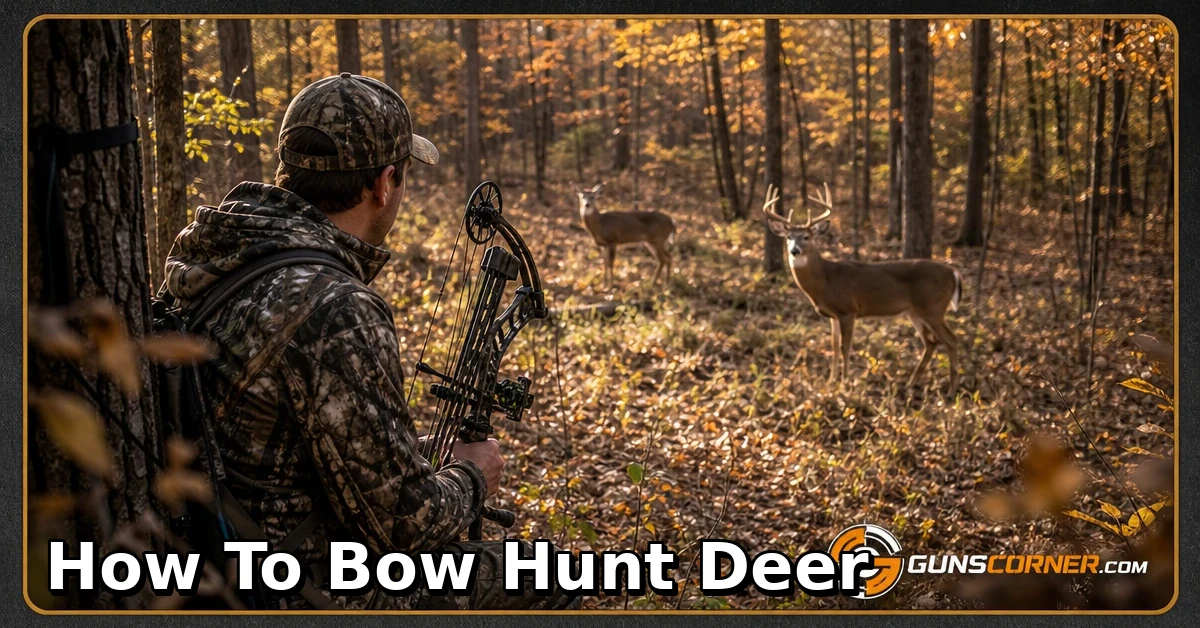

Learning how to bow hunt deer takes preparation, practice, patience, and careful attention to safety. This guide explains how to choose legal hunting ground, scout deer activity, prepare your bow, set up safely, recognize an ethical shot opportunity, and handle the hunt responsibly.
To bow hunt deer, first complete any required hunter education, obtain the correct license and archery permits, and study your local regulations. Scout for food, water, bedding cover, tracks, trails, rubs, and other deer sign while planning around wind direction. Practice until you can make controlled, accurate shots within your personal range, then hunt from a safe stand, blind, or ground setup. Success is never guaranteed, so prioritize safety, legal compliance, patience, and ethical shot selection.
Important Legal and Safety Notice Before You Hunt
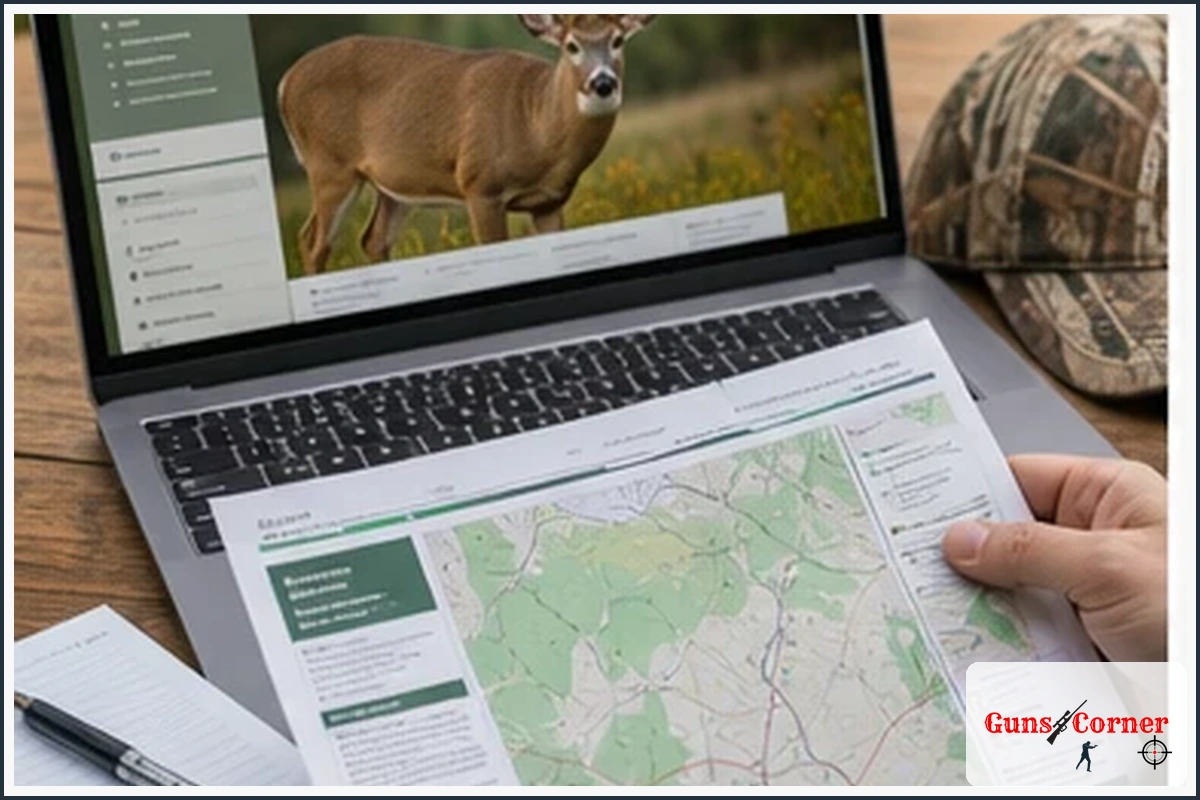
Deer hunting laws vary by state, province, county, season, land type, and weapon category. Before hunting, verify current information with your official wildlife agency.
- Confirm your hunting license, deer permit, archery permit, and tags.
- Check season dates, legal hunting hours, bag limits, tagging, and harvest-reporting rules.
- Verify legal bow specifications, draw-weight requirements, arrow rules, and broadhead requirements.
- Confirm public-land boundaries or obtain clear private-land permission.
- Follow required hunter-orange or visibility rules, including rules for companions and firearms seasons.
- Use a full-body harness in any tree stand and follow the stand manufacturer’s instructions.
- Never draw or release a bow when people, roads, homes, livestock, or unsafe backgrounds are in the line of fire.
- Carry navigation, water, first aid, weather protection, and a reliable communication method.
Understanding Deer Behavior and Habitat
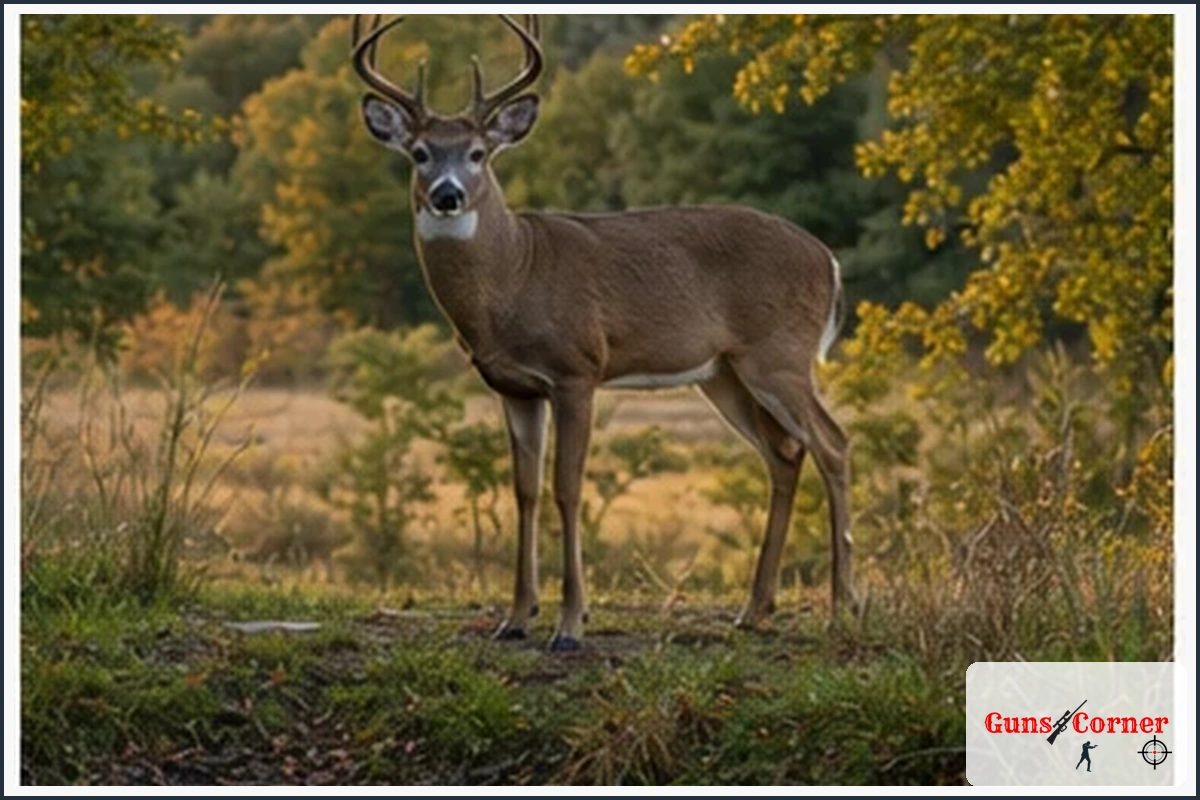
Deer use habitat that provides food, water, cover, and security. Their movement changes with weather, hunting pressure, seasonal conditions, and available food. Rather than relying on one supposedly perfect location, look for connections between bedding cover, feeding areas, water, and travel routes.
Common deer sign includes tracks, trails, droppings, rubs, scrapes, beds, and browsed vegetation. One sign does not guarantee deer will appear during legal shooting hours. Freshness, location, wind, and access route are more important than simply finding a large amount of sign.
What You Need Before You Start
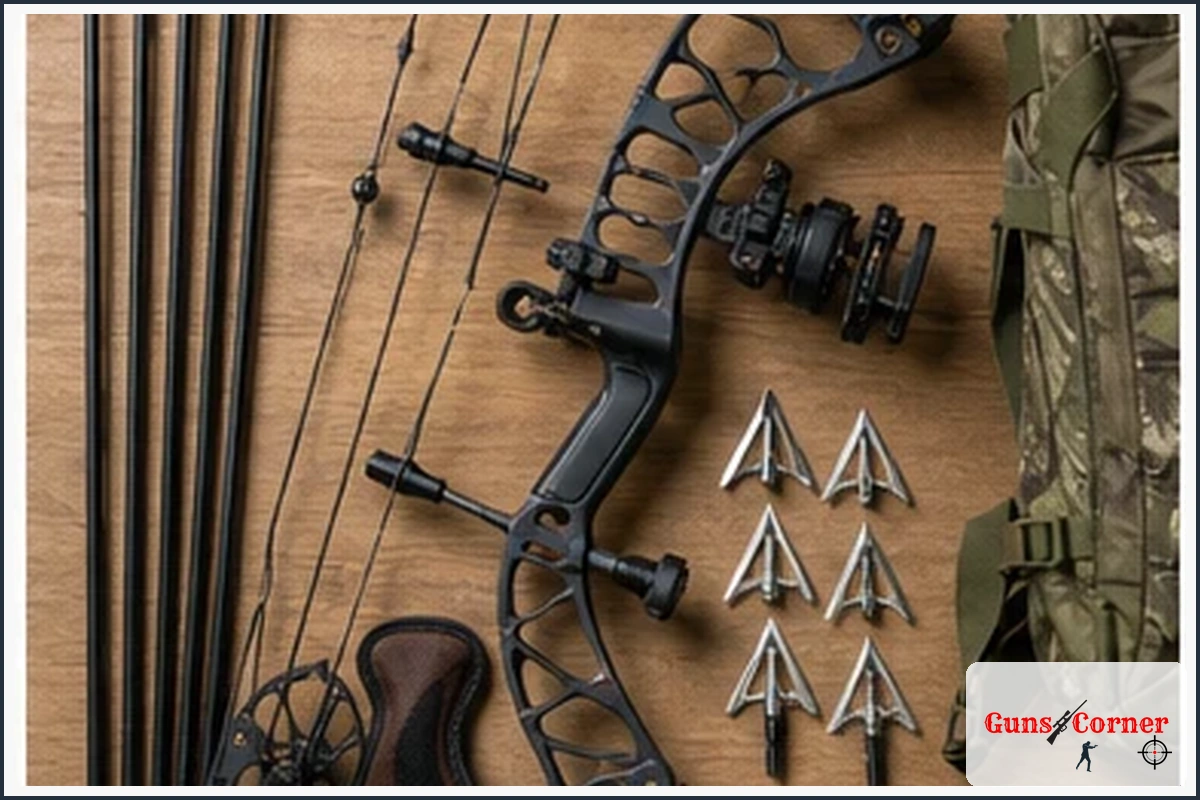
- Legal compound bow, recurve bow, or other permitted archery equipment
- Arrows matched to your bow and appropriate legal broadheads
- Arm guard, release aid if required, and a properly fitted bow setup
- Practice target and safe archery range
- Camouflage or suitable field clothing, plus required visibility clothing
- Quiet, weather-appropriate boots and clothing
- Binoculars and navigation tools such as a map, compass, or GPS
- Full-body tree-stand harness if hunting from an elevated position
- Knife, gloves, game bags, water, first aid, and communication equipment
- Cooler and meat-care supplies if a harvest occurs
How to Bow Hunt Deer Step by Step
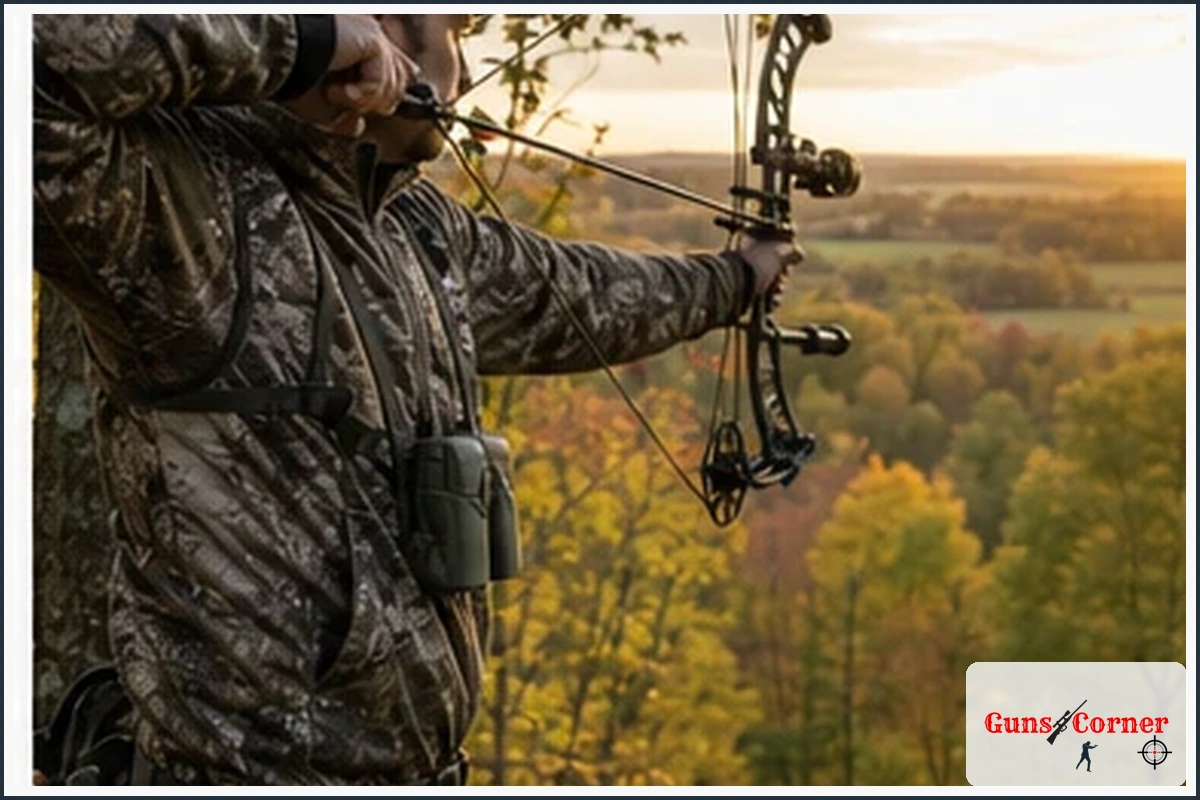
Step 1: Learn the Regulations Before Scouting
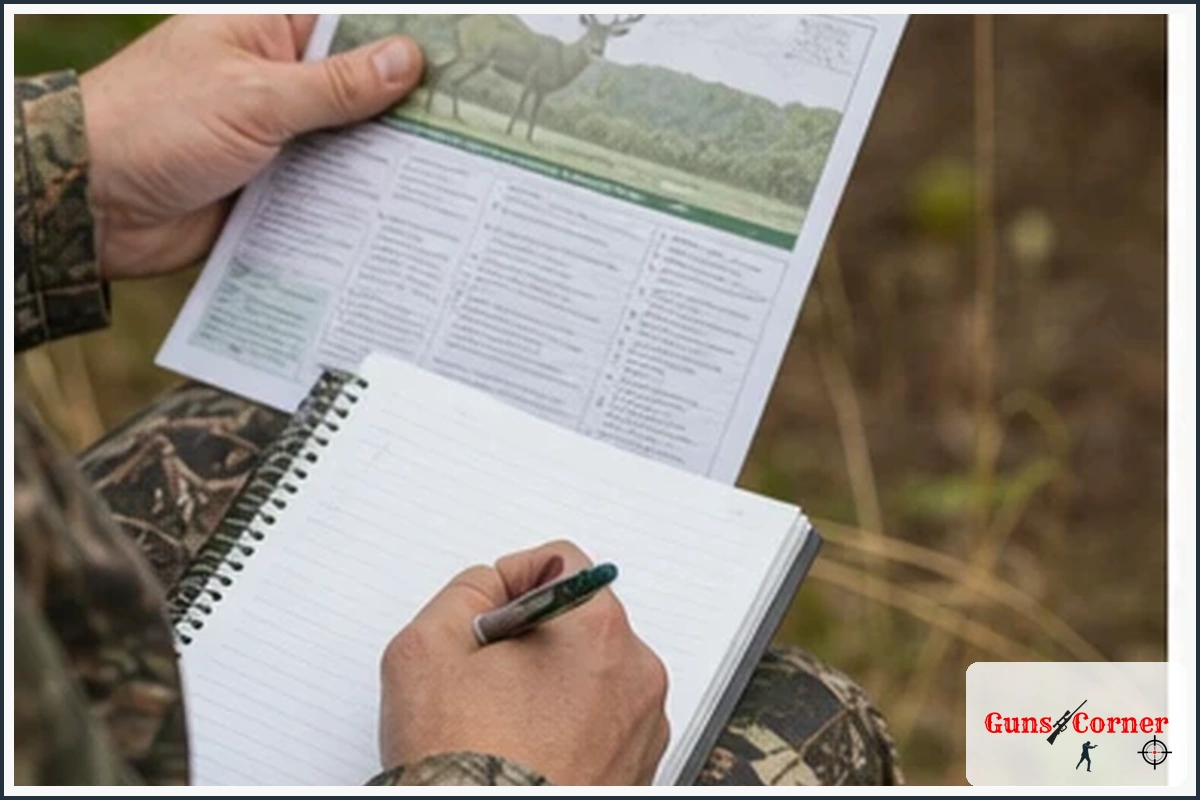
Start with your official wildlife agency’s current regulations. Confirm whether the area allows archery deer hunting, which deer may be harvested, and what equipment is legal. Review tagging, transport, harvest reporting, baiting, supplemental feeding, scent products, and access rules because these requirements can vary widely.
Step 2: Choose Legal Hunting Property
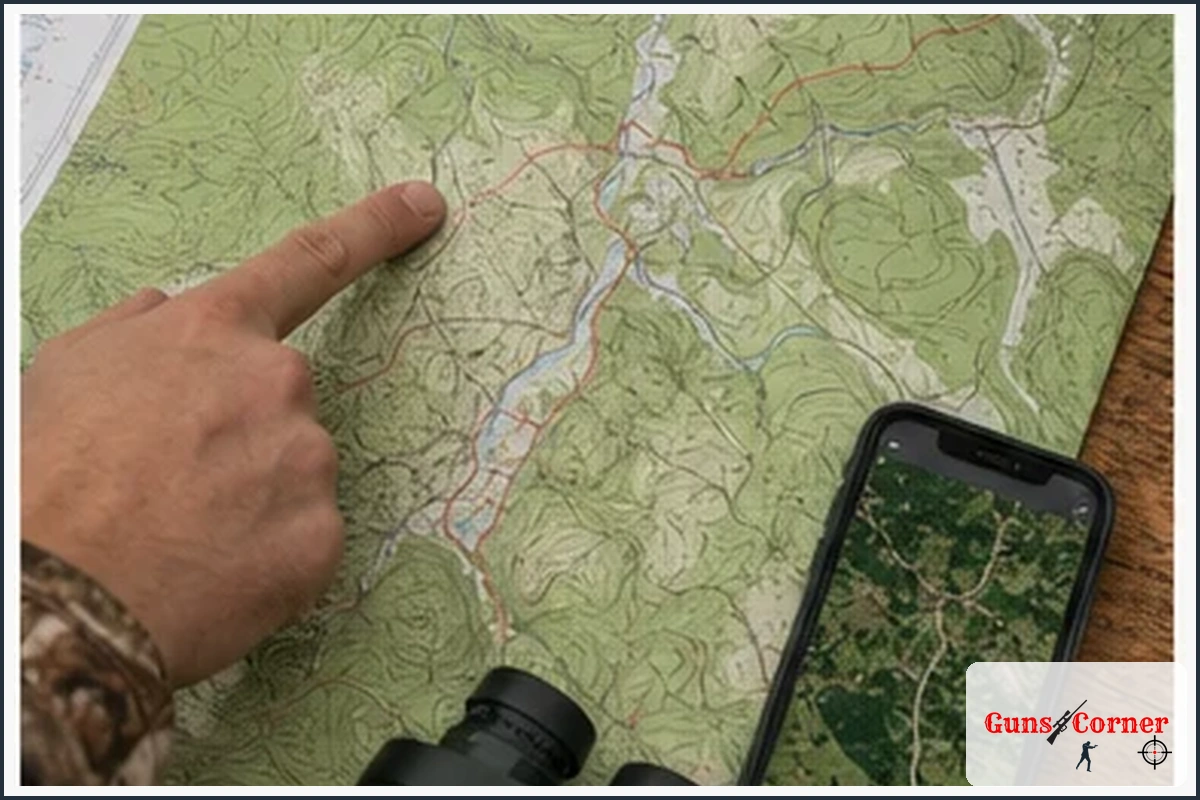
For public land hunting, study official maps, boundaries, parking areas, access points, terrain, and nearby private property. Do not cross private land without permission. On private land, speak with the landowner before entering, respect gates and livestock, and clarify where and when you may hunt.
Step 3: Scout Without Overpressuring Deer
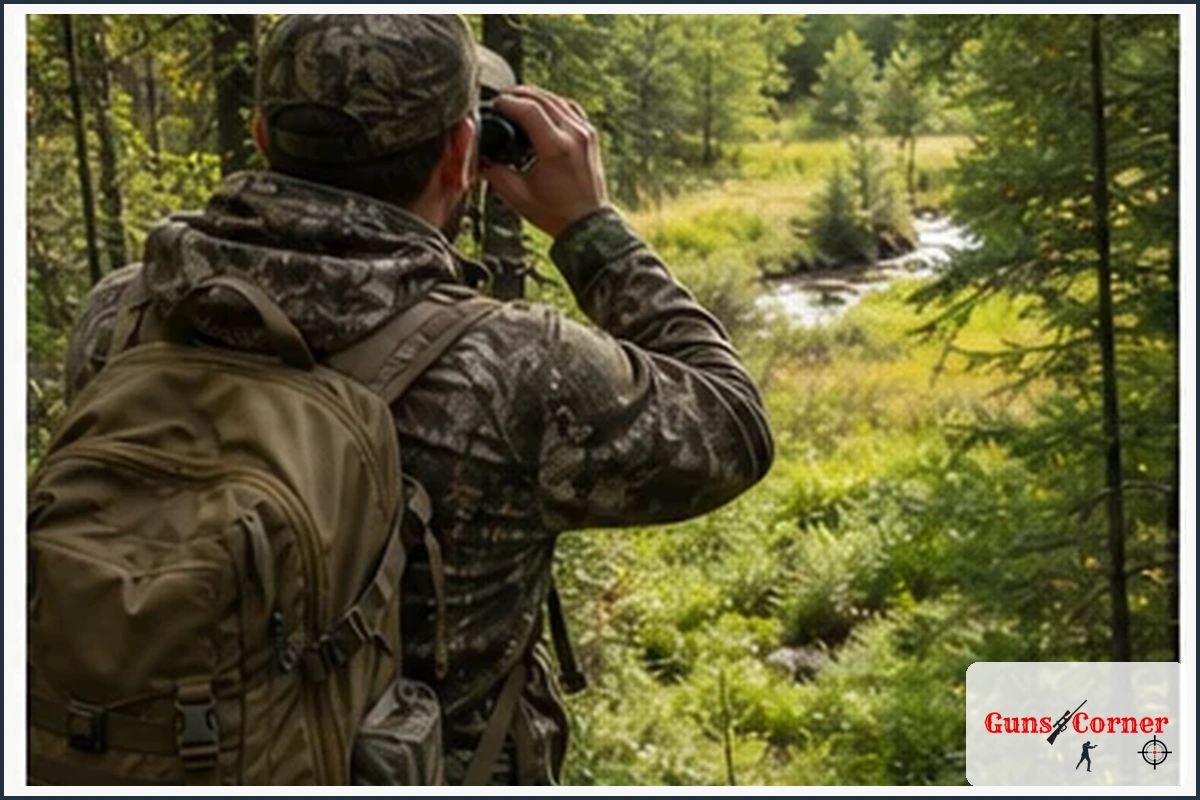
Scout before the season when possible, using maps and careful observation to identify likely bedding cover, food sources, water, trails, crossings, and funnels. Avoid repeated visits to sensitive bedding areas. Excessive disturbance can make deer change their movement patterns or abandon a location during daylight.
Step 4: Identify Fresh, Useful Deer Sign
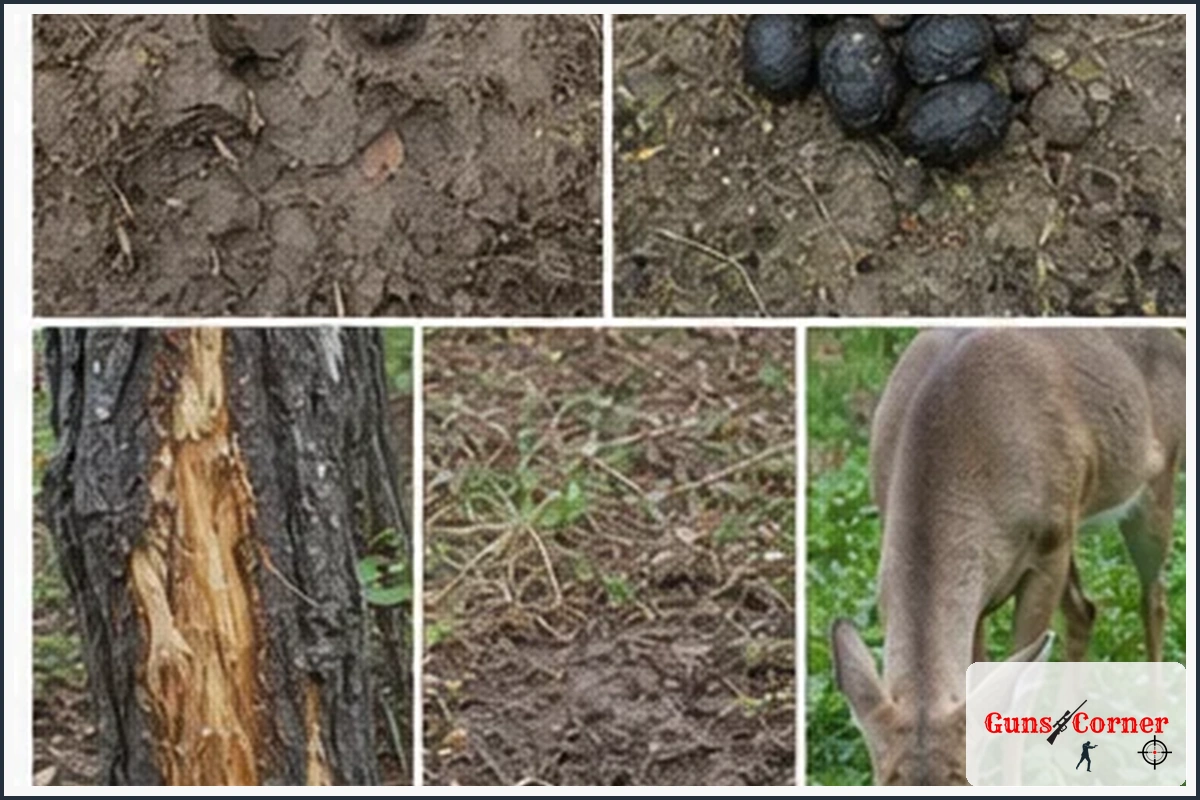
Look for tracks, droppings, fresh rubs, scrapes, beds, and feeding activity. A trail is most useful when it connects two important areas and can be approached without crossing the deer’s likely line of travel. Record observations, wind direction, time, and weather so you can recognize patterns instead of guessing.
Step 5: Practice With Your Bow
Practice from realistic positions, including standing, kneeling, and elevated angles if appropriate. Shoot at the distances you may encounter in the field, but keep your personal effective range conservative. Practice with the same arrows, broadheads, release aid, clothing, and equipment you expect to use while hunting.
Before the season, confirm that your bow is properly tuned and that arrows fly consistently. Have equipment checked by a qualified archery professional if you are unsure about draw length, draw weight, anchor position, or arrow setup.
Step 6: Plan Around Wind and Access
Wind direction is one of the most important factors in a deer hunting setup. Choose an approach route and position that keep your scent away from likely bedding and feeding areas. Check the forecast, but remember that wind can swirl around ridges, thick cover, water, and uneven terrain.
Plan a quiet entry and exit route. Avoid walking through bedding cover or crossing the trail you expect deer to use. A slightly less obvious setup with a clean, low-impact approach is often better than a perfect-looking location that alerts deer every time you enter.
Step 7: Choose a Safe Stand, Blind, or Ground Setup
Place a stand or blind where you have adequate cover, a clear view, safe shooting lanes, and a suitable background. Never choose a location only because it has abundant sign. Consider climbing hazards, falling branches, unstable ground, flooding, nearby roads, homes, livestock, and other hunters.
If using a tree stand, inspect the stand, steps, straps, and platform before climbing. Wear a full-body harness connected according to the manufacturer’s instructions from the ground until you return. Use a haul line to raise and lower unloaded equipment rather than climbing with a bow in your hands.
Step 8: Stay Patient and Minimize Movement
Once settled, keep movement slow and deliberate. Wear clothing that allows your bowstring and release aid to operate without interference. Use binoculars to scan carefully, and avoid repeated head or arm movement when deer may be nearby.
Stay alert for changing wind, approaching people, and shifting conditions. If visibility, footing, or safety becomes uncertain, end the hunt rather than forcing the situation.
Step 9: Confirm the Deer and the Background
Before drawing, identify the animal clearly and confirm that it is legal to harvest. Make sure no person, road, home, vehicle, livestock, or other unsafe object is behind or near the shooting lane. Never shoot at movement, sound, or an unclear outline.
Step 10: Take Only an Ethical Shot
Only draw when the deer is within your practiced range, your position is stable, and the animal offers a responsible shot opportunity. Avoid shots through heavy brush, extreme angles, excessive distance, or conditions that make accurate placement uncertain. If anything feels unsafe or unclear, let the deer pass.
Shot discipline is a core bowhunting skill. A missed opportunity is always better than an avoidable mistake.
Step 11: Watch Carefully After the Shot
After releasing an arrow, remain calm and observe the deer’s direction of travel from a safe position. Note landmarks, timing, and any visible sign. Do not immediately rush after the animal unless safety or legal requirements demand it. Recovery decisions should be based on careful observation and local guidance, not panic.
Step 12: Recover, Tag, Report, and Care for the Deer Legally
Follow your local rules for recovery, tagging, transportation, and harvest reporting. Use gloves and clean tools, cool the meat promptly, and arrange processing or refrigeration as soon as practical. If you are uncertain about recovery or meat care, contact an experienced mentor, wildlife agency, or qualified processor.
Best Time, Place, and Conditions for Bowhunting Deer
Deer activity is influenced by season, weather, food availability, hunting pressure, and local habitat. Legal hunting hours differ by jurisdiction, so always follow the current regulations.
- Look for travel routes connecting bedding cover, food, and water.
- Use wind direction to plan both your setup and your approach.
- Be cautious when weather creates poor visibility, unsafe footing, or difficult recovery conditions.
- Expect heavily pressured deer to change routes or move at different times.
- Use terrain features such as ridges, ditches, funnels, and crossings only when they provide a safe setup and legal access.
Helpful Tips for Better Results
- Keep a scouting journal with wind, weather, deer sign, and observed movement.
- Practice broadhead accuracy before hunting rather than assuming field-point accuracy will be identical.
- Use a rangefinder if legal and appropriate, but know your distances before deer arrive.
- Keep your setup simple enough that you can operate it safely under pressure.
- Trim only what is necessary and avoid damaging habitat or creating excessive disturbance.
- Use quiet clothing and secure loose straps, zippers, and equipment.
- Carry a charged phone or communication device, but do not rely on it as your only navigation tool.
- Hunt with an experienced mentor when possible, especially during your first season.
- Leave questionable shots alone and treat restraint as part of successful bowhunting.
Common Mistakes to Avoid
- Failing to check current regulations, permits, or legal archery equipment rules
- Hunting private property without clear permission
- Ignoring wind direction during entry, setup, or exit
- Placing a stand over sign without considering a safe background
- Practicing only at short range from a comfortable standing position
- Using broadheads that have not been tested with the hunting setup
- Moving too much when deer are nearby
- Climbing without a full-body harness
- Taking shots through brush, beyond personal ability, or at unclear targets
- Entering a recovery area too quickly without considering the situation
- Failing to plan cooling, reporting, tagging, and transport
- Carrying too much gear while neglecting water, navigation, and first aid
Troubleshooting Common Bowhunting Problems
| Problem | Possible Cause | What to Do |
|---|---|---|
| You are not seeing deer | Poor scouting, unsuitable timing, excessive pressure, or changing food patterns | Review fresh sign, check legal access, reduce disturbance, and adjust your location based on current observations. |
| Deer detect you before reaching the stand | Wind, noisy entry, visible movement, or an exposed route | Change the approach, hunt only with a favorable wind, and use quieter movement and clothing. |
| Your arrows do not group consistently | Form problems, poor tuning, fatigue, or equipment changes | Stop increasing distance, confirm your form, inspect equipment, and seek help from a qualified archery professional. |
| The wind keeps changing | Thermals, terrain, weather fronts, or nearby cover | Choose a different legal setup or end the hunt rather than relying on unpredictable wind. |
| You are unsure about property boundaries | Outdated maps, unclear signs, or confusing access | Confirm ownership through official mapping tools and obtain permission before entering. |
| You feel rushed before drawing | Insufficient practice or a poor setup | Keep the bow down, let the deer pass, and improve practice and positioning before the next hunt. |
| You are unsure how to handle a recovery | Lack of experience or unclear sign | Follow local rules and contact an experienced mentor, wildlife agency, or qualified tracking resource. |
Ethical Hunting and Conservation
Ethical bowhunting means respecting deer, landowners, other hunters, and the resource. Follow seasons, bag limits, access rules, and reporting requirements. Practice enough to make responsible decisions, and pass on any shot that is unsafe or beyond your ability.
Licenses and permits support wildlife management and conservation programs in many jurisdictions. Help protect hunting access by leaving property clean, avoiding unnecessary disturbance, recovering game responsibly, and treating nonhunters respectfully.
When to Get More Training or Professional Guidance
Seek additional instruction if you have never handled a bow, are unsure about safe shooting, cannot identify legal equipment, or do not understand local regulations. An official hunter education course, certified archery instructor, experienced ethical mentor, or local conservation organization can help you build safe habits.
Professional guidance is also valuable for tree-stand safety, bow tuning, tracking, meat care, public-land boundaries, and unfamiliar terrain.
After the Hunt: Gear Care and Learning
- Inspect your bowstring, cables, limbs, rest, sight, arrows, and broadheads.
- Dry clothing and boots before storing them.
- Clean and safely store knives, game-care equipment, and navigation tools.
- Record weather, wind, deer sign, access routes, and what you would change.
- Complete all required tagging and harvest reporting.
- Arrange timely cooling, processing, and responsible use of the meat.
- Schedule practice sessions before your next hunt.
Recommended Hunting Gear and Tools to Consider
You do not need expensive equipment to bow hunt responsibly. Choose gear based on local law, terrain, weather, safety needs, skill level, and budget.
- Legal bow, arrows, and broadheads
- Release aid, arm guard, and properly fitted accessories
- Practice target and safe range access
- Quiet boots and weather-appropriate clothing
- Required visibility clothing
- Binoculars and rangefinder
- Map, compass, GPS, or hunting app
- Full-body tree-stand harness
- First aid kit, water, food, and emergency communication
- Gloves, game bags, knife, cooler, and meat-care supplies
Final Thoughts
Learning how to bow hunt deer is a gradual process built on legal preparation, scouting, practice, wind awareness, safe setups, and ethical judgment. Focus on becoming a careful and capable hunter rather than chasing guaranteed results. Respect wildlife, follow current regulations, and choose safety and restraint whenever conditions are uncertain.
Frequently Asked Questions
Is bowhunting deer difficult for beginners?
It can be challenging because archery requires close-range setup, consistent practice, and careful shot judgment. A hunter education course and experienced mentor can shorten the learning curve.
What license do I need to bow hunt deer?
Requirements vary by location. You may need a hunting license, deer permit, archery permit, tags, and harvest-reporting authorization. Check your official wildlife agency.
When is deer archery season?
Season dates vary by jurisdiction and may differ by weapon, deer type, and hunting zone. Verify current dates before planning your hunt.
What bow is best for deer hunting?
A properly fitted compound bow or legal recurve bow can work well. Fit, reliability, safe draw weight, and your ability to shoot accurately matter more than brand or appearance.
How much should I practice before bowhunting deer?
Practice until you can repeatedly place arrows accurately from realistic field positions at your intended hunting distances. Your effective range should be based on consistent performance, not a single good shot.
Should beginners use a compound bow or recurve?
Either can be appropriate if legal and properly fitted. Compound bows often make it easier to hold at full draw, while recurves require strong form and more practice.
Do I need broadheads for practice?
Use broadheads only with a suitable target and safe setup. Test broadhead flight before hunting, but follow all range and equipment safety rules.
What deer sign should I look for?
Look for tracks, trails, beds, droppings, rubs, scrapes, feeding activity, and crossings. Fresh sign connected to food, water, and cover is generally more useful than isolated sign.
How important is wind direction?
Wind is critical because deer can detect human scent. Plan your entry, stand location, and exit so your scent is less likely to reach likely deer travel areas.
How do I choose a deer stand location?
Choose a legal location with fresh sign, safe shooting lanes, a suitable background, adequate concealment, and a practical approach route. Never place a stand solely because a trail looks active.
Is a tree stand safe for beginners?
It can be safe when used correctly, but beginners should receive instruction, inspect equipment, use a full-body harness, and remain connected according to manufacturer guidance.
Can I bow hunt deer from the ground?
Yes, where legal. A ground blind or natural-cover setup must provide concealment, stable footing, safe shooting lanes, and a secure background.
Should I use a deer blind?
A blind can help conceal movement and provide weather protection, but it still must be placed legally and offer safe visibility and shooting lanes.
How close do I need to be to a deer?
Bowhunting is generally a close-range method, but the correct distance depends on your equipment, practice, visibility, and ethical ability. Never shoot beyond your reliable range.
What is an ethical bowhunting shot?
It is a shot taken only when the deer is clearly identified, legal to harvest, within your practiced range, and positioned so you can make an accurate, responsible shot with a safe background.
Should I take a shot through brush?
No. Brush can deflect an arrow or prevent reliable shot placement. Wait for a clear lane or let the opportunity pass.
What should I do if I miss?
Stay calm, observe where the deer goes, inspect the area safely, and follow local recovery guidance. Review your practice and equipment before hunting again.
What should I do after releasing an arrow?
Watch carefully, remember landmarks and timing, and avoid rushing. Follow local rules and seek experienced help if recovery is uncertain.
How long should I wait before tracking?
There is no universal waiting time because conditions and local guidance vary. Avoid making a rushed decision, observe carefully, and consult an experienced mentor when uncertain.
Can I bow hunt deer on public land?
Yes, where permitted. Confirm boundaries, access, season rules, parking requirements, and any special public-land restrictions before entering.
How do I get permission to bow hunt private land?
Ask the landowner directly, explain your plans, respect the answer, and clarify boundaries, dates, parking, gates, livestock, and cleanup expectations.
Can I hunt deer near homes or roads?
Only if local laws allow it and you can maintain a completely safe shooting direction and backstop. Never shoot toward roads, homes, vehicles, or people.
Do I need hunter education?
Many jurisdictions require it for some or all hunters, and it is strongly recommended for every beginner. Check local requirements and complete an approved course.
Should I hunt alone as a beginner?
Hunting with an experienced, responsible mentor is safer and more educational. If hunting alone, leave an itinerary and carry communication and navigation equipment.
What clothing should I wear?
Wear quiet, weather-appropriate layers and boots suited to the terrain. Follow all local visibility-clothing requirements, especially during overlapping firearm seasons.
Does scent-control clothing guarantee deer will not detect me?
No. Scent-control products cannot replace wind management, careful access, and clean field habits.
What weather is best for bowhunting deer?
Moderate, safe conditions can be comfortable, but deer movement varies locally. Avoid dangerous weather, poor visibility, unstable trees, flooding, or conditions that make recovery unsafe.
How can I avoid spooking deer while scouting?
Use maps first, limit visits to sensitive areas, approach with a favorable wind, avoid bedding cover, and scout during conditions that reduce disturbance when practical.
Should I use trail cameras?
Trail cameras can help reveal patterns where legal, but follow all regulations regarding placement, bait, access, and equipment use.
What should I carry on a bowhunting trip?
Carry legal identification and permits, bow equipment, navigation tools, water, food, first aid, communication, weather protection, and basic game-care supplies.
How do I care for deer meat after a harvest?
Follow local transport and processing rules, use clean tools and gloves, cool the meat promptly, and arrange refrigeration or processing as soon as practical.
Do I have to report a harvested deer?
Many jurisdictions require tagging or harvest reporting, but the process varies. Confirm the current requirements before hunting.
What is the biggest beginner bowhunting mistake?
Taking a shot beyond personal ability is one of the most serious mistakes. Other common problems include poor wind planning, inadequate practice, and ignoring regulations.
How can I improve if I do not see deer?
Review fresh sign, wind, access routes, hunting pressure, timing, and food availability. Keep notes and make one thoughtful change at a time.
Do I need a rangefinder?
A rangefinder can help you learn distances and prepare a setup, but it does not replace practice or good judgment. Use one only where legal and practical.
Can I hunt during firearm season with a bow?
That depends on local regulations. Confirm season overlap, equipment rules, visibility requirements, and any special restrictions.
What if I am unsure whether my bow is legal?
Stop and verify the equipment rules with your official wildlife agency or a qualified archery professional before hunting.
When should I ask for professional help?
Ask for help when you are unsure about regulations, bow setup, tree-stand safety, tracking, land boundaries, or meat handling.
How does deer hunting support conservation?
Licenses, permits, responsible harvest, habitat stewardship, and compliance with wildlife regulations help support science-based wildlife management and continued hunting opportunities.