

Important Legal and Safety Notice Before You Hunt
Turkey regulations vary by state, province, season, wildlife management area, land type, and weapon. Before hunting, check your official wildlife agency for current license, tag, permit, season, legal hours, turkey identification, weapon, shot-size, harvest-reporting, and public or private land rules.
- Carry the required hunting license, turkey permit, and tag.
- Know the legal season, hunting hours, bag limit, and reporting requirements.
- Use only legal weapons, ammunition, calls, decoys, and hunting methods.
- Confirm property boundaries and obtain permission before entering private land.
- Wear any required visibility clothing, especially when regulations require it.
- Never wave, call, or move toward another hunter who may be nearby.
- Identify the turkey and what lies beyond it before taking a shot.
- Never shoot toward roads, homes, livestock, people, vehicles, or unclear movement.
Understanding Why a Gobbler Comes Close
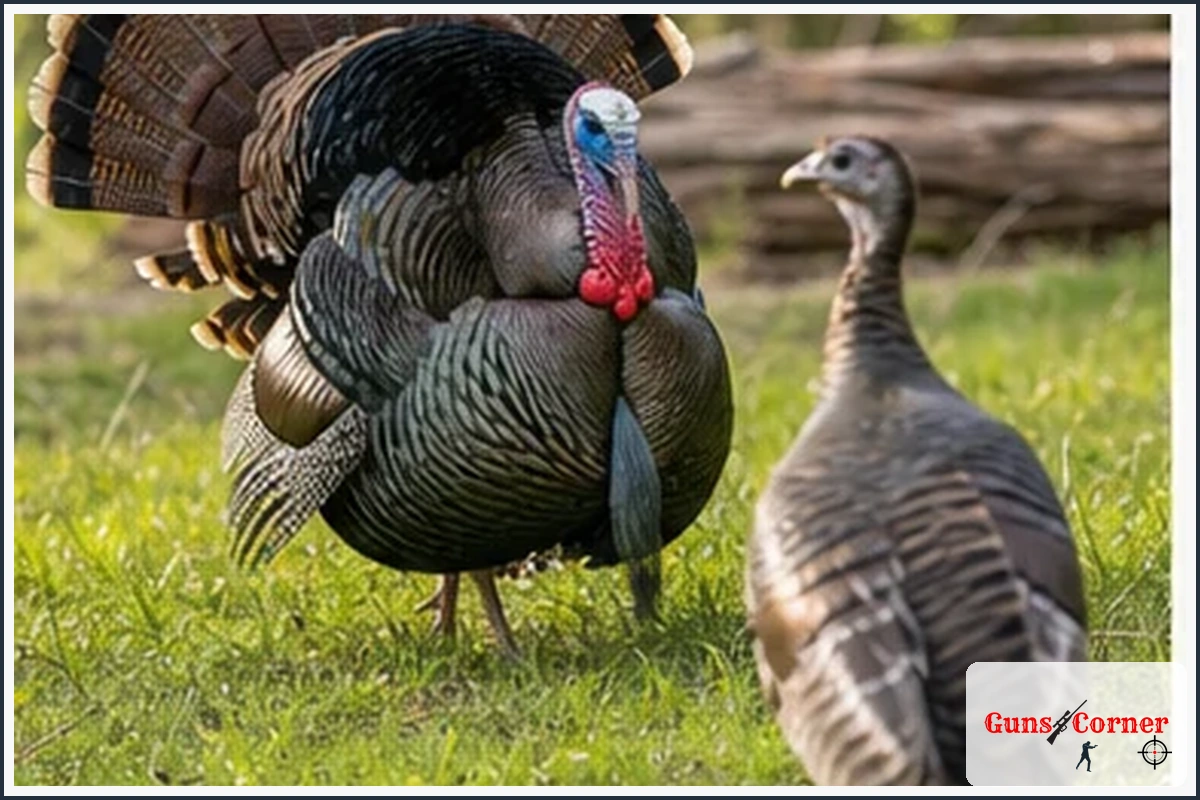
A gobbler may approach because he hears a hen, expects to find a receptive bird, responds to competition, or follows a normal travel route. Calling alone does not guarantee that a turkey will come to you. Terrain, flock behavior, hunting pressure, weather, breeding activity, and the bird’s previous experience all affect its response.
Roosting Areas
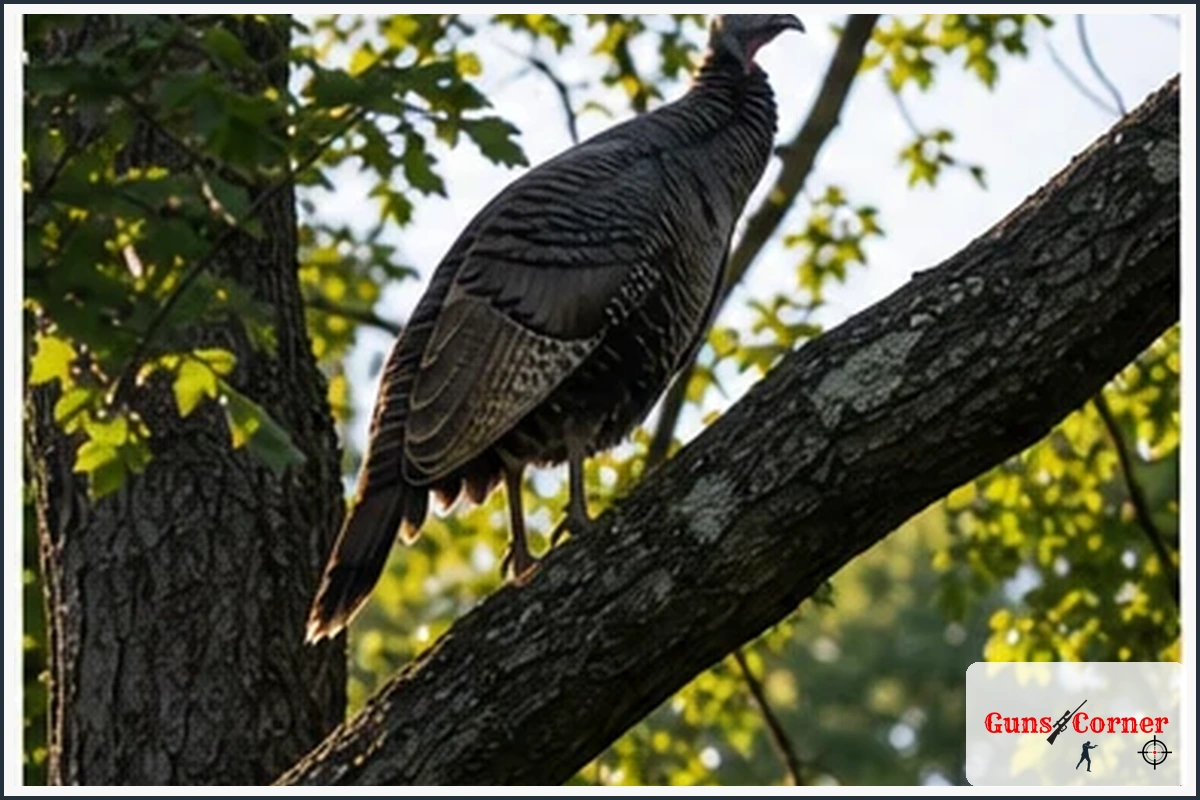
Turkeys often return to suitable roost trees, but roosting locations can change. Listen for gobbling from a safe distance before the season or during legal scouting periods. Avoid repeatedly disturbing a roost area.
Food, Water, and Strut Zones
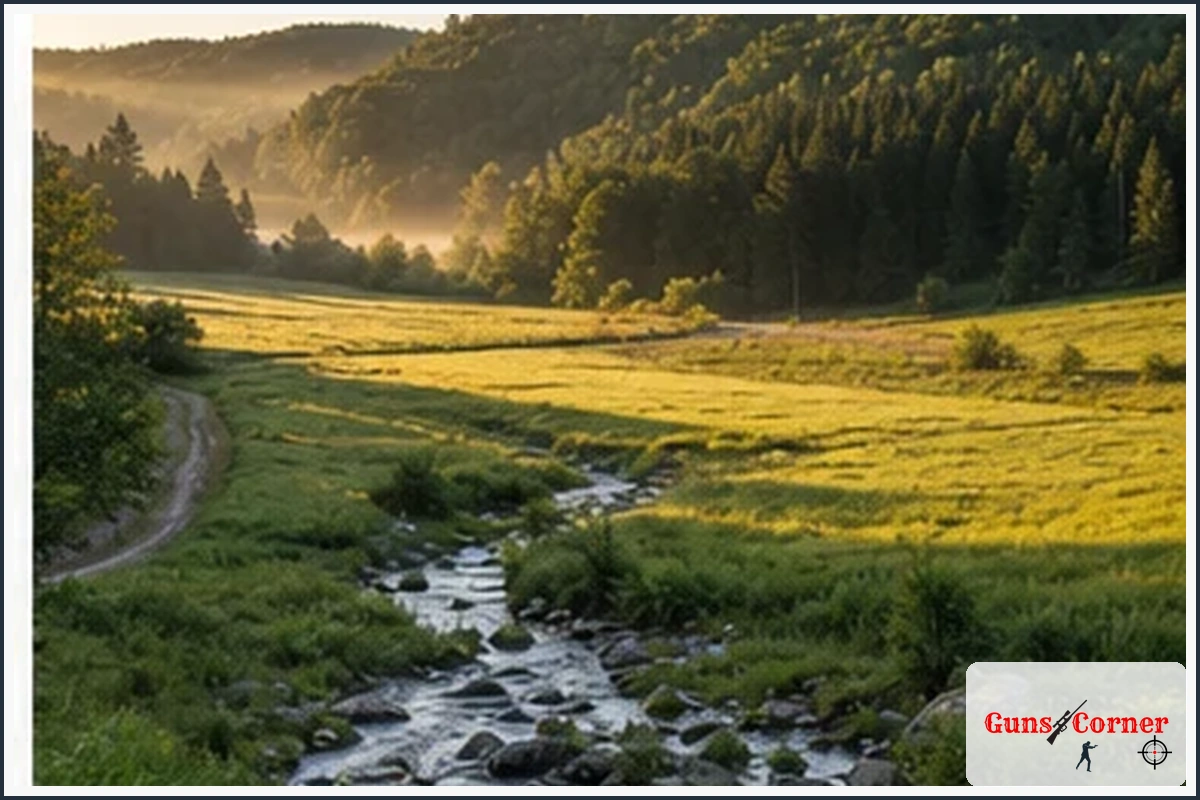
Look for open areas, field edges, forest openings, ridges, logging roads, creek crossings, and other places where turkeys can feed, display, or see other birds. Tracks, droppings, scratching, feathers, and flattened vegetation can help confirm use.
Travel Routes
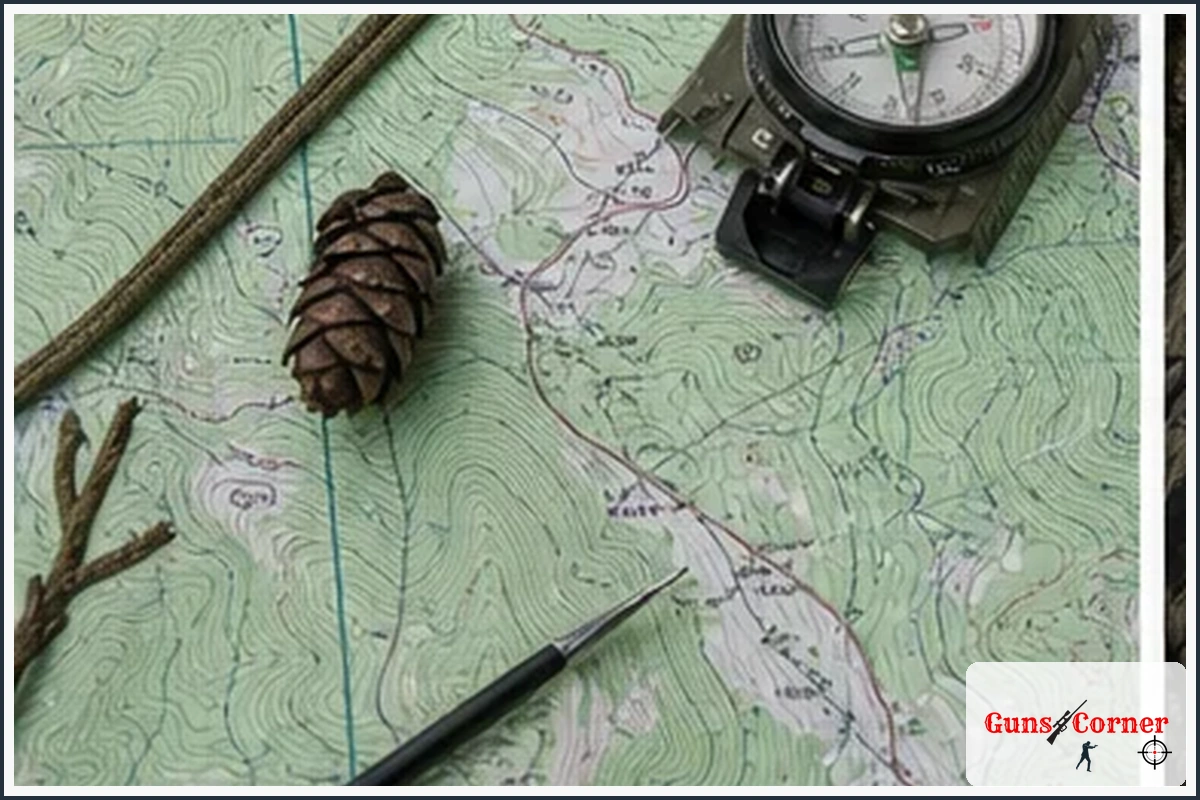
A gobbler does not always approach directly from the direction of his gobble. Fences, steep slopes, creeks, thick cover, and other obstacles may redirect him. Study the terrain and choose a setup that allows the bird to approach without exposing you.
How to Bring a Gobbler in Close Step by Step
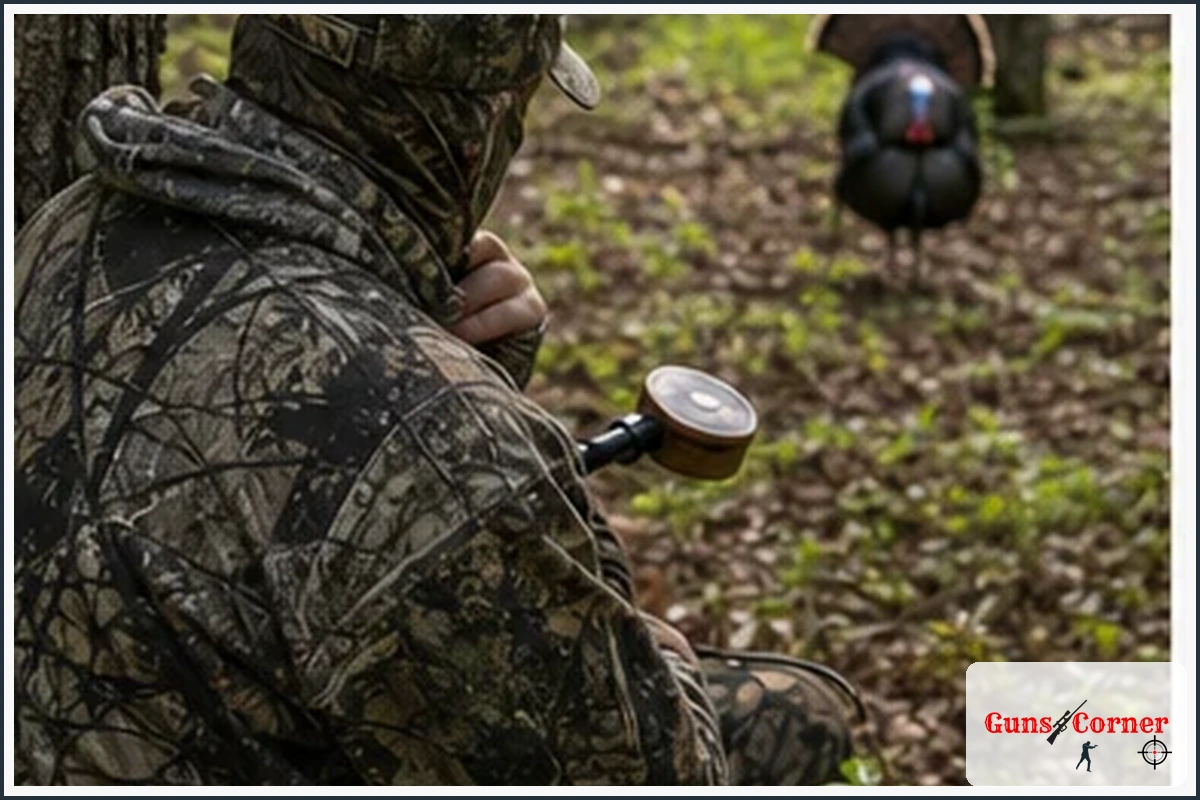
Step 1: Check the Current Turkey Regulations
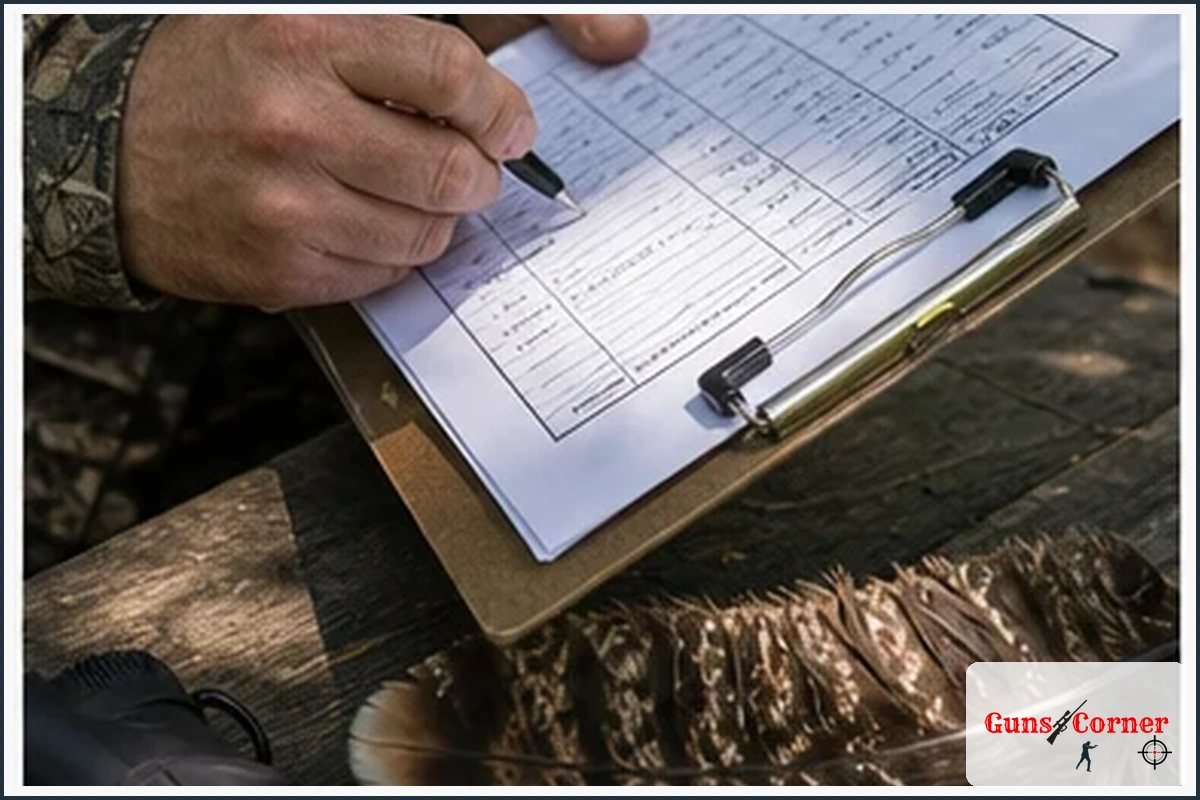
Confirm the season dates, legal hunting hours, license and tag requirements, weapon rules, legal calls or decoys, bag limits, reporting procedures, and land access regulations. Rules may differ between spring and fall seasons and between public and private land.
Step 2: Scout Without Educating the Turkey
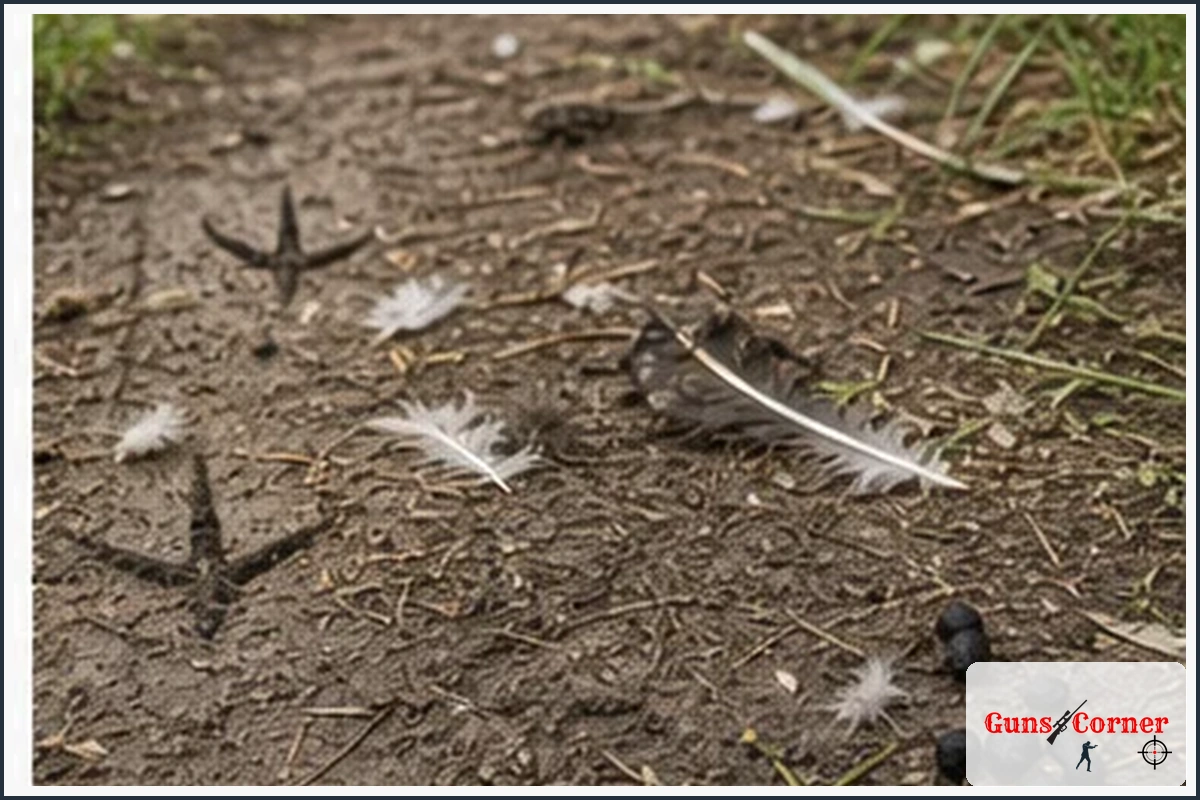
Scout from roads, field edges, ridges, and other legal observation points when possible. Look for tracks, scratching, droppings, dusting areas, feathers, strut marks, and repeated travel routes. Use binoculars where helpful and avoid walking through likely setup areas unnecessarily.
Step 3: Listen for Gobbling
Early morning listening can help identify a roost area and the direction of turkey movement. A gobble tells you where the bird is, not always where he will finish. Do not assume a gobbler will cross an obstacle or leave the roost immediately.
Step 4: Choose a Safe Calling Position
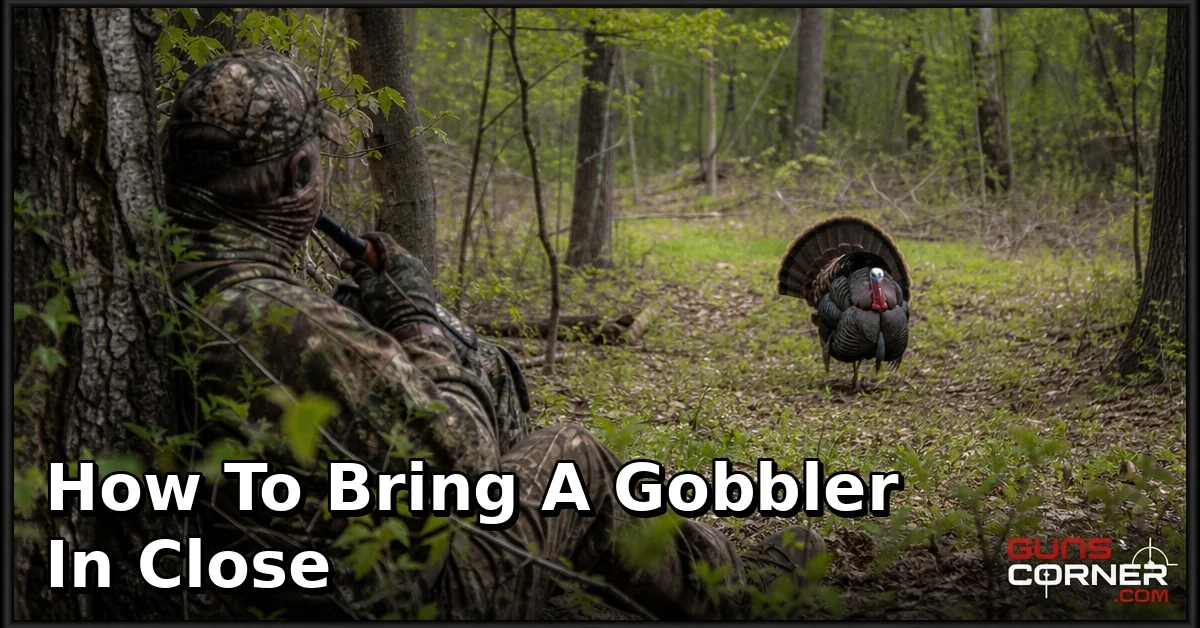
Set up where a turkey can approach naturally while you remain hidden. Good positions often include the base of a tree, the edge of cover, or a location overlooking a likely travel route. Keep your back against a wide tree when practical to protect your outline and limit movement.
Step 5: Use the Terrain to Your Advantage
Ridges, folds in the ground, creek banks, brush, and timber edges can hide your movement and help funnel turkey travel. Avoid setups where the bird can approach from many directions without a safe background or where another hunter could mistake you for a turkey.
Step 6: Check the Wind and Your Entry Route
Enter from a direction that keeps your movement, scent, and noise away from likely birds. Wind is especially important when using decoys, because a gobbler may circle before approaching. Plan an exit route that does not disturb roosting birds or other hunters.
Step 7: Begin With Realistic Calling
Start with the type of call that matches the situation and your skill level. A few clear hen sounds are often better than constant calling. After calling, wait and listen. Gobblers may answer quietly, approach without gobbling, or take considerable time to move.
Step 8: Match the Turkey’s Energy
If the gobbler is vocal and moving toward you, avoid excessive calling. If he answers but stays in place, adjust carefully with a different cadence or call type. If he is silent, rely more heavily on scouting, terrain, and patience rather than calling repeatedly.
Step 9: Stay Hidden and Motionless
Turkeys have excellent eyesight and can detect unnatural movement. Wear camouflage suited to the surroundings, cover exposed skin, silence equipment, and keep your shotgun or bow positioned safely before the bird arrives. Move only when the turkey’s head is blocked by vegetation or turned away, and only when doing so is safe.
Step 10: Use Decoys Carefully and Legally
Decoys can give a gobbler a visual reason to approach, but their use is regulated in some places and may be restricted during certain seasons. Place them where you can see the bird clearly and where the shooting direction has a safe background. Never carry or move a realistic decoy carelessly where other hunters may see it.
Step 11: Let the Gobbler Finish Naturally
Many hunters become impatient when a gobbler hangs up. A bird may pause, strut, circle, or wait for the hen to move. Avoid standing, crawling, or making risky adjustments. If the bird will not approach, mark the location and consider changing tactics another legal day.
Step 12: Take Only a Safe, Ethical Shot
Before acting, identify the turkey, confirm it is legal to harvest, know what lies beyond it, and stay within your practiced effective range. Do not shoot at a partially hidden bird, a moving target beyond your ability, or a bird near another hunter, road, home, livestock, or unsafe background.
Step 13: Follow Recovery, Tagging, and Reporting Rules
After a lawful harvest, follow your local instructions for tagging, transporting, reporting, and recording the turkey. Approach carefully, maintain firearm or bow safety, and avoid unnecessary disturbance to the surrounding area.
Step 14: Handle the Harvest Responsibly
Use clean tools and gloves, keep the meat cool, and follow local transport and processing requirements. Plan your meat care before hunting so the bird can be used respectfully and safely.
Calling Tactics That Help Bring Gobblers Closer
Start With the Calls You Can Make Well
A simple slate, box, diaphragm, or friction call can be effective when used naturally. Calling skill matters more than carrying many calls. Practice before the season so your sounds are consistent and your hands remain still in the field.
Use Pauses
Real turkeys do not call continuously. After a sequence, wait several minutes and listen. Pauses make it easier to hear a quiet bird and reduce the chance of sounding unnatural.
Do Not Overcall
Repeatedly calling at a gobbler that is already moving toward you can make the setup seem unnatural. Once the turkey is close, limit calling and concentrate on staying concealed.
Change Calls Only for a Reason
If the bird stops responding, a different call may help. However, changing calls repeatedly can create noise and movement. Use a different sound when it matches the situation, not simply because the turkey has not appeared immediately.
Best Setup Locations for Close Turkey Encounters
- Field edges where turkeys feed or strut.
- Timber openings and logging roads with good visibility.
- Ridge saddles and natural travel corridors.
- Creek crossings or narrow terrain funnels.
- Areas near, but not directly inside, likely roosting cover.
- Locations with a safe shooting background and clear identification area.
A setup is not good simply because it is close to a gobbler. It must also provide concealment, safe shooting angles, legal access, and a practical route for the turkey to approach.
Best Time, Place, and Conditions
Morning hunts can be productive because turkeys may leave roost areas and move toward feeding or strutting locations. Later in the day, local regulations may determine whether hunting is allowed. Always follow legal hours rather than assuming a general rule applies.
Light rain may reduce sound and movement visibility, while strong wind can make calling difficult and alter turkey travel. After weather changes, scout for fresh sign and reassess where turkeys are likely to feed, shelter, or travel.
On public land, expect other hunters and plan setups that reduce conflicts. On private land, obtain clear permission, respect gates and livestock, and stay within agreed boundaries.
Hunting Gear Checklist
- Valid license, turkey permit, tag, and regulation information.
- Legal shotgun, bow, or other approved hunting method.
- Appropriate ammunition or broadheads approved for the method and regulations.
- Turkey calls you can use confidently.
- Camouflage clothing and face covering suited to the terrain.
- Required hunter-orange or visibility clothing when applicable.
- Seat cushion or comfortable ground-seating system.
- Binoculars for identification and observation.
- Map, compass, GPS, or reliable navigation tool.
- Water, snacks, first aid, flashlight, and emergency communication.
- Game bag, gloves, cooling supplies, and legal transport materials.
Common Mistakes to Avoid
- Calling without first learning where turkeys travel.
- Walking too close to a roost or disturbing birds before the hunt.
- Using more calling volume than the situation requires.
- Moving when a turkey can clearly see you.
- Setting up without a safe background or clear identification area.
- Ignoring wind, terrain, or obstacles that can redirect a gobbler.
- Assuming a gobble means the turkey is walking directly toward you.
- Hunting without confirming current regulations and land access.
- Taking a shot beyond your practiced range.
- Failing to plan tagging, reporting, recovery, and meat care.
Troubleshooting Common Problems
| Problem | Possible Cause | What to Do |
|---|---|---|
| The gobbler answers but will not approach | An obstacle, hen, hunting pressure, or poor setup may be stopping him. | Stay patient, reduce calling, and study the terrain before changing locations. |
| The gobbler stops gobbling | He may be moving, joining other birds, or responding silently. | Remain concealed, listen carefully, and avoid assuming the bird has left. |
| You are not seeing turkeys | Limited scouting, poor timing, weather, or changing food sources may be involved. | Search for fresh sign and reassess legal travel routes, feeding areas, and cover. |
| Turkeys detect you | Movement, exposed skin, noise, or an approach from the wrong direction. | Improve concealment, plan quieter entry routes, and move only when hidden. |
| Other hunters are nearby | High public-land pressure or an unclear setup area. | Do not call or move toward them. Identify yourself safely from cover and relocate when appropriate. |
| You are unsure whether a shot is safe | The turkey, background, range, or legal status is unclear. | Do not shoot. Wait for a safe opportunity or end the setup. |
Ethical Hunting and Conservation
Ethical turkey hunting means pursuing legal birds with practiced equipment, realistic expectations, and respect for wildlife. Passing on an uncertain shot is a sign of good judgment, not failure.
- Follow seasons, bag limits, legal hours, and reporting rules.
- Respect private landowners, public land users, and other hunters.
- Do not disturb nesting areas or repeatedly pressure the same birds.
- Use the harvest responsibly and avoid waste.
- Leave gates, vegetation, and public areas as you found them.
- Support conservation by purchasing required licenses and following wildlife regulations.
When to Get More Training or Professional Guidance
Take a hunter education course if you are new to hunting or firearm handling. Seek help from a qualified instructor or experienced ethical mentor if you are unsure about turkey identification, calling, safe shooting positions, navigation, land boundaries, or local regulations.
After the Hunt: Review and Improve
Record the weather, location, turkey sign, calls used, response, setup, and what you would change next time. Clean and store your equipment safely, inspect calls and clothing, and confirm that harvest reporting and tagging requirements were completed.
Recommended Hunting Gear and Tools to Consider
You do not need expensive equipment to hunt turkeys responsibly. Choose gear based on local regulations, terrain, weather, hunting method, safety needs, and your experience.
- A legal and properly patterned shotgun or practiced bow setup.
- One or two reliable calls you can operate naturally.
- Camouflage and weather-appropriate clothing.
- Binoculars for observation and identification.
- A comfortable seat cushion for stationary hunting.
- Map, compass, GPS, or a dependable navigation app.
- First aid supplies, water, food, and emergency communication.
- Gloves, game bags, cooling supplies, and legal transport materials.
Final Thoughts
Learning how to bring a gobbler in close takes scouting, realistic calling, careful concealment, patience, and sound judgment. Check current regulations, practice before the season, choose safe setups, and take only ethical opportunities within your ability. Responsible turkey hunting is measured not only by success, but also by respect for wildlife, other hunters, landowners, and conservation.
Frequently Asked Questions
What is the best way to bring a gobbler in close?
Scout first, set up along a likely travel route, use realistic calling, stay concealed, and remain patient. The best tactic depends on the bird’s behavior, terrain, weather, and hunting pressure.
How close should I set up to a gobbler?
Set up close enough for your legal and practiced range while maintaining a safe approach route and adequate concealment. Avoid crowding a roost or disturbing the bird.
Should I call loudly to a distant gobbler?
Use enough volume to reach the bird, but keep the cadence natural. Wind, terrain, and distance affect how much sound is needed.
How often should I call?
Call in short, realistic sequences followed by pauses. Continuous calling can sound unnatural and may cause unnecessary movement.
What if a gobbler answers but does not move?
He may be blocked by terrain, following another bird, responding silently, or affected by pressure. Stay patient and avoid rushing toward him.
Should I move closer after a gobbler answers?
Only if you can do so legally, safely, and without exposing yourself or disturbing other hunters. In many cases, staying put is the better decision.
What turkey calls should a beginner use?
Choose a call you can operate consistently, such as a box, slate, or diaphragm call. Practice before hunting rather than carrying many unfamiliar calls.
Are decoys necessary?
No. Decoys can help in some situations, but scouting, concealment, calling, and setup quality are often more important. Check local rules before using them.
Where should I place turkey decoys?
Place them where approaching birds can see them and where the shooting direction has a safe background. Keep them away from locations where other hunters may encounter them unexpectedly.
How important is concealment?
Concealment is critical because turkeys have excellent eyesight. Cover exposed skin, reduce movement, and choose a position that breaks up your outline.
How important is wind direction?
Wind affects scent, sound, movement, and how a turkey approaches. Consider the wind when choosing your entry route and setup location.
What signs show that turkeys are using an area?
Common signs include tracks, scratching, droppings, feathers, strut marks, dusting areas, and repeated movement along field edges or openings.
How do I find a turkey roost?
Listen from a distance during legal scouting periods and look for suitable roosting habitat. Avoid entering or repeatedly disturbing the roost area.
Should I hunt directly under a roost?
Not necessarily. Set up along a likely departure route while avoiding disturbance. Always follow local rules about access and hunting near roosting areas.
What is the best time to hunt a gobbler?
The best time depends on local legal hours, season, weather, and turkey behavior. Morning movement can be productive, but always follow the regulations in your area.
Can I hunt turkeys in the rain?
Light rain may change movement and calling conditions, while heavy weather can reduce visibility and safety. Adjust only when conditions remain safe and legal.
How does hunting pressure affect gobblers?
Pressure can make gobblers quieter, more cautious, and more likely to use cover or travel at different times. Scouting fresh sign becomes especially important.
Is public land turkey hunting safe for beginners?
It can be, but beginners should study boundaries, access points, parking areas, regulations, and likely hunter locations. Avoid calling or moving toward sounds that may come from people.
How do I hunt turkeys safely around other hunters?
Identify your target and background, avoid approaching calls, wear required visibility clothing, and never imitate or respond aggressively to a sound you cannot identify.
What should I do if I hear another hunter calling?
Do not move toward the sound or attempt to compete. Stay concealed, communicate safely if necessary, and relocate when doing so will not create a hazard.
What firearm safety rules apply to turkey hunting?
Treat every firearm as loaded, keep the muzzle in a safe direction, keep your finger outside the trigger guard until ready, identify the target and background, and follow manufacturer and hunter education guidance.
What bowhunting safety rules apply?
Use equipment you have practiced with, carry broadheads safely, know your effective range, and take only a clear shot within your ability and local regulations.
How far should I shoot at a gobbler?
Stay within the range you have confirmed through practice and equipment testing. Never rely on an estimated distance or take a shot you have not prepared for.
How do I know a shot opportunity is ethical?
The turkey must be clearly identified and legal, the background must be safe, the range must be within your ability, and no person, road, home, livestock, or other hazard can be endangered.
Should I shoot at a turkey that is partly hidden?
No. Wait for clear identification and a safe, ethical opportunity. Do not shoot through uncertain cover or at movement you cannot identify.
What should I do after harvesting a turkey?
Follow local tagging, reporting, transport, and recovery rules. Keep equipment safe, handle the bird respectfully, and begin cooling and meat care promptly.
Do I need to report a turkey harvest?
Many jurisdictions require harvest reporting, but procedures vary. Check your official wildlife agency before hunting and complete reporting within the required timeframe.
How should I care for turkey meat?
Use clean hands and tools, protect the meat from contamination, cool it promptly, and follow safe processing and storage practices.
What should I do if I am unsure about turkey regulations?
Do not hunt until you confirm the rules with the official wildlife agency or a qualified local authority. Regulations can change between seasons and locations.
How can I practice turkey calling?
Practice at home or in a controlled setting before the season. Focus on rhythm, volume, pauses, and natural-sounding sequences rather than constant noise.
Why does a gobbler sometimes circle instead of approaching?
He may be checking the area, responding to wind, avoiding obstacles, or trying to locate the calling bird. Good concealment and patience are important.
Can too much calling scare a gobbler away?
It can make the situation sound unnatural or cause the bird to lose interest. Match your calling to the bird’s response and use pauses.
What if a gobbler comes in from an unsafe direction?
Do not twist, stand, or take a risky shot. Let the bird pass or end the setup safely.
How do I avoid spooking turkeys while entering the woods?
Plan your route, move quietly, avoid likely roost and feeding areas, control unnecessary noise, and use terrain and darkness only as permitted and safe.
Do turkeys always respond to calling?
No. Turkeys may ignore calls because of breeding behavior, pressure, weather, competing birds, terrain, or a lack of interest.
Should I use aggressive calling?
Aggressive calling may work in some situations, but it is not always appropriate. Begin naturally and increase intensity only when the turkey’s behavior supports it.
How long should I wait after calling?
Wait long enough to listen and allow a turkey to approach. The exact time depends on terrain, distance, and the bird’s response, so avoid leaving too quickly.
What is the biggest beginner mistake in turkey hunting?
Many beginners move too much or call too often. Scouting, concealment, patience, and safety are usually more important than making constant calls.
Should I hunt alone as a beginner?
Beginners should consider hunting with an experienced, ethical mentor, especially when learning firearm safety, navigation, turkey identification, and local regulations.
What hunter education should I complete?
Complete the required hunter education course in your jurisdiction and consider additional firearm, bow, calling, navigation, or first-aid instruction.
How can I become better at bringing gobblers close?
Keep field notes, practice calling, study turkey sign, improve concealment, pattern your equipment legally, and review every hunt honestly.
How does turkey hunting support conservation?
License purchases, regulated seasons, harvest reporting, habitat management, and responsible hunter participation support science-based wildlife conservation.