

Arkansas duck season changes annually and is divided into segments set by the Arkansas Game and Fish Commission (AGFC) under federal migratory-bird frameworks. For the 2025–26 season, regular duck, coot, and merganser hunting is scheduled for November 22–December 1, December 10–23, and December 27–January 31, with a special youth, active-duty military, and veteran hunt scheduled for February 7–8, 2026. Always confirm the current AGFC regulations before hunting because dates, limits, permits, and zone rules can change.
What Is Arkansas Duck Season?
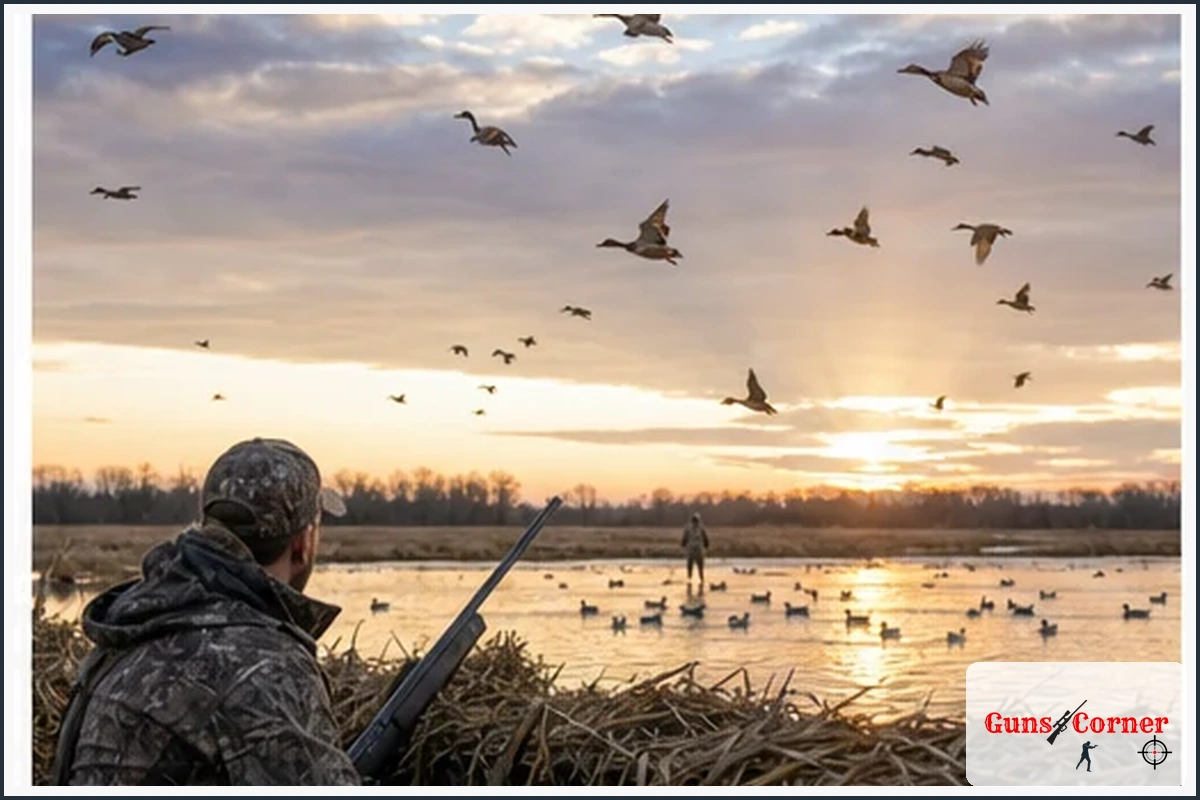
Arkansas duck season is the state’s regulated period for hunting ducks and certain related waterfowl species. It is not one continuous season: Arkansas commonly divides the regular season into multiple segments, with separate dates for teal, geese, youth and military hunts, and conservation opportunities.
The exact legal opportunity depends on the year, species, hunting zone or unit, land type, and applicable federal and state regulations. Online summaries can become outdated, so the current AGFC waterfowl regulation guide is the controlling reference.
2025–26 Arkansas Duck Season Dates
The following dates were widely reported for the 2025–26 Arkansas season. Verify them in the current AGFC regulations before making travel plans or going afield.
| Season | 2025–26 dates | Important note |
|---|---|---|
| Special early teal | September 20–28, 2025 | Only legal teal species may be taken under the applicable rules. |
| Regular ducks, coots, and mergansers | November 22–December 1, 2025; December 10–23, 2025; December 27, 2025–January 31, 2026 | Daily limits and species restrictions apply. |
| Special youth, active-duty military, and veteran hunt | February 7–8, 2026 | Eligibility and supervision requirements must be checked in the current regulations. |
| Early Canada goose | September 1–October 15, 2025 | This is separate from regular duck season. |
Dates shown above are seasonal examples, not a permanent calendar. The AGFC may adjust dates, zones, limits, or special-season details after federal frameworks and state rulemaking are finalized.
Duck, Coot, and Merganser Limits
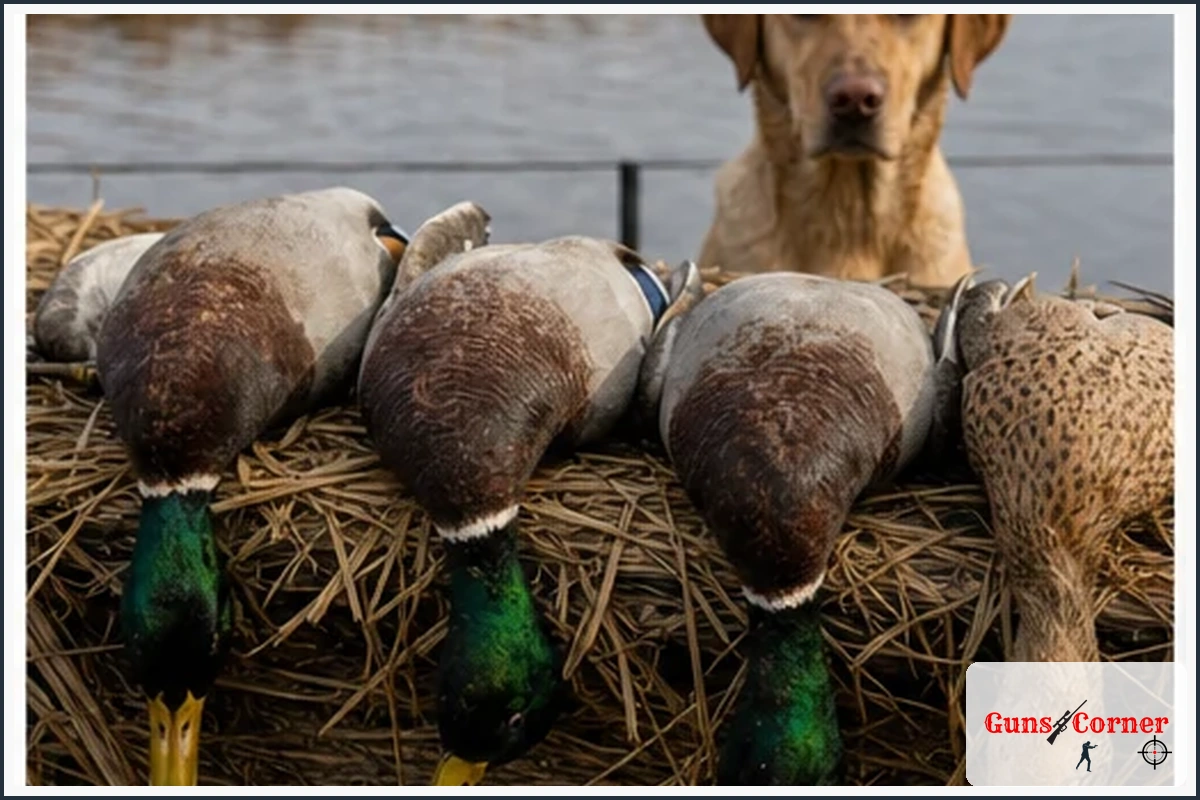
For the 2025–26 regular season, reported limits included a six-duck daily bag with species-specific restrictions. Those restrictions reportedly included limits for mallards, pintails, wood ducks, scaup, redheads, canvasbacks, black ducks, and mottled ducks.
Because species identification and limits are legally important, do not rely on a simplified internet list in the field. Carry the current AGFC regulation guide and confirm:
- The total daily bag limit.
- The possession limit.
- Species-specific sublimits.
- Separate coot and merganser limits.
- Whether a particular species is legal during the season you are hunting.
- Any changes issued after the regulation booklet was printed.
Hunters must be able to identify protected or restricted species before shooting. If you cannot make a positive identification, do not take the shot.
What You Need Before Hunting Arkansas Waterfowl
Licenses, stamps, and HIP registration
Waterfowl hunters generally need the licenses, permits, stamps, and registrations required by Arkansas and federal migratory-bird regulations. Requirements may differ by age, residency, species, and hunt type.
Hunters should verify the current requirements through the AGFC and the U.S. Fish and Wildlife Service before the trip. Migratory bird hunters may also need Harvest Information Program registration and proof of registration while hunting.
Legal equipment
Use only equipment permitted under current Arkansas and federal regulations. Confirm requirements for:
- Shotgun capacity and plugging.
- Non-toxic shot.
- Legal shooting hours.
- Decoys and calls.
- Electronic equipment and lights.
- Boat use and public-access areas.
- Licensing and documentation.
Manufacturer instructions still apply to firearms, waders, boats, blinds, and other equipment. A mechanical firearm safety is not a substitute for safe handling.
When Is the Best Time to Hunt Ducks in Arkansas?
Many hunters prefer the later portion of the regular season because migration, weather, water conditions, and local bird movements may create productive opportunities. However, there is no guaranteed best date. Duck numbers and behavior can vary with cold fronts, habitat conditions, river levels, food availability, hunting pressure, and regional migration patterns.
| Factor | Why it matters | Practical approach |
|---|---|---|
| Cold fronts | May influence migration and movement. | Monitor weather while avoiding unsafe boating conditions. |
| Water levels | Change access, habitat, and bird distribution. | Check current conditions and scout legally before hunting. |
| Food availability | Birds may concentrate where suitable food and cover exist. | Respect baiting laws and never assume feeding areas are legal to hunt. |
| Hunting pressure | Can alter flight times and use of habitat. | Use ethical scouting and avoid crowding other hunters. |
Arkansas Duck Hunting Safety
Arkansas waterfowl hunting often involves cold water, boats, flooded timber, mud, low visibility, and rapidly changing weather. Personal flotation devices, communication, and a realistic plan are essential.
- Wear a properly fitted personal flotation device when boating or when conditions make immersion possible.
- Tell someone where you are going and when you expect to return.
- Keep firearms unloaded while traveling in a boat unless current law and safe procedures clearly allow otherwise.
- Control the muzzle and keep the action open when moving through a blind, boat, or timber setup.
- Identify the bird and know what is beyond it before shooting.
- Never shoot toward people, boats, roads, buildings, livestock, or occupied blinds.
- Use eye and hearing protection when practical.
- Carry warm clothing, dry layers, navigation equipment, and emergency communication.
In flooded timber, footing can be unstable and shooting lanes may be short. Follow the guide or land manager’s instructions, maintain safe spacing, and never climb or move with a loaded firearm.
Common Mistakes During Arkansas Duck Season
- Using old dates: Confirm the current season instead of copying a previous year’s calendar.
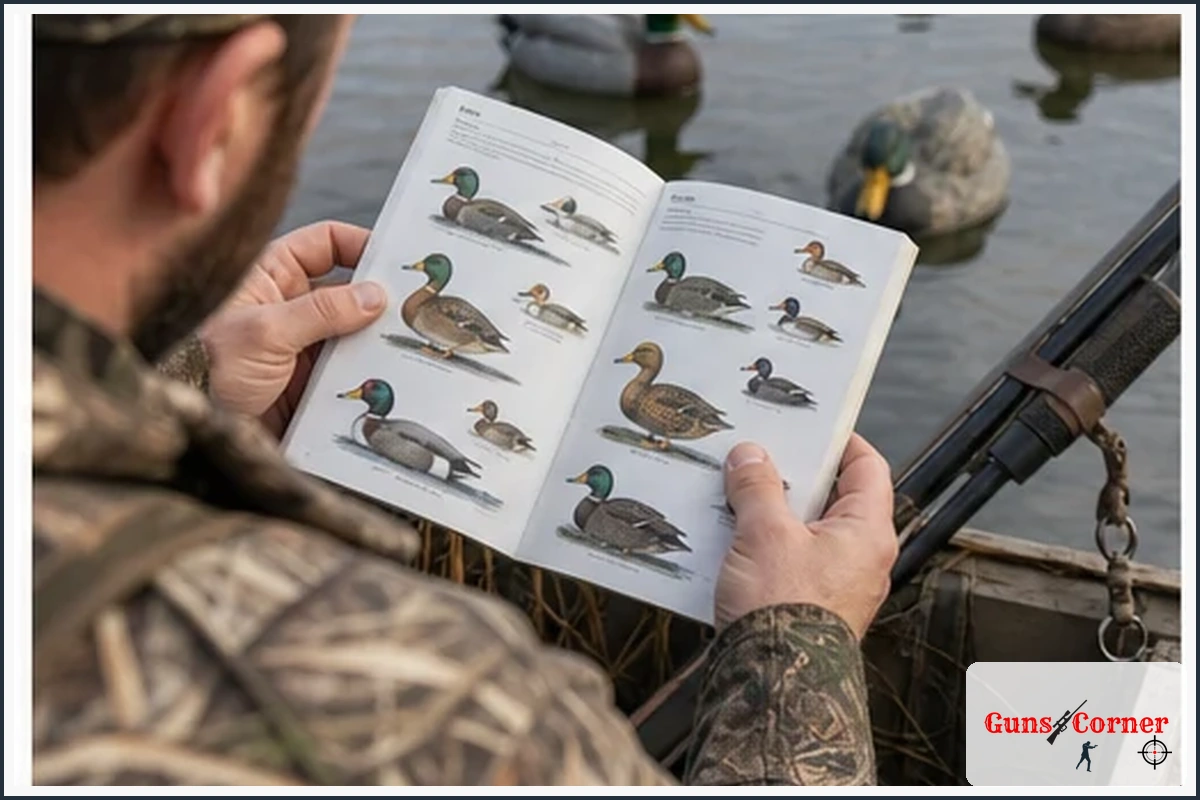
- Ignoring species limits: Learn identification and sublimits before opening day.
- Assuming all public land is the same: Check area-specific rules, access restrictions, and refuge regulations.
- Forgetting cold-water risk: Waders do not replace a flotation and emergency plan.
- Shooting at unidentified birds: Wait for a clear species identification and safe background.
- Planning travel before checking regulations: Verify dates, permits, access, and closures immediately before departure.
How to Verify the Current Arkansas Duck Regulations
- Open the latest Arkansas Game and Fish Commission waterfowl regulation guide.
- Confirm the season dates for the current license year.
- Check the species, daily bag, possession, and shooting-hour rules.
- Review the specific wildlife management area, refuge, or private-land requirements.
- Verify licenses, stamps, HIP registration, and any required permits.
- Check for emergency orders, closures, disease advisories, or regulation updates.
- Carry the current rules and required documentation while hunting.
Official regulations override general online guidance. If a regulation is unclear, contact the AGFC before hunting rather than relying on an outfitter, social-media post, or outdated article.
FAQs
1. When does Arkansas duck season open?
Opening dates change by year. For 2025–26, the regular duck season was scheduled to open November 22, 2025, but hunters should confirm the current AGFC calendar before hunting.
2. Is Arkansas duck season split into segments?
Yes. Regular duck, coot, and merganser seasons are commonly divided into separate segments. The dates are set annually and may change.
3. What is the Arkansas duck limit?
The limit is established annually and may include species-specific restrictions. For 2025–26, reports listed a six-duck daily bag, but the current AGFC regulations must be checked for exact sublimits and possession rules.
4. Do I need HIP registration to hunt ducks in Arkansas?
Migratory bird hunters may need Harvest Information Program registration and proof of registration. Verify the current requirement and carry the required documentation.
5. Is early teal season the same as regular duck season?
No. Early teal season is a separate opportunity with different dates and species rules. Hunters must be able to distinguish legal teal from other ducks.
6. What should a first-time Arkansas duck hunter bring?
Bring required licenses and documentation, legal ammunition, a suitable shotgun, warm layered clothing, waders, a personal flotation device when appropriate, eye and hearing protection, navigation tools, communication equipment, water, food, and a basic emergency kit.
7. Is late December the best time to hunt Arkansas ducks?
Late December and January can offer favorable conditions in some years, but migration and local bird movement depend on weather, water, food, habitat, and hunting pressure. No date guarantees success.
Final Answer: Arkansas Duck Season
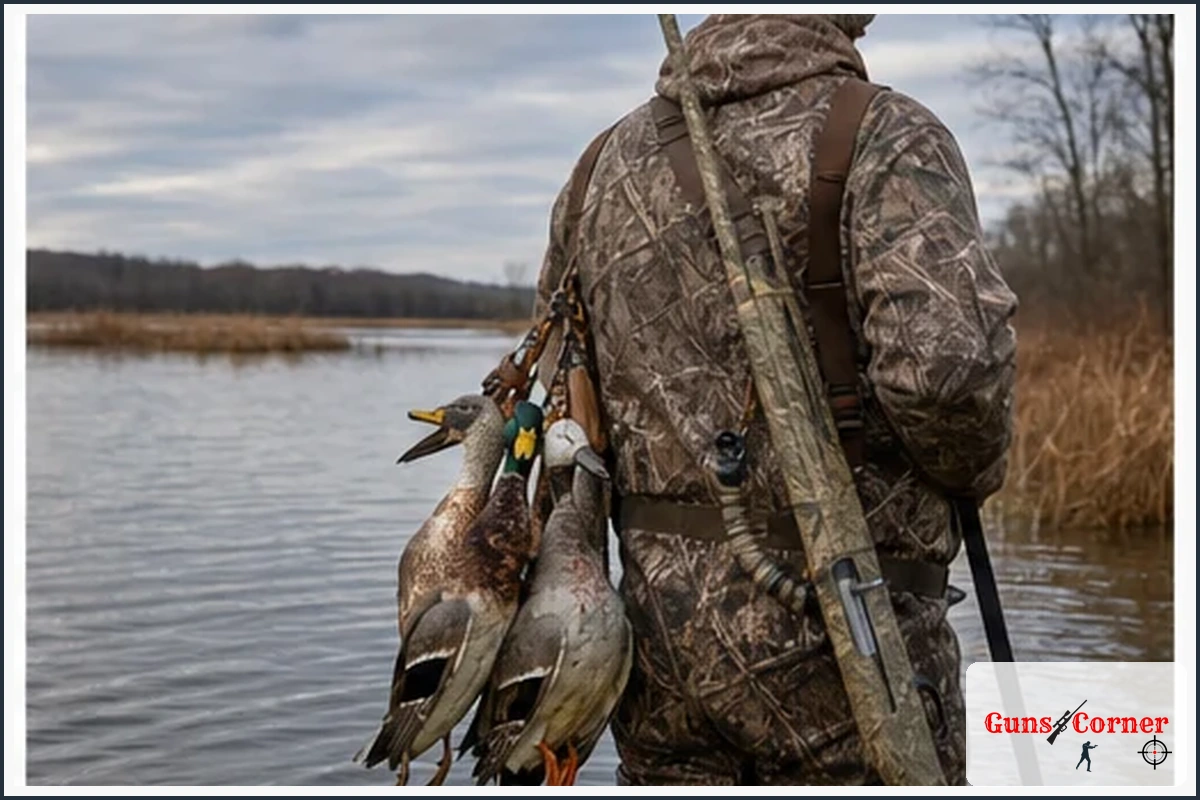
Arkansas duck season is an annually regulated, segmented waterfowl season. The 2025–26 regular dates were November 22–December 1, December 10–23, and December 27–January 31, but dates, limits, permits, and area rules can change. Before hunting, verify the latest AGFC regulations, complete every licensing and HIP requirement, use legal non-toxic ammunition, plan for cold water, and make every shot only after positive identification and a safe backstop.
Related posts:

How to Attract Deer Fast: A Legal and Ethical Hunting Guide

How to Hunt Rattlesnakes: Beginner Guide to Legal, Safe, and Ethical Rattlesnake Hunting

How to Hunt Public Land: A Beginner-Friendly Guide

8 Best Hiking Boots for Comfort, Traction, Waterproofing, and Trail Support

15 Best Hunting Duffle Bag Options for Organized Field Gear