

Alabama duck season varies by waterfowl species, season segment, and the current state and federal regulations. Hunters should check the latest Alabama Department of Conservation and Natural Resources waterfowl guide before hunting because dates, bag limits, shooting hours, and special hunt days can change.
What Is Alabama Duck Season?
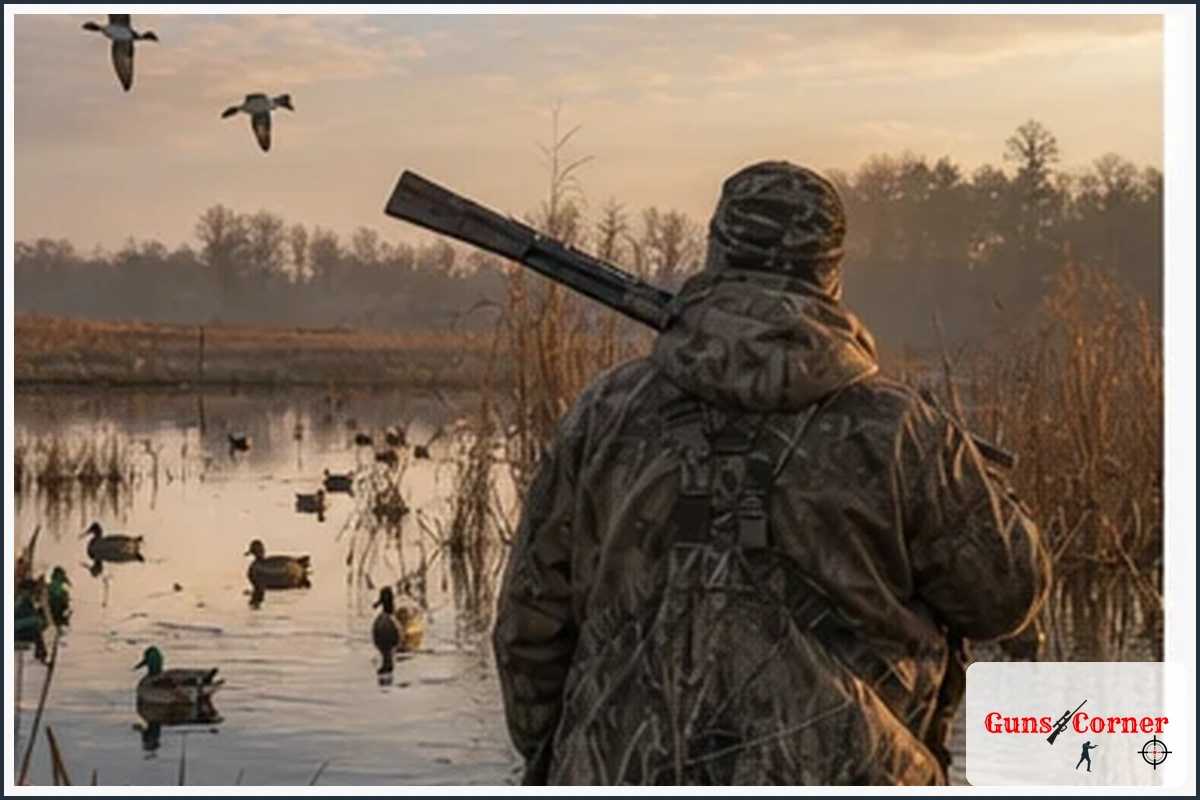
Alabama duck season is the regulated period when licensed hunters may pursue ducks and other migratory waterfowl in Alabama. The season may include regular duck hunts, special youth and military hunting days, and separate seasons for teal, geese, mergansers, coots, and other waterfowl.
There is not one permanent Alabama duck-season date that applies every year. Federal frameworks and state regulations must be finalized and checked annually.
When Is Alabama Duck Season?
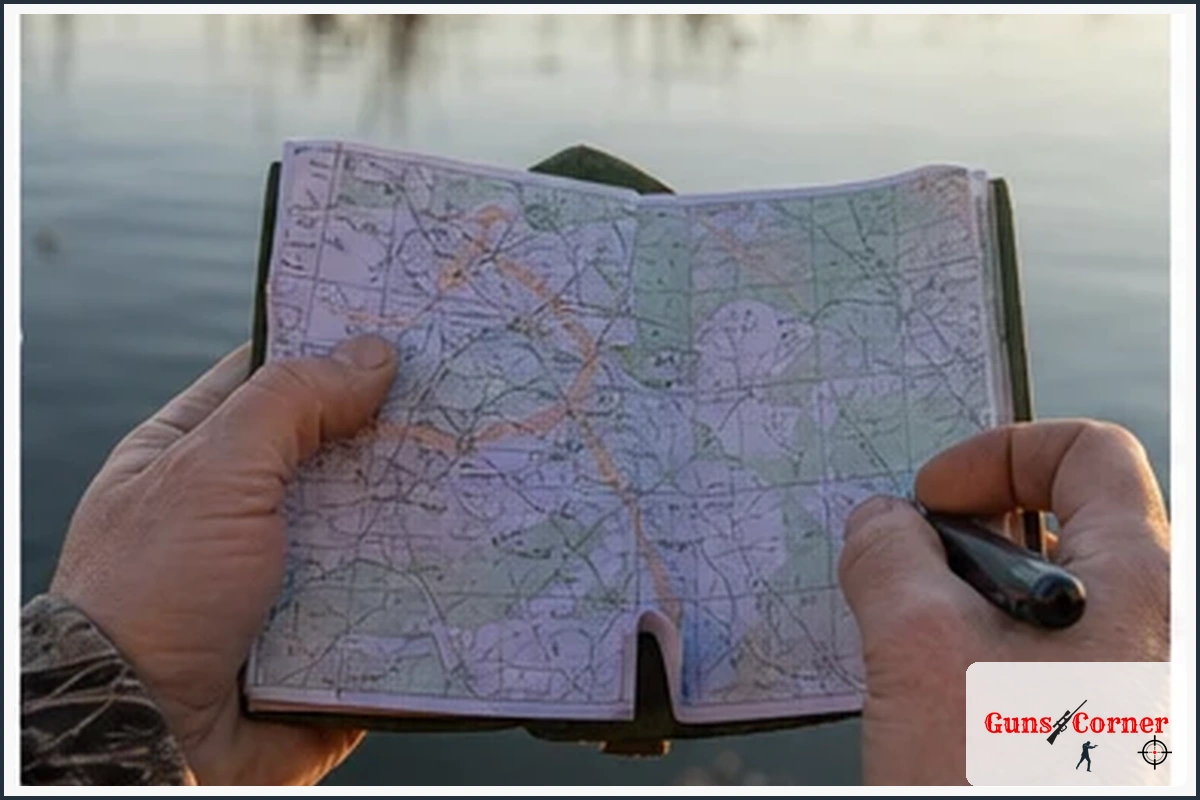
The exact dates depend on the current Alabama waterfowl regulation booklet. A typical regulation year may include multiple segments, but hunters should not rely on a previous season’s calendar.
| Information to Check | Why It Matters |
|---|---|
| Regular duck season dates | Determine when general duck hunting is legal. |
| Special youth and military days | These dates may have separate eligibility requirements. |
| Teal season | It may have different dates, limits, and identification concerns. |
| Goose, merganser, and coot seasons | Each species group may have different regulations. |
| Daily bag and possession limits | Species limits and aggregate limits must be followed. |
| Shooting hours | Waterfowl hunting is generally limited to legally specified hours. |
Alabama Duck Season Dates and Regulations
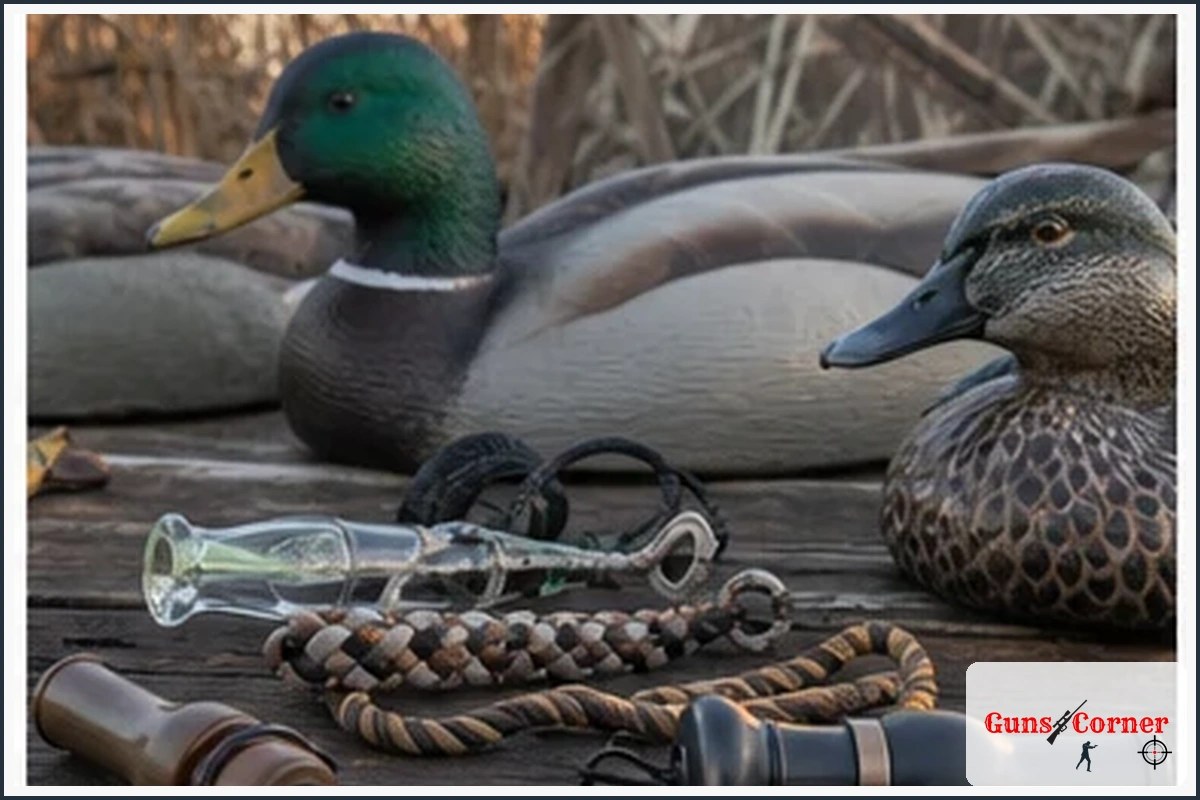
Use the current official Alabama Waterfowl Hunting Guide and federal migratory-bird regulations to confirm:
- Opening and closing dates
- Season segments
- Species-specific seasons
- Daily and possession limits
- Legal shooting hours
- Approved firearms and ammunition
- License and permit requirements
- Wildlife management area restrictions
- Special youth, active military, and military veteran hunting days
- Reporting, tagging, or harvest-record requirements
Official regulations override summaries on third-party websites. Check the Alabama Department of Conservation and Natural Resources shortly before each hunt, especially if federal waterfowl frameworks were not final when an older guide was printed.
Alabama Duck Bag Limits
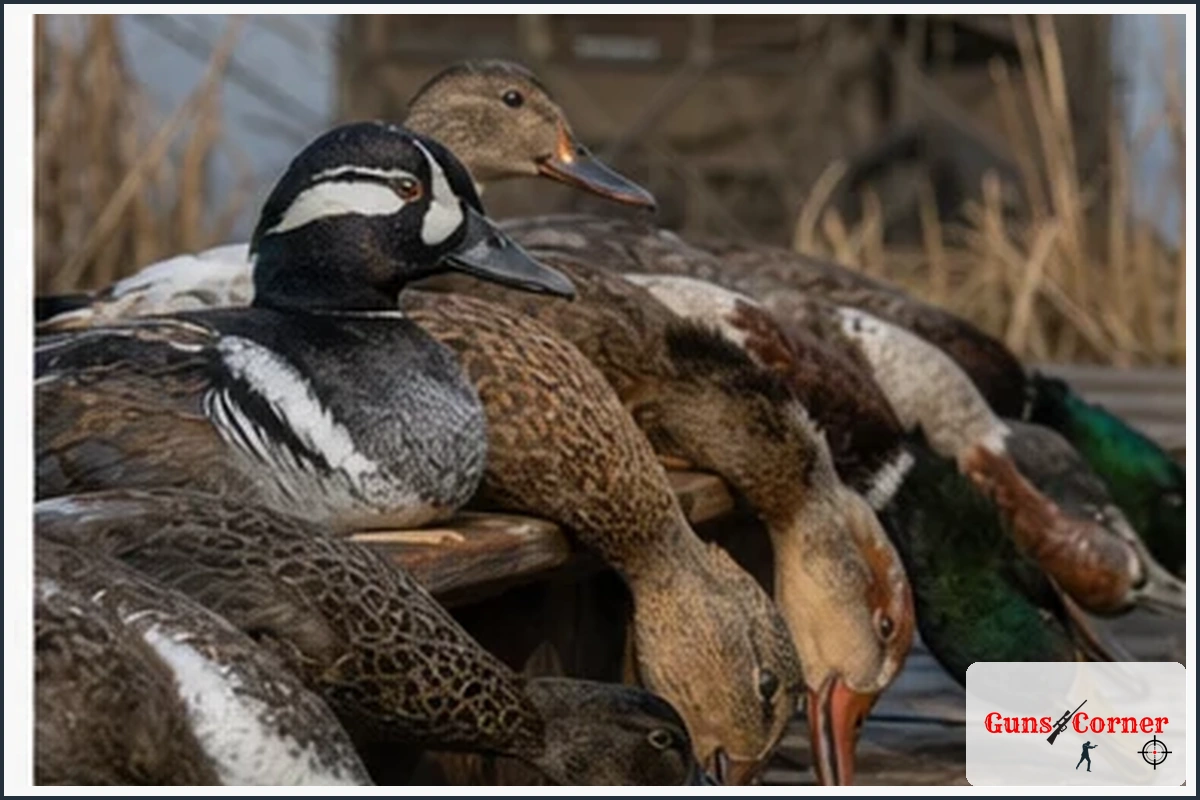
Bag limits are species-specific and may include an overall duck limit plus restrictions on individual species. A daily limit may allow several duck species but still restrict the number of mallards, female mallards, wood ducks, mottled ducks, black ducks, redheads, pintails, canvasbacks, or scaup.
Do not assume that the total number of ducks allowed is the only rule. Species identification is essential because exceeding a species sub-limit can be illegal even when the overall daily limit has not been reached.
Common Limit Categories to Verify
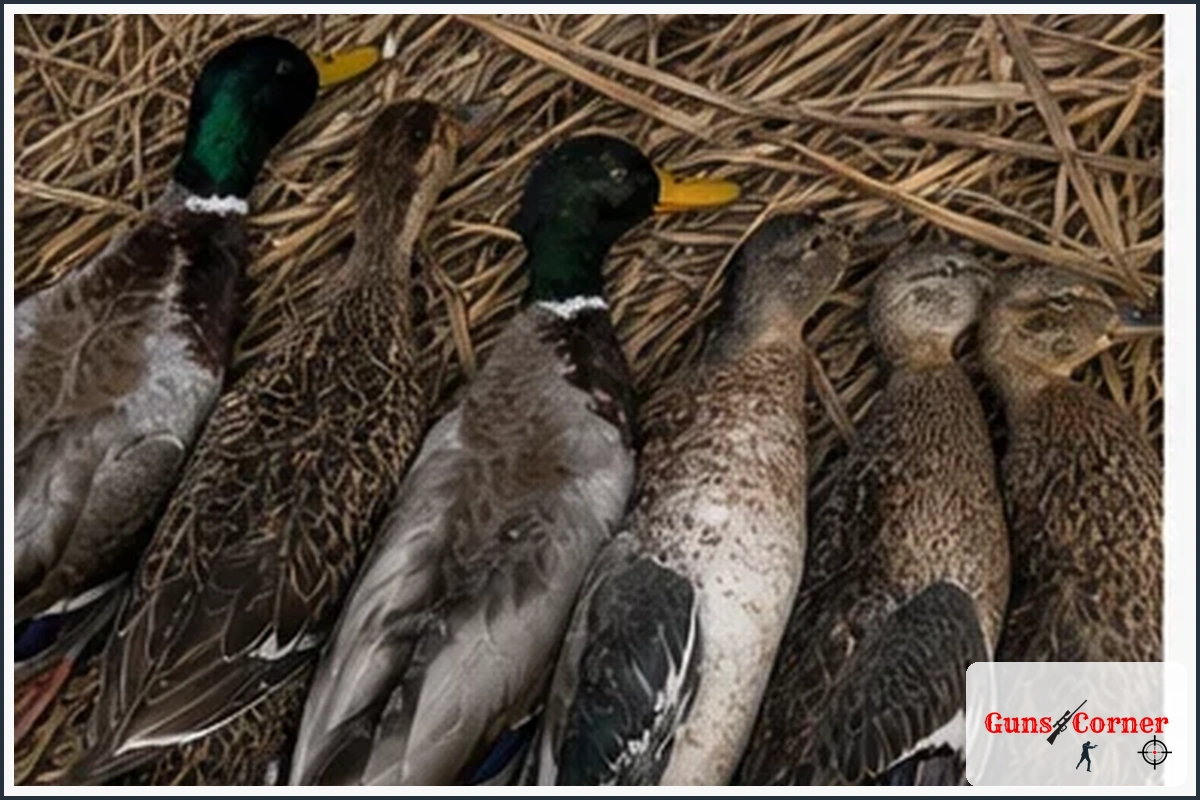
- Total ducks allowed per day
- Maximum number of mallards
- Female mallard restrictions
- Wood duck limit
- Mottled duck limit
- Black duck limit
- Redhead limit
- Pintail limit
- Canvasback limit
- Scaup limit
- Merganser and hooded merganser limits
- Coot and gallinule limits, where applicable
Possession limits may be higher than daily limits but still apply to the number of birds a person may legally possess. Confirm the current definitions and exceptions in the official regulation booklet.
What Licenses and Stamps Do You Need?
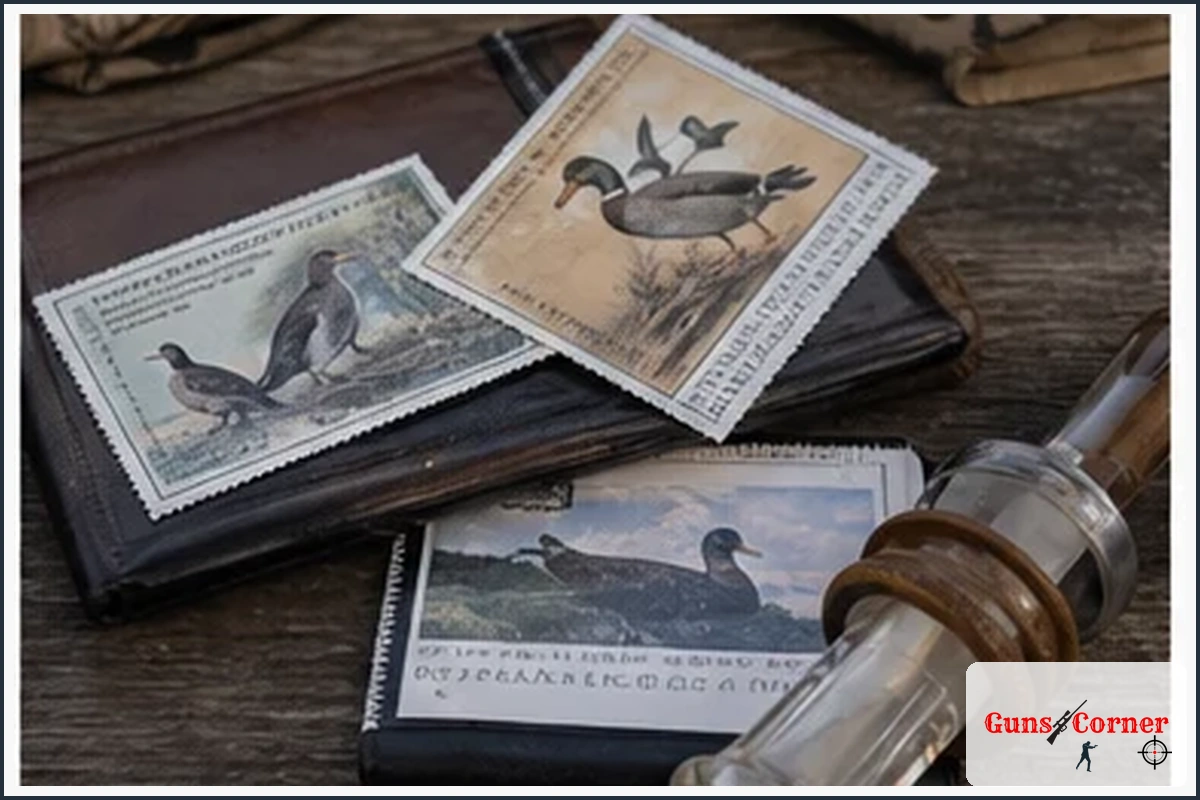
Waterfowl hunters commonly need a valid Alabama hunting license, applicable state waterfowl privileges, a federal Migratory Bird Hunting and Conservation Stamp, and registration in the Harvest Information Program. Exact requirements can vary by age, residency, military status, and the type of land or hunt.
Before hunting, verify whether you need:
- An Alabama hunting license
- State duck or waterfowl privileges
- A federal duck stamp
- HIP certification or registration
- Wildlife management area permits or special permits
- Hunter education certification
- Any required harvest reporting documentation
Legal Shooting Hours and Ammunition
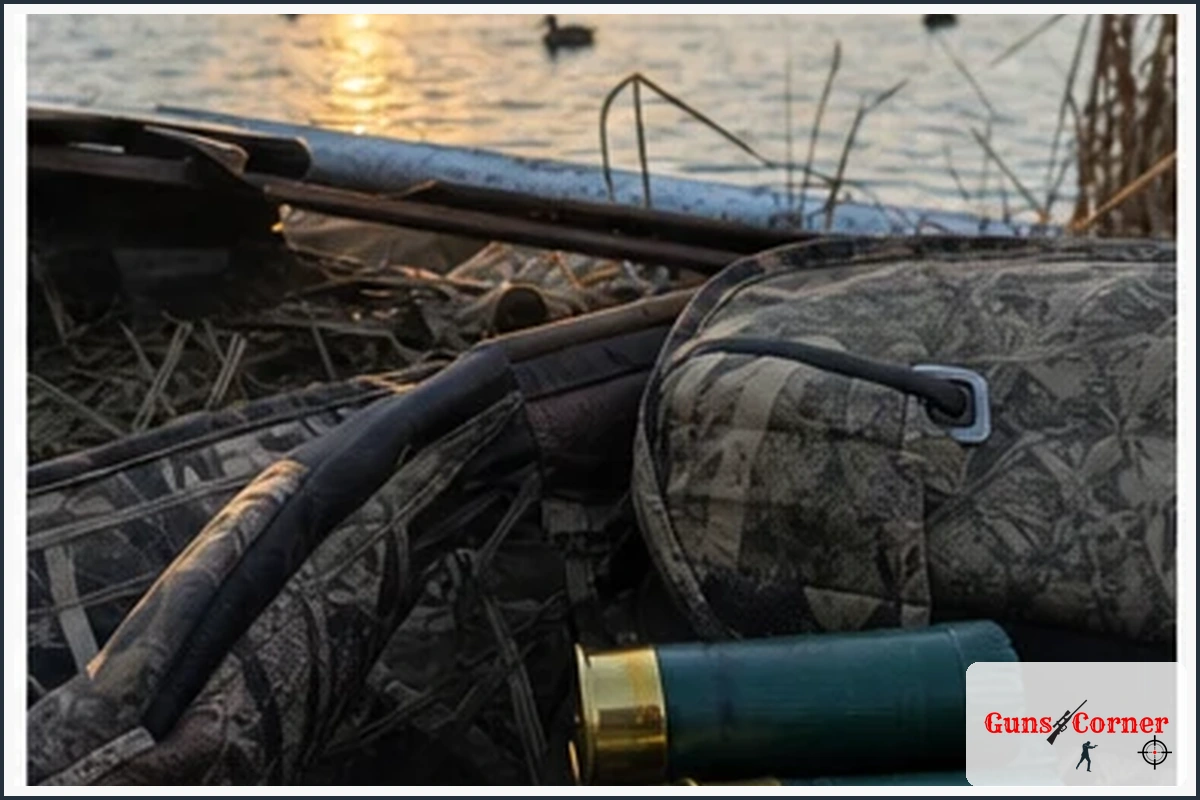
Waterfowl shooting hours are set by regulation. Many Alabama waterfowl rules use a period beginning one-half hour before sunrise and ending at sunset, but hunters must confirm the current rule for the specific season and species.
Non-toxic shot is required for migratory waterfowl hunting. Verify the current approved ammunition requirements and use ammunition compatible with the shotgun according to the firearm manufacturer’s instructions.
Shotgun Safety for Duck Hunting
- Treat every shotgun as if it is loaded.
- Keep the muzzle pointed in a safe direction.
- Keep your finger outside the trigger guard until ready to shoot.
- Identify the bird and know what lies beyond it.
- Keep the action open while traveling, entering a boat, or crossing obstacles when appropriate.
- Use eye and hearing protection when practical.
- Never shoot toward people, boats, roads, homes, livestock, or unsafe surfaces.
- Follow the shotgun and ammunition manufacturer’s instructions.
Special Alabama Waterfowl Hunting Days
Alabama may designate special waterfowl hunting days for eligible youth, active military members, and military veterans. These days can have the same shooting hours, bag limits, arms, and ammunition rules as regular waterfowl hunting, but eligibility and dates must be verified each year.
Participants should carry any required proof of eligibility and review the current Alabama rule before hunting.
Where Can You Hunt Ducks in Alabama?
Duck hunting may occur on private wetlands, reservoirs, rivers, marshes, public lakes, and wildlife management areas where hunting is permitted. Public-land rules can be more restrictive than statewide rules.
Before entering a hunting area, check:
- Whether waterfowl hunting is open there
- Management-area dates and permit requirements
- Access points and parking rules
- Boat-launch restrictions
- Non-toxic shot requirements
- Closed zones and sanctuary boundaries
- Property boundaries and landowner permission
- Temporary closures or emergency orders
Never assume that navigable water or a visible wetland automatically provides legal hunting access. Respect posted boundaries and obtain permission before hunting private property.
Duck Identification Before the Shot
Accurate identification is both an ethical and legal responsibility. Low light, distance, weather, and fast-moving birds can make identification difficult.
- Take only shots at birds you can positively identify.
- Learn the appearance and flight characteristics of commonly hunted Alabama ducks.
- Do not shoot at silhouettes or unidentified movement.
- Be especially careful with species that have similar shapes or plumage.
- Use a current waterfowl identification guide before the season.
- Pass on a shot when identification is uncertain.
Practical Preparation for Alabama Duck Season
- Read the current Alabama waterfowl regulations.
- Confirm licenses, stamps, HIP registration, and permits.
- Scout legal access points and water conditions.
- Check weather, wind, temperature, and boating conditions.
- Pattern the shotgun with the intended non-toxic load and choke.
- Practice identifying ducks in realistic light and at safe distances.
- Inspect waders, boat equipment, decoys, anchors, and flotation devices.
- Tell someone where you are going and when you expect to return.
- Carry communication, navigation, first-aid, and emergency equipment.
- Plan how harvested birds will be recovered, cooled, and transported.
Waterfowl Gear and Cold-Water Safety
Useful duck-hunting equipment may include a legal shotgun and non-toxic ammunition, properly fitted waders, camouflage clothing, a personal flotation device, decoys, calls, a waterproof regulation guide, navigation equipment, and a bird-retrieving method.
Cold water is a serious hazard. Wear a properly fitted personal flotation device when boating or hunting from a watercraft, avoid overloaded boats, and do not enter unsafe ice or fast-moving water. A fall into cold water can become life-threatening before help arrives.
Common Alabama Duck-Hunting Mistakes
- Using dates from an old regulation booklet.
- Ignoring species-specific bag limits.
- Failing to complete required HIP registration or carry required documentation.
- Using prohibited ammunition.
- Taking shots at unidentified birds.
- Ignoring shooting hours.
- Assuming a public lake is open everywhere.
- Hunting from an unsafe or overloaded boat.
- Wearing waders without planning for a cold-water emergency.
- Leaving unrecovered birds or failing to make a reasonable recovery effort.
What Not to Do During Alabama Duck Season
- Do not hunt without checking the current official regulations.
- Do not exceed the daily or possession limit.
- Do not shoot before legal shooting hours or after they end.
- Do not use lead shot for regulated waterfowl hunting.
- Do not shoot at birds you cannot positively identify.
- Do not trespass or cross posted boundaries.
- Do not fire across another hunter, boat, road, or occupied structure.
- Do not carry a loaded shotgun while climbing into a stand or boat.
- Do not ignore dangerous weather, high water, or cold exposure.
Final Answer: How Do You Check Alabama Duck Season?
To find the current Alabama duck season, use the latest Alabama Department of Conservation and Natural Resources Waterfowl Hunting Guide and confirm the applicable federal migratory-bird regulations. Check the dates, species limits, shooting hours, licenses, ammunition rules, public-land restrictions, and special hunt days immediately before hunting.
Responsible Alabama duck hunting requires current regulations, positive bird identification, safe shotgun handling, legal access, careful boat and cold-water preparation, and a genuine effort to recover harvested birds.
FAQs
1. When does Alabama duck season start?
The opening date changes by regulation year and season segment. Check the current Alabama Waterfowl Hunting Guide rather than relying on a previous calendar.
2. When does Alabama duck season end?
The closing date depends on the species and season segment. Confirm the exact date in the current official regulations.
3. Is Alabama duck season the same every year?
No. Federal frameworks, state rules, season segments, and special hunt days can change from year to year.
4. What is the Alabama duck limit?
The overall duck limit and species-specific limits must be checked in the current regulation booklet. A hunter can violate the law by exceeding a species sub-limit even without exceeding the total limit.
5. Are mallard limits different from the total duck limit?
Yes. Mallards, including female mallards, may have separate restrictions within the overall duck limit.
6. Are wood ducks included in the Alabama duck limit?
Wood ducks may count toward the overall duck limit and may have a separate species limit. Verify the current rule.
7. What time can you shoot ducks in Alabama?
Waterfowl shooting hours are set by regulation. Many rules use one-half hour before sunrise through sunset, but confirm the current season-specific requirement.
8. Can you hunt ducks before sunrise in Alabama?
Only during the legally established shooting-hour period. Do not assume that legal hunting access means shooting is allowed at any time.
9. Is non-toxic shot required for Alabama duck hunting?
Non-toxic shot is required for migratory waterfowl hunting. Confirm approved ammunition requirements and use a compatible load.
10. Do you need a duck stamp in Alabama?
Many waterfowl hunters need a federal Migratory Bird Hunting and Conservation Stamp, along with applicable state privileges. Verify exemptions and current requirements.
11. Do Alabama duck hunters need HIP registration?
Harvest Information Program registration is generally required for migratory-bird hunters. Confirm the current Alabama process before hunting.
12. Can nonresidents hunt ducks in Alabama?
Nonresidents may hunt when they obtain the required licenses, stamps, permits, and privileges. Requirements can differ from resident rules.
13. Are there special youth duck-hunting days in Alabama?
Alabama may establish special youth waterfowl hunting days. Check the current dates, eligibility rules, and documentation requirements.
14. Are there special military waterfowl days?
Special days may be available for active military members and military veterans. Verify eligibility and current dates through Alabama’s official regulations.
15. Can you hunt ducks on Alabama wildlife management areas?
Some wildlife management areas allow duck hunting, but dates, permits, access rules, and closed zones may differ. Review the specific area regulations.
16. Can you hunt ducks on private land in Alabama?
You may hunt private land only with lawful access and landowner permission. Statewide waterfowl rules still apply on private property.
17. Can you hunt ducks from a boat?
Boat hunting may be legal in appropriate areas, but boating restrictions, safety rules, shooting zones, and water conditions must be checked first.
18. Are personal flotation devices required for duck hunting?
Requirements can depend on the vessel and circumstances, but wearing a properly fitted personal flotation device is a critical cold-water safety practice.
19. Can you use lead shot for duck hunting?
No. Migratory waterfowl hunting requires approved non-toxic shot. Check current federal and state ammunition rules.
20. What shotgun is best for Alabama duck hunting?
A reliable shotgun that fits the hunter, accepts legal non-toxic ammunition, and can be safely operated is more important than a particular brand or model.
21. What choke should you use for duck hunting?
Use a choke compatible with the shotgun and intended non-toxic load. Pattern the combination before hunting and follow manufacturer guidance.
22. How far should you shoot at ducks?
Take shots only within the distance where you can consistently place a suitable pattern on the bird. Practice and patterning are more important than an advertised maximum range.
23. Can you hunt teal during Alabama duck season?
Teal may have a separate season and separate rules. Verify the current teal dates, limits, identification requirements, and ammunition rules.
24. Can you hunt geese during duck season?
Goose seasons and limits are regulated separately from duck seasons. Check the current species-specific regulations.
25. Can you hunt mergansers in Alabama?
Merganser seasons and limits may apply separately, including possible restrictions on hooded mergansers. Confirm the current rules.
26. What should you carry while duck hunting?
Carry required licenses and permits, legal ammunition, a safe firearm, weather-appropriate clothing, flotation equipment when applicable, navigation and communication tools, and a first-aid kit.
27. How should you prepare for cold water?
Wear appropriate layers and flotation equipment, avoid wading beyond safe conditions, monitor weather and water levels, and have a plan for contacting help.
28. Do you have to retrieve every duck you shoot?
Hunters should make every reasonable legal and safe effort to recover downed birds. Do not enter dangerous water or trespass; plan shots and equipment to improve recovery.
29. Can you use electronic calls for Alabama duck hunting?
Electronic calls may be restricted or prohibited for certain migratory-bird hunting. Check the current Alabama and federal regulations.
30. Can you use bait to attract ducks?
Do not hunt over bait or an area that is unlawfully baited. Baiting rules are technical, and hunters should review current federal guidance before hunting.
31. Does Alabama require hunter education for duck hunters?
Hunter education requirements depend on age, license status, and other circumstances. Verify the current requirement before purchasing a license.
32. What should you do if you are unsure about a duck’s identity?
Do not shoot. Positive identification is required for ethical and legal hunting, especially in low light or mixed-species flocks.
33. Where can you find official Alabama duck regulations?
Start with the Alabama Department of Conservation and Natural Resources and its official Waterfowl Hunting Guide. Also review applicable U.S. Fish and Wildlife Service migratory-bird regulations.
34. Can Alabama duck regulations change after a guide is printed?
Yes. Federal guidelines, emergency orders, area closures, or other updates can affect hunting. Check online for updates immediately before the hunt.
35. What is the safest first step before Alabama duck season?
Read the current official regulations, complete all licensing and registration requirements, and practice safely with the shotgun and legal ammunition you intend to use.