
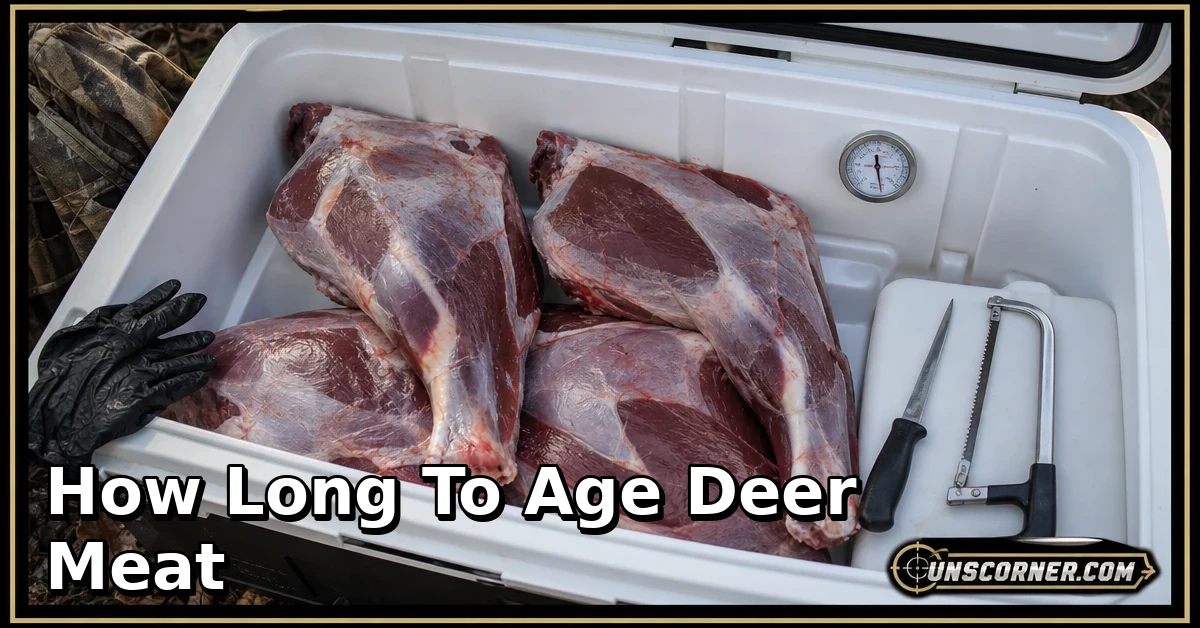

Aging deer meat can improve tenderness and flavor, but only when the carcass is cooled quickly and held under controlled, sanitary conditions. This guide explains how long to age deer meat, how temperature affects the process, when to stop aging, and how to avoid common food-safety mistakes after a legal and ethical hunt.
Most properly cooled venison can be aged for about 3 to 7 days at 34–38°F (1–3°C), while carefully controlled dry aging may extend to 10–21 days or longer. Longer aging is not automatically better and should only be considered when temperature, humidity, cleanliness, airflow, and monitoring are reliable. If the meat becomes warm, slimy, foul-smelling, or visibly spoiled, do not eat it.
Important Legal and Safety Notice Before You Hunt
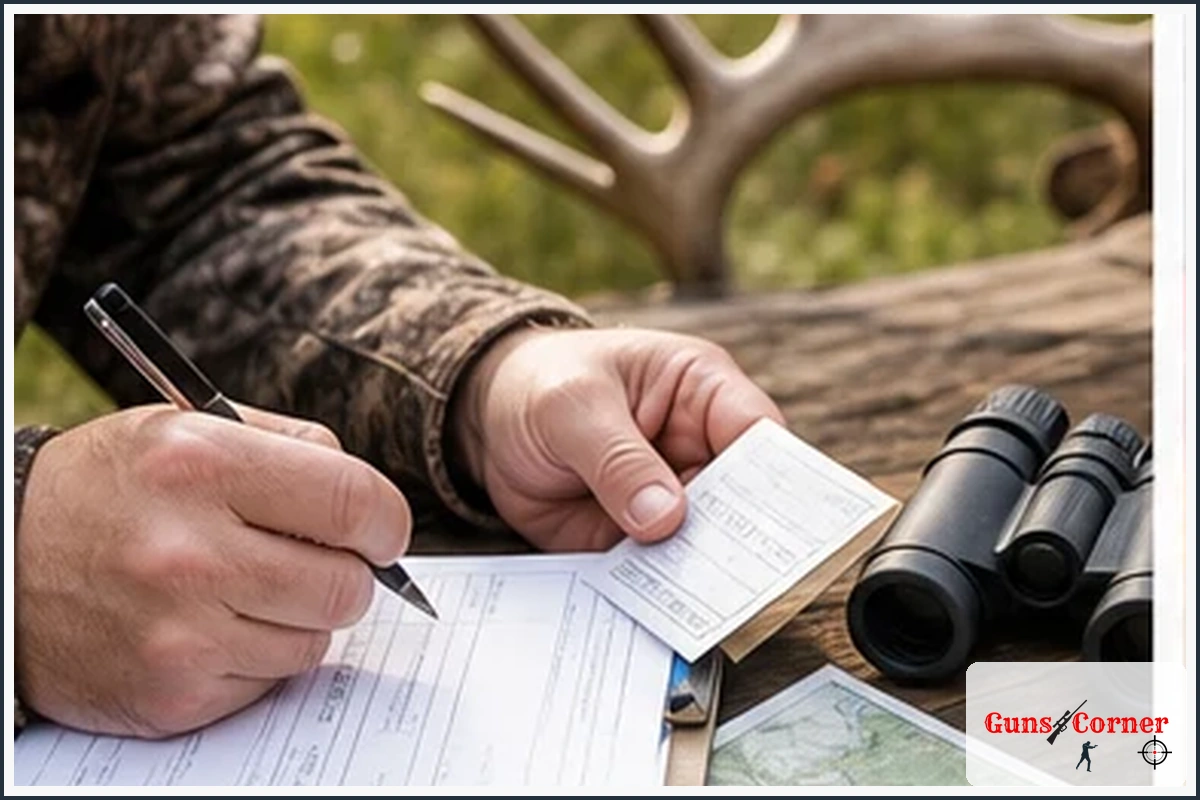
Before pursuing deer, verify current rules with your official wildlife agency. Confirm your hunting license, tags, season dates, legal hunting hours, weapon restrictions, bag limits, land access, tagging requirements, harvest reporting, and transportation rules.
- Complete a hunter education course and follow firearm or bow safety rules.
- Identify the target and what lies beyond it before taking a shot.
- Use required visibility clothing, such as blaze orange, where applicable.
- Cool the deer as soon as practical after recovery.
- Use clean tools, gloves, and food-safe surfaces during field dressing and processing.
- Plan transportation, refrigeration, weather protection, and emergency communication.
- Follow local rules for tagging, reporting, carcass movement, and meat transport.
What Does Aging Deer Meat Mean?
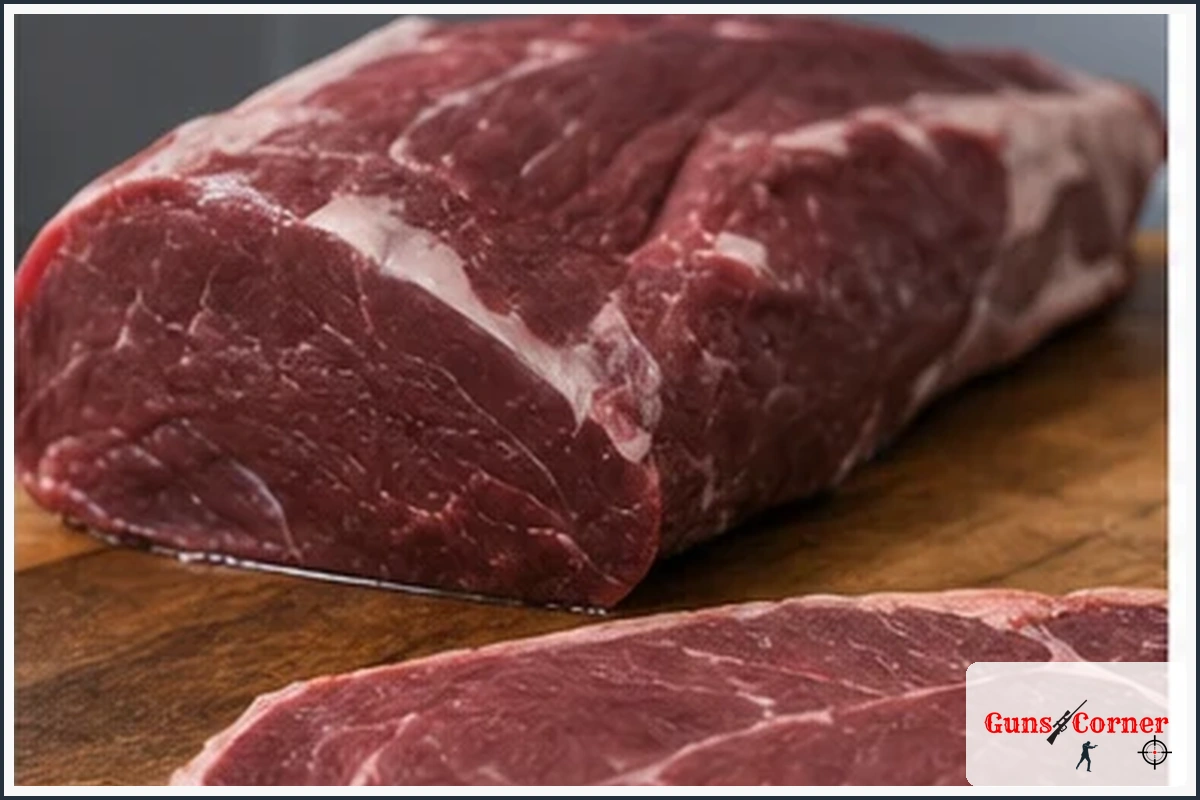
Aging allows natural enzymes in the muscle to gradually improve tenderness after harvest. It is different from simply storing meat in a refrigerator. Aging requires consistent cold temperatures, clean handling, airflow, and regular inspection.
Venison is leaner than many domestic meats, so it can dry out or spoil quickly if temperature control is poor. Aging is also less useful for cuts that will be braised, stewed, ground, or cooked for a long time.
How Long to Age Deer Meat
| Aging period | When it may be appropriate | Important considerations |
|---|---|---|
| 1–3 days | Basic cooling and short holding period | Useful when processing soon or when conditions are uncertain. |
| 3–7 days | Common range for properly chilled venison | Requires steady refrigeration, clean handling, and regular inspection. |
| 7–14 days | Controlled aging with excellent temperature management | Requires reliable cold storage, airflow, and careful sanitation. |
| 14–21 days or longer | Specialized dry-aging conditions | Not suitable for an ordinary warm cooler or poorly controlled refrigerator. |
For most beginners, 3 to 7 days is a sensible target when the carcass or large cuts have been cooled promptly and held at a consistent refrigerator temperature. If you cannot verify the temperature, process the meat sooner rather than attempting a long aging period.
Ideal Conditions for Aging Venison
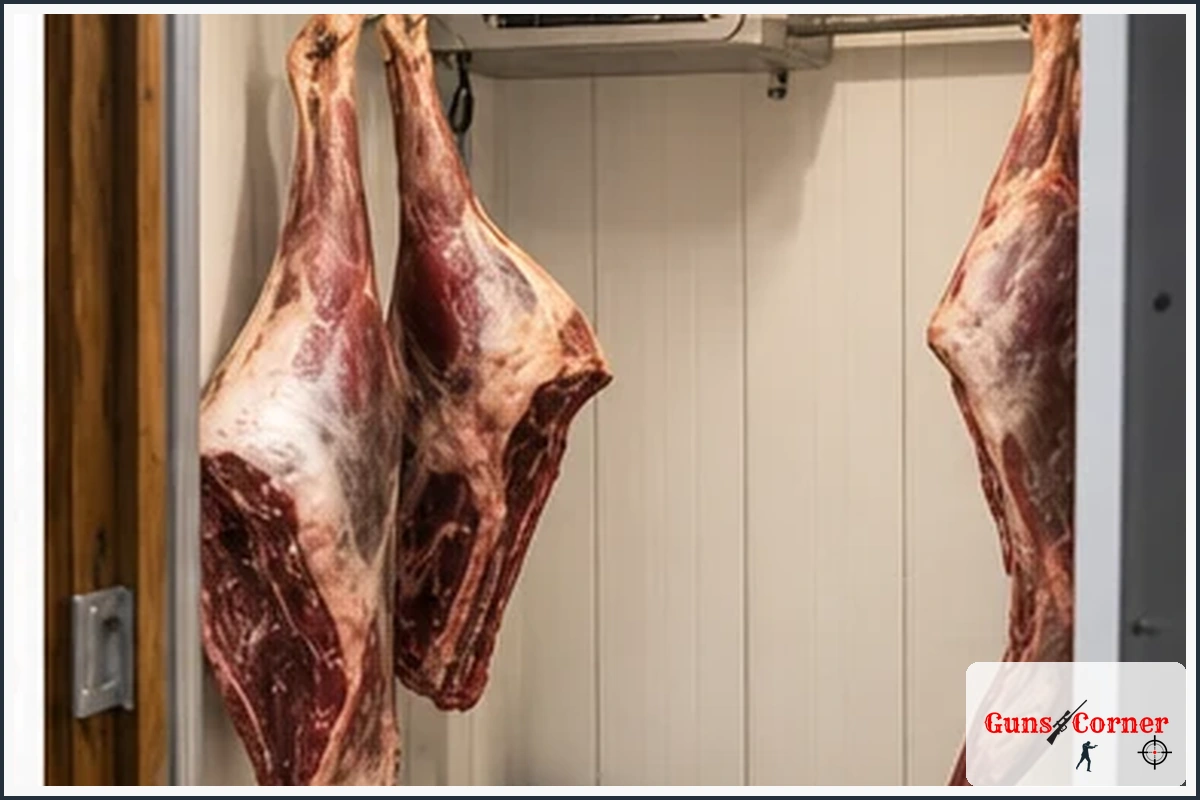
Temperature
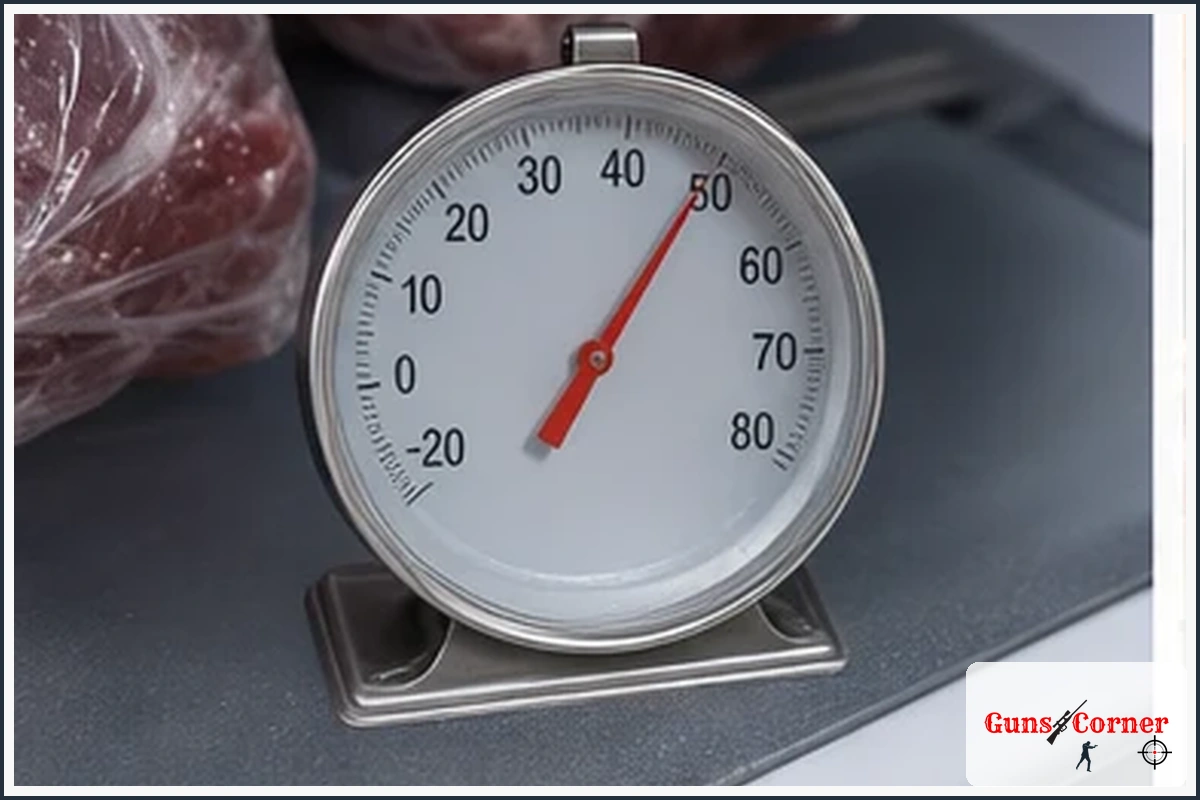
Keep the meat consistently cold, generally around 34–38°F (1–3°C). A refrigerator thermometer is more reliable than guessing based on how cold the storage area feels. Avoid freezing and thawing cycles during aging.
Cleanliness
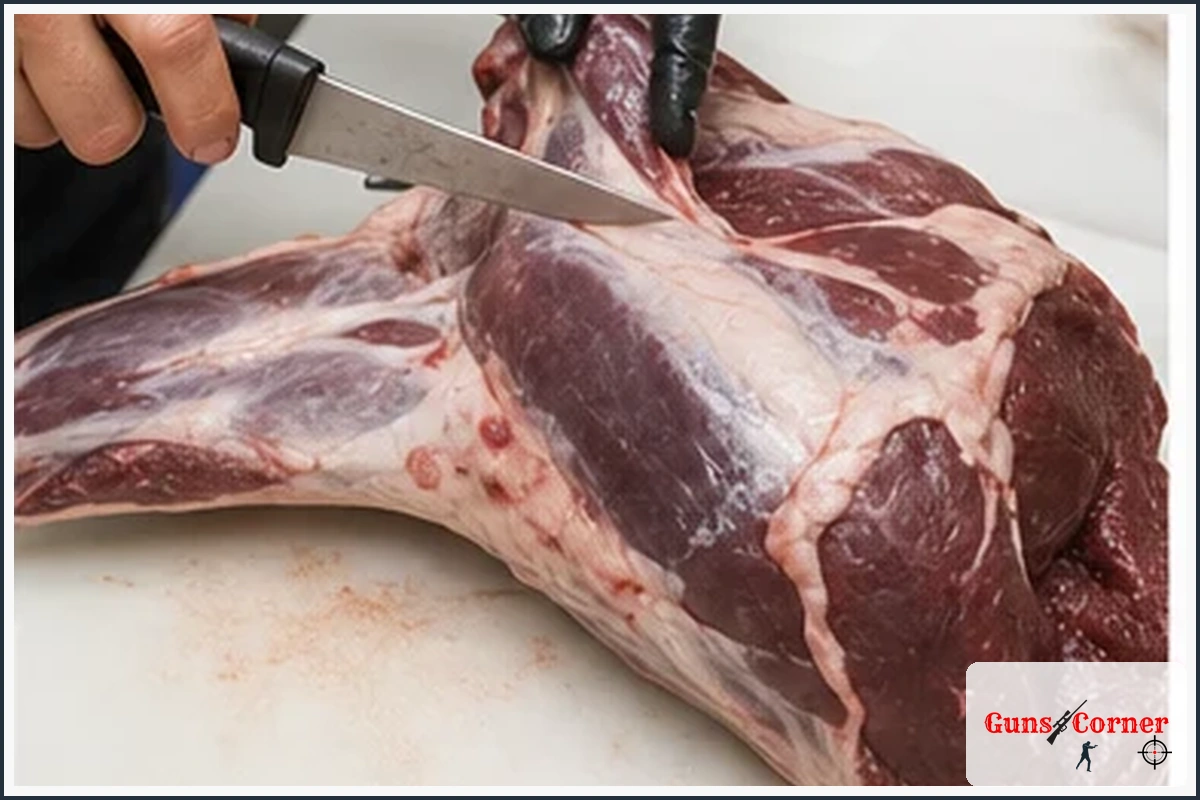
Keep the carcass, cuts, tools, work surfaces, and containers clean. Remove visible dirt, hair, and contamination promptly. Do not wash meat with questionable water, since splashing can spread contamination across surfaces.
Airflow and humidity
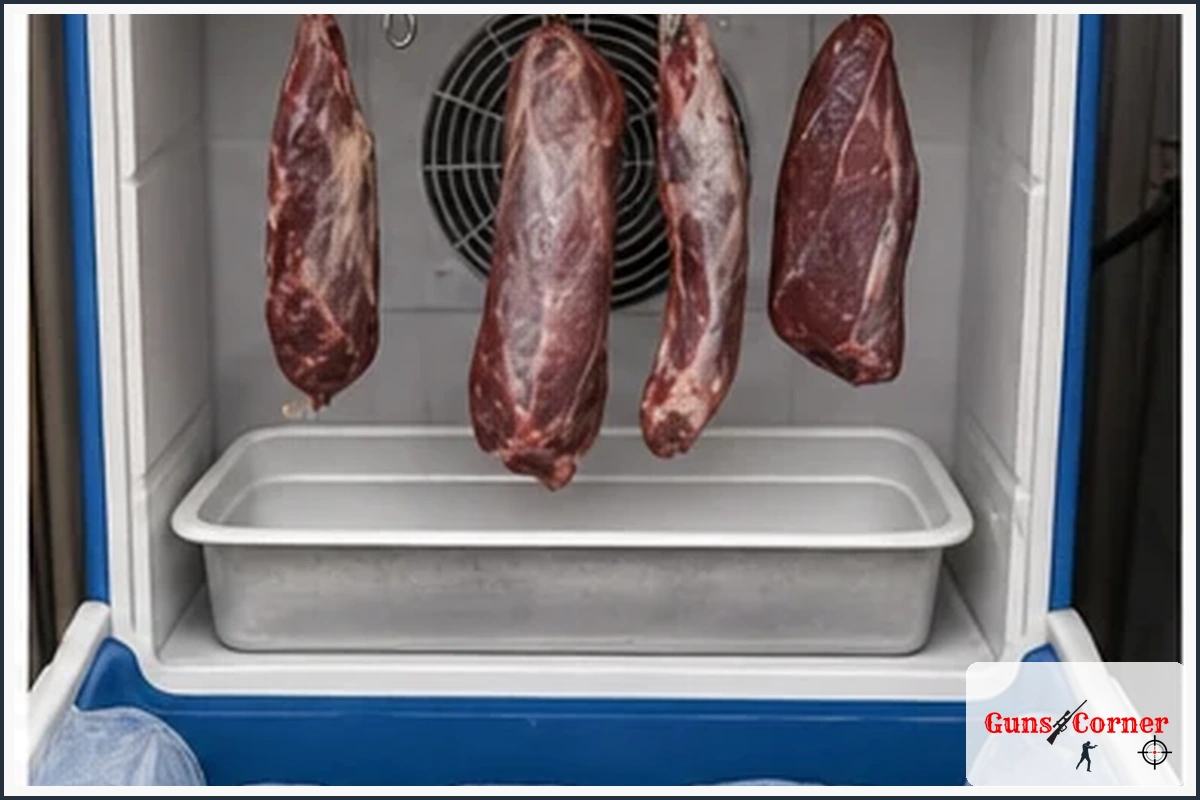
Dry aging needs controlled airflow and humidity. Excess moisture encourages spoilage, while overly dry conditions can create unnecessary surface loss. A standard cooler filled with melting ice is not the same as a controlled dry-aging room.
Protection from insects and animals
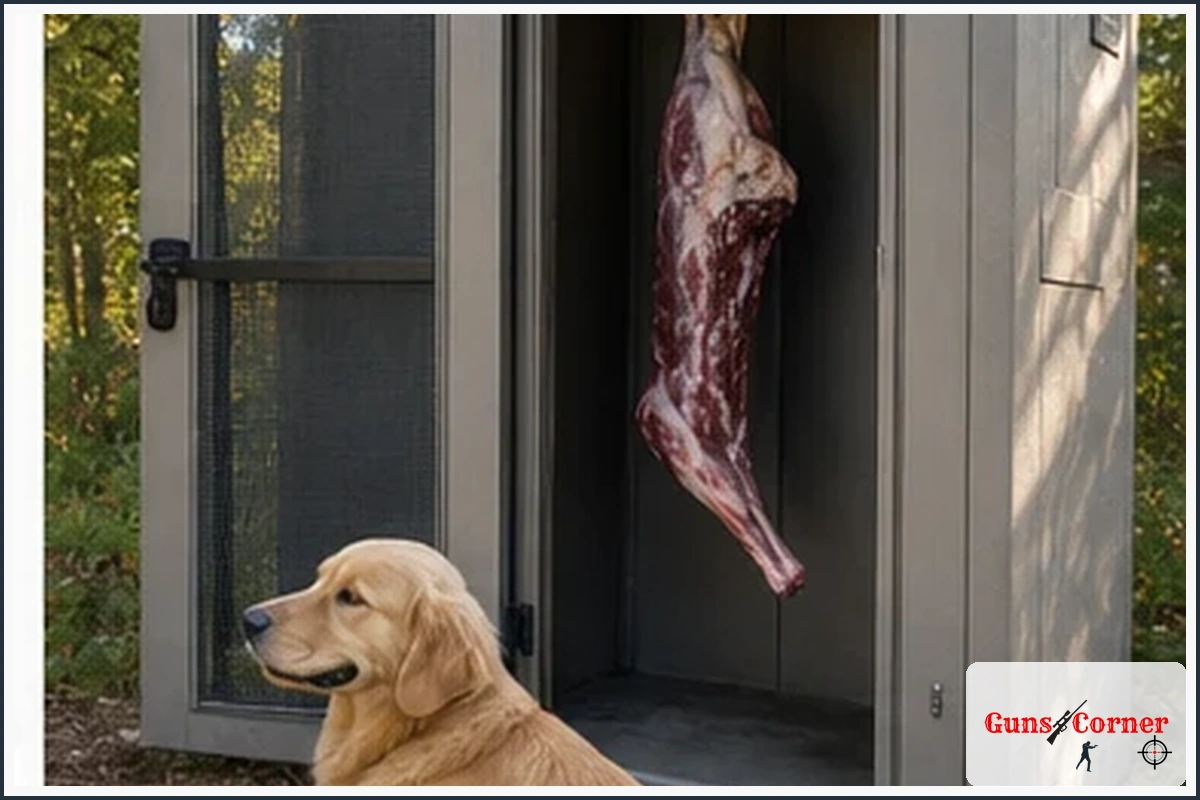
Keep the meat protected from flies, pets, rodents, wildlife, and other contamination sources. Use a clean, secure storage area rather than leaving a carcass exposed outdoors.
How to Age Deer Meat Safely: Step-by-Step
Step 1: Hunt Legally and Plan for Recovery
Before the season, confirm regulations, permissions, access routes, transportation rules, and the location of a suitable cooler or processor. Take only a safe, ethical shot within your practiced ability.
Step 2: Recover the Deer Promptly
After a successful harvest, follow local recovery and tagging requirements. Handle the animal respectfully and avoid unnecessary delay before field dressing and cooling.
Step 3: Field Dress Cleanly
Use a sharp, clean knife and food-safe gloves where practical. Keep hair, dirt, digestive contents, and other contaminants away from edible tissue. If the deer is contaminated or the condition of the meat is uncertain, consult a qualified processor or wildlife health authority.
Step 4: Remove Heat Quickly
Open the body cavity and allow heat to escape. In warm weather, use ice or refrigeration as soon as possible, while preventing dirty meltwater from soaking the meat. Large animals may need to be quartered to cool safely.
Step 5: Choose a Suitable Aging Method
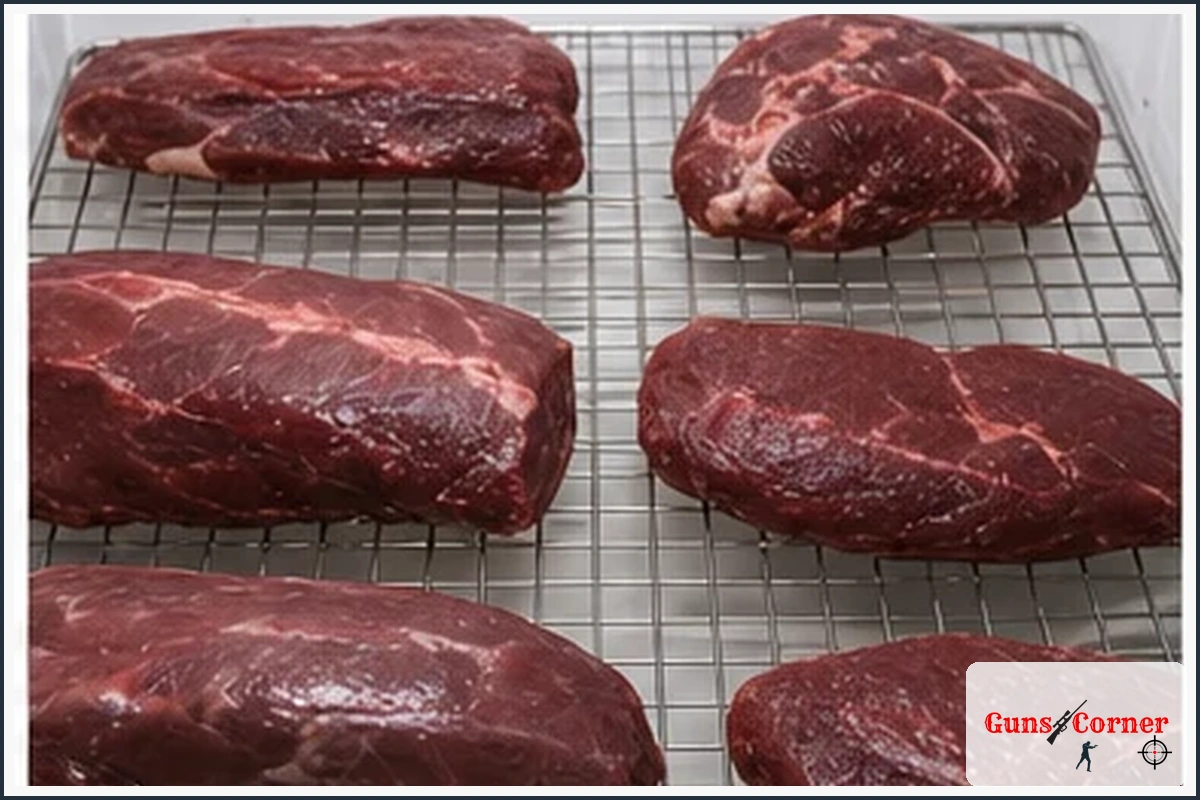
For beginners, aging large cuts or quarters in a clean, temperature-controlled refrigerator is usually easier to monitor than hanging an entire deer. A professional processor may be the safest choice if you lack enough refrigeration space.
Step 6: Monitor Temperature Daily
Use a thermometer and record the temperature. Do not rely on outdoor temperatures, a cooler’s appearance, or touch alone. If temperatures rise into an unsafe range, stop aging and seek professional guidance.
Step 7: Inspect the Meat
Check for unusual odor, slimy texture, green or gray discoloration, excessive moisture, insect activity, or other signs of spoilage. When in doubt, do not taste the meat to test it.
Step 8: Stop Aging at the Right Time
Process or freeze the meat when the desired aging period is complete or when conditions become unreliable. Longer aging does not compensate for poor cooling or sanitation.
Step 9: Trim and Process Responsibly
Remove dried outer surfaces and any questionable tissue according to safe food-handling practices. Separate steaks, roasts, stew meat, and trim. Label packages with the cut and date, then refrigerate or freeze promptly.
Step 10: Clean and Store Equipment
Wash, sanitize, dry, and safely store knives, saws, tables, coolers, hooks, and containers. Dispose of waste according to local rules and leave the processing area clean.
Hanging a Deer Versus Aging Cut Meat
Hanging a whole or partially skinned carcass requires enough cold storage, proper airflow, protection from contamination, and reliable temperature control. A large carcass also cools more slowly than separated quarters.
Aging individual quarters or large cuts in a clean refrigerator is easier to monitor, but it still requires adequate space and separation from ready-to-eat food. If neither method can maintain safe conditions, process the deer promptly instead of extending the aging period.
Can You Age Deer Meat in a Cooler?
You can temporarily hold venison in a cooler if it stays consistently cold, clean, and well-drained, but an ordinary cooler is not automatically a safe aging chamber. Melting ice, trapped water, temperature swings, and limited airflow can create problems.
If using a cooler for short-term holding, keep meat above meltwater, drain it regularly, monitor the internal temperature, protect the meat from contamination, and avoid extending the aging period unless conditions are carefully controlled.
Best Time and Conditions for Aging Deer Meat
The best time to age venison is after a prompt recovery and rapid cooling, when you have reliable refrigeration. Cool weather helps, but outdoor temperatures can change quickly and should not replace temperature monitoring.
Warm weather, delayed field dressing, humid storage, poor airflow, and heavy contamination all reduce the safe aging window. In those circumstances, process the meat as soon as practical or use a professional processor.
Scouting and Preparation Before Deer Season
Although aging occurs after the hunt, good preparation begins before entering the field. Scout legal hunting areas, confirm property boundaries, identify access routes, and plan how you will transport and cool the deer.
- Verify public land boundaries or obtain private-land permission.
- Study terrain, roads, trails, water, and recovery routes.
- Carry navigation tools, water, first aid, and communication equipment.
- Practice with your firearm or bow before the season.
- Know your effective range and pass on uncertain shots.
- Pack gloves, game bags, a knife, cooling supplies, and clean containers.
- Arrange a processor, cooler, or refrigeration space before hunting.
Helpful Tips for Better Results
- Use a refrigerator thermometer instead of estimating temperature.
- Keep venison away from standing water and dirty ice.
- Label every package with the processing date.
- Age only the cuts that benefit from it; long-cooking cuts need less aging.
- Do not extend aging simply because a recommended number of days has passed.
- Keep a clean processing knife and change gloves when contaminated.
- Ask a professional processor for help when storage conditions are uncertain.
- Freeze meat promptly if you cannot maintain stable refrigeration.
Common Mistakes to Avoid
- Leaving the deer warm for several hours after recovery.
- Assuming cold outdoor air will remain safe throughout the aging period.
- Using a cooler with meat sitting in dirty meltwater.
- Keeping the meat too long because longer aging sounds better.
- Ignoring unusual odor, slime, discoloration, or insect exposure.
- Processing meat on an unclean table or with contaminated tools.
- Failing to plan refrigeration before the hunt.
- Ignoring local carcass transport or disease-monitoring requirements.
- Taking a shot without planning for prompt, legal recovery.
Troubleshooting Common Problems
| Problem | Possible cause | What to do |
|---|---|---|
| The meat is not cooling quickly | Large quarters, warm weather, or delayed field dressing | Open the cavity, separate large sections when appropriate, add clean ice, and contact a processor if temperatures remain high. |
| The cooler contains standing water | Melting ice or poor drainage | Keep meat elevated, drain meltwater, replace contaminated ice, and prevent direct contact with dirty water. |
| The meat smells sour or foul | Spoilage or contamination | Do not taste it. Separate it from other food and seek advice from a qualified processor or food-safety professional. |
| The surface feels slimy | Microbial growth, excess moisture, or poor temperature control | Stop aging and do not assume trimming makes it safe. |
| You cannot maintain a stable temperature | Inadequate refrigerator, cooler, or changing weather | Process or freeze the meat promptly, or use a professional processor. |
| You are unsure whether the meat is safe | Unclear storage history or contamination | When in doubt, do not eat it. Professional guidance is safer than guessing. |
Ethical Hunting and Conservation
Responsible venison begins with a lawful, ethical hunt. Respect wildlife by practicing before the season, identifying your target, choosing a safe shot, and making every reasonable effort to recover and use the harvest.
Follow seasons, bag limits, tagging rules, reporting requirements, and land-access regulations. Respect landowners, other hunters, hikers, and public-land users. Proper meat care reduces waste, while hunting licenses and conservation participation help support wildlife management.
When to Get More Training or Professional Guidance
Seek help when you are new to field dressing, uncertain about local rules, unable to maintain safe temperatures, or unfamiliar with meat processing. Official hunter education courses, wildlife agencies, certified instructors, experienced ethical mentors, and reputable processors can provide valuable guidance.
Professional processing is especially sensible when the weather is warm, storage space is limited, contamination is suspected, or you want assistance with cutting, packaging, disease precautions, or transport rules.
After the Hunt: Gear Care and Learning
Clean and sanitize knives, tables, coolers, gloves, and other equipment after processing. Review your notes about recovery time, cooling, weather, storage temperature, and processing results.
Record what worked and what did not before the next season. Better planning, quicker cooling, improved scouting, and more disciplined shot selection all contribute to safer and more responsible hunting.
Recommended Hunting and Meat-Care Gear to Consider
You do not need expensive equipment to handle venison responsibly. Choose tools based on local regulations, weather, terrain, hunting method, storage capacity, and your experience.
- Legal firearm or bow with appropriate safety equipment
- Sharp, clean field-dressing knife
- Food-safe gloves and clean game bags
- Insulated cooler, clean ice, and a drainage plan
- Refrigerator thermometer
- Map, compass, GPS, or reliable hunting app
- First aid kit, water, communication device, and emergency supplies
- Clean cutting board, freezer paper, vacuum bags, or labeled containers
Frequently Asked Questions
How long should you age deer meat?
Three to seven days is a practical range for many properly cooled deer under reliable refrigeration. Longer aging requires more carefully controlled conditions.
Is seven days long enough to age venison?
Yes. Seven days can provide useful aging when the meat has remained consistently cold and clean. Longer aging is optional, not automatically necessary.
Can you age deer meat for two weeks?
Two weeks may be possible in controlled conditions, but it is not appropriate for a warm, wet, or poorly monitored cooler. Temperature and sanitation matter more than the calendar.
Can deer meat be aged for three weeks?
Three-week aging is a specialized practice that requires dependable temperature, humidity, airflow, and cleanliness. Beginners should consider professional processing before attempting it.
What temperature is best for aging deer meat?
A commonly recommended range is about 34–38°F (1–3°C). Use a thermometer to verify the actual storage temperature.
Can I age venison in a regular refrigerator?
Yes, if the refrigerator is clean, large enough, consistently cold, and not overcrowded. Keep raw venison separated from ready-to-eat foods.
Can I age deer meat in a cooler?
A cooler can hold venison temporarily if it stays cold, clean, drained, and protected from contamination. It is not automatically suitable for long-term aging.
Should deer meat be aged with the hide on?
The hide can protect the surface during some hanging methods, but it can also slow cooling and complicate sanitation. The correct choice depends on temperature, facilities, and processing experience.
Does aging make all venison tender?
No. Aging may improve some cuts, but tenderness also depends on the animal, cut, connective tissue, cooking method, and whether the meat was handled properly.
Should ground venison be aged?
Ground venison is generally processed promptly rather than aged. Keep it cold and freeze or cook it according to safe food-handling practices.
Do steaks need more aging than stew meat?
Steaks and some roasts may benefit more from aging. Stew meat and cuts intended for slow cooking usually need less aging.
What happens if venison gets too warm?
Warm temperatures allow microorganisms to multiply more quickly. If the meat has been warm for an uncertain period, do not assume re-cooling makes it safe.
Can you age deer meat after freezing?
Freezing pauses the aging process. Thaw meat safely under refrigeration and process it rather than treating thawed meat as a fresh carcass-aging project.
How can I tell if venison has spoiled?
Warning signs include foul odor, persistent slime, unusual discoloration, excessive moisture, mold, or insect exposure. When in doubt, discard it or seek qualified professional advice.
Should venison smell gamey while aging?
A mild natural venison odor is not the same as a strong sour, rotten, or foul smell. An abnormal odor is a reason to stop and evaluate the meat safely.
Can you wash spoiled venison?
No. Washing does not reliably make spoiled meat safe and can spread contamination across sinks, counters, and tools.
How soon should a deer be field dressed?
Field dress and cool the deer as soon as practical after recovery, especially in warm weather. Follow local regulations and use clean methods.
How soon should venison be put on ice?
Cool it as quickly as practical after field dressing. Large quarters may need to be separated so heat can escape safely.
Can I hang a deer outside overnight?
Only if local conditions, regulations, sanitation, security, and temperature control make it safe. Outdoor temperatures can change, and wildlife or insects can contaminate the carcass.
Is dry aging the same as wet aging?
No. Dry aging exposes meat to controlled air, while wet aging typically occurs in sealed packaging. Both require proper temperature and sanitation.
Does humidity matter when dry aging venison?
Yes. Excess humidity can encourage spoilage, while very dry air can cause excessive surface loss. Controlled conditions are important.
Can I age venison in a meat bag?
A clean game bag can protect meat during transport, but it does not replace refrigeration, airflow, or temperature monitoring during extended aging.
What should I do if the meat touches dirty meltwater?
Separate it from clean meat, remove the contamination using safe food-handling practices, and evaluate whether the meat remains suitable. Seek professional advice when uncertain.
Should venison be washed before aging?
Keep the meat clean during field dressing and processing. Avoid unnecessary rinsing that can spread contamination or add moisture.
Can I age venison in a garage?
Only if the garage provides reliable, measured refrigeration and protection from insects, animals, dust, and contamination. Ambient temperatures alone are not dependable.
How long can deer meat stay in a cooler?
There is no universal time limit because safety depends on the internal temperature, ice management, cleanliness, and starting condition of the meat. Monitor the temperature rather than relying on time alone.
Should I use ice directly on venison?
Clean ice can help cool meat, but protect the venison from dirty meltwater and standing water. Drain the cooler regularly and keep meat elevated when possible.
Can aging improve tough venison?
It may help some muscle cuts, but it cannot correct poor cooling, contamination, excessive stress, connective tissue, or an unsuitable cooking method.
Does hanging a deer make it taste better?
Proper aging may improve flavor and tenderness, but results vary. Clean handling and temperature control are more important than simply hanging the deer for a long time.
What is the biggest aging mistake beginners make?
The most common mistake is prioritizing a long aging period over rapid cooling and reliable temperature control.
Should I age venison before or after cutting?
Either approach can work. Aging quarters or large cuts is easier to monitor than hanging a whole carcass, while cut meat requires clean packaging and enough refrigerator space.
Can I age venison if I do not have a meat thermometer?
It is strongly recommended to use one. Without measured temperature, you cannot reliably confirm that storage conditions are safe.
Should I use a professional deer processor?
A processor is a good choice when you lack refrigeration, have limited experience, face warm weather, or need help with legal reporting, disease precautions, cutting, or packaging.
How should aged venison be packaged?
Use clean, moisture-resistant packaging, remove excess air where practical, label the cut and date, and freeze or refrigerate promptly.
How long can processed venison stay refrigerated?
The safe period depends on temperature, packaging, freshness, and local food-safety guidance. Freeze meat promptly when you cannot use it within a short, well-controlled period.
Can I age venison during warm hunting season?
Only with dependable refrigeration. Warm weather increases the need for rapid cooling and makes outdoor aging unreliable.
What should I do if I am unsure about local deer regulations?
Contact the official wildlife agency before hunting. Confirm seasons, tags, reporting, carcass movement, disease-monitoring, and land-access rules.
How does ethical hunting connect to meat aging?
Ethical hunting includes making a responsible shot, recovering the deer promptly, cooling it properly, and using as much of the legal harvest as practical.
Does aging replace safe cooking?
No. Aging does not make unsafe meat safe. Follow reliable food-safety practices and cook venison appropriately for the cut and preparation.
Final Thoughts
For most hunters, aging deer meat for 3 to 7 days at a verified 34–38°F is a practical starting point. Rapid cooling, cleanliness, temperature monitoring, and prompt processing matter more than chasing the longest possible aging period. Hunt legally, recover game responsibly, use safe shot discipline, and ask a professional processor for help whenever storage or meat condition is uncertain.