
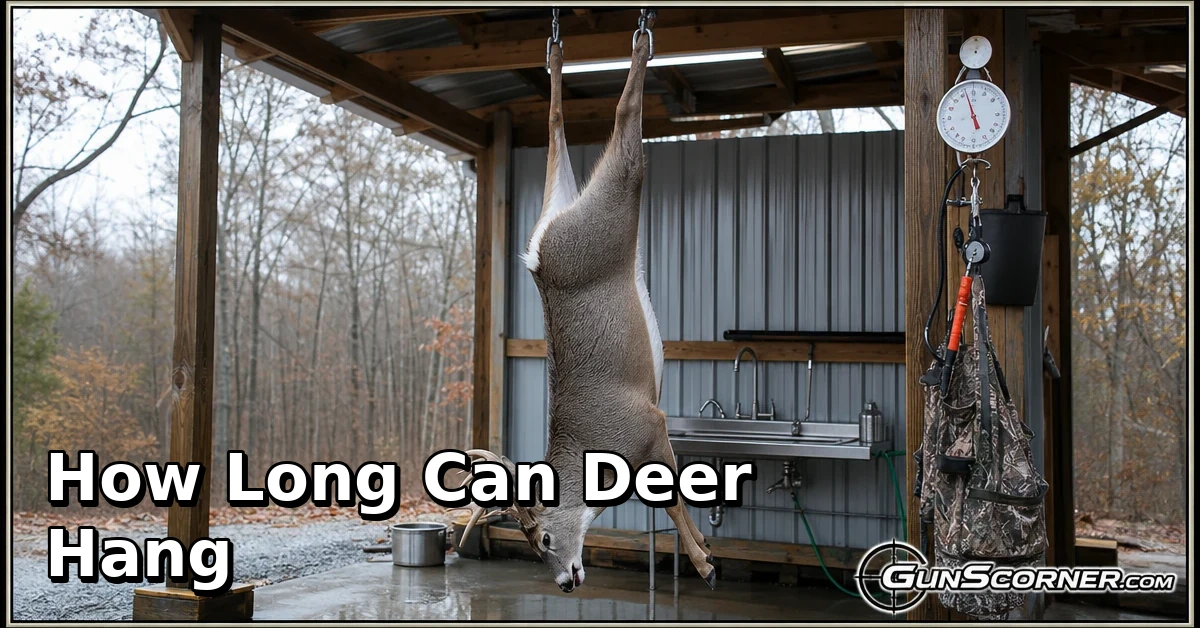

Knowing how long a deer can hang is an important part of responsible hunting and meat care. The correct hanging time depends mainly on temperature, cleanliness, airflow, humidity, the condition of the carcass, and whether the deer is whole or already quartered. This guide explains how to judge safe aging conditions, avoid spoilage, and prepare venison responsibly after a legal harvest.
A deer can generally hang for several days when kept clean, protected, and consistently cold, ideally around 34–40°F (1–4°C). In suitable controlled conditions, some hunters age venison longer, but warmer temperatures, poor airflow, insects, dirt, or damaged tissue greatly reduce safe hanging time. When in doubt, process or chill the meat promptly rather than relying on a longer hang.
Important Legal and Safety Notice Before You Hunt
Before hunting, verify current rules with your official wildlife agency. Regulations may cover licenses, tags, season dates, legal hunting hours, weapon restrictions, land access, transportation, carcass movement, tagging, and harvest reporting.
- Carry the required hunting license, permit, and tag.
- Follow current season, bag limit, and reporting requirements.
- Use only legal weapons, ammunition, and hunting methods.
- Confirm permission and property boundaries before entering private land.
- Use required visibility clothing where applicable.
- Handle firearms and bows safely and identify the target and background.
- Plan for weather, navigation, hydration, first aid, and communication.
- Use clean tools and keep venison cold as soon as practical.
What Determines How Long a Deer Can Hang?
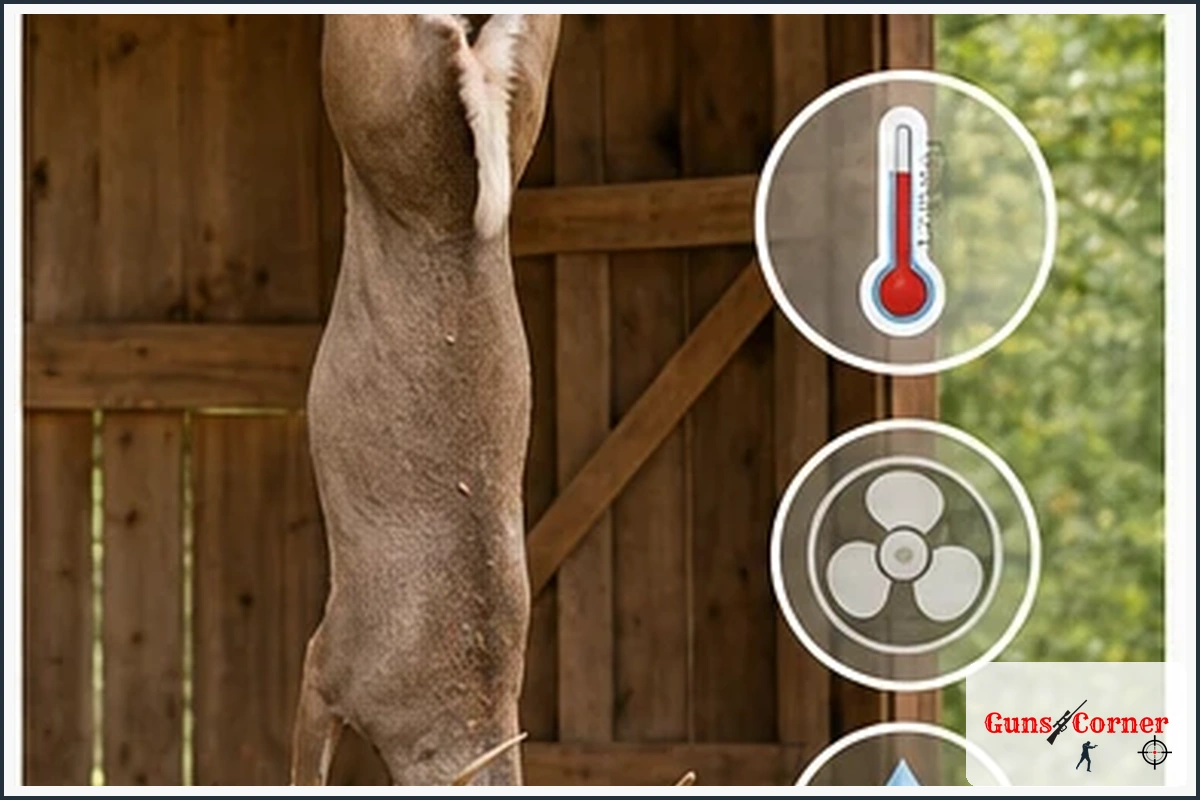
Temperature
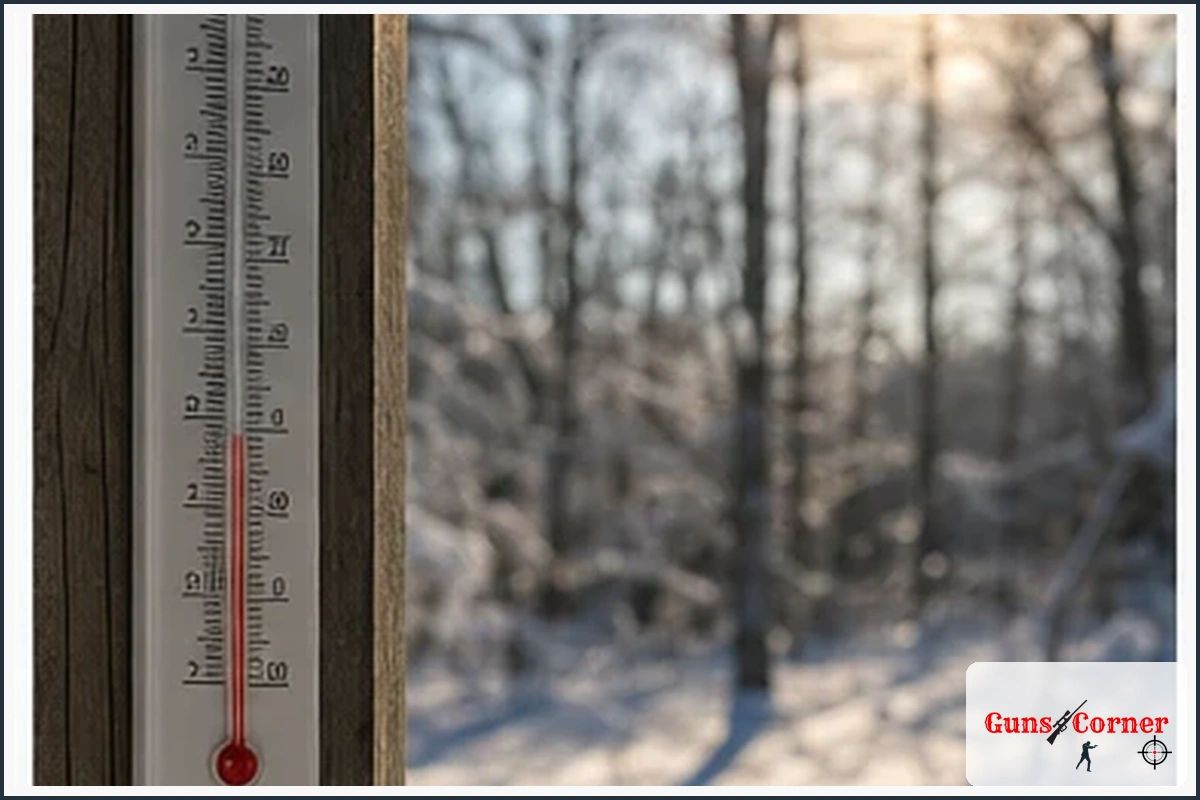
Temperature is the most important factor. A consistently cold environment is safer than a location that becomes warm during the day and cools at night. If temperatures rise above safe refrigeration conditions, shorten the hanging time and process the deer promptly.
Cleanliness
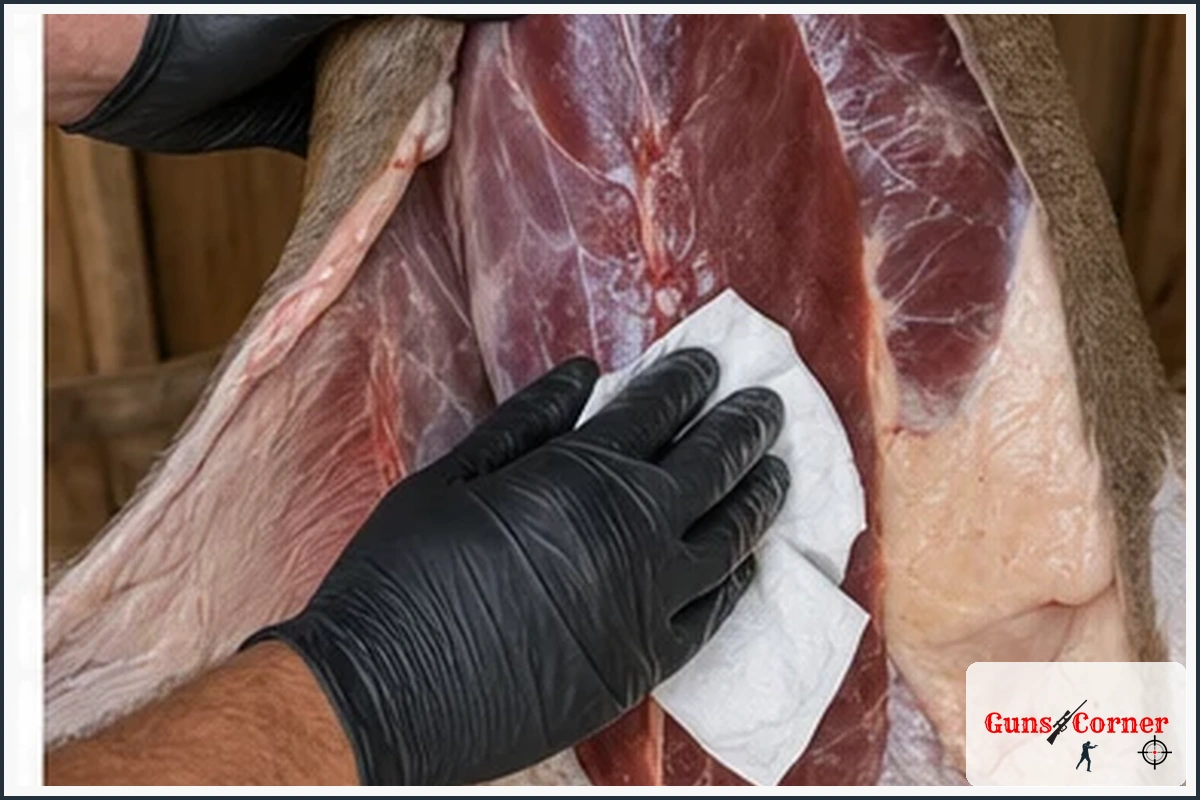
A clean field dressing and clean handling reduce contamination. Dirt, hair, stomach contents, insects, and contact with muddy surfaces can make aging unsafe. Protect exposed meat and avoid unnecessary handling.
Airflow and Humidity
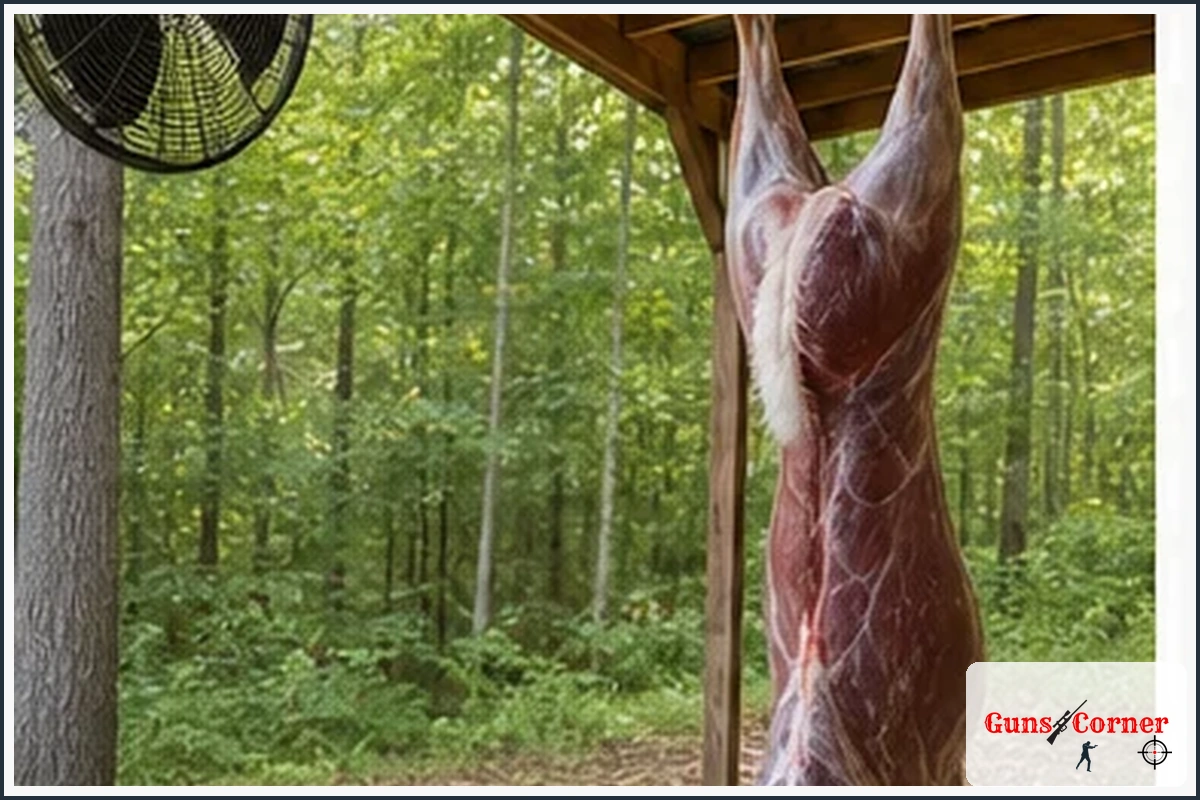
Good airflow helps the surface dry and discourages moisture buildup. Excessive humidity, condensation, or stagnant air can encourage spoilage. A clean, cool, ventilated space is preferable to a sealed or damp area.
Carcass Condition
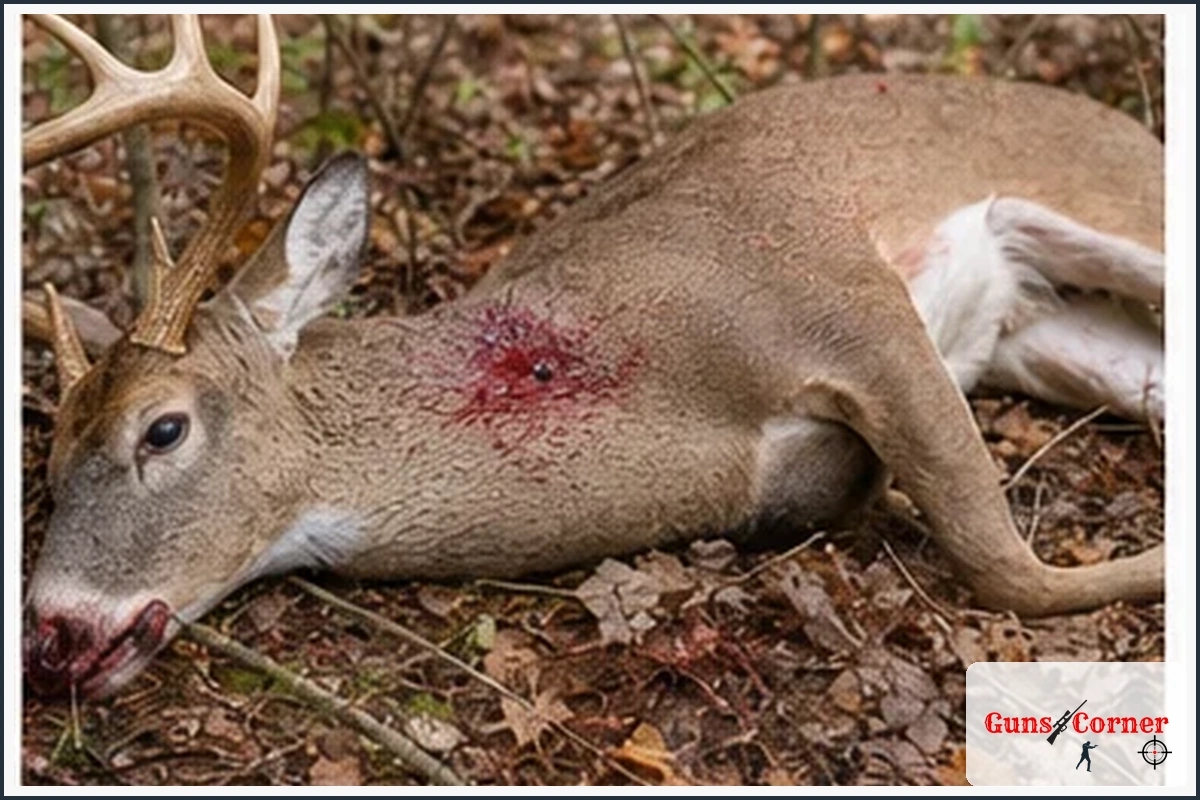
Damage from the shot, delayed recovery, contamination, or improper field dressing can reduce safe hanging time. A deer with questionable meat condition should be processed sooner rather than aged longer.
Whole Deer Versus Quartered Deer
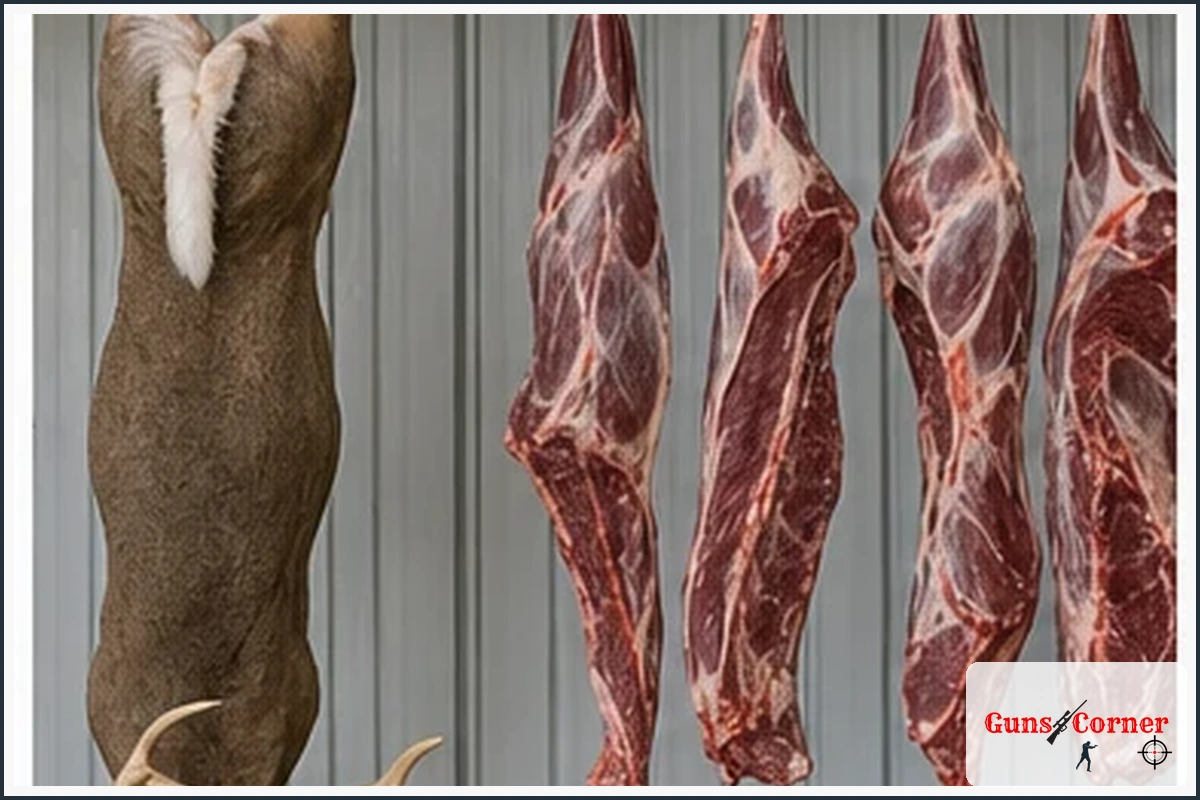
A whole carcass may cool more slowly than a properly separated carcass, especially in warm conditions. Quartering can help meat cool faster, but it also exposes more surface area to contamination. Follow local transport and carcass-handling rules.
How Long Can Deer Hang? Practical Time Guidelines
| Conditions | Practical approach |
|---|---|
| Consistently cold, clean, and well ventilated | A few days may be reasonable, with frequent checks. |
| Cold but variable weather | Shorten the hang and monitor temperature closely. |
| Warm daytime temperatures | Do not rely on outdoor hanging; chill or process the meat promptly. |
| Unclean field dressing or contamination | Process as soon as possible and trim questionable areas. |
| Uncertain conditions | Choose the safer option: cool, process, or seek professional guidance. |
There is no universal maximum hanging time. Temperature control and meat condition matter more than a fixed number of days.
Step-by-Step: How to Hang a Deer Safely
Step 1: Confirm the Harvest Is Legal
Complete required tagging and reporting steps according to local regulations. Rules may determine how the carcass must be tagged, transported, or identified.
Step 2: Recover the Deer Promptly
Begin recovery as soon as conditions allow. Use an ethical recovery process and avoid unnecessary delays, particularly in warm weather.
Step 3: Field Dress Carefully
Use a clean, sharp knife and avoid puncturing the digestive tract. Keep dirt, hair, and clothing away from exposed meat. If contamination occurs, clean and trim the affected area appropriately.
Step 4: Cool the Carcass Quickly
Allow heat to escape and provide ventilation. In warm conditions, do not assume shade alone is enough. Ice, refrigeration, or prompt professional processing may be necessary.
Step 5: Choose a Clean Hanging Location
Hang the deer in a secure, shaded, cool, and ventilated location protected from insects and scavengers. Keep the carcass away from fuel, chemicals, pets, livestock, and dirty surfaces.
Step 6: Monitor Temperature
Use a reliable thermometer when possible. Check the environment regularly rather than judging conditions only by how cool the air feels. A location that warms significantly during the day may not be suitable for extended aging.
Step 7: Inspect the Carcass Regularly
Look for unusual odors, sticky or slimy surfaces, abnormal discoloration, insect activity, or areas that are not cooling properly. If anything seems questionable, stop aging and seek advice from a qualified processor or food-safety professional.
Step 8: Process at the Right Time
When the deer has cooled adequately and the conditions remain safe, process the meat. Remove dried outer tissue as needed and keep usable meat cold throughout cutting and packaging.
Step 9: Package, Label, and Freeze or Refrigerate
Use clean packaging, label the contents and date, and chill or freeze the meat promptly. Follow safe food-handling practices during transport and storage.
Best Conditions for Hanging Venison
- Stable refrigeration-level temperatures.
- Clean, dry, shaded surroundings.
- Good airflow without direct exposure to dust or precipitation.
- Protection from flies, insects, pets, and wildlife.
- A secure hanging point that can support the carcass safely.
- Regular temperature and condition checks.
Should You Hang a Deer Whole or Quarter It?
Hanging a whole deer can protect some meat surfaces, but the carcass may cool slowly. Quartering can improve cooling and make transport easier, particularly when a whole carcass cannot be kept cold. However, quartering increases exposed surfaces and may be regulated differently in some areas.
Choose the method that allows the meat to cool quickly, remain clean, and comply with local carcass-transport rules.
Signs Venison May No Longer Be Safe
Do not taste questionable meat to test it. Warning signs can include a strong unpleasant odor, slimy or unusually sticky surfaces, extensive abnormal discoloration, insect contamination, or meat that remained warm for too long.
When safety is uncertain, contact a reputable meat processor or food-safety authority. Discarding questionable meat is safer than risking illness.
Common Mistakes to Avoid
- Using a fixed number of days without checking temperature.
- Hanging meat outdoors during warm or unpredictable weather.
- Failing to cool the carcass promptly after recovery.
- Leaving hair, dirt, digestive contents, or insects on exposed meat.
- Hanging the deer in a damp, poorly ventilated area.
- Ignoring unusual odors or surface changes.
- Overpacking a refrigerator and restricting airflow.
- Transporting meat without maintaining a cold temperature.
- Forgetting tags, reporting, or carcass-identification requirements.
- Attempting complicated processing without clean tools or sufficient knowledge.
Troubleshooting Common Problems
| Problem | Possible cause | What to do |
|---|---|---|
| The carcass is not cooling | Warm weather, poor airflow, or a crowded storage area | Improve ventilation, separate the meat if legal, add safe refrigeration, or process promptly. |
| The weather is warming unexpectedly | Changing conditions or unreliable outdoor temperatures | Stop extended hanging and move the meat to controlled refrigeration as soon as possible. |
| There is visible dirt or hair on the meat | Contamination during field dressing or handling | Clean and trim affected areas using sanitary practices. |
| The meat has an unusual odor or texture | Possible spoilage or prolonged warming | Do not taste it; consult a qualified processor or discard it if safety cannot be established. |
| You are unsure how long it has been warm | Missing temperature records or delayed recovery | Do not assume it is safe. Seek professional food-safety guidance. |
| You are unsure about carcass transport rules | Local regulations vary | Contact the official wildlife agency before moving or processing the carcass. |
Ethical Hunting and Conservation
Responsible venison care begins with responsible hunting. Take only legal, practiced, and ethical shot opportunities. Recover game promptly, avoid waste, follow tagging and reporting rules, and use as much of the harvest as reasonably possible.
Respect landowners, other hunters, and public land users. Keep camps and processing areas clean, dispose of waste properly, and support conservation through lawful hunting participation and license fees.
When to Get More Training or Professional Guidance
Ask for help if you have never field dressed a deer, lack suitable refrigeration, are unsure whether meat is safe, or do not understand local carcass and transport regulations. Official hunter education courses, wildlife agencies, certified meat processors, and experienced ethical mentors can provide practical guidance.
After the Hunt: Gear Care and Learning
- Clean and sanitize knives, saws, hooks, and work surfaces.
- Dry and store clothing, ropes, packs, and cooling equipment.
- Record temperatures, hanging time, weather, and processing results.
- Complete any required harvest report.
- Review what worked and improve your recovery and meat-care plan.
Recommended Deer Hunting and Meat-Care Gear
You do not need expensive equipment to handle a deer responsibly. Choose supplies based on local rules, terrain, weather, hunting method, and processing needs.
- Legal hunting weapon and required ammunition or archery equipment.
- Sharp, clean field-dressing knives.
- Disposable gloves and clean game bags.
- Reliable thermometer.
- Cooler, ice, or access to approved refrigeration.
- Rope or approved hanging equipment.
- Map, GPS, phone, first aid kit, water, and emergency communication.
- Required visibility clothing and weather-appropriate boots.
Final Thoughts
How long a deer can hang depends on stable cold temperatures, cleanliness, airflow, and the condition of the carcass. Focus on cooling the meat quickly, checking it regularly, following current wildlife regulations, and processing it before conditions become questionable. Safe, ethical deer hunting includes responsible recovery, careful meat handling, and respect for wildlife and conservation.
Frequently Asked Questions
How long can deer hang in ideal conditions?
Several days may be reasonable when the carcass remains consistently cold, clean, protected, and well ventilated. Monitor conditions rather than relying on a fixed schedule.
Can a deer hang overnight?
It may be safe when temperatures remain cold and the carcass is properly field dressed and protected. Warm overnight conditions require faster cooling or processing.
What temperature is best for hanging deer?
Refrigeration-level temperatures, approximately 34–40°F (1–4°C), are generally preferred for controlled aging. Avoid relying on fluctuating outdoor temperatures.
Can deer hang in a garage?
Only if the garage stays consistently cold, clean, dry, secure, and protected from insects and contaminants. Many garages become too warm during the day.
Can deer hang in a shed?
A shed can work only when temperatures, airflow, cleanliness, and insect protection are suitable. Shade alone does not guarantee safe meat conditions.
Should deer hang before processing?
Short-term hanging can help the carcass cool and may improve processing convenience. It is not mandatory if the meat can be safely cooled and processed promptly.
Does hanging deer make the meat more tender?
Controlled aging can improve tenderness, but the benefit depends on temperature, time, meat condition, and handling. Unsafe aging is never worth the risk.
Can you hang deer in warm weather?
Warm weather greatly increases spoilage risk. Use refrigeration or prompt processing instead of extended outdoor hanging.
How do you know if hanging venison is safe?
Confirm that it stayed cold, clean, and protected. Unpleasant odor, slimy texture, insect contamination, or unknown temperature history are warning signs.
What should you do if venison smells bad?
Do not taste it. Separate questionable meat and consult a qualified processor or food-safety professional. Discard it when safety cannot be confirmed.
Can you age venison too long?
Yes. Longer hanging is not automatically better. Aging beyond safe temperature and cleanliness limits can spoil the meat.
Is it better to hang a deer whole?
A whole deer can protect some surfaces, but it may cool slowly. The best choice is the method that cools the meat quickly and follows local rules.
Should you quarter a deer before hanging it?
Quartering can help cooling and transport, but it exposes more meat to contamination. Follow local regulations and use clean handling practices.
Does a deer need to be field dressed immediately?
Prompt recovery and cooling are important, especially in warm weather. The exact procedure depends on conditions, terrain, and local carcass rules.
Can you hang a deer without field dressing it?
An undressed carcass may cool poorly and can increase spoilage risk. Follow accepted field-dressing practices and local regulations.
How often should you check a hanging deer?
Check temperature and condition regularly, especially when weather changes. More frequent checks are important in uncontrolled outdoor settings.
Can rain ruin a hanging deer?
Rain can add moisture, promote contamination, and interfere with temperature control. Keep the carcass protected in a clean, ventilated location.
Can insects make hanging venison unsafe?
Yes. Insects can contaminate exposed meat and accelerate spoilage. Use clean protection and process the meat promptly if insect exposure occurs.
Can you hang deer in a refrigerator?
A suitable refrigerator or cooler can provide more reliable temperature control, provided there is enough space, airflow, cleanliness, and safe food storage capacity.
How long can deer hang in a cooler?
The safe duration depends on the actual temperature, drainage, cleanliness, airflow, and condition of the carcass. Use a thermometer and inspect it regularly.
Should venison be covered while hanging?
Clean game bags or suitable breathable protection can help keep insects and debris away. Avoid materials that trap moisture against the meat.
Can you hang deer in a plastic bag?
Sealed plastic can trap heat and moisture against the meat. Use breathable protection for short-term hanging and keep the carcass cold.
What should you do if the deer was recovered late?
Cool it immediately and evaluate its condition carefully. If temperature exposure is unknown or excessive, seek professional food-safety advice.
Does shot placement affect hanging time?
Yes. Extensive contamination or damaged tissue can reduce safe storage time. Clean affected areas and process sooner when necessary.
Can you hang deer after a gut-shot recovery?
Contamination risk is higher after digestive-tract damage. Clean the carcass carefully and shorten the hanging period when meat condition is uncertain.
Should you remove the hide before hanging?
Removing the hide may improve cooling but exposes more meat to dirt and insects. Choose based on temperature, cleanliness, local practice, and processing access.
Can you hang venison after quartering?
Yes, if the quarters are kept clean, cold, protected, and properly supported. Quartering can help cooling when a whole carcass cannot be chilled efficiently.
How soon should venison be frozen?
Freeze or refrigerate it promptly after safe processing. Package it cleanly, remove excess air when practical, and label the date.
Can you refreeze thawed venison?
Food-safety decisions depend on how long and at what temperature it was thawed. When uncertain, consult a food-safety professional rather than guessing.
What tools are needed to hang a deer?
You need a secure hanging system, clean knife, gloves, game bags or breathable protection, thermometer, cooling supplies, and a clean processing area.
Is hanging deer legal everywhere?
Hanging itself may be generally permitted, but carcass transport, tagging, evidence-of-sex rules, and processing requirements vary. Check your wildlife agency’s current rules.
Can you hang deer on public land?
Do not assume it is allowed. Public land rules may restrict carcass storage, leaving remains, vehicle access, or overnight equipment.
Can you hang a deer on private property?
Only with landowner permission and in a location that does not create sanitation, livestock, wildlife, or neighborhood problems.
What is the biggest beginner mistake when hanging deer?
The most common mistake is focusing on a number of days instead of temperature and carcass condition.
Should you use a professional deer processor?
A professional processor is a good option when you lack refrigeration, processing experience, clean workspace, or confidence in meat safety.
How can hunters improve their after-hunt plan?
Arrange transportation, cooling, tools, tags, refrigeration, and processing help before the hunt. A plan reduces delays and protects the harvest.
Read more: