
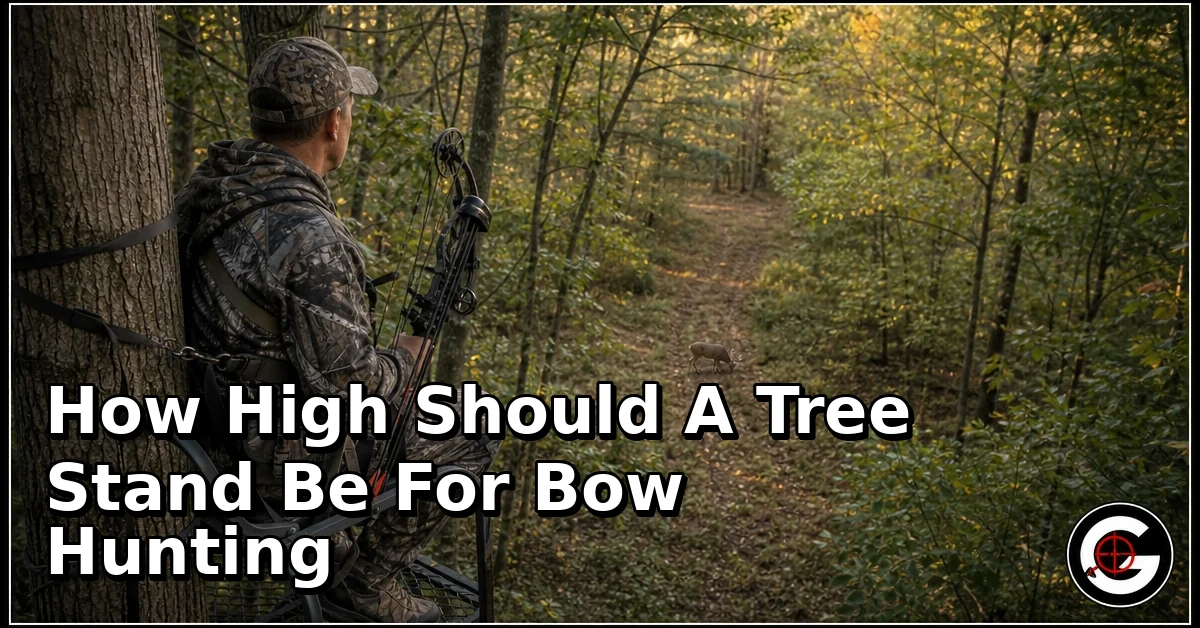

Choosing the right tree stand height is an important part of safe and ethical bow hunting. A stand that is too low may leave you exposed, while one that is too high can make shooting angles, climbing, and recovery more difficult. This guide explains how to choose a practical height based on terrain, cover, tree shape, wind, shooting distance, and your personal skill level.
For many bow hunters, a tree stand height of about 15 to 20 feet above the ground is a practical starting range, but there is no universal best height. Choose a position that provides concealment, safe shooting lanes, a favorable wind, and an ethical range for your practiced ability. Always use a certified full-body fall-arrest system, follow manufacturer instructions, and confirm local hunting and tree stand regulations before hunting.
Important Legal and Safety Notice Before You Hunt
Tree stand rules and hunting regulations vary by location, season, land type, and weapon. Before hunting, verify current requirements with your official wildlife agency and land manager.
- Carry the required hunting license, permits, and tags.
- Confirm season dates, legal hunting hours, archery rules, and harvest reporting requirements.
- Verify public land boundaries or obtain permission for private property.
- Follow any required hunter-orange or visibility rules.
- Use a full-body harness or fall-arrest system while climbing, sitting, standing, and descending.
- Inspect the stand, straps, cables, ladder, tree, and harness before every use.
- Use a haul line to raise and lower your unloaded bow and equipment.
- Never climb while carrying a bow, firearm, pack, or loose equipment.
- Tell someone where you are hunting and carry communication, navigation, water, and basic first aid supplies.
What Is a Good Tree Stand Height for Bow Hunting?
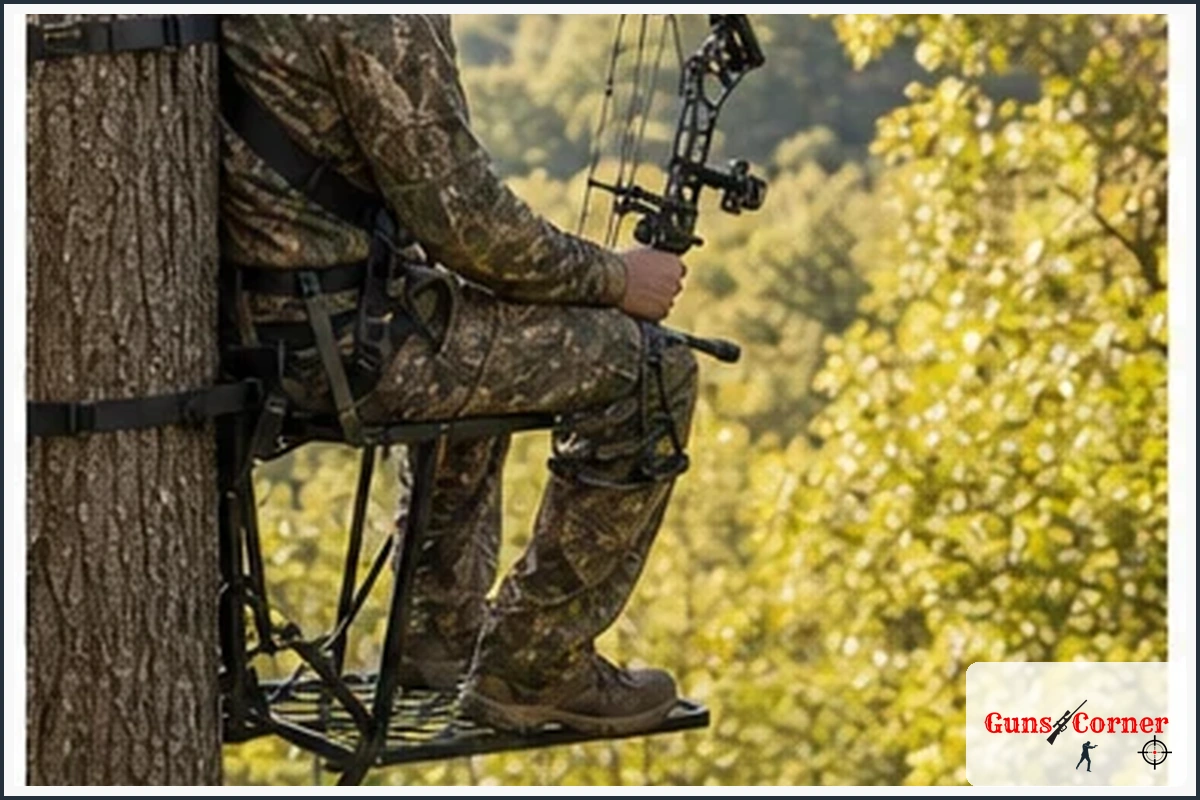
There is no height that works in every tree or hunting area. Many bow hunters find that approximately 15 to 20 feet above ground offers a useful balance between concealment, visibility, shooting angle, and manageable climbing difficulty.
| Approximate Height | Potential Benefits | Potential Concerns |
|---|---|---|
| Below 12 feet | Easier access and often a more comfortable shot angle | Less concealment and greater chance of being detected |
| 15 to 20 feet | Good balance of cover, visibility, and practical bowhunting angles | Still requires careful climbing and fall protection |
| 20 to 25 feet | May improve concealment in open terrain | Steeper shot angles, more difficult recovery, and greater fall risk |
| Above 25 feet | May be useful in unusual terrain or limited-cover situations | Often increases shot-angle, climbing, wind, and safety challenges |
These ranges are general planning references, not rules. Tree diameter, understory, terrain, animal movement, wind direction, and your own ability should determine the final setup.
How to Choose the Right Tree Stand Height
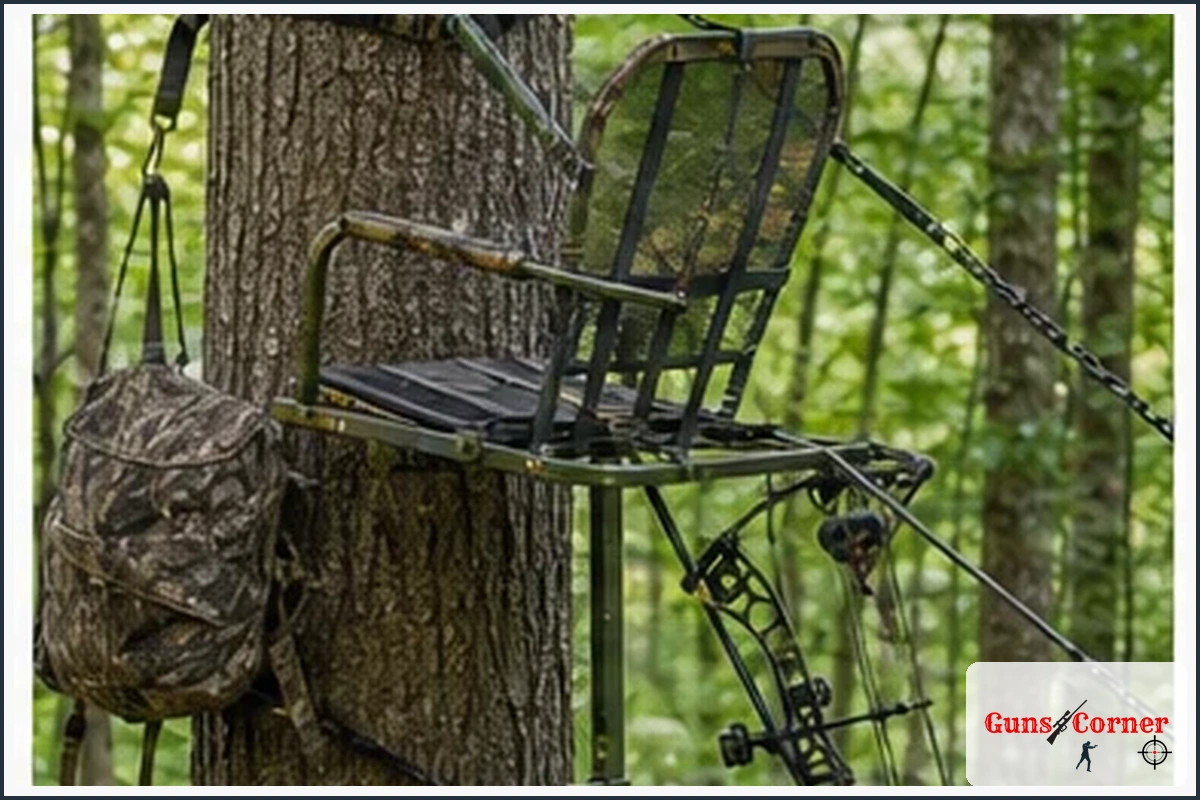
1. Start With the Tree and Terrain
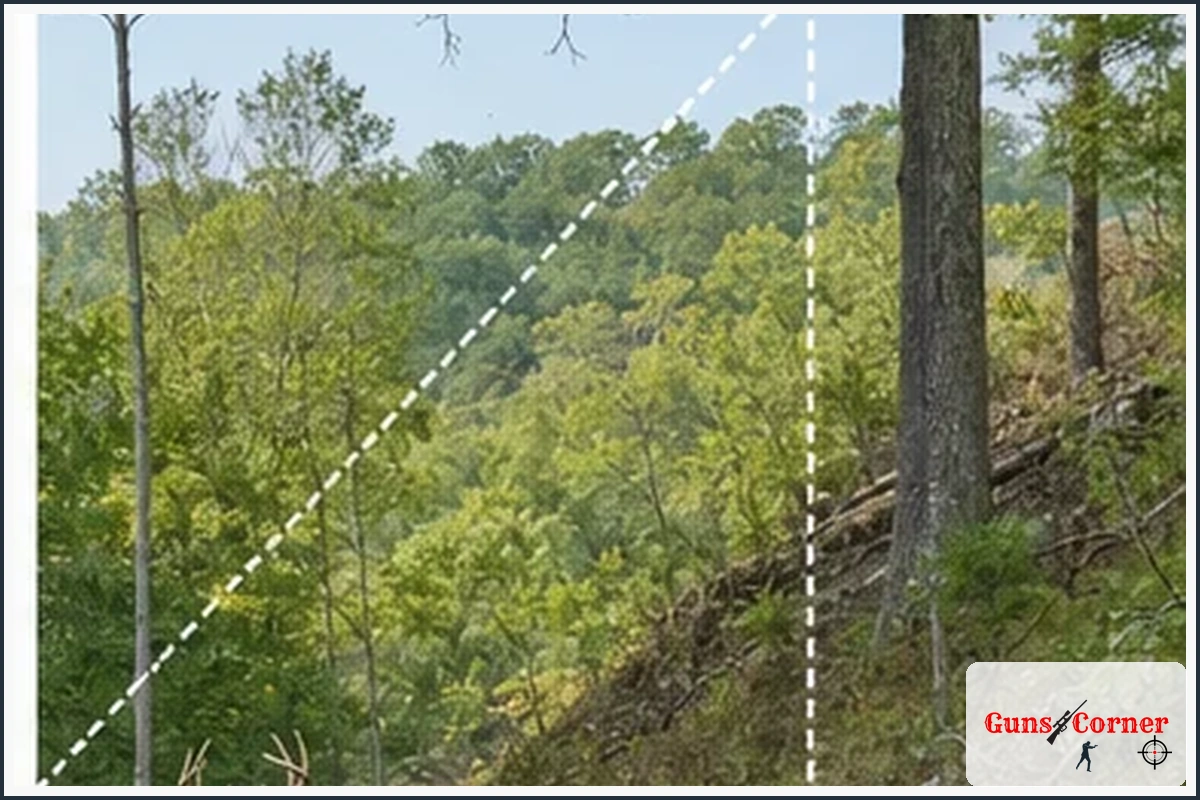
Look at the entire setup rather than selecting a height first. A tree on a slope may place you much higher above the animal on one side than the other. A stand that seems 18 feet high from the tree may be considerably higher or lower relative to the trail below.
Choose a healthy, suitable tree that can safely support the stand according to the manufacturer’s instructions. Avoid dead, damaged, unstable, or excessively leaning trees.
2. Use Cover Instead of Chasing Maximum Height
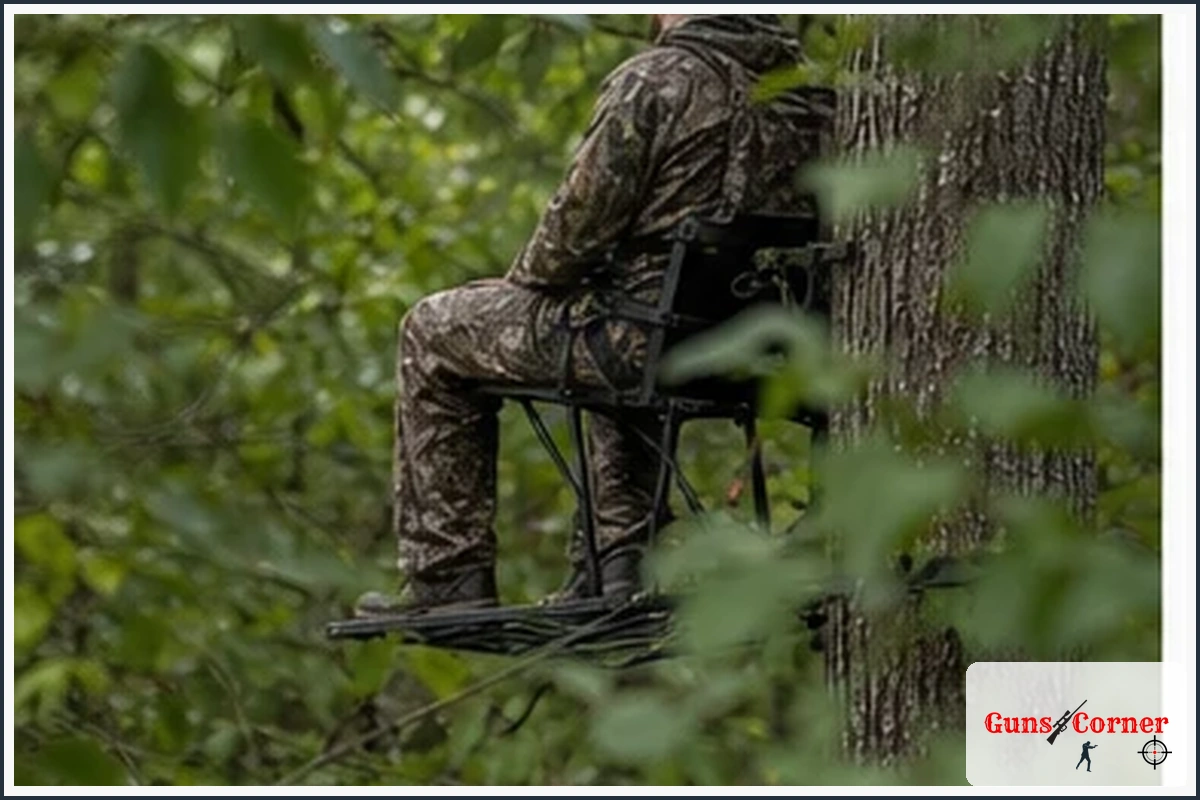
Height alone does not guarantee concealment. Branches, leaves, bark color, shadows, and nearby vegetation may hide movement more effectively than adding several extra feet.
Choose a height that lets the tree, background, and natural cover break up your outline. Avoid cutting excessive vegetation, especially on public land or where habitat rules prohibit it.
3. Check the Shot Angle From the Stand
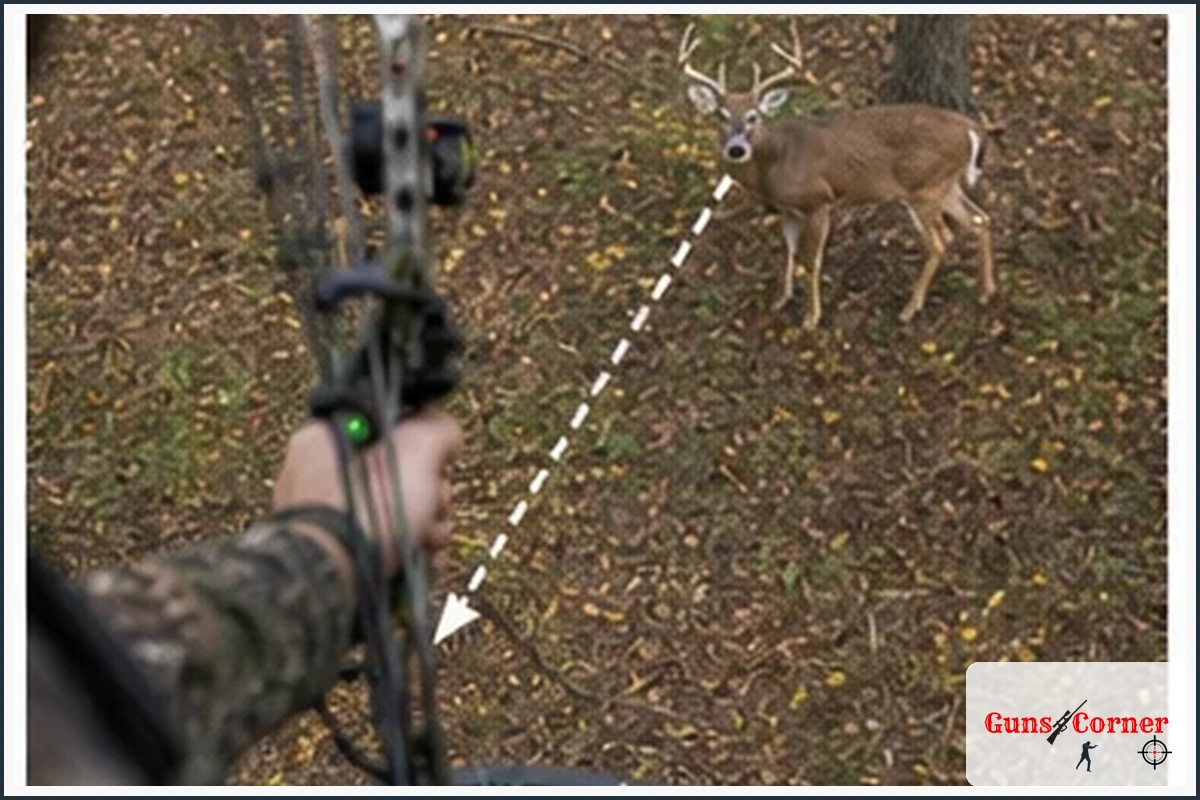
Bowhunting requires careful attention to shot angle. The higher you climb, the steeper the angle to an animal directly below you. A steep angle can reduce the effective target area and make it harder to place an ethical shot.
Before hunting, practice from an elevated platform at realistic distances. Confirm that you can safely draw, rotate, anchor, aim, and release without losing balance or twisting against the safety line.
4. Keep the Animal Within Your Practiced Range
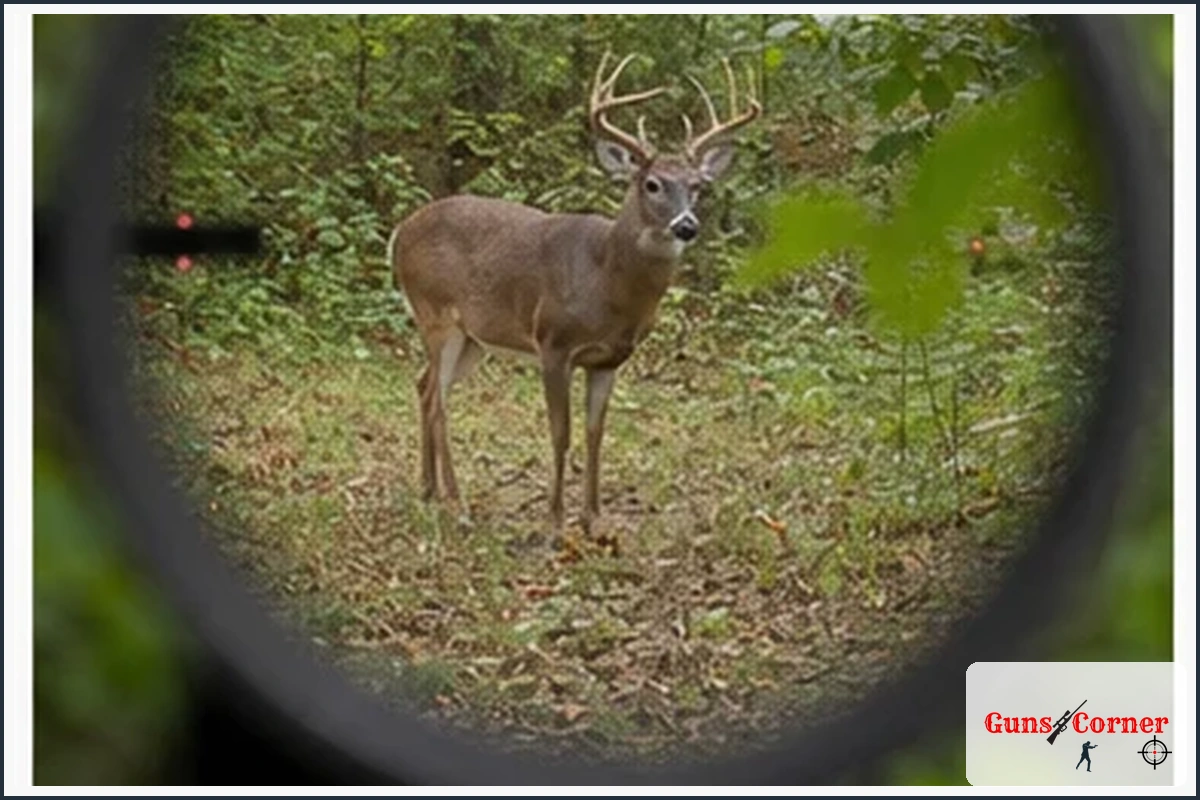
Your stand height should support a close, controlled, and practiced shot opportunity. Do not choose a higher stand simply to attempt longer shots or to compensate for poor concealment.
Set shooting lanes around the stand before the season, but leave enough natural cover to conceal movement. If an animal approaches outside your effective range, wait, reposition only when safe, or pass on the opportunity.
5. Consider Wind and Scent Movement
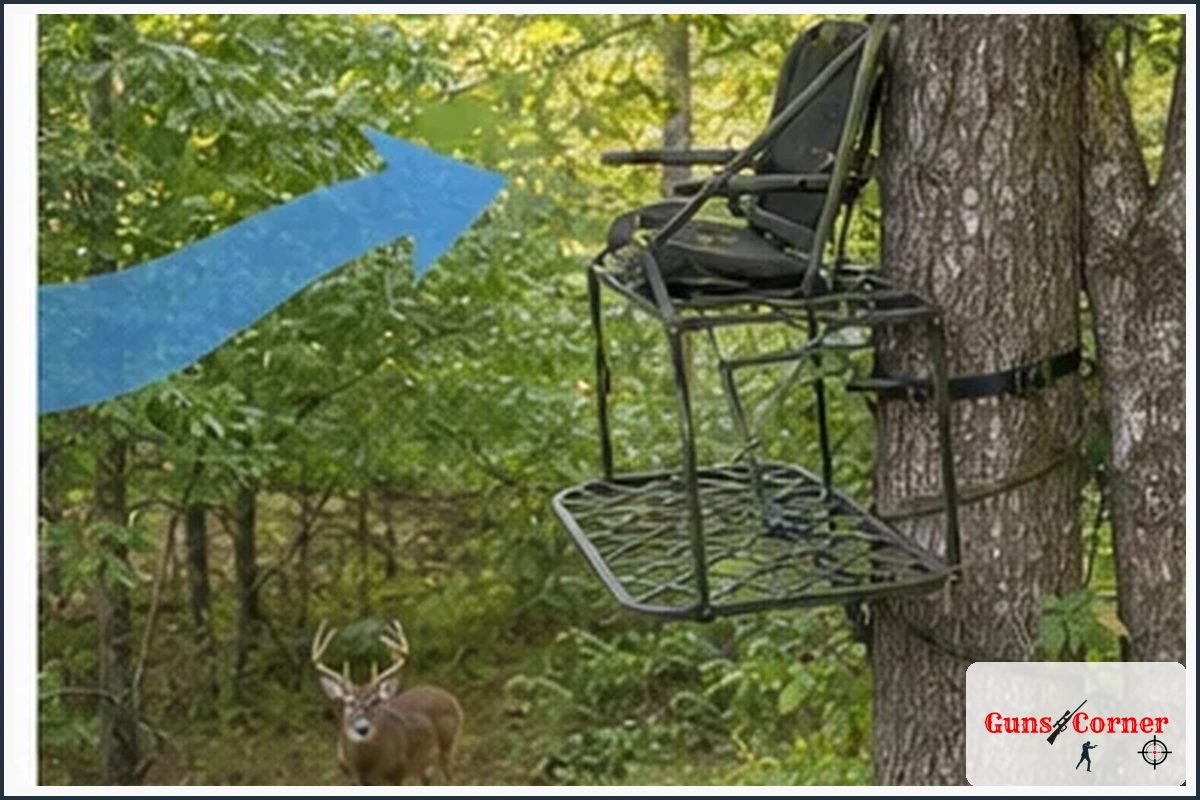
Wind direction often matters more than a small difference in stand height. Set up where your scent is less likely to drift toward the expected travel route, bedding area, or feeding location.
Check the wind at ground level and from the stand. Thermals may change as the temperature rises or falls, especially on slopes and near waterways. If the wind consistently carries your scent toward game, relocate rather than relying on height to solve the problem.
6. Plan a Safe Entry and Exit Route
A perfect stand location is not useful if reaching it requires crossing animals, noisy brush, unsafe terrain, or private property without permission. Plan a quiet, legal route that minimizes disturbance and allows you to leave safely after dark if permitted.
Use maps to identify boundaries, roads, water, steep slopes, and other hazards. Never cross private property without permission, even if it appears to provide a shorter route.
7. Practice the Complete Setup Before Hunting
Practice from an elevated position before the season. Wear your hunting clothing, use your actual bow, and rehearse movement, drawing, sitting, standing, and turning.
Practice with the same release aid, arrows, broadheads, and clothing layers you expect to use in the field. Stop and correct any movement that causes loss of balance or contact with the stand.
How Height Affects Bowhunting Shot Placement
From an elevated stand, an animal may be closer horizontally than it appears. The downward angle changes the geometry of the shot, especially at short distances. This is one reason hunters should practice from an elevated platform rather than assuming ground-level accuracy will transfer perfectly.
- Keep shots within your practiced distance and angle.
- Wait for a stable shooting position.
- Avoid twisting excessively while seated or standing.
- Do not shoot through unclear cover or obstructed lanes.
- Identify the animal and what lies beyond it.
- Pass on any shot that feels rushed, unstable, or uncertain.
Scouting Before Choosing Stand Height
Scout before placing a stand. Look for legal access, fresh tracks, trails, feeding areas, bedding cover, water, rubs, scrapes, and other signs appropriate to the local deer population. Confirm that the sign represents current movement rather than old activity.
Use trail cameras only where legal and follow all privacy, baiting, and public-land restrictions. Mark boundaries and potential stand locations on a map. Pay attention to how wind, sunlight, terrain, and hunting pressure may change animal movement.
Tree Stand Gear and Safety Checklist
- Manufacturer-approved tree stand or climbing system
- Full-body fall-arrest harness with a properly adjusted tether
- Bowhunting equipment in safe working condition
- Rangefinder, if legal and useful in your area
- Haul line for raising and lowering unloaded equipment
- Map, compass, GPS, or reliable navigation device
- Headlamp with spare batteries
- Weather-appropriate clothing and required visibility gear
- Water, food, first aid kit, and emergency communication
- Phone or other communication device protected from weather
- Knife and lawful game-care supplies, if applicable
Common Tree Stand Height Mistakes
- Choosing height without considering shot angle.
- Climbing higher to compensate for poor concealment.
- Ignoring wind direction and thermal movement.
- Skipping elevated practice before the season.
- Climbing while carrying a bow or loose gear.
- Using a harness incorrectly or attaching it only after reaching the stand.
- Placing a stand where the exit route crosses bedding cover.
- Taking shots beyond a practiced distance or angle.
- Failing to inspect the stand and tree before each hunt.
- Leaving a stand on land where permanent placement is not allowed.
Troubleshooting Common Tree Stand Problems
| Problem | Possible Cause | What to Do |
|---|---|---|
| Game detects you before a shot | Poor concealment, excessive movement, or unfavorable wind | Improve cover, reduce movement, and choose a setup with a better wind direction. |
| Shots feel awkward from the stand | Insufficient practice or poor stand orientation | Practice from elevation and reposition the stand only when it can be done safely and legally. |
| The shot angle feels too steep | Stand is too high or the animal is too close | Pass on the shot and reassess the stand height and shooting lanes. |
| You cannot find a safe entry route | Terrain, water, bedding areas, or unclear boundaries | Use maps, scout during daylight, and obtain permission or choose another legal location. |
| The stand moves or feels unstable | Improper installation, damaged equipment, or unsuitable tree | Descend safely and do not hunt from it until it has been inspected and corrected according to the manufacturer’s instructions. |
| Wind changes during the hunt | Weather or thermal shifts | Do not force the hunt. Leave safely or move to a legal setup with a more suitable wind. |
Public Land and Private Land Considerations
On public land, verify boundary lines, stand placement rules, access requirements, and restrictions on permanent structures. Respect other hunters and outdoor users, avoid crowding occupied areas, and use safe parking and access practices.
On private land, obtain clear permission before entering. Discuss stand locations, gates, livestock, property lines, hunting dates, and cleanup expectations with the landowner. Written permission can prevent misunderstandings.
Ethical Bowhunting and Conservation
Ethical bowhunting means making careful decisions before, during, and after the shot opportunity. Practice until you can control your equipment from an elevated position, and take only shots within your effective range and comfort level.
- Respect seasons, bag limits, tags, and reporting rules.
- Pass on unclear, obstructed, or unsafe shots.
- Plan for responsible game recovery before hunting.
- Follow local requirements for tagging, transport, and meat care.
- Leave gates, fences, vegetation, and property as you found them.
- Remove trash and avoid unnecessary disturbance to wildlife.
- Support conservation through lawful participation and habitat stewardship.
When to Get More Training or Professional Guidance
Seek additional training if you have never used a tree stand, are unfamiliar with bowhunting, or are not confident climbing and shooting from elevation. A hunter education course, certified archery instructor, experienced mentor, or reputable conservation organization can help you build safe habits.
Get local guidance when you are uncertain about property boundaries, public-land rules, tree stand placement, harvest reporting, or game recovery. It is better to delay a hunt than to guess about safety or legality.
After the Hunt: Gear Care and Learning
Unload and safely store your bow and other equipment according to manufacturer instructions. Inspect the stand, harness, straps, ropes, and climbing system for wear before storing them.
Record the date, wind direction, weather, animal sign, entry route, and what worked or failed. These notes can improve future scouting while helping you avoid repeated mistakes. Complete all required harvest reporting and care for legally harvested game responsibly and promptly.
Recommended Hunting Gear and Tools to Consider
You do not need expensive gear to hunt responsibly. Choose equipment based on local rules, terrain, weather, hunting method, skill level, and safety needs.
- A properly rated tree stand or climbing system
- A full-body fall-arrest harness
- A reliable bow and legal arrows with appropriate broadheads
- Quality boots suited to the terrain
- Quiet, weather-appropriate clothing
- Binoculars and a rangefinder where useful and legal
- Map, compass, GPS, or hunting application
- Headlamp, first aid kit, water, and emergency communication
- Haul line and secure storage for equipment
Final Thoughts
For many bow hunters, 15 to 20 feet is a useful starting range, but the best height depends on cover, terrain, wind, shooting lanes, and your ability to shoot safely from elevation. Scout carefully, practice from a raised position, use a full-body safety system, and pass on any shot that is outside your skill or comfort level.
Learning how high should a tree stand be for bow hunting is ultimately about choosing a safe, concealed, legal, and practical setup—not simply climbing as high as possible.
Frequently Asked Questions
How high should a tree stand be for bow hunting?
Many hunters begin around 15 to 20 feet above ground, but the correct height depends on cover, terrain, wind, shot angle, and personal skill. Choose the lowest height that provides safe concealment and ethical shooting opportunities.
Is 10 feet high enough for bow hunting?
It can be suitable in thick cover or certain terrain, but it may provide less concealment. Practice from that height and confirm that the setup gives you safe shooting lanes and an acceptable wind.
Is 30 feet too high for bow hunting?
Thirty feet may create steep shot angles, difficult recovery, stronger wind exposure, and greater fall consequences. Use such a height only when the tree, terrain, equipment, and your training make it genuinely safe and practical.
What is the best height for a beginner?
A moderate height that allows comfortable movement and a manageable shot angle is usually best. Many beginners find approximately 15 to 18 feet easier to practice from than a very high stand.
Does a higher tree stand make you harder for deer to see?
Height can improve concealment in open areas, but cover, movement, silhouette, and wind are also important. A higher stand does not compensate for excessive movement or poor positioning.
How does stand height affect shot angle?
The higher you are, the steeper the downward angle to an animal nearby. Practice from an elevated position so you understand how the angle affects your aim and shot decision.
Should I choose height based on the distance to the trail?
Yes. A trail directly below the stand may create a steep angle, while a trail farther away may offer a more manageable angle. Measure realistic distances and practice before hunting.
How far should deer be from a bowhunting tree stand?
There is no universal distance. Keep animals within your practiced range and choose a position that provides a clear, ethical shot opportunity without forcing a difficult angle.
Does terrain change the effective stand height?
Yes. A stand on a slope, ridge, or ravine can be much higher or lower relative to the animal than it appears from the tree. Evaluate the vertical relationship between the stand and likely travel routes.
Should I hunt higher in open terrain?
Possibly, if additional height improves concealment without creating unsafe climbing or steep shooting angles. Use natural cover and wind direction as part of the decision.
Should I hunt lower in thick cover?
Lower stands may work well when vegetation breaks up your outline. However, make sure the location is safe, legal, and concealed enough to prevent animals from detecting your movement.
How important is wind direction compared with stand height?
Wind direction is often more important than a small difference in height. If your scent consistently drifts toward expected game movement, choose another legal setup.
Can thermals affect tree stand placement?
Yes. Rising and falling air can change scent movement, particularly on slopes and near water. Observe local conditions and avoid relying on height alone for scent control.
Should I use a climbing stand to find the best height?
A climbing stand can help in suitable trees, but use it only if permitted and if you have been trained to operate it safely. Follow all manufacturer instructions and use fall protection throughout the climb.
Can I carry my bow while climbing?
No. Keep both hands available for climbing and use a haul line to raise or lower an unloaded bow after you are safely secured.
Do I need a harness at 15 feet?
Yes. Falls can cause serious injury at any height. Wear and correctly use a full-body fall-arrest system while climbing, hunting, and descending.
When should I attach my safety system?
Follow the system’s instructions, but use it as required throughout the climbing process rather than waiting until you reach the platform. Choose equipment designed for the specific climbing method.
Should I wear a safety harness while sitting?
Yes. A fall can happen while sitting, standing, turning, reaching, or adjusting equipment. Stay connected according to the manufacturer’s instructions.
How can I practice bow shooting from a tree stand?
Use a safe elevated practice platform or supervised training setup. Practice from realistic distances while wearing hunting clothing and using the same bow, release, and arrows you will use in the field.
Should I practice shooting straight down?
Practice understanding different angles, but do not take a shot simply because the animal is directly below you. A steep angle may reduce the ethical target area and make recovery more difficult.
How many shooting lanes should a tree stand have?
Prepare only the lanes necessary for safe, clear shots. Maintain natural cover and avoid excessive cutting, especially where public-land or habitat rules restrict vegetation removal.
How do I choose a safe tree?
Select a healthy tree of suitable size and structure for the stand, following manufacturer requirements. Avoid dead, damaged, unstable, or excessively leaning trees.
Should I place a stand near a bedding area?
Use caution. Entering or exiting near bedding cover can disturb animals and create safety concerns. Plan access routes that minimize disturbance and comply with landowner and wildlife regulations.
What signs should I look for when scouting?
Look for current tracks, trails, feeding areas, bedding cover, water, rubs, scrapes, and other local deer sign. Compare multiple signs rather than relying on one observation.
Can I leave a tree stand on public land?
That depends on local regulations and land-manager rules. Verify whether portable or permanent stands are allowed, when they may be placed, and how they must be identified.
Do I need permission to place a stand on private land?
Yes. Obtain clear permission before entering or installing equipment. Discuss boundaries, dates, gates, livestock, stand placement, and cleanup with the landowner.
What if the wind changes after I set up?
If the wind carries your scent toward expected game movement, do not force the hunt. Leave safely or use another legal location with a more favorable wind.
What if I cannot safely draw my bow from the stand?
Do not hunt from that setup until you correct the problem. Practice from elevation or reposition the stand so you can draw and aim without losing balance.
What if the stand feels unstable?
Descend carefully using your fall-arrest system and do not hunt from the stand. Inspect the equipment, tree, straps, and installation according to the manufacturer’s instructions.
What if deer approach directly below me?
Remain still and do not force a shot. A steep angle or obstructed position may make the opportunity unethical. Passing on the shot is the responsible choice.
What should I do after an ethical shot opportunity?
Follow your local rules for waiting, tracking, recovery, tagging, reporting, transport, and meat care. Use gloves and appropriate equipment, and seek experienced help if you are uncertain.
Do I need hunter education before using a tree stand?
Hunter education is strongly recommended and may be required in some areas. It can teach firearm or bow safety, wildlife regulations, ethics, first aid, and field decision-making.
Is blaze orange required during bow season?
Requirements vary by location, season, and land type. Check your official wildlife agency before hunting and wear any required visibility clothing.
What navigation equipment should I carry?
Carry a map and compass, GPS or phone navigation, a headlamp, spare power, and emergency communication. Do not rely on a phone alone in unfamiliar terrain.
Should I hunt alone from a tree stand?
Beginners should consider hunting with an experienced mentor. If hunting alone, tell someone your location, expected return time, access route, and emergency plan.
How can I reduce noise around my stand?
Plan a quiet entry route, organize equipment before leaving, wear suitable footwear, and avoid unnecessary movement. Scout access routes during daylight.
How can I improve my setup after a failed hunt?
Record wind, weather, animal sign, movement, entry noise, and shot opportunities. Change one factor at a time so you can learn what actually improves the setup.
Does expensive gear make a tree stand safer?
Price alone does not determine safety. Use properly rated equipment, inspect it regularly, follow instructions, and receive training on correct use.
What is the most important tree stand safety rule?
Use a full-body fall-arrest system correctly from the ground through the climb, hunt, and descent. Also keep your equipment unloaded and secured while climbing.