
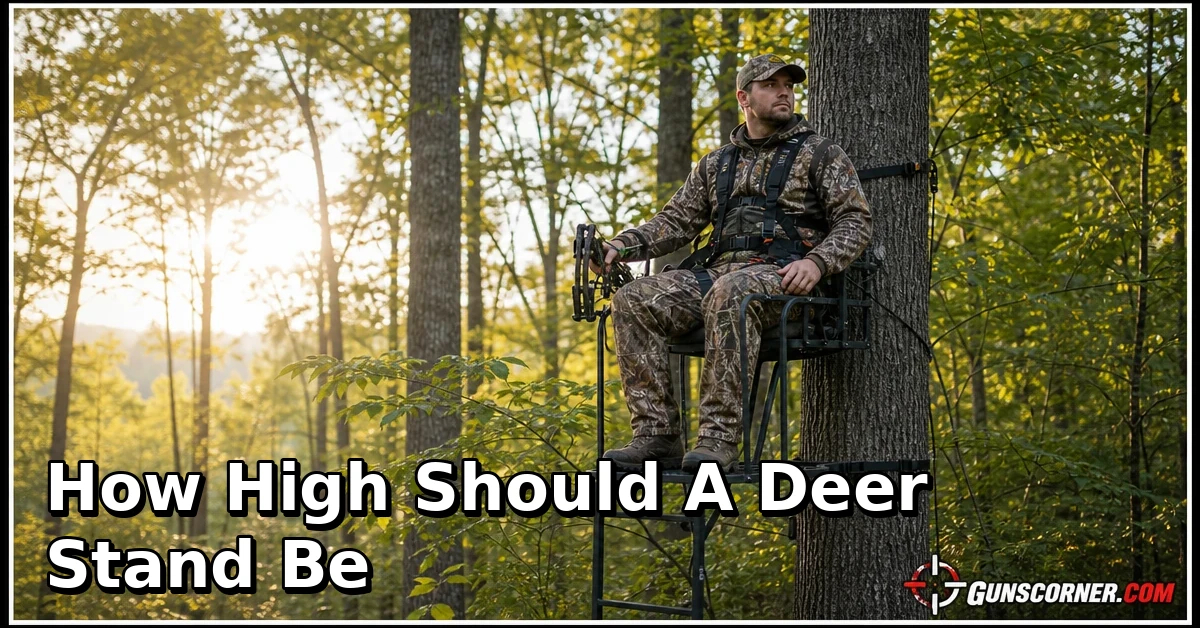

Choosing the right deer stand height affects visibility, concealment, shot angle, access, and overall safety. The best height is not the same for every tree or hunting situation. This guide explains how to evaluate a stand site, choose a practical elevation, and hunt responsibly with a firearm or bow.
For many flat, wooded locations, a deer stand platform about 10 to 12 feet above the ground can provide a useful balance of concealment, visibility, and safe access. However, cover, terrain, wind direction, tree shape, hunting method, and shooting lanes matter more than a fixed number. Always follow the stand manufacturer’s instructions, use a full-body safety harness, and choose only a safe, legal shot within your practiced ability.
Important Legal and Safety Notice Before You Hunt
Hunting regulations vary by state, province, county, season, land type, and weapon. Before hunting, verify current requirements with your official wildlife agency and land manager.
- Carry the required hunting license, permits, and tags.
- Confirm season dates, legal hunting hours, bag limits, weapon rules, and harvest reporting requirements.
- Obtain permission before entering private property and verify public land boundaries.
- Follow required hunter-orange or other visibility rules.
- Use a full-body safety harness connected to the tree whenever you climb or hunt from an elevated stand.
- Inspect the stand, straps, cables, ladder, platform, and tree before use.
- Keep firearms unloaded while climbing, and transport bows securely according to manufacturer guidance.
- Identify the deer and what lies beyond it before taking any shot.
- Never shoot toward roads, homes, livestock, people, vehicles, trails, or unclear movement.
What Is the Best Height for a Deer Stand?
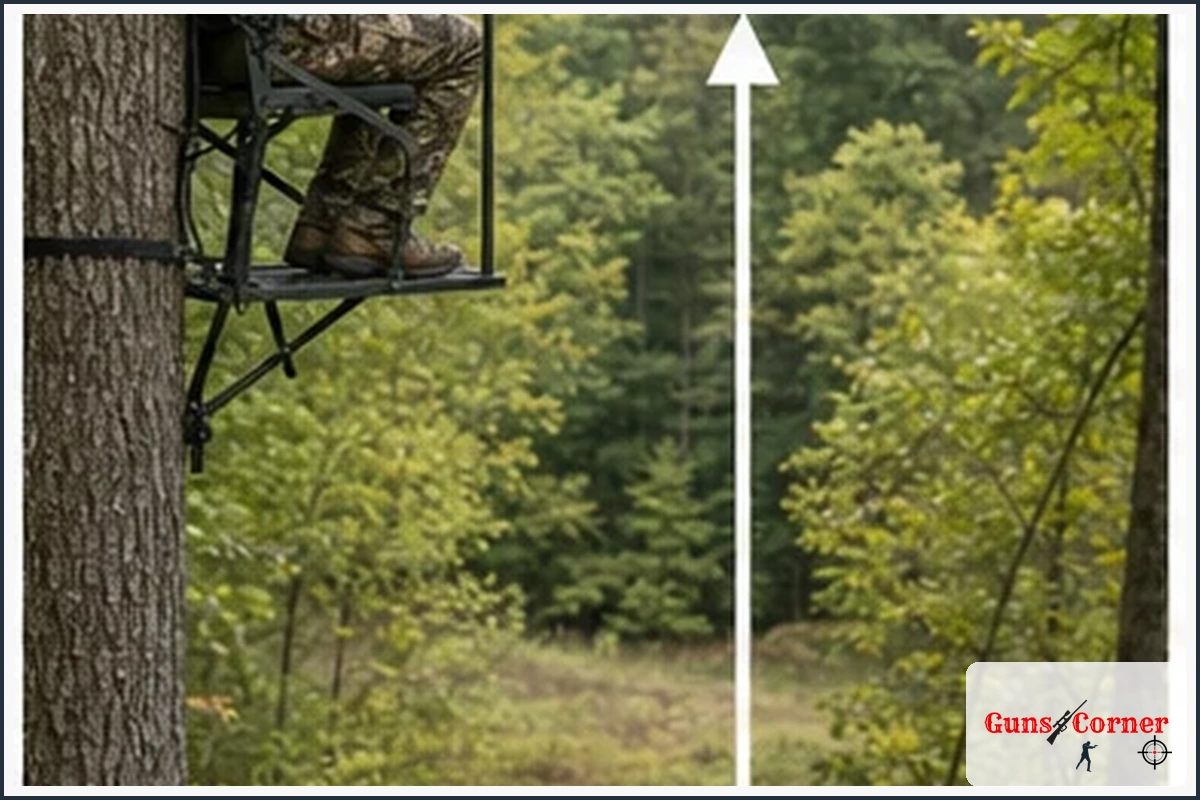
A practical starting point for many deer stands is 10 to 12 feet from the ground to the platform. This height may help reduce a deer’s ability to detect movement while still allowing a manageable climb and reasonable shot angles.
That number is only a starting point. A stand may need to be lower where thick cover hides the hunter, or higher where the woods are open and concealment is limited. A steep hillside, uneven ground, strong prevailing wind, or nearby private property can also change the safest and most effective setup.
What Determines Deer Stand Height?
Tree and Ground Cover
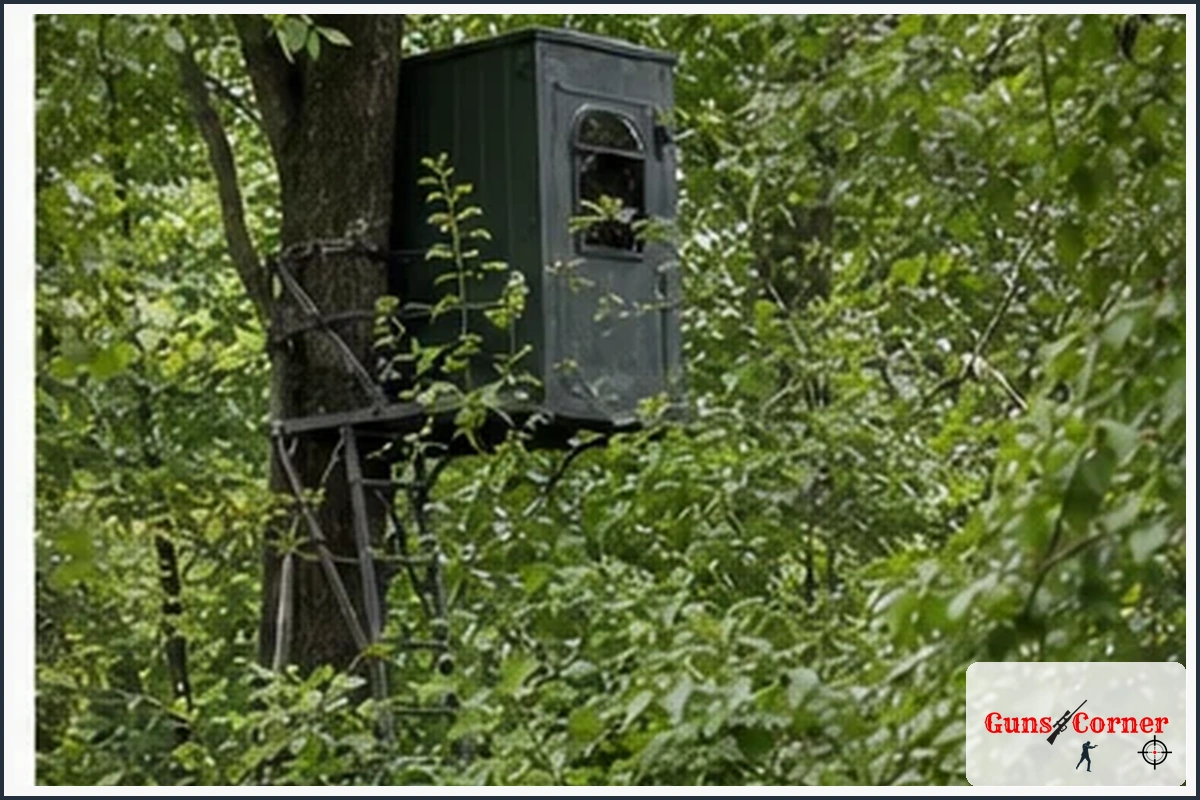
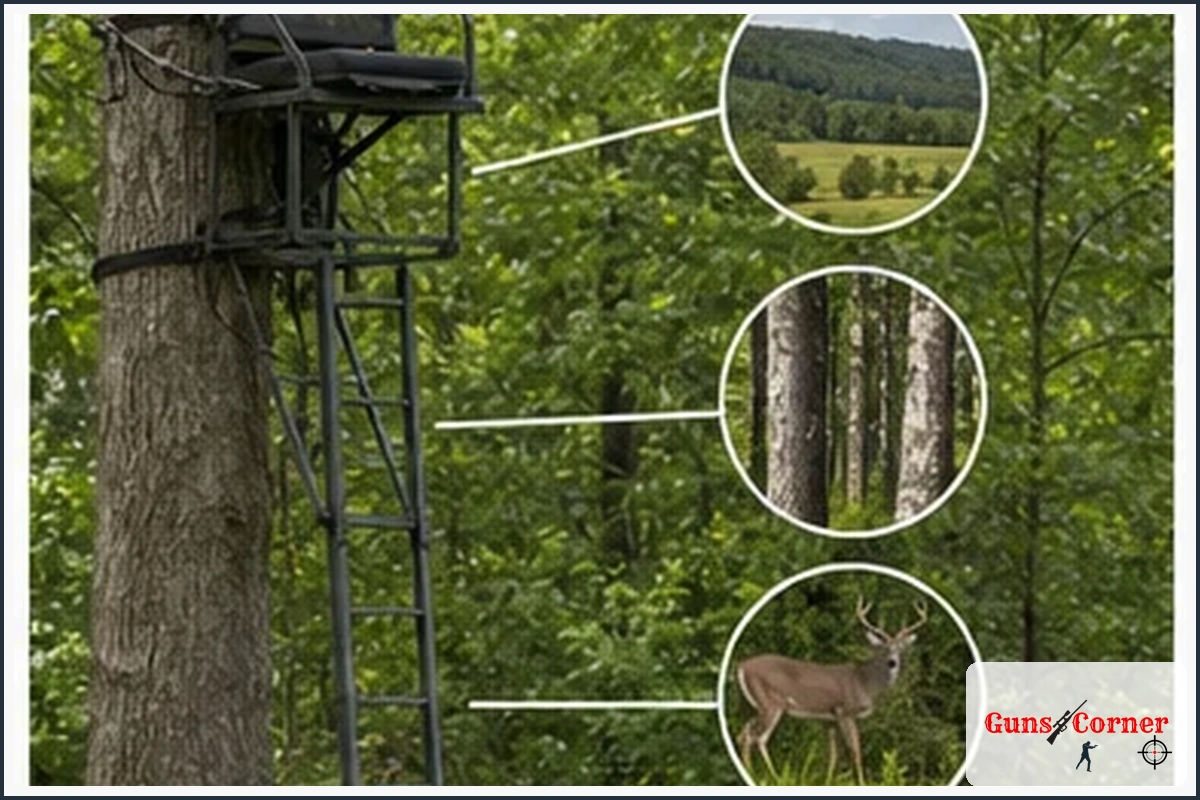
Natural cover is often more important than height. Branches, foliage, trunks, and nearby vegetation can break up the hunter’s outline. A shorter stand with good cover may be more effective than a taller stand exposed above the surrounding trees.
Terrain and Slope
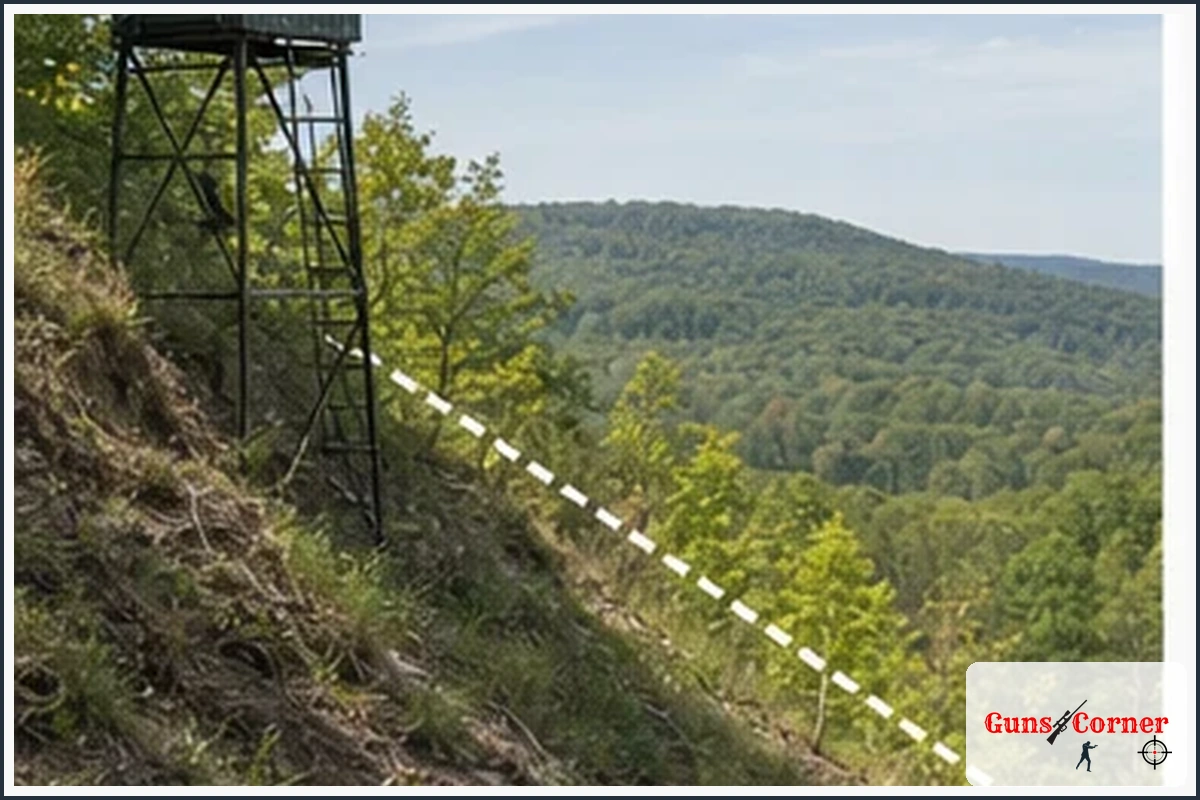
Measure height from the ground where the deer are likely to travel, not only from the lowest side of the tree. A stand on a slope can be much higher above deer on one side than the other, changing visibility and shot angles.
Wind Direction
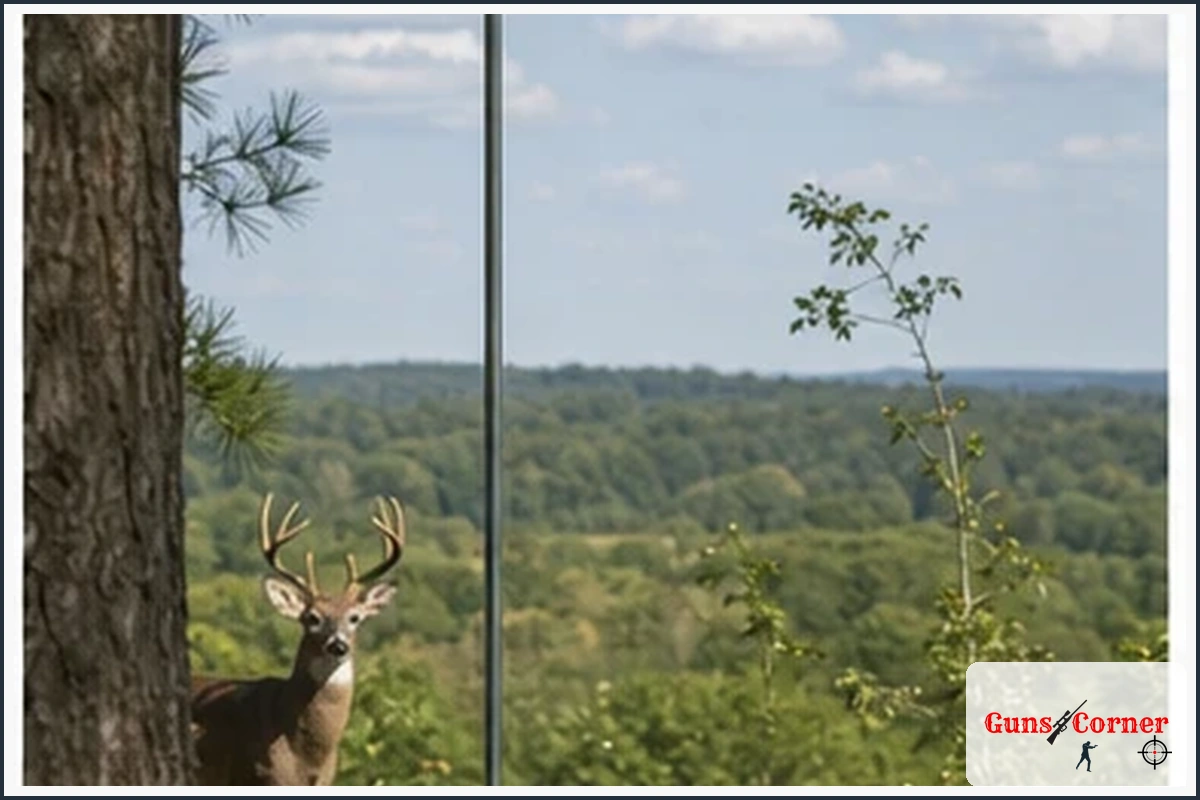
Wind should influence stand placement before height. Choose a location where your scent is less likely to blow toward bedding areas, feeding areas, or travel corridors. If the wind is consistently wrong, changing stand height usually will not solve the problem.
Hunting Method
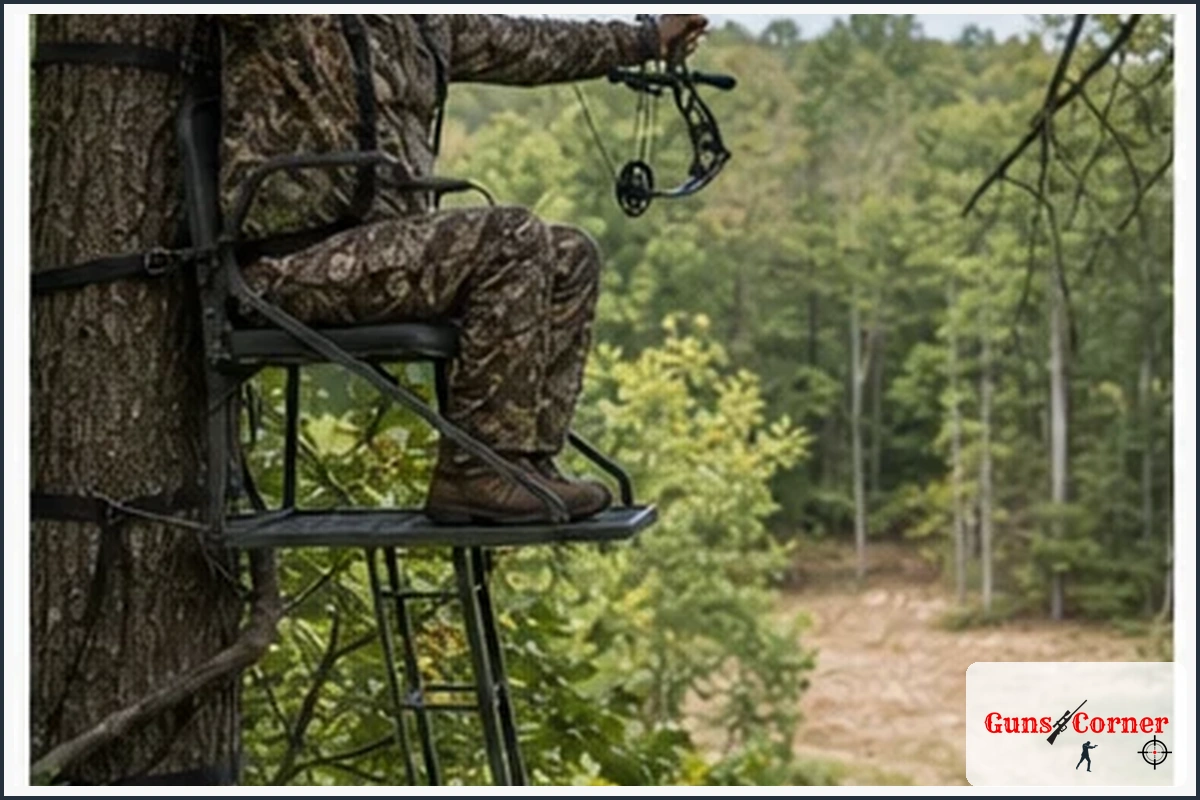
Bowhunters generally need careful attention to steep downward angles, nearby branches, and close-range shot lanes. Firearm hunters must consider a safe backstop, property boundaries, and the direction of the muzzle. Follow all local weapon restrictions and your own practiced limits.
Concealment and Visibility
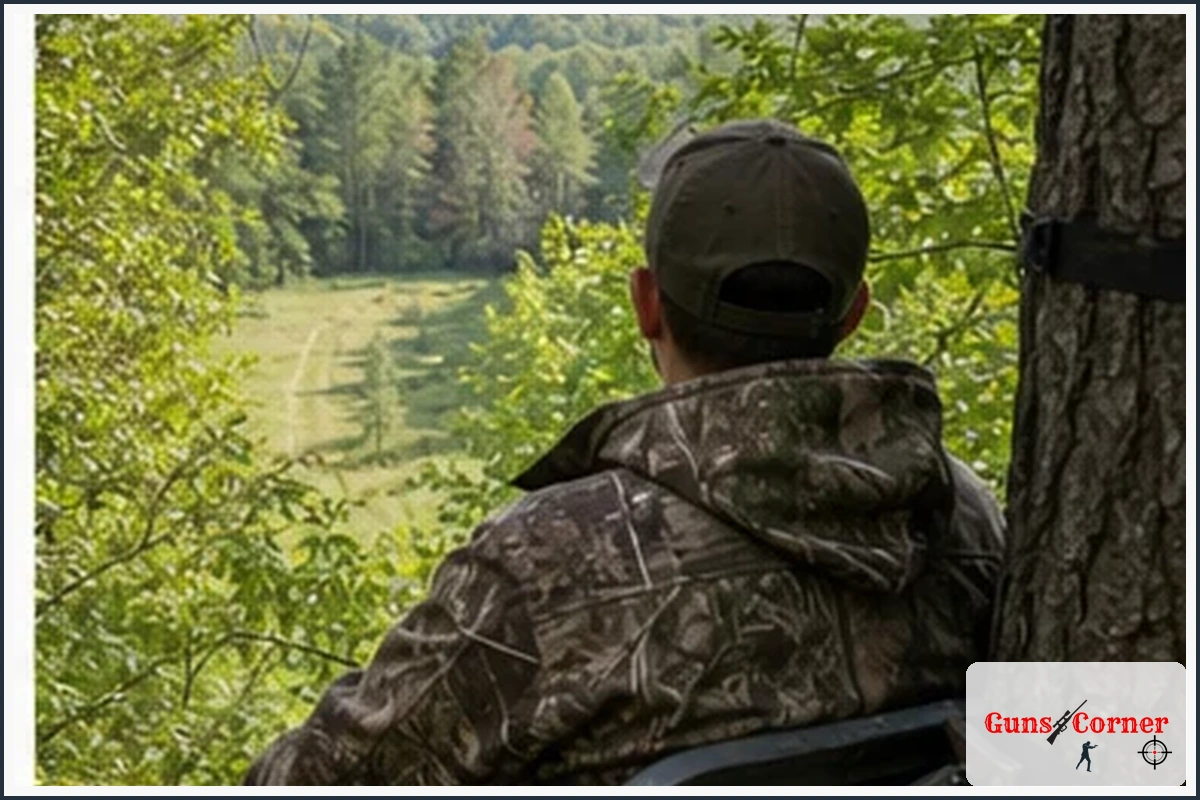
The stand should give you enough cover to move slowly without being easily detected. Excessive height can expose the hunter above the tree canopy or create uncomfortable shot angles, while insufficient height can leave the hunter visible from common deer approaches.
How to Choose Deer Stand Height Step by Step
Step 1: Check Laws and Land Access
Confirm that elevated stands are legal on the land you plan to hunt. Review public land rules, private land permission, tagging requirements, weapon regulations, and any restrictions on leaving equipment in the woods.
Step 2: Scout Deer Sign
Look for tracks, trails, droppings, rubs, scrapes, feeding areas, bedding cover, water sources, and narrow travel corridors. A stand should be positioned based on verified deer movement rather than a visually attractive tree.
Step 3: Study the Approach Routes
Plan how you will reach the stand without crossing major trails or bedding areas. Consider darkness, noise, scent, terrain, drainage, and nearby property lines. A perfect stand location is less useful if reaching it consistently alerts deer.
Step 4: Evaluate the Tree
Choose a healthy, suitable tree that can safely support the stand according to the manufacturer’s instructions. Avoid dead, cracked, leaning, unstable, or damaged trees. Check for loose bark, weak limbs, and hazards around the base.
Step 5: Start With a Practical Height
For many locations, begin by evaluating a platform around 10 to 12 feet high. Then adjust the decision based on cover, slope, deer travel direction, visibility, wind, and safe shooting lanes.
Step 6: Check Shooting Lanes From the Platform
Inspect the view from the actual seated and standing positions. Identify safe lanes without cutting unnecessary vegetation, and make sure branches will not interfere with a bowstring, firearm, optics, or a controlled movement.
Step 7: Consider Shot Angle and Recovery
Higher stands create steeper downward angles. Before hunting, understand how the angle affects your weapon, sight picture, and ability to make a responsible recovery. If you cannot confidently place an ethical shot, do not take it.
Step 8: Install and Inspect the Stand Safely
Follow the stand manufacturer’s instructions exactly. Use a full-body harness from the ground upward, maintain three points of contact while climbing, and never carry a loaded firearm while climbing. Have another person assist when practical.
Step 9: Test the Setup Before the Season
Practice entering, sitting, standing, turning, using your safety equipment, and handling your unloaded weapon. Bowhunters should practice from an elevated position if legal and safe to do so. Firearm hunters should confirm that the setup provides a safe backstop and comfortable control.
Step 10: Recheck Conditions on Hunt Day
Wind, foliage, water levels, fallen limbs, ice, and hunting pressure can change the safety of a location. If conditions make the setup unsafe or place other people at risk, leave and choose another legal location.
Height Guidelines by Hunting Situation
| Situation | General Consideration |
|---|---|
| Thick woods with strong cover | A lower platform may work if the hunter remains concealed and shooting lanes are safe. |
| Open hardwoods or limited cover | Additional height may improve concealment, but avoid unsafe climbing and excessive shot angles. |
| Sloping ground | Measure from likely deer travel areas and evaluate each side of the stand separately. |
| Bowhunting | Prioritize manageable shot angles, clear lanes, stable footing, and a practiced effective range. |
| Firearm hunting | Prioritize target identification, a safe backstop, legal shooting direction, and property boundaries. |
| Public land | Verify stand rules, access boundaries, equipment policies, and safe separation from other hunters. |
Scouting for the Right Stand Location
Stand height cannot compensate for poor scouting. Focus on finding where deer actually move and then select a safe position that allows you to observe that movement without disrupting it.
- Use maps to identify funnels, ridges, drainages, fields, and likely bedding cover.
- Look for fresh tracks and heavily used trails.
- Note food and water sources that are legal to hunt near.
- Study wind direction at different times of day.
- Use trail cameras only where legal and according to land rules.
- Mark property boundaries and avoid relying on uncertain landmarks.
- Plan a quiet entry and exit route.
Gear and Preparation Checklist
- Valid license, permits, tags, and regulation information
- Manufacturer-approved tree stand and climbing equipment
- Full-body safety harness and lifeline where appropriate
- Weather-appropriate clothing and required visibility gear
- Legal firearm or bow in safe working order
- Map, compass, GPS, or approved navigation app
- Flashlight with spare batteries
- First aid kit, water, food, and emergency communication
- Binoculars or other suitable optics
- Pack, gloves, knife for lawful field tasks, and game-care supplies
Best Conditions for Hunting From a Deer Stand
Deer movement can change with weather, season, hunting pressure, food availability, and human activity. Rather than relying on a guaranteed “best” condition, compare current conditions with your scouting observations.
Pay close attention to wind direction and thermals, which are air movements caused by temperature changes. Morning and evening air movement may differ, so a stand that works at one time may be poor at another. Avoid hunting a setup when your scent is consistently carried toward areas where deer are expected.
Helpful Tips for Better Results
- Choose the safest height that provides adequate concealment, not simply the highest possible position.
- Use the tree’s trunk and surrounding cover to break up your outline.
- Keep movement slow and deliberate when deer are nearby.
- Range or otherwise understand important shooting lanes before hunting.
- Keep equipment quiet and secure against wind and accidental movement.
- Practice using your safety harness and weapon from the actual stand.
- Leave early enough to reach the stand without rushing.
- Carry a communication plan and tell someone where you will be hunting.
Common Mistakes to Avoid
- Assuming a fixed height is correct for every tree and terrain type
- Ignoring wind because the stand is high
- Choosing a tree before confirming deer movement
- Climbing without a full-body safety harness
- Carrying a loaded firearm while climbing
- Placing a stand where the shot angle is too steep to manage safely
- Ignoring property boundaries or nearby hunters
- Cutting excessive vegetation without checking land rules
- Failing to inspect old straps, cables, platforms, and ladders
- Taking a shot beyond personal skill or equipment limits
Troubleshooting Common Problems
| Problem | Possible Cause | What to Do |
|---|---|---|
| Deer detect you before entering range | Poor wind, noisy access route, or inadequate cover | Recheck wind, change the approach route, or select a better concealed legal setup. |
| You cannot see enough from the stand | Low platform, thick vegetation, or poor tree selection | Improve only what regulations allow, or relocate rather than forcing an unsafe setup. |
| Shot angles feel uncomfortable | Stand is too high, terrain is steep, or lanes are too close | Pass on the shot and reassess the location before hunting again. |
| The stand moves or feels unstable | Damaged equipment, poor installation, or unsuitable tree | Unload and leave safely, then inspect or replace the equipment before use. |
| You are unsure whether the area is legal | Unclear boundaries or outdated information | Stop hunting there until you confirm ownership and current regulations. |
| Other hunters are nearby | Shared public land or poor communication | Do not take a shot; identify people, increase separation, and follow land-use rules. |
Ethical Hunting and Conservation
Responsible deer hunting means putting safety, legality, and respect for wildlife ahead of filling a tag. Take only shots you have practiced for, pass on uncertain opportunities, and make a reasonable effort to recover legally harvested game.
Follow season dates and bag limits, report harvests when required, avoid waste, respect landowners and other hunters, and leave the area clean. Hunting licenses and lawful participation also support wildlife management and conservation programs.
When to Get More Training or Professional Guidance
Seek additional instruction if you have never used a tree stand, firearm, or bow. A hunter education course, certified instructor, experienced mentor, or local conservation organization can help you learn safe climbing, weapon handling, shot judgment, tracking, recovery, and applicable regulations.
Get help before hunting if you are uncertain about property boundaries, stand installation, emergency planning, or meat handling. It is better to delay a hunt than to create an avoidable safety or legal problem.
After the Hunt: Gear Care and Learning
Unload and store firearms according to manufacturer guidance, secure bows safely, inspect stand components, and dry wet clothing and equipment. Record wind, weather, deer sign, access routes, and what worked or failed. If you harvest a deer, complete required tagging and reporting, cool and handle the meat responsibly, and follow local transport rules.
Recommended Hunting Gear and Tools to Consider
You do not need expensive equipment to hunt responsibly. Select gear based on local laws, terrain, weather, hunting method, skill level, and safety needs.
- Manufacturer-approved elevated stand and climbing system
- Full-body safety harness and lifeline
- Weather-appropriate clothing and required visibility gear
- Binoculars for identifying deer and background conditions
- Map, compass, GPS, or approved hunting app
- First aid kit, flashlight, water, and emergency communication
- Legal firearm or bow maintained according to manufacturer instructions
- Game-care supplies and a cooler when a harvest is possible
Final Thoughts
When deciding how high a deer stand should be, begin with the site rather than a fixed number. A platform around 10 to 12 feet may suit many locations, but cover, wind, terrain, access, weapon choice, and safe shot angles should determine the final decision. Scout carefully, use proper fall protection, follow current regulations, and pass on any unsafe or unethical opportunity.
Frequently Asked Questions
How high should a deer stand be for beginners?
Many beginners can start by evaluating a platform around 10 to 12 feet high, provided the tree, cover, access, and shot angles are safe. Follow the stand manufacturer’s instructions and use a full-body harness.
Is 10 feet high enough for a deer stand?
It can be enough in areas with good cover and suitable terrain. Height alone does not determine concealment; wind, tree structure, movement, and access are also important.
Is 20 feet too high for a deer stand?
Not necessarily, but greater height can increase climbing risk, make recovery more difficult, and create steeper shot angles. Use only a safe, manufacturer-approved setup suited to your skill level.
What is the minimum height for a deer stand?
There is no universal minimum height for every location. Legal requirements may vary, and a low stand can work only when cover, wind, visibility, and shot safety are appropriate.
Does a higher deer stand hide scent?
Height may affect how air moves, but it does not guarantee scent control. Wind direction and changing thermals are more important than simply climbing higher.
Should bowhunters use a lower deer stand?
A lower stand may provide more manageable shot angles, but the correct height depends on cover, terrain, tree shape, and practiced ability. Never take a shot you cannot make ethically.
Should firearm hunters use a higher deer stand?
Not automatically. Firearm hunters still need a safe backstop, clear target identification, legal shooting direction, and comfortable control of the weapon.
How does terrain change stand height?
On sloped ground, the stand may be much higher above deer on one side than the other. Evaluate height and shot angle from the actual travel routes deer use.
Does thick cover allow a lower stand?
Often, yes, if the cover conceals the hunter and safe shooting lanes remain available. Avoid excessive vegetation that blocks identification or creates unsafe shooting conditions.
Should I choose a tree before scouting?
No. Scout deer movement first, then choose a tree that provides safe access, concealment, proper wind, and legal shooting opportunities.
What deer signs should I look for?
Useful signs include tracks, trails, droppings, rubs, scrapes, feeding areas, bedding cover, and repeated travel routes. Freshness and concentration matter more than finding one isolated sign.
How important is wind direction?
Wind direction is one of the most important factors in stand placement. Avoid locations where your scent is likely to reach bedding areas, feeding sites, or travel corridors.
Where should I place a deer stand?
Place it near verified deer movement while maintaining safe access, adequate cover, legal boundaries, and a wind direction that reduces detection.
Is a ladder stand safer than a climbing stand?
Neither is automatically safe. Every stand requires correct installation, inspection, proper climbing technique, and continuous use of a full-body safety harness.
Can I hunt from a tree stand without a harness?
No. A full-body harness and appropriate fall-arrest system are essential whenever using an elevated stand.
What should I do if my stand feels unstable?
Do not hunt from it. Descend carefully while secured, then inspect or replace the equipment and correct the installation before using it again.
How should I climb with a firearm?
Follow local regulations and manufacturer guidance, keep the firearm unloaded while climbing, and use a haul line to raise or lower it only after you are securely positioned.
How should I carry a bow into a stand?
Use a safe method recommended by the manufacturer, typically raising or lowering the bow with a haul line after you are secured. Keep broadheads covered during transport.
Should I cut branches around my stand?
Only where legal and necessary. Remove as little vegetation as possible, and never create shooting lanes that compromise target identification, backstops, or neighboring property.
What if deer approach from below the stand?
Remain still and assess the shot angle carefully. If the angle is outside your practiced ability or recovery would be uncertain, pass on the opportunity.
How far should I be from other hunters?
Follow local land rules and use sound judgment. Maintain enough separation to avoid conflicts, identify other people clearly, and never shoot toward uncertain movement.
Can I leave a stand on public land?
That depends on the land manager’s current rules. Check official regulations before installing, leaving, or marking any equipment.
Do I need permission to use a deer stand on private land?
Yes. Obtain landowner permission before entering or placing equipment, and respect gates, livestock, boundaries, cleanup requirements, and any written agreement.
What is the safest stand height?
The safest height is one that complies with equipment instructions, matches your climbing ability, provides stable footing, and allows responsible shot angles. Higher is not automatically safer.
Can a ground blind be better than a tree stand?
Yes. A ground blind may be a better option when climbing is unsafe, trees are unsuitable, or the terrain provides adequate concealment. Follow local blind and visibility rules.
How can I practice for an elevated shot?
Practice with an unloaded firearm or safely handled bow under qualified supervision. Bowhunters should understand downward angles, while firearm hunters should confirm a safe backstop and controlled muzzle direction.
What should I do if the wind changes?
Reassess the setup. If your scent begins reaching likely deer locations, leave safely or relocate only if the new position remains legal and safe.
What should I do if visibility is poor?
Do not shoot at movement you cannot identify. Wait for adequate visibility or leave safely according to legal hunting hours and local rules.
What should I do after a successful hunt?
Follow local tagging, reporting, transport, and meat-care requirements. Handle the harvest respectfully, cool the meat promptly when appropriate, and avoid waste.
Should I hunt alone from a tree stand?
Beginners should consider hunting with an experienced mentor. If hunting alone, share your location and return time, carry communication and navigation equipment, and maintain an emergency plan.
What weather is best for stand hunting?
There is no guaranteed best weather. Choose conditions that are safe for you, suit your equipment, and align with observed deer movement while keeping wind and visibility in mind.
How early should I reach my stand?
Arrive with enough time to enter quietly, become settled, and remain within legal hunting hours. Avoid rushing, which increases noise and climbing risk.
How often should I inspect a deer stand?
Inspect it before every use and after severe weather. Pay attention to straps, cables, bolts, ladders, platforms, tree health, and signs of corrosion or damage.
What should I do if I am afraid of heights?
Do not force yourself into an elevated stand. Consider a ground blind, hunt with an experienced mentor, or seek training until you can safely manage the equipment.
Can stand height fix poor deer movement?
No. If deer are not using the area, increasing height rarely solves the problem. Improve scouting, access, wind management, and location selection first.
Why do deer sometimes look up at a stand?
Deer may detect movement, sound, or scent from above. Use cover, minimize movement, enter quietly, and avoid placing the stand where your outline is exposed.
Should I use scent-control products?
Scent-control products may be used where legal, but they do not replace wind management, clean clothing, quiet access, and careful stand placement.
When should I ask for professional help?
Ask for help when you are unsure about stand installation, local rules, weapon handling, property boundaries, recovery, or meat care. Hunter education instructors and experienced ethical mentors are valuable resources.
Read more: