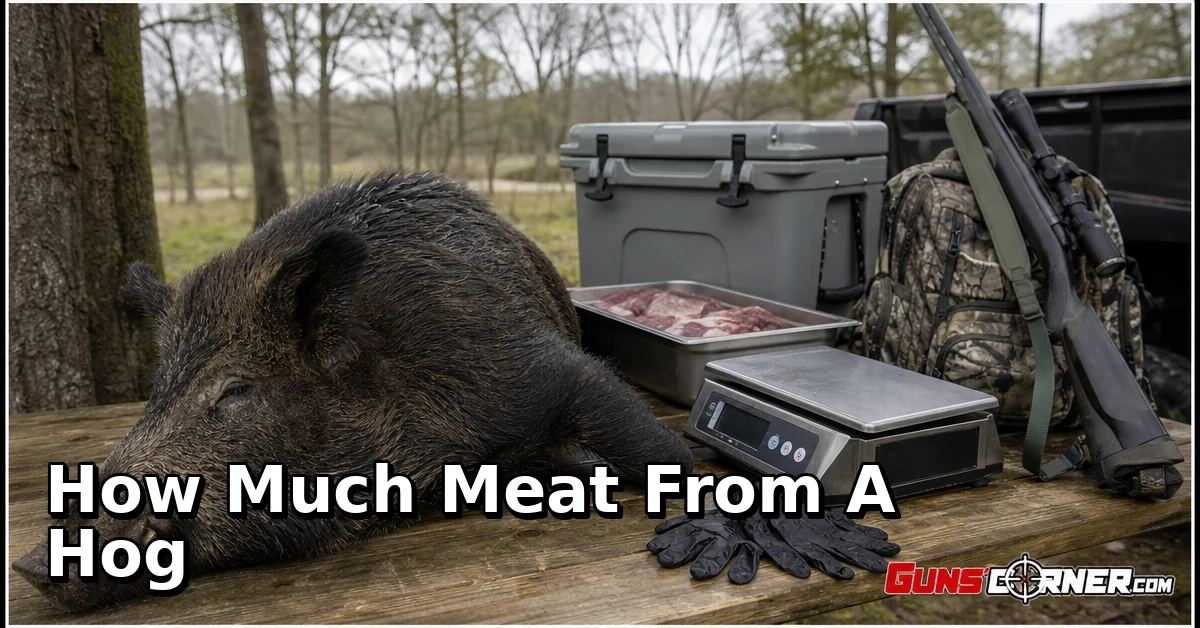
Knowing how much meat from a hog you can expect helps you plan the hunt, cooler space, processing, transport, and freezer storage. Actual yield depends on live weight, field dressing, fat, age, shot placement, trimming, and whether you keep bones and usable organs. This guide explains realistic estimates while covering legal, safe, and responsible hog hunting practices.
A properly processed feral hog commonly produces roughly 40% to 60% of its live weight in usable meat, although results vary widely. A 100-pound hog might provide about 40 to 60 pounds of packaged meat, while a 200-pound hog might provide approximately 80 to 120 pounds. Always follow local regulations, use a safe and ethical shot, cool the meat quickly, and confirm current rules for tagging, transport, disease precautions, and harvest reporting.
Important Legal and Safety Notice Before You Hunt
Hog hunting regulations vary by state, province, county, property type, season, and hunting method. Before hunting, check your official wildlife agency and land manager for current requirements.
- Valid hunting license, permits, and tags where required
- Legal season dates, hunting hours, weapons, and ammunition
- Bag limits or local hog-control rules
- Public land boundaries or written private-land permission
- Harvest reporting and transport requirements
- Required hunter-orange or other visibility clothing
- Firearm or bow safety rules
- Local disease, carcass movement, and meat-handling guidance
How Much Meat From a Hog Can You Expect?
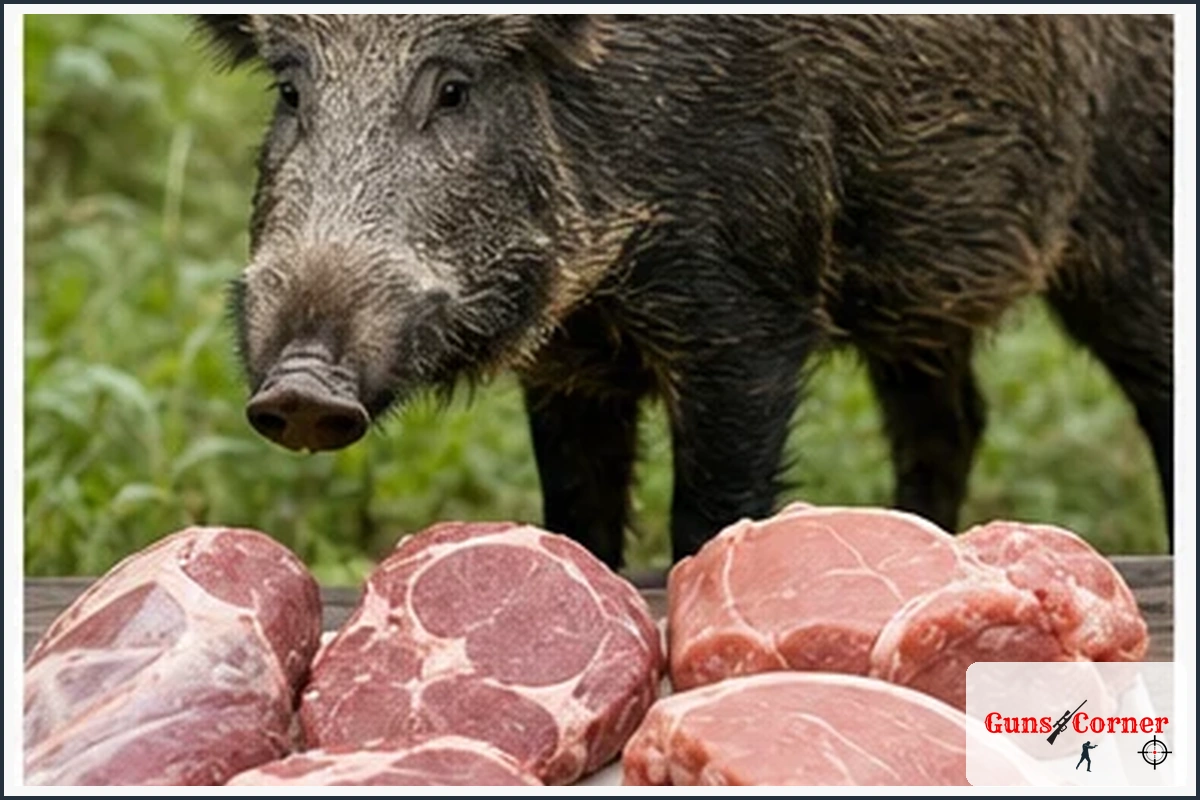
The simplest estimate is based on a percentage of live weight. Many hunters use approximately 40% to 60% as a broad planning range for usable, packaged meat. This is not a guaranteed figure, because processing choices make a major difference.
| Live Hog Weight | Estimated Usable Meat |
|---|---|
| 50 pounds | About 20–30 pounds |
| 100 pounds | About 40–60 pounds |
| 150 pounds | About 60–90 pounds |
| 200 pounds | About 80–120 pounds |
| 250 pounds | About 100–150 pounds |
| 300 pounds | About 120–180 pounds |
These figures are planning estimates rather than promises. A professional processor may report different yields depending on whether the hog is weighed live, field dressed, hanging, or after trimming.
Understanding Hog Meat Yield
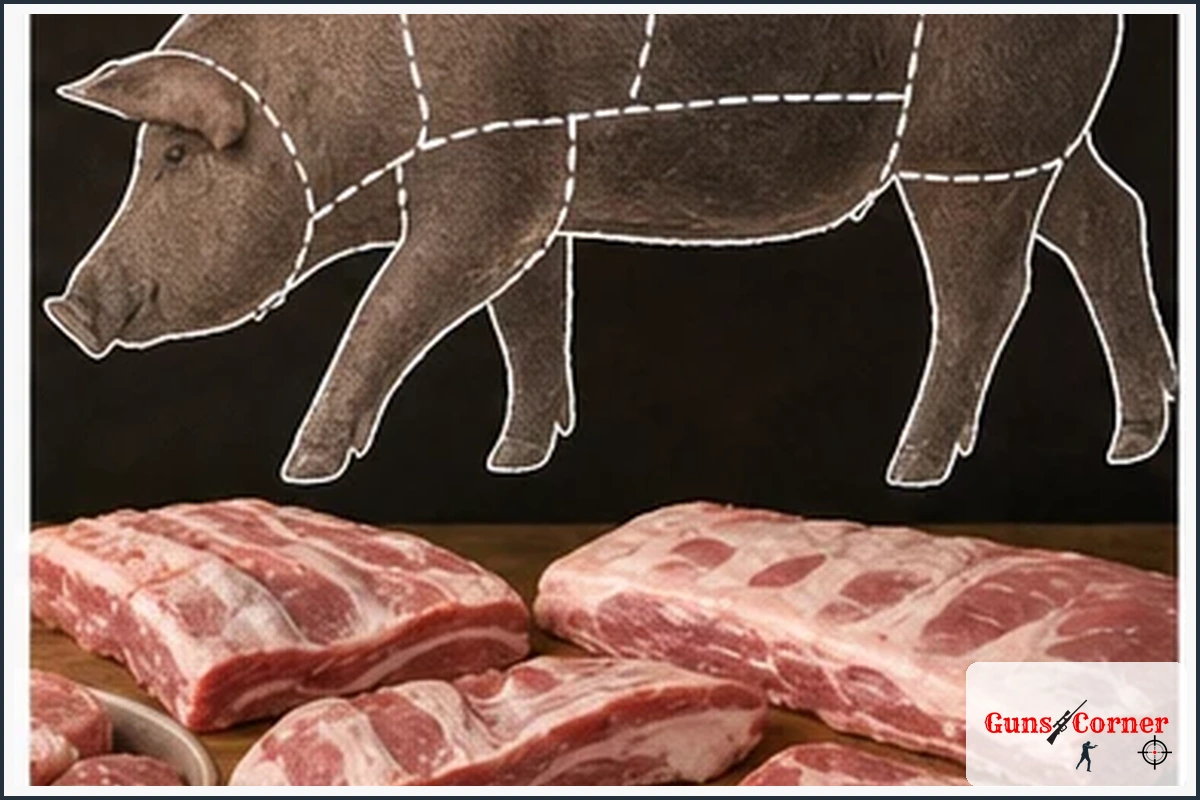
Live Weight
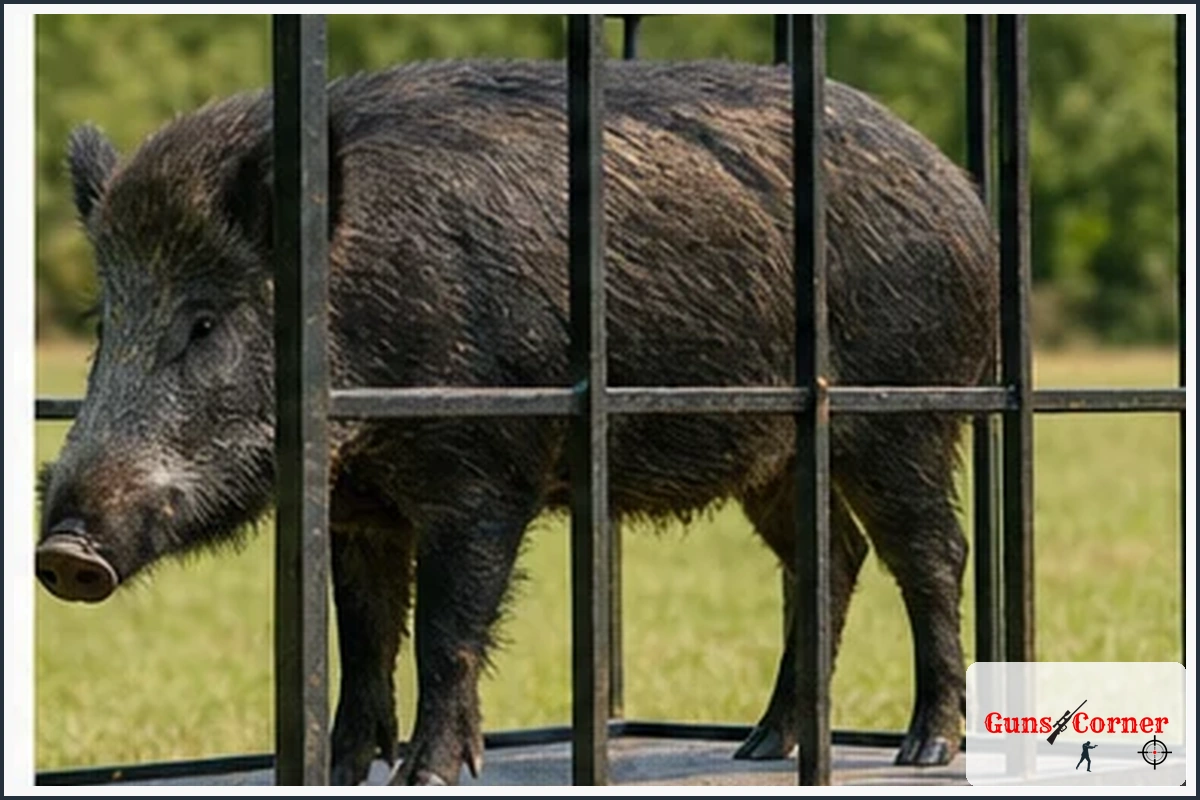
Live weight is the animal’s weight before field dressing. It includes hide, hair, bones, organs, blood, stomach contents, and other parts that will not become packaged meat.
Field-Dressed Weight
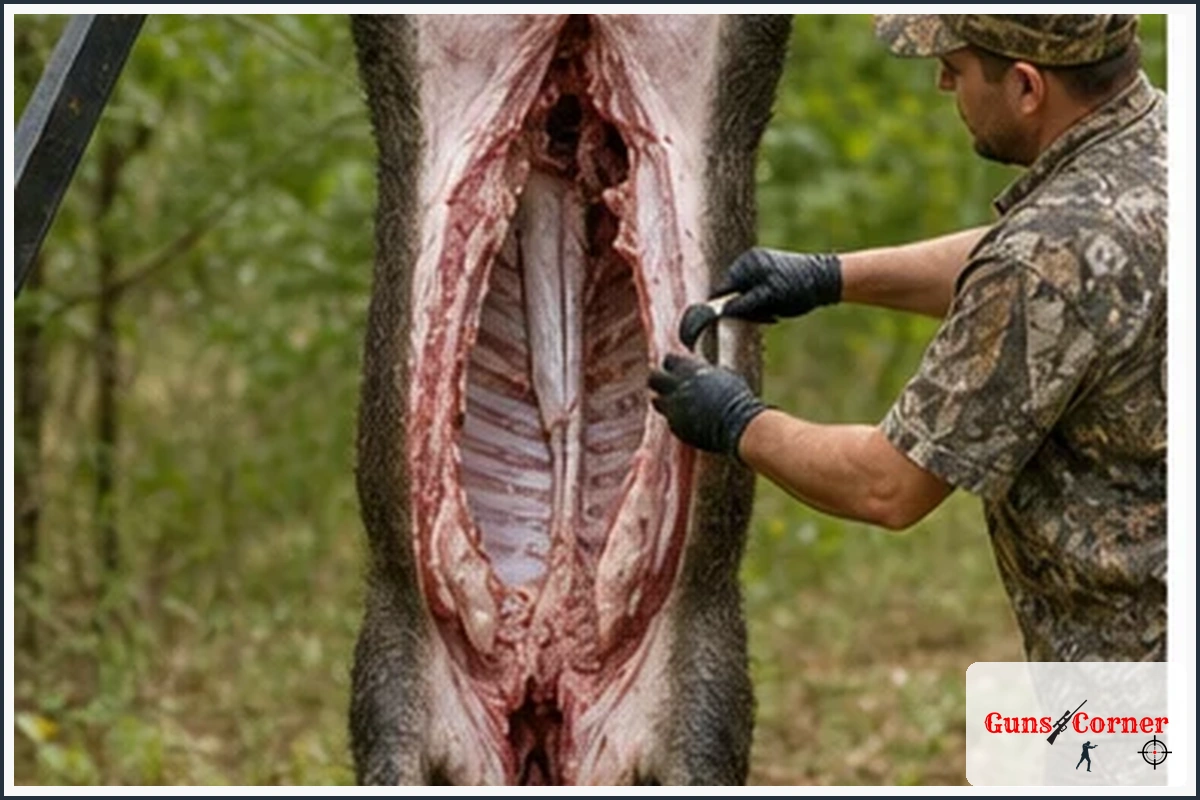
Field-dressed weight is the weight after internal organs have been removed. It is lower than live weight and is often used when discussing transport or processor intake.
Hanging or Carcass Weight
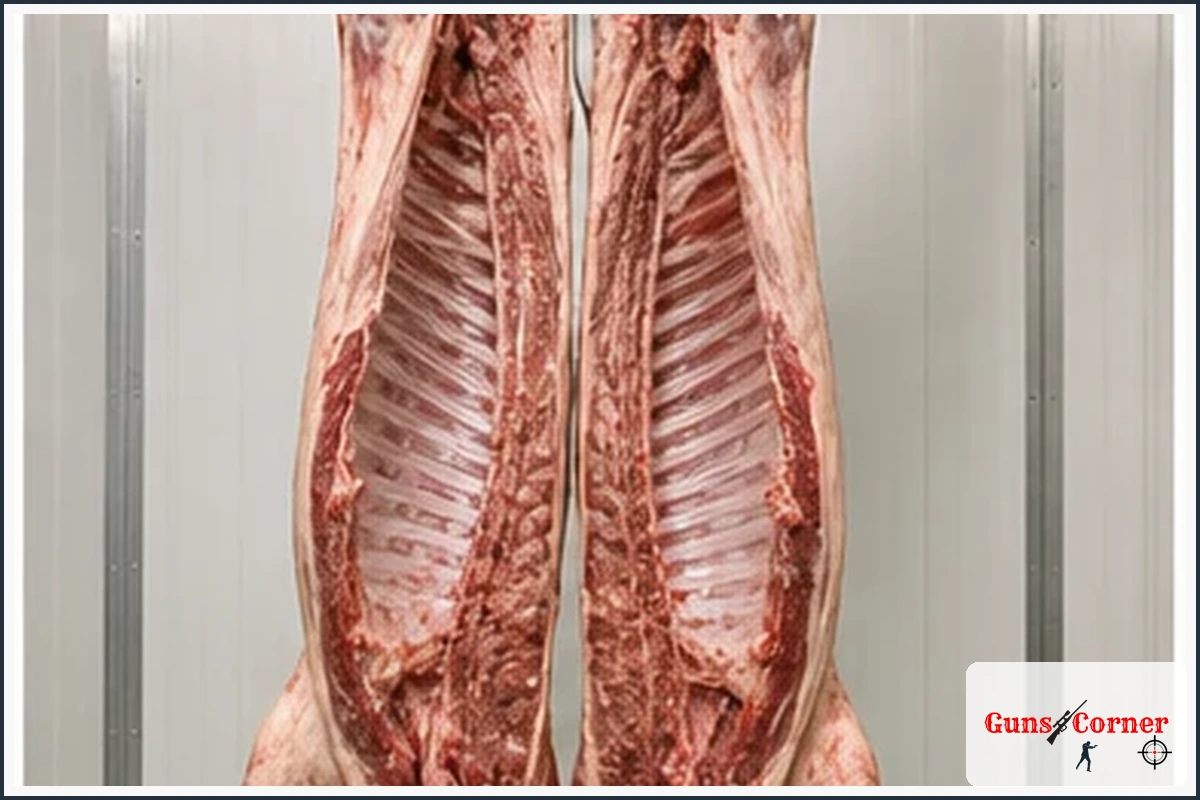
Carcass weight refers to the prepared body before final cutting and trimming. It still includes bones and may include substantial fat, so it is not the same as freezer-ready meat.
Packaged Meat
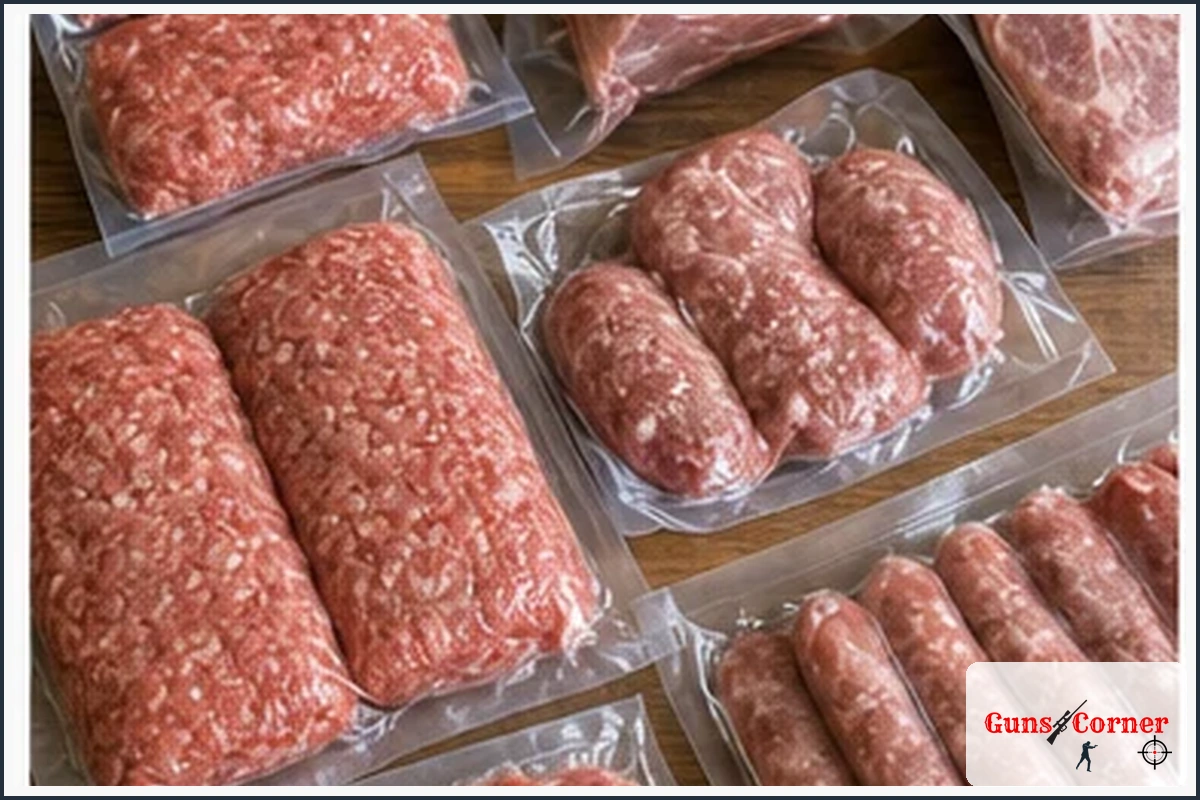
Packaged meat is what reaches the freezer after skinning, trimming, cutting, deboning, grinding, and removing damaged or unsuitable portions. This is the most useful number for meal planning.
What Determines How Much Meat You Get?
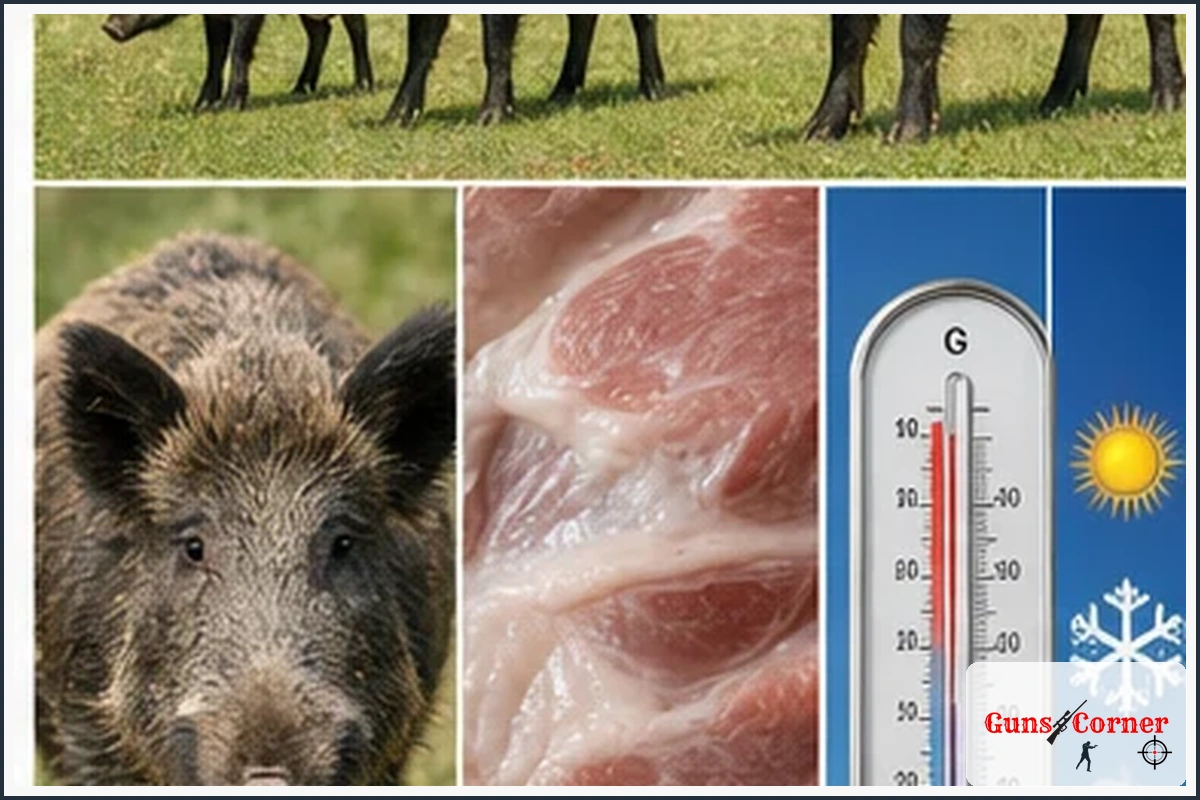
- Live weight: Larger hogs generally provide more meat, but not always in direct proportion.
- Age and body condition: Older hogs may have heavier bones, tougher connective tissue, or more variable fat.
- Fat level: Fat may be trimmed, rendered, mixed into sausage, or discarded depending on condition.
- Shot damage: Damaged tissue may need to be removed for quality and safety.
- Field dressing: Careful handling reduces contamination and unnecessary waste.
- Processing style: Bone-in cuts usually weigh more than boneless cuts.
- Grinding choices: Trim can become sausage or ground meat if clean and suitable.
- Meat quality: Heat, contamination, disease concerns, and delayed cooling can reduce usable yield.
How to Estimate Meat From a Hog Step by Step
Step 1: Estimate or Record the Live Weight
Use a reliable scale when available. If weighing the hog is not practical, treat visual estimates cautiously. Body length, girth, age, and body condition can make field estimates inaccurate.
Step 2: Apply a Conservative Yield Range
Multiply the estimated live weight by approximately 0.40 to 0.60 for a broad packaged-meat estimate. Use the lower end when you expect heavy trimming, bone removal, damage, or poor body condition.
Step 3: Plan for Field Dressing
Prepare a clean work area, sharp legal tools, gloves, game bags, water where appropriate, and a method for keeping meat cool. Follow local rules for carcass handling and transport.
Step 4: Inspect the Carcass Carefully
Do not use meat that is visibly contaminated, spoiled, unusually discolored, or otherwise questionable. If you see signs of illness or are uncertain about safety, contact a wildlife agency, qualified processor, or veterinarian before consuming the meat.
Step 5: Choose a Processing Method
You can use a licensed processor, process the hog yourself if permitted and practical, or combine both approaches. A processor can help divide meat into roasts, steaks, chops, sausage, and ground meat.
Step 6: Weigh the Packaged Meat
For your most accurate record, weigh the sealed packages after processing. Record the hog’s estimated live weight, processing method, and final freezer weight for future planning.
Field Preparation for a Responsible Hog Hunt
Check Regulations and Access
Confirm whether hog hunting is regulated as a game hunt, nuisance-control activity, or another category in your area. Verify land access, weapon rules, reporting requirements, baiting restrictions, and carcass transport rules before entering the field.
Scout for Hog Sign
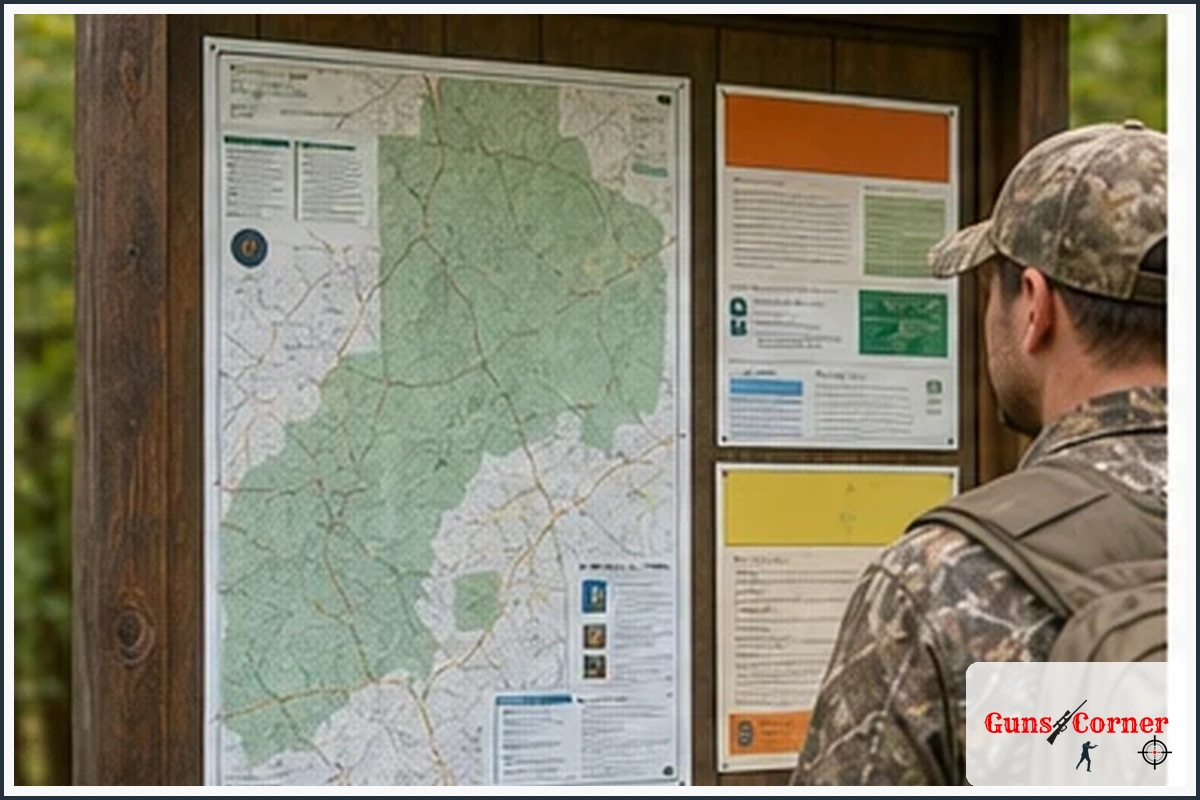
Look for rooting, tracks, wallows, rubs, trails, bedding cover, food sources, and water. Fresh sign is generally more useful than old, weathered sign. Use maps to identify legal access, property boundaries, roads, fences, and safe shooting directions.
Plan Wind and Entry Routes
Hogs have strong senses and may detect human scent, noise, or movement. Plan an approach that keeps the wind favorable and avoids walking directly through bedding, feeding, or watering areas.
Prepare Safe Equipment
- Legal firearm or bow suited to the hunt
- Appropriate ammunition or broadheads
- Binoculars and navigation tools
- Weather-appropriate clothing and required visibility gear
- Gloves, game bags, and clean meat-handling supplies
- Water, first aid, flashlight, and emergency communication
- Cooler or transport plan for rapidly chilling the meat
Taking an Ethical Shot
Only shoot when you have clearly identified a legal target, know what lies beyond it, and have a safe backstop. Do not shoot toward roads, homes, livestock, vehicles, trails, people, or unclear movement. Take only a shot within your practiced ability, and pass on any opportunity that is unsafe or uncertain.
Bowhunters should practice with their equipment and broadheads before hunting. Firearm hunters should follow the four basic safety rules, keep the muzzle pointed safely, keep the finger outside the trigger guard until ready, and identify both the target and background.
Cooling and Meat Care
Warm conditions can reduce meat quality quickly. Begin cooling the meat as soon as practical, keep it clean, and avoid sealing warm meat in a way that traps heat. Follow local guidance for disease precautions and carcass movement. When using a processor, ask about packaging, freezing, sausage preparation, and pickup requirements.
Wild hog meat should be cooked thoroughly according to current food-safety guidance. People handling carcasses should use appropriate gloves and avoid contact with bodily fluids, especially when the animal appears unhealthy.
Common Beginner Mistakes
- Assuming live weight equals freezer weight
- Planning cooler space using an overly optimistic estimate
- Ignoring current regulations or land boundaries
- Failing to arrange transport before the hunt
- Allowing meat to remain warm for too long
- Taking a marginal shot that creates unnecessary meat loss
- Handling questionable meat without professional advice
- Approaching a wounded hog carelessly
- Forgetting harvest reporting or carcass movement rules
Troubleshooting Common Problems
| Problem | Possible Cause | What to Do |
|---|---|---|
| The meat yield is lower than expected | Heavy trimming, bone removal, damage, or inaccurate live-weight estimate | Compare live, field-dressed, carcass, and packaged weights separately. |
| The meat is warm | Delayed recovery, hot weather, or insufficient cooling space | Cool it promptly and consult a qualified processor if quality is uncertain. |
| You cannot confirm the legal rules | Rules differ by location or land type | Contact the official wildlife agency or land manager before hunting. |
| The hog detects you | Unfavorable wind, noisy entry, or excessive movement | Improve scouting, adjust your route, and wait for safer conditions. |
| You are unsure whether meat is safe | Abnormal appearance, contamination, delayed cooling, or suspected disease | Do not guess; seek guidance from a qualified processor or wildlife authority. |
Ethical Hunting and Conservation
Responsible hog hunting means obeying regulations, respecting landowners and other outdoor users, avoiding waste, and making humane decisions. Hogs can damage crops, wetlands, native vegetation, and wildlife habitat in some regions, but local management goals vary. Follow the rules established by the agency or landowner rather than assuming every method is legal everywhere.
Support conservation by purchasing required licenses, completing hunter education, reporting harvests accurately, and leaving camps, access points, and hunting areas clean.
When to Get More Training or Professional Guidance
Seek additional help if you have not completed hunter education, are unfamiliar with firearm or bow safety, cannot identify legal boundaries, are uncertain about local regulations, or need help with tracking and meat care. A certified instructor, experienced ethical mentor, official wildlife agency, or reputable processor can provide location-specific guidance.
Recommended Hunting Gear and Tools to Consider
You do not need expensive equipment to hunt responsibly. Choose gear based on local law, terrain, weather, hunting method, safety needs, and experience.
- Legal firearm or bow and suitable ammunition or broadheads
- Reliable boots and weather-appropriate clothing
- Required hunter-orange or visibility clothing
- Binoculars and navigation tools
- First aid kit, water, flashlight, and communication device
- Gloves, game bags, clean knives, and cooler space
- Full-body safety harness when using a tree stand
After the Hunt: Gear Care and Learning
Clean and dry tools, clothing, coolers, and transport equipment. Complete any required tagging or harvest reporting. Record the hog’s estimated weight, final packaged yield, weather, location, and processing method. These notes will help you make better freezer and transport plans on future hunts.
Final Thoughts
Most hunters can use 40% to 60% of a hog’s live weight as a broad estimate for packaged meat, but actual yield depends on the animal and processing choices. Plan conservatively, verify local regulations, scout legally, take only safe ethical shots, cool the meat promptly, and use the harvest responsibly. Responsible preparation matters as much as the final meat estimate.
Frequently Asked Questions
How much meat do you get from a 100-pound hog?
A 100-pound hog may provide roughly 40 to 60 pounds of packaged meat, depending on trimming, bone-in cuts, damage, and processing style.
How much meat do you get from a 200-pound hog?
A 200-pound hog may provide approximately 80 to 120 pounds of usable packaged meat under average conditions.
What percentage of a hog is usable meat?
A broad planning range is about 40% to 60% of live weight, although individual results can fall outside that range.
Does field-dressed weight equal freezer meat?
No. Field-dressed weight includes bones, fat, and other portions removed during final processing.
Is bone-in meat heavier than boneless meat?
Yes. Bone-in cuts usually weigh more, but the difference does not represent additional edible muscle.
Does a larger hog always provide more meat?
Usually, but not always in direct proportion. Age, body condition, bone structure, fat, and trimming affect final yield.
How much meat can be ground into sausage?
That depends on the amount of clean trim and the cuts reserved for roasts, steaks, or chops. Ask your processor about available options.
Can you eat all the meat from a wild hog?
Only use meat that is clean, properly handled, and considered safe. Discard questionable portions and seek professional advice when disease or contamination is suspected.
How quickly should hog meat be cooled?
Cool it as soon as practical after recovery and processing. Hot weather and delayed cooling can reduce quality and increase food-safety concerns.
What should I do if a hog looks sick?
Do not handle it casually or consume questionable meat. Follow local wildlife guidance and contact the appropriate agency or qualified professional.
Are wild hog hunting laws the same everywhere?
No. Rules can differ significantly by state, county, land type, season, and hunting method.
Do I need a hunting license to hunt hogs?
It depends on your location and the land where you hunt. Verify current requirements with the official wildlife agency and land manager.
Do hogs require tags or harvest reporting?
Some jurisdictions require them while others use different management rules. Check current local regulations before hunting.
Can I hunt hogs on public land?
Only where hog hunting is authorized. Confirm boundaries, access routes, weapon rules, seasons, and other user restrictions.
Do I need permission to hunt hogs on private land?
Yes. Obtain landowner permission before entering or hunting private property, and respect gates, livestock, crops, and property boundaries.
What is the best time to hunt hogs?
The best time depends on local behavior, weather, food, water, hunting pressure, and regulations. Use current local observations rather than assuming one universal schedule.
What hog sign should beginners look for?
Useful signs include fresh rooting, tracks, wallows, rubs, trails, bedding cover, feeding areas, and travel routes near water.
How important is wind direction when hunting hogs?
Wind direction can be very important because hogs may detect human scent. Plan your entry and setup so your scent does not move toward likely activity areas.
Should I use a blind or tree stand?
Choose the legal setup that fits the terrain, wind, visibility, and your experience. Always use a full-body harness in a tree stand.
What firearm safety rules apply to hog hunting?
Keep the muzzle pointed safely, keep your finger outside the trigger guard until ready, identify the target, and know what lies beyond it.
What bowhunting safety rules apply?
Practice before hunting, use legal equipment, handle broadheads carefully, and take only shots within your practiced effective range.
How close should I get to a wounded hog?
Do not approach carelessly. Follow safe recovery practices, use appropriate equipment, and seek an experienced mentor when unsure.
Can a poor shot reduce meat yield?
Yes. Damaged or contaminated tissue may need to be discarded, reducing the amount of usable meat.
Should I process a hog myself?
You may do so where legal and practical, but beginners should consider a reputable processor, especially when they lack clean facilities, tools, or experience.
How much cooler space should I bring?
Plan conservatively using the upper end of your estimated yield and allow room for ice or other approved cooling methods.
How should wild hog meat be packaged?
Package it cleanly in portions suited to your meals, label it with the cut and date, and freeze it promptly after proper chilling.
How long does wild hog meat last in the freezer?
Storage life depends on packaging, temperature, freezer conditions, and food-safety practices. Use airtight packaging and follow current food-storage guidance.
What should I do with the hide and unwanted parts?
Follow local carcass-disposal, transport, and property rules. Do not leave waste where it creates a nuisance, disease concern, or conflict with landowners.
Can I bait hogs?
Baiting rules vary by location and land type. Never assume it is legal; check current regulations first.
Can I hunt hogs at night?
Night hunting rules vary widely. Confirm legal hours, equipment restrictions, landowner rules, and visibility requirements before planning a night hunt.
What is the biggest mistake when estimating hog meat?
The biggest mistake is treating live weight as packaged meat. Always account for field dressing, bones, fat, trimming, and damage.
How can I improve my hog hunting results?
Scout fresh sign, plan around wind, use quiet access routes, practice with your equipment, and remain patient while following local regulations.
Should I hunt hogs alone?
Beginners should consider hunting with an experienced mentor. If hunting alone, share your route and return time, carry communication and navigation tools, and plan for emergencies.
What should I do if I cannot find the hog after a shot?
Pause, mark the location, follow legal recovery practices, and seek experienced help. Do not rush into unsafe terrain or approach an animal you cannot clearly assess.
Why is responsible hog hunting important?
Responsible hunting supports wildlife management, reduces waste, respects landowners and other hunters, and helps ensure that harvested meat is used safely and ethically.
Read more: