
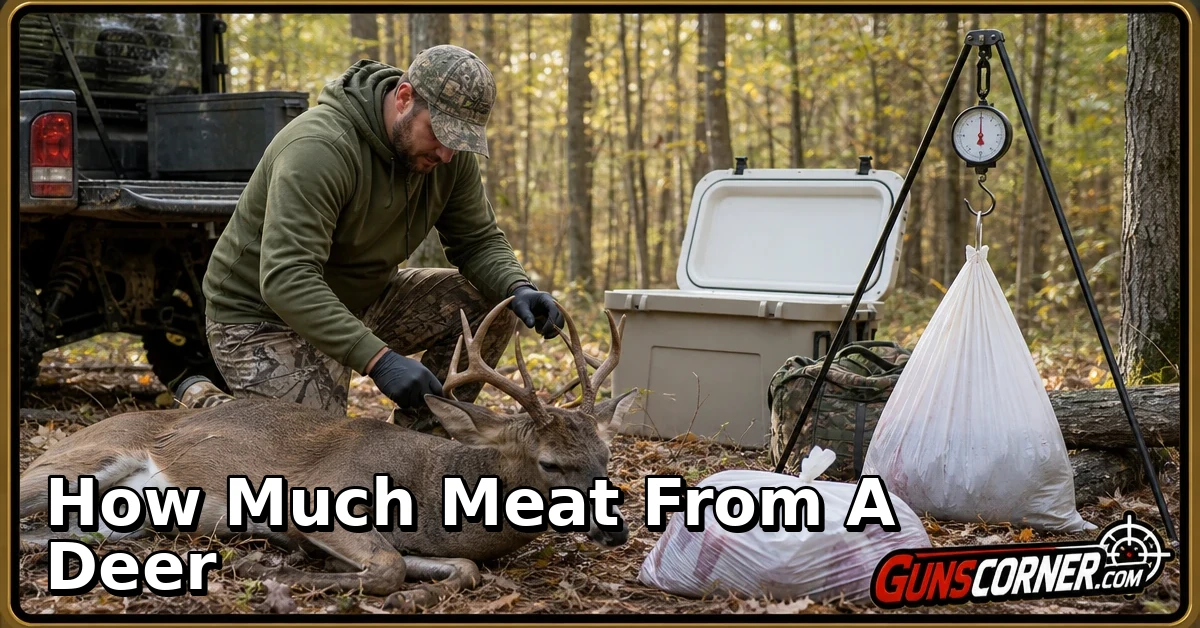

Knowing how much meat from a deer you can expect helps you plan freezer space, processing, transportation, and food use before hunting season. Yield depends on the deer’s size, whether you measure live or field-dressed weight, shot damage, trimming, and processing skill. This guide explains realistic estimates and how to protect as much usable venison as possible.
A deer commonly produces roughly 35% to 45% of its live weight as boneless, freezer-ready meat, although results vary. A 125-pound deer may provide approximately 45 to 55 pounds of trimmed venison, while a larger deer can produce considerably more. Legal hunting, clean field care, rapid cooling, and careful processing all affect the final amount.
Important Legal and Safety Notice Before You Hunt
Before hunting, check your official wildlife agency for current license, tag, season, bag limit, legal weapon, hunting-hour, transportation, and harvest-reporting rules. Regulations differ by location and species.
- Carry the required license, permit, and tag.
- Confirm legal seasons, hunting hours, and weapon restrictions.
- Verify public-land boundaries or obtain private-land permission.
- Wear required visibility clothing, such as hunter orange, where applicable.
- Complete hunter education and practice safe firearm or bow handling.
- Identify the target and what lies beyond it before taking a shot.
- Plan navigation, weather protection, first aid, hydration, and communication.
How Much Meat From a Deer Can You Expect?
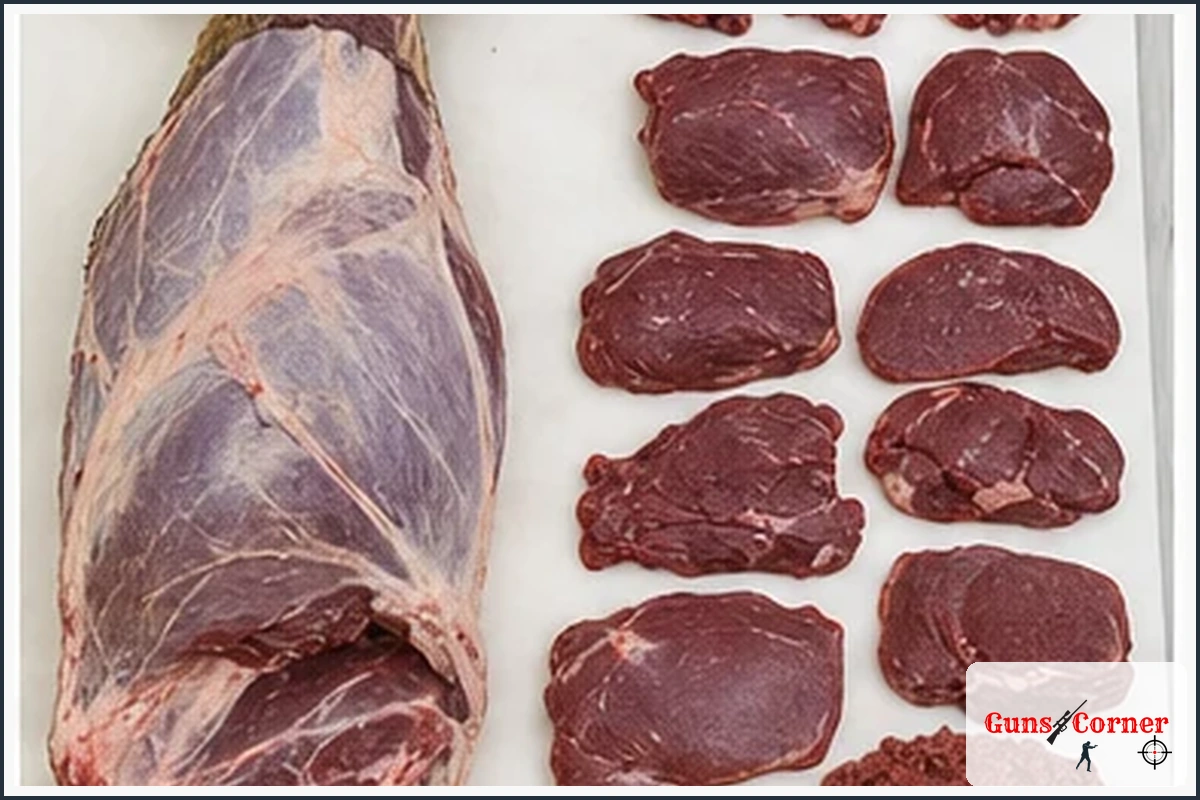
There is no single guaranteed number because deer vary considerably in body size and condition. A practical estimate is to expect about 35% to 45% of live weight as boneless, trimmed meat.
| Approximate Live Weight | Estimated Boneless Venison |
|---|---|
| 75 pounds | 26–34 pounds |
| 100 pounds | 35–45 pounds |
| 125 pounds | 44–56 pounds |
| 150 pounds | 53–68 pounds |
| 175 pounds | 61–79 pounds |
These figures are planning estimates, not official guarantees. The final amount may be lower when there is substantial meat damage, heavy trimming, poor field care, or a decision to leave certain cuts behind.
Why Deer Meat Yield Varies
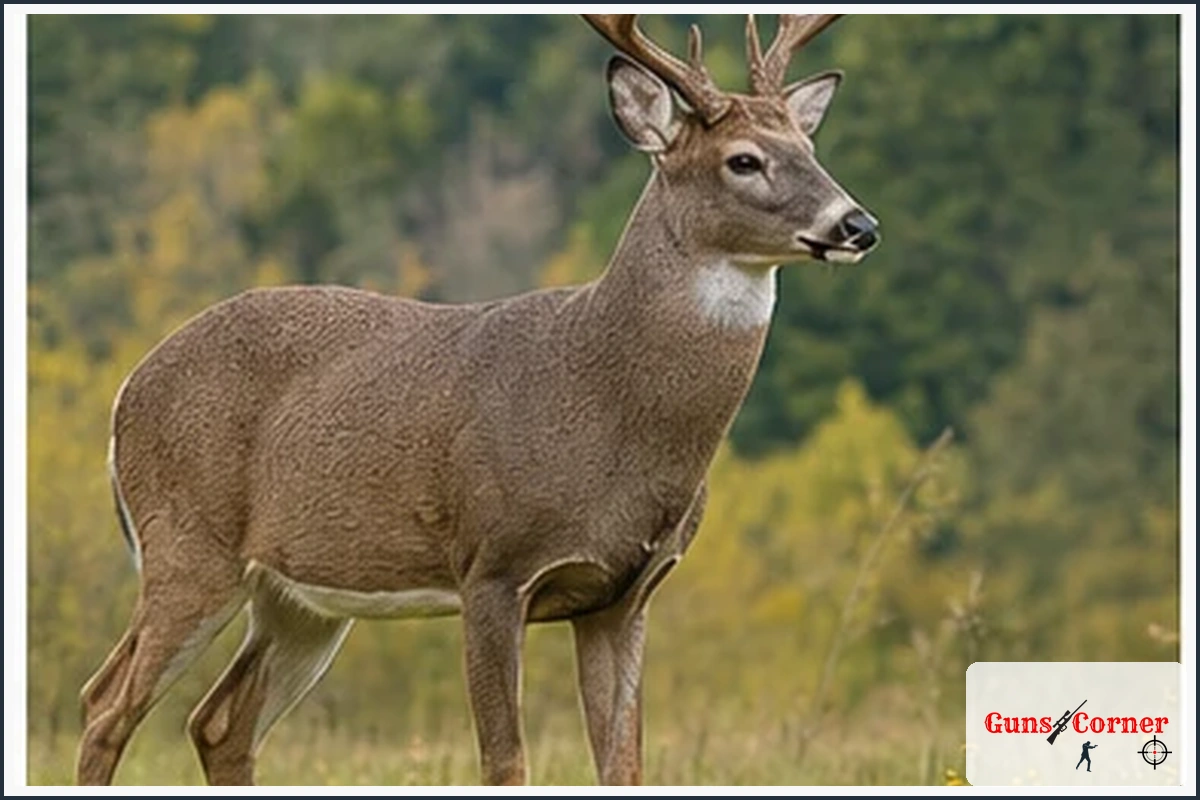
Live Weight Versus Field-Dressed Weight
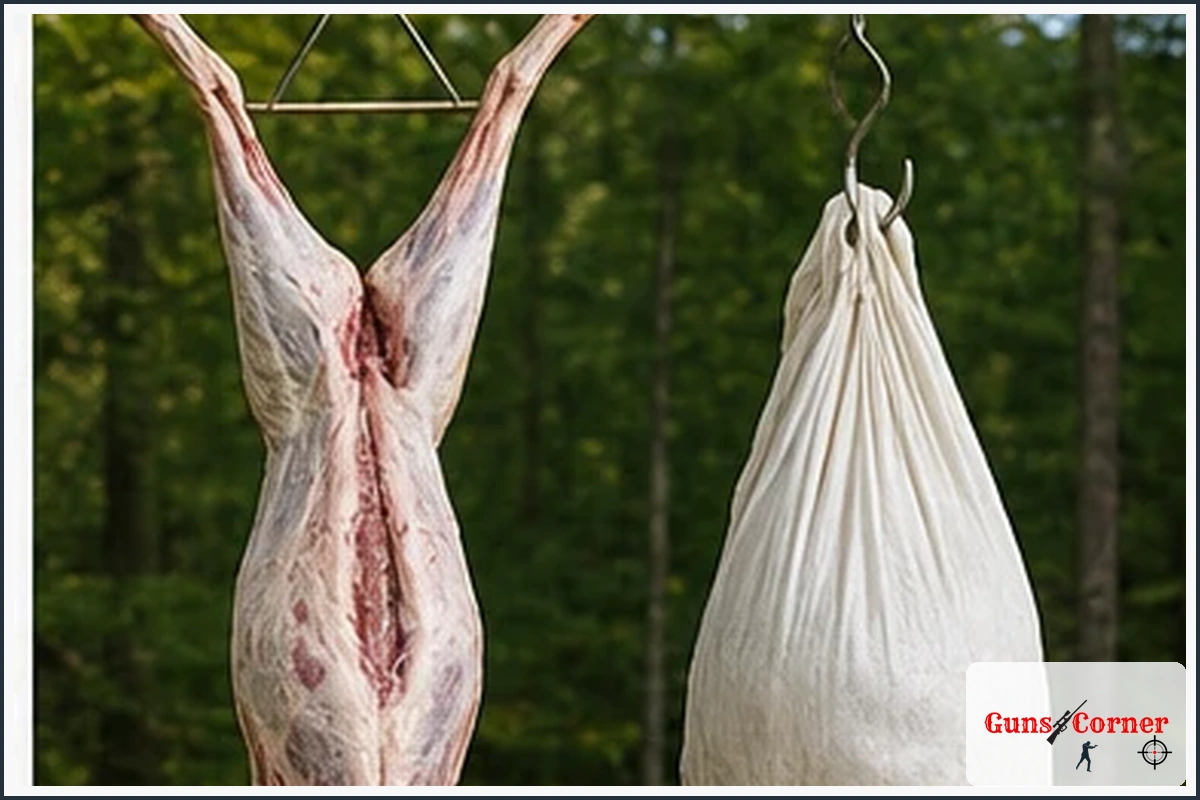
Live weight includes the animal before field dressing. Field-dressed weight is lower because the internal organs and other material have been removed. Comparing estimates based on different weight measurements can create confusing results.
Deer Size and Age
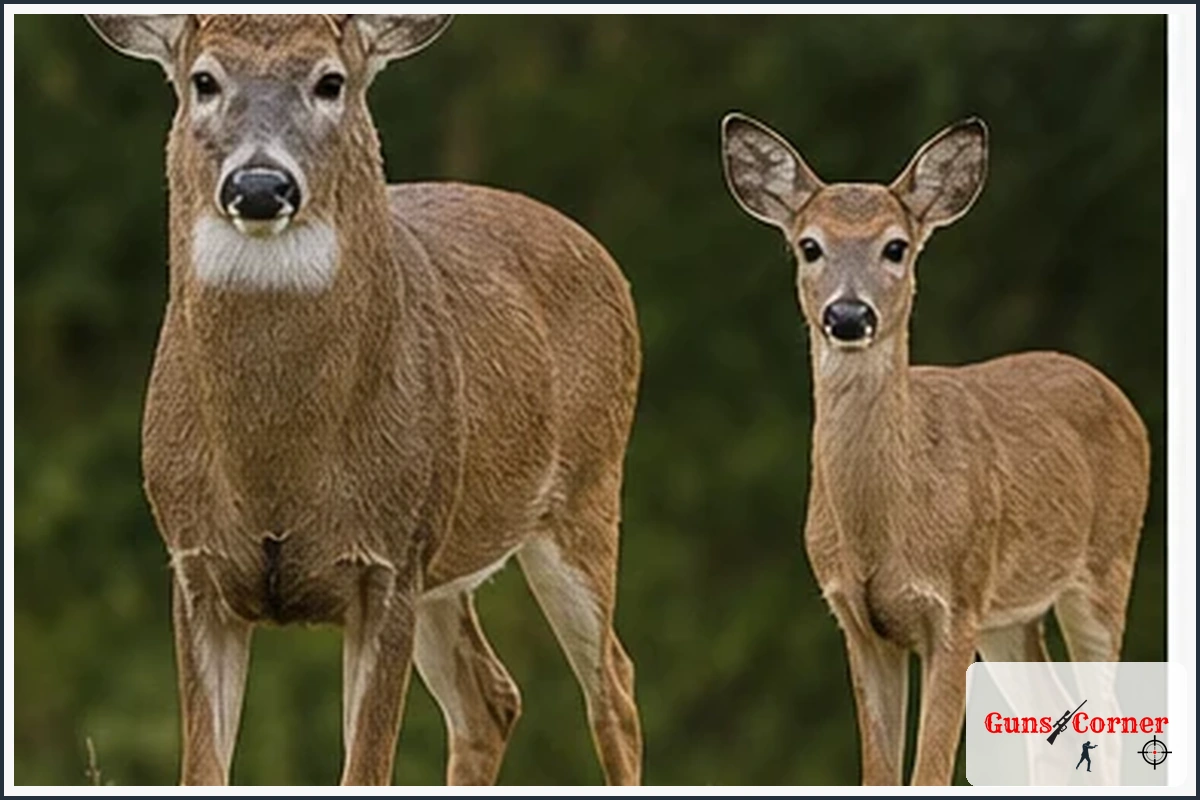
Adult deer generally provide more meat than young deer, but body size varies by region, sex, nutrition, genetics, and season. A smaller adult deer may yield less than a well-developed young deer.
Shot Placement and Meat Damage
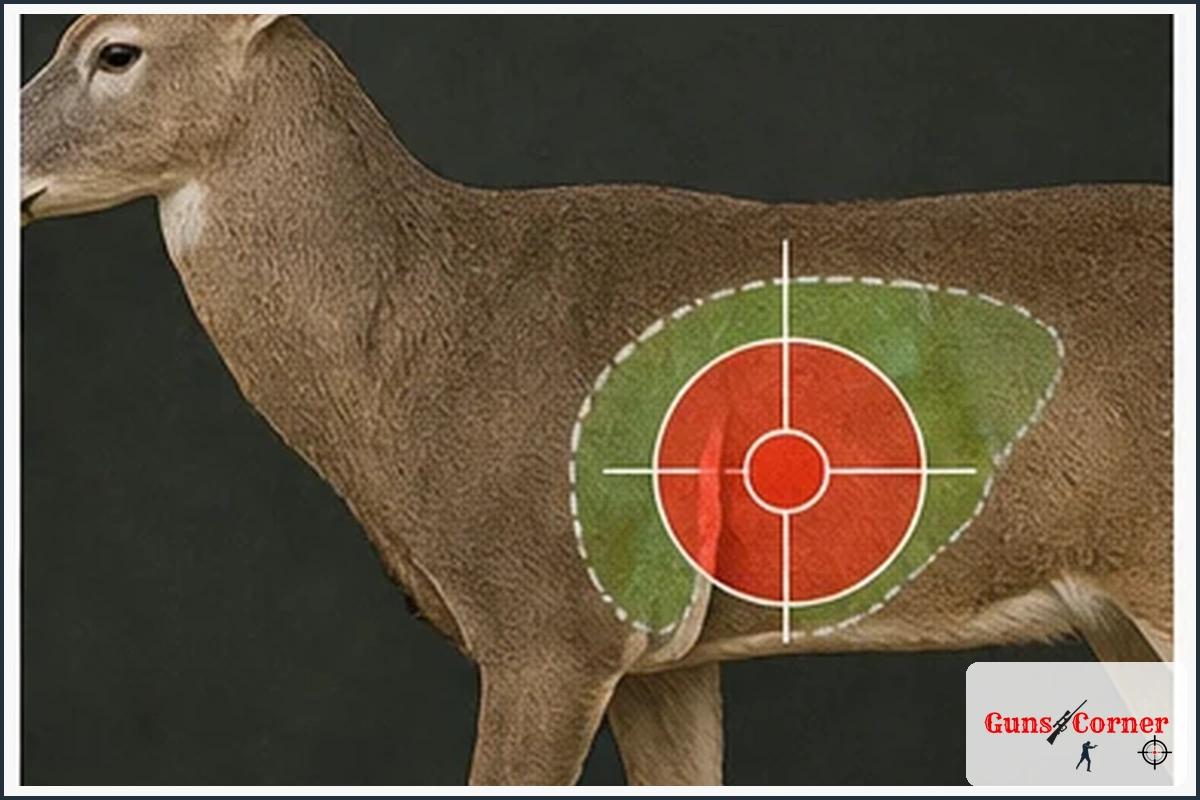
Damage to the shoulders, hindquarters, or other valuable areas can reduce usable meat. A responsible hunter should always pass on an uncertain or unsafe shot rather than risk unnecessary loss.
Processing Style
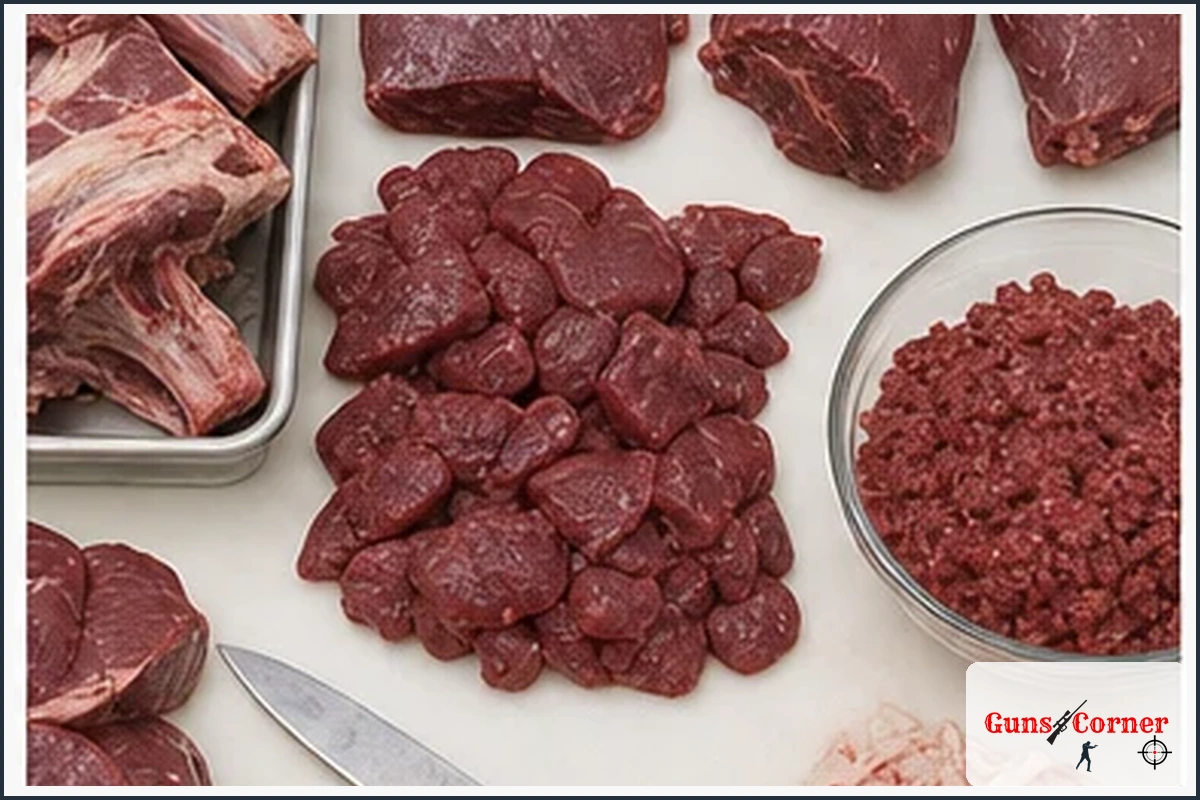
Boneless trimming usually produces less total weight than leaving some meat attached to bone. Extensive trimming also removes connective tissue, hair, damaged areas, and fat or membrane that may affect flavor or storage quality.
Field Care and Temperature
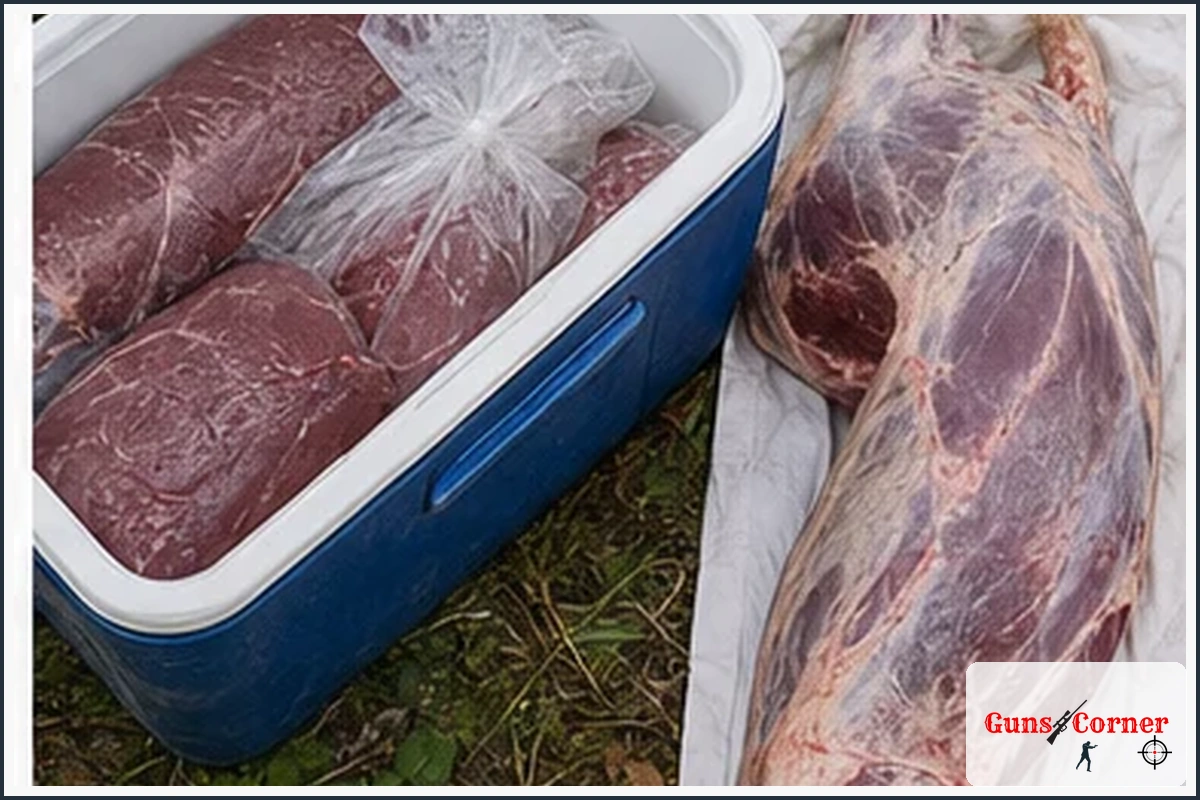
Clean handling and rapid cooling help protect quality. Dirt, hair, digestive contents, warm weather, and delays can make meat unsuitable or require additional trimming.
How to Maximize Usable Venison After a Legal Harvest
Step 1: Prepare Before the Hunt
Plan how the deer will be recovered, transported, cooled, and processed before entering the field. Have clean gloves, knives, game bags, a tarp, coolers, ice, and a legal transportation plan ready.
Step 2: Scout and Choose a Responsible Hunting Setup
Use maps and scouting to understand game trails, feeding areas, bedding cover, terrain, and recovery routes. Confirm property boundaries and access permission. Choose a setup that allows a safe, ethical shot and practical retrieval.
Step 3: Respect Wind and Visibility
Consider wind direction, background, visibility, and the presence of roads, homes, livestock, trails, or other hunters. Do not shoot at unclear movement or toward an unsafe background.
Step 4: Take Only a Practiced Shot
Take a shot only when the deer is clearly identified, the angle is ethical, the range is within your practiced ability, and the background is safe. Bowhunters should know their effective range and use safe, properly maintained equipment.
Step 5: Recover the Deer Carefully
Follow local rules for tagging and reporting. Approach cautiously, confirm the animal is no longer a danger, and ask for experienced help if recovery or field care is unfamiliar.
Step 6: Keep the Meat Clean and Cool
Use clean tools and gloves, keep meat away from dirt and unnecessary contact, and cool it as soon as practical. In warm conditions, cooling becomes especially important. Follow local guidance for field dressing, transport, and processing.
Step 7: Process Methodically
Separate high-value cuts such as backstraps, tenderloins, roasts, steaks, and trim. Remove damaged tissue and unwanted material carefully. Label packages with the cut and date before freezing.
Step 8: Record the Final Yield
Weigh the packaged meat if you want a more accurate estimate for future hunts. Record the deer’s approximate weight, processing method, trimming decisions, and final yield.
Planning Meat Yield From Different Deer Weights
If you know the live weight, multiply it by a practical yield range of approximately 0.35 to 0.45. For example, a 140-pound deer might provide about 49 to 63 pounds of boneless venison. This is only an estimate and should not replace careful weighing after processing.
| Calculation | Example |
|---|---|
| Lower estimate | Live weight × 0.35 |
| Higher estimate | Live weight × 0.45 |
| 140-pound deer | Approximately 49–63 pounds |
Gear for Protecting Venison Quality
You do not need expensive equipment, but you do need clean, suitable tools and a realistic recovery plan.
- Sharp, well-maintained field knife
- Disposable or washable gloves
- Breathable game bags
- Clean tarp or sled for transport
- Coolers and sufficient ice
- Clean cutting boards and processing surfaces
- Freezer paper, vacuum bags, or other suitable packaging
- Permanent labels and a marker
- First aid kit and emergency communication device
- Map, compass, GPS, or reliable navigation app
Helpful Tips for Better Meat Yield
- Practice safe shot placement before the season.
- Use the smallest practical recovery route to reduce contamination and damage.
- Keep meat out of direct sun whenever possible.
- Do not place clean meat directly on soil, leaves, or vehicle surfaces.
- Trim carefully rather than discarding large areas unnecessarily.
- Use experienced help if you have never processed a deer.
- Leave questionable meat out rather than risking food safety.
- Keep a yield record to improve future planning.
Common Mistakes to Avoid
- Assuming every deer produces the same percentage of meat.
- Confusing live weight with field-dressed or hanging weight.
- Failing to confirm current harvest and transport rules.
- Taking a shot beyond your practiced ability.
- Dragging meat through dirt, water, or brush unnecessarily.
- Waiting too long to cool the carcass in warm conditions.
- Using dull or dirty knives.
- Leaving meat unlabelled or poorly packaged.
- Ignoring private-property boundaries during recovery.
Troubleshooting Common Problems
| Problem | Possible Cause | What to Do |
|---|---|---|
| The final meat weight is lower than expected | Small deer, extensive trimming, or meat damage | Review your weight measurement and processing notes; yield naturally varies. |
| Meat became dirty during recovery | Dragging across soil or poor protection | Trim contaminated areas and seek experienced or professional processing advice. |
| The meat is warm | Delayed recovery, warm weather, or insufficient airflow | Cool it promptly and consult a qualified processor if food safety is uncertain. |
| You are unsure whether the deer is legal | Confusion about tags, season, sex, or location rules | Stop and contact the appropriate wildlife agency before proceeding. |
| You cannot recover the deer safely | Difficult terrain, darkness, water, or property boundaries | Do not take unnecessary risks; obtain permission or experienced assistance. |
Ethical Hunting and Conservation
Ethical hunting means taking only legal, well-considered opportunities and making full use of the harvest. Respect wildlife, landowners, other hunters, and public-land users. Follow seasons and limits, report harvests when required, avoid waste, and leave the area cleaner than you found it.
License and tag purchases often support wildlife management and habitat conservation. Responsible hunters also contribute by completing hunter education, practicing regularly, and passing on shots that are unsafe or uncertain.
When to Get More Training or Professional Guidance
Seek help if you have never handled a firearm or bow, have not completed hunter education, are unsure about local rules, or do not understand field care. An official hunter education instructor, experienced ethical mentor, wildlife agency, conservation organization, or reputable processor can provide practical guidance.
After the Hunt: Gear Care and Learning
Clean and dry knives, game bags, coolers, and clothing after use. Store equipment safely and review your notes about weather, scouting, shot conditions, recovery, and final meat yield. Reporting the harvest and keeping accurate records can help you prepare more effectively for the next season.
Final Thoughts
Most deer provide roughly 35% to 45% of their live weight as boneless, freezer-ready meat, but individual results vary. Careful scouting, legal and ethical shot decisions, clean field handling, rapid cooling, and thoughtful processing give you the best chance of maximizing your harvest. Plan realistically, follow current regulations, and use every suitable part of the deer responsibly.
Frequently Asked Questions
How much meat from a deer is typical?
A common planning estimate is 35% to 45% of live weight as boneless, trimmed venison.
How much meat does a 100-pound deer provide?
A 100-pound deer may provide approximately 35 to 45 pounds of boneless meat, depending on condition and processing.
How much meat does a 125-pound deer provide?
A 125-pound deer may produce roughly 44 to 56 pounds of trimmed venison.
How much meat does a 150-pound deer provide?
A 150-pound deer may provide approximately 53 to 68 pounds of boneless meat.
Is deer meat yield based on live weight?
Many estimates use live weight, but some sources use field-dressed or hanging weight. Always confirm which measurement is being used.
What percentage of a deer is usable meat?
Approximately 35% to 45% of live weight is a useful general estimate for boneless, freezer-ready meat.
Does a buck provide more meat than a doe?
Not always. Body size, age, nutrition, and regional genetics matter more than sex alone.
Does age affect deer meat yield?
Yes. Larger-bodied deer generally provide more meat, although age alone does not determine final yield.
Does shot placement affect meat yield?
Yes. Damage to major meat cuts can reduce the amount recovered, which is one reason to wait for a safe, ethical, practiced shot.
Does field dressing reduce the amount of meat?
Field dressing removes internal material and lowers total weight, but it is an important step for proper handling and cooling.
What is the difference between field-dressed and hanging weight?
Field-dressed weight is measured after removing internal organs. Hanging weight is measured after additional preparation and often after the carcass has been chilled.
Should I weigh a deer before or after processing?
For the most useful personal record, weigh the packaged meat after processing and note whether bones, trim, or organ meat were included.
How can I get more usable meat from a deer?
Use a safe shot, recover the animal promptly, keep meat clean and cool, and process carefully with sharp, clean tools.
Is professional processing worth it for beginners?
It can be useful when you lack equipment, experience, time, or safe temperature control. Ask the processor how yield is calculated and what products are included.
How quickly should deer meat be cooled?
Cool the meat as soon as practical, especially in warm weather. Follow food-safety guidance and consult a processor when conditions are questionable.
Can warm-weather hunting reduce meat quality?
Yes. Warm temperatures and delayed cooling can increase spoilage risk and require more trimming.
What equipment helps protect venison?
Clean gloves, sharp knives, breathable game bags, coolers, ice, clean surfaces, and suitable packaging are especially useful.
How should venison be packaged?
Package portions securely in freezer paper, vacuum bags, or another suitable method. Label each package with the cut and date.
Should I save the heart and liver?
Only if local rules allow it and you can handle and cool organ meat safely. Follow the same cleanliness and food-safety principles.
How much ground venison can come from a deer?
The amount depends on how much trim remains after removing steaks, roasts, backstraps, and damaged tissue. It varies substantially by deer and processing style.
Does leaving meat on the bone increase yield?
Bone-in cuts may weigh more than boneless cuts, but the actual amount of edible meat depends on trimming and preparation.
What if the deer is smaller than expected?
Use the actual final packaged weight rather than relying on a general estimate. Smaller deer naturally produce less meat.
What if I find extensive meat damage?
Remove damaged or contaminated portions carefully. When food safety is uncertain, consult a qualified processor and do not risk using questionable meat.
Can I recover a deer across private property?
Only with permission and in accordance with local law. Confirm boundaries before hunting and plan recovery access in advance.
Do I need to report the harvest?
Many jurisdictions require harvest reporting, but requirements vary. Check your official wildlife agency before hunting.
Do I need a tag while transporting the deer?
Tagging and transportation rules vary by location. Follow the current instructions from the relevant wildlife agency.
What should I do if I am unsure about a shot?
Pass on it. A safe and ethical opportunity is more important than increasing meat yield.
How does bowhunting affect meat yield?
Bowhunting can produce excellent yields when the hunter practices, stays within an effective range, and takes only a safe, ethical shot.
How does firearm hunting affect meat yield?
Meat loss depends on shot placement, ammunition legality, range, and the amount of damage. Follow firearm safety rules and use only legal equipment.
Can I estimate meat yield without weighing the deer?
You can make a rough estimate from body size, but weighing the packaged meat is much more accurate.
How long can venison remain unrefrigerated?
There is no universal safe time because temperature, cleanliness, and conditions vary. Cool meat promptly and seek professional food-safety advice when uncertain.
What is the best way to learn deer processing?
Take a reputable course, work with an experienced mentor, or observe a qualified processor before attempting it alone.
Does hunting pressure affect meat yield?
Pressure mainly affects where and when deer move, but hurried shots or difficult recoveries can indirectly increase meat loss.
What is the most important preparation before deer season?
Verify regulations, practice your weapon, scout legal ground, prepare recovery and cooling equipment, and plan for safe transportation.
How can ethical hunting support conservation?
Following seasons and limits, purchasing required licenses, reporting harvests, and respecting habitat all support responsible wildlife management.
Read more: