
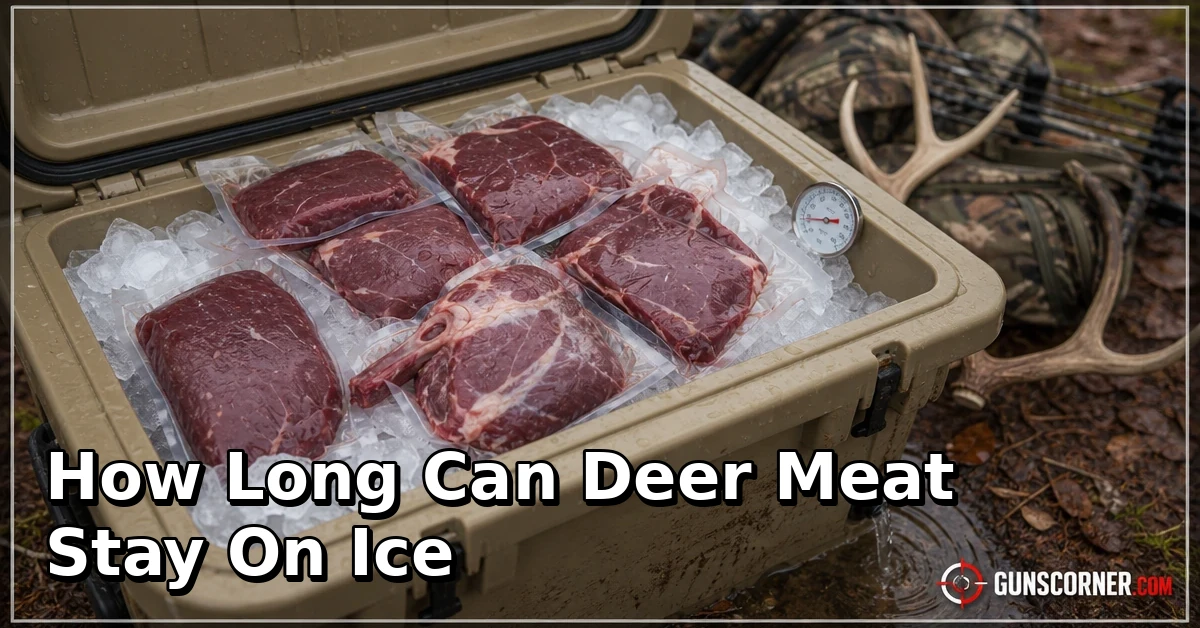

Knowing how long deer meat can stay on ice is essential after a successful hunt. Proper cooling protects meat quality, reduces spoilage risk, and gives you time to transport or process the venison responsibly. This guide explains safe cooler preparation, temperature control, warning signs, legal considerations, and practical after-the-hunt steps for beginners.
Deer meat can often remain properly cooled in a clean, well-drained cooler for several days, and sometimes up to about 7–10 days, when it stays consistently cold and dry. The meat should be kept near refrigerator temperature, protected from meltwater, and checked regularly. If it develops an unpleasant odor, slimy texture, unusual discoloration, or has become warm, do not risk eating it. Local regulations may also require timely tagging, reporting, transport, or processing.
Important Legal and Safety Notice Before You Hunt
Meat storage guidance is general information, not a substitute for local food-safety rules or wildlife regulations. Before hunting, check your official wildlife agency for current license, tag, season, legal-hours, land-access, transport, tagging, and harvest-reporting requirements.
- Carry the required hunting license, permits, and tags.
- Know whether harvest reporting or tagging must occur before transport.
- Follow legal seasons, hunting hours, weapon rules, and bag limits.
- Use legal access only on public land or private property with permission.
- Keep meat protected from dirt, insects, pets, wildlife, and vehicle contamination.
- Wash hands, knives, cutting surfaces, and containers before and after handling meat.
- Use clean gloves and avoid cross-contamination with food or drinking water.
- Plan transportation, refrigeration, emergency communication, and weather protection.
How Long Can Deer Meat Stay on Ice?
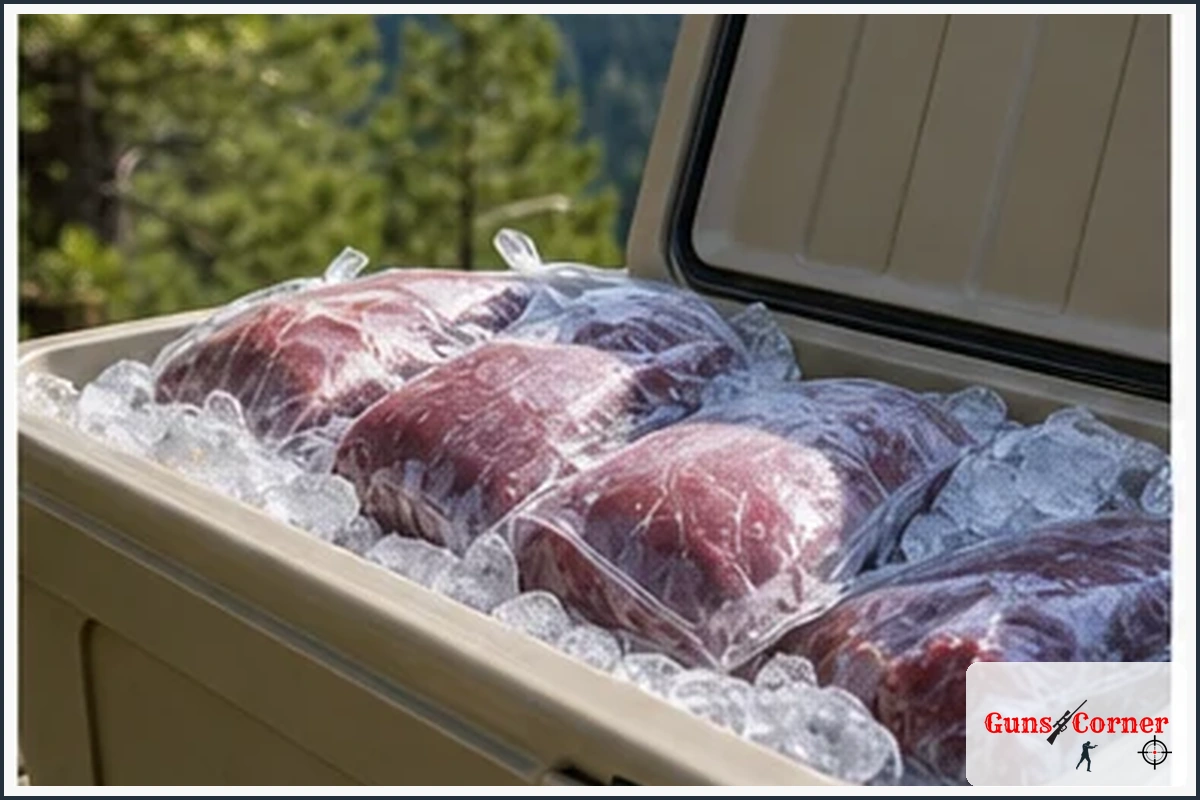
The exact time depends on the temperature, cleanliness, size of the cuts, drainage, weather, cooler quality, and how quickly the meat was cooled after harvest. A properly managed cooler may hold venison for several days, while some hunters age quarters for approximately 7–10 days under consistently cold conditions. Longer storage should only be considered when temperature control, sanitation, airflow, and meat condition are carefully maintained.
| Storage Condition | General Guidance |
|---|---|
| Clean meat in a well-drained cooler kept consistently cold | Often suitable for several days; inspect daily. |
| Meat surrounded by standing meltwater | Higher contamination and quality risk; drain and repackage immediately. |
| Meat exposed to warm weather or inconsistent cooling | Process or refrigerate promptly; do not rely on the calendar alone. |
| Meat with sour odor, slime, or suspicious discoloration | Do not taste or serve it. When in doubt, discard it. |
Why Temperature and Drainage Matter
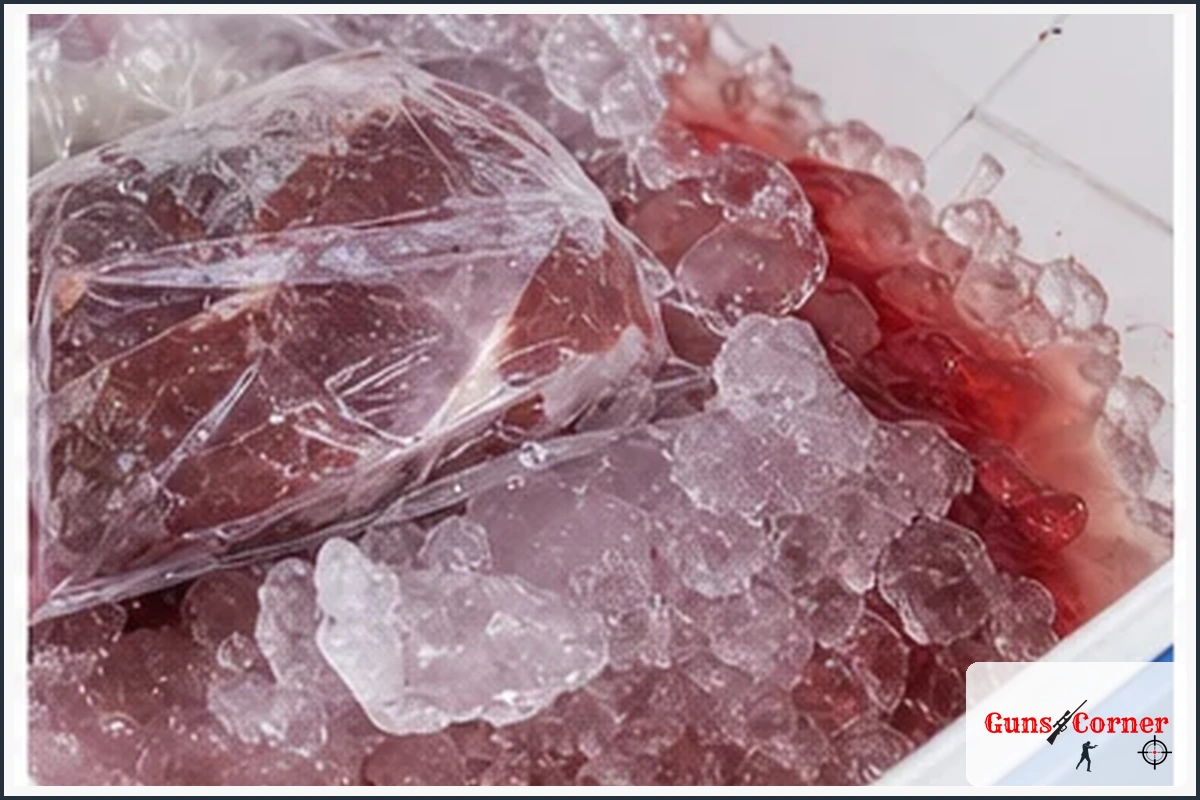
Ice does not automatically make meat safe. The goal is to cool the venison quickly and keep it cold without allowing it to sit in dirty meltwater. A cooler that is cold but flooded can encourage contamination, soften the surface of the meat, and spread bacteria between cuts.
Use a cooler thermometer whenever possible. Keep the meat at or below normal refrigerator temperature, and avoid allowing it to warm during transport or repeated cooler opening. If you cannot verify that the meat stayed cold, be more conservative about using it.
What You Need for Safe Deer Meat Storage
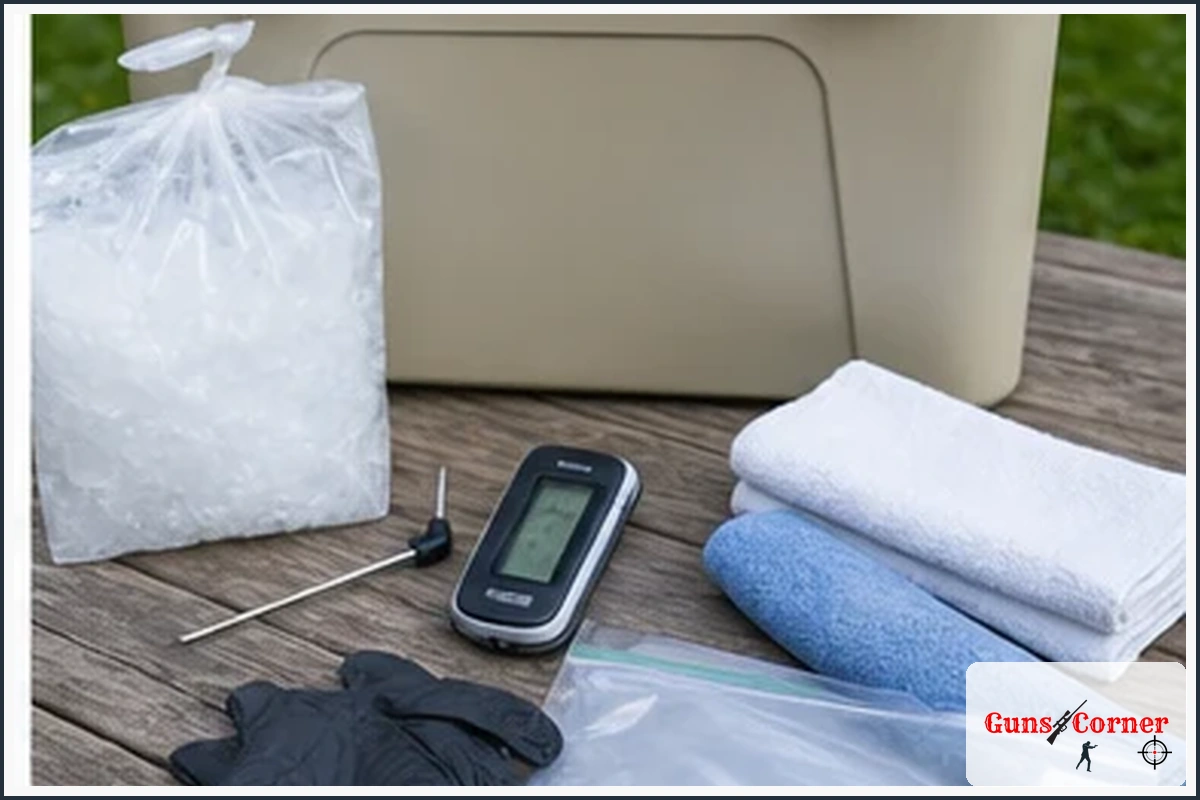
- Large, clean, food-safe cooler
- Plenty of bagged or block ice
- Cooler thermometer
- Clean food-safe bags or sealed containers
- Disposable gloves
- Clean towels or absorbent material
- Knife and cutting tools maintained according to manufacturer guidance
- Separate cooler for drinks and personal food
- Drain plug that allows meltwater to escape
- Labels for species, cut, date, and harvest information
How to Keep Deer Meat Safely on Ice
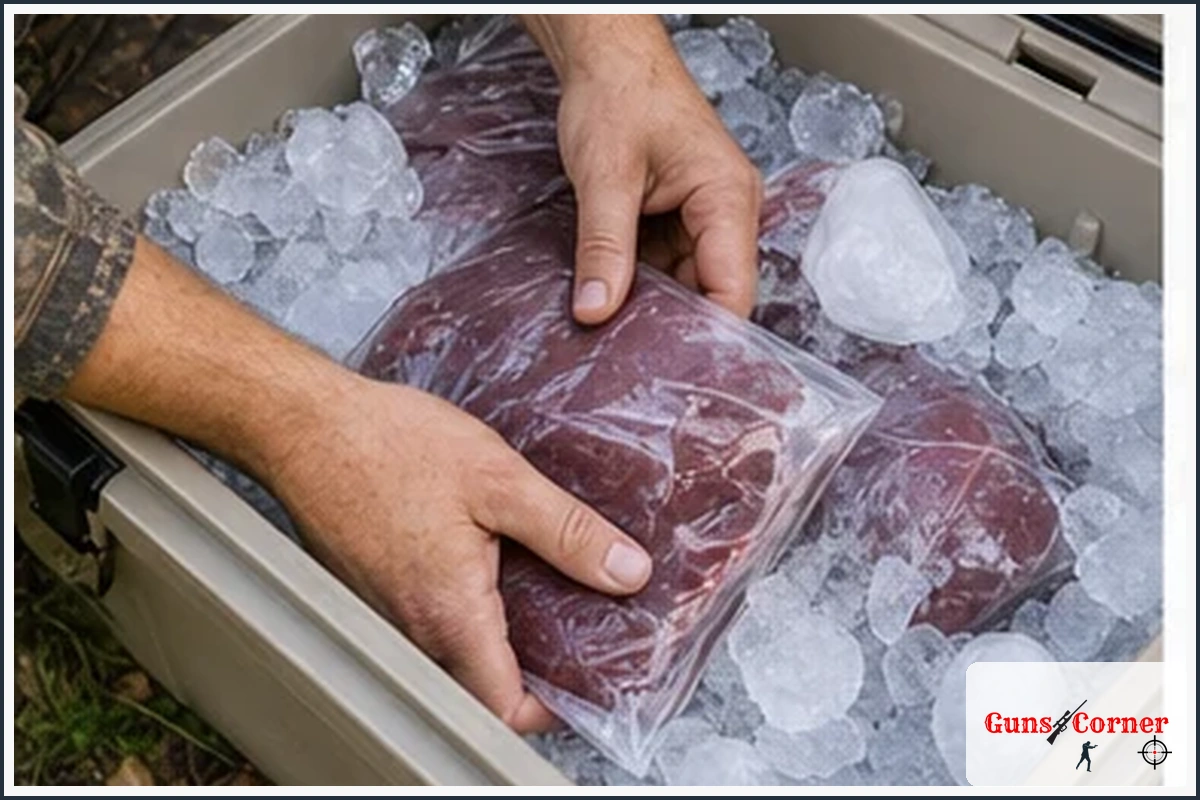
Step 1: Cool the Meat as Quickly as Practical
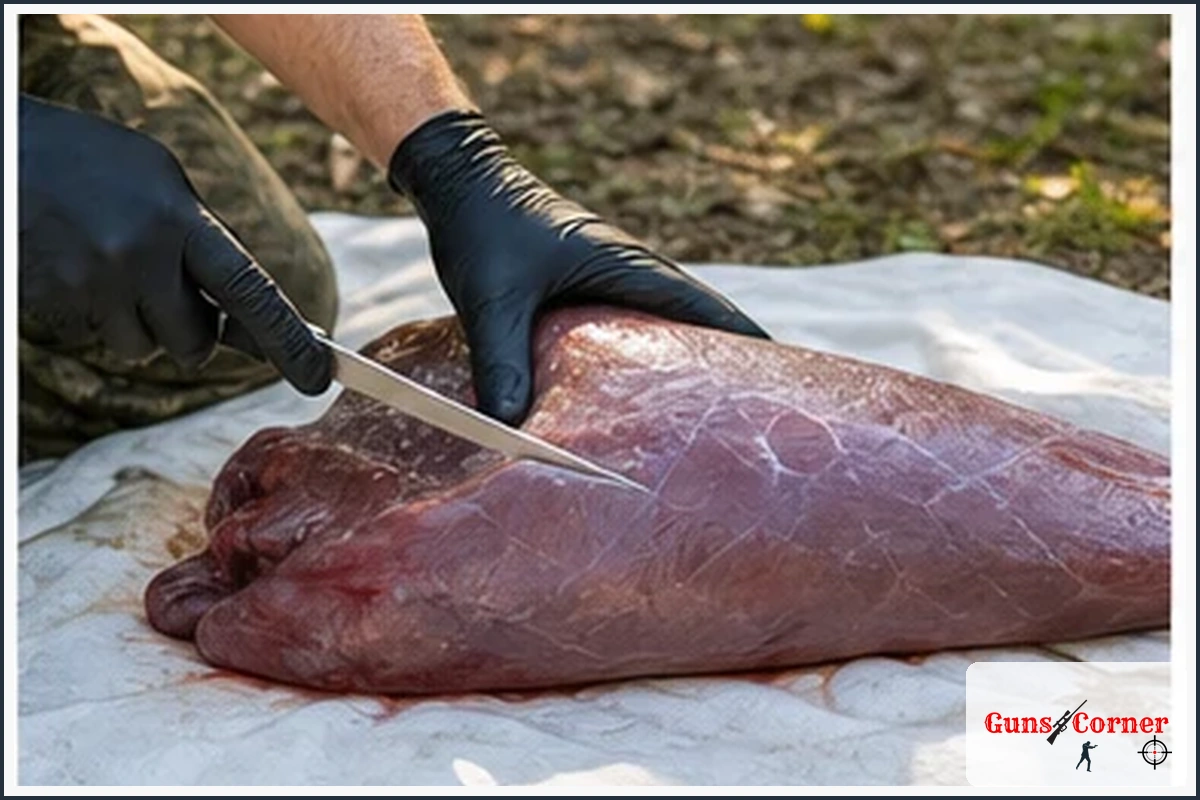
After a legal harvest, follow local tagging and reporting requirements, then begin responsible field care. Remove unnecessary heat from the meat as soon as conditions and regulations allow. Large quarters cool more slowly than boneless cuts, so avoid packing warm, tightly stacked meat into an undersized cooler.
Step 2: Use Clean, Food-Safe Containers
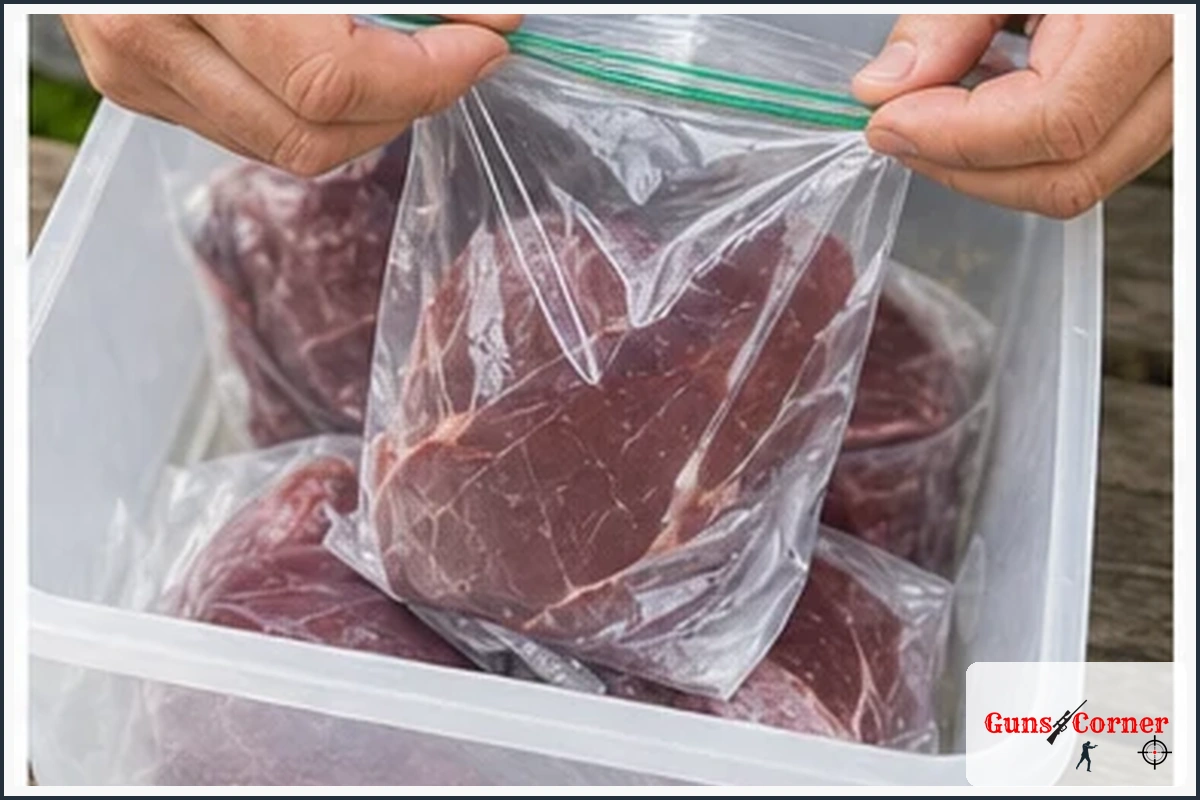
Place meat in clean bags or containers that prevent contact with dirt, dirty clothing, fuel, tools, and standing water. Do not use containers that previously held chemicals or non-food materials.
Step 3: Add Ice Around the Meat
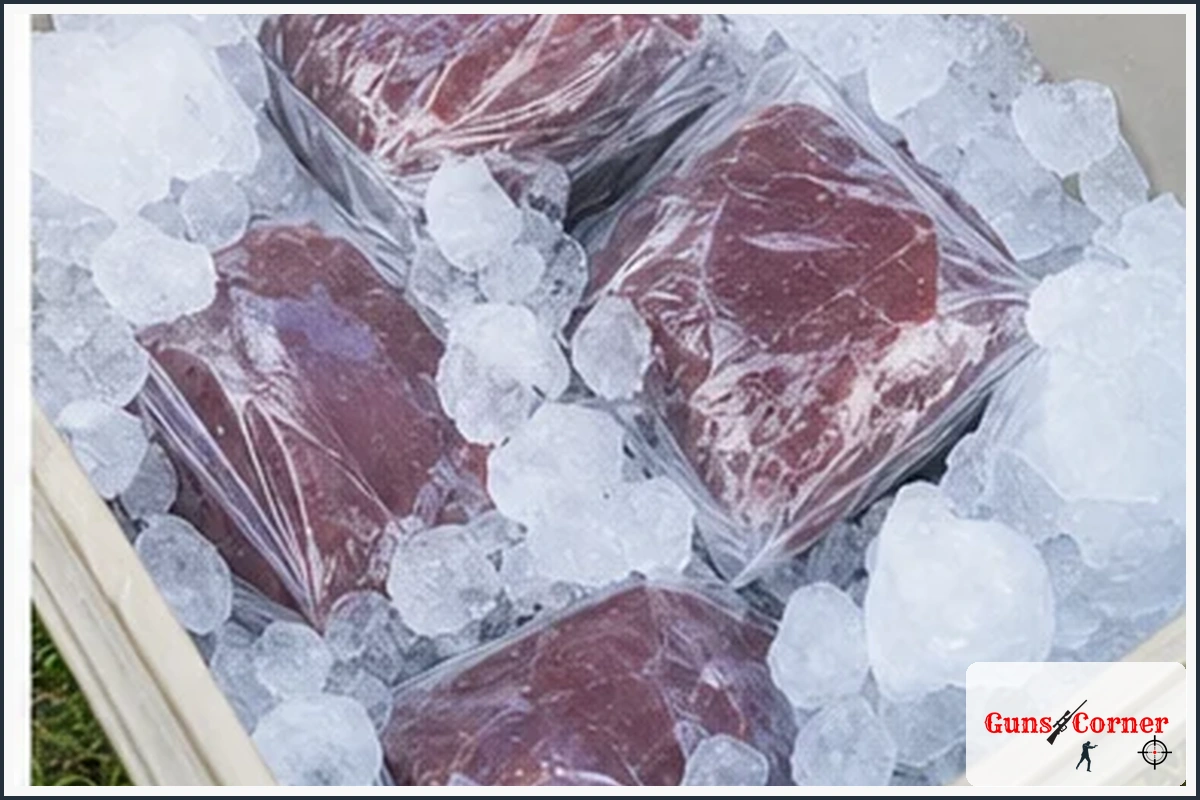
Surround the meat with enough ice to keep it consistently cold. Block ice lasts longer, while smaller ice fills gaps more effectively. Do not depend on a thin layer of ice placed only on top.
Step 4: Keep Meltwater Drained
Drain the cooler regularly unless the manufacturer or your food-safety procedure specifically requires another approach. Waterlogged meat can absorb contaminated liquid and become difficult to inspect. Keep the drain area clear and prevent dirty water from contacting food or camp equipment.
Step 5: Monitor the Cooler Temperature
Check the temperature at least daily and more often during warm weather. Replenish ice before the meat begins warming. Limit unnecessary opening, keep the cooler shaded, and avoid leaving it inside a hot vehicle.
Step 6: Inspect the Meat Before Processing
Before grinding, cooking, freezing, or giving meat to others, check the surface and smell. Fresh venison should not have a strong sour, rotten, or chemical-like odor. A sticky or slimy surface, greenish or unusual coloration, or signs of insect contamination are reasons to stop and seek professional food-safety advice or discard the meat.
Step 7: Process or Freeze It Promptly
Once the meat has cooled and you are ready to use it, trim and package it in a clean environment. Label packages with the cut and date. Freeze or refrigerate it without unnecessary delay, and follow safe thawing practices later.
Can Deer Meat Stay in Meltwater?
It is best not to leave deer meat sitting in meltwater. Meltwater can carry dirt, hair, bacteria, and other contaminants across the cooler. It can also make meat surfaces wet and difficult to evaluate. Keep meat elevated when possible, use sealed bags, and drain dirty water frequently.
Does Aging Venison on Ice Improve It?
Some hunters use controlled cold storage to allow venison to age before processing. Aging is not the same as simply leaving meat in a wet cooler. It requires consistent cold temperatures, clean handling, good airflow, protection from contamination, and regular inspection. If you cannot maintain those conditions, process or freeze the meat sooner.
Aging is also affected by whether the meat is whole, quartered, or boned out. Large pieces require greater care because the center may remain warmer than the surface.
Best Cooler Practices After a Deer Hunt
- Pre-chill the cooler before loading meat.
- Use a dedicated meat cooler rather than one opened frequently for drinks.
- Keep the cooler shaded and secured from wildlife.
- Do not pack warm meat tightly against other warm cuts.
- Separate clean meat from dirty equipment and clothing.
- Drain meltwater before it reaches the meat.
- Record the date, time, and storage temperature.
- Clean and sanitize the cooler after use.
- Arrange processing or refrigeration before the hunt whenever possible.
Common Mistakes to Avoid
- Assuming ice alone makes meat safe indefinitely.
- Leaving the cooler in direct sunlight or a hot vehicle.
- Allowing meat to sit in standing meltwater.
- Using dirty bags, tools, towels, or containers.
- Opening the cooler repeatedly throughout the day.
- Ignoring a sour smell, slime, or unusual color.
- Waiting too long to arrange processing or freezing.
- Mixing meat with beverages, bait, fuel, or personal food.
- Failing to follow tagging, transport, or harvest-reporting laws.
- Taking meat home without a plan for refrigeration or freezing.
Troubleshooting Common Problems
| Problem | Possible Cause | What to Do |
|---|---|---|
| The cooler is warming | Insufficient ice, frequent opening, poor insulation, or hot weather | Add ice, move it to shade, reduce opening, and arrange immediate processing. |
| Meat is sitting in water | Melted ice has covered the cooler bottom | Drain the cooler, repackage the meat, and replace contaminated bags or ice. |
| The meat smells sour or rotten | Spoilage or inadequate cooling | Do not taste it. Separate it from other food and discard it when spoilage is suspected. |
| The surface feels slimy | Moisture, contamination, or spoilage | Stop processing and do not serve the meat unless a qualified food-safety professional confirms it is safe. |
| You cannot verify the temperature | No thermometer or unreliable storage conditions | Use a conservative decision, process immediately if safe, or discard questionable meat. |
| The cooler is too small | Whole quarters or excessive packing | Use a larger cooler, divide the load, or arrange prompt refrigeration. |
Responsible Hunting and After-the-Hunt Care
Ethical hunting includes more than making a legal harvest. It also means recovering the animal promptly, preventing waste, caring for the meat responsibly, respecting property and other hunters, and following all reporting requirements. Plan your cooler, ice supply, route home, and processing arrangements before entering the field.
Never take an uncertain or unsafe shot simply because you have limited time to process meat. A responsible hunter passes on poor opportunities and treats the harvest as a valuable food resource.
When to Get More Training or Professional Guidance
Ask an experienced hunter, official hunter education instructor, wildlife agency, butcher, or food-safety professional for help if you are unsure about field dressing, meat temperature, spoilage, transport, or local regulations. Beginners should complete a hunter education course and hunt with an experienced mentor whenever possible.
After the Hunt: Cleaning and Learning
- Clean and sanitize coolers, knives, tables, gloves, and transport containers.
- Record how long the meat was stored and the temperatures observed.
- Review whether you carried enough ice and had sufficient cooler space.
- Complete required harvest reporting and retain legal records.
- Package meat in labeled, sealed portions and freeze it promptly when appropriate.
- Write down weather, travel time, and field conditions to improve future planning.
Ethical Hunting and Conservation
Hunting licenses, tags, and regulated seasons support wildlife management and conservation. Follow local rules, use the harvest responsibly, avoid waste, respect landowners and other outdoor users, and leave public or private land cleaner than you found it. Safe meat handling helps ensure that the conservation value of a hunt is matched by responsible use of the harvest.
Final Thoughts
So, how long can deer meat stay on ice? Under consistently cold, clean, and well-drained conditions, venison may remain suitable for several days and sometimes around 7–10 days. Time alone is not enough to judge safety. Monitor temperature, keep meltwater away, inspect the meat carefully, and process it as soon as practical. Always combine responsible meat care with legal, safe, and ethical hunting practices.
Frequently Asked Questions
How long can deer meat stay on ice in a cooler?
Properly cooled venison can often remain in a clean, well-drained cooler for several days. Some hunters maintain suitable conditions for approximately 7–10 days, but only when the temperature remains consistently cold and the meat stays clean and dry.
What temperature should deer meat be kept at?
Keep venison at or below normal refrigerator temperature whenever possible. A cooler thermometer is the best way to monitor conditions because the presence of ice does not prove that every part of the meat is cold enough.
Can deer meat stay on ice for a week?
It may be possible when the meat was cooled quickly, the cooler stayed consistently cold, meltwater was drained, and sanitation was maintained. Inspect the meat carefully and process it promptly rather than relying only on the number of days.
Can venison stay on ice for 10 days?
Some hunters do this under carefully controlled cold-storage conditions. It is not automatically safe in every cooler or climate. Warm temperatures, poor drainage, contamination, and repeated opening can shorten the safe storage period substantially.
How can you tell if deer meat has spoiled?
Warning signs include a strong sour or rotten odor, slimy or sticky texture, unusual discoloration, gas or swelling in packaging, and insect contamination. When spoilage is suspected, do not taste the meat.
Is slightly dark deer meat unsafe?
Darkening can occur from normal exposure to air or changes during storage, but color alone does not prove safety or spoilage. Consider temperature history, smell, texture, cleanliness, and professional food-safety guidance.
Should deer meat be stored in bags?
Yes. Clean, food-safe bags help protect venison from dirt and contaminated water. Keep the bags sealed and replace any that leak or become dirty.
Should you drain the water from a deer meat cooler?
Yes, in most situations. Standing meltwater can spread contamination and leave meat wet. Drain it regularly while keeping the meat protected in clean, sealed packaging.
Can deer meat touch ice directly?
Direct contact with clean ice is less concerning than contact with dirty meltwater, but sealed packaging is preferable. It protects the meat and makes it easier to maintain sanitation.
Can you put warm deer meat directly on ice?
Cool it as quickly as practical, but avoid tightly packing large warm quarters in a small cooler. Provide space for cold air and ice to circulate, and arrange prompt processing if the center remains warm.
Does block ice last longer than bagged ice?
Block ice generally lasts longer, while smaller pieces fill gaps more effectively. Using both can provide good coverage, but the cooler still needs monitoring and drainage.
How often should you add ice to a deer meat cooler?
Add ice whenever the supply is melting enough that the meat temperature may rise. Check the cooler regularly instead of following a fixed schedule, especially in warm weather.
Can deer meat be left in a cooler overnight?
It can be appropriate if the cooler remains cold, clean, shaded, and well managed. Check the temperature in the morning and inspect the meat before processing.
Can venison be stored in a cooler during warm weather?
Yes, but warm weather increases the need for sufficient ice, shade, temperature monitoring, and rapid processing. Do not assume a cooler will remain safe without checking it.
Can you leave deer meat in a cooler in a vehicle?
Only with great caution. Vehicles can heat quickly, even when outdoor temperatures seem moderate. Keep the cooler out of direct heat and move the meat to reliable refrigeration as soon as possible.
Should deer meat be kept separate from drinks?
Yes. A dedicated meat cooler reduces repeated opening and helps prevent contamination from food, cans, dirt, and personal items.
How soon should a deer be cooled after harvest?
Cool the meat as soon as practical while following legal field-care and tagging requirements. Faster cooling generally improves quality and reduces spoilage risk.
Is it better to quarter a deer before putting it on ice?
Quartering can help large pieces cool more efficiently, but it must be done legally and hygienically. Large quarters still need adequate space, airflow, and sufficient ice.
Can you age venison in a cooler?
Controlled aging may be possible with consistent cold temperatures, clean handling, drainage, and regular inspection. A wet, warm, or contaminated cooler is not a suitable aging environment.
How long can deer quarters stay on ice?
Quarters may remain cold for several days and, under carefully maintained conditions, sometimes longer. Their size makes temperature monitoring particularly important because the center can stay warmer than the outside.
Can you freeze deer meat after it has been on ice?
Yes, if it remained properly chilled, clean, and free from spoilage signs. Package it securely, label it with the date and cut, and freeze it promptly.
Can you refreeze thawed venison?
Follow accepted food-safety guidance. Meat that remained continuously refrigerator-cold may sometimes be refrozen, although quality can decline. Meat that warmed significantly or shows spoilage should not be refrozen.
Should deer meat be washed before freezing?
Routine washing can spread contamination around the kitchen. Trim and clean meat using sanitary tools and surfaces, then follow local food-safety guidance for preparation.
Can deer meat stay in a cooler without ice?
Only for a short period when it remains within safe refrigeration temperatures. Without a reliable cold source, do not assume the meat is safe, especially in warm conditions.
What should you do if the cooler runs out of ice?
Move the meat to reliable refrigeration or obtain ice immediately. If the meat has become warm and you cannot verify safe temperature control, use a conservative food-safety decision.
Can spoiled venison be made safe by cooking?
No. Cooking does not reliably eliminate all hazards associated with spoiled food. Do not taste or serve venison that has clear spoilage signs.
What should deer meat smell like?
Fresh venison should not have a strong rotten, sour, or chemical-like odor. A questionable smell should be treated seriously, especially when combined with slime or poor temperature history.
What is the best cooler size for deer meat?
Choose a cooler large enough to hold the expected cuts with ice around them without excessive compression. The correct size depends on whether you are storing boned meat, quarters, or larger sections.
How do you keep deer meat dry on ice?
Use sealed food-safe bags, elevate meat above meltwater when possible, drain the cooler regularly, and avoid crushing packages beneath heavy ice.
Can deer meat be stored in a black plastic bag?
Use only bags intended for food storage. Dark plastic can also absorb heat if exposed to sunlight, so keep all meat shaded and cold.
How long can deer meat stay on ice during transport?
Transport time should be as short as practical. Keep the cooler closed, shaded, secured, and well iced, and follow all required tagging and transport regulations.
Do hunting regulations control how deer meat is transported?
Many jurisdictions have specific tagging, proof-of-sex, quartering, transport, or reporting rules. Check your official wildlife agency before moving harvested game.
Can you store deer meat with the hide on?
Local rules and field conditions vary. The priority is to remove heat and protect the edible portions from contamination while following legal field-care requirements.
What if deer meat gets wet from melted ice?
Drain the cooler, replace contaminated packaging, and inspect the meat. Wetness alone does not prove spoilage, but dirty water and extended exposure increase risk.
Should you use salt or chemicals to preserve deer meat on ice?
No improvised chemicals should be used on fresh meat. Use clean containers, reliable refrigeration, and accepted food-preservation methods.
Can dogs or pets be allowed near stored venison?
Keep pets away from stored game and processing areas. They can introduce dirt, hair, bacteria, and other contamination.
What should beginners bring for deer meat care?
Bring a clean cooler, adequate ice, thermometer, food-safe bags, gloves, towels, labels, and a plan for refrigeration or processing. Do not forget navigation and first-aid equipment for the hunt itself.
When should a beginner ask a butcher for help?
Ask for help when you are unsure about cutting, aging, packaging, temperature control, or spoilage. Professional guidance is especially valuable after a warm-weather hunt or questionable storage period.
How does responsible meat care support conservation?
Using the harvest responsibly demonstrates respect for wildlife and supports the conservation ethic behind regulated hunting. Preventing waste is part of ethical hunting.
Read more: