
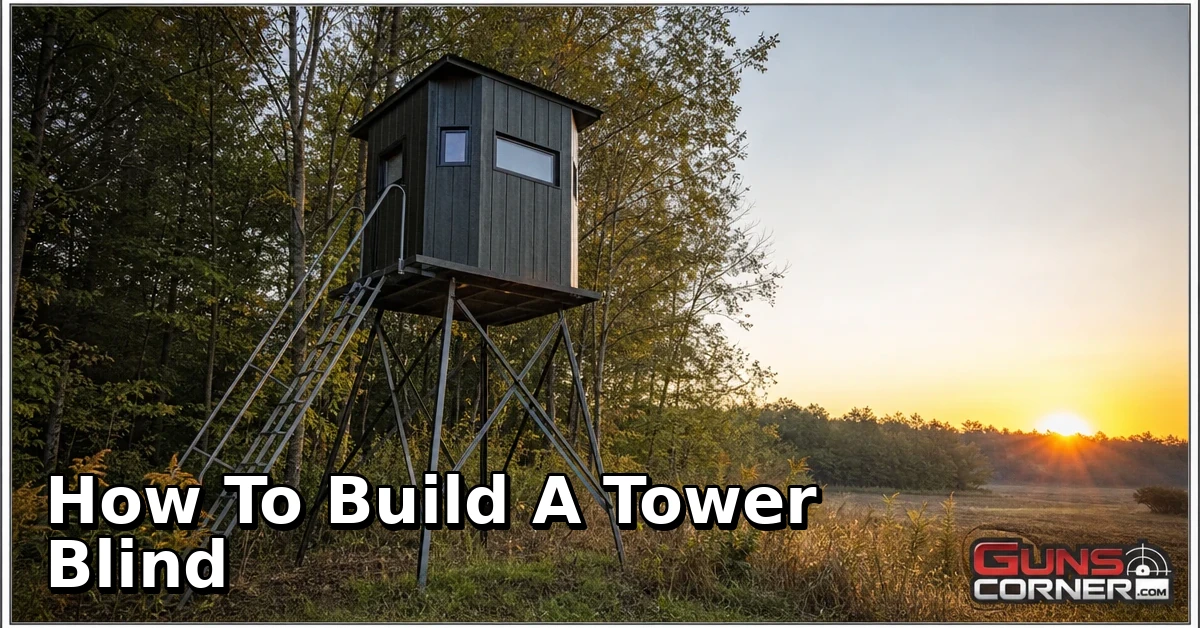

Learning how to build a tower blind can improve visibility, concealment, and comfort during a legal hunt. A well-designed elevated blind should be stable, weather-resistant, accessible, and positioned only where land access and local hunting rules allow. This guide explains planning, materials, construction, safety checks, placement, and responsible use without relying on unsafe shortcuts.
To build a tower blind, first confirm local regulations, landowner permission, and any rules governing permanent or elevated hunting structures. Choose a level, well-drained site, build a properly braced platform with treated structural lumber and rated fasteners, then construct a weatherproof blind with safe windows, a secure door, and adequate ventilation. Inspect every connection before use, wear a full-body harness when working at height, and never use the blind until it is stable and safe for the intended occupants and hunting method.
Important Legal and Safety Notice Before You Build
Hunting structures are regulated differently by state, province, county, public-land manager, and private-land agreement. Before purchasing materials, check your official wildlife agency and land manager for rules on blinds, towers, permanent structures, baiting, placement, seasonal removal, weapon use, visibility clothing, and access.
- Confirm your hunting license, permits, tags, season dates, legal hours, and harvest-reporting requirements.
- Verify that elevated blinds or permanent structures are legal in the hunting area.
- Obtain written private-land permission and confirm property boundaries.
- Do not place a blind where shooting lanes could point toward roads, homes, trails, livestock, camps, or neighboring property.
- Use a full-body fall-arrest harness whenever working on an elevated platform.
- Use stable ladders, temporary bracing, and a second person during construction.
- Identify the target and what lies beyond it before taking any shot.
- Follow firearm or bow safety rules and manufacturer instructions.
Why Build a Tower Blind?
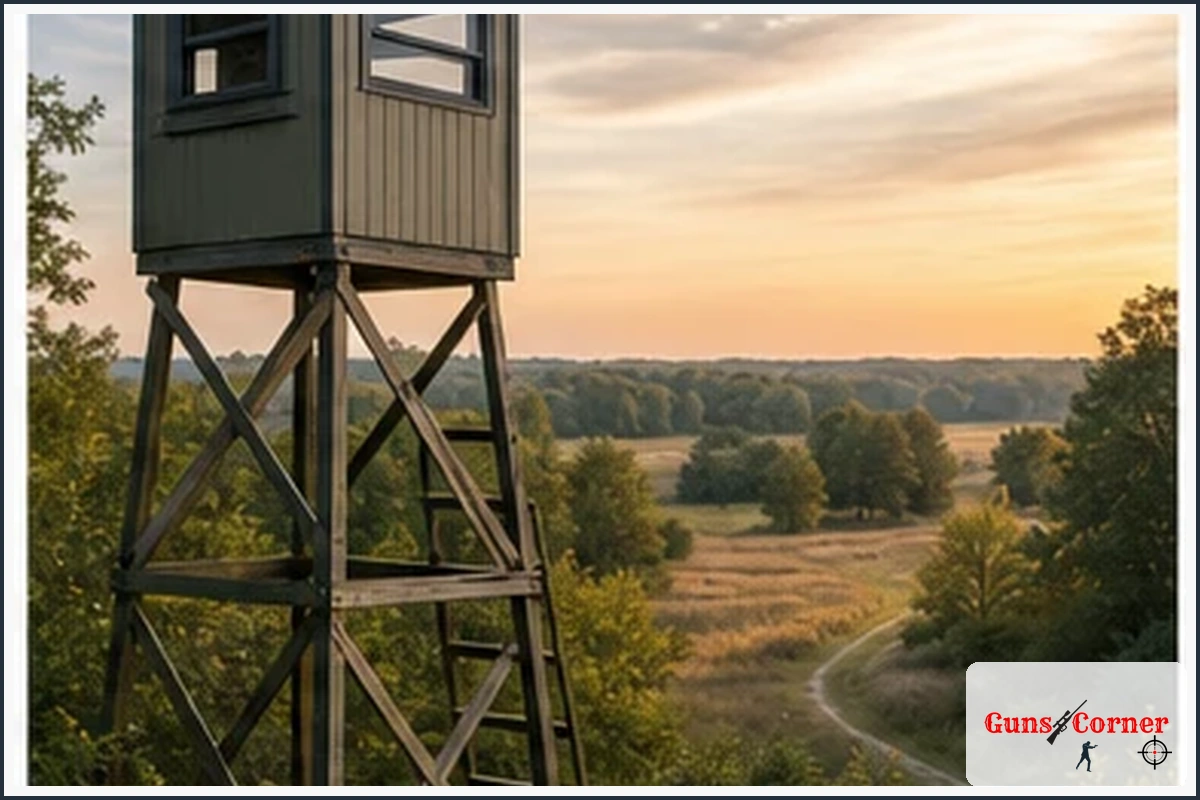
An elevated blind can provide a broader view of trails, fields, edges, and openings while helping conceal movement. It may also improve comfort during long sits and create a consistent hunting setup.
However, height does not guarantee success. Wind direction, animal movement, hunting pressure, access routes, legal restrictions, and shot safety remain more important than the blind itself.
Plan the Tower Before Buying Materials
Choose the intended capacity
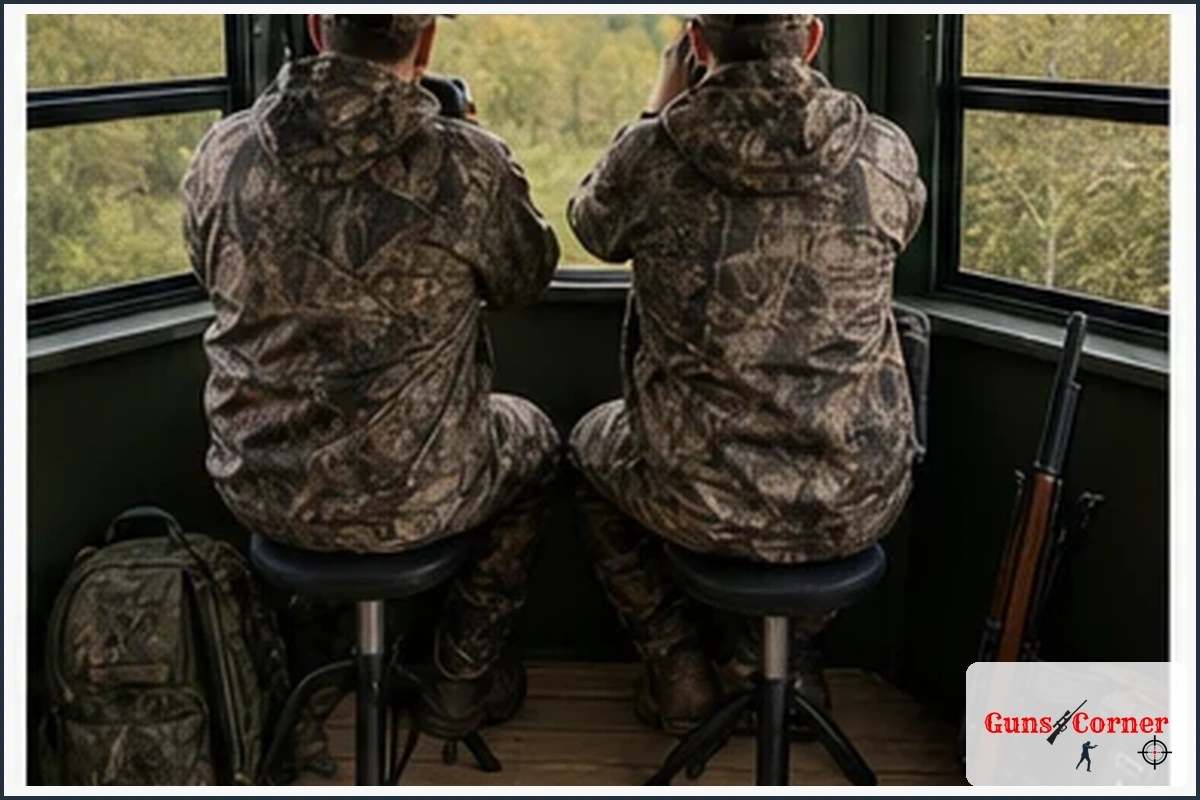
Decide whether the blind will hold one hunter, two hunters, or additional equipment. A larger blind requires stronger framing, a wider platform, and more careful weight planning.
Choose a reasonable height
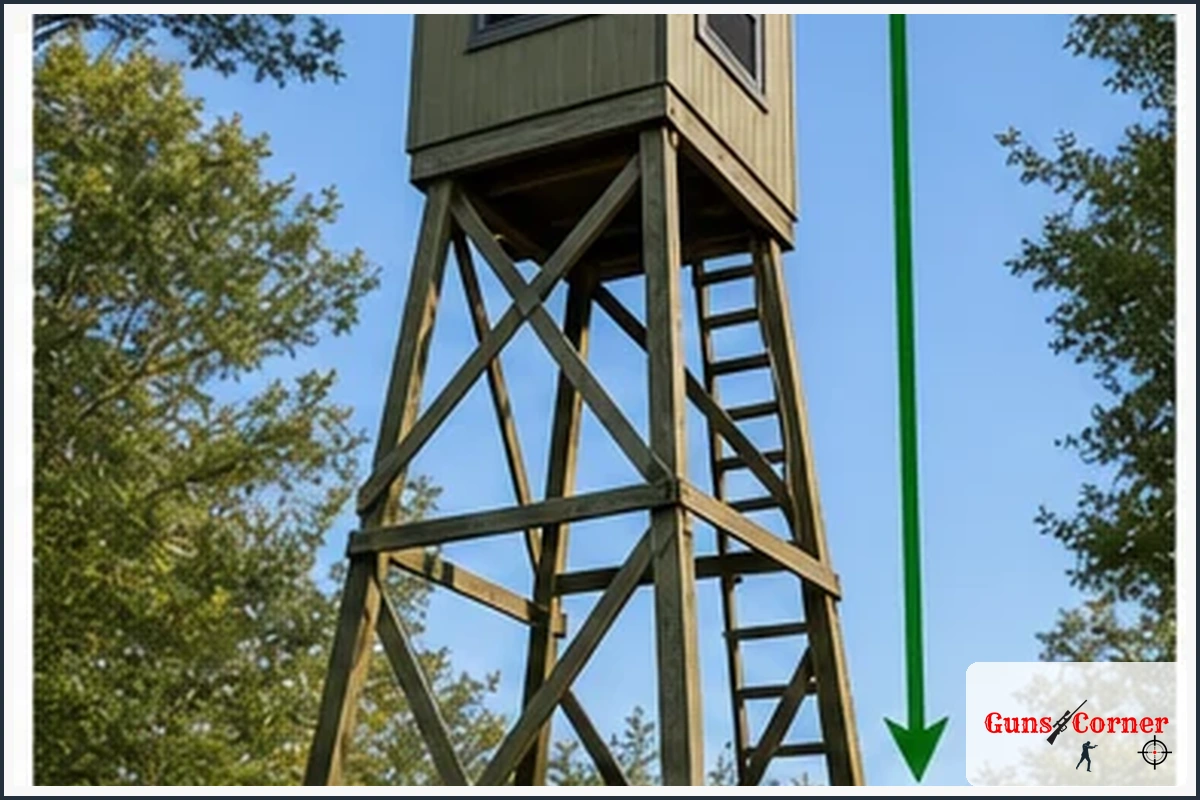
Use the lowest height that provides the visibility and concealment you need. Taller towers create greater fall, wind, ladder, and structural risks. Avoid building higher simply because it seems advantageous.
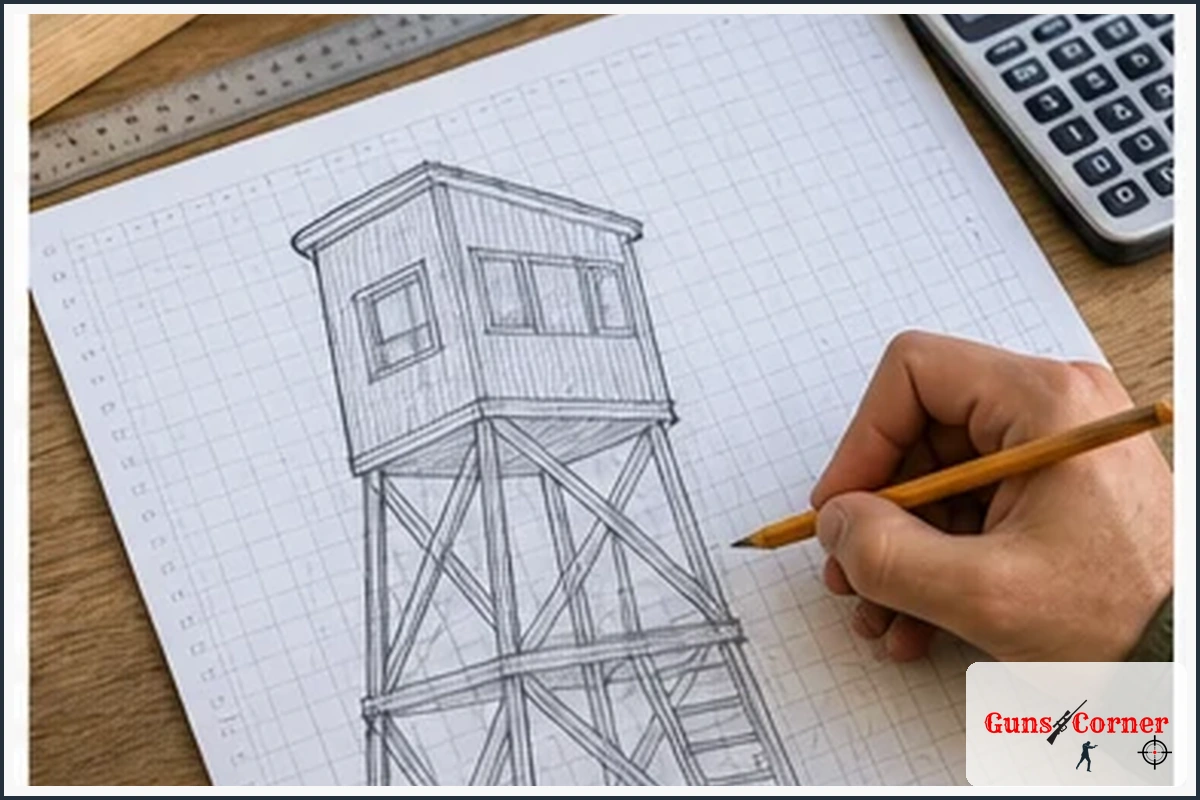
Draw a simple plan
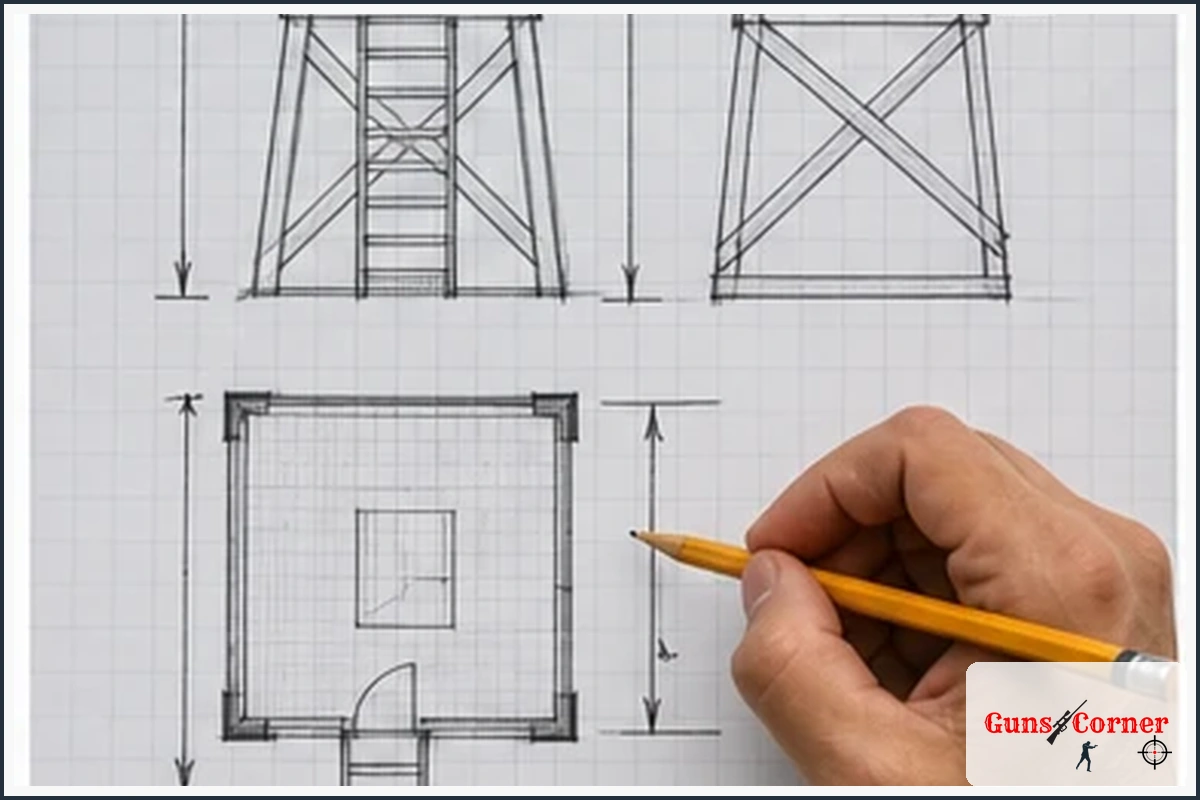
Sketch the platform dimensions, leg locations, diagonal braces, door, windows, roof, ladder, and shooting directions. Mark the expected weight of hunters, gear, and any removable equipment.
Plan for drainage and access
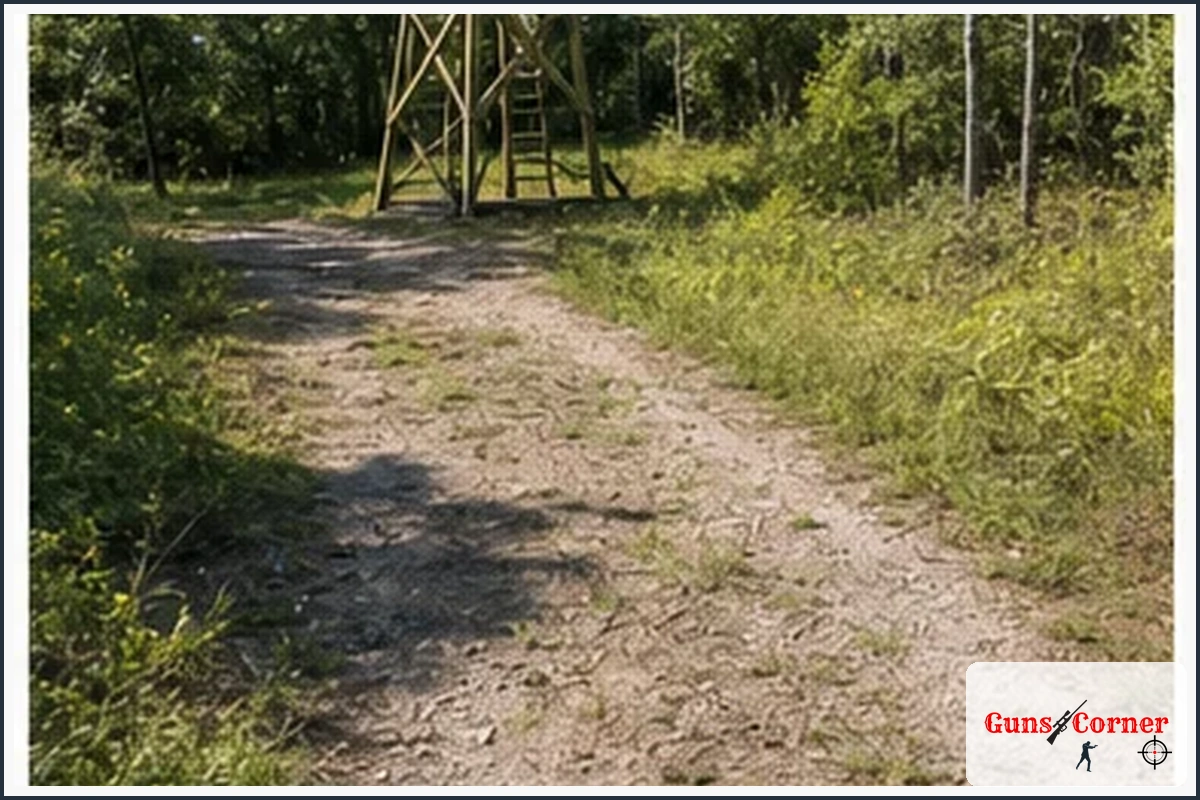
Select a site that does not collect water and does not require crossing unsafe slopes. Leave enough room around the tower for inspection, maintenance, and emergency access.
Materials and Tools to Consider
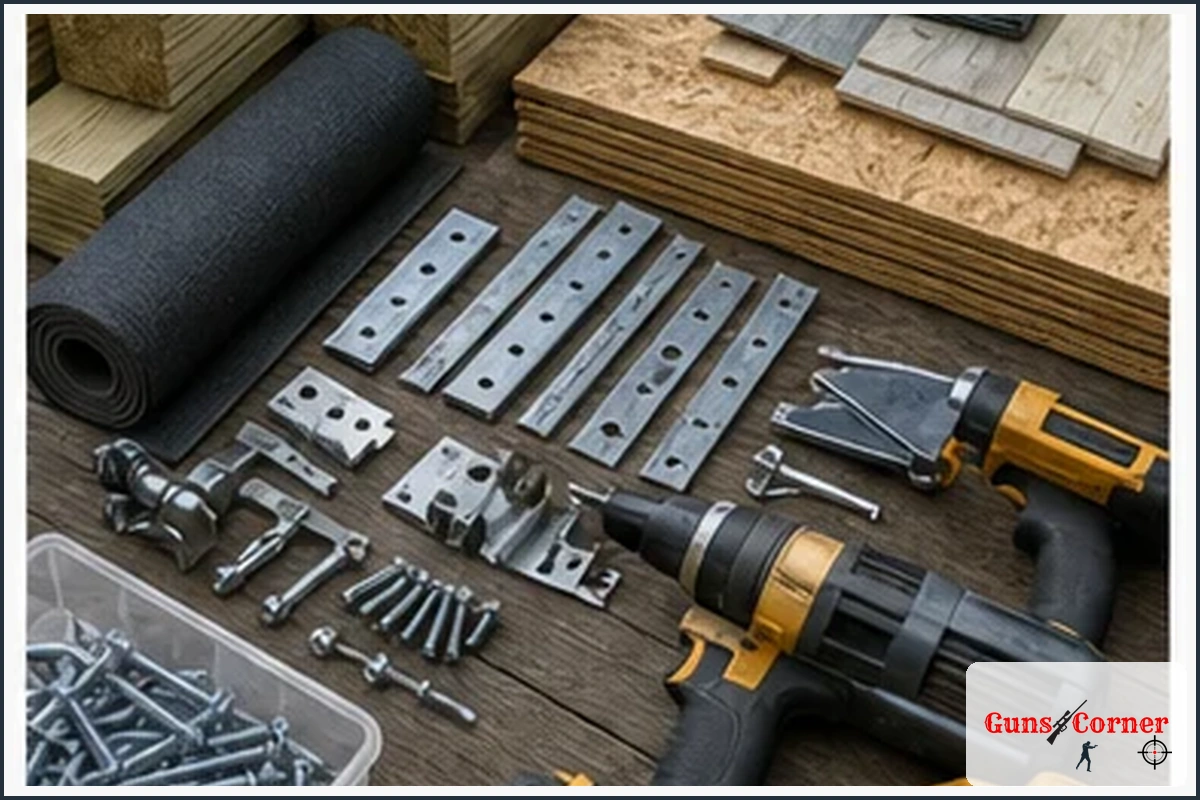
Material selection should match the tower size, local weather, soil, expected load, and applicable building requirements. When in doubt, consult a qualified builder or structural professional.
- Pressure-treated structural lumber or another suitable outdoor-rated framing material
- Exterior-rated plywood or approved wall panels
- Exterior screws, bolts, washers, and connectors rated for structural use
- Diagonal bracing for the legs and platform
- Roofing material designed for outdoor exposure
- Weather-resistant door hardware and window hinges
- Non-slip ladder rungs or a professionally rated access ladder
- Level, tape measure, square, drill, saw, wrench, clamps, and plumb line
- Concrete or approved ground anchors when required by the design and soil
- Exterior sealant, primer, and paint suitable for the materials
- First aid kit, eye protection, gloves, hearing protection, and hard hat
Do not rely on nails, improvised scrap, undersized fasteners, or unverified weight claims for primary structural connections.
How to Build a Tower Blind Step by Step
Step 1: Confirm regulations and land access
Check current wildlife regulations before construction. Some areas restrict permanent blinds, elevated platforms, unattended structures, or the dates when they may remain on public land. Confirm land ownership, written permission, and any landowner requirements regarding trees, gates, vehicles, or ground disturbance.
Step 2: Scout the hunting area
Use maps and on-foot scouting to identify legal, productive, and safe locations. Look for game trails, feeding areas, bedding cover, water, travel corridors, field edges, and prevailing wind patterns. Avoid placing the blind directly on a heavily used trail or in a location that forces unsafe shooting angles.
Step 3: Mark safe shooting directions
Before digging or assembling anything, identify safe backstops and no-shoot zones. Account for nearby roads, houses, trails, property lines, livestock, public paths, and other hunters. For bowhunting, consider recovery routes and whether vegetation will interfere with an ethical shot.
Step 4: Prepare a stable foundation
Clear only what is necessary. Remove loose vegetation and organic soil beneath each support point, then level the foundation area. Use a design appropriate for the soil and climate. A tower should not rest on unstable rocks, loose fill, rotten stumps, or unsupported blocks.
Step 5: Assemble and square the platform frame
Build the platform frame on the ground when possible. Measure diagonals to confirm that the frame is square, then install structural fasteners according to the design. A square platform makes the walls, roof, ladder, and door easier to install correctly.
Step 6: Install the legs and temporary bracing
Set the legs carefully and use temporary braces to keep them upright. Check that each leg is plumb. Do not climb onto an unfinished platform. Have another person stabilize components while connections are being made.
Step 7: Add permanent cross-bracing
Install diagonal bracing on multiple sides of the tower, not only beneath the platform. Bracing helps reduce sway caused by wind and movement. Tighten all bolts and inspect for splitting, loose joints, damaged lumber, and inadequate washers.
Step 8: Secure the platform to the supports
Attach the platform using structural connections designed for the load. Confirm that the platform is level and that no unsupported overhang creates a tipping or twisting risk. Add a guardrail or enclosed wall system where required by the design.
Step 9: Build the walls and roof
Frame the walls on the ground if practical, then raise them with help. Keep wall panels lightweight enough for safe handling. Install a roof with adequate overhang and drainage, but avoid adding excessive weight high above the platform.
Step 10: Install windows and shooting openings
Place windows for observation and legal shooting positions without creating unsafe crossfire. Window openings should allow a comfortable, controlled position without forcing the hunter to lean outside the blind. Use hinges, shutters, or removable panels that operate quietly.
Step 11: Install a secure door and ladder
The door should close securely but open easily in an emergency. Install a sturdy ladder with consistent rungs, secure attachment points, and a safe transition onto the platform. Add a handrail or grab points where practical, and keep the ladder free of mud, ice, leaves, and loose gear.
Step 12: Weatherproof and camouflage responsibly
Seal exposed edges, protect vulnerable joints, and use exterior-rated coatings. Camouflage should blend with the surrounding habitat without blocking windows, covering safety equipment, or creating flammable hazards. Avoid materials that flap loudly or release strong odors during use.
Step 13: Inspect the completed tower
Check every bolt, screw, brace, joint, ladder connection, roof attachment, door, window, and platform edge. Look for movement, cracking, corrosion, rot, sharp fasteners, and water intrusion. Test the structure gradually from the ground before anyone climbs inside.
Step 14: Perform a controlled occupancy test
With another adult present, climb slowly while using appropriate fall protection. Add occupants and gear one at a time. Stop immediately if the tower sways excessively, makes unusual sounds, shifts at the base, or shows any sign of structural weakness.
Step 15: Mark and maintain the structure
Use any identification or visibility markings required by local rules. Keep a maintenance log and inspect the blind before every season and after severe wind, snow, flooding, or other extreme weather.
Choosing the Best Location for a Tower Blind
The best location balances animal movement, wind, concealment, access, and safety. Place the blind where you can enter and leave without crossing likely travel routes or exposing yourself to animals before legal shooting hours.
- Use wind direction to keep your scent from likely approach routes.
- Keep the blind outside the main travel path whenever possible.
- Maintain clear, safe visibility without removing excessive cover.
- Avoid locations that require shooting toward roads, homes, livestock, or occupied buildings.
- Consider how rain, snow, flooding, and seasonal vegetation changes will affect the site.
- On public land, confirm boundaries and avoid blocking trails, gates, or other users.
Using a Tower Blind Safely While Hunting
- Wear a full-body harness whenever you are above ground level.
- Keep firearms unloaded while climbing and descending.
- Use a haul line to raise or lower unloaded equipment instead of climbing with both hands occupied.
- Keep bows and broadheads secured during entry and exit.
- Keep the floor clear of loose gear that could cause a fall.
- Unload firearms and secure bows before leaving the blind.
- Do not shoot through an opening unless you have a stable position and a safe background.
- Identify the target, species, sex where required, and what lies beyond it.
- Do not shoot toward movement, sound, roads, buildings, people, pets, or livestock.
- Leave the blind if severe weather, structural movement, fire, or another emergency creates danger.
Common Mistakes to Avoid
- Building before checking regulations or obtaining landowner permission
- Using undersized lumber or non-structural fasteners
- Skipping diagonal bracing
- Placing the tower on soft, sloped, or flood-prone ground
- Making the tower taller than necessary
- Failing to plan a safe ladder and platform transition
- Creating shooting lanes without considering the background
- Ignoring prevailing wind and entry routes
- Leaving the blind unattended when local rules prohibit it
- Failing to inspect the structure after storms
- Carrying loaded firearms or exposed broadheads while climbing
- Taking an uncertain or unsafe shot because the blind required significant effort
Troubleshooting Common Problems
| Problem | Possible Cause | What to Do |
|---|---|---|
| The tower sways | Insufficient bracing, loose connections, or unstable supports | Stop using it, inspect the base and braces, and have a qualified person correct the structure before re-entry. |
| The platform is uneven | Uneven foundation or inaccurate leg lengths | Do not compensate with loose blocks. Re-level the foundation or revise the support system safely. |
| Water enters the blind | Unsealed joints, poor roof drainage, or damaged panels | Repair the roof, seal exposed edges, and replace damaged material. |
| The ladder feels unsafe | Weak attachment, inconsistent rungs, or slippery surfaces | Stop climbing until the ladder is securely attached, clean, and suitable for the tower. |
| Animals detect the hunter | Wind, noisy access, movement, or poor placement | Review the entry route, wind direction, window use, and concealment before relocating or modifying the blind. |
| Shooting lanes are unsafe | Nearby roads, homes, trails, or inadequate backstops | Do not use those openings. Change the setup or choose another legal location. |
| The blind is damaged after a storm | Wind, falling limbs, snow, or water damage | Keep everyone out until a complete structural inspection and repair are finished. |
Ethical Hunting and Conservation
A tower blind is only a tool. Ethical hunting requires patience, accurate target identification, legal compliance, and restraint. Take only shots within your practiced ability and only when the background, angle, and conditions are safe.
Follow seasons, bag limits, tagging, transport, and reporting requirements. Recover game responsibly, cool and care for meat promptly when applicable, and avoid waste. Respect landowners, other hunters, hikers, and wildlife. Licenses and lawful participation help support conservation, habitat management, and wildlife research.
When to Get More Training or Professional Guidance
Ask for help if you are unfamiliar with elevated construction, structural bracing, fall protection, firearm handling, bowhunting, land boundaries, or local regulations. A qualified builder or structural professional should review any tower that will be tall, large, heavily loaded, exposed to severe weather, or used by multiple people.
Beginners should also consider an official hunter education course, a certified shooting instructor, and an experienced ethical hunting mentor.
After the Hunt: Maintenance and Learning
- Unload and safely store firearms, bows, and broadheads.
- Remove trash, food, scent products, and unnecessary equipment.
- Inspect the tower for moisture, rot, corrosion, loose hardware, and animal damage.
- Record weather, wind, animal sign, access conditions, and what worked or failed.
- Complete required harvest reporting and transport documentation.
- Care for harvested game responsibly and follow local meat-handling rules.
- Remove or secure the structure according to landowner and wildlife-agency requirements.
Recommended Hunting Gear and Tools to Consider
You do not need expensive equipment to use a tower blind responsibly. Choose gear based on local law, terrain, weather, hunting method, and personal skill.
- Full-body fall-arrest harness
- Map, compass, GPS, or approved hunting app
- First aid kit, water, snacks, and emergency communication
- Weather-appropriate clothing and required visibility gear
- Binoculars or suitable optics
- Headlamp with spare batteries
- Haul line for unloaded equipment
- Gloves, eye protection, hearing protection, and basic tools
- Game bags, cooler, and meat-care supplies when relevant
Final Thoughts
Learning how to build a tower blind begins with regulations, land access, careful planning, and a stable design. Build conservatively, brace the structure properly, inspect it often, and use fall protection every time you work above ground. The safest and most ethical hunting setup is one that supports patience, clear identification, safe shooting, responsible recovery, and respect for wildlife and other people.
Frequently Asked Questions
Is it legal to build a tower blind anywhere?
No. Rules vary by wildlife agency, land manager, property owner, and hunting season. Check current local regulations before building or placing one.
Do I need landowner permission?
Yes, if the location is private land. Obtain clear permission and discuss placement, access, maintenance, removal, and property boundaries.
Can I build a tower blind on public land?
Some public areas allow certain blinds while others restrict permanent or unattended structures. Confirm the specific rules with the land manager.
How tall should a tower blind be?
Use the lowest height that provides adequate visibility and concealment. Greater height increases fall, wind, ladder, and construction risks.
What is the safest foundation?
The safest foundation depends on soil, climate, tower design, and expected load. It should be level, stable, and appropriate for structural supports rather than loose objects or unstable ground.
Should I use pressure-treated lumber?
Outdoor-rated materials are generally appropriate, but the material must match the design and local conditions. Use compatible exterior-rated fasteners and follow manufacturer guidance.
How much bracing does a tower blind need?
That depends on the tower size and design. Elevated structures generally need bracing in more than one direction to resist sway and twisting. A qualified builder can verify the design.
Can one person build a tower blind?
Some parts can be prepared alone, but raising walls, setting supports, and working at height should involve another capable adult.
Should I use a full-body harness?
Yes. Use a suitable full-body fall-arrest system whenever working or hunting above ground, and follow the equipment manufacturer’s instructions.
Can I carry a loaded firearm up the ladder?
No. Keep firearms unloaded while climbing or descending. Use a haul line to move unloaded equipment safely.
How should bowhunters handle broadheads around a tower?
Keep arrows and broadheads secured during climbing and descending. Use a safe, stable position before nocking an arrow.
Where should a tower blind be placed?
Place it near legal, observable animal movement while considering wind, access, concealment, safe backstops, property lines, and other users.
Should a blind be placed directly on a game trail?
Usually, avoid blocking or occupying the main trail. A nearby position can provide observation while reducing disturbance and improving shot safety.
How important is wind direction?
Wind can carry scent and sound. Plan the blind and entry route so prevailing conditions are less likely to alert animals, and be prepared to abandon a setup when the wind is wrong.
When should I scout for the blind location?
Scout before construction and revisit the area as vegetation, water, food sources, hunting pressure, and animal movement change.
What animal signs should I look for?
Depending on the species, look for tracks, trails, droppings, feeding areas, bedding cover, rubs, scrapes, rooting, wallows, or other fresh movement signs.
Should I build the blind before hunting season?
Often, early preparation allows time for repairs and reduced disturbance, but local rules may restrict when structures can be installed or left in place.
How can I make a tower blind quieter?
Secure loose hardware, use weather-resistant materials, add quiet window closures, and remove items that swing or rattle in the wind.
How can I reduce scent around the blind?
Keep access routes practical, avoid unnecessary visits, store food and waste properly, and consider wind direction. Scent control never replaces good placement and ethical hunting decisions.
How do I make the blind weather-resistant?
Use exterior-rated panels, seal exposed edges, provide roof drainage, protect fasteners, and inspect for leaks after heavy weather.
Can I leave a tower blind out all year?
Not necessarily. Some jurisdictions or landowners require seasonal removal or prohibit unattended structures. Verify the current rule before leaving it in place.
What should the shooting windows look like?
They should provide a stable, comfortable position and safe visibility without forcing the hunter to lean outside. Every opening must have a safe background.
How many windows should a tower blind have?
Use only as many as needed for observation and legal shooting directions. More openings can increase wind, light, noise, and unsafe shooting possibilities.
What is a safe shooting background?
A safe background is one that can stop or contain the projectile and is free of people, buildings, roads, livestock, and other hazards. If the background is uncertain, do not shoot.
Can I shoot from a tower blind at any angle?
No. Shoot only through approved, safe openings with a stable position and a clear understanding of what lies beyond the target.
Should I use a firearm or bow from a tower blind?
Use only a legal method that you have practiced with and that is appropriate for the blind, terrain, season, and safe shooting directions.
How do I make a tower blind accessible?
Use a stable ladder, secure handholds, a clear platform transition, and enough interior space to enter and exit without tripping.
Should the door open inward or outward?
The design should allow safe entry and emergency exit without blocking the platform or ladder. Avoid any arrangement that creates a fall hazard.
How often should I inspect the tower blind?
Inspect it before every use and after severe wind, snow, flooding, falling limbs, or other events that could affect stability.
What should I do if the tower moves or creaks?
Leave it carefully and stop using it. Have the structure inspected and repaired by a qualified person before anyone climbs back inside.
Can I camouflage the tower blind?
Yes, where allowed, but camouflage should not cover required visibility markings, block safety equipment, add excessive weight, or create fire or access hazards.
How do I avoid disturbing game when entering?
Use a quiet, legal route, minimize visits, account for wind, and avoid crossing likely travel paths when possible.
What should I do if another hunter is nearby?
Do not take a shot. Communicate respectfully when safe, maintain separation, and follow public-land or property rules for hunter conflicts.
What if I cannot verify the property boundary?
Do not build or hunt there until ownership and access are confirmed through reliable maps, signs, land managers, or the landowner.
Should I use a tower blind during severe weather?
No. High winds, lightning, flooding, ice, and other dangerous conditions can make an elevated structure unsafe.
What should I carry into a tower blind?
Carry only essential, secured equipment such as navigation tools, water, communication, first aid, optics, and lawful hunting gear. Keep the floor uncluttered.
How do I plan for game recovery?
Consider access, terrain, weather, available help, legal transport, and meat cooling before hunting. Do not take a shot if responsible recovery is unlikely.
What should I do after a successful hunt?
Follow local tagging, reporting, transport, recovery, and meat-care requirements. Handle the harvest respectfully and avoid waste.
Do tower blinds guarantee better hunting?
No. They may improve visibility and comfort, but success depends on legal preparation, scouting, weather, wind, animal behavior, patience, and ethical decisions.
Should beginners build their own tower blind?
Beginners can learn the process, but elevated construction should be supervised by an experienced builder. Take a hunter education course and seek qualified advice when needed.
What is the most important safety rule?
Never use an unstable structure and never take a shot unless the target is clearly identified, the shot is legal, and the background is safe.