
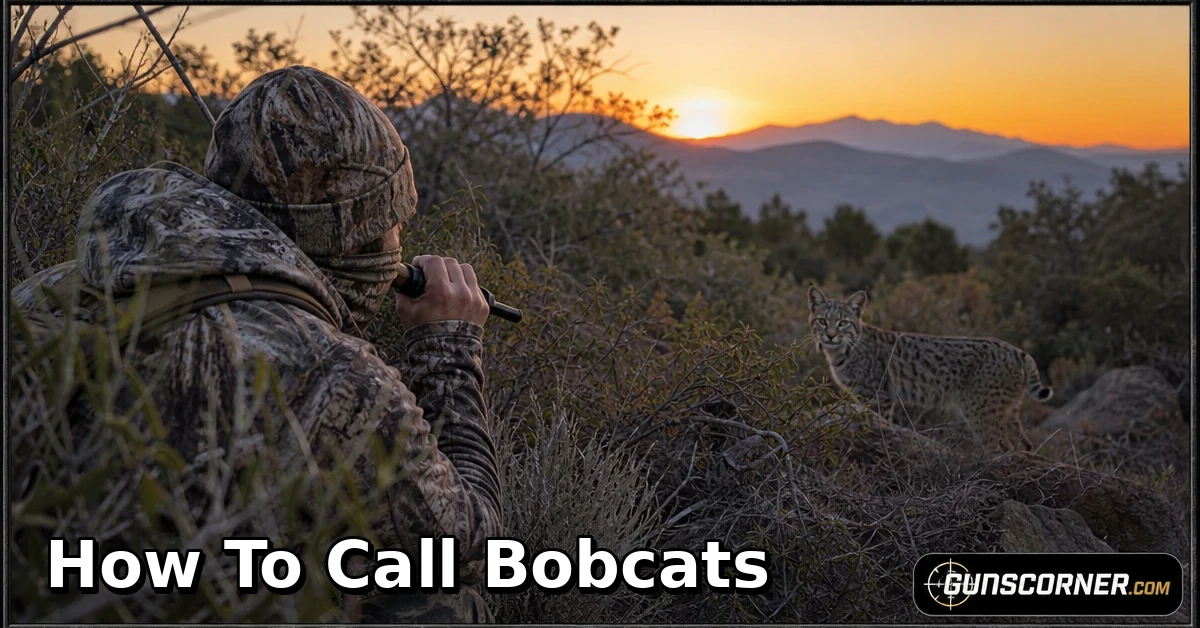

Learning how to call bobcats requires patience, careful scouting, realistic expectations, and strict attention to local hunting laws. Bobcats are secretive predators that may respond slowly, approach silently, or remain hidden while watching the caller. This guide explains how to choose legal areas, select calls, set up safely, manage wind and movement, recognize bobcat behavior, and make ethical decisions in the field.
To learn how to call bobcats, first confirm your local license, season, weapon, land-access, and harvest-reporting rules. Scout areas with suitable cover, prey, tracks, and travel routes, then place a distress or prey sound where it can be heard while keeping your position concealed and downwind. Call steadily but patiently, move as little as possible, and be prepared for a slow, cautious approach. Only take a legal, clearly identified, safe, and ethical shot within your practiced ability.
Important Legal and Safety Notice Before You Hunt

Bobcat regulations vary widely by country, state, province, county, season, land type, and hunting method. Before hunting, consult your official wildlife agency for current requirements. Verify the following:
- Hunting license, permits, and any required bobcat tag
- Open season dates, legal hunting hours, and bag limits
- Approved firearms, bows, ammunition, and calling methods
- Harvest reporting, tagging, pelt, and transport requirements
- Public-land boundaries or written private-land permission
- Rules on electronic calls, bait, lights, vehicles, and night hunting
- Required blaze orange or other visibility clothing
- Firearm or bow safety, safe backstops, and target identification
Complete a hunter education course if required or if you are new to hunting. Never shoot toward roads, buildings, livestock, people, vehicles, trails, or unclear movement. Follow manufacturer instructions for all firearms, bows, and electronic callers.
Understanding Bobcat Behavior and Habitat

Bobcats are adaptable, solitary predators that often use thick cover, rocky terrain, brushy edges, wooded corridors, ravines, and areas containing rabbits, rodents, birds, or other suitable prey. Their territories can be large, so a productive-looking location may still require repeated visits and careful timing.
Bobcats often rely on concealment. Unlike some predators, they may approach slowly and quietly rather than rushing directly toward a sound. A hunter may see only a face, ear, tail, or brief movement before the animal disappears into cover.
Signs Worth Learning
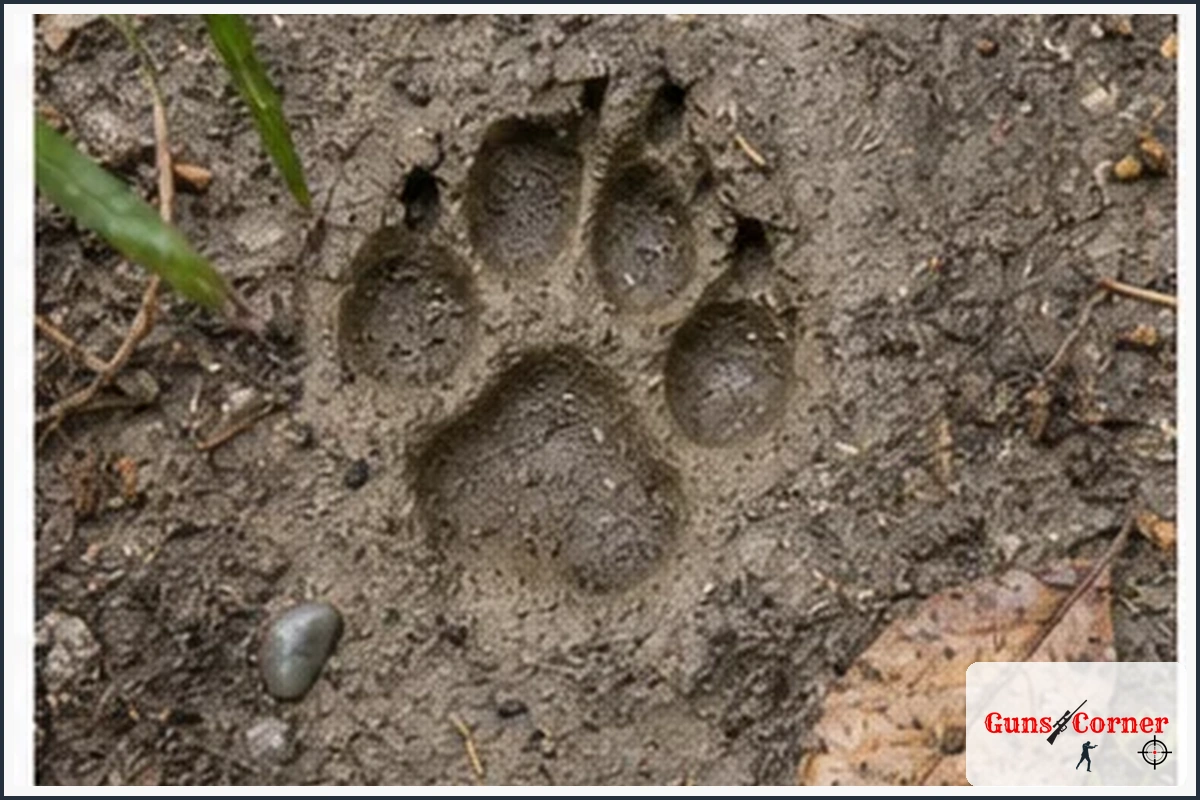
- Tracks in mud, dust, sand, or soft soil
- Game trails connecting cover, water, and feeding areas
- Rabbit, rodent, or bird activity
- Dense brush, rock piles, fallen timber, and brushy field edges
- Travel corridors along creek bottoms, ridges, and openings
- Fresh disturbance near likely prey habitat
Use tracks and repeated sign together rather than relying on one observation. Trail cameras may help where legal, but always follow privacy, access, and wildlife regulations.
What You Need Before Calling Bobcats
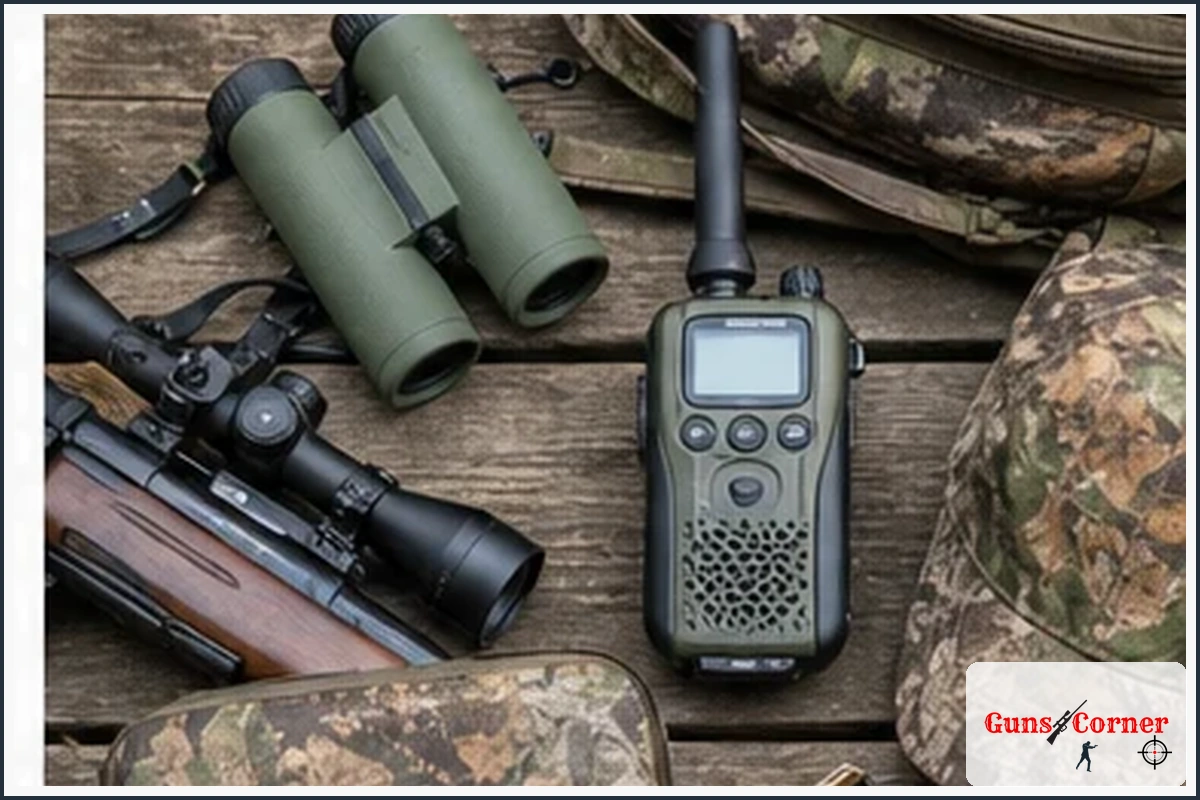
- Current license, tag, and knowledge of applicable regulations
- Legal firearm or bow suited to your local rules and ability
- Reliable handheld or electronic caller, if permitted
- Optional mouth call for quiet, close-range sound control
- Camouflage or muted clothing appropriate for the terrain
- Required hunter-orange or visibility clothing
- Binoculars for careful observation
- Map, compass, GPS, or navigation app
- Water, snacks, first-aid kit, and emergency communication
- Seat, shooting rest, or other stable support
- Gloves and field supplies for responsible game handling
Expensive equipment is not a substitute for scouting, concealment, safe shooting, and patience. Practice with your firearm or bow before the season and know your personal effective range.
How to Call Bobcats Step by Step
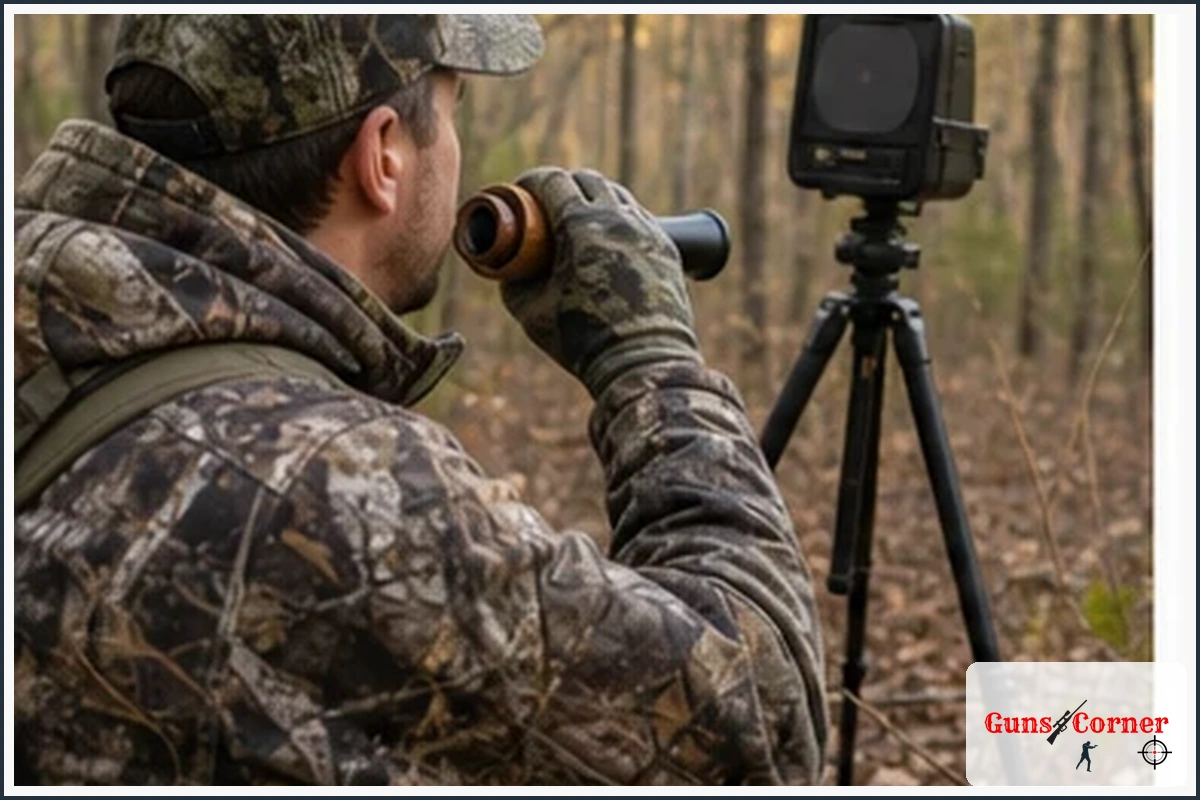
Step 1: Check the Regulations First
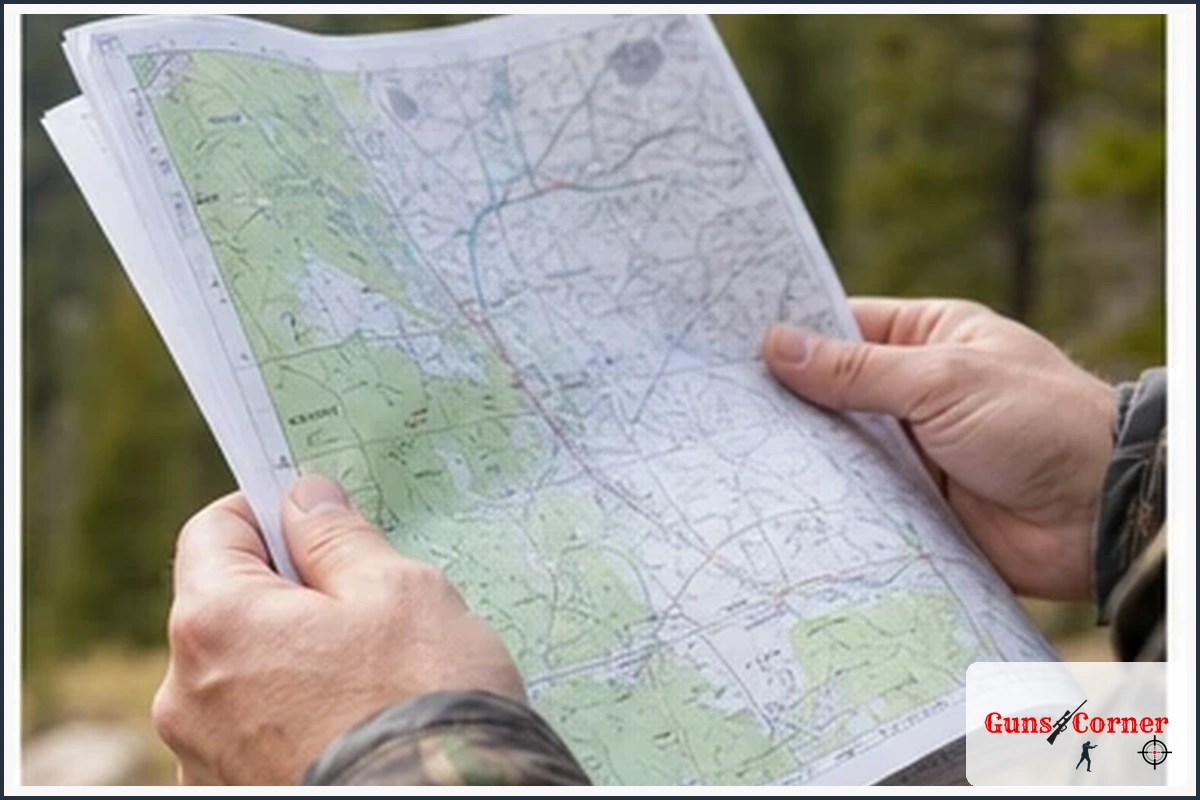
Confirm that bobcat hunting and calling are legal in your area. Check whether electronic callers, night hunting, bait, thermal optics, specific ammunition, or particular weapons are restricted. Also verify whether a harvested bobcat must be tagged, sealed, reported, or presented for inspection.
Step 2: Find Legal and Productive Habitat
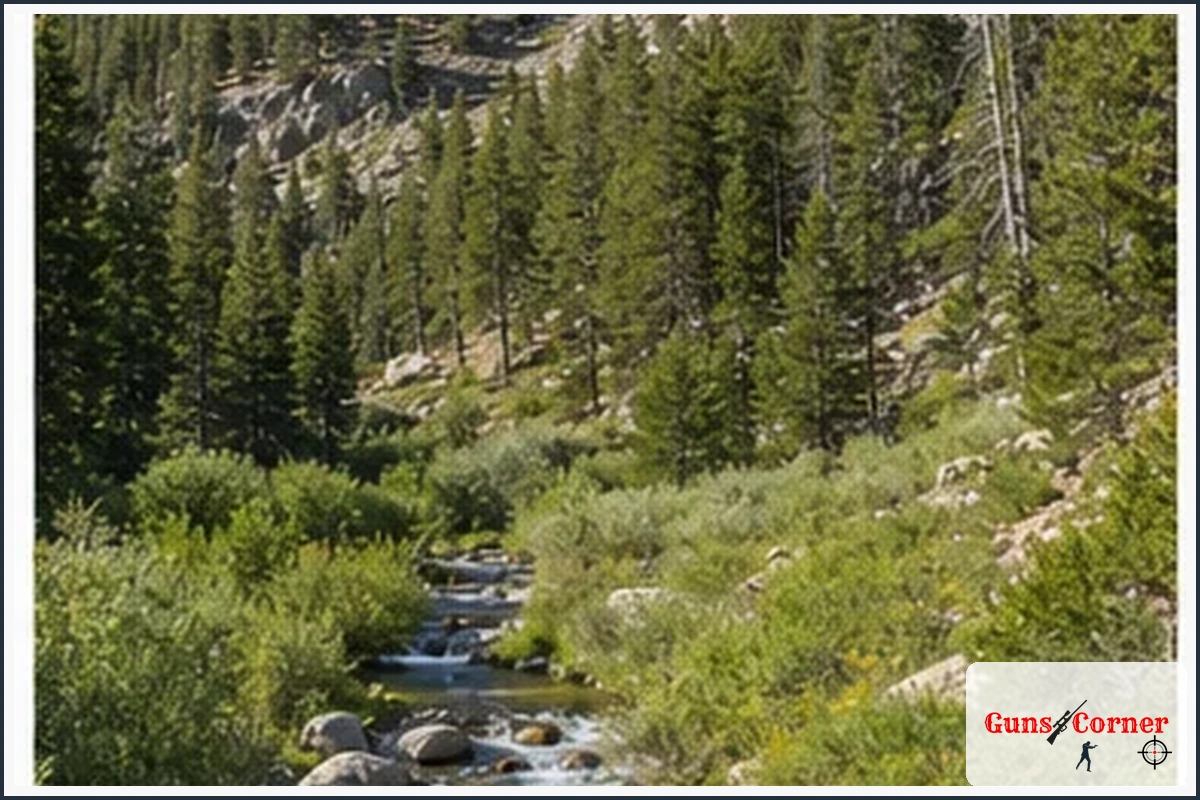
Look for areas with thick security cover near food, water, and travel corridors. Focus on legal public land or private property where you have clear permission. Study maps before entering and mark roads, homes, livestock areas, cliffs, waterways, and property boundaries.
Step 3: Scout for Recent Sign
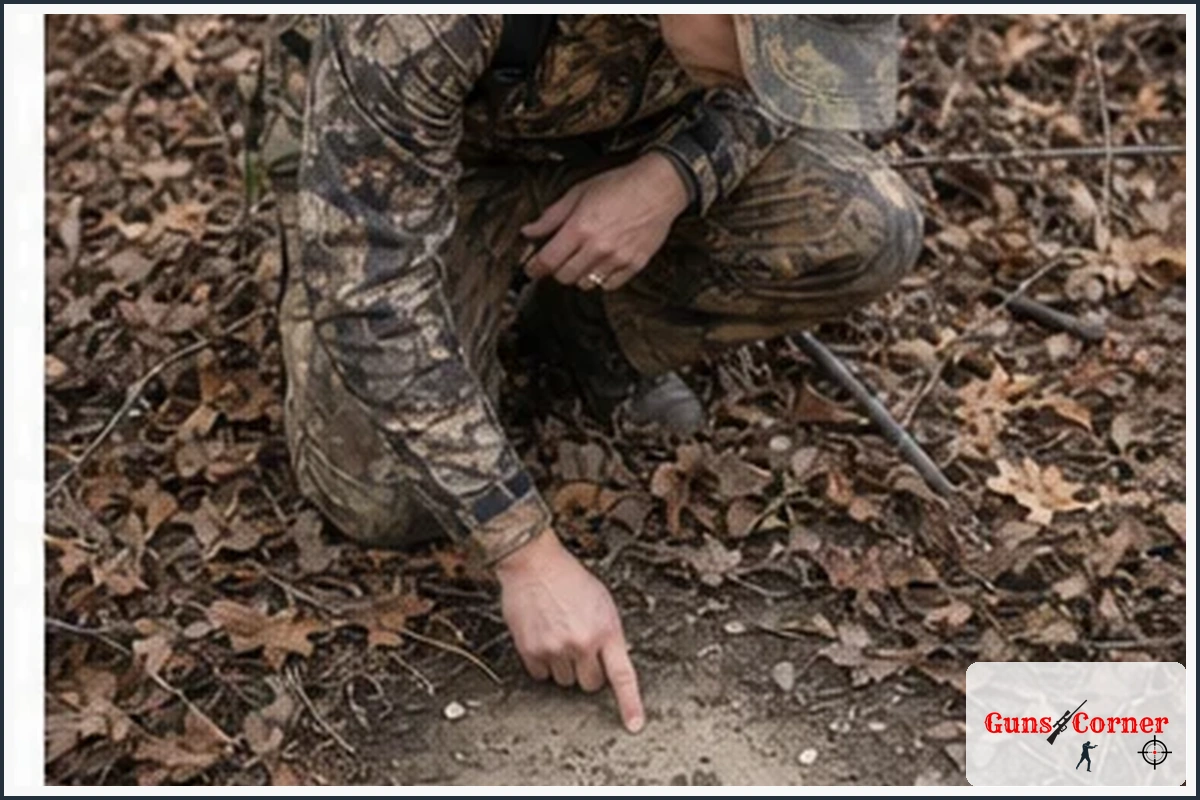
Walk carefully or glass from a distance to locate tracks, game trails, prey activity, and likely cover. Avoid disturbing the area unnecessarily. A bobcat may not be visible, but multiple forms of fresh sign can show that the habitat is worth calling.
Step 4: Choose a Safe Calling Position
Choose a location with a clear view of likely approach routes and a safe shooting background. Sit against a tree, rock, or other natural cover to break up your outline. Avoid skylining yourself on ridges and avoid positions where an animal could approach from an unsafe direction.
Step 5: Plan the Wind and Entry Route
Bobcats may not have the same reputation for scent sensitivity as some predators, but wind still matters. Set up so your scent is less likely to drift into the most likely approach route. Enter quietly, use cover, and avoid crossing open areas when possible.
Step 6: Select a Suitable Call
Prey-distress sounds are a practical starting point because they imitate vulnerable food. Rabbit, rodent, bird, or similar sounds may be useful where legal and appropriate. Some hunters also use soft bobcat vocalizations during periods when territorial or breeding behavior is relevant, but local timing and animal behavior vary.
Use a sound you can operate confidently. A simple, consistent call is usually better for a beginner than constantly changing sounds without a clear reason.
Step 7: Place the Caller Carefully
If electronic callers are legal, placing the unit away from your body can help draw attention away from your exact position. Keep it within a location you can monitor safely and legally. Do not place equipment where it creates a hazard for other hunters, wildlife, vehicles, or land users.
Step 8: Begin Calling Conservatively
Start with a moderate volume suited to the terrain. Excessive volume can sound unnatural and may alert nearby animals. Use a steady sequence, then allow long pauses so you can listen and glass carefully.
Some bobcats respond quickly, while others may take considerable time. Calling continuously or in repeated sets can keep a distant animal interested, but the best schedule depends on terrain, weather, sound quality, and local experience.
Step 9: Stay Completely Alert
Keep your movement slow and deliberate. Scan edges, shadows, brush openings, rocks, and fallen timber. A bobcat may watch for several minutes before moving, and it may approach from an unexpected angle.
Keep binoculars and your weapon positioned so you can observe without making sudden movements. Avoid checking your phone, shifting repeatedly, or turning your head quickly.
Step 10: Confirm the Animal Before Acting
Identify the animal beyond doubt before considering a shot. Make sure the bobcat is legal to harvest, the background is safe, and no people, pets, livestock, roads, or buildings are behind it. If you cannot make a safe and ethical decision, do not shoot.
Step 11: Take Only a Practiced, Ethical Shot
The shot must be within your practiced range and appropriate for your legal weapon. Do not take a rushed, obstructed, extreme-angle, or uncertain shot simply because the opportunity may disappear. Ethical hunting includes passing when conditions are unsafe or your confidence is inadequate.
Step 12: Follow Recovery, Tagging, and Reporting Rules
After a shot, follow your local regulations and conduct a careful, lawful recovery. Mark your position, inspect the area responsibly, and follow all tagging, sealing, reporting, transport, and possession requirements. If you are uncertain about the outcome, seek guidance from an experienced mentor or official wildlife authority rather than making assumptions.
Choosing the Best Calling Sounds
There is no universal sound that guarantees a response. Start with prey sounds that fit the habitat and season, then adjust based on what you learn from scouting.
| Call Type | When It May Help | Beginner Guidance |
|---|---|---|
| Rabbit or similar distress | Areas with abundant small-game habitat | Use moderate volume and allow long pauses. |
| Rodent or bird sounds | Brush, fields, creek bottoms, and woodland edges | Choose a sound that matches the surrounding habitat. |
| Soft bobcat vocalizations | Situations involving territorial or breeding behavior | Use sparingly and confirm that the method is legal locally. |
| Electronic caller sounds | When permitted by local regulations | Place the caller safely away from your position and monitor it. |
Best Time, Place, and Conditions for Calling Bobcats
Bobcat activity can change with season, weather, prey availability, hunting pressure, and local habitat. Early and late light may offer useful visibility and animal movement, but legal hunting hours always control when you may hunt.
Cold, stable weather may improve movement in some areas, while strong wind, heavy rain, or poor visibility can make calling and observation more difficult. Avoid conditions that create unsafe firearm handling, navigation, or recovery problems.
Look for places where cover meets openings, food sources, water, or travel corridors. Public land may receive more pressure, so access points, low-traffic areas, and careful scouting can matter. On private land, obtain clear permission before entering and respect gates, livestock, crops, and property boundaries.
Helpful Tips for Better Results
- Scout before calling instead of choosing a location at random.
- Use the wind to reduce the chance of detection and protect your observation area.
- Keep your setup concealed and avoid skylining yourself.
- Use binoculars to inspect shadows and cover before moving.
- Call consistently, but allow enough silence to hear and see a cautious animal.
- Keep your firearm or bow pointed in a safe direction at all times.
- Practice operating your caller without sudden movement.
- Carry a map and mark your route, vehicle, and property boundaries.
- Hunt with an experienced mentor when possible.
- Leave a location if another hunter is already using it or if safety becomes uncertain.
Common Mistakes to Avoid
- Calling without checking current bobcat regulations
- Hunting private land without clear permission
- Ignoring property boundaries or legal access routes
- Moving too much after starting the call
- Using excessive volume in close terrain
- Failing to check the background before aiming
- Taking a shot through thick brush or at an uncertain target
- Leaving a caller where another hunter could mistake it for an animal
- Ignoring wind, weather, and visibility
- Not planning tagging, reporting, transport, or responsible use
- Assuming a quiet stand means no bobcat is present
Troubleshooting Common Problems
| Problem | Possible Cause | What to Do |
|---|---|---|
| No bobcats appear | Low local density, poor habitat, wrong timing, or insufficient scouting | Review sign, relocate legally, and gather more information before changing calls repeatedly. |
| An animal appears but will not approach | It detected movement, scent, or an unnatural setup | Stay still, wait longer, and improve concealment and wind planning on future stands. |
| Other predators respond first | The sound attracts multiple species | Identify every animal carefully and follow the regulations for each species. |
| The caller stops working | Weak batteries, poor remote connection, or cold weather | Check equipment before leaving home and carry legal backup options if appropriate. |
| Visibility becomes unsafe | Fog, darkness, rain, or changing weather | Stop hunting when identification, navigation, or firearm safety is compromised. |
| You are unsure whether the animal is legal to harvest | Unclear season, tag, sex, or identification requirement | Do not shoot; verify the rule with the official wildlife agency first. |
Ethical Hunting and Conservation
Responsible bobcat hunting begins with respect for wildlife, habitat, landowners, and other outdoor users. Follow seasons and limits, avoid waste, and use only legal equipment and methods. Passing on an unsafe or uncertain shot is a mark of good judgment, not failure.
Licenses and lawful participation often support wildlife management and conservation programs. Help protect bobcat habitat by avoiding unnecessary disturbance, removing trash, respecting seasonal closures, and leaving the land cleaner than you found it.
When to Get More Training or Professional Guidance
Seek additional instruction if you have never handled a firearm or bow, have not completed hunter education, are unsure of local regulations, or lack confidence in safe shooting. An ethical mentor can also help with scouting, calling technique, navigation, recovery, tagging, and meat or pelt handling.
Useful sources of instruction include official hunter education courses, wildlife agencies, certified shooting instructors, reputable conservation organizations, and experienced local hunters who follow the law.
After the Hunt: Follow-Up, Gear Care, and Learning
- Unload and secure firearms or safely stow bows according to manufacturer guidance.
- Clean, dry, and inspect calls, optics, clothing, and navigation equipment.
- Complete required tagging and harvest reporting promptly.
- Handle any harvested game according to local transport and possession rules.
- Record weather, wind, sign, location, call type, and animal behavior.
- Review what worked and what needs improvement before your next hunt.
Recommended Hunting Gear and Tools to Consider
You do not need expensive gear to call bobcats responsibly. Choose equipment based on local laws, terrain, weather, hunting method, safety needs, skill level, and budget.
- Legal firearm or bow and appropriate practice ammunition or arrows
- Handheld or electronic caller, where legal
- Binoculars and a stable shooting rest
- Quiet, weather-appropriate clothing and boots
- Required visibility clothing
- Map, compass, GPS, or hunting app
- First-aid kit, water, snacks, and emergency communication
- Gloves and lawful game-handling supplies
Final Thoughts
Learning how to call bobcats is mainly a lesson in preparation and patience. Confirm the rules, scout legal habitat, manage wind and movement, use appropriate sounds, and remain alert for a slow, cautious approach. Hunt only when the target, background, weapon, and legal conditions are fully clear. With practice, careful observation, and respect for wildlife and conservation, you can become a safer and more responsible bobcat hunter.
Frequently Asked Questions
What is the best sound for calling bobcats?
Prey-distress sounds are a practical starting point, especially in habitat with rabbits, rodents, or birds. The best choice depends on local prey, season, terrain, and regulations.
Do bobcats respond quickly to calls?
Some may appear quickly, but many approach slowly or remain hidden while observing. Patience and limited movement are important.
Can I use an electronic caller for bobcats?
Only if electronic callers are legal for bobcat hunting in your area. Confirm the rule with your official wildlife agency before using one.
Should the caller be placed away from me?
Where legal, placing an electronic caller away from your position may draw attention away from your body. It must remain safely positioned and visible or recoverable according to local conditions.
How long should I call for bobcats?
There is no universal timing schedule. Call steadily, include pauses, and remain on stand long enough to account for a cautious animal and the terrain.
Are bobcats difficult to hunt?
They can be challenging because they are secretive, widely dispersed, and often slow to approach. Scouting and patience usually matter more than calling loudly.
Where should I look for bobcats?
Focus on legal areas with dense cover, prey habitat, water, brushy edges, rocky terrain, ravines, and travel corridors.
What bobcat sign should beginners learn?
Begin with tracks, game trails, prey activity, and repeated movement through cover. Use several clues together rather than relying on one track.
Do bobcats prefer thick cover?
They commonly use cover for concealment and travel, but the exact habitat varies by region. Look for cover close to food, water, and open observation areas.
Is wind direction important when calling bobcats?
Yes. Wind can carry your scent and influence how an animal approaches. Plan your setup so likely approach routes are not unnecessarily exposed to your scent.
What time of day is best for bobcat calling?
Activity can vary by location and season. Hunt only during legal hours and choose times that provide safe visibility and manageable weather.
Does weather affect bobcat calling?
Weather can influence movement, sound travel, visibility, and safety. Avoid conditions that make target identification, navigation, or recovery unsafe.
Can I call bobcats on public land?
Yes, where legal and where the land is open to the method. Verify boundaries, access, regulations, parking rules, and possible conflicts with other users.
Can I call bobcats on private land?
Only with the landowner’s permission. Respect gates, livestock, crops, buildings, property lines, and any written access conditions.
Do I need a hunting license to call bobcats?
Calling and hunting requirements vary by jurisdiction. Check your official wildlife agency for licenses, tags, permits, and reporting obligations.
Are bobcat seasons the same everywhere?
No. Seasons, methods, bag limits, tags, legal hours, and reporting requirements vary widely by location.
Can I hunt bobcats at night?
Night hunting rules differ significantly. Never assume it is legal, and verify regulations for lights, thermal devices, firearms, and electronic calls.
Should I use a blind?
A blind can help conceal movement if it is legal, safely placed, and positioned with a clear background and view of likely approach routes.
Is a tree stand suitable for bobcat calling?
It may be useful in some terrain, but follow all tree-stand safety practices, including a full-body harness, careful climbing, and secure equipment.
How still do I need to remain?
Remain as still as practical, especially when scanning close cover. Move slowly and only when necessary to maintain a safe observation or shooting position.
Should I use camouflage?
Camouflage or muted clothing can help break up your outline, but concealment, movement control, and a good setup are more important than expensive clothing.
Can I use a mouth call?
You may be able to use one where legal. Mouth calls offer sound control but require practice, and operating them should never interfere with safe weapon handling.
What should I do if a bobcat approaches from an unsafe direction?
Do not twist, rush, or force a shot. Wait for a safe opportunity or allow the animal to leave.
What if I cannot identify the animal clearly?
Do not shoot. Positive identification is required before any legal or ethical shot.
How far should I shoot?
Only shoot within the distance at which you have practiced enough to place an ethical shot under realistic field conditions.
Should I call continuously?
Continuous calling may work in some situations, but pauses allow you to listen and observe. Use a consistent sequence suited to the terrain.
Why do bobcats sometimes watch without approaching?
They may be cautious, have detected movement, or feel secure in cover. Remaining still and improving future concealment can help.
Why am I seeing no bobcats?
The area may have low bobcat use, heavy pressure, poor prey habitat, unsuitable weather, or insufficient scouting. Reassess sign and location before changing calls repeatedly.
Can calling attract other predators?
Yes. Always identify every animal carefully and follow the laws for any species that responds.
Is bait legal for bobcat hunting?
Bait laws vary by location and method. Verify the current rule before placing or using any attractant.
Can I use a spotlight or vehicle?
Road hunting, shooting from vehicles, spotlighting, and related methods may be illegal or unsafe. Follow your local regulations and never shoot from a vehicle unless explicitly lawful and safe under local rules.
What safety equipment should I carry?
Carry navigation tools, water, first aid, communication, weather-appropriate clothing, and any required visibility gear.
Should I hunt bobcats alone?
Beginners should consider hunting with an experienced mentor. If hunting alone, share your route and return time and carry reliable communication.
What should I do after harvesting a bobcat?
Follow local tagging, sealing, reporting, transport, possession, and pelt-handling rules. Handle the harvest respectfully and responsibly.
Do bobcats require harvest reporting?
Some jurisdictions require reporting or inspection. Confirm the current requirements before hunting.
How should I transport a harvested bobcat?
Follow local transport and possession rules, including any tagging, sealing, documentation, or inspection requirements.
What is the most common beginner mistake?
Many beginners focus on the sound and overlook scouting, concealment, wind, safe backgrounds, and patience.
Can a beginner learn to call bobcats without a mentor?
Basic calling can be learned independently, but hunter education and an experienced mentor can greatly improve safety, legal understanding, and field judgment.
How can I improve after a failed hunt?
Record weather, wind, sign, call sequence, setup, and animal activity. Use those notes to improve scouting and positioning rather than assuming a louder call will solve the problem.
Why is conservation important when hunting bobcats?
Responsible regulations, lawful participation, habitat protection, and ethical harvest decisions help support sustainable wildlife management and respect the species.