
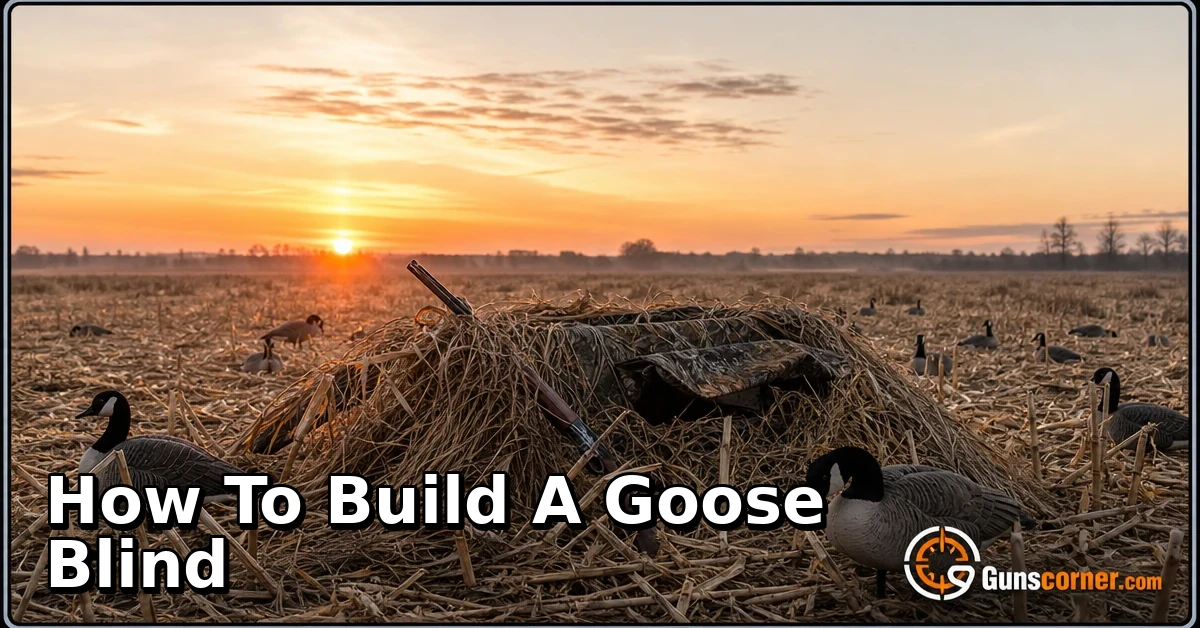

Important Legal and Safety Notice Before You Hunt
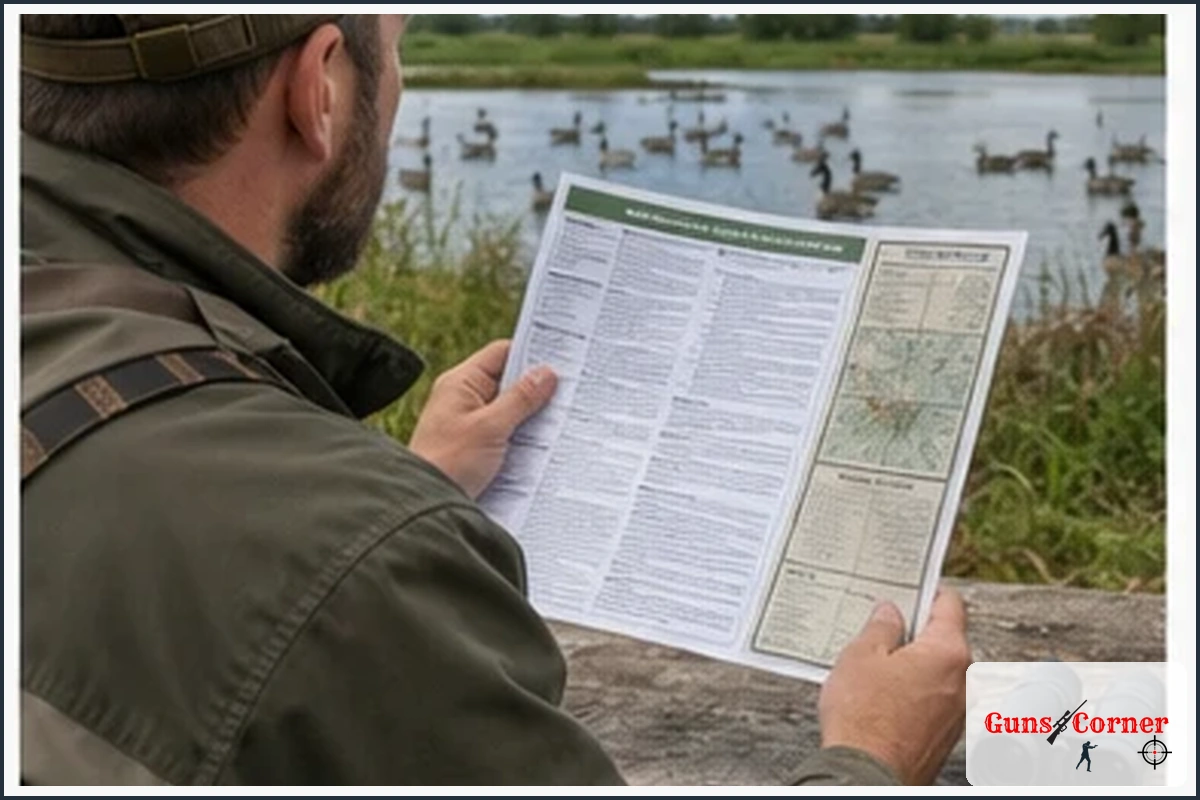
Waterfowl regulations can change by country, state, province, zone, season, and hunting area. Before building or using a goose blind, check your official wildlife agency for current requirements.
- Hunting license, waterfowl validation, and required permits
- Season dates, daily limits, possession limits, and legal shooting hours
- Approved shot types, firearm restrictions, and magazine capacity rules
- Public land regulations, blind registration, placement, or removal rules
- Written permission and construction approval on private land
- Required hunter orange or other visibility clothing when applicable
- Safe firearm handling and clear identification of geese before shooting
- Weather, ice, flooding, navigation, and emergency communication plans
Complete a hunter education course if required or if you are new to waterfowl hunting. Whenever possible, build and hunt with an experienced mentor.
What Makes a Good Goose Blind?
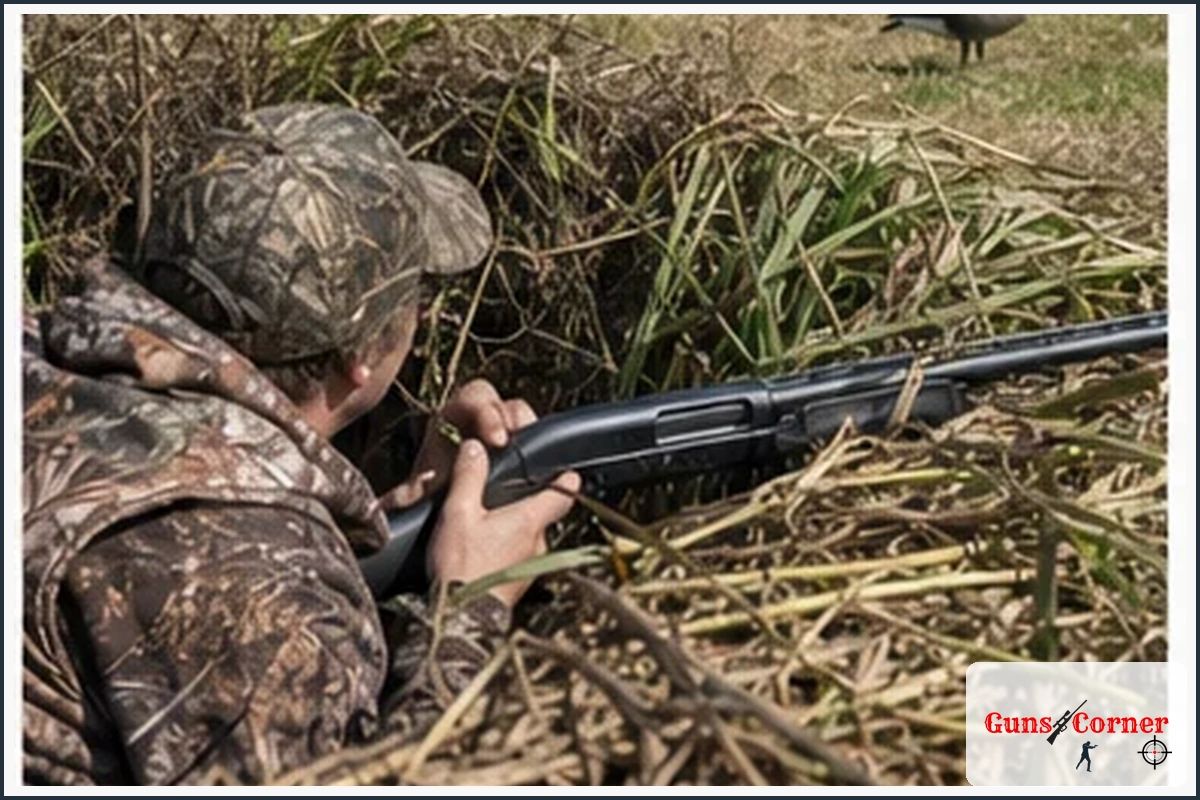
An effective blind balances concealment, comfort, visibility, and safety. Geese can detect unnatural shapes, exposed faces, sudden movement, and shiny equipment. A blind does not need to be elaborate, but it should blend into the field and let hunters sit or rise without becoming silhouetted.
- Low profile: Keep the top edge close to the surrounding vegetation.
- Natural appearance: Use local stubble, grass, cattails, or crop residue where lawful.
- Stable construction: The frame must withstand wind, rain, snow, and repeated use.
- Safe shooting lanes: Keep muzzle directions controlled and identify what lies beyond the birds.
- Good visibility: Hunters need to see the sky, decoys, partners, and approaching birds.
- Practical access: The route into the blind should minimize noise and disturbance.
- Weather protection: Dry seating and a windbreak can make long hunts safer and more comfortable.
Choose the Right Type of Goose Blind
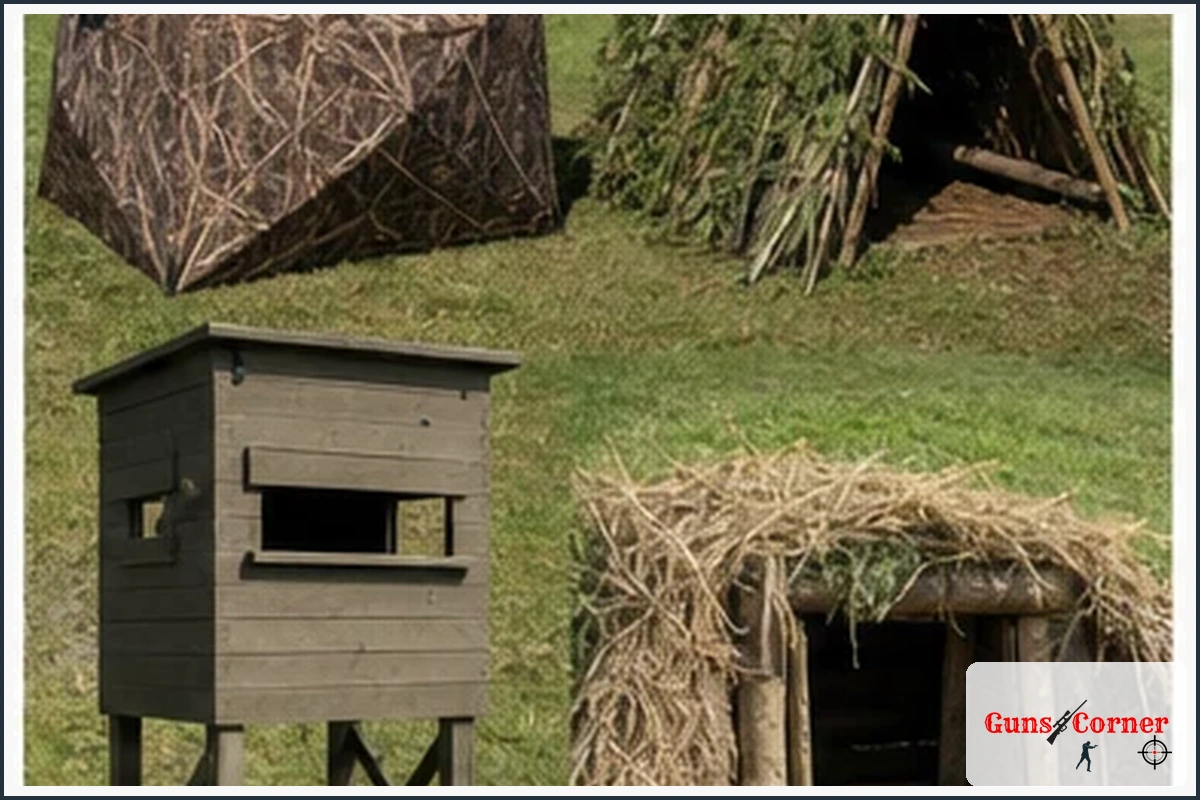
Portable Layout Blind
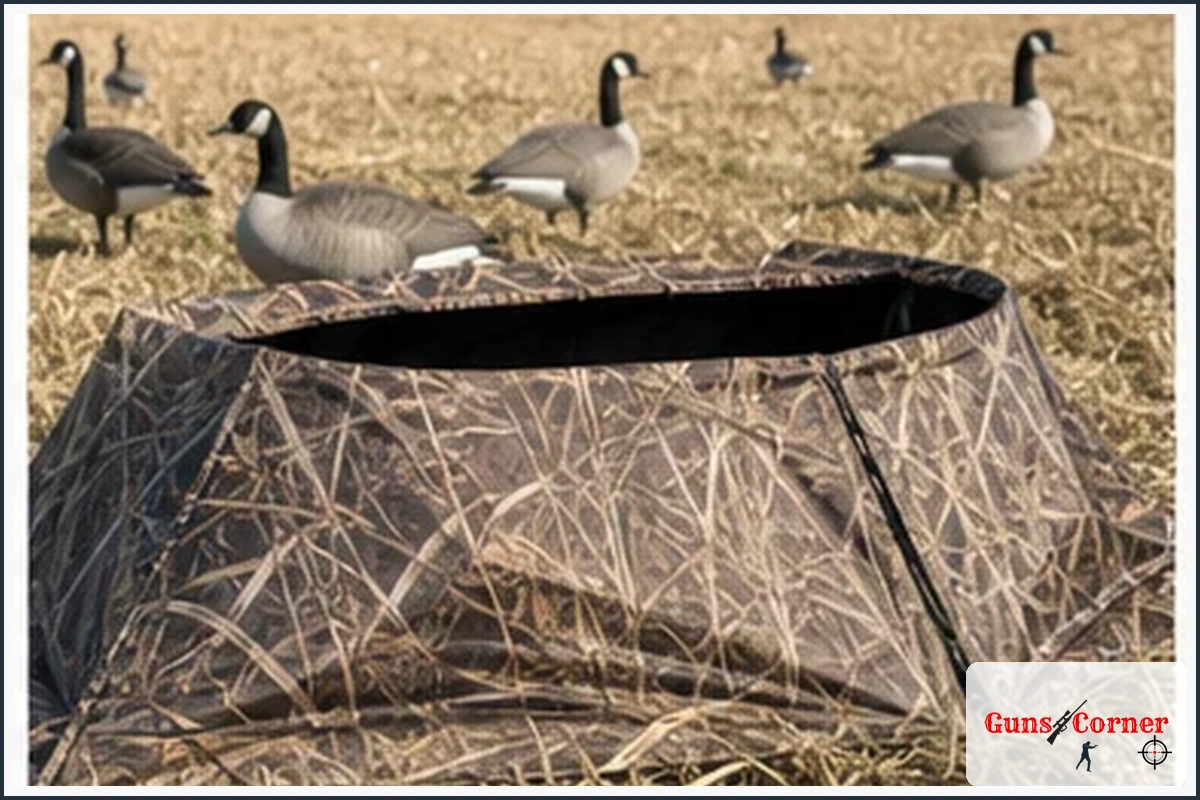
A commercial layout blind is quick to deploy and easy to remove. It works well in short stubble, harvested fields, and other areas with low cover. Add local vegetation to the straps and stubble loops, but do not block hinges, doors, or safe firearm handling.
Temporary Field Blind
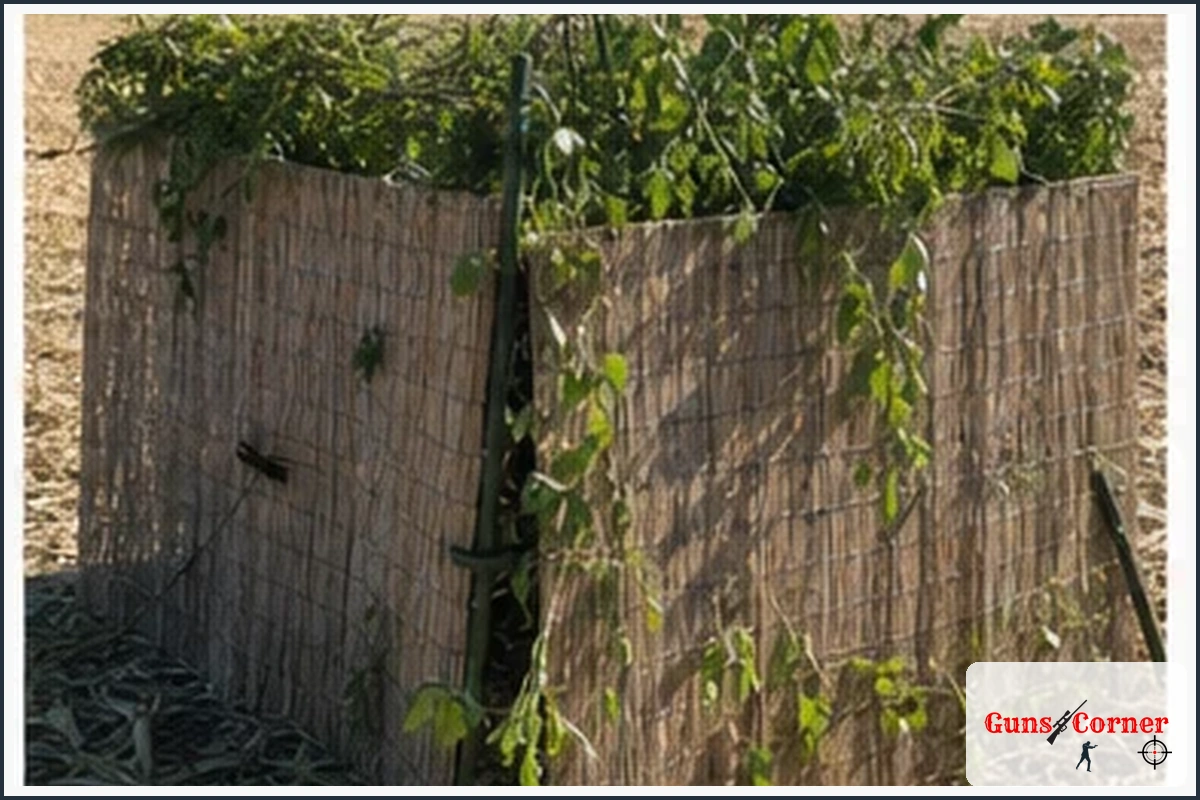
A temporary blind can be made with lightweight panels, poles, fencing material, or a simple framework covered with natural vegetation. This option offers more room than a layout blind while remaining removable and adaptable.
Above-Ground Box Blind
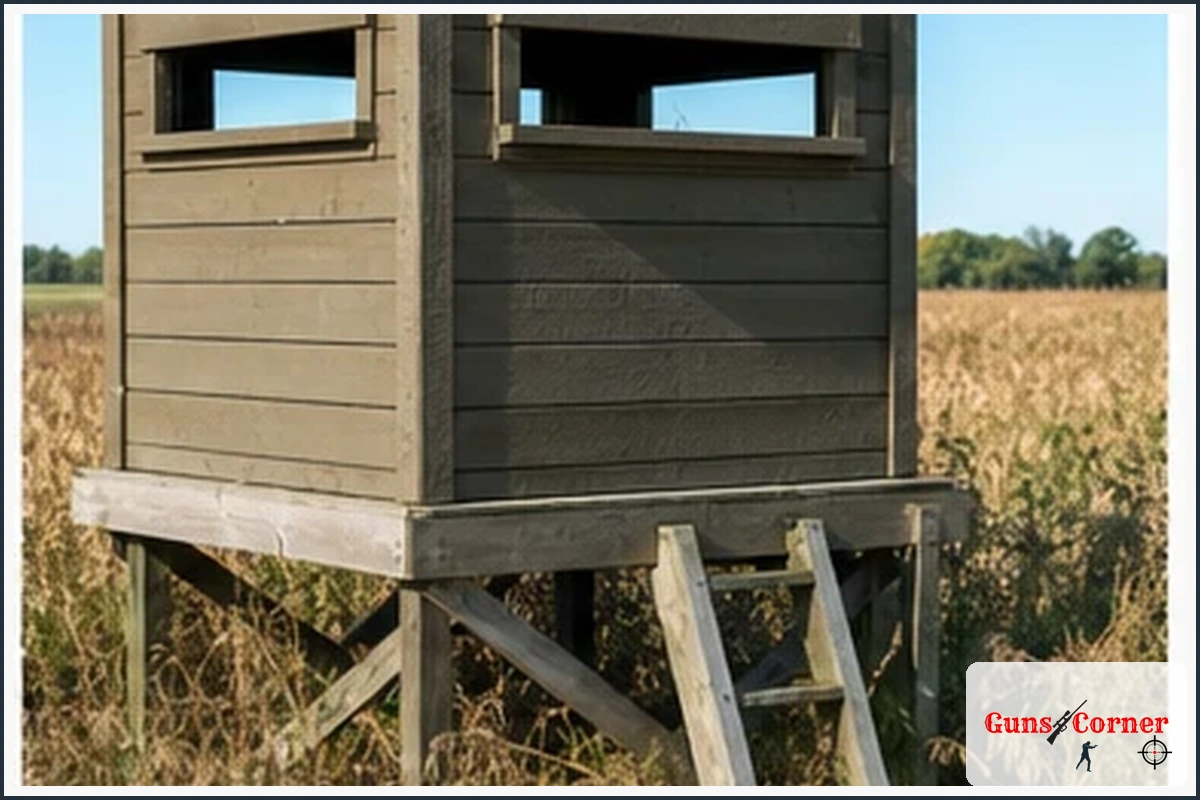
An elevated or box-style blind can provide seating and weather protection, but it requires careful construction. Check local rules before building, and ensure the structure is stable, accessible, and positioned so shooting angles remain safe.
Permanent Pit Blind
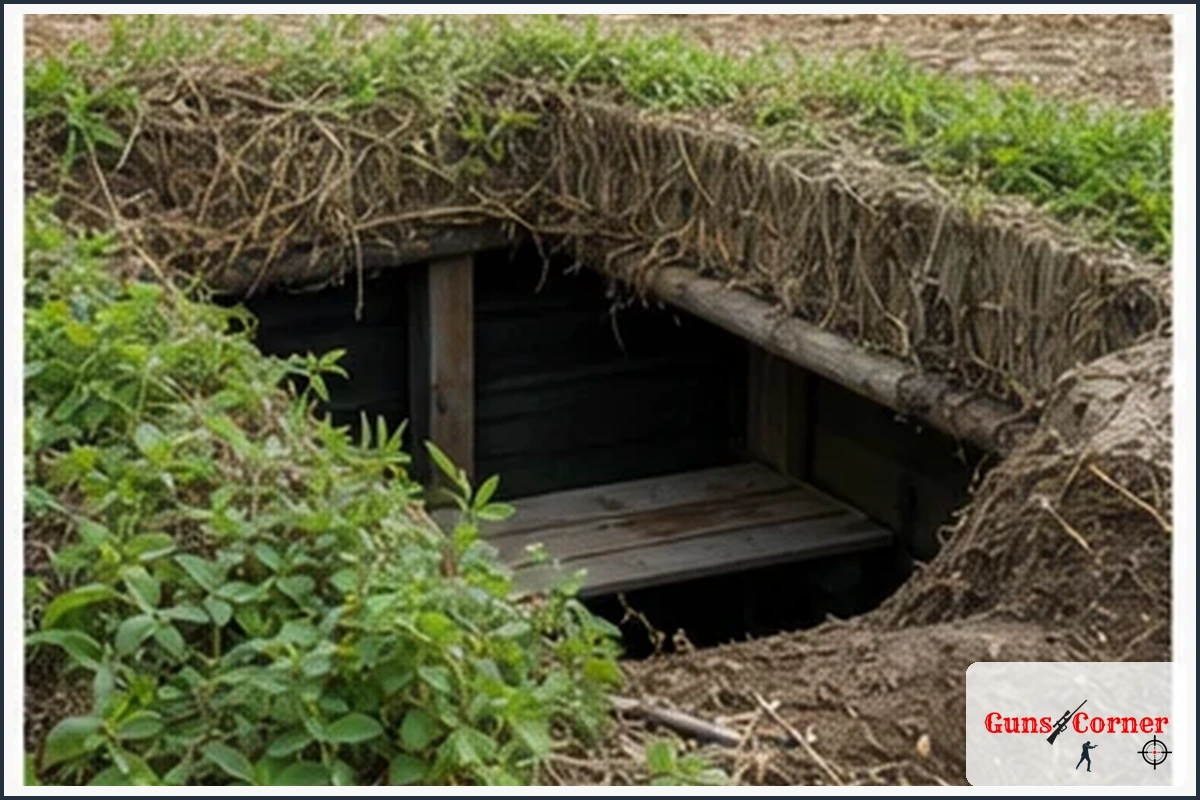
A pit blind may offer excellent concealment in agricultural fields, but excavation introduces serious hazards. Water intrusion, collapsing sides, flooding, hidden utilities, machinery, livestock, and changing property rules must be considered. Permanent construction should be planned with the landowner and qualified professionals.
How to Build a Goose Blind Step by Step
Step 1: Check Regulations and Get Permission
Before carrying tools into the field, confirm that blinds are allowed in the hunting area. Some public lands regulate blind construction, materials, placement, occupancy, removal, or registration. On private land, obtain clear permission from the landowner and discuss digging, vehicle access, crop damage, livestock, gates, and cleanup.
Do not assume that a blind may remain overnight. Verify whether temporary structures must be removed daily or at the end of the season.
Step 2: Scout the Field and Goose Activity
Observe where geese feed, rest, enter the field, and leave. Look for droppings, feathers, tracks, grazed vegetation, flattened areas, and regular flight paths. Avoid placing a blind only because a location looks convenient; the best setup usually sits near a legal feeding or travel area while keeping the decoys visible from the expected approach.
Scout from a distance when possible. Repeatedly walking through a field can push birds away and disturb other hunters or land users.
Step 3: Study Wind, Sun, and Shooting Direction
Geese often prefer to land into the wind, so plan the decoy spread and blind around the expected landing direction. Avoid placing hunters where they must swing firearms toward roads, buildings, livestock, vehicles, trails, or other hunting parties.
Consider morning glare, shadows, drainage, standing water, and wind shifts. A blind that works at sunrise may become exposed when the sun rises or the wind changes.
Step 4: Select Safe, Stable Ground
Choose firm ground above expected water or snow levels. Avoid unstable banks, deep mud, thin ice, steep slopes, areas with hidden holes, and places that could flood. For a pit blind, locate utilities and drainage risks before excavation and use professional help when appropriate.
Keep the entry route short, quiet, and free of obstacles. Mark hazards discreetly for your hunting group without creating visible unnatural objects that alert birds.
Step 5: Gather Suitable Materials
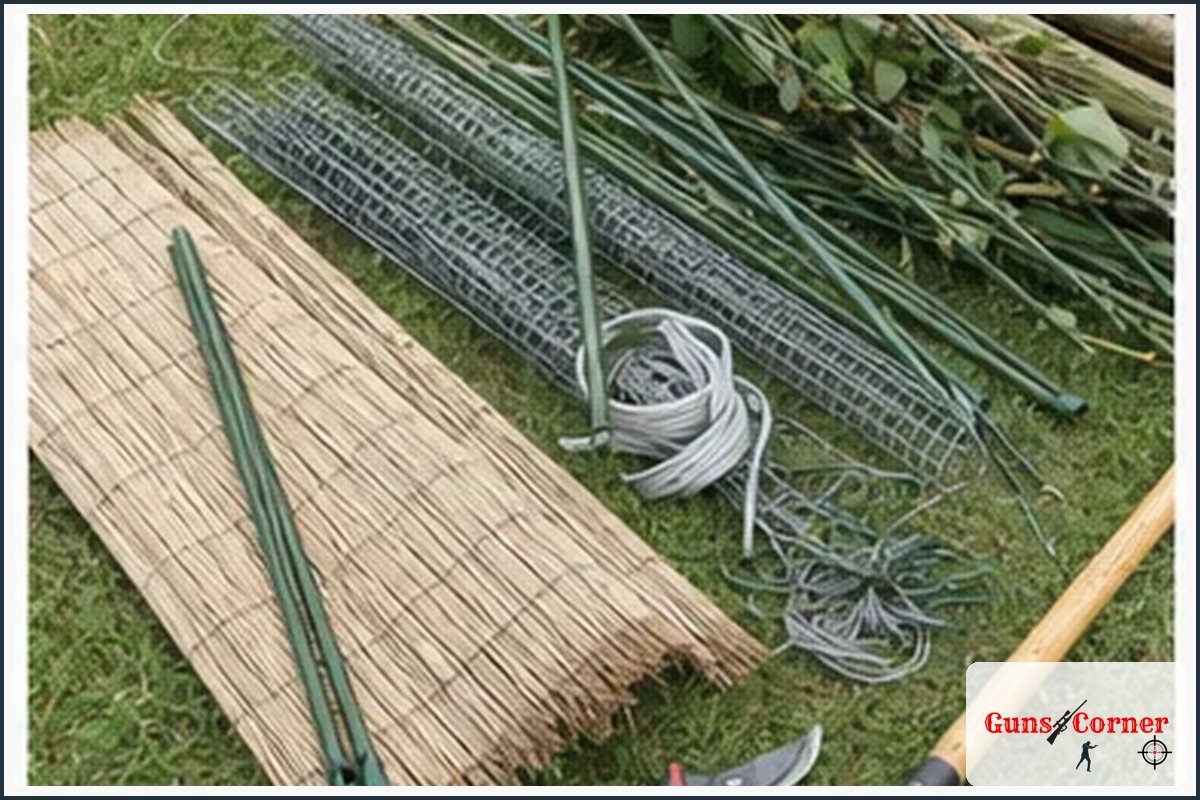
Materials depend on the blind type, local conditions, and whether the structure is temporary or permanent. Common options include:
- Commercial layout blind or weather-resistant seat
- Lightweight poles, stakes, or a sturdy frame
- Camouflage netting or natural-colored fabric
- Local stubble, grass, reeds, or crop residue collected lawfully
- Ground anchors, tie-downs, and weather-resistant fasteners
- Dry seating, waterproof storage, and a safe firearm rest if needed
- Hand tools, gloves, and eye protection during construction
Avoid materials that reflect sunlight, make excessive noise, shed debris, or create sharp hazards inside the blind.
Step 6: Build a Low, Stable Frame
Construct the frame so it will not move when hunters sit, shift, or retrieve equipment. Keep the front edge low enough to blend into the field but high enough to block the hunters’ bodies. Anchor the frame against wind without creating trip hazards.
Leave enough room for each hunter to sit comfortably, operate equipment safely, and identify birds. Crowding increases accidental contact and makes controlled shooting more difficult.
Step 7: Add Concealment from the Immediate Area
Cover the frame with vegetation that matches the field. Use the same type, color, and height of cover found around the blind. Break up straight lines and square corners, but do not create a large mound that looks different from the surrounding ground.
Keep vegetation from blocking firearm actions, shooting ports, blind doors, or the ability to see partners. Replace wilted or weather-damaged cover as needed.
Step 8: Create Controlled Shooting Lanes
Before setting decoys, sit in the blind and identify safe shooting zones. Each hunter should know which directions are allowed and which are off-limits. Establish spacing between hunters and agree on communication signals.
Never shoot at unidentified movement or low birds over the horizon. Identify the species, ensure it is legal to harvest, and confirm that the background is safe.
Step 9: Test the Blind Before Hunting
Have every hunter enter and exit the blind. Check for loose stakes, sharp edges, unstable seats, blocked vision, noisy materials, and water drainage. Practice shouldering an unloaded firearm while following all firearm safety rules.
Test the blind in wind if possible. A structure that feels secure in calm weather may shift or collapse during a storm.
Step 10: Arrange the Decoys Around the Blind
Place decoys so they create an open landing area within the hunters’ effective range while leaving safe shooting lanes. Avoid placing decoys so close to the blind that hunters must shoot at steep or awkward angles.
Use the wind and expected goose approach to determine the landing pocket. Keep your layout realistic but remember that concealment, safety, and legal shooting distance matter more than a complicated spread.
Step 11: Enter Quietly and Stay Concealed
Arrive early enough to set up without rushing. Keep voices low, close blind doors, cover exposed faces, and limit unnecessary movement. Store bright objects and phones where they cannot reflect light.
Do not sacrifice safety for concealment. Hunters must still communicate clearly, handle firearms responsibly, and remain aware of partners and other people nearby.
Step 12: Remove or Maintain the Blind Legally
At the end of the hunt, follow local rules for removal, storage, and disposal. Take out trash, spent shells, temporary markers, and damaged camouflage. Permanent blinds should be inspected regularly for water damage, rot, pests, and structural problems.
Best Locations and Conditions for a Goose Blind
The best location depends on current goose behavior rather than a fixed formula. Consider legal feeding fields, shallow water, pasture, harvested crops, resting areas, and flight corridors. Local scouting should determine whether geese are using the area during the season.
- Use wind direction to predict the landing approach.
- Place the blind where natural cover reduces its outline.
- Avoid skylining the blind on ridges or exposed banks.
- Keep the sun from shining directly on faces or equipment.
- Plan for mud, frost, flooding, snow, and changing water levels.
- Respect other hunters, nearby homes, roads, livestock, and public users.
Goose Blind Materials: What to Prioritize
| Need | Good Practice | What to Avoid |
|---|---|---|
| Frame | Use sturdy, weather-resistant supports anchored securely. | Loose poles, unstable panels, or materials that collapse under light pressure. |
| Camouflage | Match local crop residue, grass, or wetland vegetation. | Bright, shiny, artificial-looking, or mismatched cover. |
| Floor | Use firm, drained ground with safe footing. | Deep mud, standing water, thin ice, or hidden holes. |
| Seating | Choose quiet, stable seating that supports safe movement. | Unstable chairs or cramped layouts that interfere with firearms. |
| Anchoring | Secure the blind against expected wind and weather. | Exposed stakes, trip hazards, or weak tie-downs. |
Goose Hunting Gear Checklist
- Valid hunting license, waterfowl permits, and required stamps
- Legal shotgun, approved ammunition, and a secure case
- Non-toxic shot if required by local regulations
- Weather-appropriate clothing and waterproof boots
- Required visibility clothing when applicable
- Gloves, face covering, and eye protection
- Binoculars for identifying birds before they approach
- Map, GPS, compass, and charged communication device
- First aid kit, water, food, and emergency supplies
- Decoys, calls, stakes, and retrieval equipment
- Dry bags, game bags, cooler, and meat-care supplies
Firearm and Blind Safety
- Treat every firearm as loaded until you personally verify otherwise.
- Keep the muzzle pointed in a safe direction at all times.
- Keep fingers outside the trigger guard until ready to shoot.
- Identify the bird and what lies beyond it before firing.
- Never shoot toward roads, buildings, boats, livestock, people, or unclear movement.
- Unload firearms before climbing into or out of a blind, crossing obstacles, or moving locations.
- Keep firearms from contacting partners, blind frames, or hard surfaces.
- Use eye and hearing protection when appropriate.
- Follow manufacturer instructions and official hunter education guidance.
Helpful Tips for Better Results
- Build the blind several days before the hunt when practical so the area settles.
- Use natural materials from the same field instead of importing obvious vegetation.
- Keep the blind’s outline irregular and low.
- Cover faces and hands because exposed skin can stand out.
- Use binoculars to identify approaching birds before handling the firearm.
- Plan a quiet entry and exit route before daylight.
- Leave enough space for safe movement between hunters.
- Check the forecast for wind, rain, snow, lightning, and temperature changes.
- Keep a written record of wind direction, bird movement, and blind performance.
- Practice sitting, rising, and safely mounting an unloaded firearm before the season.
Common Mistakes to Avoid
- Building before checking public land or private property rules
- Making the blind too tall, bright, square, or exposed
- Ignoring wind direction and expected goose approach
- Leaving gaps that reveal faces, hands, or movement
- Using vegetation that does not match the immediate surroundings
- Creating shooting lanes that point toward unsafe backgrounds
- Placing the blind on unstable, flooded, or icy ground
- Failing to anchor the structure for wind
- Crowding too many hunters into a small blind
- Leaving trash, shells, or temporary structures behind
- Taking shots outside the hunter’s practiced ability
Troubleshooting Common Goose Blind Problems
| Problem | Possible Cause | What to Do |
|---|---|---|
| Geese flare before landing | Exposed movement, poor camouflage, unnatural outline, or bad wind alignment | Improve local vegetation, reduce movement, and review the blind’s position relative to the wind. |
| The blind shifts in the wind | Weak anchors or unstable ground | Re-anchor it securely or move to firmer ground before hunting. |
| The blind becomes wet | Poor drainage, low ground, leaks, or rising water | Improve drainage where lawful, add weather protection, or relocate to safer ground. |
| Hunters cannot see approaching birds | Blind walls are too high or vegetation blocks visibility | Lower or trim concealment without exposing hunters or compromising safety. |
| There is not enough room | Too many hunters or oversized gear | Reduce equipment, add a larger legal blind, or limit the number of hunters. |
| The field looks disturbed | Frequent access, bright materials, or excessive construction | Use quieter access, natural cover, and a simpler low-profile setup. |
| Property boundaries are unclear | Old maps, missing signs, or changing land ownership | Confirm ownership with current maps and obtain permission before entering or building. |
Ethical Hunting and Conservation
Ethical goose hunting means using legal equipment, respecting seasons and limits, and taking only responsible shot opportunities. If the bird is not clearly identified, the background is unsafe, or the shot is beyond your practiced ability, do not shoot.
Retrieve downed birds promptly and make every reasonable legal effort to recover them. Follow local reporting, transport, tagging, and possession requirements. Keep birds cool, handle them cleanly, and use the harvest responsibly.
Waterfowl hunting supports conservation through licenses, permits, habitat programs, and responsible participation. Respect landowners, other hunters, farmers, boaters, bird watchers, and the habitat itself. Remove all waste and leave the area cleaner than you found it.
When to Get More Training or Professional Guidance
Seek additional instruction if you have never handled a shotgun, are uncertain about waterfowl identification, do not understand local regulations, or are unfamiliar with the terrain.
Useful resources include official hunter education courses, wildlife agency publications, certified shooting instructors, experienced ethical mentors, conservation organizations, and reputable waterfowl clubs. Ask for help before constructing a pit blind or any structure involving excavation, electrical work, drainage, or permanent foundations.
After the Hunt: Gear Care and Learning
- Unload, clean, and store firearms according to the manufacturer’s instructions.
- Dry blind fabric, seats, clothing, and decoys before storage.
- Inspect frames, anchors, straps, and camouflage for damage.
- Record wind, weather, bird movement, and what worked.
- Complete required harvest reports or tagging procedures.
- Cool and transport harvested birds according to local requirements.
- Remove temporary materials and trash when required.
Recommended Goose Blind Tools to Consider
You do not need expensive equipment to build a responsible goose blind. Choose materials based on local regulations, terrain, weather, hunting method, durability, and budget.
- Sturdy stakes and weather-resistant tie-downs
- Quiet camouflage fabric or netting
- Local natural cover collected lawfully
- Waterproof seating or a commercial layout blind
- Hand tools, work gloves, and eye protection
- Map, compass, GPS, and charged communication device
- First aid kit and weather protection
- Dry bags, gloves, cooler, and game-care supplies
Final Thoughts
Knowing how to build a goose blind starts with legal access, careful scouting, safe shooting lanes, and concealment that matches the field. A simple, stable blind can work well when it is positioned according to wind, sunlight, goose behavior, and the surrounding cover.
Build responsibly, practice before the season, respect wildlife and other land users, and take only safe, legal, ethical opportunities. Success is never guaranteed, but careful preparation improves the hunt while supporting responsible waterfowl conservation.
Frequently Asked Questions
What is the best type of goose blind for beginners?
A commercial layout blind or simple temporary field blind is usually the easiest starting point because it requires less construction and can be removed after the hunt.
How tall should a goose blind be?
It should be high enough to conceal seated hunters but low enough to blend into the surrounding terrain. Avoid a tall, exposed profile that looks unnatural.
Can I build a goose blind on public land?
Only if local public land rules allow it. Some areas restrict construction, materials, placement, overnight storage, or blind registration.
Do I need permission to build a blind on private land?
Yes. Obtain permission from the landowner before entering, scouting, constructing, digging, or leaving equipment on private property.
What materials are best for a temporary goose blind?
Lightweight poles, stakes, quiet camouflage material, and natural vegetation from the immediate area are practical choices when used lawfully.
Should I use natural vegetation on my blind?
Yes, natural vegetation can help the blind blend in, but collect it only where permitted and keep it from blocking visibility or safe firearm operation.
How do I hide a goose blind in a field?
Match the blind to the field’s crop residue, grass, soil color, and height. Break up straight edges and cover exposed faces and equipment.
Where should a goose blind face?
Position it so hunters can see the expected approach and landing area while keeping shots directed away from people, roads, buildings, livestock, and other hazards.
How important is wind direction?
Wind direction is very important because geese commonly approach and land with the wind. Use local observations and forecasts rather than assuming the wind will remain constant.
Should a goose blind be near the decoys?
The blind should be close enough for effective, ethical shooting but far enough away to provide safe angles and comfortable spacing.
How many hunters can use one blind?
Only as many as can sit, move, communicate, and handle firearms safely without crowding. A smaller group is often safer and more comfortable.
How can I keep geese from seeing movement in the blind?
Stay seated, cover exposed skin, limit unnecessary movement, and use concealment that matches the surroundings.
Should I build the blind before the hunting season?
Building and testing it before the season can help you identify stability, visibility, drainage, and camouflage problems, provided local rules allow the structure to remain.
Can I leave a temporary goose blind in the field?
Do not assume you can. Check current public or private land rules for removal, storage, and overnight placement.
Are pit blinds safe?
Pit blinds can be useful but involve excavation, flooding, collapse, hidden utilities, and access hazards. Plan them carefully with the landowner and qualified professionals.
How do I prevent a pit blind from flooding?
Choose suitable ground only after assessing drainage and water levels, and use appropriate professional planning. Never enter a flooded or structurally compromised pit.
What should I do if my blind becomes unstable?
Unload firearms, leave safely, and repair or relocate the blind before using it again. Do not remain inside a structure that shifts in wind or shows damage.
What should I do if geese flare from the blind?
Review the blind’s outline, exposed movement, camouflage, wind alignment, and entry route. Make one change at a time so you can identify the cause.
What should I do if the blind is too wet?
Leave if conditions become unsafe, then address drainage, waterproofing, or location before returning. Avoid standing water, flooding, and unstable ground.
What shotgun should I use for goose hunting?
Use only a legal shotgun and ammunition combination permitted by local regulations and appropriate for your training. Follow the firearm manufacturer’s instructions.
Is non-toxic shot required for geese?
Many waterfowl areas require approved non-toxic shot, but exact rules vary. Verify current ammunition requirements with your official wildlife agency.
How do I make a safe shooting lane?
Identify the allowed direction before loading, keep unsafe directions off-limits, and make sure the background contains no people, roads, buildings, livestock, or other hazards.
Should I wear blaze orange in a goose blind?
Visibility requirements vary by location and hunting situation. Check local regulations and use required visibility clothing whenever applicable.
Can I use a blind near a road?
Only if local law and land access rules permit it, and never if shooting could endanger vehicles or people. Choose a location with a safe background.
How do I scout for a goose blind location?
Look for current feeding, resting, and travel sign; observe flight routes; study wind and sun; and verify access and property boundaries before entering.
What goose sign should I look for?
Useful clues include droppings, feathers, tracks, grazed vegetation, flattened resting areas, and repeated flight activity. Confirm that sign is current rather than old.
What is the best time to set up a blind?
Set up early enough to avoid rushing and excessive disturbance, while following legal access and shooting-hour rules.
How do I enter a goose blind without spooking birds?
Use a planned route, reduce noise, avoid bright lights, keep equipment organized, and enter before birds are actively using the area when practical.
Can I build a blind around a camping chair?
A chair can be part of a temporary setup if it is stable, quiet, weather-resistant, and does not interfere with safe firearm handling or visibility.
How do I keep a blind quiet?
Use fabric, rubberized contact points, secure fasteners, and stable seating. Test doors, hinges, stakes, and gear before the hunt.
Should a goose blind have a roof?
A roof can improve concealment and weather protection, but it must not block visibility, restrict firearm handling, or create unsafe shooting angles.
How much camouflage is too much?
Too much bulky vegetation can create an unnatural mound and restrict movement. Use enough local cover to break up the outline without blocking safety or visibility.
What should I do if another hunting party is nearby?
Unload if necessary, communicate respectfully, maintain safe separation, and follow public land or water access rules. Never compete for unsafe shooting lanes.
Can I hunt from a blind near livestock?
Only with landowner permission and a safe plan. Never shoot toward livestock or place a blind where animals could be endangered or disturbed.
What should I do after harvesting a goose?
Follow local tagging, reporting, transport, and possession rules. Handle the bird cleanly, cool it promptly, and plan responsible meat use.
How should I care for harvested geese?
Use clean hands and tools, keep the birds cool, and follow local transport and processing guidance. Avoid leaving game warm or exposed to contamination.
Do I need to report a harvested goose?
Harvest reporting requirements vary by jurisdiction and season. Check current regulations before hunting and complete any required report promptly.
What should I do with an unused blind?
Remove or store it according to local rules. Take all fabric, stakes, shells, trash, and damaged materials with you.
Is building a goose blind expensive?
Costs vary widely. A basic temporary blind may use inexpensive materials, while a permanent pit or box blind requires substantially more planning and construction expense.
Do expensive blinds guarantee more geese?
No. Scouting, concealment, legal access, wind, patience, safe shooting, and current bird behavior matter more than price.
When should I ask an expert for help?
Ask for help when you are unfamiliar with firearms, waterfowl identification, local laws, property boundaries, excavation, or safe field construction.
How does goose hunting support conservation?
Licenses and regulated hunting help fund wildlife management, while ethical participation encourages habitat stewardship and responsible use of wildlife resources.