
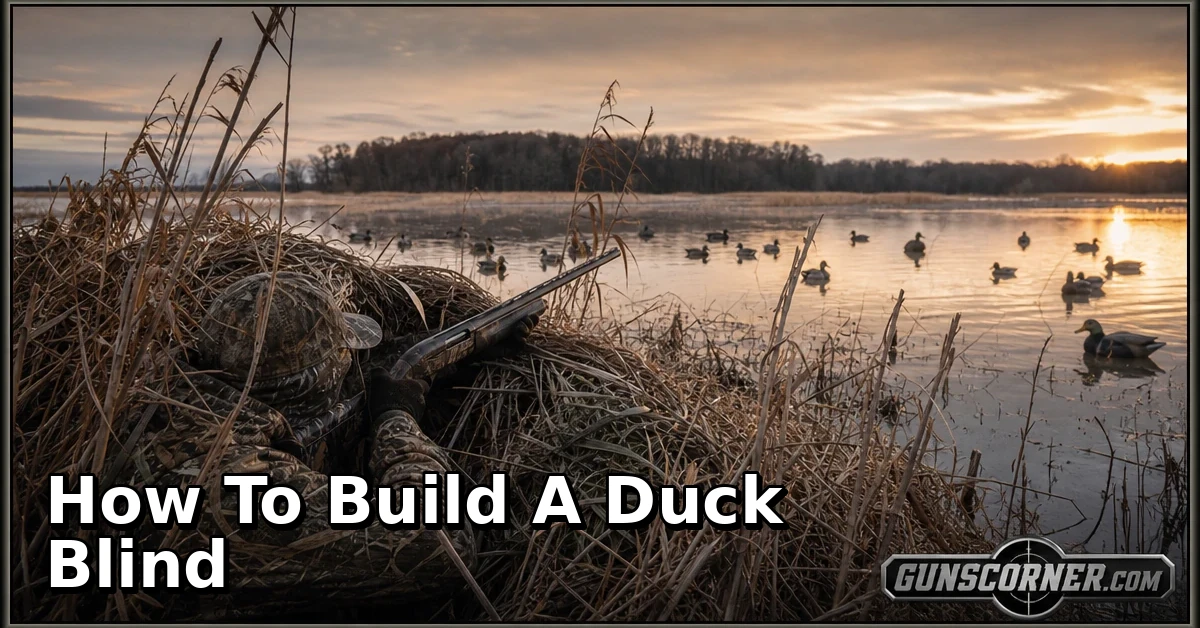

Important Legal and Safety Notice Before You Hunt
Waterfowl regulations vary by country, state, province, management area, season, and land type. Before building or using a duck blind, check your official wildlife agency and land manager for current requirements.
- Confirm your hunting license, waterfowl privileges, permits, and required stamps.
- Verify whether permanent, temporary, floating, or unattended blinds are allowed.
- Check blind registration, marking, removal, and placement requirements.
- Know current seasons, legal shooting hours, species limits, possession limits, and reporting rules.
- Use only legal firearms, ammunition, and non-toxic shot required for waterfowl hunting.
- Obtain written permission before using private land or private water.
- Verify public-land boundaries, access rules, parking rules, and blind-use restrictions.
- Never shoot toward roads, homes, boats, people, livestock, buildings, or unclear movement.
- Wear required visibility clothing when traveling to and from the blind or when local rules require it.
- Use personal flotation devices when boating, wading, or hunting from a floating platform.
What Makes a Good Duck Blind?
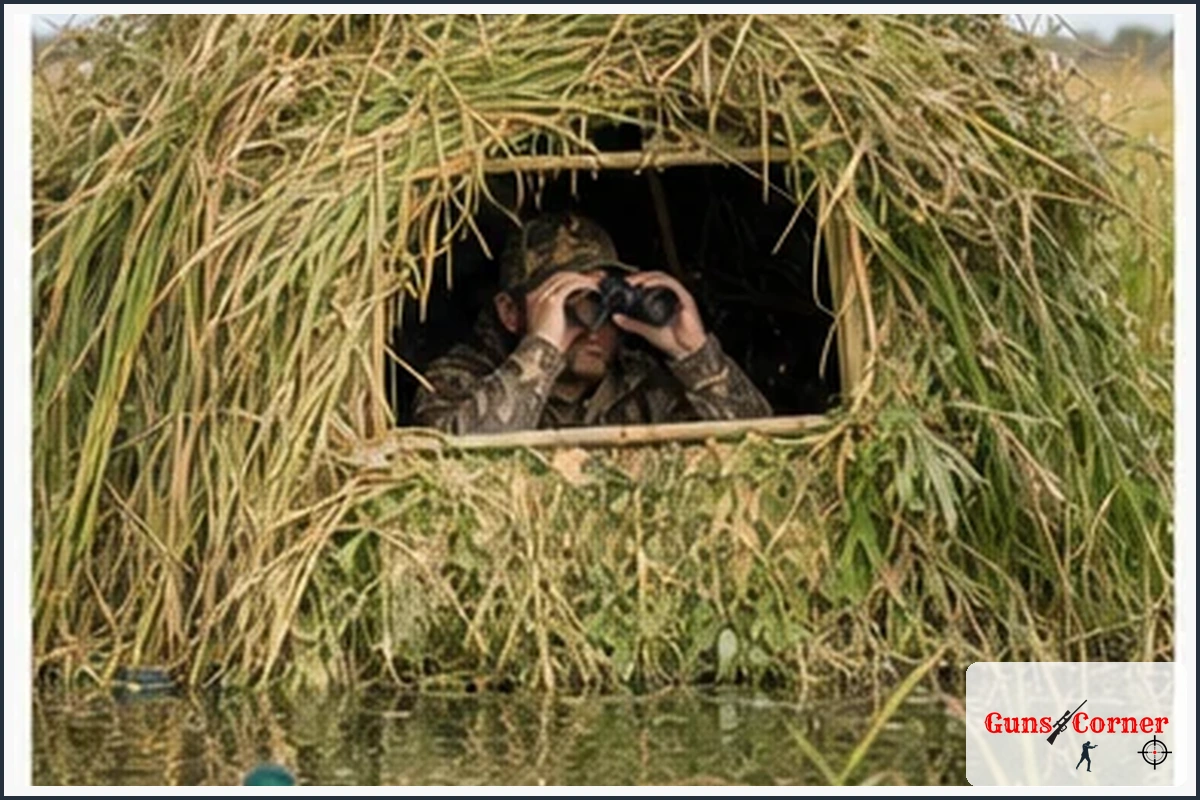
A useful duck blind hides the hunter’s outline and movement without creating an unstable or cramped structure. It should blend with the surrounding habitat, withstand expected weather, and allow every hunter to handle a firearm safely.
The best design depends on the location. A shoreline blind, layout blind, boat blind, field blind, and permanent marsh blind each solve different problems.
- Shoreline blind: Built along a bank, pond edge, or marsh margin.
- Field blind: Used in agricultural fields or grassland, often near decoys.
- Layout blind: A low portable blind suited to fields, mudflats, and short vegetation.
- Boat blind: Designed to conceal a boat while maintaining safe operation and visibility.
- Permanent blind: A fixed structure requiring careful attention to local rules, permits, materials, and environmental impact.
Choose the Right Duck Blind Design
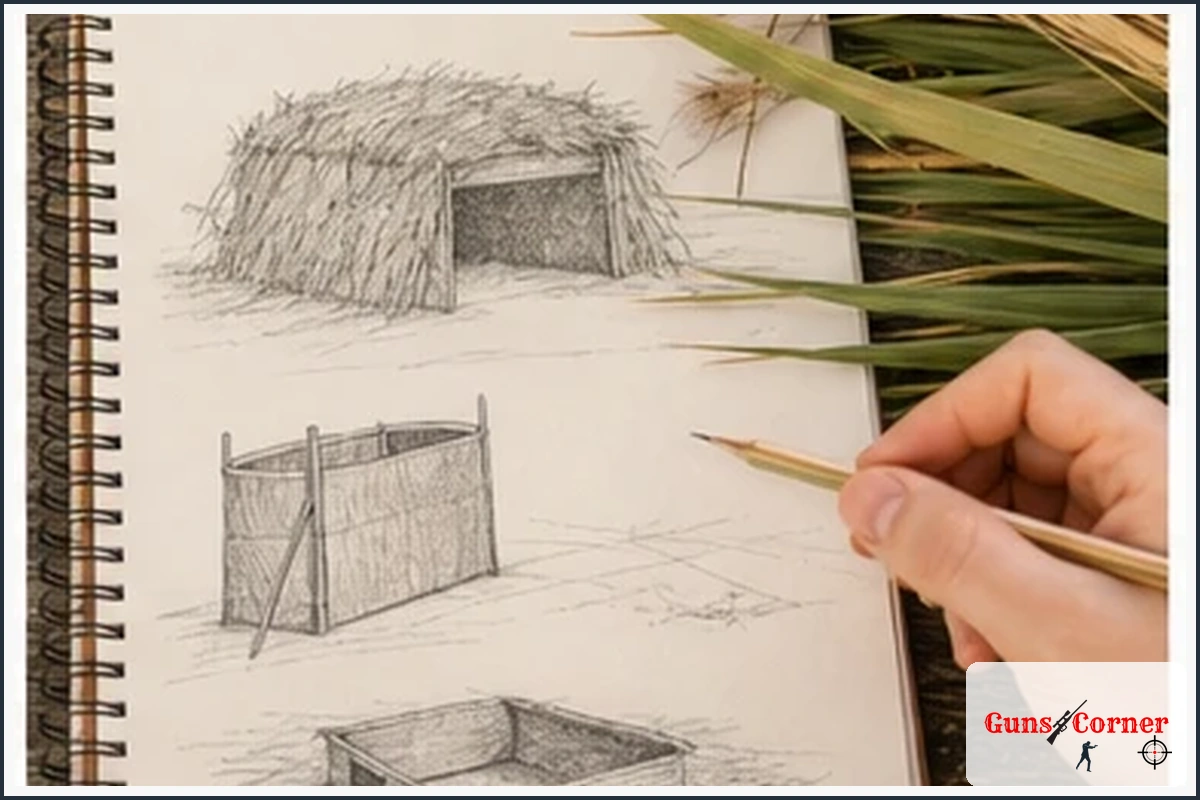
Temporary Brush Blind
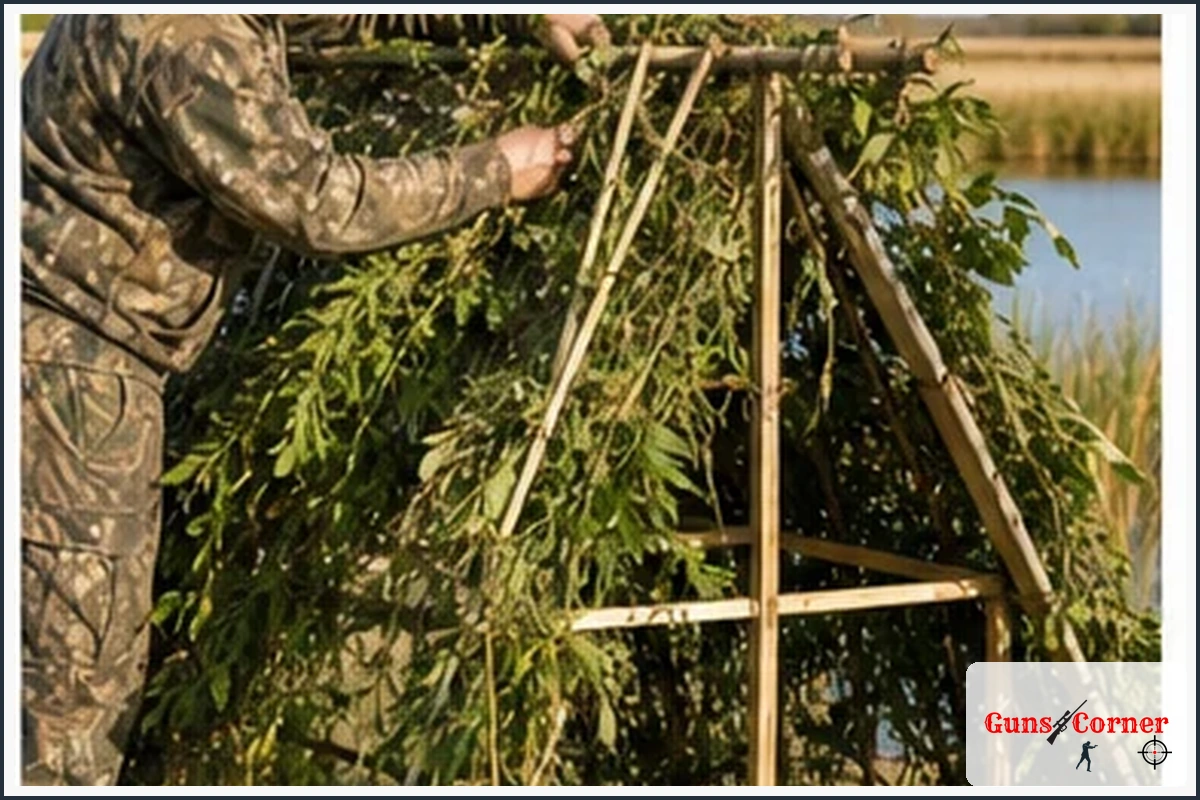
A temporary brush blind uses a lightweight frame covered with natural vegetation. It is often the simplest option for beginners, but it must be built and removed according to local rules.
Panel or Folding Blind
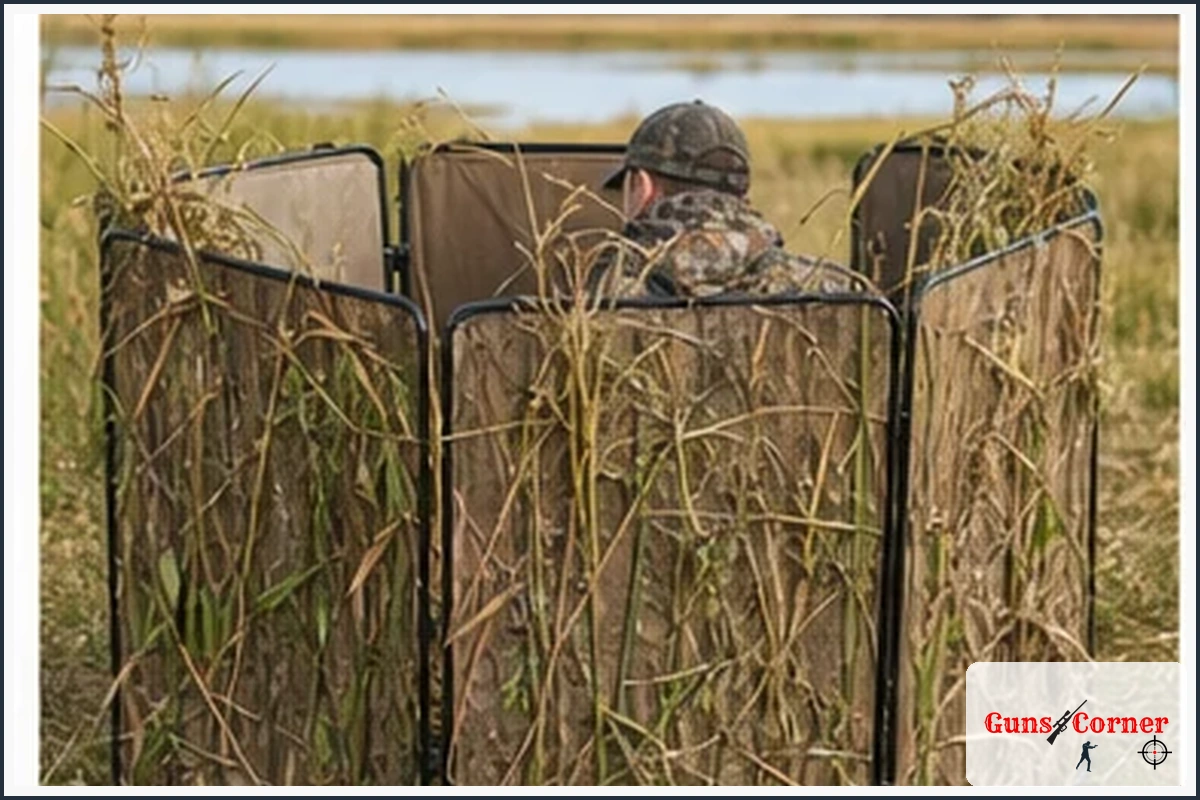
Portable panels can be carried to public land, arranged around hunters, and covered with local grass or reeds. They are convenient where permanent structures are prohibited.
Layout Blind
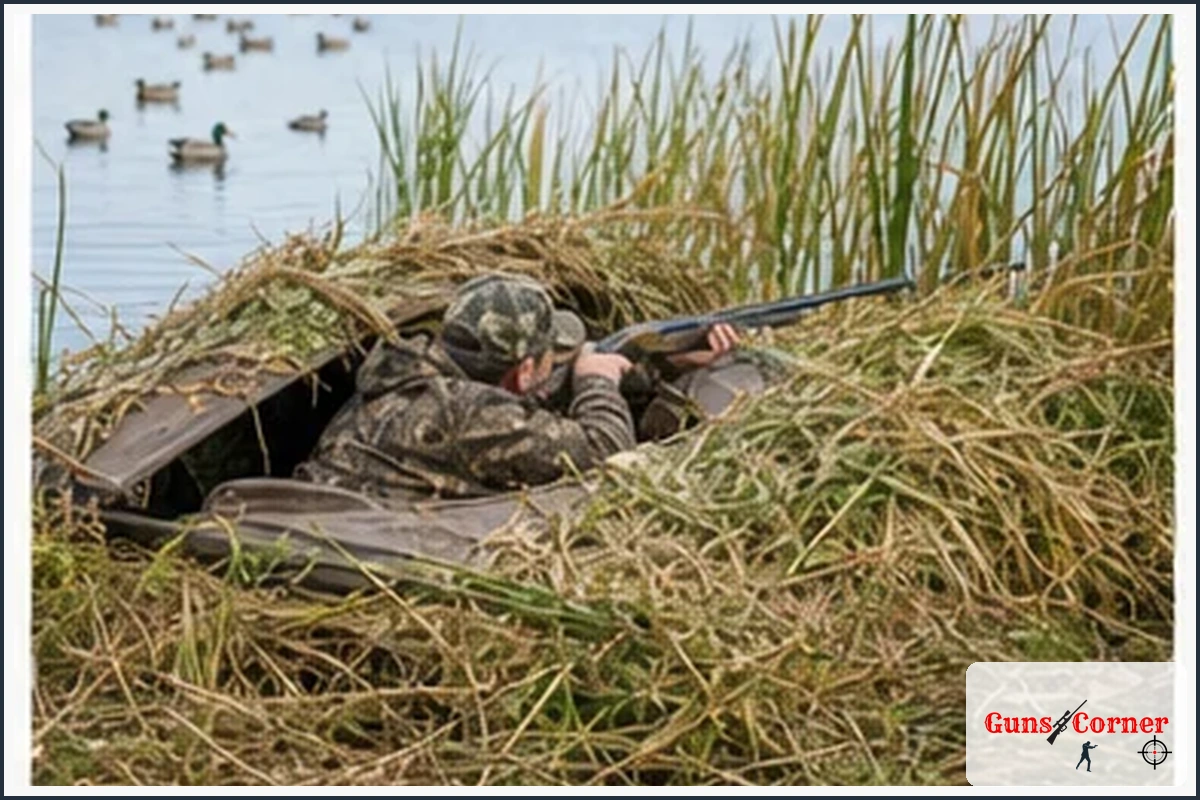
A layout blind keeps the hunter close to the ground. It works best where the surrounding vegetation is short enough to conceal the blind without blocking visibility or creating unsafe shooting angles.
Permanent Blind
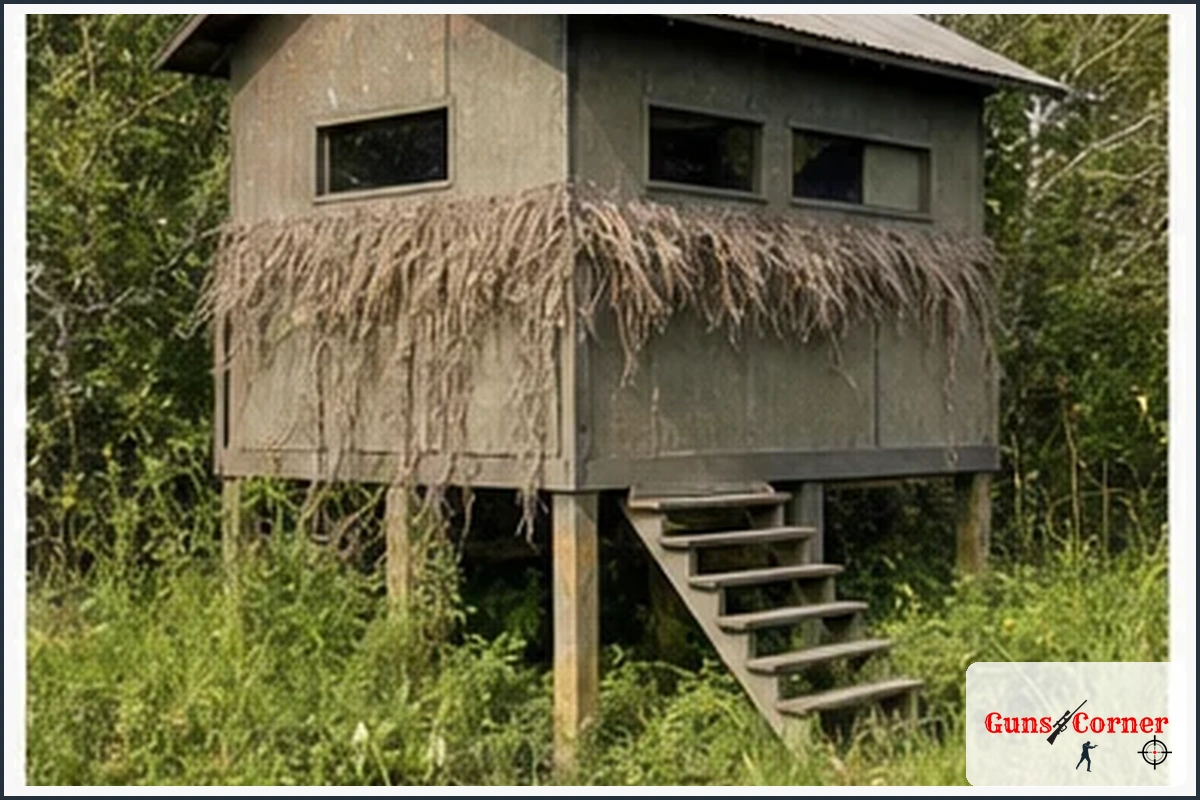
A permanent blind can provide comfort and stability, but it requires more planning. Before construction, verify ownership, permits, setback rules, construction restrictions, and removal requirements.
Materials for a Basic Duck Blind
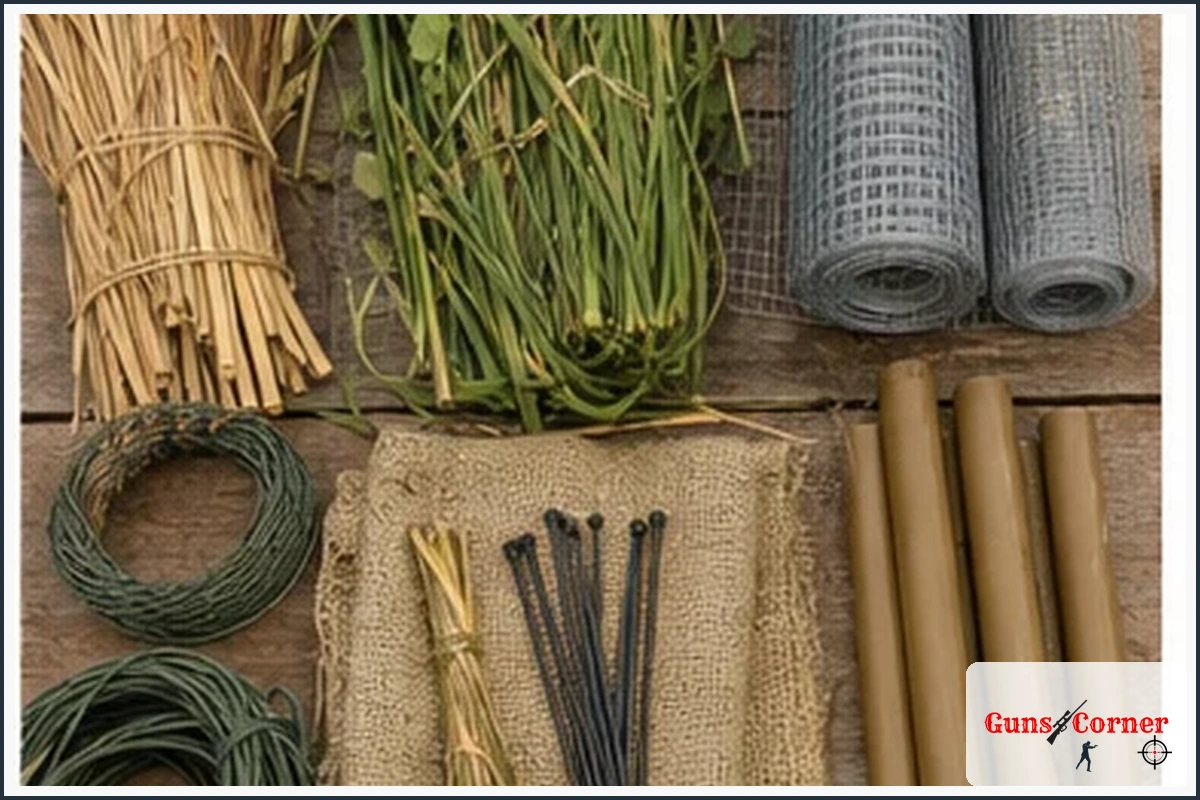
You do not need expensive materials to create effective concealment. Choose strong, weather-resistant components that will not create sharp hazards or interfere with safe firearm handling.
- Lightweight treated lumber, aluminum tubing, or commercially made blind panels
- Exterior-rated screws, bolts, or approved fasteners
- Wire mesh, netting, or camouflage fabric
- Natural vegetation such as reeds, cattails, grasses, willow, or local brush where legally collected
- Ground stakes or anchors appropriate for the soil
- Weather-resistant seating or removable seats
- Rubber mats, boards, or other stable flooring for muddy ground
- Hand tools and protective gloves
- Small first aid kit and eye protection during construction
Avoid materials that shed plastic, contain loose reflective surfaces, create toxic runoff, or could become dangerous debris. Do not cut vegetation from protected areas or private property without permission.
How to Build a Duck Blind Step by Step
Step 1: Check Regulations and Secure Legal Access
Before carrying tools into the field, confirm that you may build a blind at the intended location. Some areas allow only temporary blinds, while others restrict construction, require identification, or prohibit unattended structures.
For private land, obtain permission from the landowner and discuss access routes, parking, gates, livestock, cleanup, and the dates when the blind may remain in place. On public land, confirm the boundary with an official map and follow the land manager’s rules.
Step 2: Scout the Hunting Area Before Building
Observe the area without disturbing birds unnecessarily. Look for feeding water, resting areas, travel routes, wind exposure, water depth, mud, boat traffic, and signs of hunting pressure.
Also identify hazards such as submerged stumps, unstable banks, deep channels, thin ice, strong current, nearby roads, buildings, homes, livestock, and popular recreation areas.
Step 3: Choose a Safe and Practical Location
Place the blind where it offers concealment without forcing hunters to shoot across unsafe zones. Consider the prevailing wind, the position of decoys, the rising sun, boat routes, and how hunters will enter and leave the area.
The blind should not block public access, damage sensitive vegetation, obstruct navigation, or create a conflict with another legally established blind. If you cannot confirm the boundary or ownership, choose another site until the information is clear.
Step 4: Measure the Space Needed
Plan enough room for the number of hunters, firearms, blind bags, dog equipment, and emergency movement. Crowded blinds make it harder to control muzzles, identify birds, and communicate.
Each hunter should have a defined position and a safe shooting direction. Keep firearms from contacting walls, seats, gear, or one another.
Step 5: Build a Stable Base or Frame
Construct a low, stable frame that matches the terrain. Anchor it securely so wind, waves, or soft ground cannot shift it. On wet ground, use a platform or mats that provide firm footing without blocking drainage.
Do not build over unstable banks or place heavy structures where rising water can move them. A blind that shifts underfoot can cause a fall or unsafe firearm movement.
Step 6: Add Concealment Material
Cover the frame with camouflage fabric, netting, or local vegetation. Arrange natural cover vertically and irregularly rather than creating a solid, unnatural wall.
Use vegetation that matches the immediate surroundings. Green cover placed in dry brown grass, or fresh bright brush placed beside weathered vegetation, can make the blind stand out.
Step 7: Create Controlled Shooting Windows
Leave shooting openings low and narrow enough to hide movement while still allowing hunters to mount a firearm safely. Windows should not force hunters to twist, stand on unstable surfaces, or point muzzles through crowded spaces.
Keep vegetation away from the muzzle. Branches, fabric, and loose reeds can interfere with a shot and create an unsafe obstruction.
Step 8: Add Seating and Storage Carefully
Use stable seats that do not rock or collapse. Store bags and equipment where they will not block exits, cover safe firearm positions, or create trip hazards.
Keep shells, calls, binoculars, and water within reach, but maintain enough open space for hunters to communicate and move safely.
Step 9: Break Up the Blind’s Outline
After the main covering is installed, soften straight edges and visible corners with natural vegetation. Avoid creating a perfectly symmetrical structure that looks unlike the surrounding shoreline or field.
Check the blind from the water, field, and likely flight approaches. A blind that looks hidden from inside may be obvious from outside.
Step 10: Test the Blind Before Hunting
Sit in every position and practice raising an unloaded firearm while following all safe handling rules. Confirm that each hunter can see approaching birds, communicate, and maintain muzzle control.
Inspect the blind in daylight and poor weather. Check the roof, floor, anchors, fasteners, seats, shooting windows, and exit route.
Step 11: Plan Entry, Exit, and Emergency Procedures
Mark a safe path to the blind without relying on memory in darkness or fog. Carry a map, navigation device, flashlight, communication method, first aid supplies, and weather-appropriate clothing.
If boating or wading is required, plan for cold water, changing currents, slippery banks, and unexpected falls. Wear a properly fitted personal flotation device when boating or when required by local rules.
Step 12: Remove or Maintain the Blind as Required
Follow local rules for removing temporary structures and maintaining permanent ones. Take out trash, loose wire, spent shells, damaged camouflage, and other debris.
Leave the area clean and avoid damaging vegetation or disturbing sensitive nesting and wetland habitat.
How to Camouflage a Duck Blind Naturally
Effective camouflage matches the blind to its surroundings in color, texture, height, and shape. Natural vegetation is often more convincing than excessive manufactured camouflage, but it must be collected and used legally.
- Use plants already common in the immediate area.
- Replace wilted or faded vegetation when it becomes visibly different.
- Break up straight lines and square corners.
- Cover shiny fasteners, plastic, and reflective equipment.
- Keep movement behind the blind low and deliberate.
- Avoid placing a blind directly on a bare, contrasting patch of ground.
- Keep dog movement and gear organization in mind when arranging concealment.
Camouflage does not make a hunter invisible. Sudden movement, noise, exposed faces, bright objects, and incorrect placement can still alert birds.
Best Location and Conditions for a Duck Blind
The best location is usually where legal hunting access, bird use, safe shooting directions, and concealment come together. Scouting should determine the exact placement rather than copying another hunter’s setup.
- Wind: Place the blind so birds approach over safe shooting lanes and hunters are not constantly exposed to scent, movement, or blowing cover.
- Water level: Consider rising water, mud, current, and the stability of the bank.
- Sun position: Avoid forcing hunters to look directly into glare when possible.
- Hunting pressure: Use a quieter, legal location when birds avoid heavily disturbed areas.
- Weather: Inspect the blind after wind, heavy rain, flooding, or freezing conditions.
- Access: Choose an entry route that minimizes noise and avoids trespassing or dangerous crossings.
Duck Blind Safety Checklist
- Confirm every hunter knows the safe shooting directions.
- Keep muzzles pointed in a safe direction at all times.
- Keep actions open until it is legal and safe to load.
- Identify the bird and what lies beyond it before shooting.
- Never shoot toward people, boats, roads, homes, livestock, or buildings.
- Use only legal non-toxic shotshells and approved equipment.
- Keep the blind floor dry, stable, and free of trip hazards.
- Use a flotation device when boating and carry emergency communication.
- Keep dogs controlled and away from muzzles and loaded firearms.
- Do not use a blind that has shifted, flooded, collapsed, or become unstable.
Common Duck Blind Building Mistakes to Avoid
- Building before checking regulations: Verify rules before placing any material on public or private land.
- Choosing concealment over safety: A hidden blind is not useful if it blocks visibility or creates unsafe shooting angles.
- Ignoring water movement: Rising water and current can move or damage a blind.
- Making the blind too small: Crowded hunters have less control over firearms and movement.
- Using unstable seating: Rocking seats can cause falls and muzzle movement.
- Leaving sharp edges exposed: Cover or remove hazards from lumber, wire, and fasteners.
- Using unnatural cover: Bright or mismatched vegetation can make the blind visible.
- Blocking the exit: Keep an emergency route clear.
- Forgetting maintenance: Recheck anchors, flooring, camouflage, and weather damage before every hunt.
- Leaving debris behind: Remove plastic, wire, fasteners, shells, and damaged materials.
Troubleshooting Common Duck Blind Problems
| Problem | Possible Cause | What to Do |
|---|---|---|
| The blind is easy to see | Wrong vegetation, straight edges, bright materials, or poor placement | Match local cover, break up the outline, cover reflective surfaces, and view the blind from likely bird approaches. |
| The blind shifts in wind or waves | Weak anchors, soft ground, or unsuitable construction | Stop using it until it is safely reinforced or replaced according to local rules. |
| Hunters feel crowded | Too little space or poorly arranged seating | Reduce the number of hunters, improve organization, or use a larger legal design. |
| Shooting windows are unsafe | Windows are too high, narrow, obstructed, or aimed toward hazards | Redesign the openings and reassess the entire background before hunting. |
| The floor becomes muddy or flooded | Poor drainage, rising water, or low construction | Do not hunt from it until footing is stable; relocate or improve drainage where legal. |
| Birds flare before reaching the decoys | Movement, noise, exposed faces, or an obvious blind | Reduce movement, improve concealment, scout wind and approach routes, and avoid excessive calling. |
| Property boundaries are unclear | Outdated maps or changing shorelines | Stop construction and verify boundaries with the landowner or official land manager. |
| Weather damages the structure | Wind, rain, ice, or flooding | Inspect before use and remove or repair damaged materials as required. |
Ethical Waterfowl Hunting and Conservation
A duck blind should support responsible hunting, not encourage reckless shooting or excessive harvest. Follow all seasons, species restrictions, possession limits, and reporting requirements.
- Identify birds carefully before shooting.
- Take only shots within your practiced ability and safe range.
- Pass on shots when visibility, background, or bird identification is uncertain.
- Make a reasonable effort to retrieve legally harvested birds.
- Use harvested game responsibly and comply with transport and possession rules.
- Respect other hunters, boaters, anglers, landowners, and wildlife viewers.
- Prevent fuel, plastic, wire, and construction debris from entering wetlands.
- Support conservation through licenses, habitat programs, and responsible participation.
Recommended Tools and Equipment to Consider
You do not need expensive equipment to build a responsible duck blind. Select materials according to local rules, terrain, weather, water conditions, and your hunting method.
- Lightweight frame materials or legal commercial blind panels
- Weather-resistant fasteners and hand tools
- Camouflage netting or legally collected local vegetation
- Stable seating and nonslip flooring
- Map, compass, GPS, or approved hunting application
- First aid kit, flashlight, water, and emergency communication
- Personal flotation devices for boating or floating access
- Gloves and eye protection for construction and maintenance
- Legal waterfowl firearm, ammunition, and firearm case
When to Get More Training or Professional Guidance
Seek additional instruction before hunting if you are unfamiliar with firearm safety, water travel, cold-weather risks, public-land boundaries, or waterfowl identification.
Useful sources of guidance include official hunter education programs, wildlife agencies, certified firearms instructors, experienced ethical mentors, conservation organizations, and reputable local waterfowl clubs.
After the Hunt: Maintenance and Learning
Unload and safely transport firearms according to local rules and manufacturer guidance. Remove trash and inspect the blind for damage before leaving. If the structure must be removed, take all materials with you.
Record weather, water level, wind, bird activity, blind visibility, and problems with the setup. These notes can help improve future hunts without relying on guesswork.
Final Thoughts
Knowing how to build a duck blind means more than assembling a frame and adding brush. The best blind is legal, stable, well-scouted, naturally concealed, and designed around safe shooting lanes and responsible access.
Check current regulations, obtain permission, prepare for changing water and weather, practice firearm safety, and take only ethical opportunities. Careful planning will make your blind more useful while protecting wildlife, habitat, and other people who share the outdoors.
Frequently Asked Questions
What is the easiest duck blind to build?
A temporary panel or brush blind is usually the simplest option for beginners, provided it is legal in the hunting area and securely placed.
How much does it cost to build a duck blind?
Costs vary with the design, materials, size, location, and whether you use salvaged or commercial components. Local regulations and safety should guide the design before budget.
Can I build a duck blind on public land?
Only if the land manager allows it. Check rules for construction, registration, identification, placement, unattended equipment, and removal.
Can I build a duck blind on private property?
Yes only with landowner permission and in compliance with local wildlife and property regulations. Discuss access, maintenance, gates, livestock, and removal dates.
Do duck blinds need to be registered?
Some jurisdictions require registration or identification, while others do not. Verify the current rule with the relevant wildlife agency or land manager.
How close should a duck blind be to the water?
There is no universal distance. Place it where concealment, access, water conditions, and safe shooting directions work together, while following local setback rules.
Should a duck blind face the wind?
The layout should account for prevailing wind and likely bird approaches, but the final position must also provide safe backgrounds, good concealment, and legal access.
What materials work best for a duck blind?
Weather-resistant frame materials, secure fasteners, camouflage fabric, and legal local vegetation are common choices. Materials should be stable, nonreflective, and free from sharp hazards.
Can I use pallets to build a duck blind?
Pallets may be unsafe or unsuitable because of weak boards, protruding nails, chemical treatment, and instability. Use only materials that are structurally sound and appropriate for wet conditions.
How tall should a duck blind be?
Build only as high as needed for concealment and comfortable firearm handling. Excessive height can expose the blind and create unsafe shooting angles.
Should a duck blind have a roof?
A roof can provide weather protection, but it must not block visibility, interfere with firearm handling, trap smoke, or create a hazard during movement.
How many hunters can use one duck blind?
Use only as many hunters as the blind can safely accommodate. Every hunter needs personal space, a defined shooting direction, and room to control a firearm.
How do I camouflage a duck blind?
Use legal vegetation that matches the immediate habitat, break up straight edges, cover shiny surfaces, and check the blind from the direction birds are likely to approach.
Can I cut reeds or cattails for camouflage?
Only if local rules and land ownership allow it. Protected wetlands and public areas may restrict vegetation removal.
How do I keep a duck blind from blowing away?
Use anchors suitable for the soil or structure, inspect them after storms, and do not use the blind if it shifts. Floating or shoreline structures require special attention to water movement.
How do I keep the floor dry?
Use stable raised flooring or drainage-conscious mats where legal. Avoid building in areas prone to flooding, and inspect water levels before each hunt.
What should be inside a duck blind?
Include stable seating, organized gear, legal ammunition, communication equipment, water, first aid supplies, and enough clear space for safe movement.
Can I leave my duck blind in place?
Only when local regulations allow it. Some areas require removal at the end of a hunt, day, season, or specified period.
How do I make a duck blind less visible?
Match its color and texture to the surrounding habitat, reduce movement, remove shiny objects, and soften straight edges with natural cover.
Why are ducks avoiding my blind?
Possible causes include visible movement, noise, an unnatural outline, poor decoy placement, heavy hunting pressure, or wind conditions that do not match the setup.
Should I use a blind on a boat?
A boat blind can conceal the boat, but it must not block the operator’s visibility, interfere with navigation, or create unsafe firearm handling. Follow boating and hunting rules.
Do I need a personal flotation device in a duck blind?
Use one whenever boating, floating, or operating in conditions where a fall into the water is possible, and follow all local requirements.
What firearm safety rules matter most in a duck blind?
Keep muzzles pointed safely, keep actions open until ready, identify the bird and background, communicate with other hunters, and never shoot toward people, boats, roads, homes, or livestock.
Can I shoot through blind vegetation?
Do not shoot through vegetation that could obstruct the muzzle or affect the shot. Keep shooting openings clear and controlled.
Should hunters stand in a duck blind?
Only when the blind and shooting situation allow it safely. Sudden standing can expose movement and create muzzle-control problems in a crowded blind.
How do I position decoys around a duck blind?
Arrange decoys according to local bird behavior, wind, water conditions, and safe shooting lanes. Keep all shots directed away from people, boats, buildings, and other hazards.
What time should I build a duck blind?
Build and inspect it during daylight when you can clearly evaluate footing, boundaries, hazards, construction quality, and access routes.
Can I build a duck blind at night?
Daylight is safer for construction and boundary checks. Avoid building in darkness, fog, severe weather, or unsafe water conditions.
How far should a duck blind be from other hunters?
Follow local spacing rules and maintain enough distance to prevent conflicts. If another blind or hunting party creates an unsafe situation, relocate or contact the land manager.
What should I do if I find an existing blind?
Do not assume it is abandoned or available. Check identification, current regulations, landowner rules, and local blind-use policies before approaching or using it.
How do I build a duck blind for a dog?
Provide a secure space that does not block exits, shooting lanes, or firearm handling. Keep the dog controlled and away from muzzles and loaded firearms.
What should I do if the blind floods?
Leave safely, unload and secure firearms as appropriate, and do not return until water levels and footing are safe. Repair or relocate the blind according to local rules.
What should I do if wind damages the blind?
Do not hunt from a damaged structure. Inspect anchors, frame, flooring, and camouflage in daylight, then repair or remove it as required.
How can beginners practice before hunting from a blind?
Complete hunter education, practice safe firearm handling, rehearse communication and unloaded mounting positions, and learn waterfowl identification from reputable sources.
Do I need hunter education to use a duck blind?
Requirements vary, but beginners should complete an approved hunter education course before hunting and seek instruction from a qualified mentor.
What should I do after harvesting a duck?
Follow local tagging, reporting, transport, possession, and retrieval requirements. Handle the harvest respectfully and keep it clean and cool as soon as practical.
How do I keep a duck blind environmentally responsible?
Use durable materials, avoid damaging sensitive habitat, prevent debris from entering the water, remove trash, and dismantle temporary structures when required.
What is the most important part of building a duck blind?
Safety comes first, followed by legal placement, stable construction, natural concealment, and a design that fits the local habitat and hunting conditions.