

A suspected liver hit requires patience, careful tracking, and honest shot assessment. Waiting too little can push a wounded deer farther, while waiting too long in warm conditions can affect meat recovery. This guide explains how long to wait after a liver shot deer, how to confirm the hit, track responsibly, and recover the animal ethically.
For a clearly suspected liver hit, many hunters wait about 4–6 hours before beginning a careful recovery, provided weather, darkness, property access, and meat-care conditions allow it. If the shot may also involve the lungs, wait times can be shorter; if the hit is uncertain or appears to involve the paunch, waiting overnight may be safer. Always back out quietly, mark the last known location, follow local recovery and reporting rules, and continue only when you can track without pushing the deer.
Important Legal and Safety Notice Before You Track
Recovery rules vary by location. Before hunting, verify current regulations with your official wildlife agency, including license and tag requirements, legal hunting hours, weapon rules, land access, tagging, harvest reporting, transport, and evidence-of-sex requirements where applicable.
- Use only land you legally own, lease, or have permission to enter.
- Wear required visibility clothing, especially where firearm seasons overlap.
- Carry a charged phone, navigation tools, water, and a first-aid kit.
- Handle any firearm safely, keep it pointed in a safe direction, and identify your target and background.
- Do not follow blood across roads, fences, or property boundaries without confirming legal access.
- Use gloves and plan for rapid cooling and responsible meat care.
Why a Liver Hit Requires Patience
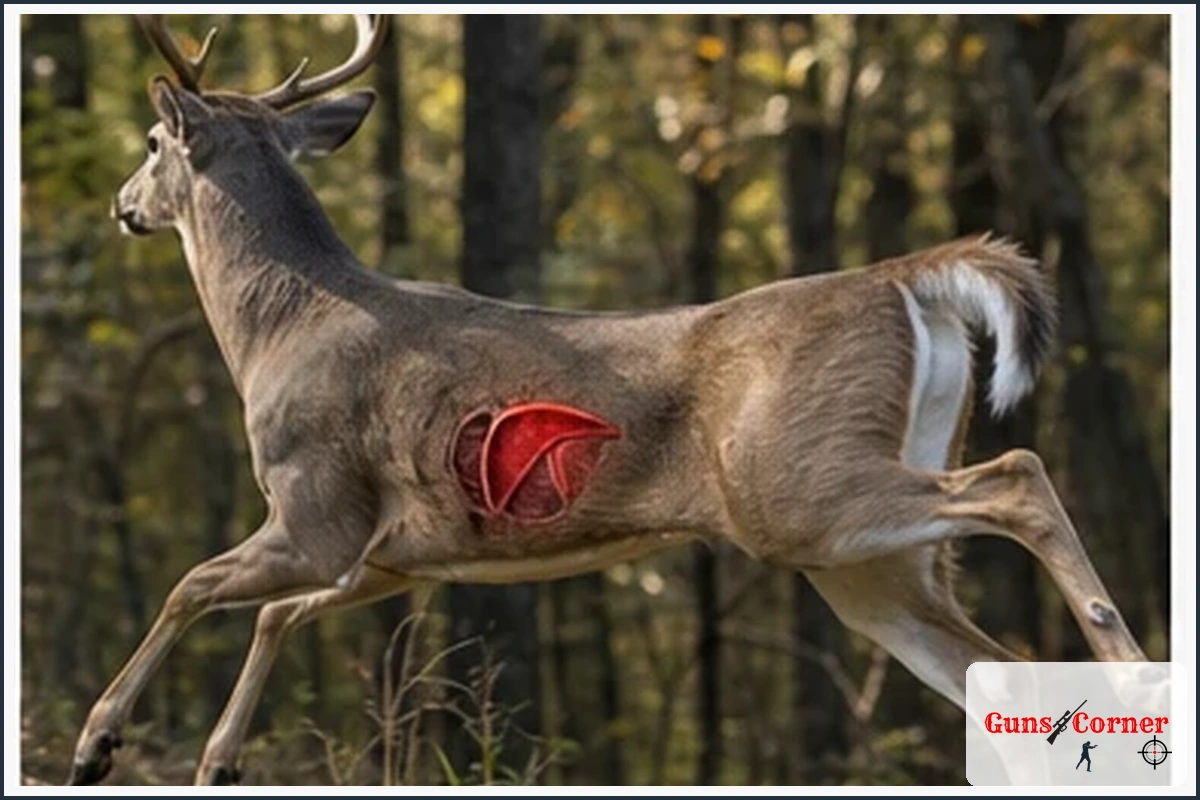
The liver is a vital organ, and a substantial hit can be fatal. However, a deer may travel a considerable distance before becoming weak enough to bed. If pursued immediately, it may leave the first bed and continue into thicker cover or across difficult terrain.
Blood from a liver hit is often dark red or maroon. Blood color alone is not conclusive, because angle, vegetation, light, and mixed wounds can change what you see. Treat the location of the hit, the deer’s reaction, the arrow or bullet evidence, and the blood trail as one complete picture.
How to Estimate the Correct Waiting Time
| Likely Hit | General Waiting Approach | Important Considerations |
|---|---|---|
| Clear liver hit with no obvious lung involvement | Often 4–6 hours | Back out quietly and avoid disturbing bedding areas. |
| Liver and lung hit are both possible | Often 2–4 hours may be reasonable | Use blood and shot evidence; do not assume a quick recovery. |
| Possible paunch or intestinal hit | Several hours or overnight | Warm weather, rain, predators, and legal access can change the plan. |
| Uncertain hit | Wait and reassess rather than immediately pushing | Contact an experienced tracker if the trail is difficult. |
These are general field guidelines, not guarantees. Deer behavior, shot angle, impact location, temperature, terrain, and the amount of blood all matter.
Step-by-Step: Recovering a Deer After a Suspected Liver Shot
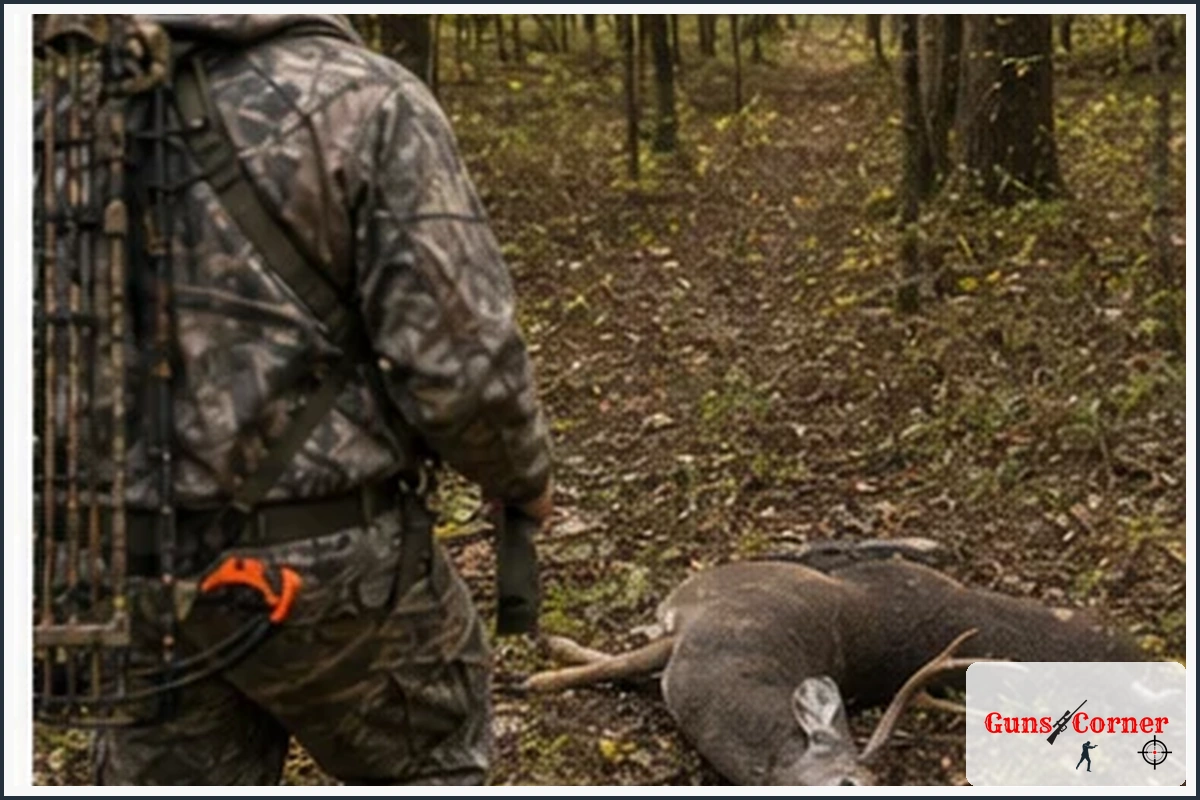
Step 1: Record the Shot Before Moving
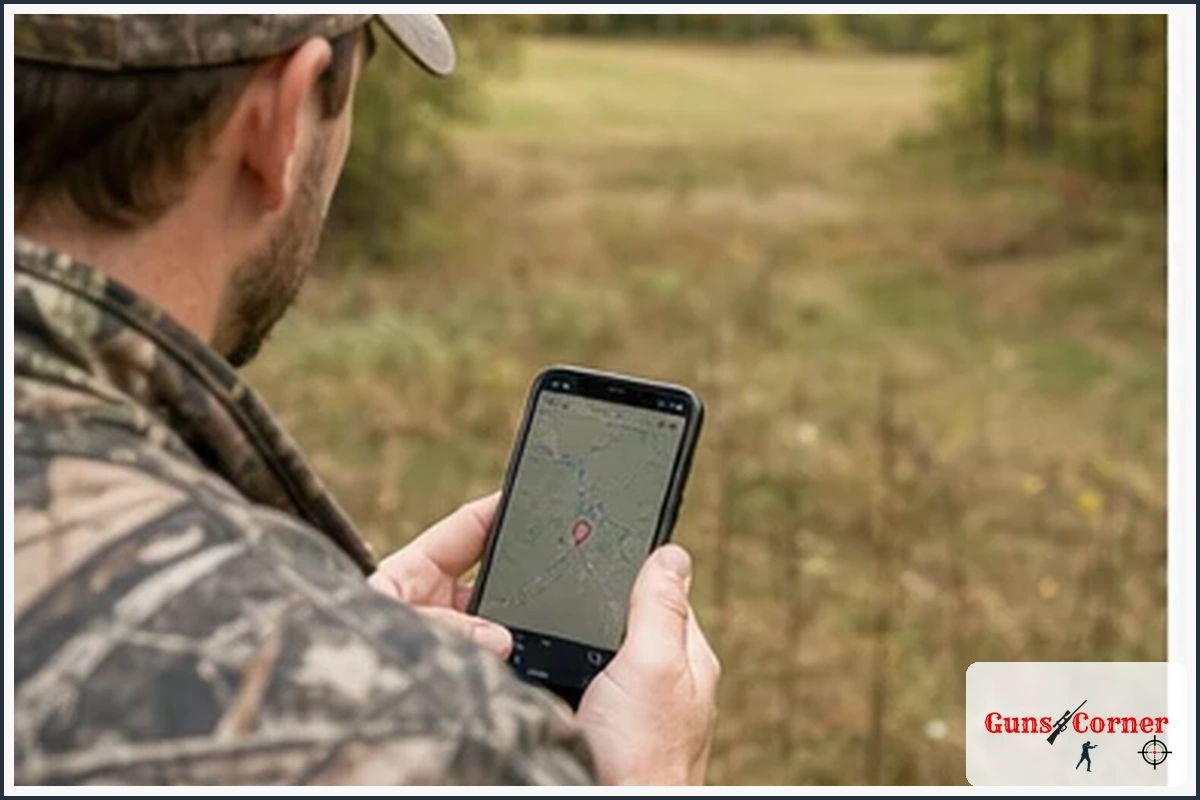
Note the exact shooting position, the deer’s direction of travel, where it was standing, and where you last saw it. Mark the location with a discreet waypoint or natural landmark if doing so does not disturb the area.
Step 2: Watch and Listen
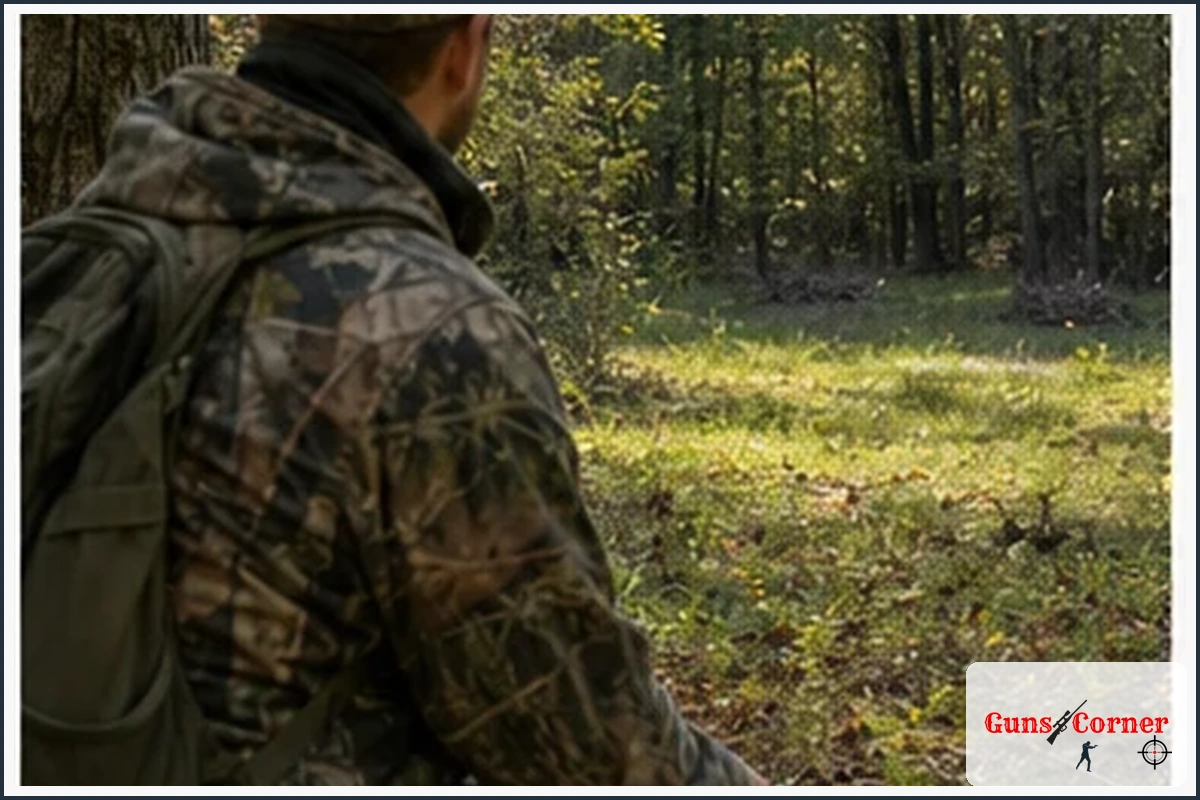
Remain still for several minutes if the deer is visible or nearby. Listen for a crash, a fall, brush movement, or other clues. Do not walk toward the deer simply because it disappears from sight.
Step 3: Inspect the Evidence Carefully
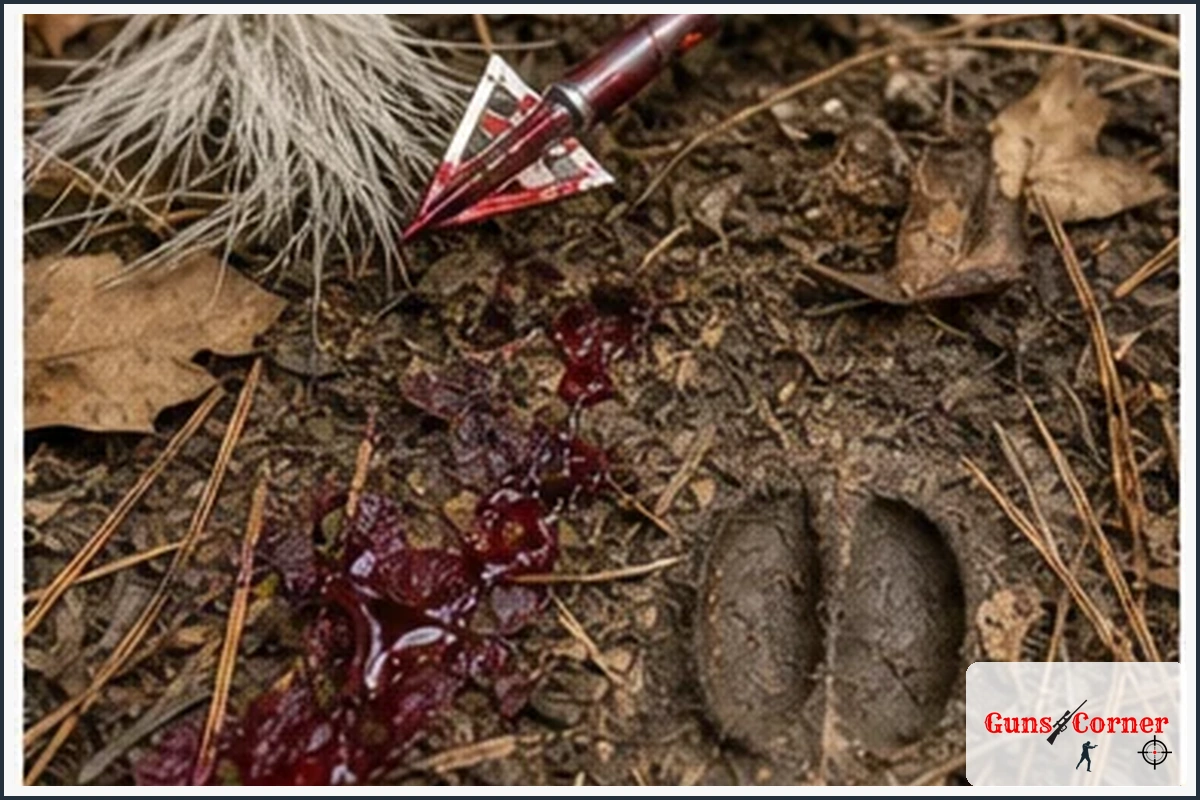
Examine the arrow, hair, blood, tracks, and nearby vegetation without trampling the trail. Dark blood may support a liver-hit theory, but it is not proof by itself. Avoid handling biological evidence unnecessarily.
Step 4: Back Out Quietly
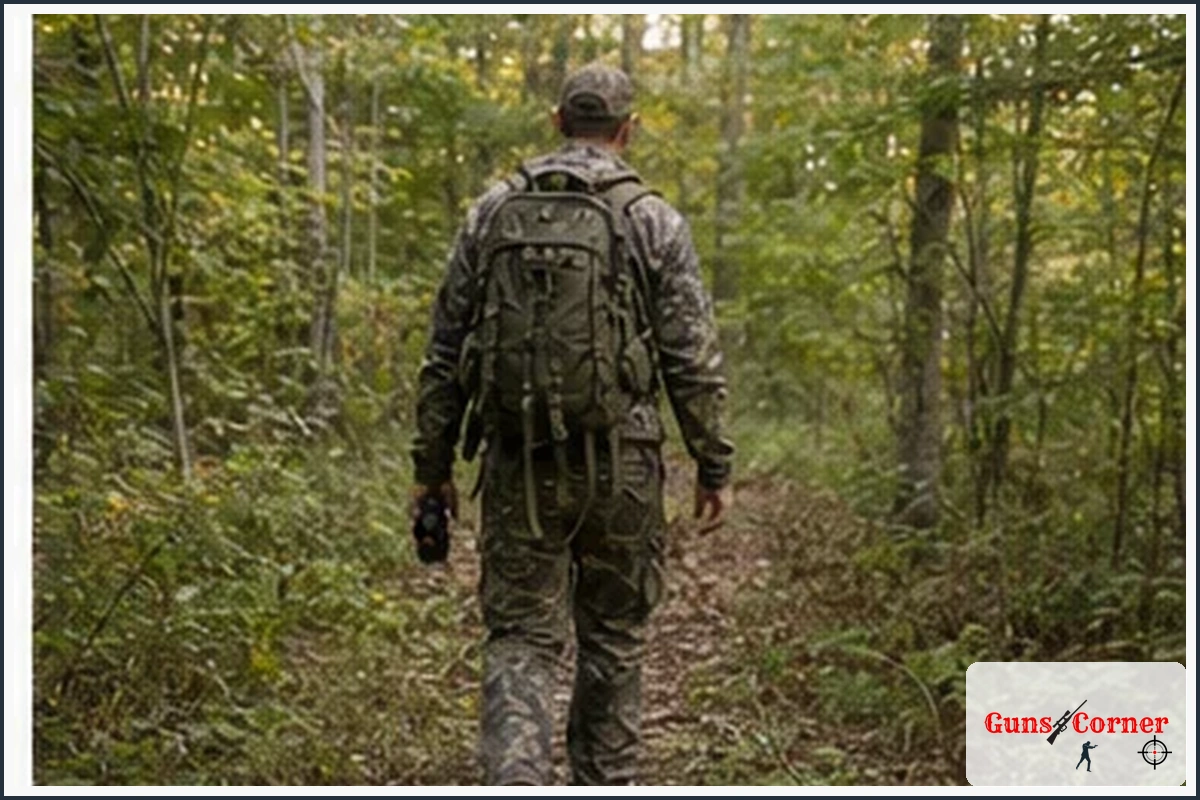
Leave by the least disruptive route. Avoid walking through likely bedding cover, making repeated trips, using bright lights unnecessarily, or allowing a dog to pursue the deer unless local law permits it and you are following trained recovery practices.
Step 5: Wait According to the Best Available Evidence
For a clear liver hit, a 4–6 hour wait is a commonly used starting point. If the hit is uncertain, the deer ran strongly, or paunch involvement is possible, extend the wait. In cold conditions, the risk of meat spoilage is lower, but legal recovery and weather conditions still matter.
Step 6: Return With the Right Equipment
Bring a flashlight, spare batteries, flagging used only where legal and removable, gloves, water, navigation tools, and a means of safely handling the harvested deer. Bring an experienced tracker when possible.
Step 7: Start at the Last Known Location
Do not begin by wandering ahead. Find the exact point of impact and follow the trail slowly. Mark each confirmed sign mentally or with removable markers. Keep the search organized so you can return to the last known blood.
Step 8: Check Likely Bedding Areas
A liver-hit deer may bed relatively close, then move again if disturbed. Search thick cover, downhill routes, brush edges, and areas that provide concealment, while respecting property boundaries and avoiding unsafe movement in darkness.
Step 9: Stop When the Trail Becomes Uncertain
If you lose the trail, do not immediately grid-search every direction. Return to the last confirmed sign, look for tracks and disturbed vegetation, and consider wind, terrain, water, fences, and cover. A trained recovery dog or experienced tracker may help where legal.
Step 10: Complete Legal Recovery Responsibilities
Once the deer is recovered, follow local requirements for tagging, reporting, transport, evidence of sex, and possession. Cool the meat promptly and use clean tools and gloves. Avoid unnecessary waste and handle the harvest respectfully.
How to Tell Whether the Hit May Include Liver
- Dark red blood may indicate liver involvement, but color is not definitive.
- A low or rearward entry can increase the possibility of a liver or paunch hit.
- A short run followed by thick cover or a bed can be meaningful.
- Limited blood does not prove a poor hit; internal bleeding may leave little external sign.
- Arrow or bullet evidence must be interpreted with shot angle and impact location.
- Do not assume a deer is safe to pursue just because it remains standing after the shot.
Best Conditions for Tracking a Liver-Shot Deer
Cool, dry, calm conditions usually make tracking easier and reduce meat-care pressure. Rain can erase blood and tracks, while wind can scatter leaves and make listening difficult. In warm weather, plan the recovery carefully and contact local wildlife officials or experienced mentors if you are unsure how to balance waiting with meat preservation.
Daylight is safer for navigation and identification. Avoid entering unfamiliar terrain at night unless you can do so safely and legally. Never use a vehicle, spotlight, or other method prohibited by local law.
Preparation Before Deer Season
- Complete a hunter education course if required or if you are new to hunting.
- Practice with your legal firearm or bow before the season.
- Know your personal effective range and pass on shots beyond it.
- Learn deer tracks, bedding areas, feeding areas, trails, and terrain funnels.
- Scout without overusing a productive area or disturbing bedding cover.
- Confirm public land boundaries or obtain private-land permission in advance.
- Prepare a recovery kit, navigation plan, emergency contact, and meat-care plan.
Common Mistakes to Avoid
- Following the trail immediately after a suspected liver or paunch hit.
- Assuming dark blood automatically proves a liver hit.
- Walking through the deer’s likely bedding area.
- Failing to mark the exact shot location.
- Searching randomly after losing the trail.
- Ignoring property boundaries or access restrictions.
- Taking an unsafe follow-up shot or shooting at unclear movement.
- Failing to plan for tagging, reporting, transport, and cooling the meat.
- Letting excitement override patience and ethical decision-making.
Troubleshooting Common Recovery Problems
| Problem | Possible Cause | What to Do |
|---|---|---|
| Very little blood | Internal bleeding, vegetation, or a marginal hit | Return to the last known location, inspect tracks and disturbed cover, and avoid pushing ahead. |
| The blood trail stops | Changing terrain, leaves, rain, or a bedded deer | Search slowly around the last sign and examine likely bedding routes. |
| The deer crosses a property line | Natural movement after the shot | Stop and obtain permission before entering. |
| It is getting warm | Long wait or delayed recovery | Balance recovery with meat safety, follow local rules, and seek experienced help. |
| You are unsure of the hit | Poor angle, limited visibility, or confusing evidence | Wait longer, document the evidence, and consult a qualified tracker. |
Ethical Hunting and Conservation
Ethical deer hunting means making a responsible shot decision, giving a wounded animal the best chance of recovery, and refusing to rush the process. Passing on an uncertain shot is part of good hunting. Respect landowners, other hunters, wildlife officers, and the habitat.
Licenses and lawful participation support wildlife management and conservation. Follow seasons and limits, report harvests when required, recover usable meat, and leave the hunting area cleaner than you found it.
When to Get More Training or Professional Guidance
Ask an experienced hunter, certified instructor, conservation organization, or legal tracking service for help if you are unsure about the shot, local regulations, property access, safe firearm handling, navigation, or meat care. Beginners should complete hunter education and hunt with a responsible mentor whenever possible.
Recommended Deer Recovery Gear
You do not need expensive equipment, but reliable basics make recovery safer and more organized.
- Headlamp and spare batteries
- Map, compass, GPS, or a dependable hunting app
- Charged phone and emergency communication plan
- Disposable gloves and basic first-aid supplies
- Water, snacks, and weather-appropriate clothing
- Game bags, clean knives, and a cooler or cooling plan
- Required visibility clothing
Final Thoughts
After a suspected liver shot, the safest general approach is to back out quietly and often wait about 4–6 hours before tracking, extending the wait when paunch involvement or an uncertain hit is possible. Use the shot location, blood evidence, terrain, weather, and deer behavior together rather than relying on one clue. Hunt legally, recover patiently, and treat the animal and land with respect.
Frequently Asked Questions
How long should I wait after a liver shot deer?
A common general guideline is 4–6 hours for a clearly suspected liver hit. Extend the wait if the hit is uncertain or paunch involvement is possible.
Can I track a liver-shot deer after one hour?
Tracking after one hour may push the deer if it is still alive. Unless there is an immediate safety, legal, or meat-preservation concern, waiting longer is usually more conservative.
Should I wait overnight after a liver hit?
Overnight recovery may be appropriate when a paunch hit is possible, the trail is weak, or the deer was not visibly compromised. Warm weather and legal recovery requirements must also be considered.
What color is blood from a liver-shot deer?
It is often dark red or maroon, but blood color is not conclusive. Combine it with shot placement, arrow or bullet evidence, tracks, and the deer’s behavior.
How far can a liver-shot deer run?
Distance varies widely. Some deer bed quickly, while others travel a considerable distance, especially if pursued or startled.
What should I do immediately after the shot?
Watch the deer, note its direction, mark the shooting location, inspect evidence carefully, and leave quietly if a liver or paunch hit is possible.
Should I use a flashlight while tracking?
Use a flashlight when needed for safety and legal recovery, but daylight is generally better for navigation and identifying sign. Follow local rules.
Should I bring a dog to track the deer?
Only use a tracking dog where legal and with a trained handler. Rules for dogs vary by location.
What if there is no blood?
Return to the exact impact point and inspect tracks, hair, disturbed vegetation, and likely bedding areas. Limited blood does not prove there was no hit.
Does dark blood always mean a liver hit?
No. Lighting, vegetation, blood mixing, and wound location can affect appearance. Treat color as one clue, not a diagnosis.
Should I follow a liver-shot deer if it runs uphill?
Do not assume terrain direction proves anything. Wait appropriately, then follow the confirmed trail slowly and check likely cover.
What if the deer crossed onto private land?
Stop at the boundary and obtain permission before entering. Never trespass to recover game.
Can I take a second shot?
Only take a follow-up shot if the deer is clearly identified, the background is safe, the shot is legal, and you are confident in your ability.
How do I know whether the shot also hit a lung?
Shot angle, impact location, blood evidence, and the animal’s reaction may provide clues, but field evidence is not always certain. When in doubt, wait longer.
Does a pass-through arrow mean the deer will be easy to recover?
No. A pass-through can leave limited external blood depending on the organs and angle involved.
Should I mark the blood trail?
Use removable markers only where legal and remove them afterward. Marking helps prevent losing the last confirmed sign.
What weather makes tracking difficult?
Rain can erase blood, wind can disturb leaves, and snow or dry leaves can complicate interpretation. Heat increases meat-care concerns.
Is scent control important during recovery?
Quiet movement and avoiding unnecessary disturbance matter more than relying on products. Leave the area and return carefully rather than repeatedly walking the trail.
What should I do if I lose the trail?
Return to the last confirmed sign, search slowly in likely directions, and consider a qualified tracking dog or experienced tracker where legal.
Can I track at night?
Night tracking increases navigation and identification risks. Follow local rules and avoid entering unsafe or unfamiliar terrain without proper preparation.
How soon should I cool the meat?
Cool the meat as soon as practical after legal recovery, especially in warm weather. Follow safe handling practices and local transport requirements.
Do I need to report a recovered deer?
Many jurisdictions require tagging, harvest reporting, or both, but requirements vary. Check your official wildlife agency before hunting.
What gear should I carry for recovery?
Carry a headlamp, spare batteries, navigation tools, phone, gloves, water, first aid, weather gear, and supplies for legal transport and meat care.
Should I hunt alone if I am new?
Beginners should consider hunting with an experienced mentor, especially in unfamiliar terrain or when learning safe recovery procedures.
Does temperature change how long I should wait?
Temperature affects meat preservation and may influence the recovery plan, but it does not automatically justify rushing a wounded deer. Consider all conditions together.
What if I am not sure I hit the deer?
Wait, document the evidence, search carefully for sign, and seek experienced help. Do not assume a miss without checking responsibly.
Can a liver-shot deer survive?
A substantial liver injury can be fatal, but outcomes vary. The hunter’s responsibility is to allow adequate time and make every legal, ethical effort to recover the animal.
Should I grid-search immediately?
No. Start with the last confirmed sign and likely bedding routes. A random search can destroy tracks and make recovery harder.
How can I avoid making a liver shot?
Practice, wait for a broadside or otherwise familiar ethical angle, understand your equipment’s effective range, and pass on shots you cannot confidently place.
What is the biggest recovery mistake?
The most common mistake is pushing the deer too soon. Leaving quietly and waiting appropriately often gives the best chance of recovery.
Where can I learn more about deer recovery?
Use official hunter education courses, wildlife agency materials, certified tracking instructors, and experienced ethical mentors.
Read more: