
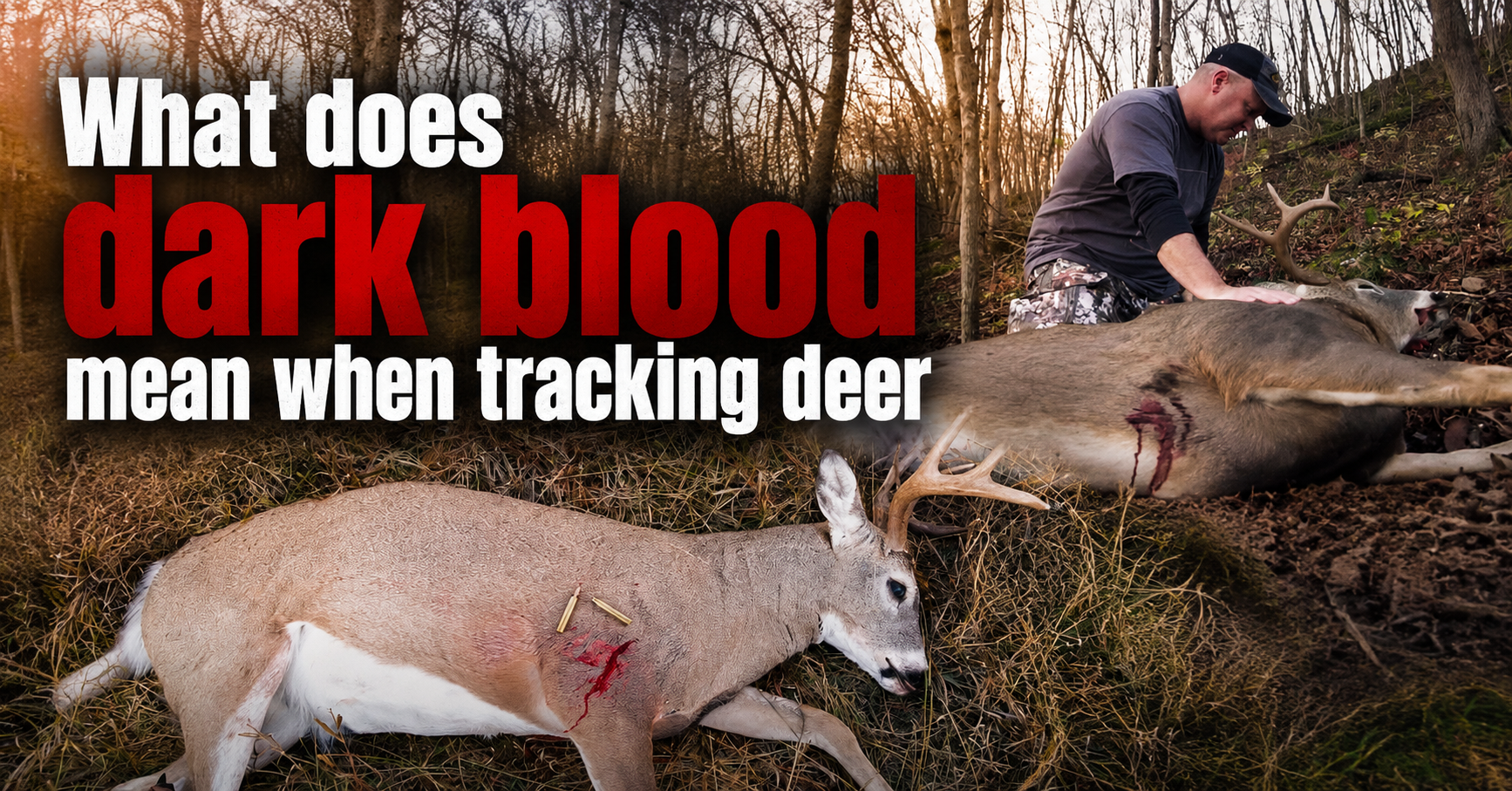

What does dark blood mean when tracking deer? Fresh dark red or maroon blood may indicate venous bleeding, a liver wound, or bleeding from muscle tissue. If the blood also contains green or brown material, has a foul digestive odor, or appears watery, the projectile may have entered the stomach or intestines.
Blood color is only one clue. Lighting, drying, rain, soil, leaves, shot angle, and the tissues crossed by a bullet, arrow, or bolt can all change what a blood trail looks like. This guide explains how to combine dark blood with other field evidence and choose a cautious, ethical recovery plan.
Quick Answer: What Does Dark Blood Mean When Tracking Deer?
Fresh dark deer blood commonly suggests venous, liver, or muscle bleeding. Dark blood with digestive matter or an unpleasant odor may indicate an abdominal hit. It does not automatically prove that the liver was struck, and old blood naturally becomes darker as it dries. Mark the sign, evaluate the complete shot path, and give the deer additional time if the wound location is uncertain.
Dark Deer Blood: Possible Meanings
| Blood-Trail Sign | Possible Meaning | What Else to Check | Cautious Response |
|---|---|---|---|
| Fresh dark red or maroon blood | Venous, liver, or muscle bleeding | Shot angle, quantity, hair, tracks, and animal reaction | Treat the wound as uncertain and avoid immediate pursuit |
| Dark watery blood | Possible liver, muscle, abdominal, or diluted blood | Rain, surface moisture, odor, and digestive material | Mark the trail and allow more time if the evidence is questionable |
| Dark blood with green or brown material | Possible stomach or intestinal wound | Foul odor, food particles, and the projectile’s appearance | Back out for an extended period and contact an experienced tracker |
| Dark blood with coarse brown hair | Possible muscle or upper-body wound | Hair length, amount of blood, and entrance height | Do not assume either a fatal hit or a clean miss |
| Blood that was bright but later appears brown | Dried or aged blood | Compare fresh drops with older marked locations | Use the freshest confirmed sign for interpretation |
| Dark blood that becomes sparse | Clotting, plugged wound, high exit, reduced external bleeding, or a superficial wound | Tracks, beds, vegetation, and changes in direction | Preserve the last sign and consider a legal tracking dog |
Why Can Fresh Deer Blood Look Dark?
Blood returning toward the heart through veins generally carries less oxygen than arterial blood and may appear darker. Muscle wounds can expose venous blood, while the liver itself is a dark, blood-rich organ. These are reasons that fresh maroon blood may be associated with either a liver or muscle hit.
The North Carolina Wildlife Resources Commission describes dark blood as venous blood that could be associated with a liver or muscle wound. Its guidance treats blood appearance as a general indicator rather than an exact field diagnosis.
Darkness can also be created or exaggerated by:
- Blood drying and oxidizing over time
- Warm-colored leaves, dirt, mud, or bark underneath the blood
- Low light or the color output of a flashlight
- Rain, dew, snow, or standing water diluting a drop
- Digestive material mixing with blood
- A projectile crossing several tissues or organs
Does Dark Blood Always Mean a Liver Hit?
No. A liver hit is an important possibility, particularly when the shot entered behind the lungs, but dark blood can also come from muscle, veins, or abdominal structures. Blood already on the ground may simply have aged and darkened.
A liver wound becomes more plausible when several clues agree:
- The projectile’s likely path passed just behind the chest cavity.
- Fresh blood is consistently deep red or maroon.
- The deer moved away hunched or slowed after its initial run.
- The trail leads toward dense cover or a bedding location.
- No froth, green digestive material, or strong stomach odor is present.
None of these signs confirms the liver by itself. A steep tree-stand angle or quartering presentation may cause a projectile to cross a lung, liver, and abdominal tissue in the same path.
How to Distinguish Liver, Muscle, and Gut Evidence
Possible liver evidence
A liver wound may produce fresh dark red or maroon blood. The trail may be steady or initially limited, and the deer may seek cover and bed. A significant liver wound is serious, but pushing the animal too soon can cause it to leave that bed.
Possible muscle evidence
A muscle wound may also produce dark or medium-red blood. The quantity can be substantial at first and then decline as clotting develops or tissue closes around the wound. Hair, shot height, tracks, and the projectile path are especially important when evaluating a possible muscle hit.
Possible stomach or intestinal evidence
Dark blood mixed with green, brown, yellowish, or partially digested material suggests abdominal involvement. A sour or foul odor on an arrow, bolt, hair, or blood is another warning sign. Abdominally wounded deer generally require a much longer waiting period than deer with confident chest wounds.
Old blood rather than a different wound
Fresh blood changes as it dries. A bright drop found earlier may appear brown or nearly black when revisited. Compare drops of similar age before deciding that the blood trail has changed character.
Read the Entire Shot, Not Just the Blood Color
Reconstruct the angle
Mark where the hunter and deer were positioned. Consider whether the animal was broadside, quartering, facing away, or standing below an elevated hunter. The internal wound path may differ substantially from the visible entrance point.
Remember the animal’s position
A deer’s front leg can cover part of the chest, and a walking deer can move during arrow flight or trigger press. Record the leg position and body angle while the memory is fresh.
Observe the reaction
A hunched posture may suggest abdominal discomfort, while a hard sprint can occur after several kinds of impacts. Kicking, stumbling, or standing with the head low may offer context, but no reaction identifies an organ with certainty.
Inspect hair and tissue
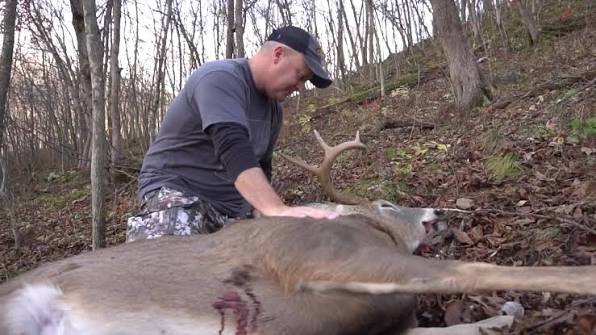
Hair color, length, and texture can help estimate the entrance area. Spongy pink tissue may suggest lung involvement, while digestive material points farther back. Wear gloves and avoid unnecessary contact with blood and tissue.
Inspect the arrow or bolt safely
For archery equipment, examine blood color, odor, fat, hair, and other material before wiping the shaft. Treat every broadhead as extremely sharp and inspect the equipment according to its manufacturer’s instructions before any future use.
Follow changes along the trail
One drop may be misleading. Note whether the blood becomes brighter, darker, more abundant, more watery, or contaminated with other material. Tracks, broken stems, displaced leaves, and beds may be as important as blood.
How Long Should You Wait After Finding Dark Blood?
Dark blood generally calls for more caution than a consistent bright, frothy trail following a confident chest hit. The correct waiting period depends on the likely wound, shot angle, animal reaction, weather, temperature, legal tracking conditions, and whether the deer was seen falling.
The Nebraska Game and Parks Commission provides general guidance of approximately 30 minutes after an apparently good vital hit, two to three hours for a suspected liver hit, and six to twelve hours for a hit farther back. The North Carolina Wildlife Resources Commission advises waiting at least 15–30 minutes or more, with longer waits for poorly hit animals, especially suspected stomach wounds.
| Suspected Situation | General Recovery Approach | Why |
|---|---|---|
| Deer fell and remains visible | Observe from a safe position before approaching | A motionless deer may still be alive |
| Fresh dark blood with likely liver path | Back out and allow several hours; official Nebraska guidance uses two to three hours | An undisturbed deer may bed relatively close |
| Dark blood with digestive material or odor | Allow an extended wait; Nebraska’s general guidance uses six to twelve hours for hits farther back | Immediate pursuit can push an abdominally wounded deer much farther |
| Possible muscle wound | Consult an experienced tracker because the best timing depends on the actual wound | A muscle trail may clot, while an incorrectly diagnosed liver wound should not be pushed |
| Mixed or conflicting evidence | Use the most cautious plausible interpretation | False confidence can reduce the chance of recovery |
These time ranges are general field guidance, not guarantees. Warm temperatures can threaten meat quality, while rain or snow may erase sign. Neither concern makes unsafe pursuit or trespassing acceptable. Contact a local wildlife officer or qualified tracking service when conditions create a difficult decision.
Step-by-Step Recovery Plan for a Dark Blood Trail
- Remain at the shooting position. Watch where the deer travels and listen after it leaves view.
- Mark three locations. Record the hunter’s position, the point of impact, and the last place the deer was visible.
- Write down the shot details. Note the body angle, distance, elevation, reaction, direction of travel, and any sound.
- Wait before approaching. Do not let excitement turn an uncertain wound into an immediate pursuit.
- Examine the impact site carefully. Look for blood, hair, tissue, tracks, disturbed vegetation, and the projectile when applicable.
- Preserve the trail. Walk beside it rather than through it, especially if a tracking dog may be needed.
- Mark each confirmed sign. Biodegradable tissue or removable flagging can reveal the line of travel.
- Keep one person near the last blood. This prevents the search team from losing its reference point.
- Watch for beds. A fresh empty bed may mean the animal was pushed and needs more time.
- Stop when evidence changes. Reevaluate if blood becomes sparse, digestive material appears, or the trail crosses a boundary.
- Call for help early. An experienced tracker or legal tracking-dog team is most useful before the trail becomes contaminated.
What If the Dark Blood Trail Stops?
Mark the final confirmed drop immediately. Do not wander forward and create footprints over the likely route. Check both sides of the trail, nearby vegetation, logs, creek crossings, fence openings, and the most obvious paths into cover.
Possible reasons a trail stops include:
- The wound is high and external blood is limited.
- Fat, hair, or tissue has plugged an exit.
- The blood has begun to clot.
- The deer changed direction or crossed its earlier route.
- Rain, snow, leaves, grass, or water concealed the blood.
- The wound is superficial.
- Most bleeding is internal.
Return repeatedly to the last confirmed sign rather than beginning an uncontrolled grid search. Small arcs or parallel search lines may help, but a trained dog can be more effective when legal. If the deer entered another property, stop and obtain the permission or legal authorization required in that jurisdiction.
Can Rain Make Deer Blood Look Dark?
Yes. Water can spread blood into a thin stain, mix it with soil, and change how light passes through it. Wet red or brown leaves can also alter the apparent color. Snow may make fresh blood highly visible but can dilute or cover it as weather continues.
Photograph important sign and mark its location. Compare several fresh deposits before making a recovery decision. Do not let approaching weather pressure you into immediately pushing a deer that may be bedded nearby.
Can a Flashlight Change the Appearance of Blood?
Yes. Light color, brightness, angle, wet surfaces, and personal color perception can make maroon blood appear bright red, brown, or almost black. Use a dependable white-light headlamp and inspect the same drop from more than one angle.
Night tracking may also introduce navigation, terrain, firearm, and legal risks. If sign becomes difficult to distinguish, preserving the last known location and returning under lawful daylight conditions may be safer and more effective.
Important Safety and Legal Rules
Game recovery may legally remain part of hunting. Rules can govern artificial lights, legal shooting hours, possession of a weapon, tracking dogs, tagging, dispatching wounded game, public-land access, and private-property entry.
- Do not assume that following wounded game authorizes entry onto private property.
- Verify whether a tracking dog must be licensed, registered, or kept on a leash.
- Check whether the wildlife agency must be notified before nighttime or dog-assisted recovery.
- Follow current hunter-orange or visibility requirements.
- Confirm whether a firearm or bow may be carried during recovery outside legal hunting hours.
- Carry navigation, emergency communication, water, weather protection, and first-aid supplies.
- Do not enter unsafe water, steep terrain, thin ice, or severe weather solely to remain on a trail.
- Complete all tagging, reporting, transportation, and carcass-handling requirements.
Tracking-dog laws illustrate how much rules can differ. New York licenses qualified leashed tracking-dog handlers, while Michigan has its own permit, reporting, land-permission, and weapon conditions. These are examples, not nationwide rules.
Legal information reviewed August 22, 2026. Always check the current official regulations for the state, province, wildlife unit, land type, species, season, and hunting method involved.
Firearm Safety During a Recovery
Continue following the four basic firearm-safety principles established in International Hunter Education Association–USA standards:
- Treat every firearm as if it is loaded.
- Keep the muzzle pointed in a safe direction.
- Keep your finger outside the trigger guard until ready to shoot.
- Be certain of the target and what lies beyond it.
Use binoculars rather than a rifle scope to identify objects on the trail. Maintain muzzle control around companions and while crossing obstacles. A mechanical safety does not make unsafe handling acceptable. Any lawful follow-up shot requires positive identification and a safe backstop.
How to Approach a Downed Deer
Observe the animal from a safe distance and watch for breathing, ear movement, blinking, or attempts to rise. Approach carefully from behind when terrain permits, avoiding the legs and antlers. Do not put your face or hands close to the animal.
If the deer remains alive, do not attempt to restrain it. Move to a safe position and follow local law and hunter-education guidance regarding humane recovery. Once death is confirmed, safely secure the firearm or bow before tagging and field dressing.
Common Mistakes When Following Dark Blood
- Calling every dark trail a liver hit: Muscle, venous, aged, diluted, and abdominal blood may also appear dark.
- Judging old and fresh blood together: Blood naturally darkens as it dries.
- Starting too soon: A prematurely pushed liver- or gut-hit deer may travel much farther.
- Ignoring shot angle: Entrance location does not reveal the complete internal path.
- Walking on the trail: This destroys blood, tracks, and scent needed for recovery.
- Using the animal’s reaction as proof: Similar reactions can follow different wounds.
- Following only visible blood: Tracks, vegetation, hair, beds, and sound also matter.
- Creating a large search party: Extra foot traffic can overwhelm subtle evidence.
- Failing to mark the last sign: Searchers often cannot relocate an unmarked drop.
- Crossing a boundary without permission: Ethical recovery must remain legal.
- Waiting too long to call a dog handler: Early contact preserves more tracking options.
Useful Blood-Tracking Equipment
You do not need the most expensive equipment to hunt responsibly. Choose gear based on the species, terrain, weather, local regulations, fit, safety, reliability, maintenance requirements, and your actual experience.
- Binoculars
- GPS device or phone with offline maps
- Compass
- White-light headlamp and backup light where legal
- Spare batteries
- Biodegradable tissue or removable trail markers
- Disposable gloves
- Required hunter-orange or visibility clothing
- First-aid kit
- Drinking water and weather protection
- Emergency communication device appropriate for the area
- Contact information for the landowner, wildlife agency, and legal trackers
Ethical Considerations
An ethical hunter makes every reasonable, safe, and legal effort to recover wounded game. Recovery begins before the hunt through practice, verified equipment, realistic distance limits, positive target identification, and choosing a high-percentage shot with a safe background.
After the shot, patience protects the recovery opportunity. Preserve sign, respect property boundaries, request qualified help when needed, and do not abandon the search merely because the visible blood becomes limited.
If recovery is unsuccessful after a thorough effort, document what happened and correct any accuracy, equipment, range-selection, or decision-making issue before hunting again.
Final Answer: What Does Dark Blood Mean When Tracking Deer?
Fresh dark blood when tracking deer may mean venous bleeding, a liver wound, or a muscle wound. Dark blood combined with green or brown material, digestive odor, or a shot path through the rear abdomen raises concern for a stomach or intestinal hit. Dark dried blood may simply be older blood rather than evidence of a different wound.
Do not diagnose the hit by color alone. Reconstruct the shot angle, study hair and tracks, look for changes along the trail, mark every confirmed sign, and back out when evidence is uncertain. Follow current local rules for tracking dogs, private-property access, artificial lights, weapons, shooting hours, tagging, and humane recovery.
FAQs
1. Does dark blood always mean a liver hit?
No. Fresh dark blood may come from the liver, veins, muscle, or abdominal tissues. Blood also darkens naturally as it dries.
2. What color is blood from a liver-hit deer?
A suspected liver wound commonly produces deep red or maroon blood. Color alone cannot confirm the liver because muscle and venous blood may look similar.
3. What does very dark red deer blood mean?
It may indicate venous, liver, muscle, or abdominal bleeding. Compare several fresh drops and evaluate the projectile’s likely path.
4. Is dark blood a good sign when tracking deer?
It confirms possible bleeding but does not reveal whether the wound is quickly fatal. Dark blood should prompt a careful assessment and usually a more cautious recovery plan.
5. What does dark watery blood mean?
Dark watery blood may result from a liver, muscle, or abdominal wound, but rain, dew, snow, or other body fluids can also dilute it.
6. What does dark blood with green material mean?
This combination suggests possible stomach or intestinal involvement. Back out, allow an extended waiting period, and consider calling an experienced tracker.
7. What does dark blood with a foul smell mean?
A sour or foul digestive odor raises concern that the projectile entered the stomach or intestines.
8. Can a muscle hit produce dark blood?
Yes. Muscle wounds may expose venous blood and produce medium-red, dark-red, or watery blood that can diminish as clotting occurs.
9. Can old blood look like liver blood?
Yes. Blood dries darker and may become brown or nearly black. Compare deposits of similar age before interpreting a color change.
10. How long should I wait after finding dark blood?
The wait depends on the suspected wound. Nebraska’s general guidance uses two to three hours for a suspected liver hit and six to twelve hours for a hit farther back.
11. Should I immediately follow dark blood?
Usually not when the wound could involve the liver or abdomen. Immediate pressure may cause a bedded deer to travel much farther.
12. How far can a liver-hit deer travel?
There is no dependable distance. Terrain, wound severity, animal condition, and whether the deer was pushed can substantially affect travel.
13. Will a liver-hit deer always die?
A significant liver wound is commonly fatal, but field evidence cannot confirm the extent of damage. Continue making every reasonable recovery effort without assuming the outcome.
14. Can a deer survive a muscle hit?
Some muscle wounds are survivable, while others damage major vessels or nearby structures. Blood color cannot determine the severity.
15. What if the dark blood becomes brighter?
The projectile may have crossed different tissues, or lighting and blood age may be affecting color. Reevaluate the complete trail rather than interpreting one change in isolation.
16. What if dark blood turns frothy?
Froth may suggest respiratory involvement. An angled projectile could have crossed both the chest and liver, so do not assume a simple wound path.
17. What if the dark blood trail stops?
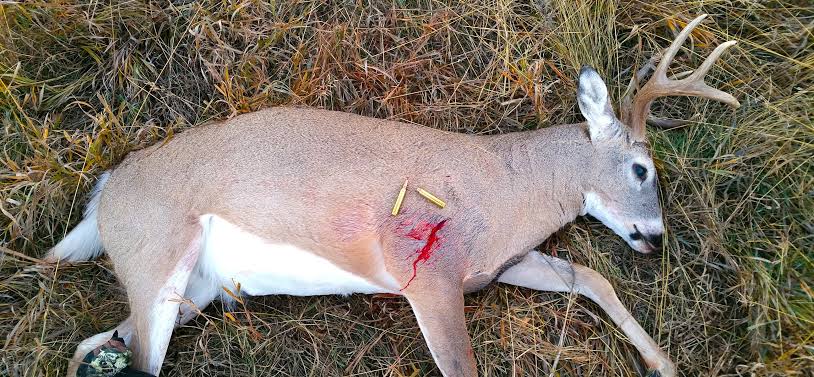
Mark the final confirmed sign, inspect vegetation and tracks, and search with controlled arcs. Contact a trained tracking-dog team before numerous people contaminate the area.
18. Does no blood mean the deer was missed?
No. A wound may bleed internally, begin leaving blood several yards away, or have an entrance or exit positioned too high for immediate drainage.
19. Can rain make blood appear darker?
Yes. Water, soil, leaves, and low light can change perceived color and spread a drop into a thin stain.
20. What color light is best for finding deer blood?
A dependable bright white light generally provides the most natural color reference. Inspect suspected blood from multiple angles and carry backup batteries.
21. Can a deer’s body reaction confirm a liver hit?
No. Hunching, slowing, kicking, or sprinting may offer clues, but similar reactions can occur after different impacts.
22. What hair indicates a liver hit?
Hair alone cannot identify the liver. Its color and length can help estimate the external entrance area, which must then be combined with the shot angle.
23. Is dark blood different after an arrow versus a bullet?
The biological source may be the same, but an arrow or bolt can retain hair, odor, fat, and tissue that provide additional evidence.
24. When should I call a tracking dog?
Call when the wound is uncertain, the blood disappears, you find a fresh empty bed, or the trail reaches difficult terrain. Verify local tracking-dog laws first.
25. Can I track a wounded deer onto private property?
Do not assume you have that authority. Obtain the landowner’s permission or follow the official process required in your jurisdiction.
26. Can I track a deer at night?
Night recovery rules vary. Verify legal shooting hours, artificial-light restrictions, weapon-possession rules, and public-land access before proceeding.
27. How do I preserve a dark blood trail?
Walk beside the blood, mark confirmed locations, limit the number of searchers, and avoid touching or stepping on evidence.
28. What should I do if I find a fresh empty bed?
Stop and reassess. The deer may have been pushed from the bed, so backing out and allowing additional time may improve the recovery chance.
29. How should I approach a downed deer?
Observe from a safe distance, approach carefully from behind when possible, and watch for breathing or movement. Avoid the legs and antlers.
30. What is the safest assumption when the evidence conflicts?
Treat the wound as the slowest likely fatal hit, preserve the trail, back out when appropriate, and seek experienced legal help.
Authoritative Sources and Further Reading
- North Carolina Wildlife Resources Commission: After the Hunt
- North Carolina Wildlife Resources Commission: Recovering Wounded Game Animals
- Nebraska Game and Parks Commission: After the Shot
- International Hunter Education Association–USA Standards
Read more: