
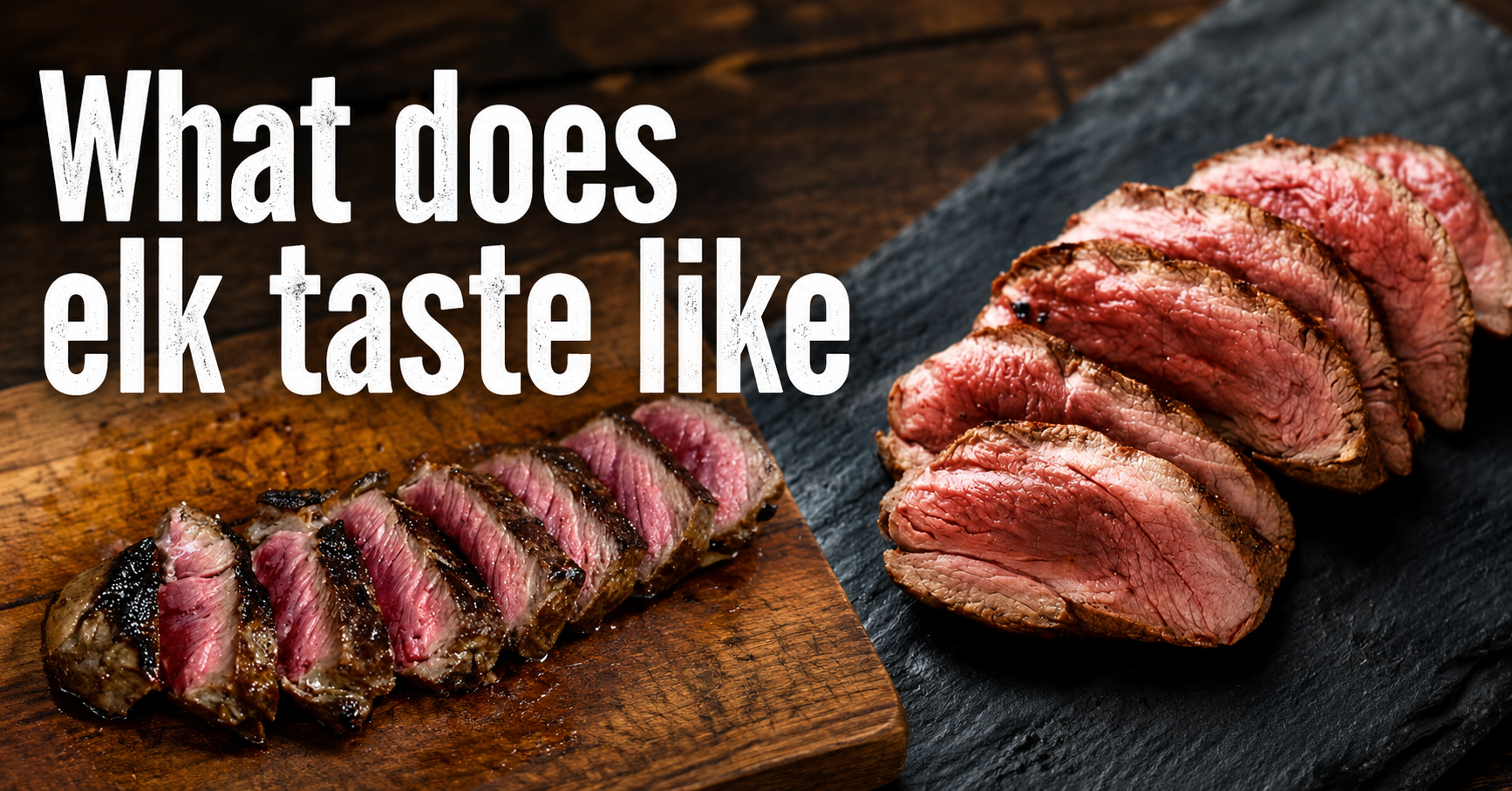

What does elk taste like if you have never tried it? Properly handled elk has a clean, rich, mildly sweet flavor that is often compared with lean grass-fed beef. It has more earthy character than typical supermarket beef but is usually less strongly “gamey” than many people expect from wild venison. Its texture is dense and fine-grained, and because the meat is lean, the cut and cooking method have a major effect on tenderness and juiciness.
This guide explains how elk compares with beef, deer, bison, and lamb; why one elk meal may taste different from another; how to choose a cooking method by cut; and which food-safety and chronic wasting disease precautions matter.
Quick Answer
Elk tastes rich, clean, slightly sweet, and mildly earthy, with a flavor somewhere between lean beef and venison. Most well-handled elk is not intensely gamey, although wild elk can have a more noticeable mineral or woodland character than farm-raised meat. Elk contains little visible marbling, so it can be tender and flavorful when cooked appropriately but dry or firm when overcooked. Field care, animal diet and age, cut selection, trimming, freezing, and cooking technique can all change the final taste.
Elk Flavor at a Glance
| Characteristic | What to expect |
|---|---|
| Overall flavor | Rich, clean, savory, mildly sweet, and gently earthy |
| Gamey intensity | Usually mild when the animal was handled, cooled, trimmed, and stored correctly |
| Texture | Fine-grained and lean; tenderness depends strongly on the cut |
| Fat level | Low visible marbling compared with many beef cuts |
| Closest familiar comparison | Lean grass-fed beef with a light venison character |
| Common cooking challenge | Dryness from using too much heat or the wrong method for the cut |
What Does Elk Taste Like Compared With Other Meats?
| Meat | Flavor compared with elk | Texture and fat |
|---|---|---|
| Beef | Beef is usually fattier and more familiar; elk is leaner, slightly sweeter, and more earthy or mineral. | Many beef cuts have more marbling, making them more forgiving during cooking. |
| Deer | Elk is often described as milder and cleaner, although individual animals and field care can reverse that impression. | Both are lean; elk cuts are larger and can have a fine, dense grain. |
| Bison | Both are rich and lean. Bison often tastes closer to beef, while elk may have a slightly more noticeable wild or earthy note. | Both can dry out if cooked without enough care. |
| Lamb | Lamb usually has a more distinct fatty flavor. Elk is leaner and generally lacks lamb’s characteristic richness. | Lamb fat carries much of its flavor; elk has far less visible fat. |
| Moose | Both are cervid meats with rich, earthy qualities. Moose can taste deeper or more robust depending on diet and handling. | Both require matching tender cuts to dry heat and working cuts to moist heat. |
Taste comparisons are subjective. A carefully processed mature bull may taste better than poorly handled meat from a younger animal, so species alone never tells the whole story.
Is Elk Meat Gamey?
Elk can have a recognizable wild-game character, but good elk meat should not automatically taste harsh, rancid, sour, or overpowering. Many first-time eaters find it more approachable than deer because its flavor can resemble very lean beef with a mild earthy finish.
“Gamey” is not one precise flavor. People use the word to describe several sensations:
- A stronger mineral or iron-like note
- An earthy, herbal, or woodland quality
- A waxy or lingering flavor from wild-game fat
- Oxidized or freezer-burned flavors
- Off-flavors caused by delayed cooling or contamination
Colorado State University Extension’s field-care guidance emphasizes that processing and handling strongly influence the “wild” taste of big game. A noticeable elk flavor may be normal; sour, putrid, rancid, or ammonia-like odors are not qualities to disguise with seasoning.
Why Does Elk Taste Different From One Meal to Another?
Animal Diet and Habitat
Wild elk eat grasses, forbs, shrubs, bark, and other plants available in their habitat. Regional vegetation and season can contribute subtle herbal, earthy, or mineral differences. Farm-raised elk generally receive a more controlled diet, so the flavor may be more consistent.
Age, Sex, and Season
Younger animals often provide finer-textured, milder meat, while older animals may have deeper flavor and more developed connective tissue. Sex and breeding season may also affect flavor and tenderness, but field care and cut selection remain major variables. These are tendencies, not guarantees.
Field Care
Prompt field dressing, clean work, airflow, and rapid cooling protect both quality and safety. Heat trapped in a large carcass allows deterioration to begin quickly. Contact with hair, dirt, digestive contents, or dirty equipment can also create unpleasant flavors.
Fat and Silverskin
Elk fat can carry a more pronounced wild flavor and may feel waxy when it cools. North Dakota State University Extension recommends trimming game fat to reduce strong flavor, then adding a neutral or familiar cooking fat when more juiciness is needed. Removing thick silverskin and dried exterior tissue also improves texture.
Cut of Meat
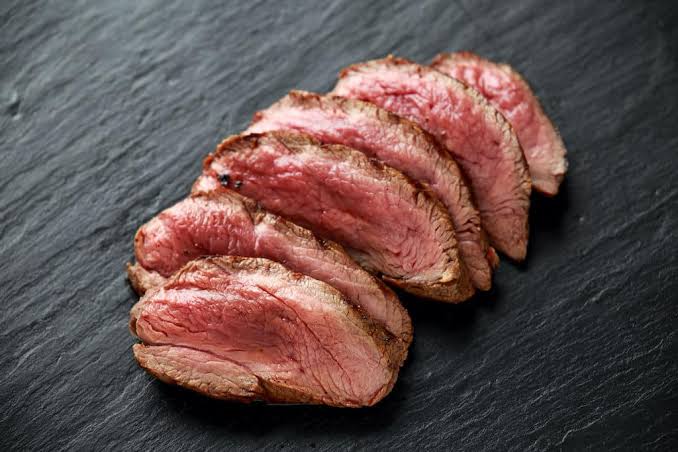
Backstrap and tenderloin are mild and naturally tender. Round cuts are lean and can be sliced for steaks, roasts, jerky, or grinding. Shoulder, neck, shank, and other working muscles contain more connective tissue and taste best when braised, stewed, or pressure-cooked until tender.
Storage and Freezer Quality
Air exposure causes oxidation and freezer burn. Poor wrapping can leave elk dry, stale, or cardboard-like even when the meat remains frozen. Vacuum sealing or tight freezer wrapping, clear labels, and steady freezer temperatures help preserve flavor.
Cooking Method
Because elk is lean, a cooking method that works for a heavily marbled beef steak may leave elk dry. Excessive heat can concentrate mineral notes and create a firm, livery texture. Tough cuts, however, need enough time and moisture for connective tissue to soften.
How Different Elk Cuts Taste
| Cut | Typical flavor and texture | Suitable method |
|---|---|---|
| Tenderloin | Very tender, mild, delicate, and lean | Pan-searing, grilling, or roasting with careful temperature control |
| Backstrap | Clean, rich flavor with fine grain and good tenderness | Medallions, steaks, roasts, or quick searing |
| Sirloin and round | Lean, moderately tender, slightly deeper flavor | Roasts, steaks, stir-fry, jerky, or grinding depending on the muscle |
| Shoulder and neck | Robust flavor with more connective tissue | Braising, stewing, slow cooking, or pressure cooking |
| Shank | Deep flavor and a tough texture until connective tissue softens | Long, moist cooking such as osso buco-style braising |
| Ground elk | Mild to rich depending on trim and any added fat | Burgers, chili, meatballs, tacos, meatloaf, and sausage |
| Organ meat | Much stronger, more mineral, and more distinctive than muscle meat | Use only when legal and consistent with current disease guidance |
How to Make Elk Taste Mild and Tender
- Start with properly handled meat. Seasoning cannot make spoiled, contaminated, or unsafe meat acceptable.
- Thaw in the refrigerator. Keep raw juices away from ready-to-eat food.
- Trim carefully. Remove visible elk fat, thick silverskin, bloodshot tissue, hair, and dried or damaged edges.
- Choose the method by cut. Use quicker dry-heat methods for naturally tender cuts and moist, slow cooking for heavily worked muscles.
- Add fat thoughtfully. A little cooking oil, butter, stock, or another recipe-appropriate fat can improve juiciness. Ground elk may benefit from added fat depending on the dish.
- Season to complement rather than bury. Salt, black pepper, garlic, rosemary, thyme, juniper, mushrooms, onions, berries, and red-wine sauces pair naturally with elk.
- Use a food thermometer. Color and firmness alone are not reliable safety tests.
- Rest and slice correctly. Let cooked whole cuts rest when the applicable guidance calls for it, then slice across the grain for a more tender bite.
Do You Need to Marinate Elk?
No. Clean, tender elk cuts can taste excellent with simple seasoning. A marinade is useful when you want extra flavor, surface browning, or some protection against dryness. Acidic marinades can affect the surface texture, but leaving a delicate cut in a strong acid for too long may make the exterior soft or mealy.
Always marinate elk in the refrigerator. Do not reuse raw-meat marinade as a finishing sauce unless it is cooked according to food-safety guidance; the simpler option is to reserve a clean portion before adding the meat. Milk or buttermilk soaks are traditional in some kitchens, but they are optional and cannot make spoiled or CWD-positive meat safe.
Food Safety: Cooking and Handling Elk
Wild-game recommendations can be more conservative than advice for inspected beef. FoodSafety.gov lists wild or farm-raised venison at 160°F (71°C), and NDSU Extension likewise recommends cooking game meat to an internal temperature of at least 160°F. Use a calibrated food thermometer in the thickest part, away from bone or the pan.
- Cook ground elk, elk burgers, and elk sausage to at least 160°F (71°C).
- Use the current official wild-game recommendation applicable in your location for whole elk cuts; when none is available, 160°F (71°C) is a conservative home-safety target.
- Reheat leftovers to 165°F (74°C), following current FoodSafety.gov guidance.
- Keep raw elk separate from cooked food, salads, and other ready-to-eat items.
- Thaw in the refrigerator or by another officially approved method, not on the counter.
- Refrigerate or freeze meat promptly and discard meat left at unsafe temperatures beyond official limits.
Some recipes recommend rare or medium-rare wild elk. That may conflict with conservative public-health guidance for venison. Flavor preference does not override food safety, particularly for children, pregnant people, older adults, or anyone with a weakened immune system. Follow current local health guidance and any instructions supplied with commercially processed elk.
Chronic Wasting Disease Precautions
Chronic wasting disease, or CWD, affects deer, elk, and related animals in some regions. It is not something you can identify by flavor, smell, or ordinary cooking. The CDC’s current CWD guidance advises hunters to check state wildlife and health department recommendations, strongly consider testing deer or elk before eating the meat, and never eat meat from an animal that tests positive.
- Do not shoot, handle, or eat an elk that appears sick or behaves abnormally.
- Wear gloves during field dressing and processing.
- Minimize handling of the brain, spinal cord, eyes, spleen, tonsils, and lymph nodes.
- Bone out meat rather than cutting through the spine when that matches agency guidance.
- Ask a commercial processor to keep your elk separate from other animals.
- Wait for required or recommended test results before eating the meat.
- Do not assume freezing, marinating, smoking, or ordinary cooking destroys CWD prions.
CWD testing, carcass transport, disposal, and processing rules vary by jurisdiction and may change. Verify the current regulations for the hunt area and the destination before moving any carcass or high-risk parts.
Lead Fragment Considerations
When an elk is harvested with lead ammunition, small fragments can travel beyond the visible wound channel. Trimming damaged tissue is important, but it may not remove every microscopic fragment. Hunters who want to reduce this concern can review current state health and wildlife guidance, discuss processing practices, and consider suitable nonlead hunting ammunition where legal and compatible with the firearm.
Do not grind visibly bloodshot or fragment-contaminated meat into burger or sausage. Positive target identification, a safe backstop, legal equipment, practiced accuracy, and humane shot selection remain essential during the hunt.
How to Tell Whether Elk Meat Has Gone Bad
Fresh raw elk normally has a dark red color and a mild meat smell. Freezing and oxygen exposure can change color, so color alone does not prove safety or spoilage.
Discard elk rather than tasting it if it has:
- A sour, putrid, ammonia-like, or distinctly rancid odor
- A sticky or slimy surface that is not simply thawing moisture
- Evidence of uncontrolled warm storage
- Contamination from digestive contents that could not be safely removed
- Packaging that leaked, swelled, or lost its seal with uncertain storage history
- Any condition that conflicts with a wildlife-agency, processor, recall, or health-department warning
Cooking, smoking, soaking, or adding strong spices does not rescue spoiled meat or meat from a CWD-positive animal.
Common Mistakes That Make Elk Taste Worse
- Allowing the carcass to stay warm: Slow cooling can damage flavor and safety.
- Leaving hair, dirt, or elk fat on the meat: These can create strong or unpleasant flavors.
- Using one cooking method for every cut: Tenderloin and shank need very different treatment.
- Cooking by time or color alone: Use a thermometer for safety and judge tenderness by the needs of the cut.
- Using high heat for too long: Lean elk can become dry, firm, and more metallic-tasting.
- Freezing in loose packaging: Air exposure creates freezer burn and stale flavors.
- Trying to hide spoilage with marinade: Off-smelling meat should be discarded, not disguised.
- Mixing animals at the processor before CWD results: This can prevent you from knowing which meat came from your elk.
Final Answer
Elk tastes like lean, high-quality beef with a mild venison character: rich, clean, slightly sweet, and earthy rather than aggressively gamey. Tender cuts can be fine-grained and delicate, while shoulder, neck, and shank have deeper flavor and need moist, slow cooking. Proper field care, fast cooling, trimming, airtight storage, and matching the method to the cut make the biggest difference. Use a food thermometer, follow current wild-game safety guidance, test for CWD when recommended or required, and never eat elk that appears sick, tests positive, or was handled unsafely.
FAQs
1. Does elk taste like beef?
Yes, elk is often compared with lean grass-fed beef. It usually has less fatty richness and a slightly sweeter, earthier, or more mineral flavor.
2. Does elk taste like deer?
Elk and deer are both venison, so they share a lean, earthy character. Many people find elk milder and cleaner than deer, but diet, age, field care, and cooking can matter more than the species name.
3. Is elk meat gamey?
It can have a mild wild flavor, but properly handled elk should not automatically taste harsh or overpowering. Strong flavors often increase when fat, silverskin, contamination, slow cooling, or freezer damage are involved.
4. Is elk sweeter than beef?
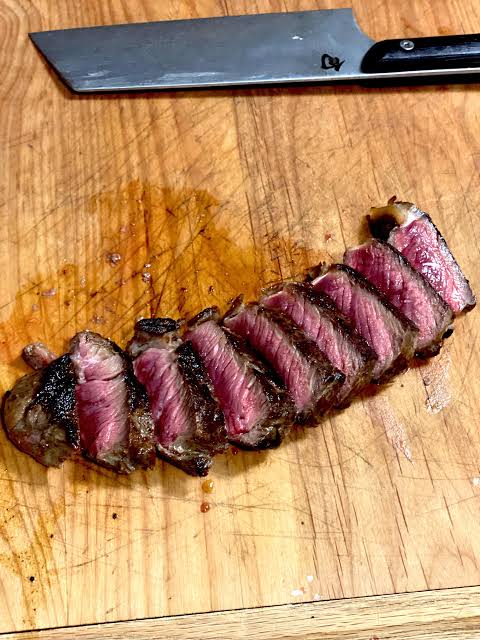
Some people notice a subtle natural sweetness in elk. It is not sugary; the impression comes from its clean, lean flavor and lack of heavy beef fat.
5. Does elk taste like bison?
Both are lean, rich red meats. Bison often tastes more directly beef-like, while elk may have a slightly more noticeable earthy or wild note.
6. Does elk taste like lamb?
Not closely. Lamb has a distinctive flavor carried by its fat, while elk is much leaner and usually tastes closer to beef or venison.
7. What is the texture of elk meat?
Elk is fine-grained, dense, and lean. Tenderloin and backstrap can be very tender, while shoulder, neck, and shank are firm until slow cooking softens their connective tissue.
8. What is the best-tasting cut of elk?
Many people favor tenderloin or backstrap because they combine mild flavor with natural tenderness. “Best” depends on the dish: shank and neck can produce deeper flavor in braises and stews.
9. Does bull elk taste stronger than cow elk?
A mature bull may have deeper flavor and firmer texture, especially around the breeding season, while cow or younger elk may taste milder. This is not guaranteed; handling, diet, cut, and cooking remain major factors.
10. Does wild elk taste different from farm-raised elk?
Wild elk may show more variation from natural diet, age, season, and activity. Farm-raised meat can be more consistent because feeding and processing are controlled.
11. Why does my elk taste metallic?
A mild iron-like note can be part of lean red meat. A strong metallic flavor may be intensified by bloodshot tissue, overcooking, oxidation, cookware, or poor handling. Discard meat with sour, rancid, or putrid odors.
12. Why does elk taste livery?
Overcooking lean muscle, leaving bloodshot tissue, or using certain cuts can produce a livery impression. Trim carefully, use the correct method, and avoid prolonged high heat.
13. How do you remove the gamey taste from elk?
Start with clean, rapidly cooled meat. Trim visible fat and silverskin, thaw safely, choose the proper cooking method, and use a balanced marinade or seasoning if desired. No preparation method can correct spoilage or make CWD-positive meat safe.
14. Should you soak elk meat in milk?
It is optional. Milk or buttermilk may soften the perceived flavor for some recipes, but good elk does not require it. Always soak in the refrigerator and discard the used liquid.
15. Should elk be marinated?
Marinating is useful for flavor and surface seasoning but not mandatory for tender, well-handled cuts. Avoid very long acidic marinades that can make the surface mushy.
16. What seasonings go well with elk?
Salt, black pepper, garlic, rosemary, thyme, juniper, mushrooms, onions, mustard, berries, and red-wine sauces complement elk. Start simply so the natural flavor remains noticeable.
17. What sauces pair well with elk?
Mushroom sauce, pan gravy, red-wine reduction, peppercorn sauce, berry sauce, and mustard-based sauces work well. Choose a sauce that adds moisture without overwhelming the meat.
18. Can elk replace beef in recipes?
Often, yes. Elk works in chili, tacos, meatloaf, stew, burgers, and stir-fry. Because it is leaner, the recipe may need added moisture or fat and a shorter or more carefully controlled cooking process.
19. Does ground elk taste different from elk steak?
Yes. Ground elk blends multiple muscles and may include added fat, so it can taste richer and more uniform. Steak preserves the flavor and texture of one specific cut.
20. Are elk burgers dry?
They can be because elk is lean. Use an appropriate added fat or moisture source if the recipe calls for it, handle the meat gently, and cook to the official safe temperature without unnecessary extra time.
21. What temperature should elk be cooked to?
FoodSafety.gov lists wild or farm-raised venison at 160°F (71°C), and NDSU Extension recommends at least 160°F for game meat. Use current local guidance for the exact product and preparation, especially for whole cuts, sausage, jerky, or commercially processed meat.
22. Can you eat elk rare?
Rare wild elk may not meet conservative public-health guidance for venison. Follow current official advice in your jurisdiction and use a food thermometer rather than relying on appearance.
23. Can cooking destroy CWD in elk meat?
Ordinary cooking, freezing, smoking, or marinating should not be relied on to eliminate CWD prions. Do not eat meat from an elk that tests positive.
24. Should an elk be tested for CWD before eating?
The CDC says to strongly consider testing deer or elk before consumption and to follow state recommendations. Testing may be required or especially important in CWD management areas.
25. Can you tell whether elk has CWD by taste or smell?
No. Taste, smell, color, and ordinary inspection cannot determine CWD status. Use an approved testing program and follow wildlife-agency guidance.
26. How can you tell if elk meat is spoiled?
Sour, putrid, rancid, or ammonia-like odor; persistent slime; unsafe warm storage; or uncertain leaking packaging are reasons to discard it. Do not taste meat to test whether it is safe.
27. How long can elk stay in the freezer?
Safety and best-quality timelines are not identical. Meat kept continuously frozen remains safe longer than it retains peak flavor, but packaging, freezer temperature, cut, and fat affect quality. Follow current FoodSafety.gov storage guidance and label every package.
28. Is elk considered venison?
Yes. In broad culinary and wildlife usage, venison can include meat from elk and other deer-family animals, although many people use “venison” specifically for deer meat.
29. Is elk meat greasy?
Elk muscle is generally lean, but retained wild-game fat can leave a waxy or lingering mouthfeel. Trimming visible elk fat and adding a suitable cooking fat gives the cook more control over flavor.
30. Why is properly handled elk often mild?
Rapid cooling, clean processing, careful trimming, and airtight storage prevent many off-flavors that people label “gamey.” The natural meat still has character, but it should taste clean rather than spoiled or rancid.
Read more: