
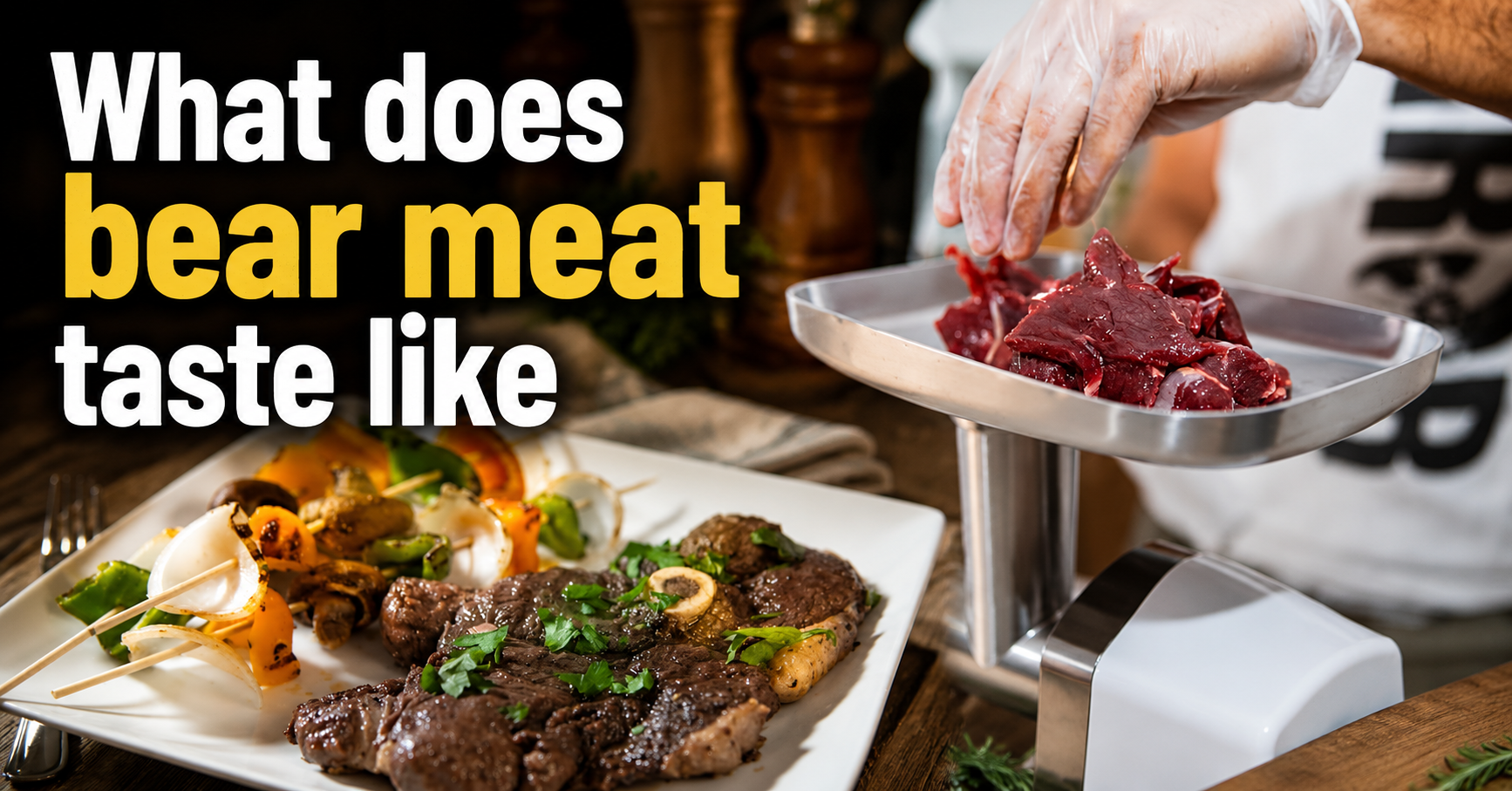

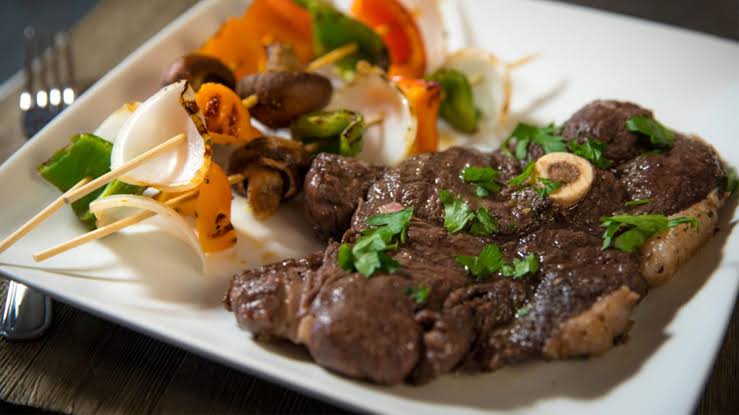
Bear meat is a dark, rich wild meat commonly compared with beef, pork, and venison. Its exact flavor can range from mild, slightly sweet, and nutty to noticeably gamey, oily, or fishy. The bear’s diet, season, fat quality, age, field care, storage, and cooking method can all affect the final result.
Taste is subjective, but safety is not: bear meat should never be served raw, rare, or medium-rare. It can carry Trichinella parasites and must be cooked thoroughly to a thermometer-verified safe internal temperature.
Quick Answer
Bear meat generally tastes like a richer combination of beef and pork with some of the earthy character associated with venison. Bears feeding on berries, nuts, vegetation, or agricultural crops may produce mild or slightly sweet-tasting meat, while a diet heavy in fish, carrion, or garbage may create stronger flavors. Bear fat also carries much of the animal’s dietary flavor. Regardless of the recipe, current CDC outbreak guidance recommends cooking bear meat to an internal temperature of at least 165°F (74°C).
Bear Meat Flavor at a Glance
| Characteristic | Typical description |
|---|---|
| Overall flavor | Rich, savory, and more intense than ordinary beef |
| Closest comparison | A combination of beef, pork, and venison |
| Texture | Varies from firm and lean to tender and fatty, depending on the cut and animal |
| Color | Usually dark red before cooking |
| Fat | Can be abundant and strongly influenced by the bear’s diet |
| Potential gamey flavor | Mild to strong depending on diet, field care, fat, and preparation |
| Best cooking styles | Braising, stewing, roasting, grinding, and other fully cooked preparations |
| Essential safety rule | Cook to at least 165°F (74°C), verified with a food thermometer |
What Influences the Taste of Bear Meat?
The Bear’s Diet
Diet is one of the strongest influences on bear-meat flavor, especially because fat can absorb aromas and flavors associated with food sources.
- Berries and fruit: Meat and fat are often described as mild, clean, or slightly sweet.
- Acorns, beechnuts, and other mast: These foods may contribute to a rich or subtly nutty flavor.
- Green vegetation: Bears feeding primarily on grasses and plants may produce relatively mild meat.
- Agricultural crops: Flavor may be mild and rich, although results vary by animal and crop.
- Fish: Bears eating large amounts of fish may develop stronger, oily, or fish-like flavors.
- Carrion or garbage: These food sources may contribute to unpleasant odors or stronger-tasting fat.
These are common hunter observations rather than guarantees. A bear’s recent feeding history cannot predict flavor with complete certainty.
Spring Versus Fall Bear Meat
Spring bears are commonly leaner after emerging from hibernation. Their meat may be relatively mild, particularly when they have been feeding on fresh vegetation.
Fall bears may carry considerably more fat as they prepare for winter. That fat can add moisture and richness when the bear has been feeding on desirable foods such as berries or mast. It can also concentrate unpleasant flavors when the bear has been eating fish, carrion, or refuse.
The Quality of the Fat
Unlike many other game animals, bears can carry substantial fat. Good-quality bear fat may add richness, while strong-smelling fat can dominate a dish.
Smell a small piece during processing. Fat with an unpleasant fishy, rancid, sour, or garbage-like odor may be better trimmed away rather than included in ground meat or sausage. Trimming does not make spoiled meat safe; meat that was improperly handled or shows signs of spoilage should not be eaten.
Field Care and Cooling
A bear’s thick hide and insulating fat can retain heat. Delayed skinning and cooling may reduce meat quality and increase food-safety risks, particularly during warm weather.
Keep the meat clean, avoid contamination from digestive contents, and begin cooling it promptly. Exact field-care procedures depend on the weather, location, available equipment, and local wildlife-agency recommendations.
Age, Cut, and Cooking Method
Age and activity can affect tenderness. Frequently used muscles may be firmer and better suited to slow cooking, while some cuts can be sliced into steaks or roasts. Because bear must be cooked thoroughly, methods that preserve moisture while reaching a safe temperature generally produce better results than quickly cooking a thick steak over extreme heat.
Does Bear Meat Taste Gamey?
Bear meat can taste gamey, but it does not always have a strong wild flavor. Properly cooled meat from a bear eating berries, nuts, or vegetation may be surprisingly mild. Strong gamey flavor is more likely when the meat contains unpleasant-tasting fat, was not cooled promptly, or came from an animal with a diet dominated by fish, carrion, or refuse.
“Gamey” can also describe several different qualities, including earthy flavor, mineral richness, strong fat, or improper handling. A naturally rich wild-meat flavor is not the same as sourness, rancidity, or spoilage.
What Is the Texture of Bear Meat?
Bear meat can be dense and substantial like beef, but its texture varies considerably by cut. Lean muscle may become dry or tough when cooked without enough moisture. Fatty cuts and connective-tissue-rich roasts can become tender when braised slowly and brought to the required safe internal temperature.
Ground bear is versatile because tougher cuts and trimmings can be used in burgers, meatloaf, chili, pasta sauce, or sausage. Every portion must still be cooked thoroughly.
Best Ways to Cook Bear Meat
Braised Bear Roast
Braising combines moisture, moderate heat, and time. It works well for shoulder, neck, shank, and other connective-tissue-rich cuts. Aromatic vegetables, stock, herbs, and an acidic ingredient can help balance the meat’s richness.
Bear Stew or Chili
Small, evenly cut pieces are easy to cook thoroughly in a stew. Brown the meat without crowding the pan, then simmer it with vegetables and liquid until tender. Verify the internal temperature of the largest pieces rather than assuming a bubbling sauce has heated every piece adequately.
Ground Bear
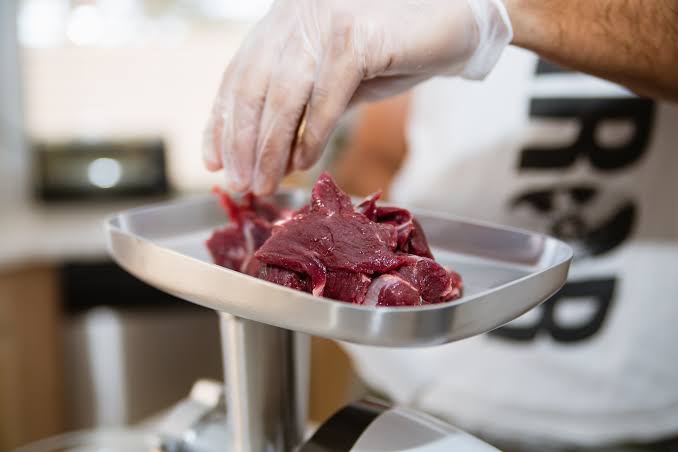
Ground bear can be used in meatballs, meatloaf, burgers, tacos, pasta sauce, or sausage. Grinding distributes surface contamination throughout the mixture, making thorough cooking essential. Clean and sanitize the grinder and work surfaces after processing.
Bear Sausage
Bear sausage can be flavorful when made with clean meat and suitable fat. Do not taste the raw mixture to adjust seasoning. Cook a small test portion completely to 165°F before tasting it.
Smoking, drying, curing, or freezing alone cannot be relied on to eliminate Trichinella. Any bear sausage or jerky method must include a validated heating step that brings the product to a safe internal temperature.
Bear Steak
Bear steak is more challenging than venison or beef steak because it cannot safely be served rare or medium-rare. Thin cuts, tenderizing, marinating, and moisture-preserving cooking methods can help. Use a thermometer rather than judging doneness by color.
Important Bear-Meat Safety Rules
Bear meat can carry microscopic Trichinella larvae. The parasites cannot be detected reliably through appearance, smell, or taste, and an apparently healthy bear may still carry them.
Recent CDC outbreak guidance for undercooked bear meat states that wild game should reach an internal temperature of at least 165°F (74°C) to kill Trichinella. Use a calibrated food thermometer in the thickest part of the meat.
- Do not eat or serve raw, rare, or medium-rare bear meat.
- Do not sample raw ground meat or sausage mixture.
- Do not rely on meat color, firmness, cooking time, or clear juices.
- Keep raw bear meat and its juices separate from vegetables and ready-to-eat foods.
- Use separate plates and utensils for raw and cooked meat.
- Wash hands with soap and warm water after handling raw meat.
- Clean grinders, knives, cutting boards, counters, and reusable equipment thoroughly.
- Do not feed raw bear scraps to people or domestic animals.
Freezing Does Not Make Bear Meat Safe to Eat Rare
The CDC’s trichinellosis prevention guidance warns that freezing wild game may not kill every species of Trichinella. Some strains associated with northern wildlife are resistant to freezing.
Even bear meat that has remained frozen for weeks or months must be cooked thoroughly. Freezing is useful for storage but is not a substitute for cooking.
Smoking, Drying, and Curing Are Not Enough by Themselves
Cold smoking, drying, salting, curing, or microwaving alone does not consistently kill Trichinella. Homemade bear jerky and sausage require special attention because thin or smoked meat can look finished without reaching a safe internal temperature.
Cross-Contamination Can Infect Other Foods
A 2024 CDC report described infections among people who ate vegetables cooked with undercooked bear meat but did not eat the meat itself. Prepare bear separately from foods that will be eaten raw or that have already been cooked.
How to Keep Bear Meat Mild and Enjoyable
- Cool the animal promptly. Remove heat-retaining hide and fat as conditions and regulations allow.
- Keep the meat clean. Prevent contact with soil, hair, digestive contents, dirty water, and contaminated tools.
- Trim selectively. Remove bruised tissue, bloodshot areas, glands, connective tissue, and unpleasant-smelling fat.
- Age only under controlled conditions. Do not attempt warm-weather aging without appropriate refrigeration and experience.
- Use the right cooking method for each cut. Braise tougher cuts and grind clean trimmings.
- Season to complement rather than conceal. Garlic, onion, juniper, rosemary, thyme, pepper, mustard, and fruit-based sauces can balance rich meat.
- Cook thoroughly without drying it unnecessarily. Moist cooking methods help bear meat remain tender while reaching 165°F.
How Bear Meat Compares With Other Wild Meat
| Meat | General flavor comparison | Typical fat level | Important preparation difference |
|---|---|---|---|
| Bear | Rich combination of beef, pork, and venison; highly diet-dependent | Lean to very fatty | Must be cooked thoroughly because of Trichinella risk |
| Venison | Lean, earthy, and sometimes mineral | Usually low | Can dry quickly because of its leanness |
| Wild hog | Pork-like but often darker and more robust | Variable | Also requires careful parasite and food-safety practices |
| Elk | Mild, clean, and beef-like | Generally low | Benefits from avoiding overcooking, subject to applicable safety guidance |
| Beef | Familiar savory flavor | Highly variable by cut | Commercial handling and inspection differ from hunter-harvested game |
When Bear Meat Should Not Be Eaten
Do not eat bear meat when:
- The animal appeared sick or behaved abnormally and official guidance advises against consumption.
- The carcass was not recovered, cooled, or stored safely.
- The meat has a persistent sour, rancid, rotten, or otherwise abnormal odor.
- There is extensive contamination that cannot be removed safely.
- The meat conflicts with a wildlife-agency disease advisory.
- You cannot verify that it reached the recommended safe internal temperature.
- Possession or consumption would violate local hunting, transfer, or wildlife regulations.
When uncertain about the condition of the animal or meat, contact the appropriate wildlife agency, health department, or qualified wild-game processor. Cooking does not reverse spoilage or make improperly handled meat acceptable.
Legal and Ethical Considerations
Bear seasons, tags, harvest reporting, mandatory inspections, evidence-of-sex requirements, meat-salvage rules, transportation, transfer, and sale restrictions vary by jurisdiction. Verify current regulations with the wildlife agency where the bear was harvested and where the meat will be transported or consumed.
Responsible hunters should recover edible meat promptly, prevent waste, maintain accurate harvest records, and use as much of the animal as regulations and food safety allow. Official regulations always override general online guidance.
Final Answer
So, what does bear meat taste like? Most people describe it as a rich, dark meat combining qualities of beef, pork, and venison. Bears feeding on berries, nuts, and vegetation may taste mild or slightly sweet, while fish, carrion, garbage, poor-quality fat, and delayed cooling can create stronger flavors. Braises, roasts, stews, chili, and fully cooked ground dishes are practical choices. Most importantly, cook every portion to at least 165°F (74°C) and prevent raw-meat cross-contamination.
FAQs
1. Is bear meat good to eat?
Properly handled and thoroughly cooked bear meat can be rich and enjoyable. Quality varies significantly with diet, season, fat, field care, and cooking method.
2. Does bear meat taste like beef?
It can have a beef-like richness, but it is generally darker and more distinctive. Many people describe it as a mixture of beef, pork, and venison.
3. Does bear meat taste like pork?
Its richness and fat can be pork-like, particularly in roasts, sausage, and ground dishes. Bear usually has a darker color and more pronounced wild-meat character.
4. Does bear meat taste like venison?
Bear can share venison’s earthy, wild flavor, but it is often richer and fattier. Lean spring bear may taste more similar to venison than a fat fall bear.
5. Why does some bear meat taste fishy?
A diet containing large amounts of fish may influence the meat and especially the fat. Trimming strong-smelling fat may help, but meat with spoilage odors should be discarded.
6. Do berry-fed bears taste better?
Many hunters describe berry-fed bears as mild, sweet, or clean-tasting. This is a common observation rather than a guarantee for every animal.
7. Does spring bear taste different from fall bear?
Spring bear is often leaner, while fall bear may carry more fat. Fall flavor depends heavily on whether the bear has been eating berries and nuts or less desirable foods such as fish, carrion, or refuse.
8. Is black bear meat gamey?
It can be, but properly cooled black bear from a favorable food source may be relatively mild. Strong fat and poor field care often intensify gamey flavor.
9. What color is bear meat?
Raw bear meat is usually dark red. Color cannot reveal whether it contains parasites or whether it has reached a safe cooking temperature.
10. Is bear meat tough?
Some cuts can be firm or tough, especially from frequently used muscles. Braising, stewing, and slow roasting can soften connective tissue while allowing the meat to cook thoroughly.
11. Can you eat bear meat rare?
No. Bear meat can contain Trichinella parasites and should not be served raw, rare, or medium-rare.
12. What temperature should bear meat reach?
Current CDC bear-associated outbreak guidance recommends an internal temperature of at least 165°F (74°C), verified with a food thermometer.
13. Does freezing kill parasites in bear meat?
Not reliably. Some Trichinella species found in wild game resist freezing, so frozen bear meat must still be thoroughly cooked.
14. Can you make bear jerky safely?
Only with a process that includes a validated heating step bringing the meat to a safe internal temperature. Drying, curing, or cold smoking alone is not reliable protection against Trichinella.
15. Can you smoke bear meat?
Yes, but smoking alone is not a reliable safety measure. Monitor the thickest portion with a thermometer and ensure it reaches at least 165°F.
16. Can bear meat be cooked in a slow cooker?
Yes, provided the meat reaches the recommended internal temperature. Do not place partially frozen meat in a slow cooker or rely solely on cooking time to determine safety.
17. Is ground bear meat good for burgers?
Ground bear can make flavorful burgers, but they must be cooked thoroughly rather than served pink. Use a thermometer to verify the center reaches 165°F.
18. Can you make sausage from bear meat?
Yes. Use clean equipment, keep the mixture cold during processing, avoid tasting it raw, and cook the finished sausage thoroughly.
19. What seasonings work with bear meat?
Garlic, onion, rosemary, thyme, pepper, mustard, juniper, smoked paprika, and fruit-based sauces can complement its rich flavor. Seasoning preferences depend on the recipe and the meat’s natural intensity.
20. Should all bear fat be removed?
No. Pleasant-smelling fat can contribute moisture and flavor, but strong, fishy, rancid, or otherwise unpleasant fat is commonly trimmed. Fat cannot be used to rescue spoiled meat.
21. Can bear fat be rendered?
Clean, good-quality fat can be rendered for culinary uses where legal and appropriate. It should be processed hygienically, heated thoroughly, strained, refrigerated or frozen appropriately, and discarded if it develops an abnormal odor.
22. How quickly should a harvested bear be cooled?
Cooling should begin as soon as practical, especially in warm weather. A bear’s hide and fat retain heat, so follow local wildlife-agency guidance for skinning, quartering, transportation, and refrigeration.
23. How long can bear meat stay frozen?
Quality depends on freezer temperature, packaging, fat content, and exposure to air. Freezing preserves meat but does not reliably eliminate Trichinella, so thoroughly cook it after thawing.
24. Is bear meat legal to eat?
Legally harvested bear meat can generally be consumed, but hunting, possession, transfer, transportation, salvage, and sale rules vary. Check current regulations for every applicable jurisdiction.
25. How can you tell if bear meat has Trichinella?
You cannot reliably identify it through sight, smell, or taste. Treat all bear meat as potentially infected and cook it to the recommended internal temperature.
26. What should I do if I ate undercooked bear meat?
Contact a healthcare professional or local public-health authority promptly and explain that you ate undercooked bear meat. Do not wait for severe symptoms before asking for medical guidance.
27. What symptoms can occur after eating infected bear meat?
Trichinellosis may cause digestive symptoms followed by fever, muscle pain, weakness, headache, or swelling around the eyes. Symptoms and timing vary, so possible exposure should be discussed with a healthcare professional.
28. Can vegetables be contaminated by raw bear meat?
Yes. Raw juices or contact with undercooked bear meat can contaminate other foods. Keep raw meat separate and use clean utensils, cutting boards, cookware, and serving plates.
Read more: