
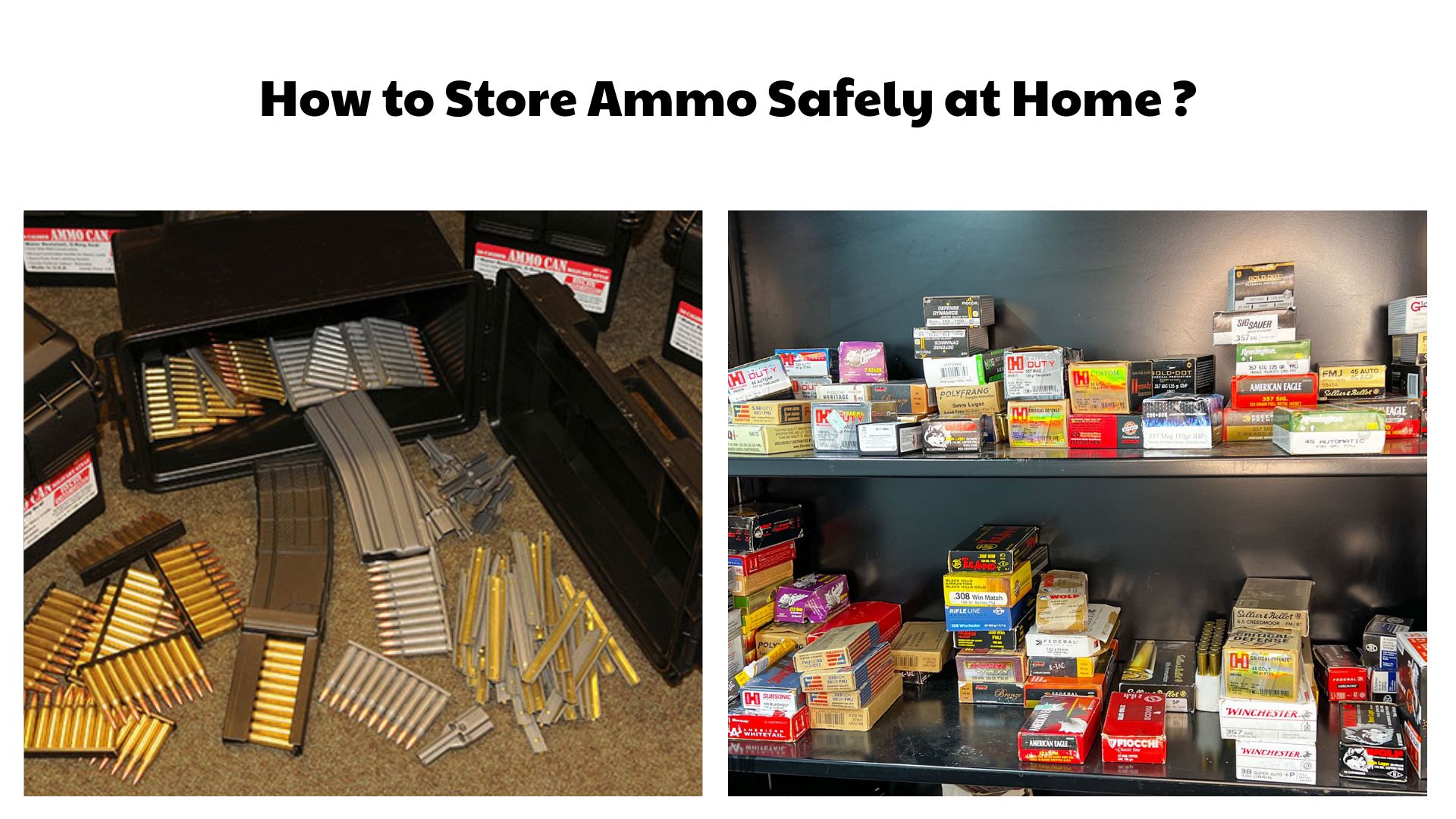

Proper ammunition storage is a critical aspect of firearm ownership that directly affects both safety and performance. While ammunition is designed to be stable, it is still sensitive to environmental conditions such as heat, moisture, and contamination. Storing it correctly ensures that it remains reliable whenever it is needed.
Improper storage can lead to a range of serious issues, including corrosion of metal components, degradation of gunpowder, and primer failure. These problems can result in misfires, inconsistent ballistics, or complete ammunition failure, which may pose safety risks during use.
As firearm ownership continues to grow among gun owners, hunters, sport shooters, and recreational enthusiasts, the importance of understanding safe ammunition storage practices has become more significant than ever. Reliable ammo is essential for hunting accuracy, self-defense readiness, and consistent performance at the shooting range.
This guide will cover the key principles of safe ammunition storage, including temperature control, humidity management, safety practices, and organizational strategies. It will also explore proper storage containers, environmental considerations, legal safety aspects, and methods for long-term preservation.
Why Proper Ammo Storage Matters
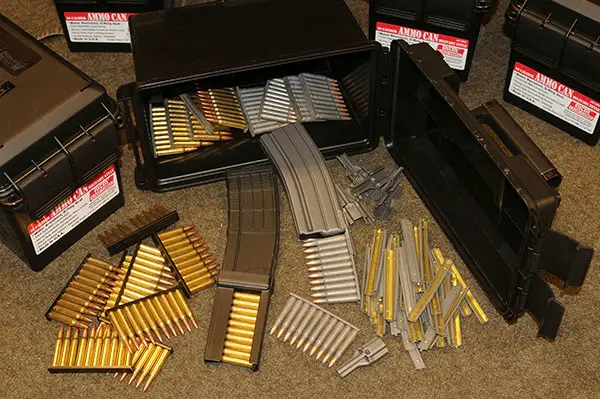
Ammunition naturally degrades over time when exposed to unfavorable environmental conditions. Even high-quality factory-loaded rounds can lose reliability if they are stored improperly for extended periods.
Common risks include corrosion of the cartridge casing, primer deterioration, and powder breakdown. These issues can lead to inconsistent performance, reduced accuracy, or failure to fire when the trigger is pulled.
Maintaining ammunition reliability is especially important for hunting, defensive use, and sport shooting, where performance consistency can directly impact safety and success.
Proper storage also protects the financial investment in ammunition stockpiles. Quality ammunition can be expensive, and poor storage conditions may result in unnecessary waste or the need for premature replacement.
When stored correctly under stable environmental conditions, ammunition can have a very long shelf life, often lasting for decades without significant performance loss. This makes proper storage not only a safety requirement but also a long-term value-preserving practice.
Key Principles of Safe Ammunition Storage
Keep Ammo Cool and Temperature-Stable
One of the most important principles of ammunition storage is maintaining a cool and stable temperature. Ideally, ammo should be kept in a controlled indoor environment where temperatures remain consistent throughout the year. Extreme heat or prolonged exposure to high temperatures can accelerate the degradation of propellant and primer compounds.
It is essential to avoid storing ammunition in areas exposed to heat sources or temperature extremes, such as attics, garages, vehicles, or sheds. These environments often experience significant temperature swings that can negatively impact ammunition stability over time.
Repeated heat cycling—where ammunition is exposed to alternating high and low temperatures—can gradually weaken the chemical stability of powder and primers. While modern ammunition is designed to be durable, long-term exposure to such conditions increases the risk of performance inconsistencies.
In practice, maintaining temperature stability is more important than achieving a specific “perfect” temperature. A consistent, moderate indoor environment is far more beneficial than one that fluctuates frequently.
Control Humidity and Moisture
Humidity control is another critical factor in safe ammunition storage. Moisture is one of the leading causes of corrosion in metal cartridge cases and can also degrade primers and powder over time.
For optimal storage conditions, humidity should be kept at a low and stable level. While exact recommendations may vary, generally drier environments are always preferred when storing ammunition long term.
Damp basements, poorly ventilated storage areas, and naturally humid climates can significantly increase the risk of moisture exposure. Even small amounts of humidity can gradually lead to oxidation and reduced reliability.
To mitigate this risk, many firearm owners use desiccants such as silica gel packs inside storage containers. These materials help absorb excess moisture and maintain a dry internal environment, extending the lifespan of stored ammunition.
Avoid Temperature Fluctuations
Rapid temperature changes can be just as damaging as extreme temperatures themselves. When ammunition is moved between environments with different temperatures, condensation can form inside storage containers.
This condensation introduces moisture directly into the storage environment, increasing the risk of corrosion and long-term degradation of cartridges.
For this reason, consistent indoor storage is strongly recommended. A stable environment minimizes the risk of condensation and helps preserve the chemical integrity of ammunition over time.
Over the long term, repeated exposure to fluctuating temperatures can reduce cartridge reliability, affecting both ignition consistency and ballistic performance.
Keep Ammo Away from Chemicals
Ammunition should always be stored away from chemicals, solvents, and cleaning agents. Many gun maintenance products contain substances that can be corrosive or reactive if they come into contact with ammunition components.
Chemical contamination can affect both primers and powder, potentially leading to misfires or inconsistent performance. Even indirect exposure to vapors from strong cleaning agents can have negative effects over time.
To ensure safety and reliability, it is important to store ammunition separately from firearm cleaning supplies and other chemical products. Dedicated storage containers or designated storage areas help prevent accidental exposure and maintain long-term ammunition integrity.
Best Containers for Ammo Storage
Metal Ammo Cans
Metal ammo cans are widely regarded as one of the most reliable solutions for long-term ammunition storage. Their durable construction and airtight sealing systems help protect ammunition from environmental exposure, including moisture and dust.
Military-style metal cans are considered an industry standard because they are designed for rugged use and long-term preservation. When properly sealed, they provide excellent protection against corrosion and environmental degradation.
Polymer Ammo Boxes
Polymer ammo boxes offer a lightweight and corrosion-resistant alternative to metal containers. They are especially useful for medium-term storage and transportation where portability is important.
These containers are also cost-effective, making them a popular choice among recreational shooters and hunters who need practical storage solutions without the added weight of metal cans.
Vacuum-Sealed Bags
Vacuum-sealed bags are ideal for long-term or emergency ammunition storage because they significantly reduce exposure to oxygen and moisture. By removing air from the packaging, they help slow down the natural degradation process.
For best results, vacuum-sealed storage should be combined with desiccants such as silica gel packs to further control humidity and ensure maximum protection over extended periods.
Original Packaging Storage
Keeping ammunition in its original factory packaging is another effective storage method. Manufacturers design packaging to protect rounds from physical damage and minor environmental exposure.
Original packaging also helps maintain organization, making it easier to track ammunition type, lot numbers, and usage history over time.
How to Store Ammo Safely at Home
Choose a Climate-Controlled Location
The best place to store ammunition at home is in a climate-controlled indoor environment. Locations such as closets, dedicated gun safes, or storage cabinets provide stable conditions that help preserve ammo quality.
It is important to avoid areas like garages, sheds, or vehicles, as these environments are often exposed to extreme temperature changes and humidity fluctuations that can damage ammunition over time.
Maintaining a stable room temperature is one of the most effective ways to ensure long-term ammunition reliability and safety.
Store Ammo in a Locked Container
Ammunition should always be stored in a locked container to prevent unauthorized access, especially in households with children or visitors. Security is a fundamental aspect of responsible firearm ownership.
Common storage options include gun safes, lockboxes, and secured cabinets designed specifically for firearms and ammunition. These not only improve safety but may also be required by law in certain jurisdictions.
Keep Ammo Off the Ground
Storing ammunition directly on the ground increases the risk of moisture exposure, especially in environments where floors may absorb humidity or experience temperature changes.
Using shelves, racks, or elevated storage platforms helps protect ammunition from ground-level moisture and improves airflow around storage containers, further reducing environmental risks.
Separate Ammo from Firearms
A key safety best practice is to store ammunition separately from firearms. This reduces the risk of accidental loading and improves overall safety within the home.
In some regions, separating ammunition from firearms is also a legal requirement, reinforcing responsible storage practices for gun owners.
Proper separation helps ensure that firearms and ammunition are both stored securely while minimizing the risk of misuse or unauthorized access.
Long-Term Ammo Storage Tips
When stored correctly, ammunition can remain stable and reliable for decades. Modern factory-loaded cartridges are designed with long-term durability in mind, but environmental control and proper handling play a crucial role in preserving their performance over time.
One of the most effective strategies for long-term storage is a “first in, first out” rotation system. This means using older ammunition before newer stock, ensuring that nothing remains stored indefinitely without use or inspection.
Proper labeling is also essential. Ammunition should be clearly marked by type, caliber, purchase date, and intended use. This helps maintain organization and ensures that users can quickly identify and rotate stock efficiently.
Periodic inspection is highly recommended, especially for long-term storage. Checking for signs of corrosion, discoloration, or physical damage helps identify potential issues early before they affect performance.
Many experienced gun owners also use humidity indicators inside storage containers. These small devices provide a quick visual reference for moisture levels, helping ensure that storage conditions remain within a safe range.
Common Mistakes in Ammo Storage
- Storing ammo in hot environments: Keeping ammunition in places like cars, attics, or garages exposes it to extreme temperature fluctuations, which can accelerate degradation and reduce reliability over time.
- Ignoring humidity control: Failing to manage moisture levels is one of the most common causes of corrosion and long-term ammunition damage.
- Leaving ammo exposed in open containers: Unsealed storage allows dust, moisture, and contaminants to affect cartridges, increasing the risk of performance issues.
- Mixing cleaning chemicals with stored ammunition: Chemical exposure or vapor contamination from gun cleaning products can negatively affect primers and powder stability.
- Using non-sealed or poor-quality storage boxes: Low-quality containers often fail to protect against air and moisture, reducing the effectiveness of long-term storage efforts.
- Failing to label or organize inventory: Poor organization makes it difficult to track ammunition age, type, and condition, increasing the risk of using degraded or unsuitable rounds.
Safety and Legal Considerations
Safe ammunition storage is not only a matter of performance and longevity but also of legal responsibility. Firearm and ammunition regulations vary by country, state, and local jurisdiction, so it is essential for gun owners to understand and comply with applicable laws regarding storage requirements.
In many regions, ammunition must be stored in a locked container or secure location to prevent unauthorized access. This is especially important in households where firearms or ammunition may be accessible to others.
Keeping ammunition away from children and unauthorized users is a fundamental safety requirement. Proper secure storage significantly reduces the risk of accidental injury or misuse.
Fire safety is another important consideration. Ammunition should be stored away from open flames, heat sources, and flammable materials. While modern ammunition is generally stable, exposure to fire or extreme heat can still create hazardous conditions.
For best practices, secure storage solutions such as gun safes, lockable cabinets, and fire-resistant storage units are strongly recommended. These provide both physical protection and added peace of mind for responsible gun ownership.
Advanced Ammo Storage Strategies
Vacuum Sealing for Long-Term Storage
Vacuum sealing is an advanced storage method used to extend the shelf life of ammunition by significantly reducing oxygen exposure. By removing air from the storage environment, the risk of oxidation and moisture-related degradation is minimized.
This method is especially useful for emergency stockpiles or long-term preparedness storage. When combined with proper containers and desiccants, vacuum sealing can greatly enhance ammunition preservation over extended periods.
Using Desiccants and Moisture Control
Desiccants such as silica gel packs are widely used to control humidity inside ammunition storage containers. These materials absorb excess moisture, helping maintain a dry and stable environment.
Regular maintenance is important when using desiccants. Depending on the type used, they may need to be replaced or recharged periodically to ensure continued effectiveness in moisture control.
Ammunition Rotation System
An ammunition rotation system is an effective strategy for preventing long-term degradation. The concept is simple: older ammunition is used first, while newer stock is stored for future use.
This approach ensures that no ammunition remains unused for excessive periods and helps maintain consistent performance across all stored inventory.
Rotation is especially useful for shooters who maintain large stockpiles, as it helps balance usage while preserving overall ammunition quality and reliability.
Expert Insights on Ammunition Longevity
When stored under proper conditions, modern ammunition can remain stable and fully functional for an exceptionally long time. In many cases, properly maintained ammo can last anywhere from 20 to 50 years, and sometimes even longer without significant loss in performance.
Experts consistently emphasize that environmental control is far more important than the brand or type of ammunition. Even premium-quality rounds will degrade if exposed to heat, moisture, or unstable storage conditions over time.
Most ammunition failures are not caused by manufacturing defects but rather by poor storage practices. Issues such as corrosion, moisture intrusion, and temperature extremes are the leading factors behind degraded performance.
Modern ammunition is engineered to be highly stable and reliable when stored correctly. With proper care, it can maintain consistent ignition and ballistic performance for decades, making storage conditions the most critical factor in long-term reliability.
Conclusion
Safe ammunition storage is a straightforward process, but it requires consistency and discipline. While the principles are simple, they must be followed carefully to ensure long-term safety and performance.
The core rules of effective ammo storage are clear: keep it cool, dry, locked, and organized. These four principles form the foundation of responsible ammunition management.
Proper storage not only ensures safety but also protects the reliability and financial value of your ammunition over time. Well-maintained stock remains functional, consistent, and ready when needed.
The final recommendation is to build and maintain a consistent, climate-controlled storage system. By doing so, gun owners can ensure long-term performance, safety, and peace of mind for all ammunition supplies.
Frequently Asked Questions (FAQ) – Ammunition Storage Safety Guide
1. How long can ammunition last when stored properly?
Properly stored ammunition can last 20–50 years or even longer in some cases. The key factor is not the brand or caliber, but the storage environment. If ammo is kept in a cool, dry, and stable location with minimal humidity and temperature fluctuation, it can remain fully functional for decades without significant performance loss.
2. What is the best temperature for storing ammunition?
The best temperature is a stable, cool indoor environment, typically around normal room temperature. What matters most is avoiding heat extremes and temperature cycling. Attics, garages, and vehicles should be avoided because they experience rapid and damaging temperature changes.
3. Does humidity affect ammunition?
Yes, humidity is one of the most damaging factors for ammunition storage. Moisture can cause corrosion on casings, degrade primers, and affect powder stability. Over time, this can lead to misfires or inconsistent performance, making humidity control essential.
4. Can ammo go bad in a humid environment?
Yes, prolonged exposure to humid environments can significantly reduce ammunition reliability. Corrosion may form on metal parts, and moisture can penetrate seals, leading to degraded performance or failure to fire.
5. Is it safe to store ammo in a garage?
Generally, garages are not ideal for ammunition storage because they experience extreme temperature fluctuations and humidity changes. Unless the garage is climate-controlled, it is better to store ammo indoors.
6. Should ammunition be stored in a gun safe?
Yes, storing ammunition in a gun safe is a highly recommended practice. It provides security against unauthorized access and helps maintain a controlled environment, especially if the safe is kept indoors and dry.
7. Can I store ammo in its original box?
Yes, original packaging is designed to protect ammunition and is suitable for storage. However, for long-term storage, placing boxed ammo inside sealed containers adds an extra layer of protection.
8. What are ammo cans used for?
Ammo cans are airtight storage containers designed to protect ammunition from moisture, dust, and physical damage. Military-style metal ammo cans are especially effective for long-term storage.
9. Are plastic ammo boxes good for storage?
Plastic ammo boxes are good for short- to medium-term storage and transport. They are lightweight and resistant to corrosion but may not provide the same airtight sealing as metal ammo cans.
10. What is the safest way to store ammo at home?
The safest method is to store ammunition in a locked, airtight container placed in a cool, dry, indoor environment. It should also be kept away from heat sources, moisture, and unauthorized access.
11. Should ammo be stored separately from firearms?
Yes, storing ammo separately from firearms is a best practice for safety. It reduces the risk of accidental loading and may also be required by law in some jurisdictions.
12. Can ammo be stored in a basement?
Basements can be suitable only if they are dry and humidity-controlled. Damp basements should be avoided because moisture can quickly damage ammunition.
13. Does ammunition expire?
Ammunition does not have a strict expiration date, but it can degrade over time depending on storage conditions. Proper storage can significantly extend its usable lifespan.
14. What causes ammo to degrade?
The main causes of degradation are moisture, heat, chemical exposure, and temperature fluctuations. These factors can affect primers, powder, and casing integrity.
15. Can old ammo still be used?
Yes, old ammo can often still be used if it has been stored properly and shows no signs of corrosion or damage. However, it should always be inspected before use.
16. How do I know if ammo is bad?
Signs of bad ammunition include corrosion, discoloration, dents, swelling, or unusual odors. Any visible damage should be treated as a warning sign.
17. What is the role of silica gel in ammo storage?
Silica gel absorbs moisture inside storage containers, helping maintain a dry environment and preventing corrosion or degradation of ammunition components.
18. How often should desiccants be replaced?
Desiccants should be checked periodically and replaced or recharged according to manufacturer instructions, especially in humid environments.
19. Is vacuum sealing ammo safe?
Yes, vacuum sealing is safe when done properly. It reduces oxygen exposure and moisture risk, making it a good option for long-term storage when combined with desiccants.
20. Can ammo explode in storage?
Under normal conditions, ammunition will not explode in storage. It requires extreme heat, such as fire exposure, to become hazardous.
21. Is it legal to store ammo at home?
In most regions, it is legal to store ammunition at home, but regulations vary. Some jurisdictions require locked storage or limit quantities.
22. How should ammo be organized?
Ammo should be organized by caliber, type, and purchase date. Labeling helps maintain a rotation system and prevents confusion during use.
23. What is FIFO ammo rotation?
FIFO (First In, First Out) means using the oldest ammunition first to ensure that stock is regularly cycled and does not remain unused for too long.
24. Should ammo be kept off the ground?
Yes, keeping ammo off the ground prevents moisture absorption and reduces exposure to temperature changes from floors.
25. Can sunlight damage ammunition?
Yes, prolonged exposure to direct sunlight can heat ammunition and degrade its components over time.
26. What is the best container for long-term ammo storage?
Metal ammo cans with airtight seals are generally considered the best option for long-term storage due to their durability and moisture resistance.
27. Can ammo be stored in a car?
No, storing ammunition in a car is not recommended because vehicles experience extreme temperature fluctuations that can damage ammo.
28. Does ammo need ventilation?
No, sealed storage is preferred. Exposure to air and humidity can reduce ammunition lifespan.
29. What happens if ammo gets wet?
Wet ammunition may become unreliable or fail to fire. If moisture exposure occurs, it should be dried and inspected before use.
30. Can I store different calibers together?
Yes, but they should be clearly labeled and separated within storage containers to avoid confusion.
31. Is it safe to stack ammo boxes?
Yes, stacking is safe if containers are stable and not overloaded. Metal ammo cans are especially suitable for stacking.
32. Do temperature swings damage ammo?
Yes, repeated temperature swings can cause condensation inside containers, leading to corrosion and degradation.
33. Can ammo rust?
Yes, especially in humid conditions. Rust typically affects steel components and can spread if not addressed.
34. Should ammo be cleaned before storage?
No, ammunition should not be cleaned with chemicals. It should simply be stored in a dry, clean environment.
35. Can cleaning products damage ammo?
Yes, chemical vapors from cleaning products can contaminate ammunition and affect performance.
36. Is cardboard packaging enough for storage?
Cardboard alone is not ideal for long-term storage because it offers little moisture protection.
37. What is the biggest mistake in ammo storage?
The biggest mistake is exposing ammunition to moisture and temperature fluctuations, which leads to corrosion and degradation.
38. Can ammo be stored in a safe deposit box?
This depends on local laws and bank policies, but it is generally uncommon and not practical.
39. Does ammo lose power over time?
Yes, poorly stored ammo can lose energy and consistency, affecting velocity and accuracy.
40. What is the safest humidity level for ammo?
Low humidity environments are best. Dry conditions significantly reduce the risk of corrosion.
41. Can extreme cold damage ammo?
Extreme cold is less damaging than heat, but rapid temperature changes can still cause condensation issues.
42. Should ammo be labeled?
Yes, labeling helps track type, age, and usage, improving safety and organization.
43. How do professionals store ammo?
Professionals typically use sealed metal containers, climate-controlled storage, and strict rotation systems.
44. Can ammo be stored in plastic bags?
Plastic bags alone are not recommended unless vacuum sealed and properly protected.
45. Is it okay to store ammo in bulk?
Yes, but bulk storage should be well-organized, labeled, and protected from moisture.
46. What is the shelf life of modern ammo?
Modern ammo can last decades when stored properly under stable environmental conditions.
47. Can humidity indicators be reused?
Some humidity indicators are reusable or rechargeable depending on the type.
48. Is corrosion always visible?
No, some internal corrosion may not be visible, which is why proper storage is critical.
49. Should ammo be inspected regularly?
Yes, periodic inspection helps detect early signs of damage or degradation.
50. What is the final rule for ammo storage?
The final rule is simple: keep ammunition cool, dry, secure, and organized to ensure maximum safety and long-term reliability.
Read more: