
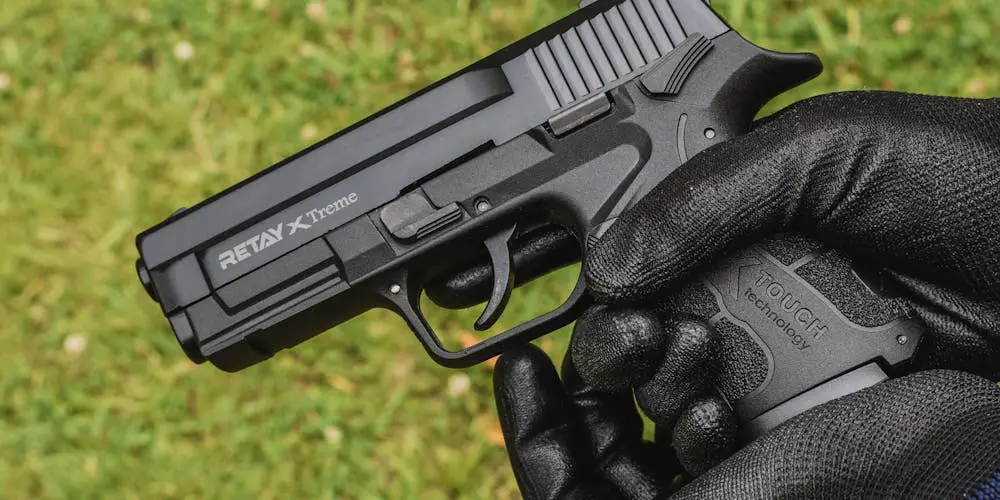

When it comes to maintaining border integrity and enforcing immigration laws, U.S. Immigration and Customs Enforcement (ICE) agents are at the forefront, often operating in high-stakes, dangerous environments. A critical aspect of their operational readiness involves the firearms they carry—tools designed for safety, enforcement, and rapid response. So, what guns do ICE agents carry? This article delves deep into the weaponry that equips ICE officers, exploring the types of firearms they utilize, the rationale behind their choices, and how these weapons contribute to their vital missions.
The Arsenal of ICE Agents—Understanding Their Firepower
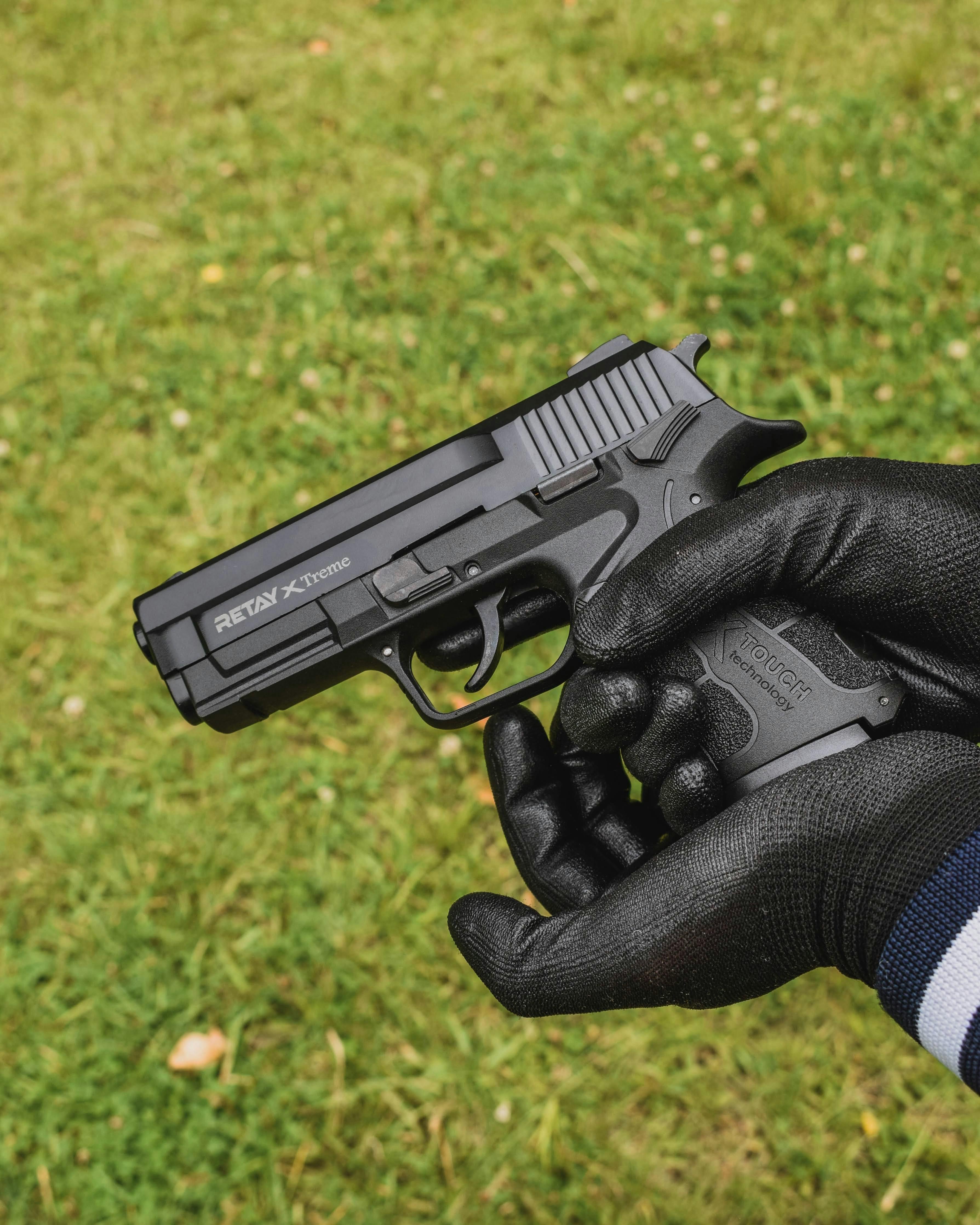
ICE agents are tasked with complex enforcement duties such as border security, anti-human trafficking, and drug interdiction. These responsibilities demand firearms that are reliable, versatile, and capable of ensuring officer safety in various scenarios. To uncover the weapons used by ICE agents, it is essential to first understand the broader context of their operational environment.
ICE agents are authorized to carry a range of firearms, depending on their specific roles and jurisdictions. Their weapons must meet stringent standards for reliability, precision, and ease of use under stress. Additionally, the legal framework governing their firearm procurement requires compliance with federal regulations, which influences the types of guns they are issued or permitted to carry.
The most common firearms used by ICE agents include handguns for personal defense, tactical rifles for high-intensity situations, and shotguns for specialized tasks. Each category serves distinct purposes, balancing firepower, accuracy, and maneuverability. The selection of these weapons not only speaks to operational necessity but also highlights the importance of training and safety protocols that ensure proper firearm handling.
Handguns: The Personal Defense Tools of ICE Agents
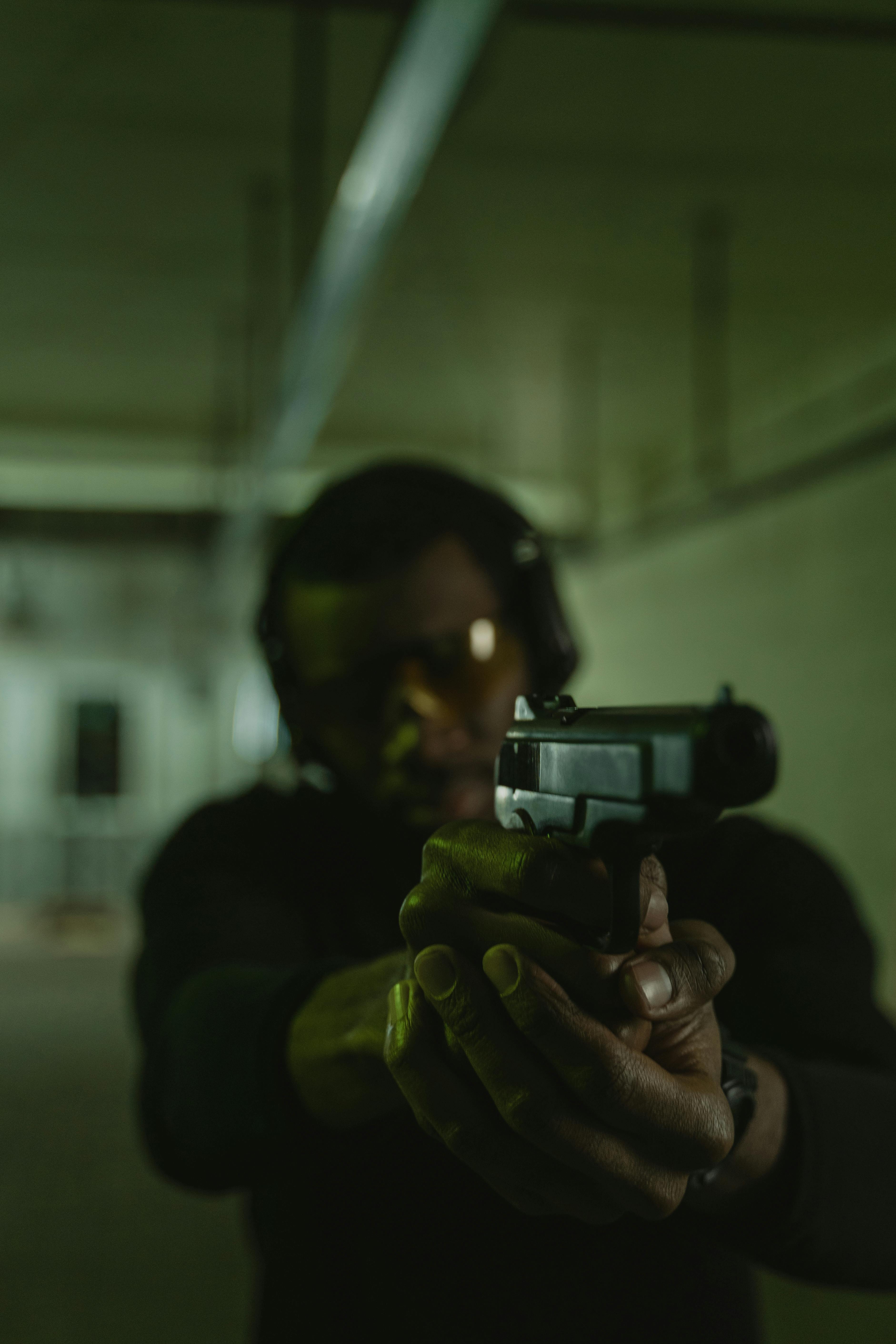
ICE agents often operate alone or in small teams, especially in field operations and undercover missions, making personal defense weapons indispensable. The handgun, as the most accessible firearm in their arsenal, is a standard issue due to its compact size, ease of concealment, and quick draw capabilities.
Popular Handgun Models Among ICE Agents

The most prevalent model of handgun in ICE personnel inventories is the Glock 19, renowned for its durability, reliability, and manageable size. Other commonly issued pistols include the Smith Wesson MP, the SIG Sauer P226, and sometimes, XD-M Series Glock pistols. These firearms are semi-automatic, which allows for rapid firing sequences and quick reloading under pressure.
ICE agents are typically trained extensively in the use of their handguns, emphasizing accuracy, safety procedures, and quick response tactics. The pistols are often equipped with tactical lights, suppressors, or other accessories depending on the mission requirements. The reason for the widespread use of these models is their proven track record in law enforcement and military applications, their ergonomic design, and their capacity for customization.
Why Handguns Are Designed for Ice Agents’ Needs
The choice of a handgun for ICE agents reflects a balance of practicality and effectiveness. Compact size allows for discreet carrying, which is essential during covert operations. The reliability of twenty-first-century semi-automatic pistols ensures that officers are never caught unarmed in dangerous situations. Furthermore, their ease of maintenance and availability of aftermarket parts make them an excellent fit for law enforcement agencies.
ICE agents undergo rigorous training, which emphasizes handling, marksmanship, and safety, making the most of their sidearms’ capabilities. These firearms serve as a crucial tool for self-defense and for neutralizing threats swiftly, especially when engaged in operations that demand stealth or rapid response.
Tactical Rifles and Shotguns—Enhanced Firepower for Specialized Missions
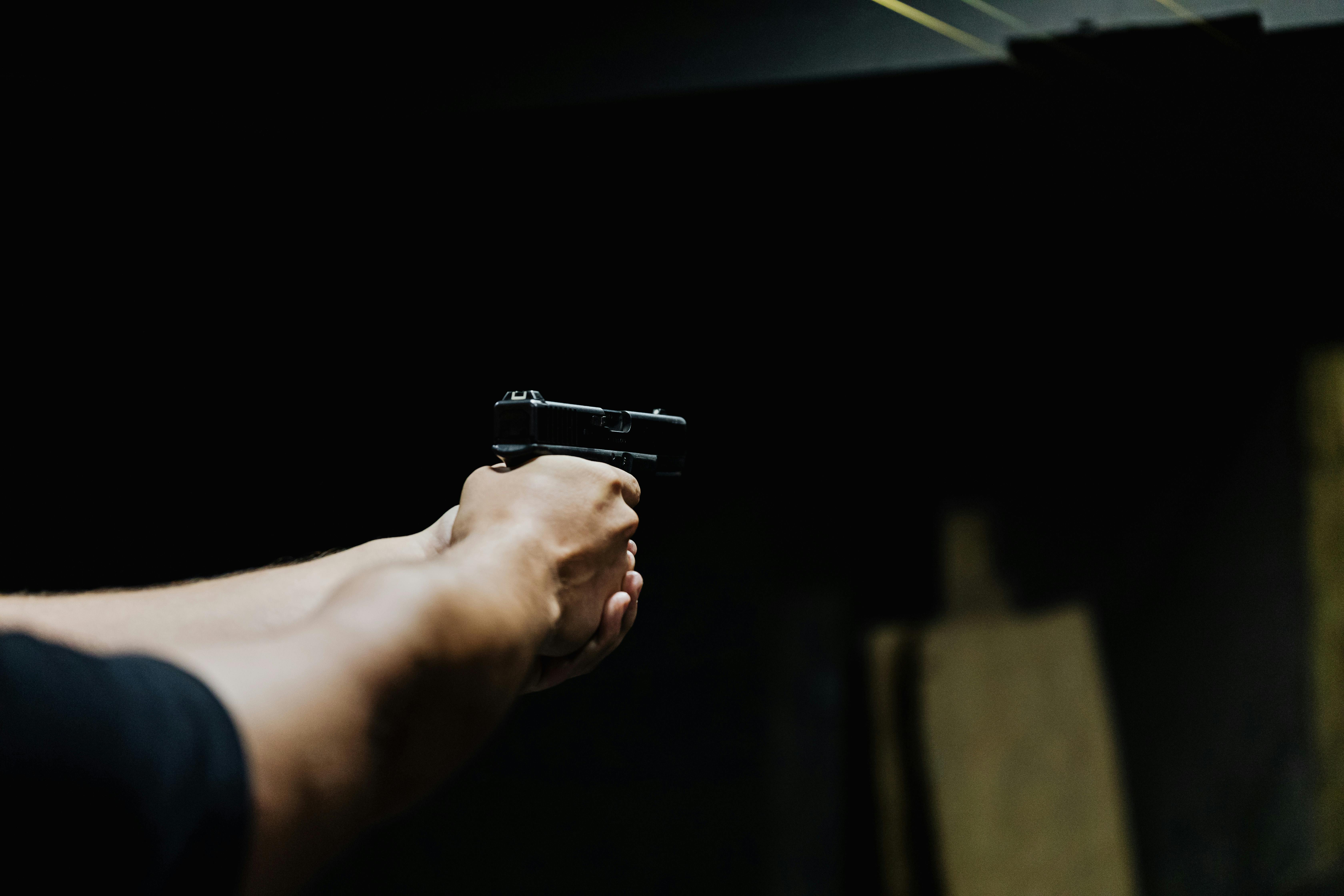
While handguns are integral to an ICE agent’s standard equipment, tactical rifles and shotguns significantly increase operational capability for high-risk environments, interdiction tasks, or scenarios requiring greater firepower. These weapons are often deployed during border operations, raids, or interdiction efforts where threats are more substantial, and precision is paramount.
Types of Tactical Rifles Used by ICE Agents
The AR-15 platform is the most common tactical rifle used by ICE agents. Known for its modularity, the AR-15 is adaptable to various mission needs, providing options for different calibers, optics, and attachments such as suppressors or grenade launchers. It offers high accuracy, manageable recoil, and rapid fire capability, making it an ideal choice for law enforcement scenarios.
Other rifles, such as the FN SCAR or Sig Sauer MCX, are also employed, especially by specially trained tactical teams or special operations units within ICE. These rifles are chosen for their durability, precision, and capacity to handle harsh environments. The use of these weapons indicates ICE’s preparedness for complex, high-stakes operations that require more than just a sidearm.
Shotguns—Versatile Tools for Close Quarters and Specialized Tasks
Shotguns are essential for specialized tactical situations involving close encounters, breaching, or shotgun-based crowd control. ICE agents typically carry Remington 870 or Mossberg 590 shotguns. These weapons are favored for their reliability, stopping power, and flexibility of ammunition types—ranging from buckshot to non-lethal rounds.
In field operations, shotguns can be used effectively for breaching doors or handling situations where precision is critical. Their intimidating presence and effectiveness at close range make them a vital component of the ICE arsenal, especially during raids or when engaging in quick assaults.
The Role of Training in Effective Use of Tactical Firearms
Given the range of firearms available, training becomes paramount for ICE agents. Proficiency in handling rifles and shotguns reduces the risk of accidents and enhances operational efficiency. Training exercises frequently involve scenario-based exercises that simulate real-world threats, including hostage rescue, building entry, or vehicle interdiction.
This training emphasizes not just marksmanship but also tactical movement, communication, and safety procedures, ensuring that ICE agents can deploy their weaponry effectively under high-pressure scenarios. The blend of firearm types equips agents to adapt to diverse threats, from traffickers to armed suspects.
A Comparative Analysis of Firearms in ICE Operations

To better understand the firepower utilized by ICE agents, the following table summarizes the most common weapons, their purposes, and key features:
| Firearm Type | Model(s) Used | Purpose | Key Features |
|---|---|---|---|
| Handguns | Glock 19, Smith Wesson MP, SIG Sauer P226 | Personal defense, undercover operations | Semi-automatic, reliable, compact |
| Tactical Rifles | AR-15 platform, FN SCAR, Sig Sauer MCX | High-risk engagements, interdictions | Modular, high accuracy, customizable |
| Shotguns | Remington 870, Mossberg 590 | Breaching, close combat, crowd control | Reliable, versatile ammunition types |
This table encapsulates the diversity of firearms at the disposal of ICE agents, highlighting their strategic purposes in the field. Such a lineup ensures agents are well-prepared for virtually any situation, from stealth missions to intense firefights.
The Legal and Safety Considerations of ICE Firearms

ICE agents operate under strict legal frameworks that regulate firearm acquisition, possession, and usage. As federal law enforcement officers, they are required to undergo background checks, continuous training, and certification programs to ensure responsible firearm handling.
Regulations and Policies Governing ICE Firearm Use
The firearms issued to ICE agents are governed by federal standards, including the Gun Control Act and Bureau of Alcohol, Tobacco, Firearms and Explosives (ATF) regulations. These policies mandate regular training, firearm inspections, and safety protocols to mitigate accidental discharges and improve response effectiveness.
ICE agents are also trained in use-of-force policies, emphasizing minimum necessary force and accountability. The importance of de-escalation tactics is stressed to prevent unnecessary violence, with firearms viewed as tools of last resort. This approach underscores the importance of professional discipline and legal compliance in firearm handling.
Safety Protocols for Handling Firearms in High-Stakes Environments
Handling potent firearms like rifles and shotguns in dynamic environments requires rigorous safety procedures. ICE agents prioritize secure storage, proper maintenance, and situational awareness to avoid mishaps. During operations, weapons are kept in ready positions but only discharged when justified by the circumstances.
Training exercises reinforce the importance of clear communication, designated roles, and continuous reinforcement of safety protocols. By maintaining a disciplined approach to firearm management, ICE ensures its agents can respond effectively while minimizing risks to themselves and civilians.
FAQ’s
1. What guns do ICE agents typically carry?
ICE agents commonly carry standard-issue federal law enforcement handguns, most often 9mm pistols issued by their agency.
2. Does ICE issue a standard firearm to all agents?
Yes, most ICE Enforcement and Removal Operations (ERO) agents are issued a standard-duty handgun for official use.
3. What is the most common handgun used by ICE agents?
The most commonly reported firearm is a Glock 19 or similar 9mm pistol, depending on assignment and agency updates.
4. Do ICE agents carry Glock pistols?
Yes, Glock pistols are widely used among federal law enforcement, including ICE agents.
5. Do ICE agents carry rifles?
In special operations or high-risk situations, ICE tactical teams may be equipped with rifles, but not all agents carry them routinely.
6. Are ICE agents allowed to carry concealed weapons off duty?
Yes, qualified federal law enforcement officers, including ICE agents, may carry concealed firearms under federal guidelines.
7. What caliber are ICE-issued guns?
Most ICE-issued duty pistols are chambered in 9mm for standardization and effectiveness.
8. Do ICE agents carry backup guns?
Some agents may carry backup firearms depending on assignment and personal authorization policies.
9. What brand of firearms does ICE prefer?
ICE does not publicly favor a single brand, but Glock and Sig Sauer are commonly used in federal agencies.
10. Do ICE agents use Sig Sauer pistols?
Yes, some ICE personnel may be issued or authorized to use Sig Sauer pistols depending on procurement cycles.
11. Are ICE firearms different from police guns?
They are similar, as both federal agents and local police often use comparable duty pistols.
12. Do ICE agents carry Tasers instead of guns?
No, Tasers may be used as a less-lethal option, but agents are primarily armed with firearms.
13. Do ICE deportation officers carry guns?
Yes, ICE Enforcement and Removal Operations officers are typically armed during duty operations.
14. Are ICE agents armed at all times?
They are generally armed during duty hours, especially when conducting enforcement operations.
15. Do ICE agents carry shotguns?
Shotguns may be available in vehicles or tactical units but are not standard personal carry weapons.
16. Do ICE agents carry AR-15 rifles?
Some tactical units may use AR-15-style rifles for high-risk operations, but not all agents are equipped with them.
17. What sidearm holsters do ICE agents use?
They typically use professional-grade duty holsters designed for secure retention and quick access.
18. Are ICE firearms privately owned?
No, duty firearms are generally issued by the agency, though policies may vary for off-duty carry.
19. Can ICE agents choose their own gun?
In some cases, agents may have limited approved options, but most use standardized issued weapons.
20. Do ICE special agents carry different weapons?
Special agents involved in investigations may carry similar firearms but can have additional tactical options.
21. Are ICE firearms semi-automatic?
Yes, standard-issued duty pistols are semi-automatic handguns.
22. Do ICE agents carry revolvers?
No, revolvers are not standard issue in modern ICE operations.
23. How often do ICE agents train with firearms?
Agents must undergo regular firearms qualification and ongoing training to maintain certification.
24. Do ICE agents carry firearms during raids?
Yes, agents are typically armed during enforcement raids and field operations.
25. Are ICE firearms modified?
Agency-issued firearms may include standard safety and duty modifications but are generally not heavily altered.
26. Do ICE agents carry silencers?
No, suppressors are not standard equipment for ICE agents.
27. What safety rules do ICE agents follow with guns?
They follow strict federal firearm safety protocols and use-of-force guidelines.
28. Do ICE agents carry firearms in court?
Policies vary, but armed presence is often maintained for security purposes.
29. Are ICE agents required to qualify with their guns?
Yes, regular qualification tests are mandatory for maintaining firearm authorization.
30. What happens if an ICE agent fails firearms training?
They may be restricted from carrying a firearm until they successfully requalify.
31. Do ICE agents carry guns in airports?
They may be armed in official capacity depending on assignment and operational requirements.
32. Are ICE firearms different from DHS firearms?
ICE is part of DHS, and firearms policies are aligned under broader departmental standards.
33. Do ICE agents carry Glock 17 or Glock 19?
Both models are commonly used in law enforcement; ICE usage depends on procurement and assignment.
34. Do ICE agents carry ammunition separately?
Yes, agents carry magazines loaded with approved duty ammunition.
35. What type of ammo do ICE agents use?
They typically use standard law enforcement 9mm duty ammunition.
36. Do ICE agents carry firearms during transport of detainees?
Yes, agents are armed when conducting detainee transport operations.
37. Can ICE agents use deadly force?
They are authorized to use deadly force only under strict federal guidelines.
38. Do ICE agents carry guns in plain clothes?
Yes, undercover or plainclothes agents may carry concealed firearms.
39. Do ICE agents carry firearms internationally?
When deployed abroad for official missions, they may carry authorized firearms under diplomatic protocols.
40. Are ICE firearms tracked?
Yes, all issued weapons are recorded and tracked by the agency.
41. Do ICE agents carry guns during surveillance?
Depending on the operation, agents may or may not be armed during surveillance activities.
42. Are ICE agents trained like police officers?
They receive extensive federal law enforcement training, including firearms handling and tactics.
43. Do ICE agents carry backup magazines?
Yes, agents typically carry spare magazines for their duty firearms.
44. Do ICE agents carry guns in federal buildings?
Armed presence in federal facilities is determined by security protocols and assignment.
45. Are ICE guns the same across all states?
Yes, federal agencies maintain standardized firearm policies nationwide.
46. Do ICE agents carry submachine guns?
Submachine guns are typically reserved for specialized tactical units, not standard agents.
47. Are ICE agents armed during arrests?
Yes, agents are usually armed when conducting arrests in the field.
48. Do ICE agents carry guns in vehicles?
Yes, agents typically have their firearms with them while operating agency vehicles.
49. Can ICE agents refuse to carry a firearm?
Firearm carriage is generally required for duty positions, with limited exceptions.
50. Do ICE agents carry different guns for different missions?
Yes, specialized missions may involve different approved weapons depending on operational needs.
51. Are ICE firearms inspected regularly?
Yes, issued weapons undergo regular inspection and maintenance checks.
52. Do ICE agents carry guns while off duty?
Qualified agents may carry concealed firearms off duty under federal carry privileges.
53. Are ICE guns customized for each agent?
Most firearms are standardized, though minor fitting adjustments like grips may be allowed.
54. Do ICE agents carry guns during immigration enforcement?
Yes, enforcement operations typically involve armed agents for safety and compliance.
55. What is the purpose of ICE agents carrying guns?
Firearms are carried for officer safety and to enforce federal immigration laws in potentially dangerous situations.
Conclusion

The arsenal that ICE agents carry reflects their critical role in national security and law enforcement efforts. From reliable pistols like the Glock 19 to tactical rifles such as the AR-15 platform, and versatile shotguns like the Mossberg 590, their firearms are carefully selected to meet operational demands. These weapons enable ICE agents to execute their duties—such as interdiction, enforcement, and protection—with precision and confidence. Integral to effective use is comprehensive training, adherence to strict safety protocols, and a clear understanding of legal responsibilities. Ultimately, the firepower carried by ICE agents exemplifies a blend of preparedness, professionalism, and commitment to securing the borders and safeguarding the nation.
In answering *what guns do ICE agents carry, it becomes evident that their firearms are more than just tools—they are essential components of their mission to protect national security, enforce immigration laws, and respond decisively to threats.*
Read more: