
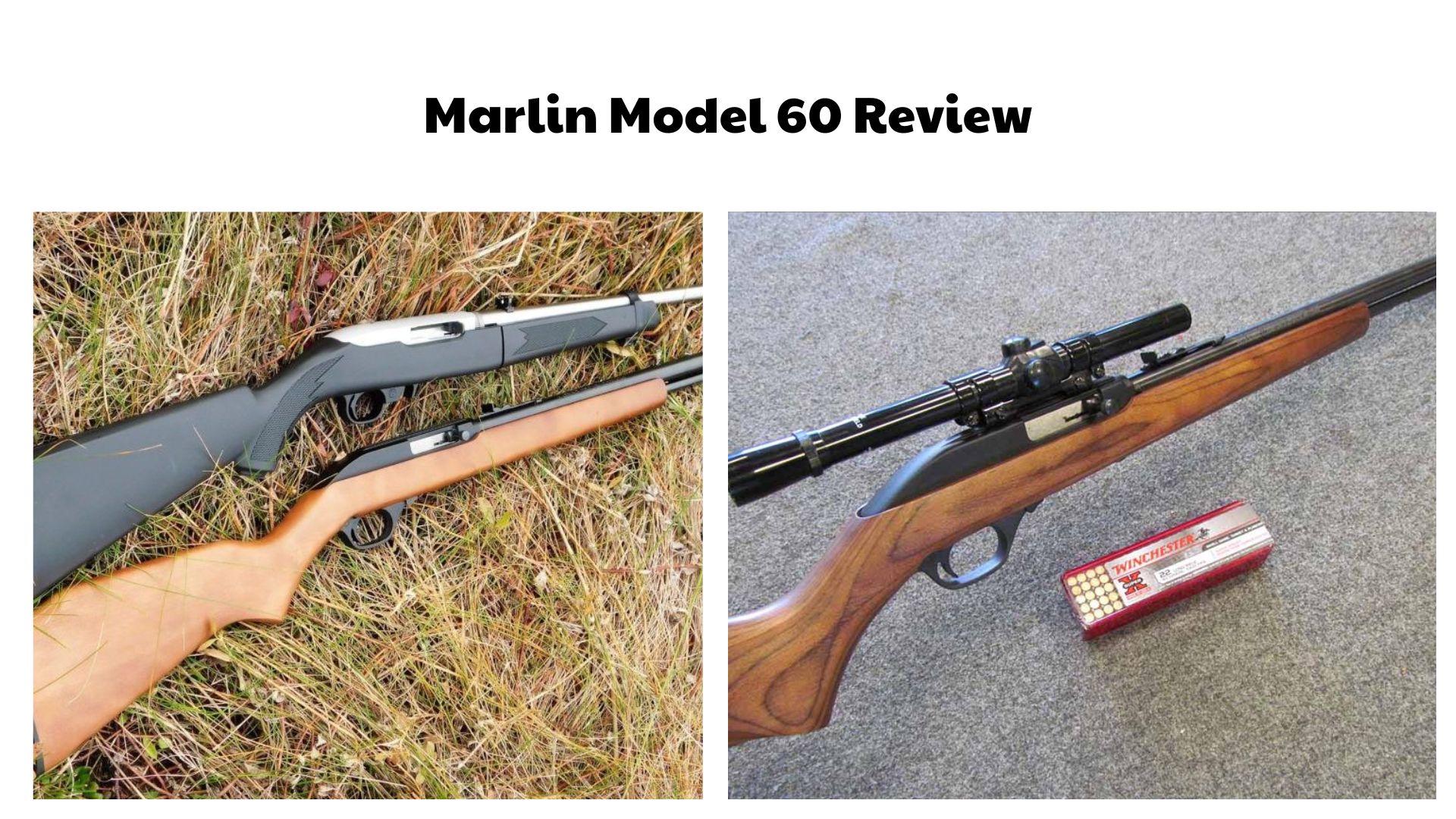

The Marlin Model 60 is one of the most iconic rimfire rifles ever produced. Known for its tube-fed magazine, Micro-Groove rifling, and affordable price tag, this classic semi-automatic .22 LR rifle has remained popular with hunters, recreational shooters, and beginners for more than six decades. Since its introduction in 1960, the rifle has earned a reputation for dependable reliability, excellent factory accuracy, and user-friendly handling. With over 11 million units produced, the Model 60 is widely considered one of the best-selling rimfire rifles in American firearms history.
What makes the Marlin Model 60 stand out is its balance of simplicity and performance. Unlike many modern rimfire rifles that rely on detachable magazines, the Model 60 uses a tubular magazine system that allows shooters to carry a high ammunition capacity while maintaining a slim, lightweight profile. Combined with Marlin’s famous Micro-Groove barrel technology, the rifle consistently delivers impressive accuracy for plinking, target shooting, pest control, and small game hunting.
Over the years, the Model 60 has gone through several production changes, including different magazine capacities, stock designs, and manufacturing eras under both Marlin and Remington ownership. Despite increasing competition from rifles like the Ruger 10/22, the Model 60 continues to maintain a loyal following because of its affordability, durability, and classic feel.
In this comprehensive Marlin Model 60 review, we will examine the rifle’s history, technical specifications, shooting performance, design features, reliability, common issues, aftermarket upgrades, and overall value. Whether you are considering your first rimfire rifle or looking to add a proven classic to your collection, this guide will help you determine whether the Marlin Model 60 is still worth buying today.
Marlin Model 60 Overview
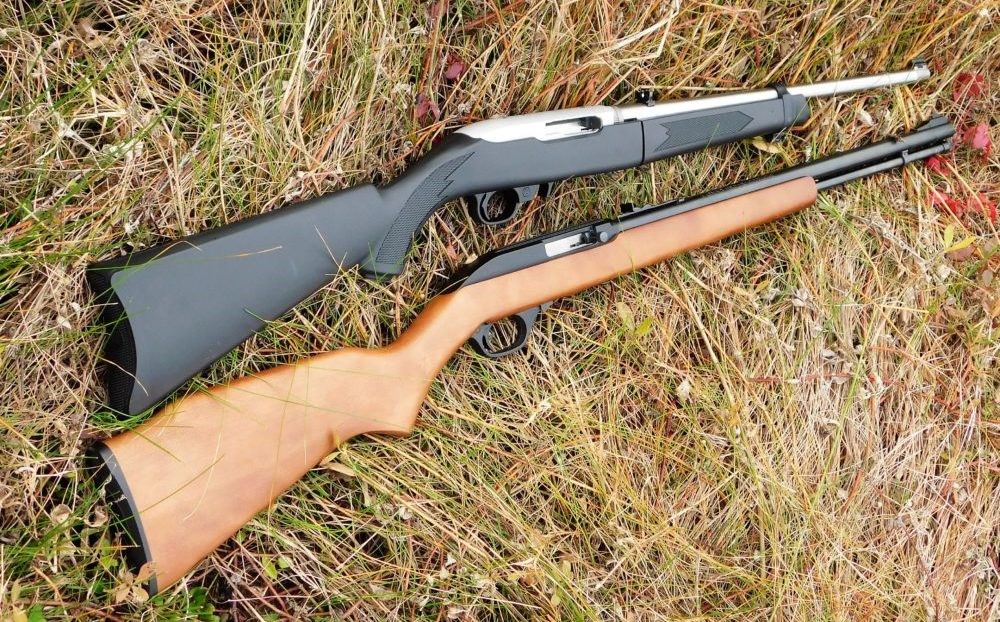
What Is the Marlin Model 60?
The Marlin Model 60 is a semi-automatic rimfire rifle chambered in .22 Long Rifle (.22 LR). Designed primarily for recreational shooting, small game hunting, and entry-level firearms training, it has become one of the most recognizable .22 rifles ever manufactured. The rifle operates using a simple blowback action and feeds ammunition through a tubular magazine located underneath the barrel.
Unlike detachable box magazine rifles, the Model 60 stores cartridges inside an internal tube magazine, giving the rifle a sleek and traditional appearance. Depending on the production year, the rifle can hold anywhere from 14 to 18 rounds of .22 LR ammunition. This larger capacity made it extremely attractive for plinking and extended shooting sessions without frequent reloading.
One of the defining features of the Model 60 is its Micro-Groove rifled barrel. Marlin designed this rifling system to improve bullet stability and accuracy while reducing barrel fouling. As a result, many shooters consider the Model 60 one of the most accurate factory-produced semi-automatic .22 rifles in its price range.
The rifle also became incredibly popular because of its affordability. For decades, it provided shooters with an inexpensive yet dependable firearm that performed far above expectations. Its lightweight design, low recoil, and straightforward controls made it especially appealing to beginners and younger shooters learning proper firearm handling.
Over time, the Marlin Model 60 evolved from being simply a budget plinking rifle into a respected classic among rimfire enthusiasts. Even today, many longtime gun owners still regard it as their first rifle or one of the most reliable .22s they have ever owned.
History and Legacy of the Model 60
The Marlin Model 60 was introduced in 1960 as the successor to the earlier Marlin Model 99. While the Model 99 laid the groundwork for Marlin’s semi-automatic rimfire platform, the Model 60 refined the design and eventually became one of the company’s most successful firearms.
During the 1960s and 1970s, the rifle gained popularity because it offered excellent accuracy and reliability at a very affordable price. At a time when many American families wanted an inexpensive rifle for hunting squirrels, rabbits, and other small game, the Model 60 quickly became a household favorite. Its simple operating system and durable construction also helped establish a reputation for longevity.
One major factor behind the rifle’s success was Marlin’s use of Micro-Groove rifling technology. This innovation gave the rifle a strong reputation for precision shooting, especially when compared to other budget-friendly rimfire rifles of the era. Many shooters discovered that the Model 60 could consistently produce tight groups at 50 yards and beyond using standard .22 LR ammunition.
Throughout the decades, Marlin continued updating the rifle with small design improvements. Earlier rifles often featured 18-round magazine capacities, while later models shifted to 14-round capacities due to legal and manufacturing changes. Different stock styles, finishes, and sight configurations also appeared over the years.
The rifle’s history became more complicated after Remington acquired Marlin in 2007. During the transition period, some shooters reported inconsistent quality control issues in certain production runs. Problems involving rough finishes, feeding reliability, and assembly defects caused concern among longtime Marlin fans. However, many older “JM-stamped” Marlin rifles made before the Remington acquisition are still highly sought after because of their superior craftsmanship and reliability.
Despite these production changes, the Marlin Model 60 maintained its legendary status. More than 11 million rifles have been produced, making it one of the best-selling rimfire rifles of all time. Its long-standing popularity among hunters, recreational shooters, and collectors has cemented its place as a true American firearms classic.
Why the Marlin Model 60 Became So Popular
The Marlin Model 60 became popular because it successfully combined affordability, accuracy, reliability, and ease of use into a single rifle. Few rimfire firearms have managed to deliver so much value while remaining accessible to virtually every type of shooter.
One of the biggest reasons for its success was price. The Model 60 was often significantly less expensive than competing semi-automatic rimfire rifles, allowing first-time gun owners to purchase a dependable firearm without spending a large amount of money. For many families, it became the perfect introductory rifle for teaching safe shooting fundamentals.
Accuracy also played a huge role in the rifle’s popularity. Thanks to its Micro-Groove barrel design and relatively stable barrel profile, many shooters found the Model 60 capable of outstanding precision for a factory rimfire rifle. It became common for owners to achieve excellent accuracy using inexpensive bulk ammunition, which added even more value to the platform.
The rifle’s blowback-operated action also earned praise for reliability. With proper cleaning and decent ammunition, the Model 60 can fire thousands of rounds with minimal issues. Its dual extractor system further improved extraction reliability, helping the rifle cycle consistently during long shooting sessions.
Ease of handling made the rifle attractive to both beginners and experienced shooters. The lightweight design, low recoil, and comfortable stock configuration allowed shooters of different ages and skill levels to use the rifle effectively. New shooters appreciated its simple controls, while experienced shooters enjoyed its smooth shooting characteristics and dependable performance.
The tube-fed magazine system also contributed to its appeal. While slower to reload than detachable magazines, the tubular design provided higher ammunition capacity and eliminated concerns about losing spare magazines in the field. Many hunters appreciated this feature during long days outdoors.
Finally, nostalgia and tradition continue to fuel the rifle’s popularity today. For countless shooters, the Marlin Model 60 was their first firearm, a cherished family rifle, or a trusted companion for hunting and target practice. Its long history and proven track record have helped it remain one of the most beloved rimfire rifles ever made.
Marlin Model 60 Specifications
Basic Technical Specs
Caliber
The Marlin Model 60 is chambered in .22 Long Rifle (.22 LR), one of the most affordable and widely available rimfire cartridges in the world. The caliber is ideal for target shooting, plinking, beginner training, and small game hunting because of its low recoil and inexpensive ammunition cost.
Barrel Length
Most standard Marlin Model 60 rifles feature a barrel length of approximately 19 inches. This barrel length offers a strong balance between accuracy, velocity, and maneuverability while maintaining lightweight handling characteristics.
Weight
The rifle typically weighs around 5.5 pounds unloaded, depending on the stock material and specific model variation. Its lightweight design makes it comfortable for younger shooters and easy to carry during long hunting trips.
Overall Length
The overall length of the Marlin Model 60 is approximately 37.5 inches. This size provides a balanced feel and comfortable shooting ergonomics for a wide variety of users.
Magazine Capacity
Magazine capacity varies depending on the production year and local regulations. Earlier rifles commonly held up to 18 rounds, while many later models were reduced to 14-round capacities. The tubular magazine system still provides higher capacity than many detachable-magazine rimfire rifles.
Sights and Optics Compatibility
The rifle includes adjustable iron sights from the factory and features a built-in 3/8-inch dovetail groove on the receiver. This allows shooters to easily mount rimfire scopes or optics without extensive modifications.
Receiver and Barrel Construction
Aluminum Receiver
The Marlin Model 60 uses a lightweight aluminum receiver that helps reduce overall weight while keeping manufacturing costs affordable. Despite its lightweight design, the receiver remains durable enough for decades of regular use.
Heavy Barrel Profile
Many versions of the rifle feature a relatively heavy barrel profile compared to competing rimfire rifles. This helps improve stability during firing and contributes to the rifle’s impressive accuracy reputation.
Blued Steel Finish Options
Traditional Marlin Model 60 rifles typically feature a blued steel barrel paired with a hardwood stock. The classic blued finish provides a timeless appearance while offering moderate protection against rust and wear.
Stainless and Synthetic Variants
Marlin also produced stainless and synthetic-stock versions of the Model 60 for shooters who wanted improved weather resistance. These variants are particularly popular among hunters who frequently shoot in wet or humid conditions.
Micro-Groove Rifling Explained
What Micro-Groove Rifling Is
Micro-Groove rifling is Marlin’s proprietary barrel rifling system that uses multiple shallow grooves instead of fewer deep grooves found in traditional rifling designs.
How It Differs from Traditional Rifling
Traditional rifling generally uses deeper grooves to stabilize bullets, while Micro-Groove rifling relies on many shallow grooves to maintain consistent contact with the projectile as it travels through the barrel.
Impact on Accuracy and Cleaning
The Micro-Groove system is widely praised for improving accuracy and reducing barrel fouling. Many shooters find that the barrel stays cleaner longer and delivers tighter shot groups compared to standard rifling systems.
Real-World Shooting Benefits
In practical use, Micro-Groove rifling helps the Model 60 achieve excellent accuracy for plinking, small game hunting, and target shooting. Many owners consider it one of the most accurate factory-produced semi-automatic rimfire rifles in its price range.
Tube Magazine System
How the Tubular Magazine Works
The Marlin Model 60 stores ammunition inside a tubular magazine located underneath the barrel. Shooters load cartridges by removing the inner magazine tube and inserting rounds through the loading port.
14, 15, and 18-Round Capacity Variations
Depending on the production year, the rifle has been produced with various magazine capacities, including 14, 15, and 18-round configurations. Capacity changes were influenced by manufacturing updates and legal considerations.
Loading Process Explained
To load the rifle, shooters pull the brass inner magazine tube forward, insert .22 LR cartridges into the loading port, and then slide the tube back into position. The process is simple but slower than changing detachable magazines.
Advantages vs Detachable Magazines
The tube-fed design eliminates the need for spare magazines and provides higher ammunition capacity while maintaining a slim, traditional rifle profile. Many shooters also appreciate the balanced weight distribution created by the under-barrel magazine.
Limitations During Reloads and Malfunction Clearing
One drawback of the tubular magazine system is slower reload speed compared to detachable magazines. Clearing malfunctions can also be more difficult because cartridges remain stored inside the tube during operation.
Design and Ergonomics
Stock Design and Handling
Monte Carlo Stock Profile
The Marlin Model 60 features a traditional Monte Carlo-style stock that gives the rifle a classic appearance while also improving shooting comfort. The raised comb design helps align the shooter’s eye naturally with the iron sights or mounted optics, making target acquisition faster and more consistent. This stock shape has remained popular for decades because it provides a comfortable cheek weld during extended shooting sessions.
Birch Hardwood Construction
Many standard Marlin Model 60 rifles come equipped with a birch hardwood stock finished in a smooth stain and protective coating. The hardwood construction gives the rifle a timeless look that appeals to traditional shooters and collectors. While birch is not as expensive as walnut, it still provides solid durability and attractive grain patterns at an affordable price point.
Synthetic Stock Alternatives
Marlin also produced synthetic-stock variants of the Model 60 for shooters who wanted a more weather-resistant rifle. Synthetic stocks are highly resistant to moisture, temperature changes, and rough outdoor conditions, making them ideal for hunting, survival kits, and field use. They also reduce maintenance requirements compared to traditional wood stocks.
Length of Pull and Adult Shooter Comfort
The rifle’s length of pull is designed to accommodate most adult shooters comfortably while still remaining manageable for younger users. Combined with the rifle’s lightweight construction and slim grip profile, the stock provides natural handling and easy shoulder positioning. Many shooters find the Model 60 exceptionally comfortable during long range sessions because of its balanced ergonomics and minimal recoil.
Weight and Balance
Front-Heavy Barrel Characteristics
The Marlin Model 60 tends to feel slightly front-heavy because of its tubular magazine and barrel design. While some shooters initially notice the additional forward weight, many eventually appreciate the stability it provides during aimed fire. The extra weight near the front helps steady the rifle and reduce excessive barrel movement.
Stability During Offhand Shooting
The rifle’s balance characteristics contribute to solid offhand shooting performance. The slight front-heavy feel helps stabilize sight alignment when shooting from standing positions, making it easier to maintain accurate follow-up shots. This stability is especially useful for small game hunting and informal target shooting.
Recoil Management with .22 LR
Because the rifle is chambered in .22 LR, recoil is extremely light and easy to manage. Even inexperienced shooters can comfortably fire the rifle without developing recoil anxiety or flinching habits. The low recoil also allows shooters to stay on target between shots, improving both accuracy and shooting enjoyment.
Iron Sights and Sight Picture
Adjustable Rear Sight
The Marlin Model 60 includes an adjustable rear sight that allows shooters to fine-tune windage and elevation settings. This adjustment capability helps improve accuracy when switching between different ammunition loads or shooting distances.
Front Post Visibility
The front sight uses a simple post design that provides a clear and easy-to-see sight picture in most lighting conditions. While basic compared to modern fiber-optic systems, the front sight remains highly functional for hunting and recreational shooting.
Performance at Short and Medium Range
The factory iron sights perform very well at common rimfire distances such as 25 to 50 yards. Skilled shooters can also achieve solid results at 75 yards and beyond with practice. The rifle’s excellent inherent accuracy helps maximize the effectiveness of the simple sight system.
Suitability for Small Game Hunting
The iron sights are more than capable for small game hunting applications. Rabbits, squirrels, and other small targets can be engaged effectively within practical hunting distances. Many traditional hunters continue to use the Model 60 with factory sights because of their reliability and simplicity.
Optics Mounting Capability
3/8-Inch Dovetail Rail
The receiver of the Marlin Model 60 features a built-in 3/8-inch dovetail rail that allows shooters to mount optics directly onto the rifle without extensive modifications. This simple mounting system makes upgrading the rifle very straightforward.
Scope Mounting Options
The rifle supports a wide range of rimfire scope rings and mounting systems. Shooters can install compact hunting scopes, red dot sights, or lightweight target optics depending on their intended use. Many owners choose low-power variable scopes for improved precision during hunting and plinking.
Best Optic Types for the Model 60
Popular optics for the Model 60 include 3-9x rimfire scopes, fixed 4x scopes, and compact red dot sights. Low-magnification scopes are especially useful for small game hunting and target shooting because they provide improved precision while maintaining quick target acquisition.
Benefits of Adding a Rimfire Scope
Adding a rimfire scope significantly improves the rifle’s practical accuracy at longer distances. A quality optic allows shooters to identify small targets more clearly and achieve tighter shot groups at 50 to 100 yards. Scopes also help maximize the accuracy potential of the Model 60’s Micro-Groove barrel.
Controls and Safety Features
Crossbolt Safety
The Marlin Model 60 uses a crossbolt safety located near the trigger guard. The safety is simple to operate and easy to understand, making it beginner-friendly while still providing secure operation during loading and transport.
Charging Handle Operation
The charging handle is positioned on the right side of the rifle and operates smoothly during cycling. Pulling the handle rearward chambers a round and prepares the rifle for firing. The action is lightweight and easy to manipulate even for newer shooters.
Bolt Hold-Open Feature
One useful feature of the Model 60 is its bolt hold-open system. Shooters can manually lock the bolt open for safety inspections, cleaning, or range compliance. This feature also helps simplify maintenance and malfunction clearing procedures.
Ease of Use for Beginners
The rifle’s controls are intuitive and uncomplicated, making the Model 60 an excellent option for first-time gun owners and younger shooters. The combination of low recoil, simple operation, and straightforward safety features helps beginners build confidence quickly.
Marlin Model 60 Performance on the Range
Shooting Experience
Recoil and Muzzle Control
The Marlin Model 60 produces extremely light recoil thanks to the .22 LR cartridge and the rifle’s overall weight. Shooters can comfortably fire long strings of shots while maintaining excellent muzzle control and fast follow-up capability.
Comfort During Long Shooting Sessions
One of the rifle’s greatest strengths is how enjoyable it is to shoot for extended periods. The lightweight recoil, comfortable stock, and balanced ergonomics make the rifle ideal for long range sessions, plinking competitions, and recreational shooting with family or friends.
Trigger Feel and Reset
The factory trigger is generally functional but not exceptional. Many Model 60 rifles feature moderate trigger creep and a somewhat heavy pull weight. However, the trigger remains predictable enough for practical shooting and hunting applications.
Overall Fun Factor
The Marlin Model 60 is widely considered one of the most enjoyable rimfire rifles to shoot. Its reliability, accuracy, low operating cost, and smooth handling make it an outstanding recreational firearm for shooters of all skill levels.
Accuracy Performance
Accuracy at 25, 50, and 100 Yards
The Model 60 is capable of impressive accuracy at common rimfire distances. At 25 yards, shooters can often achieve extremely tight groups. At 50 yards, the rifle consistently performs well for both hunting and target shooting. With quality ammunition and optics, the rifle can also deliver respectable performance at 100 yards.
Benchrest vs Offhand Shooting
From a benchrest position, the rifle’s Micro-Groove barrel and stable platform allow excellent precision shooting. During offhand shooting, the rifle’s balanced handling characteristics still provide reliable accuracy for practical field use.
Performance with Iron Sights
The factory iron sights perform surprisingly well considering the rifle’s affordable price point. Many shooters can consistently hit small targets at moderate distances without requiring optics upgrades.
Scoped Shooting Results
Adding a scope unlocks even more of the rifle’s accuracy potential. Many owners report excellent shot group consistency when using quality rimfire optics and premium ammunition combinations.
Why Many Shooters Consider It More Accurate Than the Ruger 10/22
Many shooters believe the Model 60 offers better factory accuracy than the Ruger 10/22 because of its Micro-Groove rifling and heavier barrel profile. While the Ruger platform offers superior customization, the Marlin often delivers stronger out-of-the-box precision without modifications.
Best Ammo for the Marlin Model 60
High Velocity vs Standard Velocity Ammunition
The Model 60 generally performs best with high-velocity .22 LR ammunition because the semi-automatic action cycles more reliably with stronger loads. Standard velocity rounds can still function well, but some rifles may experience occasional cycling issues depending on maintenance and ammunition quality.
Ammo Brands That Perform Best
Many shooters report excellent performance using brands such as CCI Mini-Mag, Federal AutoMatch, Winchester Super-X, and Aguila High Velocity ammunition. Premium target loads can also improve accuracy for precision shooting applications.
Reliability with Bulk Ammunition
The rifle typically handles bulk ammunition reasonably well, especially when properly cleaned and lubricated. However, lower-quality bulk ammo may occasionally produce feeding or extraction issues because rimfire ammunition can vary significantly in consistency.
Cycling Performance with Different Loads
The blowback-operated action cycles most high-velocity ammunition reliably. Heavier fouling or weak ammunition may occasionally reduce cycling reliability after extended shooting sessions, making routine cleaning important.
Reliability and Durability
Blowback Action Reliability
The Marlin Model 60 uses a simple blowback operating system that has proven dependable for decades. With proper maintenance and quality ammunition, the rifle can fire thousands of rounds with minimal problems.
Dual Extractor System
One of the rifle’s key reliability advantages is its dual extractor system. This setup improves extraction consistency and helps reduce failures to eject during rapid shooting sessions.
Common Feeding and Ejection Behavior
The rifle generally feeds and ejects smoothly when clean and properly lubricated. Most malfunctions are caused by dirty ammunition, excessive fouling, or worn internal components after very high round counts.
Long-Term Durability Over Thousands of Rounds
Many Marlin Model 60 rifles remain fully functional after decades of heavy use. Owners frequently report firing tens of thousands of rounds through the rifle with only minor maintenance and occasional part replacements.
Real-World Field Use
Small Game Hunting Applications
The Model 60 excels as a small game hunting rifle. Its accuracy, lightweight design, and high-capacity magazine make it highly effective for hunting squirrels, rabbits, and similar game animals.
Plinking and Target Shooting
The rifle’s low recoil and affordable ammunition costs make it one of the best rimfire options for recreational plinking and casual target shooting. It is especially popular among families and beginner shooters.
Pest Control and Ranch Use
Many landowners use the Model 60 for pest control around farms and ranches. The rifle’s reliability and precision allow effective control of small nuisance animals at moderate distances.
Suitability for Survival or Camp Rifles
The lightweight design, reliable action, and inexpensive ammunition make the Model 60 a practical survival or camp rifle. Its simplicity and long-term durability are major advantages for outdoor use.
Common Problems and Weaknesses
Tube Magazine Limitations
Slower Reload Speed
The tubular magazine design is slower to reload compared to detachable box magazines. Shooters must manually insert cartridges into the tube one at a time, which can become tedious during high-volume shooting sessions.
Less Convenient Than Detachable Magazines
Unlike rifles with detachable magazines, the Model 60 does not allow instant reloads through magazine swaps. This can be inconvenient for shooters who prefer tactical-style training or rapid shooting drills.
Challenges During Malfunction Clearing
Malfunctions can sometimes be more difficult to clear because cartridges remain stored inside the tubular magazine. Shooters may need additional time to safely unload the rifle during stoppages.
Feed Throat Wear Issues
Common High Round-Count Issue
One of the most common long-term wear issues involves the rifle’s feed throat assembly. After extremely high round counts, certain components can wear down and affect feeding reliability.
Symptoms of Feed Throat Wear
Signs of feed throat wear may include feeding failures, misaligned cartridges, or inconsistent chambering behavior during cycling.
Potential Fixes and Maintenance Tips
Fortunately, replacement feed throat parts are widely available and relatively inexpensive. Regular cleaning and inspection can help identify wear before reliability problems become severe.
Trigger Quality Complaints
Factory Trigger Feel
The factory trigger on the Model 60 is often criticized for being somewhat heavy and lacking refinement compared to premium rimfire rifles.
Trigger Creep and Break Characteristics
Many rifles exhibit noticeable trigger creep before the shot breaks. While acceptable for hunting and plinking, this characteristic may limit precision performance for competitive target shooting.
How It Affects Precision Shooting
The heavier trigger pull can make extremely precise shooting more challenging, especially at longer distances. Some shooters choose aftermarket trigger improvements to enhance overall shooting performance.
Sensitivity to Dirt and Fouling
Rimfire Ammunition Residue Buildup
.22 LR ammunition tends to produce heavy carbon and lead fouling. Over time, residue buildup inside the action can reduce reliability if the rifle is not cleaned regularly.
Importance of Regular Cleaning
Routine cleaning is essential for maintaining smooth cycling and reliable extraction. Keeping the chamber, bolt, and magazine tube clean significantly improves long-term performance.
Reliability After Extended Shooting Sessions
The rifle generally performs very well during extended range sessions, but heavy fouling can eventually cause occasional failures to feed or eject if maintenance is neglected.
Rust and Finish Concerns on Some Production Runs
Concerns During Later Remington-Era Production
Some shooters reported inconsistent finish quality and rust resistance during certain Remington-era production runs. These issues varied depending on the manufacturing period and maintenance practices.
Proper Maintenance Practices
Regular lubrication and proper cleaning help protect the rifle’s metal surfaces from corrosion and wear. Wiping down the rifle after handling is especially important in humid environments.
Storage and Lubrication Tips
Storing the rifle in a dry environment and applying a light protective oil coating can greatly extend the lifespan of the finish and internal components. Proper long-term storage is essential for preserving older Marlin rifles.
Cleaning and Maintenance
How to Clean a Marlin Model 60
Step-by-Step Basic Cleaning Process
Cleaning the Marlin Model 60 is relatively simple and helps maintain long-term reliability and accuracy. Begin by ensuring the rifle is completely unloaded and the tubular magazine is empty. Lock the bolt open and visually inspect the chamber for safety before starting any maintenance.
After confirming the rifle is unloaded, remove the action from the stock according to the manufacturer’s instructions. Use a cleaning rod or bore snake to clean the barrel from chamber to muzzle whenever possible. Run solvent-soaked patches through the bore to loosen fouling, followed by dry patches until they come out clean.
The bolt assembly and receiver should also be cleaned regularly because .22 LR ammunition produces significant carbon and lead residue. Use a nylon brush and cloth to remove fouling from the action, feed ramp, and chamber area. Once clean, lightly lubricate moving components before reassembly.
Recommended Tools and Solvents
Basic cleaning supplies for the Marlin Model 60 include a .22 caliber cleaning rod or bore snake, cleaning patches, nylon brushes, cotton swabs, microfiber cloths, and quality gun solvent. Many shooters also recommend compressed air for removing residue from tight internal areas.
Non-abrasive gun oils and lightweight lubricants work best for routine maintenance. Avoid over-lubricating the rifle because excessive oil can attract dirt and unburned powder residue inside the action.
Cleaning the Micro-Groove Barrel Properly
The Micro-Groove barrel design is known for excellent accuracy, but proper cleaning is important to maintain its performance. Because the rifling uses many shallow grooves, lead and powder fouling can gradually build up after extended shooting sessions.
Using high-quality bore solvent and soft cleaning brushes helps remove fouling without damaging the rifling. Shooters should avoid aggressive steel brushes or harsh scraping tools that could wear the barrel unnecessarily. Regular barrel cleaning helps preserve accuracy and ensures the rifle continues delivering tight shot groups.
Maintenance Tips for Long-Term Reliability
Lubrication Points
The Marlin Model 60 requires only light lubrication to operate reliably. Important lubrication points include the bolt rails, recoil spring assembly, charging handle contact areas, and internal moving parts within the receiver. Applying a thin coat of oil helps reduce friction and wear.
Preventing Cycling Issues
Most cycling problems in the Model 60 are caused by excessive fouling, weak ammunition, or worn internal components. Regular cleaning and using quality high-velocity ammunition significantly reduce the chances of failures to feed or eject.
Keeping the chamber clean is especially important because .22 LR ammunition tends to leave heavy residue buildup that can interfere with smooth extraction and feeding.
Magazine Tube Maintenance
The tubular magazine should be cleaned periodically to remove dirt, dust, and residue buildup. A dirty magazine tube can affect feeding consistency and cause cartridges to move unevenly during cycling.
Wiping the inner magazine tube with a lightly oiled cloth helps prevent corrosion and keeps the loading process smooth. Shooters should avoid using excessive oil inside the magazine because it can attract debris.
Avoiding Excessive Wear
Proper maintenance habits greatly extend the lifespan of the rifle. Avoid dry firing the Model 60 excessively because repeated dry firing can potentially damage rimfire firing pins and chamber edges over time.
Regular inspections of internal parts, springs, and screws also help identify wear before major reliability problems occur. With basic maintenance, many Model 60 rifles remain operational for decades.
Common Replacement Parts
Recoil Springs
Recoil springs are among the most common replacement components in heavily used Model 60 rifles. Over time, weakened recoil springs can affect bolt cycling and reliability. Replacing worn springs often restores smooth operation.
Feed Throat Components
The feed throat assembly is another commonly replaced component, especially in older rifles with very high round counts. Wear in this area can cause feeding issues and inconsistent cartridge alignment during cycling.
Extractors and Bolt Buffers
Extractors and bolt buffers may also wear after extensive use. Weak extractors can cause failures to eject, while worn bolt buffers may increase internal wear and affect cycling smoothness. Fortunately, replacement parts remain widely available and relatively inexpensive.
Availability of Spare Parts Today
Despite changes in ownership and production over the years, spare parts for the Marlin Model 60 are still widely available through aftermarket suppliers, gunsmiths, and online firearm parts retailers. This strong parts availability helps keep older rifles operational and valuable.
Marlin Model 60 Variants and Versions
Older vs Newer Production Models
Pre-Remington Marlin Rifles
Older Marlin Model 60 rifles produced before the Remington acquisition are often highly sought after by collectors and longtime shooters. These “JM-stamped” rifles are generally praised for their strong build quality, smooth actions, and consistent manufacturing standards.
Remington-Era Rifles
After Remington acquired Marlin in 2007, production quality became inconsistent during the transition period. Some rifles from this era experienced issues involving rough machining, finish imperfections, and feeding reliability.
Build Quality Differences
Many experienced owners believe older Marlin-produced rifles exhibit superior craftsmanship compared to certain Remington-era examples. However, later production improvements helped address many early concerns, and numerous newer rifles still perform very well.
Glenfield Model 60 Variants
Budget Retail Store Versions
The Glenfield Model 60 was a retail-branded version of the standard Marlin Model 60 sold through department stores and chain retailers. Mechanically, the rifles were very similar to standard Marlin-branded models.
Differences in Stock and Cosmetics
Most Glenfield variants featured simpler stock finishes and cosmetic differences to reduce production costs. Despite these visual changes, the rifles typically maintained the same reliable action and accuracy as traditional Model 60 rifles.
Collector Appeal
Today, certain Glenfield rifles have gained collector interest because of their historical connection to vintage American retail firearm sales. Well-preserved examples are increasingly appreciated by rimfire collectors.
Stainless and Synthetic Models
Weather-Resistant Options
Marlin introduced stainless steel and synthetic-stock variants for shooters who needed better weather resistance in harsh outdoor environments. These models are especially popular among hunters who frequently encounter rain, humidity, and rough field conditions.
Hunting-Focused Configurations
Synthetic-stock models are lightweight, durable, and easy to maintain, making them excellent hunting rifles. The weather-resistant materials reduce concerns about rust, wood swelling, or finish wear during extended outdoor use.
Special Editions and Collector Models
Anniversary Editions
Over the years, Marlin released several commemorative and anniversary editions of the Model 60. These rifles often featured special engravings, upgraded wood finishes, or unique markings celebrating milestones in production history.
Laminated Stock Models
Some limited-production versions included laminated wood stocks that offered improved durability and a more distinctive appearance. Laminated stocks also resist environmental changes better than traditional hardwood.
Rare or Discontinued Variants
Certain discontinued Model 60 variations have become collectible because of limited production numbers or unique design features. Rare configurations can command higher prices in the used firearms market today.
Marlin Model 60 vs Competitors
Marlin Model 60 vs Ruger 10/22
Accuracy Comparison
Many shooters believe the Marlin Model 60 delivers superior factory accuracy compared to the Ruger 10/22. The Micro-Groove barrel and heavier barrel profile often produce tighter shot groups without requiring aftermarket modifications.
Magazine System Differences
The biggest difference between the two rifles is the magazine system. The Model 60 uses a tubular magazine, while the Ruger 10/22 uses detachable rotary magazines. The Ruger system allows faster reloads and easier malfunction clearing.
Customization Potential
The Ruger 10/22 dominates the aftermarket customization market with endless upgrade options. While the Model 60 does support some upgrades, it cannot match the Ruger platform’s extensive modularity.
Reliability and Ease of Maintenance
Both rifles are generally reliable when maintained properly. However, the simpler blowback system and tubular magazine of the Model 60 can require slightly more cleaning attention during extended use.
Which Rifle Is Better for Beginners
The Marlin Model 60 is often considered an excellent beginner rifle because of its affordability, accuracy, and simple controls. However, shooters who value detachable magazines and customization may prefer the Ruger 10/22 instead.
Marlin Model 60 vs Marlin 795
Tube-Fed vs Detachable Magazine
The primary difference between the Model 60 and Marlin 795 is the magazine system. The Model 60 uses a tubular magazine, while the 795 relies on detachable box magazines for faster reloads.
Weight and Ergonomics
Both rifles are lightweight and easy to handle, though the Model 60 often feels slightly more balanced because of its under-barrel magazine design.
Practical Field Differences
Hunters who prefer higher onboard ammunition capacity may favor the Model 60, while shooters focused on faster reloads and convenience may prefer the Marlin 795.
Marlin Model 60 vs Savage 64
Price Comparison
Both rifles are considered affordable rimfire options, though pricing varies depending on model configuration and market conditions. Historically, both rifles have targeted budget-conscious shooters.
Reliability Differences
The Model 60 generally has a stronger long-term reputation for reliability and durability, especially in older production rifles with high round counts.
Accuracy and Handling
While the Savage 64 can be accurate, many shooters still prefer the Marlin Model 60 because of its Micro-Groove barrel and comfortable handling characteristics.
Is the Model 60 Still Worth Buying Today?
Value in the Used Market
The Marlin Model 60 continues to offer excellent value in the used firearms market. Older rifles in good condition are often affordable while still providing outstanding accuracy and reliability.
Availability Despite Discontinuation Rumors
Although rumors about discontinuation have circulated over the years, Model 60 rifles remain widely available through used firearm dealers and private sales. Parts availability also remains strong.
Best Use Cases in 2026
In 2026, the Model 60 still excels as a plinking rifle, beginner firearm, small game hunting tool, and recreational range gun. Its classic design and proven performance continue to attract new generations of shooters.
Aftermarket Support and Customization
Scope and Optic Upgrades
Rimfire Scopes
Low-power rimfire scopes are among the most common upgrades for the Marlin Model 60. A quality scope greatly improves target identification and practical accuracy at medium distances.
Red Dot Sights
Compact red dot sights are also popular because they provide fast target acquisition and simple aiming for recreational shooting and pest control applications.
Mounting Recommendations
Using quality dovetail scope rings and lightweight optics helps maintain the rifle’s balance while improving shooting performance.
Trigger Improvements
Spring Kits
Aftermarket trigger spring kits can reduce trigger pull weight and improve overall shooting feel without major modifications.
Trigger Smoothing Upgrades
Polishing contact surfaces and replacing worn components can help reduce trigger creep and produce a cleaner trigger break.
Aftermarket Options
Although the Model 60 aftermarket is smaller than the Ruger 10/22 market, several companies still offer useful trigger and performance upgrades.
Stocks and Cosmetic Upgrades
Wood Refinishing
Many owners refinish older hardwood stocks to restore their appearance and protect the wood from environmental wear.
Synthetic Replacement Stocks
Aftermarket synthetic stocks provide lighter weight and improved weather resistance for hunting and field use.
Sling Mounts and Accessories
Common accessory upgrades include sling swivels, bipods, carrying slings, and improved recoil pads for enhanced comfort and practicality.
Internal Performance Upgrades
Bolt Buffers
Upgraded bolt buffers help reduce wear and soften cycling impact inside the receiver during operation.
Recoil Springs
High-quality recoil spring replacements can improve cycling reliability and restore proper bolt movement in older rifles.
Reliability Modifications
Some shooters perform reliability tuning by polishing feed ramps, replacing extractors, or upgrading internal components for smoother operation.
Pros and Cons of the Marlin Model 60
Biggest Advantages
Excellent Accuracy
The Micro-Groove barrel system gives the rifle excellent out-of-the-box accuracy compared to many competing rimfire rifles.
Affordable Price
The Model 60 has historically been one of the most affordable semi-automatic .22 LR rifles available.
Proven Reliability
With proper maintenance, the rifle can reliably fire thousands of rounds over decades of ownership.
Lightweight Recoil
The .22 LR chambering produces minimal recoil, making the rifle easy and enjoyable for shooters of all experience levels.
Classic Design and Nostalgia
The rifle’s traditional styling and long production history give it strong nostalgic appeal among firearm enthusiasts.
Main Disadvantages
Slow Reload Speed
The tubular magazine takes longer to reload compared to detachable magazine systems.
Limited Aftermarket Compared to Ruger 10/22
While upgrades exist, the Model 60 does not have nearly the same customization support as the Ruger 10/22 platform.
Trigger Complaints
Many shooters feel the factory trigger could be lighter and smoother for improved precision shooting.
More Difficult Malfunction Clearing
The tube-fed design can make malfunction clearing slower and more complicated than detachable-magazine rifles.
Who Should Buy the Marlin Model 60?
Best for Beginner Shooters
Easy Recoil Management
The rifle’s extremely low recoil makes it ideal for introducing new shooters to firearms safely and comfortably.
Affordable Ammunition
.22 LR ammunition remains one of the cheapest shooting options available, allowing beginners to practice frequently without high costs.
User-Friendly Controls
The rifle’s simple controls and lightweight handling help beginners build confidence quickly.
Great Choice for Small Game Hunters
Accuracy Advantages
The Model 60’s excellent accuracy makes it highly effective for hunting squirrels, rabbits, and other small game animals.
Lightweight Field Carry
The lightweight design allows hunters to carry the rifle comfortably during long days outdoors.
Reliable Hunting Performance
Its dependable cycling and practical accuracy continue to make it a trusted hunting rifle for many shooters.
Ideal for Recreational Plinking
High-Capacity Tube Magazine
The tubular magazine allows long shooting sessions without constant reloading interruptions.
Low Operating Cost
Affordable ammunition and minimal maintenance costs make the rifle inexpensive to own and shoot regularly.
Fun Shooting Experience
The combination of low recoil, reliability, and strong accuracy makes the Model 60 extremely enjoyable for recreational shooting.
Who May Want a Different Rifle Instead
Shooters Wanting Heavy Customization
Users interested in highly customized builds may prefer platforms with larger aftermarket support like the Ruger 10/22.
Tactical-Style Rimfire Enthusiasts
Shooters focused on rapid reloads and tactical training often prefer detachable-magazine rifles.
Competition-Focused Shooters
Competitive shooters may want rifles with lighter triggers, advanced ergonomics, and more upgrade potential.
Final Verdict on the Marlin Model 60
Overall Performance Summary
Accuracy Reputation
The Marlin Model 60 has earned a legendary reputation for factory accuracy thanks to its Micro-Groove rifling and stable barrel design.
Reliability Over Decades
Decades of proven field performance have established the rifle as one of the most dependable semi-automatic rimfire rifles ever produced.
Strengths That Still Matter Today
Affordability, simplicity, accuracy, and low recoil continue to make the Model 60 highly relevant for modern shooters.
Best Features That Make It Stand Out
Micro-Groove Barrel
The unique rifling system remains one of the rifle’s defining features and contributes heavily to its excellent accuracy.
Tube-Fed Simplicity
The tubular magazine provides high ammunition capacity while maintaining classic styling and balanced handling.
Affordable Precision
Few rimfire rifles offer the same level of accuracy and reliability at such an affordable price point.
Final Recommendation
Who Should Buy It
The Marlin Model 60 is ideal for beginner shooters, small game hunters, plinkers, and anyone who appreciates traditional rimfire rifles.
Whether It Still Competes with Modern .22 Rifles
Despite newer competition, the Model 60 still competes very well because of its proven reliability, accuracy, and timeless design.
Overall Value for Money in Today’s Market
For shooters seeking an affordable, dependable, and accurate rimfire rifle, the Marlin Model 60 continues to offer outstanding value even in today’s firearms market.
Frequently Asked Questions About the Marlin Model 60
1. Is the Marlin Model 60 still a good rifle in 2026?
Yes, the Marlin Model 60 remains an excellent rimfire rifle in 2026 despite increased competition from newer platforms. Its combination of affordability, accuracy, and reliability still makes it one of the best choices for recreational shooting, small game hunting, and beginner firearm training. Many shooters continue to prefer the Model 60 because of its proven Micro-Groove barrel design and smooth shooting characteristics. Even older rifles manufactured decades ago are still functioning reliably today with proper maintenance.
2. Why is the Marlin Model 60 so popular?
The rifle became popular because it delivered impressive accuracy and reliability at a budget-friendly price. Millions of shooters purchased the Model 60 as their first firearm due to its low recoil, lightweight design, and easy operation. Its high-capacity tube magazine and excellent factory barrel also helped it stand out from competing rimfire rifles over the years.
3. What caliber does the Marlin Model 60 use?
The Marlin Model 60 is chambered in .22 Long Rifle (.22 LR). This cartridge is one of the most common and affordable rimfire calibers available. It produces minimal recoil, low noise, and inexpensive shooting costs, making it ideal for beginners, target shooting, plinking, and small game hunting.
4. How accurate is the Marlin Model 60?
The Model 60 is widely considered one of the most accurate factory-produced semi-automatic .22 rifles ever made. Many shooters consistently achieve tight shot groups at 25 and 50 yards using standard ammunition. With a quality scope and premium ammo, the rifle is also capable of respectable accuracy at 100 yards.
5. What is Micro-Groove rifling?
Micro-Groove rifling is Marlin’s proprietary barrel design that uses multiple shallow grooves instead of fewer deep grooves. This rifling style helps stabilize bullets more consistently and often improves accuracy. It also reduces fouling buildup and contributes to the rifle’s excellent precision reputation.
6. What is the magazine capacity of the Marlin Model 60?
Magazine capacity varies depending on the production year. Older rifles commonly held up to 18 rounds of .22 LR ammunition, while many later models were reduced to 14-round capacities. The rifle uses a tubular magazine located underneath the barrel.
7. Is the Marlin Model 60 better than the Ruger 10/22?
That depends on the shooter’s priorities. Many shooters believe the Model 60 offers better factory accuracy thanks to its Micro-Groove barrel. However, the Ruger 10/22 has a much larger aftermarket and detachable magazines for faster reloads. The Marlin excels in value and out-of-the-box performance, while the Ruger dominates customization.
8. Is the Marlin Model 60 good for beginners?
Yes, the Model 60 is widely regarded as one of the best beginner rifles ever made. The low recoil, simple controls, lightweight design, and affordable ammunition make it easy for new shooters to learn safe firearm handling and shooting fundamentals.
9. Can you mount a scope on the Marlin Model 60?
Yes, the rifle includes a built-in 3/8-inch dovetail rail that allows shooters to mount rimfire scopes or red dot sights easily. Many owners add low-power scopes to improve accuracy for hunting and target shooting.
10. What is the effective range of the Marlin Model 60?
The practical effective range depends on the shooter and ammunition used. For small game hunting and target shooting, the rifle performs best within 50 to 75 yards. Skilled shooters using optics can still achieve accurate shots at 100 yards or more.
11. Is the Marlin Model 60 reliable?
The rifle has earned a strong reputation for reliability over decades of use. With regular cleaning and quality ammunition, many Model 60 rifles can fire thousands of rounds without major issues. The dual extractor system also improves extraction consistency during operation.
12. What type of action does the Marlin Model 60 use?
The Model 60 uses a simple blowback-operated semi-automatic action. This design is reliable, affordable to manufacture, and easy to maintain compared to more complicated firearm systems.
13. What ammo works best in the Marlin Model 60?
Many shooters report excellent results with high-velocity .22 LR ammunition such as CCI Mini-Mag, Federal AutoMatch, Winchester Super-X, and Aguila High Velocity rounds. High-velocity ammo generally cycles more reliably in semi-automatic rimfire rifles.
14. Can the Marlin Model 60 shoot subsonic ammo?
Yes, the rifle can shoot subsonic ammunition, but reliability may vary depending on the specific load. Some subsonic rounds may not generate enough energy to cycle the semi-automatic action consistently.
15. How much does a Marlin Model 60 weigh?
Most standard models weigh approximately 5.5 pounds unloaded. This lightweight design makes the rifle easy to carry during hunting trips and comfortable for extended shooting sessions.
16. Is the Marlin Model 60 good for squirrel hunting?
Yes, the rifle is extremely popular for squirrel hunting because of its accuracy, low recoil, and lightweight design. The high-capacity tube magazine also allows hunters to carry plenty of ammunition in the field.
17. Does the Marlin Model 60 have a detachable magazine?
No, the rifle uses a fixed tubular magazine located beneath the barrel. Shooters load cartridges manually into the tube instead of using detachable box magazines.
18. Why do some shooters prefer tube magazines?
Tube magazines provide higher onboard ammunition capacity while maintaining a slim rifle profile. Shooters also appreciate not having to carry spare magazines during hunting trips or recreational shooting sessions.
19. What are the disadvantages of the tube magazine?
The main disadvantages are slower reload speed and more complicated malfunction clearing. Unlike detachable magazines, cartridges must be loaded individually into the tube.
20. Are older Marlin Model 60 rifles better?
Many shooters prefer older “JM-stamped” Marlin rifles produced before the Remington acquisition because of their strong build quality and smooth machining. However, many newer rifles still perform very well when properly maintained.
21. What is a JM-stamped Marlin?
A JM stamp refers to rifles manufactured before Remington acquired Marlin. The “JM” mark indicates original Marlin production and is often associated with higher collector value and better craftsmanship.
22. How often should you clean a Marlin Model 60?
The rifle should be cleaned regularly, especially after heavy shooting sessions. Rimfire ammunition produces substantial carbon and lead fouling, which can eventually affect reliability if ignored.
23. Is the Marlin Model 60 difficult to clean?
No, the rifle is relatively simple to clean once the owner becomes familiar with the disassembly process. Basic maintenance involves cleaning the barrel, bolt, receiver, and magazine tube.
24. Can you dry fire the Marlin Model 60?
Occasional dry firing may not immediately damage the rifle, but excessive dry firing is not recommended for rimfire firearms. Repeated dry firing can potentially damage the firing pin or chamber edge over time.
25. What is the most common problem with the Marlin Model 60?
One of the most common long-term issues involves feed throat wear after extremely high round counts. Fouling buildup and weak recoil springs can also cause feeding or cycling problems.
26. What causes feeding issues in the Model 60?
Feeding issues are usually caused by dirty internal components, worn feed throat parts, weak ammunition, or magazine tube fouling. Proper maintenance often resolves most problems.
27. Can you replace parts on the Marlin Model 60?
Yes, replacement parts such as recoil springs, extractors, feed throat assemblies, and bolt buffers are still widely available from aftermarket suppliers and firearm parts retailers.
28. Is the Marlin Model 60 easy to maintain?
Yes, routine maintenance is fairly simple and inexpensive. Keeping the rifle clean and lightly lubricated helps ensure reliable long-term performance.
29. What kind of sights come on the Marlin Model 60?
The rifle typically includes adjustable iron sights with a rear notch sight and front post sight. These sights work well for recreational shooting and hunting at moderate distances.
30. Can the Marlin Model 60 be used for self-defense?
While any firearm can potentially be used defensively, the Model 60 was designed primarily for recreational shooting and small game hunting. Most shooters prefer larger calibers and detachable-magazine platforms for dedicated defensive use.
31. Is the Marlin Model 60 legal everywhere?
Firearm laws vary significantly depending on state and local regulations. Some jurisdictions may restrict tubular magazine capacity or certain firearm features, so owners should always verify local laws before purchasing.
32. How long does a Marlin Model 60 last?
With proper care, the rifle can last for decades and handle tens of thousands of rounds. Many older Model 60 rifles from the 1960s and 1970s are still functioning reliably today.
33. Is the Marlin Model 60 good for survival use?
Yes, many shooters consider it an excellent survival or camp rifle because of its lightweight design, affordable ammunition, high capacity, and reliable operation.
34. What optics work best on the Marlin Model 60?
Popular optic choices include 3-9x rimfire scopes, fixed 4x scopes, and compact red dot sights. Low-magnification scopes are especially useful for hunting and target shooting.
35. Does the Marlin Model 60 have a threaded barrel?
Most standard models do not include threaded barrels from the factory. Some aftermarket gunsmith modifications can add threading for muzzle devices where legally permitted.
36. Is the Marlin Model 60 lightweight?
Yes, the rifle’s approximately 5.5-pound weight makes it easy to carry and comfortable for younger shooters or long outdoor use.
37. What stock materials are available?
The rifle has been produced with hardwood, laminated wood, and synthetic stocks depending on the model and production period.
38. Are synthetic-stock versions better?
Synthetic stocks offer better weather resistance and lower maintenance requirements, while traditional wood stocks provide classic aesthetics and nostalgic appeal.
39. What is the best use for the Marlin Model 60?
The rifle excels at plinking, small game hunting, beginner firearms training, and recreational target shooting because of its accuracy and low operating cost.
40. Can kids shoot the Marlin Model 60?
Under proper adult supervision, the rifle is commonly used to introduce younger shooters to firearm safety and shooting fundamentals due to its low recoil and manageable size.
41. Is the trigger good on the Marlin Model 60?
The factory trigger is functional but often considered somewhat heavy with noticeable creep. Many shooters still find it acceptable for hunting and recreational shooting.
42. Are aftermarket triggers available?
Yes, several aftermarket companies offer trigger spring kits and internal upgrades that can improve trigger feel and reduce pull weight.
43. How much does a used Marlin Model 60 cost?
Prices vary depending on age, condition, and rarity, but many used rifles remain very affordable. Older JM-stamped rifles may command higher prices among collectors.
44. Is the Marlin Model 60 collectible?
Certain older models, anniversary editions, and rare variants have become increasingly collectible because of their historical significance and limited production numbers.
45. What is the difference between the Model 60 and Glenfield 60?
The Glenfield versions were retail-branded models sold through department stores. Mechanically, they are very similar to standard Marlin Model 60 rifles but often feature simpler cosmetics.
46. Does the rifle rust easily?
Like any blued firearm, the rifle can develop rust if neglected or exposed to moisture without proper maintenance. Regular cleaning and light oil protection help prevent corrosion.
47. Is the Marlin Model 60 suitable for competitions?
It can be used for informal competitions and target shooting, but dedicated competition shooters often prefer rifles with lighter triggers and greater customization potential.
48. Can you hunt rabbits with the Marlin Model 60?
Yes, the rifle is highly effective for rabbit hunting because of its lightweight handling and excellent accuracy at practical hunting distances.
49. How durable is the Model 60 action?
The blowback action is extremely durable when maintained properly. Many rifles continue operating smoothly after decades of frequent use.
50. What makes the Model 60 unique?
The combination of Micro-Groove rifling, tubular magazine design, affordability, and strong factory accuracy gives the rifle a unique place among rimfire firearms.
51. Is the Marlin Model 60 still being manufactured?
Production status has changed over the years depending on ownership transitions and manufacturing decisions. However, used rifles remain widely available throughout the firearms market.
52. Is the rifle suitable for plinking?
Absolutely. The low recoil, inexpensive ammunition, and high-capacity tube magazine make the Model 60 one of the best plinking rifles ever produced.
53. Can the Marlin Model 60 shoot all .22 LR ammunition?
The rifle can safely fire most standard .22 LR ammunition, though high-velocity loads generally provide the best reliability in semi-automatic operation.
54. Why do shooters still buy the Model 60 today?
Many shooters continue buying the rifle because it offers dependable performance, excellent value, and nostalgic appeal that modern rifles sometimes lack.
55. Is the Marlin Model 60 worth owning?
Yes, the Marlin Model 60 remains one of the most respected and practical rimfire rifles ever made. Its balance of accuracy, affordability, reliability, and historical significance makes it a valuable addition to nearly any firearm collection.
Read more: