
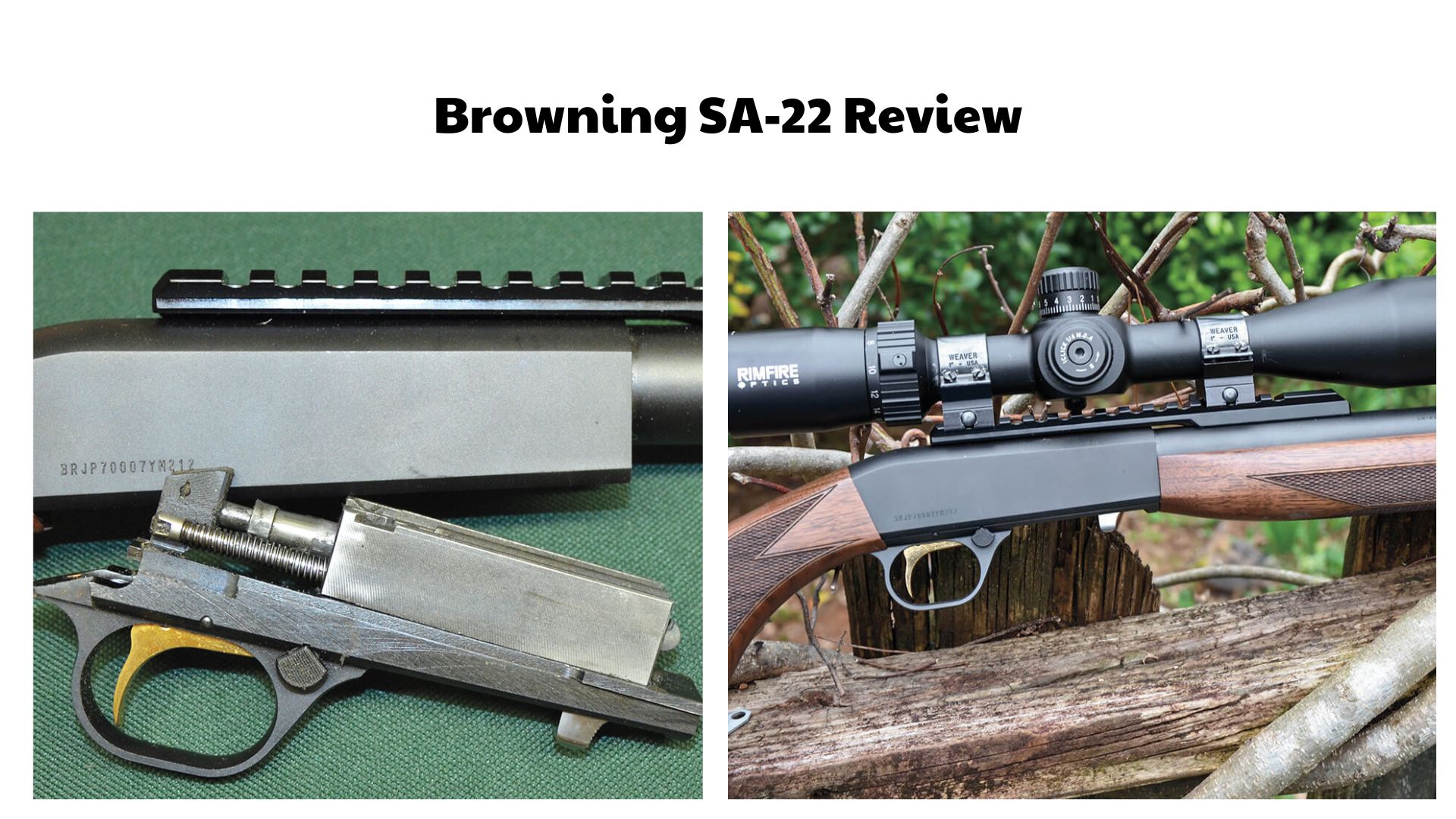

The Browning SA-22 is one of the most iconic rimfire rifles ever created. Known for its elegant craftsmanship, innovative take-down design, and legendary reliability, this semi-automatic .22 rifle has remained popular with hunters, collectors, and recreational shooters for more than a century. Originally designed by the legendary firearms inventor John Moses Browning in 1914, the SA-22 continues to stand out as one of the most refined and recognizable rimfire rifles in firearms history.
Unlike many modern .22 rifles that focus primarily on affordability or modularity, the Browning SA-22 emphasizes classic styling, premium materials, and timeless engineering. Its polished steel receiver, beautifully finished walnut stock, and unique bottom ejection system give the rifle a distinctive appearance and shooting experience that few modern rimfires can replicate.
One of the rifle’s most defining features is its take-down capability, which allows the barrel assembly to separate quickly from the receiver for compact transport and convenient storage. This design made the SA-22 especially popular among hunters, backpackers, and outdoorsmen who wanted a lightweight rifle that could easily fit into a vehicle, pack, or travel case.
The rifle has also built a strong reputation for reliability and smooth operation over decades of use. Its lightweight handling, balanced feel, and low recoil make it enjoyable for both experienced shooters and beginners alike. Whether used for small game hunting, casual plinking, or collecting classic firearms, the Browning SA-22 remains a respected and admired platform in the rimfire world.
In this review, we will cover the Browning SA-22’s history, specifications, take-down system, shooting performance, reliability, ergonomics, hunting applications, maintenance requirements, aftermarket support, common weaknesses, and comparisons with modern rimfire competitors. We will also examine whether the rifle still offers strong value in today’s firearms market and why it continues to attract dedicated fans more than 100 years after its original introduction.
Browning SA-22 Overview
What Is the Browning SA-22?
The Browning SA-22 is a semi-automatic rimfire rifle chambered primarily in .22 Long Rifle. It was originally designed by John Moses Browning and introduced in the early 20th century as one of the first successful semi-automatic rimfire sporting rifles. Over time, the rifle earned a reputation for exceptional craftsmanship, reliable operation, and innovative engineering.
One of the most distinctive features of the SA-22 is its take-down design. The rifle can be separated into two compact sections by disconnecting the barrel assembly from the receiver. This feature makes the rifle extremely portable and convenient for transportation, especially for hunters and outdoorsmen who need a compact firearm while traveling.
Another defining characteristic is the rifle’s bottom ejection system. Instead of ejecting spent casings from the side of the receiver like most semi-automatic rifles, the SA-22 ejects downward through the bottom of the action. This design helps keep debris away from the shooter’s face and makes the rifle equally comfortable for both right-handed and left-handed shooters.
The rifle is also known for its slim profile and lightweight construction. The combination of steel and walnut gives the firearm a premium feel while still remaining highly maneuverable in the field. Its balanced handling and smooth operation make it an excellent choice for small game hunting, recreational shooting, and traditional firearms collecting.
Despite being more than a century old in design, the Browning SA-22 remains relevant because of its timeless aesthetics, dependable performance, and strong connection to John Browning’s engineering legacy.
History of the Browning SA-22
The Browning SA-22 was designed by legendary firearms inventor John Moses Browning in 1914. Browning created the rifle as a lightweight, reliable semi-automatic rimfire platform that combined portability with elegant craftsmanship. His innovative engineering would eventually make the rifle one of the longest continuously produced semi-automatic rifles in history.
Production originally began through Fabrique Nationale (FN) in Belgium, one of Browning’s longtime manufacturing partners. Early Belgian-made rifles quickly gained a reputation for exceptional quality, polished finishes, and precise machining. These early production rifles are still highly sought after by collectors today.
Following World War II and changing manufacturing demands, production eventually transitioned to Miroku in Japan. Miroku-produced Browning rifles developed an excellent reputation for fit, finish, and consistency, and many shooters consider modern Japanese-made SA-22 rifles to be among the highest-quality rimfire firearms currently available.
Throughout its long production history, the SA-22 has remained popular around the world for hunting, recreational shooting, and collecting. The rifle’s combination of craftsmanship, portability, and reliability helped it survive numerous changes in firearm trends and market preferences.
The SA-22 also holds historical significance because it helped establish many of the design principles used in future semi-automatic sporting rifles. Its successful implementation of blowback operation, compact take-down functionality, and bottom ejection system demonstrated John Browning’s ability to create innovative firearms that remained practical and relevant for generations.
Why the Browning SA-22 Is Still Relevant Today
Even in today’s market filled with polymer-framed tactical rimfire rifles, the Browning SA-22 continues to stand out because of its classic craftsmanship and timeless design. The rifle offers a shooting experience that feels refined and traditional compared to many modern mass-produced firearms.
The polished steel receiver, walnut stock, and detailed craftsmanship give the rifle a premium appearance rarely seen in affordable rimfire platforms today. Many shooters appreciate the SA-22 because it represents an era when firearms emphasized elegance and mechanical artistry in addition to functionality.
The rifle’s engineering also remains unique compared to modern semi-automatic .22 rifles. Features such as the take-down system and bottom ejection mechanism continue to provide practical advantages while also giving the firearm a distinctive identity. Few modern rimfires offer the same combination of compact portability and traditional styling.
Collector interest is another major reason the SA-22 remains relevant. Older Belgian-made rifles, engraved variants, and special editions are highly desirable among firearms collectors. Even newer Miroku-produced rifles maintain strong resale value because of their reputation for quality.
Beyond collecting, the SA-22 still performs exceptionally well as a hunting and recreational rifle. Its lightweight handling, smooth action, and practical field accuracy make it highly effective for small game hunting and casual target shooting.
Many owners also view the SA-22 as an heirloom-quality firearm that can be passed down through generations. Its durable steel-and-walnut construction, historical significance, and enduring design help ensure the rifle remains appreciated by shooters and collectors alike.
Browning SA-22 Specifications
Basic Technical Specifications
The Browning SA-22 is primarily chambered in .22 Long Rifle, though some variants have also been produced in .22 Short and .22 Magnum configurations over the years. The rifle is designed as a lightweight sporting firearm optimized for hunting, plinking, and recreational shooting.
Most standard SA-22 models feature a barrel length of approximately 19 inches and an overall length near 37 inches. The rifle generally weighs around 5 pounds, making it extremely lightweight and easy to carry in the field.
The rifle uses a tubular magazine located inside the buttstock rather than beneath the barrel. Depending on the caliber and ammunition type, magazine capacity typically ranges from 9 to 11 rounds.
The SA-22 is equipped with traditional iron sights, including a front bead sight and an adjustable rear sight. Some modern variants also support optics mounting through specialized mounts and adapters.
Stock options typically include high-quality walnut with gloss finishes and fine checkering. Certain upgraded models feature engraved receivers and enhanced wood grades for a more luxurious appearance.
Receiver and Barrel Construction
The Browning SA-22 uses a machined steel receiver that contributes to both durability and premium aesthetics. Unlike many modern rimfire rifles that use aluminum receivers or polymer components, the SA-22 maintains a traditional all-steel construction that gives the rifle a solid and refined feel.
One of the rifle’s most recognizable features is its polished blued finish. The deep bluing on both the barrel and receiver creates an elegant appearance that reflects the rifle’s heritage and premium craftsmanship.
The barrel quality is another standout feature. Browning and Miroku barrels are known for precise machining, smooth bores, and excellent fitment to the receiver assembly. The barrel lockup system within the take-down design is engineered to maintain strong consistency and durability over years of use.
The walnut stock further enhances the rifle’s premium feel. Standard Grade I rifles already display attractive wood grain and smooth finishing, while higher-grade models feature upgraded walnut and detailed engraving work.
Overall build quality impressions of the SA-22 are overwhelmingly positive among shooters and collectors. The rifle feels refined, tightly assembled, and mechanically smooth compared to many modern budget-oriented rimfire rifles.
The Take-Down Design Explained
The take-down mechanism is one of the most innovative and defining features of the Browning SA-22. By rotating and separating the barrel assembly from the receiver, the rifle can quickly break down into two compact pieces for transport and storage.
This design provides major advantages for hunters and outdoor enthusiasts who need a portable firearm that can fit easily inside backpacks, vehicles, or travel cases. The compact take-down format also makes the rifle easier to store in safes or smaller storage areas.
The locking adjustment system allows users to maintain a tight fit between the barrel and receiver over time. This adjustable interface helps preserve accuracy and prevents looseness from developing after repeated assembly and disassembly.
Assembly and disassembly are straightforward once the user becomes familiar with the process. The rifle can be separated or reassembled within seconds without requiring specialized tools.
Long-term durability of the take-down system is generally excellent. Many rifles have remained tight and functional for decades with proper maintenance and occasional adjustment of the locking components.
Bottom Ejection System
The Browning SA-22 uses a unique bottom ejection system that ejects spent casings downward through the underside of the receiver rather than out the side. This design was highly innovative when the rifle was introduced and remains uncommon among modern rimfire rifles.
One major advantage of bottom ejection is improved ambidextrous usability. Since casings are not thrown toward either side of the shooter, left-handed users can operate the rifle comfortably without worrying about hot brass ejecting near their face.
The design also helps reduce debris and powder gases directed toward the shooter. Dirt, unburned powder, and spent brass are expelled downward rather than outward, contributing to a cleaner shooting experience.
Compared to traditional side-ejecting rifles, the SA-22’s ejection system gives the rifle a sleeker receiver profile with fewer exposed openings. However, the bottom ejection system can complicate optics mounting because the receiver top design differs from modern scope-ready platforms.
Despite these mounting limitations, many shooters appreciate the uniqueness and practical advantages of the bottom ejection design.
Tubular Magazine Design
Unlike many rimfire rifles that place the tubular magazine beneath the barrel, the Browning SA-22 stores its magazine tube inside the buttstock. This design contributes to the rifle’s slim barrel profile and balanced handling characteristics.
Loading the rifle involves removing the inner magazine tube from the buttstock, inserting cartridges into the magazine opening, and reinserting the tube to secure the ammunition.
Magazine capacity varies depending on the specific caliber and ammunition type used. Standard .22 LR versions typically hold around 10 rounds, while other variants may differ slightly.
The buttstock magazine design offers several advantages, including improved rifle balance and reduced weight near the front of the firearm. It also contributes to the rifle’s clean and elegant appearance.
However, the tubular magazine system is slower to reload compared to detachable box magazines. Shooters must manually insert cartridges one at a time, making the rifle less practical for high-speed shooting or tactical-style applications.
Design and Ergonomics
Classic Browning Styling
Traditional Rifle Aesthetics
The Browning SA-22 is widely admired for its timeless traditional styling. Unlike many modern rimfire rifles that use synthetic materials and tactical-inspired designs, the SA-22 embraces classic firearm craftsmanship with polished steel and walnut construction. Its sleek lines, slim receiver profile, and elegant proportions give the rifle a refined appearance that continues to attract hunters and collectors alike.
Gloss Walnut Stock Appearance
One of the rifle’s most visually striking features is its gloss-finished walnut stock. Browning uses quality walnut with attractive grain patterns that enhance the rifle’s premium appearance. The polished finish reflects light beautifully and contributes to the rifle’s classic sporting aesthetic. Higher-grade models feature even more impressive wood grain and decorative finishing touches.
Fine Checkering and Detailing
The stock includes finely cut checkering that improves grip while adding visual elegance. Detailed craftsmanship around the grip and fore-end areas highlights the attention to detail Browning places into the SA-22 platform. Many shooters consider the rifle closer to a collector-grade sporting arm than a basic recreational rimfire.
Premium Craftsmanship Feel
From the smooth action cycling to the polished metal surfaces, the SA-22 feels exceptionally refined in the hands. The tight fit between components, smooth edges, and overall balance give the rifle a premium quality impression that stands out compared to most mass-produced semi-automatic .22 rifles.
Lightweight and Compact Handling
Slim Rifle Profile
The Browning SA-22 features a slim and streamlined profile that makes it feel lightweight and highly maneuverable. The absence of bulky external magazines and oversized controls helps maintain the rifle’s sleek dimensions.
Easy One-Handed Carry
At approximately five pounds, the rifle is light enough for comfortable one-handed carry during long hunting trips or outdoor excursions. The slim receiver and balanced weight distribution make the firearm easy to carry through dense woods and rough terrain.
Excellent Field Portability
The take-down design further enhances the rifle’s portability by allowing it to separate into compact sections for transport. Hunters and backpackers especially appreciate how easily the SA-22 fits into travel cases, packs, or vehicle compartments.
Ideal Balance for Offhand Shooting
The rifle’s balance characteristics are excellent for offhand shooting. Weight is distributed evenly between the stock and barrel assembly, allowing shooters to hold the rifle steadily without excessive front heaviness. This balanced feel contributes significantly to the SA-22’s strong field shooting performance.
Stock Design and Comfort
Straight Stock Design
The SA-22 uses a traditional straight stock design that complements the rifle’s classic appearance. The stock geometry encourages natural shouldering and smooth handling during hunting or recreational shooting sessions.
Length of Pull
The rifle’s length of pull is comfortable for most adult shooters while still remaining manageable for younger users and smaller-framed shooters. The dimensions allow the rifle to shoulder naturally without feeling oversized or awkward.
Cheek Weld Characteristics
The stock provides a comfortable cheek weld for use with factory iron sights. The slim comb design allows shooters to align their eyes naturally with the sight picture while maintaining a relaxed shooting position.
Comfort During Extended Shooting
Because the rifle is chambered in .22 LR, recoil is extremely light. Combined with the comfortable stock design and lightweight construction, the SA-22 remains enjoyable to shoot during long range sessions or extended hunting trips.
Iron Sights and Sight Picture
Front Bead and Rear Sight Setup
The Browning SA-22 comes equipped with traditional iron sights consisting of a front bead sight and adjustable rear sight. This classic sight arrangement is simple, lightweight, and highly functional for field use.
Visibility in Hunting Environments
The front bead sight is easy to acquire quickly in wooded hunting environments and changing light conditions. Many hunters appreciate the uncluttered sight picture for fast target engagement on small game animals.
Adjustability and Precision
The rear sight is adjustable for elevation and windage, allowing shooters to fine-tune point of impact for different ammunition loads and shooting distances. While simple in design, the sights provide respectable precision for practical rimfire shooting.
Practical Field Performance
The iron sights perform well for squirrel hunting, rabbit hunting, and recreational target shooting at common rimfire distances. Many SA-22 owners continue using factory sights because they match the rifle’s lightweight field-oriented design.
Optics Mounting Challenges
Receiver Design Limitations
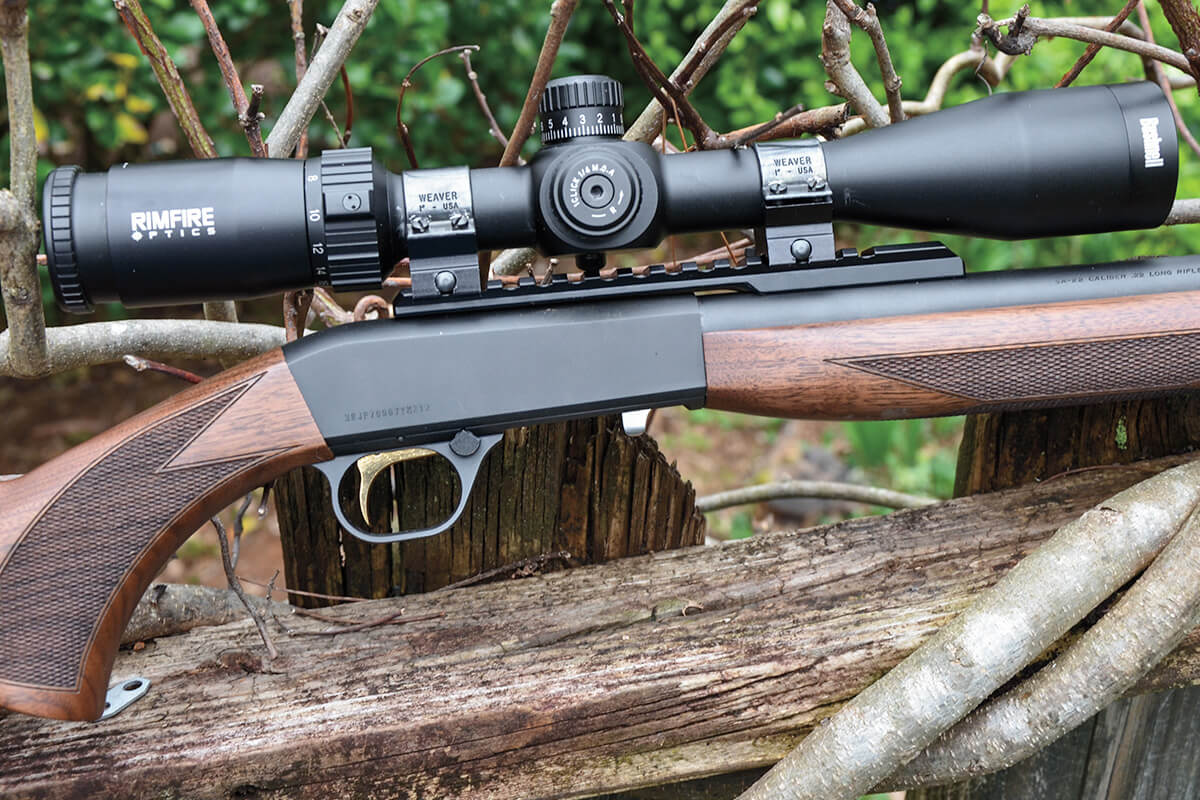
One of the SA-22’s biggest drawbacks involves optics mounting. The rifle’s bottom ejection system and receiver design limit traditional scope mounting solutions compared to modern rimfire rifles with drilled and tapped receivers.
Scope Mounting Solutions
Specialized side mounts and aftermarket mounting systems are available for shooters who want to add optics. However, these solutions are often less convenient than standard scope mounting arrangements found on modern rifles.
Aftermarket Mounts
Several aftermarket companies manufacture mounts designed specifically for the Browning SA-22. These mounts can accommodate rimfire scopes and compact red dot optics while preserving reliable ejection clearance.
Pros and Cons of Adding Optics
Adding optics improves precision and target visibility at longer distances, but it can also alter the rifle’s classic appearance and lightweight balance. Many traditionalists prefer keeping the rifle in its original iron-sight configuration to preserve its historic styling and handling characteristics.
Controls and User Interface
Charging Handle Operation
The charging handle operates smoothly and requires minimal effort to cycle the action. The rifle’s semi-automatic blowback system feels refined and consistent during manual operation.
Crossbolt Safety
The SA-22 uses a crossbolt safety positioned near the trigger area for convenient access. The safety is simple to operate and easy for both new and experienced shooters to understand.
Magazine Loading Process
Loading the tubular magazine involves removing the inner magazine tube from the buttstock, inserting cartridges into the loading port, and reinserting the tube. While slower than detachable magazines, the process contributes to the rifle’s sleek profile and balanced handling.
Ease of Operation for Beginners
The rifle’s simple controls, lightweight recoil, and intuitive handling make it approachable for beginner shooters. However, the unique loading system may require some initial familiarization compared to more modern detachable-magazine platforms.
Browning SA-22 Shooting Performance
Shooting Experience
Light Recoil Characteristics
The Browning SA-22 produces virtually no noticeable recoil due to the low-powered .22 LR cartridge and lightweight blowback action. This makes the rifle extremely comfortable for shooters of all experience levels.
Smooth Cycling Action
One of the rifle’s defining characteristics is its exceptionally smooth cycling action. The bolt operation feels polished and refined during firing, contributing to the rifle’s premium shooting experience.
Trigger Feel and Reset
The factory trigger is generally crisp and predictable, though some rifles may exhibit minor creep depending on production year and wear. The trigger reset is smooth and suitable for hunting and recreational shooting applications.
Overall Shooting Enjoyment
The combination of low recoil, balanced handling, smooth cycling, and traditional styling makes the SA-22 one of the most enjoyable rimfire rifles to shoot. Many owners describe the rifle as highly addictive and satisfying during casual range sessions.
Accuracy Performance
Accuracy at 25, 50, and 100 Yards
The SA-22 delivers excellent practical accuracy at common rimfire distances. At 25 and 50 yards, shooters can achieve tight groups suitable for small game hunting and target shooting. Accuracy at 100 yards remains respectable with quality ammunition and proper shooting technique.
Benchrest vs Field Shooting Results
From a benchrest position, the rifle demonstrates impressive consistency for a lightweight semi-automatic rimfire. In field shooting scenarios, the rifle’s natural balance and quick handling contribute to strong practical accuracy on moving or reactive targets.
Performance with Iron Sights
The factory iron sights are highly effective within normal hunting distances. Skilled shooters can reliably hit small targets without requiring optics upgrades.
Practical Hunting Accuracy
The SA-22 excels as a hunting rifle because of its combination of lightweight handling and dependable accuracy. Small game such as squirrels and rabbits can be engaged confidently within practical rimfire ranges.
How It Compares to Modern Semi-Auto .22 Rifles
While many modern semi-automatic .22 rifles offer greater modularity and optics support, the SA-22 remains highly competitive in terms of craftsmanship, smooth operation, and practical hunting accuracy.
Best Ammo for the Browning SA-22
High Velocity vs Standard Velocity Ammo
The rifle generally performs best with high-velocity .22 LR ammunition because the additional energy helps ensure reliable cycling of the semi-automatic action.
Reliable Ammunition Brands
Popular ammunition choices include CCI Mini-Mag, Federal AutoMatch, Winchester Super-X, and Aguila High Velocity loads. Premium ammunition often delivers the best reliability and accuracy results.
Cycling Consistency with Different Loads
The SA-22 typically cycles quality ammunition smoothly and reliably. However, weaker or inconsistent ammunition may occasionally cause failures to eject or cycle fully.
Ammo Sensitivity Observations
Some rifles may show sensitivity to lower-powered standard velocity or subsonic ammunition. Using clean, consistent, high-quality ammo usually minimizes reliability issues.
Reliability and Function
Long-Term Reliability Reputation
The Browning SA-22 has built an outstanding reputation for long-term reliability over more than a century of production. Many rifles remain fully operational after decades of regular use.
Performance in Dirty Conditions
The rifle generally performs well even after extended shooting sessions, though regular cleaning is still important because rimfire ammunition produces heavy fouling.
Feeding and Extraction Consistency
When properly maintained and fed quality ammunition, the SA-22 feeds and ejects reliably. The bottom ejection system functions smoothly and consistently under normal conditions.
Durability Over Decades of Use
The steel receiver, durable barrel construction, and strong internal components allow the SA-22 to remain functional for generations. Many vintage rifles from the mid-20th century still operate reliably today.
Real-World Hunting Applications
Squirrel and Rabbit Hunting
The lightweight handling and excellent field accuracy make the SA-22 an outstanding small game hunting rifle. Its quick shouldering and smooth operation are especially useful for fast-moving targets in wooded environments.
Backpack and Survival Rifle Use
The take-down design allows the rifle to fit easily into backpacks and compact storage spaces, making it practical for camping, survival kits, and outdoor travel.
Farm and Pest Control Applications
The rifle’s low recoil, quiet operation, and practical accuracy also make it useful for pest control around farms and rural properties.
Why Hunters Still Trust the SA-22
Hunters continue trusting the Browning SA-22 because of its proven reliability, lightweight handling, timeless craftsmanship, and consistent field performance over generations of outdoor use.
Browning SA-22 Take-Down Feature Review
Advantages of the Take-Down System
Easy Transport in Backpacks or Vehicles
The take-down system allows the rifle to separate quickly into compact sections, making transportation significantly easier than traditional fixed-barrel rifles.
Compact Storage Benefits
Disassembled storage reduces the rifle’s footprint and allows it to fit comfortably into compact safes, cases, or travel bags.
Travel Convenience for Hunters
Hunters especially benefit from the rifle’s portability when traveling long distances or hiking through rough terrain.
Traditional Appeal of Take-Down Rifles
Take-down rifles have long been associated with classic sporting firearms, and the SA-22 continues that tradition with one of the most refined systems ever designed.
Does the Take-Down Design Affect Accuracy?
Barrel Return-to-Zero Consistency
The locking mechanism is designed to maintain consistent barrel alignment after reassembly. Most shooters report excellent return-to-zero consistency when the rifle is assembled properly.
Lockup Reliability
The adjustable locking system helps ensure tight barrel lockup over years of repeated use. Proper adjustment is important for maintaining consistent accuracy.
Long-Term Wear Considerations
Like any mechanical system, the take-down components can experience wear over time. However, proper maintenance and adjustment greatly extend the lifespan of the mechanism.
Real-World Shooter Experiences
Most long-term owners report minimal accuracy loss related to the take-down design. The rifle continues to perform well even after decades of repeated assembly and disassembly.
Maintenance Benefits of the Take-Down Design
Simplified Cleaning Access
Separating the barrel from the receiver makes cleaning the bore and action much easier compared to traditional fixed-barrel rifles.
Easy Barrel Maintenance
The detached barrel can be cleaned more thoroughly from the chamber end, helping preserve accuracy and barrel condition over time.
Field Stripping Convenience
The take-down system simplifies transportation, inspection, and routine maintenance without requiring complicated disassembly procedures or specialized tools.
Common Problems and Weaknesses
Expensive Compared to Modern Rimfires
Premium Pricing
The Browning SA-22 is positioned as a premium rimfire rifle, and its price reflects that. Compared to many modern .22 rifles, it is significantly more expensive due to its craftsmanship, materials, and long-standing heritage. This higher cost can be a barrier for shooters who simply want an affordable plinking rifle.
Cost Compared to Ruger 10/22 and Marlin Rifles
When compared directly to rifles like the Ruger 10/22 or Marlin Model 60, the SA-22 sits in a much higher price category. Those rifles are designed for mass-market affordability, while the SA-22 focuses on traditional craftsmanship and collector-grade quality.
Whether the Craftsmanship Justifies the Price
For many enthusiasts, the SA-22’s build quality, walnut stock, and historical significance justify the higher cost. However, budget-focused shooters may find better value in modern alternatives that offer more features at a lower price point.
Scope Mounting Limitations
Challenges Caused by Bottom Ejection
The SA-22’s bottom ejection system creates inherent limitations for mounting optics. Because spent casings eject downward, the receiver design does not easily accommodate traditional top-mounted scope bases.
Limited Optic Mounting Options
While aftermarket mounts exist, they are less straightforward than modern drilled-and-tapped receivers. This limits the ease with which shooters can install scopes or modern optical systems.
Why Many Owners Stick with Iron Sights
Due to these mounting challenges, many SA-22 owners prefer using the factory iron sights. The rifle is well-balanced for iron sight shooting, and its classic design often encourages traditional usage.
Slower Reloading Process
Tube Magazine Limitations
The SA-22 uses a tubular magazine located in the buttstock, which must be loaded one round at a time. This inherently slows down the reloading process compared to detachable magazine systems.
Reload Speed Disadvantages
In high-volume shooting scenarios, the reload speed is noticeably slower. Shooters must take time to carefully load each cartridge, which is less efficient than swapping magazines.
Less Practical for Tactical-Style Shooting
The slow reload system makes the rifle less suitable for tactical training or rapid-fire shooting disciplines. It is better suited for hunting, recreation, and traditional shooting use.
Trigger Complaints
Factory Trigger Pull Characteristics
The factory trigger on the SA-22 is generally functional but not match-grade. It is designed more for reliability and safety than precision competition performance.
Trigger Creep and Weight
Some rifles exhibit noticeable trigger creep and a heavier pull weight than modern precision-focused rimfires. This can affect fine shooting control at longer distances.
Effect on Precision Shooting
While still accurate, the trigger can limit maximum precision potential for shooters seeking extremely tight groups in competitive environments. Many users adapt through practice rather than modification.
Ammo Sensitivity in Some Rifles
Potential Cycling Issues with Weak Ammo
Some SA-22 rifles may experience cycling issues when using low-powered or inconsistent ammunition. The semi-automatic blowback system performs best with reliable, high-velocity rounds.
Importance of Quality Ammunition
Using high-quality ammunition greatly improves reliability. Premium brands tend to cycle more consistently and reduce the likelihood of feeding or extraction issues.
Break-In Observations
Some owners report that the rifle improves after an initial break-in period. Smoothness of operation and reliability often increase after several hundred rounds of use and proper cleaning.
Cleaning and Maintenance
How to Clean the Browning SA-22
Basic Disassembly Process
The SA-22’s take-down design simplifies cleaning. The barrel assembly can be separated from the receiver, allowing easy access to both components without complex disassembly procedures.
Cleaning the Barrel and Action
The barrel should be cleaned using a .22 caliber bore brush, solvent, and patches. The action should be wiped down to remove carbon buildup and debris from the blowback operation.
Recommended Cleaning Tools
Essential tools include a cleaning rod, bore brush, patches, nylon brushes, solvent, and light gun oil. A bore snake can also be useful for quick field maintenance.
Proper Lubrication Points
Light lubrication should be applied to the bolt rails, moving contact surfaces, and locking mechanism. Over-lubrication should be avoided to prevent dirt accumulation.
Maintaining the Take-Down Mechanism
Adjustment Ring Maintenance
The take-down adjustment ring must be periodically checked to ensure proper tension and secure barrel lockup. Proper adjustment helps maintain consistent accuracy.
Preventing Excessive Wear
Regular inspection of the locking surfaces helps prevent long-term wear. Keeping components clean reduces friction and extends the life of the mechanism.
Proper Assembly Practices
Correct reassembly ensures the barrel aligns properly with the receiver. Following manufacturer instructions helps maintain consistent performance and safety.
Long-Term Care Tips
Protecting the Polished Blued Finish
The SA-22’s blued steel finish should be regularly wiped down with a lightly oiled cloth to prevent rust and corrosion, especially in humid environments.
Wood Stock Maintenance
The walnut stock should be kept clean and occasionally treated with wood-safe oil or polish to preserve its appearance and prevent drying or cracking.
Storage Recommendations
The rifle should be stored in a dry environment, ideally in a gun safe with moisture control. Avoid long-term storage in soft cases that can trap humidity.
Preventing Rust and Corrosion
Regular maintenance and proper storage are essential to preventing rust. Even high-quality finishes require care to maintain long-term durability.
Common Replacement Parts
Recoil Springs
Recoil springs may weaken over time with heavy use. Replacing them helps maintain proper cycling speed and reliability.
Firing Pins
Firing pins can wear after extensive use. Replacement ensures consistent ignition of cartridges and reliable performance.
Magazine Components
Magazine tube components may require occasional replacement or maintenance to ensure smooth feeding and loading operation.
Availability of Replacement Parts
Despite its age, parts for the SA-22 remain available through Browning, Miroku support channels, and aftermarket suppliers, making long-term ownership practical.
Browning SA-22 Variants and Models
Grade I Models
Standard Production Versions
Grade I models represent the standard production SA-22 rifles and are the most commonly available versions on the market.
Features and Finishes
These rifles typically feature quality walnut stocks, blued steel receivers, and standard iron sights without additional engraving or luxury enhancements.
Most Common Configurations
Grade I rifles are typically chambered in .22 LR and represent the baseline configuration for hunting and recreational use.
Grade II and Engraved Models
Enhanced Engraving and Wood Quality
Grade II models feature upgraded engraving on the receiver and higher-grade walnut stocks with more attractive grain patterns and finishes.
Collector-Focused Models
These versions are often aimed at collectors and enthusiasts who value aesthetics and craftsmanship in addition to functionality.
Luxury Aesthetic Differences
The enhanced detailing and polished finishes give Grade II rifles a more luxurious appearance compared to standard models.
Belgian vs Japanese Production Rifles
FN Belgium Production History
Early SA-22 rifles manufactured by FN in Belgium are highly collectible due to their historical significance and craftsmanship quality.
Miroku Japan Manufacturing Quality
Modern SA-22 rifles produced by Miroku in Japan are widely praised for their excellent fit, finish, and consistency in manufacturing.
Collector Opinions on Each Version
Collectors often value Belgian-made rifles for historical authenticity, while many shooters prefer Japanese models for modern reliability and consistency.
Value Differences in the Used Market
Belgian models often command higher prices in the used market due to rarity and historical value, while Japanese models remain more accessible and widely available.
Magnum and Short Variants
.22 Short Compatibility
Some SA-22 variants are chambered in .22 Short, offering lower recoil and quieter shooting characteristics, often used for specialized applications.
.22 Magnum Variants
.22 Magnum versions of the SA-22 provide increased power and range, making them suitable for slightly larger game or longer-distance shooting.
Differences in Handling and Performance
Magnum variants typically produce more recoil and noise, while .22 Short versions prioritize quiet operation and reduced power.
Special Editions and Collector Models
Limited Production Rifles
Browning has released limited production SA-22 rifles over the years, often featuring unique finishes or commemorative designs.
Commemorative Editions
These rifles celebrate milestones in Browning’s history and may include special engravings or markings.
Rare Configurations and Collector Value
Rare SA-22 configurations are highly sought after by collectors and can significantly increase in value depending on condition and rarity.
Browning SA-22 vs Competitors
Browning SA-22 vs Ruger 10/22
Traditional vs Modern Design Philosophy
The SA-22 represents traditional craftsmanship and classic design, while the Ruger 10/22 focuses on modularity, affordability, and modern customization potential.
Accuracy Comparison
Both rifles are capable of good accuracy, but the SA-22 often delivers excellent results out of the box due to its refined barrel and build quality.
Customization Potential
The Ruger 10/22 far exceeds the SA-22 in aftermarket support, offering extensive upgrade options for nearly every component.
Reliability and Maintenance
Both rifles are reliable when properly maintained, though the SA-22 requires more traditional care due to its materials and design complexity.
Best Use Cases for Each Rifle
The SA-22 is ideal for collectors, hunters, and traditionalists, while the 10/22 is better suited for customization, training, and tactical-style shooting.
Browning SA-22 vs Henry AR-7
Take-Down Rifle Comparison
Both rifles feature take-down or compact designs, but the AR-7 prioritizes survival functionality while the SA-22 emphasizes craftsmanship.
Portability Differences
The AR-7 is designed for extreme portability, often storing entirely within its stock, while the SA-22 offers a more refined but slightly less compact system.
Build Quality Comparison
The SA-22 is generally considered superior in build quality, materials, and finish compared to the utilitarian AR-7 design.
Practical Field Performance
The SA-22 typically offers better shooting comfort and accuracy, while the AR-7 focuses on emergency survival use.
Browning SA-22 vs Marlin Model 60
Tube-Fed Rifle Comparison
Both rifles use tubular magazines, but the SA-22’s buttstock magazine design differs significantly from the under-barrel system of the Model 60.
Accuracy and Handling Differences
The SA-22 is more refined and lightweight, while the Model 60 is often heavier and slightly more utilitarian in feel.
Classic Craftsmanship vs Budget Practicality
The SA-22 emphasizes premium craftsmanship and collector appeal, while the Model 60 focuses on affordability and mass-market practicality.
Browning SA-22 vs Winchester Wildcat
Weight and Ergonomics
The SA-22 offers a classic lightweight feel, while the Winchester Wildcat uses modern ergonomic design and polymer construction.
Modern Polymer vs Classic Steel and Walnut
The Wildcat represents modern manufacturing efficiency, whereas the SA-22 emphasizes traditional steel-and-wood craftsmanship.
Ease of Maintenance
The Wildcat is generally easier to maintain due to its modern design, while the SA-22 requires more traditional care and cleaning practices.
Target Audience Differences
The SA-22 appeals to collectors and traditional shooters, while the Wildcat targets budget-conscious and modern rimfire users.
Is the Browning SA-22 Still Worth Buying Today?
Current Market Pricing
The SA-22 remains a premium-priced rifle in today’s market, reflecting its craftsmanship, heritage, and manufacturing quality.
Collector Demand
Collector interest remains strong, particularly for older Belgian-made models and special editions.
Practical Use in 2026
In 2026, the SA-22 still performs excellently as a hunting and recreational rifle despite its traditional design.
Long-Term Ownership Value
The rifle maintains strong long-term value due to its durability, historical significance, and continued demand among collectors and enthusiasts.
Aftermarket Support and Accessories
Optic and Sight Upgrades
Scope Mount Options
Aftermarket mounts are available, though limited compared to modern rifles. These allow the installation of compact rimfire scopes.
Red Dot Compatibility
Some mounting systems support red dot sights, improving close-range target acquisition for hunting applications.
Improved Iron Sight Options
Upgraded iron sights are available for shooters who want enhanced visibility while maintaining a traditional shooting setup.
Sling and Carry Accessories
Sling Swivels
Sling swivel installations improve portability and make the rifle easier to carry during long hunting trips.
Hunting Carry Setups
Various sling configurations help optimize comfort and accessibility in field environments.
Protective Take-Down Cases
Custom cases designed for the take-down system provide secure and compact transportation options.
Cosmetic and Stock Upgrades
Wood Refinishing
Many owners choose to refinish walnut stocks to restore appearance and preserve wood quality over time.
Custom Engraving
Engraving upgrades are popular among collectors seeking unique aesthetic customization.
Stock Restoration Projects
Restoration projects help preserve older rifles and enhance their collectible value.
Internal Maintenance Upgrades
Spring Replacements
Upgraded springs can improve cycling performance and restore reliability in older rifles.
Reliability Tuning
Minor internal polishing and tuning can improve smoothness and feeding consistency.
Professional Gunsmith Modifications
Some shooters opt for professional gunsmith services to optimize performance while preserving original design integrity.
Pros and Cons of the Browning SA-22
Biggest Advantages
Beautiful Craftsmanship
The SA-22 stands out for its premium steel-and-walnut construction and exceptional finishing quality.
Lightweight and Portable
The rifle is easy to carry for extended periods, making it ideal for hunting and field use.
Reliable Take-Down Design
The take-down system adds convenience for transport, storage, and maintenance.
Smooth Shooting Experience
The rifle offers a refined and enjoyable shooting experience with low recoil and smooth cycling.
Collector and Heirloom Appeal
Its historical significance and craftsmanship make it a desirable collector and heirloom firearm.
Main Disadvantages
High Price Point
The rifle is significantly more expensive than most modern rimfire alternatives.
Limited Optics Mounting Options
The design restricts easy scope installation compared to modern rifle platforms.
Slower Reload Speed
The tubular magazine system requires slower, manual reloading.
Smaller Aftermarket Support
Compared to rifles like the Ruger 10/22, aftermarket customization options are limited.
Who Should Buy the Browning SA-22?
Ideal for Traditional Rifle Enthusiasts
Appreciation for Classic Firearms
The SA-22 is perfect for shooters who value traditional firearm design and heritage craftsmanship.
Interest in Walnut-and-Steel Craftsmanship
Enthusiasts who prefer wood-and-steel rifles will strongly appreciate the SA-22’s build quality.
Collectors and Browning Fans
Collectors and fans of Browning firearms will find the SA-22 an essential addition to their collection.
Great Choice for Small Game Hunters
Lightweight Field Carry
The rifle is easy to carry during long hunting trips due to its lightweight design.
Reliable Hunting Performance
It delivers consistent performance for squirrel, rabbit, and small pest hunting.
Excellent Offhand Handling
The rifle’s balance makes it highly effective for quick offhand shots in the field.
Excellent Heirloom or Collector Rifle
Long-Term Collector Value
The SA-22 retains strong resale and collector value over time.
Historical Significance
Its connection to John Browning gives it important historical value in firearms development.
Premium Build Quality
The rifle’s craftsmanship ensures it can be passed down through generations.
Who May Prefer a Different Rimfire Rifle
Shooters Wanting Tactical Customization
Users who want extensive aftermarket upgrades may prefer platforms like the Ruger 10/22.
Competition Shooters
Competitive shooters often require lighter triggers and more modular systems than the SA-22 provides.
Budget-Focused Buyers
Those prioritizing affordability will find better options in modern entry-level rimfire rifles.
Final Verdict on the Browning SA-22
Overall Performance Summary
Accuracy and Reliability Overview
The SA-22 delivers strong accuracy and long-term reliability, especially when properly maintained and paired with quality ammunition.
Strengths of the Take-Down System
The take-down design remains one of its most practical and unique features, offering excellent portability and convenience.
Long-Term Ownership Experience
Owners often report decades of dependable use, making the rifle a long-term investment in both performance and craftsmanship.
What Makes the SA-22 Unique
John Browning’s Engineering Legacy
The rifle represents one of John Browning’s most enduring and elegant firearm designs.
Bottom Ejection System
The bottom ejection system remains a rare and distinctive feature in modern firearms.
Timeless Styling and Craftsmanship
The combination of walnut, steel, and refined design gives the SA-22 a timeless appeal.
Final Recommendation
Who Should Buy It
The Browning SA-22 is best suited for collectors, traditionalists, and hunters who appreciate premium craftsmanship and classic design.
Whether It Still Competes with Modern Rimfire Rifles
While it lacks modern modularity, it remains highly competitive in accuracy, reliability, and overall shooting enjoyment.
Overall Value for Hunters, Collectors, and Enthusiasts
The SA-22 continues to offer strong value for those who prioritize heritage, craftsmanship, and long-term durability over tactical customization.
55 FAQs About the Browning SA-22
1. What is the Browning SA-22?
The Browning SA-22 is a semi-automatic .22 LR rimfire rifle designed by John Moses Browning in 1914. It is known for its take-down design, bottom ejection system, and premium craftsmanship using steel and walnut materials. It remains popular for hunting, collecting, and recreational shooting.
2. Who designed the Browning SA-22?
The rifle was designed by John Moses Browning, one of the most influential firearms designers in history. His engineering innovations helped shape modern firearm development, and the SA-22 remains one of his most elegant and long-lasting designs.
3. When was the Browning SA-22 first introduced?
The SA-22 was introduced in 1914. It has been in continuous production in various forms ever since, making it one of the longest-running semi-automatic rifle designs in history.
4. What caliber does the SA-22 use?
The most common chambering is .22 Long Rifle, but some variants also exist in .22 Short and .22 Winchester Magnum Rimfire. Each version offers different performance characteristics depending on intended use.
5. Is the Browning SA-22 good for beginners?
Yes, the SA-22 is beginner-friendly due to its low recoil, simple controls, and smooth semi-automatic operation. However, the unique magazine loading system may require some initial learning for new shooters.
6. How does the SA-22 load ammunition?
The rifle uses a tubular magazine located in the buttstock. To load it, the shooter removes the inner magazine tube, inserts cartridges one by one into the tube, and then reinserts it into the stock.
7. What makes the SA-22 different from modern .22 rifles?
The SA-22 stands out due to its classic steel-and-walnut construction, take-down design, and bottom ejection system. Modern rifles often use polymer materials, detachable magazines, and more modular designs.
8. Is the Browning SA-22 accurate?
Yes, the SA-22 is known for excellent practical accuracy. It performs very well at typical rimfire distances such as 25 to 75 yards, making it suitable for small game hunting and target shooting.
9. What is the effective range of the SA-22?
The effective hunting range is typically up to 75–100 yards depending on ammunition and shooter skill. Beyond that distance, .22 LR performance becomes less consistent for ethical hunting shots.
10. Is the SA-22 reliable?
Yes, the SA-22 has a strong reputation for reliability when properly maintained and fed quality ammunition. It has been trusted by generations of hunters and shooters worldwide.
11. Does the SA-22 require special ammunition?
The rifle performs best with high-velocity .22 LR ammunition. Some lower-powered rounds may cause cycling issues, so quality ammunition is recommended for best reliability.
12. Is the SA-22 good for hunting?
Yes, it is excellent for small game hunting such as squirrels and rabbits. Its lightweight design, accuracy, and smooth handling make it very effective in field conditions.
13. Can the SA-22 be used for pest control?
Yes, many owners use it for farm pest control due to its quiet operation, accuracy, and manageable recoil. It is particularly effective in rural environments.
14. What is the take-down feature?
The take-down feature allows the rifle to be separated into two compact parts: the barrel assembly and receiver/stock section. This improves portability and storage convenience.
15. Does the take-down system affect accuracy?
When properly assembled, the take-down system maintains excellent return-to-zero consistency. Most shooters report minimal or no noticeable accuracy loss after repeated assembly.
16. Is the SA-22 good for travel?
Yes, the take-down design makes it very travel-friendly. It fits easily into compact cases, backpacks, or vehicle storage compartments, making it ideal for hunters on the move.
17. What type of sights does the SA-22 have?
The rifle typically comes with a front bead sight and an adjustable rear sight. These iron sights are simple, durable, and effective for field shooting.
18. Can you mount a scope on the SA-22?
Yes, but scope mounting is limited compared to modern rifles. Special aftermarket mounts are required due to the bottom ejection system and receiver design.
19. Why is optics mounting difficult?
The bottom ejection system and traditional receiver structure limit the use of standard top-mounted scope bases. This makes optics installation more complicated than on modern rifles.
20. Is the SA-22 expensive?
Yes, it is considered a premium rimfire rifle. Its price reflects its craftsmanship, materials, and historical significance, making it more expensive than most modern .22 rifles.
21. Is the SA-22 worth the price?
For many shooters, yes. The build quality, smooth operation, and collectible nature justify the cost, especially for those who appreciate traditional firearms.
22. What is the trigger like?
The trigger is generally smooth but not match-grade. Some rifles may have slight creep or heavier pull compared to modern precision triggers.
23. Can the trigger be improved?
Yes, gunsmith tuning or aftermarket spring kits can improve trigger feel, but many owners leave it stock to preserve original reliability and value.
24. Is the SA-22 good for competition shooting?
It is not primarily designed for competition. While accurate, it lacks the modularity and trigger refinement preferred in competitive rimfire shooting.
25. What is the magazine capacity?
The tubular magazine typically holds around 9 to 11 rounds depending on caliber and ammunition type.
26. Is reloading the SA-22 slow?
Yes, reloading is slower compared to detachable magazine systems because each round must be loaded individually into the tube.
27. Is the SA-22 easy to clean?
Yes, especially due to its take-down design. The barrel can be separated from the receiver, making cleaning and maintenance much easier.
28. How often should it be cleaned?
It should be cleaned regularly after extended shooting sessions because .22 LR ammunition produces significant fouling that can affect performance over time.
29. Is the SA-22 durable?
Yes, its steel receiver and quality construction make it extremely durable. Many rifles remain functional after decades of use.
30. What are common problems with the SA-22?
Common issues include limited optics mounting, slower reload speed, occasional ammo sensitivity, and higher price compared to modern rifles.
31. Is the SA-22 good for survival use?
Yes, its lightweight design and portability make it suitable for survival or backpacking scenarios, especially with its take-down feature.
32. Does it rust easily?
Like all blued steel firearms, it can rust if not properly maintained. Regular cleaning and oiling prevent corrosion.
33. What is the stock made of?
The rifle typically features high-quality walnut wood stocks with gloss finish and checkering for improved grip and aesthetics.
34. Is the SA-22 heavy?
No, it is relatively lightweight at around 5 pounds, making it easy to carry for long periods.
35. Is the SA-22 good for kids?
Yes, with supervision. Its low recoil and simple operation make it suitable for young or beginner shooters learning firearm safety.
36. What is bottom ejection?
Bottom ejection means spent cartridges are expelled downward instead of to the side. This helps keep debris away from the shooter and supports ambidextrous use.
37. Is the SA-22 left-handed friendly?
Yes, the bottom ejection system makes it comfortable for both right-handed and left-handed shooters.
38. Can it use subsonic ammo?
It may function with some subsonic ammunition, but cycling reliability can be inconsistent compared to high-velocity rounds.
39. How long does the SA-22 last?
With proper care, it can last for generations. Many rifles remain fully functional after decades of regular use.
40. Is it still in production?
Yes, Browning SA-22 rifles are still produced today, primarily by Miroku in Japan, maintaining high manufacturing standards.
41. What is the best use for the SA-22?
It is best suited for small game hunting, recreational shooting, and collecting rather than tactical or competition use.
42. Does it have recoil?
No, recoil is extremely minimal due to the low power of the .22 LR cartridge, making it very comfortable to shoot.
43. Is it good for long shooting sessions?
Yes, its low recoil and smooth operation make it ideal for extended shooting sessions without fatigue.
44. What are SA-22 variants?
Variants include Grade I, Grade II, Belgian-made models, Japanese-made versions, and different caliber options like .22 Magnum.
45. Are older SA-22 rifles valuable?
Yes, especially Belgian-made FN rifles and limited editions, which are highly collectible and often increase in value over time.
46. What is the safest way to store it?
It should be stored in a dry environment, ideally in a gun safe with humidity control to prevent rust and wood damage.
47. Can parts be replaced easily?
Some parts are available through Browning or aftermarket suppliers, though availability is more limited than modern rifles.
48. Is the SA-22 a good investment?
Yes, many models retain or increase value due to their craftsmanship and collector interest.
49. What ammo is best for accuracy?
High-quality high-velocity ammunition such as CCI Mini-Mag often provides the best balance of accuracy and reliability.
50. Is the SA-22 better than the Ruger 10/22?
It depends on use. The SA-22 excels in craftsmanship and tradition, while the 10/22 is better for customization and aftermarket support.
51. Why do collectors like the SA-22?
Collectors value its historical significance, elegant design, and connection to John Browning’s legacy.
52. Is the SA-22 good for beginners?
Yes, it is beginner-friendly in shooting experience, though loading method may require initial learning.
53. Does it come in different finishes?
Yes, including blued steel, engraved models, and special editions with upgraded wood and decorative details.
54. What makes the SA-22 unique?
Its take-down system, bottom ejection design, and century-old Browning engineering make it one of the most unique rimfire rifles ever produced.
55. Should you buy a Browning SA-22 today?
If you value craftsmanship, tradition, and long-term durability, it is an excellent choice. However, buyers focused on budget or customization may prefer modern alternatives.
Read more: