
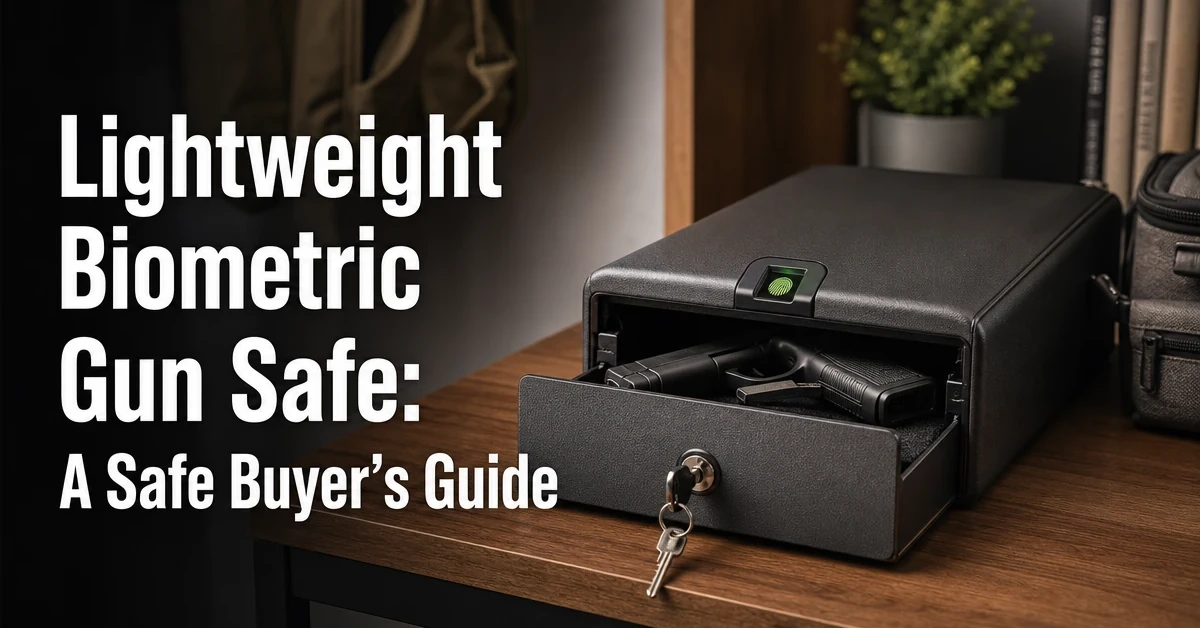
A lightweight biometric gun safe offers quick fingerprint access while being easier to move than a full-size safe. The best choice balances reliable locking, secure anchoring, enough room for the firearm, backup entry, battery life, and protection from unauthorized access—not simply the lowest weight.
What Is a Lightweight Biometric Gun Safe?
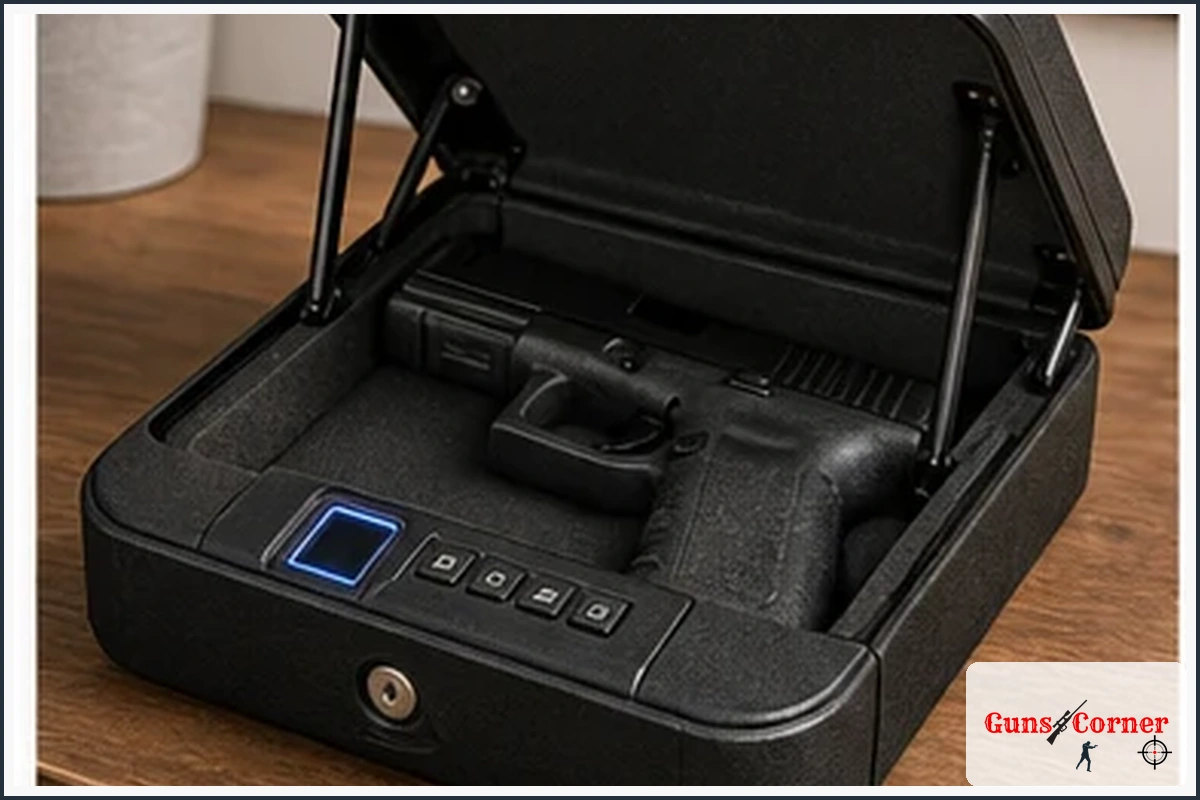
It is a compact firearm-storage container that uses fingerprint recognition as one method of unlocking. Most models also include a keypad, mechanical key, or another backup method because biometric sensors can be affected by depleted batteries, dirty sensors, moisture, or an unsuccessful fingerprint scan.
“Lightweight” usually describes portability or compact construction. It does not automatically mean weak, unsafe, or suitable for every firearm. A portable handgun safe and a larger biometric cabinet serve different storage needs.
Key Features to Compare
| Feature | Why It Matters | What to Check |
|---|---|---|
| Locking methods | Provides access if the fingerprint reader fails. | Confirm the backup key or keypad works independently and can be secured. |
| Construction | Affects resistance to prying, impact, and unauthorized removal. | Review the manufacturer’s materials, hinges, seams, and lock design. |
| Anchoring | A small safe may be easier for an unauthorized person to carry away. | Look for compatible mounting holes and follow the manual. |
| Interior dimensions | External size does not show usable storage space. | Measure the firearm, magazines, optic, and protective case. |
| Power system | A dead battery can prevent electronic access. | Check battery type, low-power warnings, emergency power, and replacement instructions. |
| Fit and finish | Interior padding can protect the firearm from scratches. | Check whether the lining stays clear of the trigger and controls. |
How Biometric Access Works
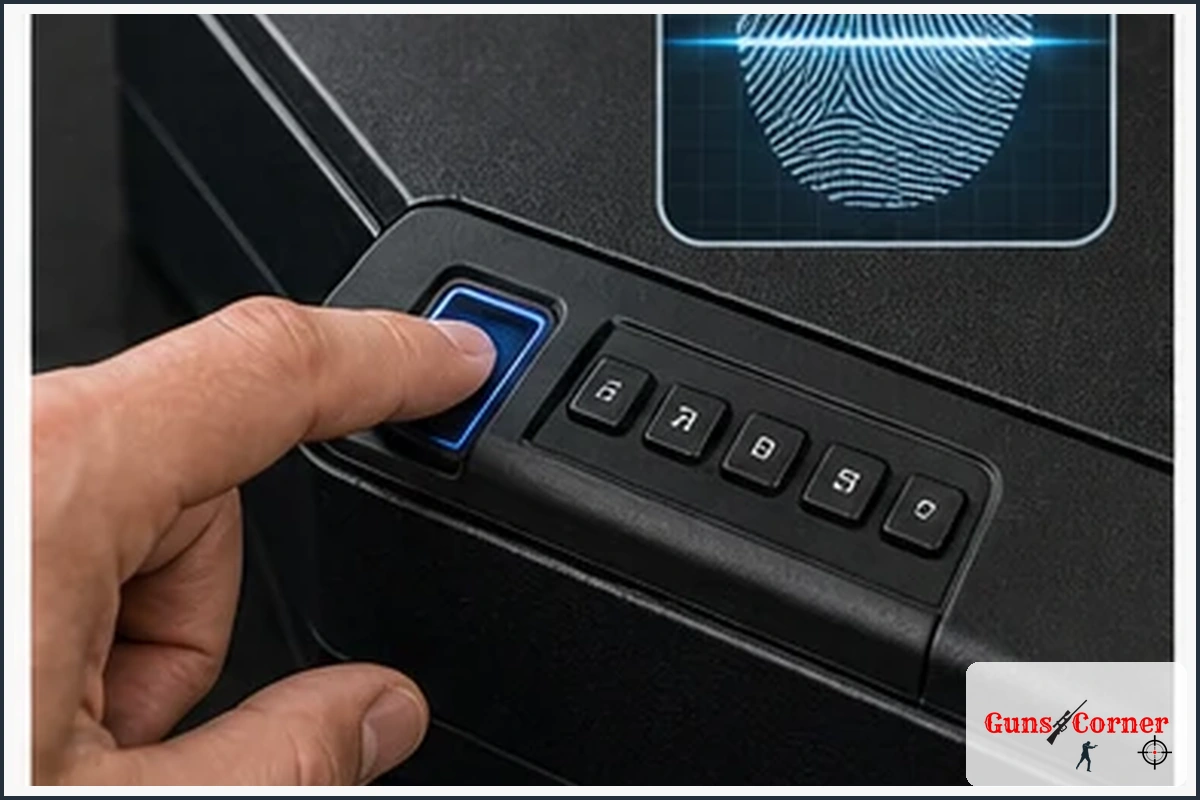
The safe records one or more authorized fingerprints and compares a later scan with that stored data. Recognition quality varies by model and by the condition and placement of the finger.
During setup, read the current manufacturer manual, install fresh batteries if required, and register the fingerprints exactly as directed. Register more than one finger for each authorized user when the safe permits it. Test every registered finger repeatedly with the safe open before relying on the system.
Keep the scanner clean and dry. A wet, dirty, injured, or unusually positioned finger may not be recognized. Never store the only access method inside the safe.
When a Lightweight Model Makes Sense
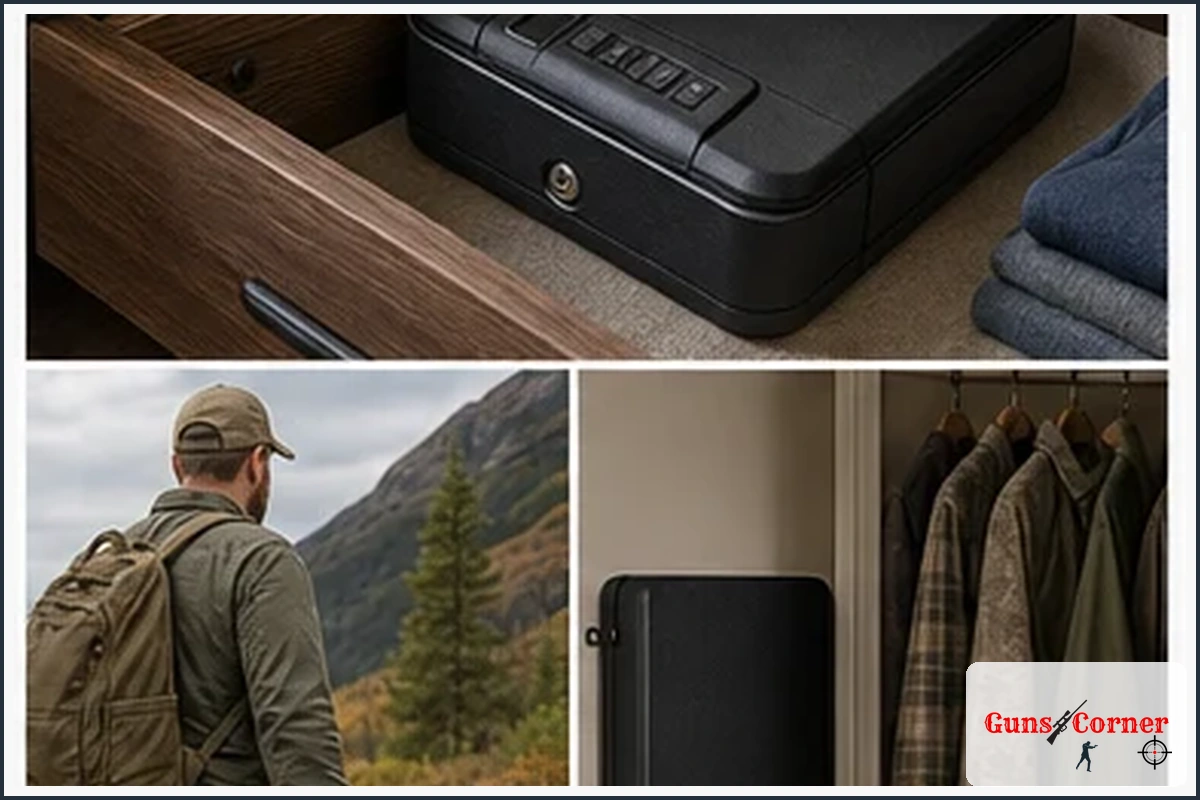
- You need compact storage for a handgun.
- You may need to relocate the safe occasionally.
- You want fingerprint access without carrying a key during normal use.
- You can anchor the safe appropriately or keep it in a secure, controlled location.
- You understand that portability can reduce resistance to theft if the safe is not secured.
When to Choose a Heavier Safe Instead
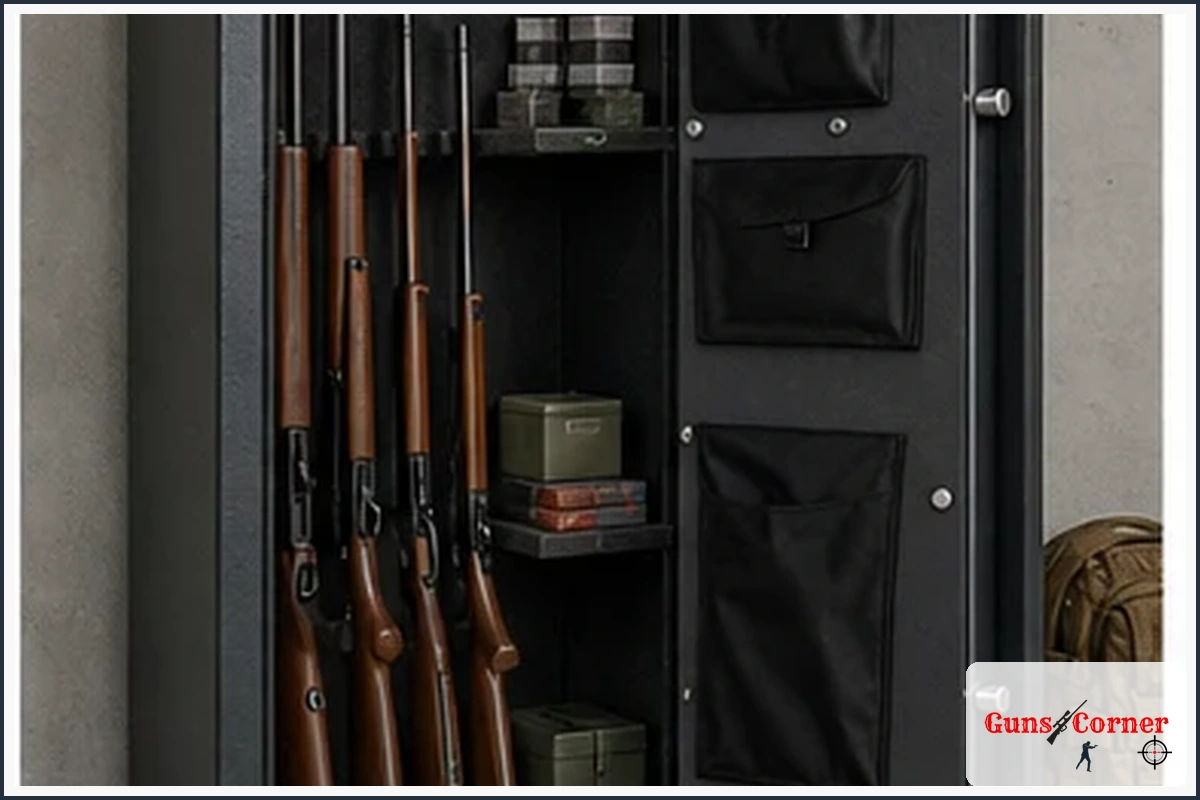
A larger or heavier safe may be more appropriate when you need to store multiple firearms, long guns, ammunition, documents, or other valuables. Greater size can also provide more room for substantial locking hardware and anchoring, but no safe should be assumed fireproof, theft-proof, or invulnerable without verified manufacturer documentation.
Safe Setup and Storage Practices
- Read the manufacturer’s manual before inserting a firearm.
- Confirm the safe is compatible with the firearm’s dimensions and accessories.
- Program the biometric lock while the safe is empty and open.
- Set up and test the backup access method.
- Install batteries according to the manual and monitor low-battery warnings.
- Anchor the safe where permitted and where the mounting surface can support it.
- Keep access credentials and keys away from unauthorized users.
- Inspect the lock, hinges, cable, mounting hardware, and interior padding periodically.
Storage must also comply with applicable state and local law. Requirements may depend on children in the household, firearm type, transportation, and the location where the safe is used. Official laws override general online guidance.
Firearm Safety Still Applies
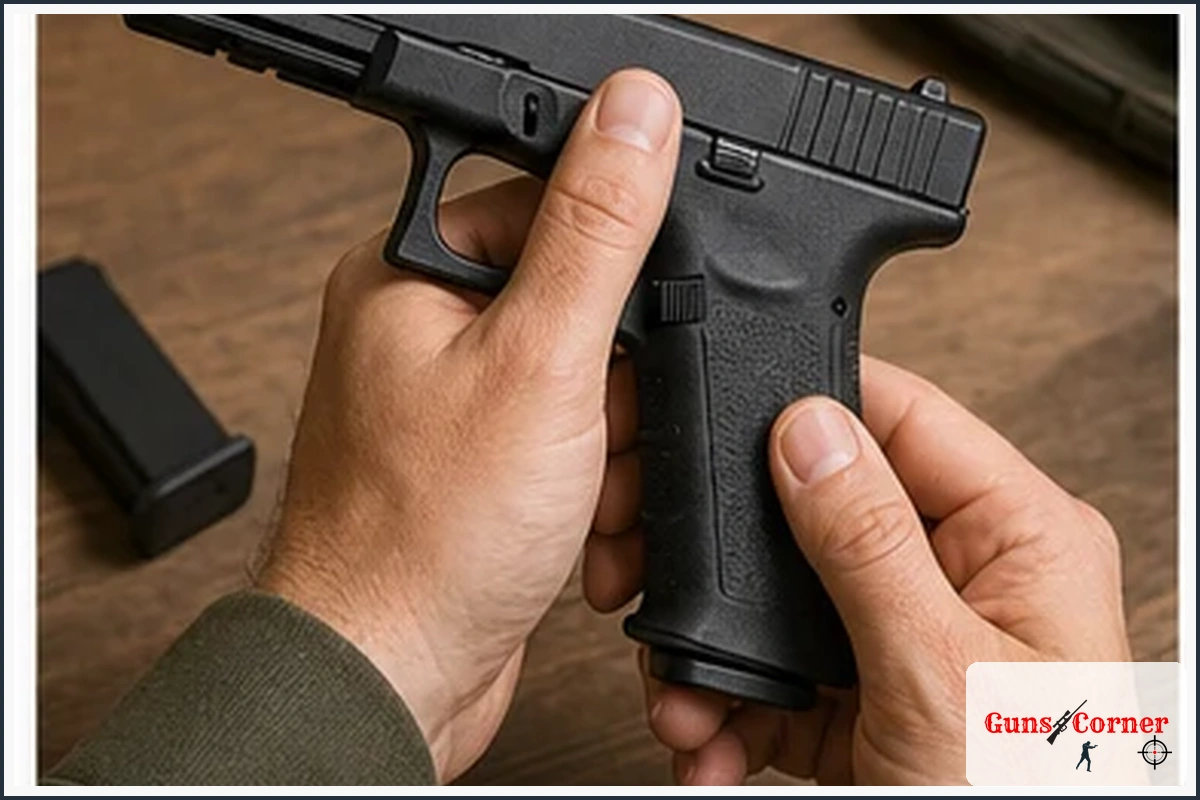
A biometric lock is a storage feature, not a substitute for safe handling. Always treat every firearm as loaded, keep the muzzle pointed in a safe direction, keep your finger outside the trigger guard until ready to shoot, and identify the target and what is beyond it.
Before storage, follow the firearm manufacturer’s instructions for unloading and condition. Keep ammunition stored according to applicable law and manufacturer guidance. Do not rely on the safe’s electronic lock or a firearm’s mechanical safety as the only protection against negligent handling.
Common Mistakes to Avoid
- Choosing by advertised weight alone.
- Ignoring interior dimensions and discovering the firearm does not fit safely.
- Failing to test the fingerprint reader after programming it.
- Keeping the backup key where an unauthorized person can find it.
- Leaving a portable safe unsecured when local conditions require stronger protection.
- Using unapproved batteries, chargers, lubricants, or modifications.
- Placing the safe where moisture, heat, or flooding can damage the lock or firearm.
- Assuming a biometric safe is fire-rated or waterproof without verified documentation.
Is a Lightweight Biometric Gun Safe Secure Enough?
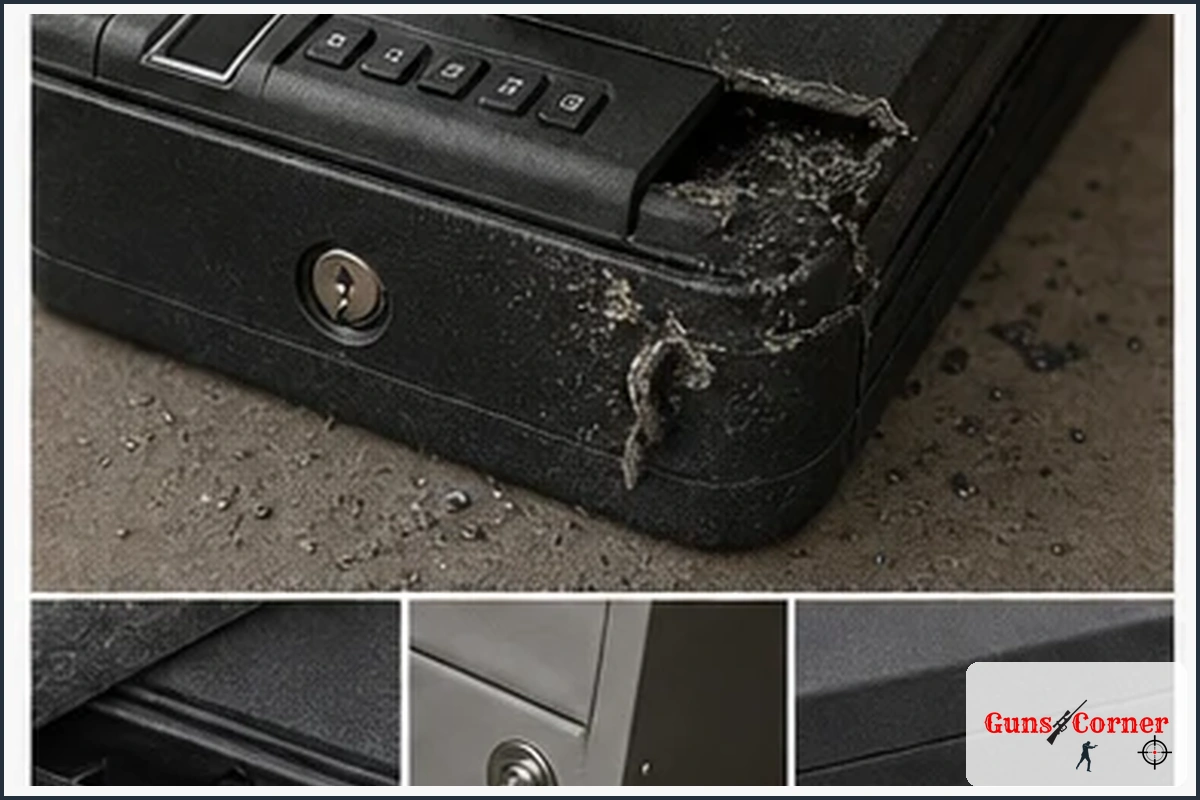
That depends on the safe’s construction, installation, lock design, household circumstances, and local storage requirements. Fingerprint access can be convenient, but convenience does not prove resistance to forced entry. A portable safe should be secured when possible, and its limitations should be considered before purchase.
For households with children or unauthorized visitors, use layered security: secure storage, controlled access to keys and codes, responsible firearm handling, and appropriate safety education. Consider professional firearm-safety training if you are unfamiliar with storage or handling procedures.
Frequently Asked Questions
1. Are lightweight biometric gun safes reliable?
They can be reliable when correctly programmed, maintained, powered, and tested. Reliability varies by model and conditions, so retain a working backup entry method and follow the manual.
2. Can a biometric gun safe hold two pistols?
Some can, but usable space varies. Measure both firearms, magazines, optics, and interior padding rather than relying only on an advertised capacity.
3. Does a biometric safe need a backup key?
A backup method is strongly practical because batteries can fail and fingerprint scans can be rejected. Store the key securely and separately from unauthorized users.
4. Should a lightweight gun safe be anchored?
Anchoring can reduce the risk of the entire safe being carried away, provided the safe and mounting surface support it. Follow the manufacturer’s hardware and installation instructions.
5. Are biometric gun safes waterproof or fireproof?
Not automatically. Verify any water-resistance or fire-resistance claim in the current manufacturer documentation, including the conditions and duration covered.
6. What should I check before buying one?
Check verified dimensions, construction, locking methods, backup access, power requirements, mounting options, warranty terms, compatibility with your firearm, and applicable storage laws.
Final Answer
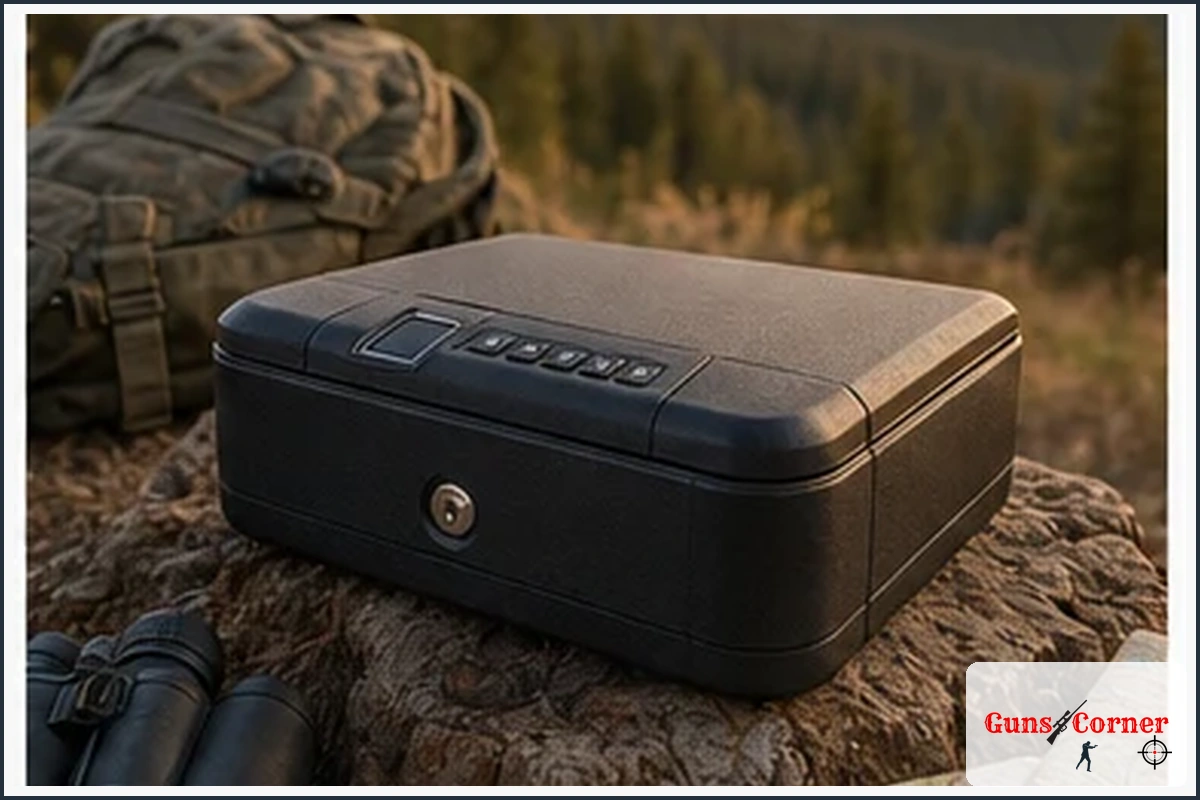
The best lightweight biometric gun safe is one that fits the firearm securely, provides dependable fingerprint access plus a protected backup method, supports appropriate anchoring, and matches your legal and household-safety needs. Compare construction and verified specifications—not just weight or marketing claims—and test the safe regularly before relying on it.
For additional guidance, consult your state or local law-enforcement authority, official firearm-safety program, and the safe and firearm manufacturers’ current instructions.
Related posts:

5 Best Biometric Handgun Safes: Secure Fingerprint Pistol Safe Picks

5 Best In-Wall Gun Safe Options for Hidden Firearm Storage

5 Best Hidden Gun Safes for Discreet and Responsible Firearm Storage

SecureIt Fast Box Model 47 Gun Safe Review: Specs, Access, Security, Pros, Cons, and Buyer’s Guide

Who Makes the Best Gun Safes
