
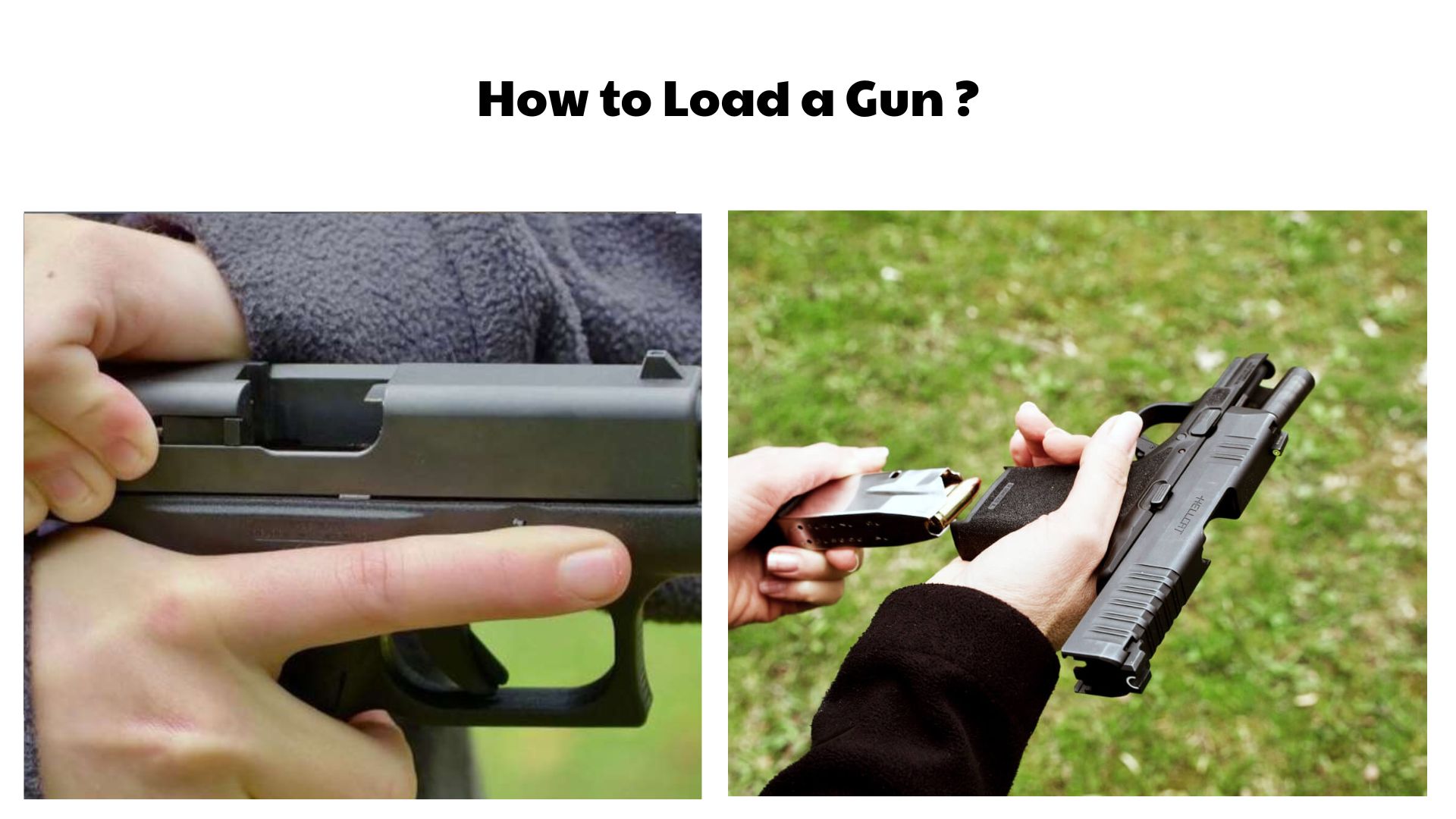

Learning how to safely load and operate a handgun is one of the most important foundational skills for any firearm owner. Whether for sport shooting, hunting support roles, or personal defense, proper loading technique directly impacts both safety and reliability. A handgun is a precision mechanical tool, and how it is handled during loading determines how safely and consistently it performs.
Correct loading technique is critical because many firearm-related accidents occur not during firing, but during handling and loading. A small mistake—such as failing to verify the chamber or skipping a safety step—can lead to dangerous consequences. Safe habits built early become the baseline for all future firearm handling.
Common beginner mistakes often include improper chamber checks, unsafe muzzle direction, and rushing through loading procedures. Another frequent issue is assuming the firearm is unloaded without physically verifying it. These errors are avoidable with proper training and consistent adherence to safety rules.
It is also important to understand that loading a revolver is different from loading a semi-automatic pistol. Each system operates differently, uses different feeding mechanisms, and requires specific steps to ensure safe operation. Understanding these differences helps prevent confusion and improves handling confidence.
This guide will walk you through the essential aspects of handgun loading, including step-by-step loading procedures, safe unloading practices, magazine handling, chambering techniques, and core safety principles that apply in all situations.
Understanding How a Handgun Works Before Loading
Basic Firearm Operation Overview
Before learning how to load a handgun, it is essential to understand how the firearm functions mechanically. There are two primary types of handguns: semi-automatic pistols and revolvers. Each operates in a different way and uses a distinct method of storing and firing ammunition.
A semi-automatic pistol typically uses a detachable magazine that holds multiple rounds. When the slide moves, it feeds a cartridge from the magazine into the chamber, where it is fired. After firing, the slide cycles automatically, ejecting the spent casing and chambering a new round. This process repeats with each trigger pull until the magazine is empty.
A revolver, on the other hand, uses a rotating cylinder that holds multiple rounds in individual chambers. Instead of a magazine, each chamber is loaded directly. When the trigger is pulled, the cylinder rotates, aligning a fresh round with the barrel for firing. The mechanism is simpler but operates differently from semi-automatic systems.
Key components such as the magazine, chamber, slide, and trigger system all work together in a semi-automatic pistol. The magazine stores ammunition, the chamber holds a single round ready to fire, the slide cycles the action, and the trigger initiates firing. Understanding how these parts interact is essential before attempting to load or operate the firearm.
Why Safe Handling Comes First
Safe handling is the foundation of all firearm use and must always come before any mechanical operation, including loading. One of the most important principles is to treat every firearm as if it is loaded at all times. This mindset prevents careless behavior and reduces the risk of accidents.
Muzzle direction is another critical safety factor. The firearm should always be pointed in a safe direction where an accidental discharge would not cause injury or damage. This rule applies during every stage of handling, including loading, unloading, and storage.
Trigger discipline is equally important. The finger should remain outside the trigger guard until the shooter is ready to fire. This prevents accidental discharges caused by unintentional contact or sudden movement during handling.
Before any loading process begins, the firearm’s condition must be verified. This includes checking the chamber, magazine well, and ensuring no round is present unless intentionally being loaded. Relying on assumptions rather than physical inspection is a common cause of safety incidents.
By combining these safety principles with a clear understanding of firearm mechanics, users can build a strong foundation for responsible and confident handgun operation.
How to Load a Semi-Automatic Pistol (Step-by-Step)
Step 1 – Prepare the Firearm Safely
The first and most important step in loading a semi-automatic pistol is ensuring the firearm is in a completely safe condition. This means establishing full control of the weapon and following basic safety rules before any mechanical action begins.
Always point the muzzle in a safe direction where an accidental discharge would not cause injury or damage. This is a non-negotiable safety standard that applies throughout the entire process of handling the firearm.
Next, remove the magazine from the pistol by pressing the magazine release button. Once the magazine is removed, you must visually and physically inspect the chamber to confirm that no round is present. This step ensures the firearm is completely unloaded before any new ammunition is introduced.
Never assume the firearm is empty based on prior handling or memory. Always verify the condition yourself. This habit is one of the most important safety practices in handgun use.
Step 2 – Load the Magazine
Once the firearm has been confirmed safe, the next step is loading the magazine. This component holds the ammunition and feeds it into the chamber during operation.
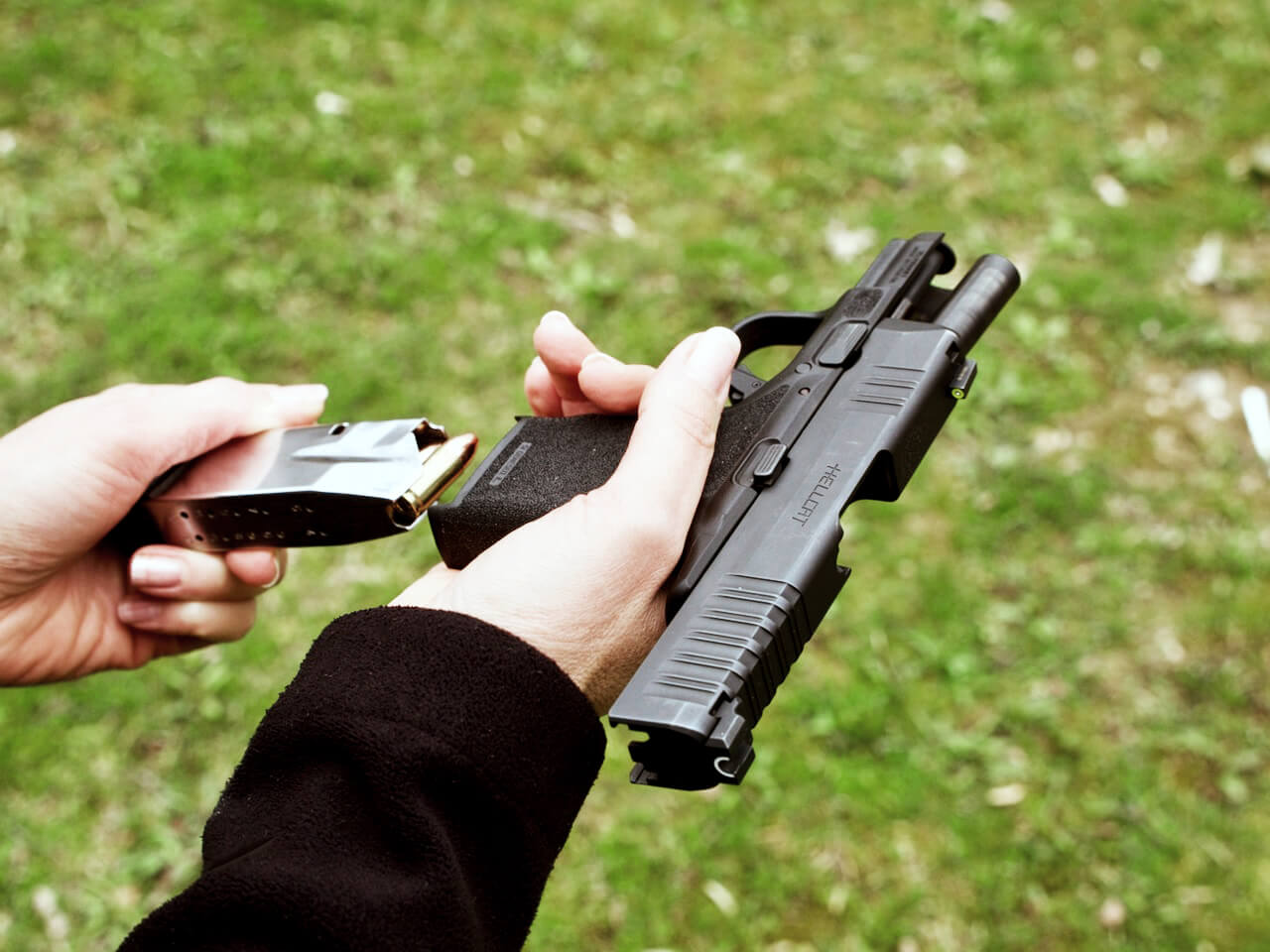
Insert cartridges into the magazine one at a time. Each round should be placed under the feed lips and pressed down against the internal spring mechanism. The spring creates tension that holds the rounds in position and prepares them for feeding into the firearm.
It is important to ensure each cartridge is properly seated. Rushing this step or forcing rounds can damage the magazine lips or cause feeding issues later. A properly loaded magazine should feel stable, with each round aligned evenly.
Step 3 – Insert Magazine into Pistol
After the magazine is loaded, it must be inserted into the firearm correctly. Align the magazine with the magazine well located in the grip of the pistol.
Insert the magazine firmly until it locks into place with an audible or tactile click. This confirms that the magazine is properly seated and ready for use.
After insertion, gently tug on the magazine to ensure it is secure. A loose magazine can cause feeding issues and prevent the firearm from functioning correctly.
Step 4 – Chamber a Round
To chamber a round, grip the slide firmly and pull it fully to the rear, then release it in one smooth motion. This allows the internal spring system to push a cartridge from the magazine into the chamber.
Do not ride the slide forward manually, as this can interfere with proper feeding and reduce reliability. The slide should move forward under its full spring tension to ensure correct chambering.
Once completed, the firearm is in a ready-to-fire condition. At this stage, continued attention to muzzle direction and trigger discipline is essential for safe handling.
How to Load a Handgun Safely (General Principles)
Always Follow Safe Direction Rules
One of the most important safety principles when loading any handgun is maintaining constant awareness of muzzle direction. The firearm must always be pointed in a safe direction where an unintended discharge would not cause harm.
Loading should never be performed in a rushed, distracted, or unsafe environment. A calm and controlled setting helps reduce mistakes and ensures each step is performed correctly and safely.
Finger Off Trigger Rule
During the entire loading process, the trigger finger must remain outside the trigger guard. This prevents accidental contact with the trigger while handling the firearm.
Many accidental discharges occur when users unintentionally place their finger on or near the trigger during manipulation. Maintaining strict trigger discipline eliminates this risk and reinforces safe handling habits.
Verify Chamber and Magazine Status
Before loading or handling any handgun, it is essential to physically and visually confirm the condition of both the chamber and magazine well. This step ensures that the firearm is truly in the expected state.
Never rely on assumption, memory, or prior handling. Always perform a direct inspection. This simple habit significantly reduces the risk of unsafe loading conditions and is a core principle of responsible firearm use.
How to Load a Revolver
Opening the Cylinder
Loading a revolver begins with opening the cylinder for inspection and access to the chambers. Depending on the model, the cylinder is typically released by a latch and swung out to the side of the frame. This allows full visibility and access to all chambers.
Once the cylinder is open, carefully inspect each chamber to confirm that it is completely empty. This visual and physical check is essential before loading any ammunition. Even if the firearm is believed to be unloaded, direct inspection ensures there are no remaining cartridges.
Loading Cartridges
After confirming the revolver is empty, cartridges can be loaded into the cylinder. Each round should be inserted individually into a chamber. Take your time to ensure proper alignment and avoid forcing any round into place.
Each cartridge must be fully seated within its chamber. Proper seating ensures smooth cylinder rotation and reliable firing performance. Partial or improper seating can cause operational issues and reduce safety and reliability.
Closing the Cylinder
Once all desired chambers are loaded, gently close the cylinder back into the frame. This should be done smoothly and without excessive force. Slamming or forcing the cylinder can damage internal components over time.
After closing, ensure the cylinder is securely locked in place and properly aligned. The revolver is now in a ready condition, but must always be handled with proper muzzle discipline and trigger awareness.
How to Unload a Semi-Automatic Pistol
Remove Magazine First
The first step in unloading a semi-automatic pistol is to remove the magazine. Press the magazine release button and allow the magazine to drop free or remove it manually if needed.
During this process, always keep the firearm pointed in a safe direction. Removing the magazine stops the feeding of additional rounds but does not guarantee the chamber is empty.
Clear the Chamber
After removing the magazine, the next step is to clear any round that may still be in the chamber. To do this, firmly grip the slide and pull it fully to the rear. This motion will eject any chambered cartridge.
Once the slide is locked or released forward, perform a careful visual and physical inspection of the chamber. This step ensures that no ammunition remains in the firing position.
Final Safety Check
After clearing the chamber, a final safety check is required. Verify that both the magazine well and chamber are completely empty. This double-check helps eliminate the possibility of overlooked ammunition.
If necessary, lock the slide open to provide clear visibility into the chamber for inspection. This adds an extra layer of safety, especially during storage or transport preparation.
How to Unload a Revolver
Unloading a revolver is a straightforward but important safety procedure. Begin by opening the cylinder using the release mechanism and swinging it outward for full access to the chambers.
Once open, manually remove all cartridges from each chamber. Depending on the design, this may involve tipping the revolver and allowing rounds to fall out or using an ejector rod to push them out simultaneously.
After removing all ammunition, visually inspect each chamber carefully to confirm that no rounds remain. This step is critical to ensure the revolver is completely safe.
Only after confirming that all chambers are empty should the revolver be closed or stored. Proper unloading habits are essential for safe firearm handling and storage.
Common Mistakes When Loading a Handgun
Loading a handgun may seem straightforward, but many accidents and malfunctions happen due to small, avoidable mistakes. Understanding these errors helps build safer habits and improves overall firearm handling confidence.
One of the most serious mistakes is failing to check the chamber before loading. Many users assume the firearm is empty without physically inspecting it. This assumption can lead to dangerous situations, especially if a round is already chambered.
Another common issue is loading the magazine incorrectly or incompletely. If cartridges are not properly seated or aligned, the magazine may fail to feed correctly, leading to jams or malfunctions during operation.
Riding the slide instead of releasing it freely is also a frequent mistake. When the slide is not allowed to move forward under full spring tension, it can cause improper chambering of the round and reduce reliability.
Keeping the finger inside the trigger guard during loading is another dangerous habit. Even accidental pressure on the trigger can result in an unintended discharge. Proper trigger discipline requires keeping the finger outside the guard until ready to fire.
Assuming the firearm is unloaded without verification is one of the most common and risky errors. Every firearm should always be physically and visually checked, regardless of prior handling or storage condition.
Using incorrect ammunition type is another critical mistake. Ammunition must match the firearm’s specifications exactly. Using the wrong caliber or incompatible rounds can cause malfunctions or serious safety hazards.
Safety Rules During Loading and Unloading
Following strict safety rules during loading and unloading is essential for preventing accidents and ensuring responsible firearm handling. These rules apply universally to all handguns, regardless of type or experience level.
Always treat every firearm as if it is loaded. This mindset prevents careless handling and reinforces consistent safety behavior in all situations.
Keep the muzzle pointed in a safe direction at all times. A safe direction is one where an accidental discharge would not cause injury or damage. This rule is fundamental and must never be ignored.
Maintain strict trigger discipline by keeping your finger off the trigger until you are ready to fire. This reduces the risk of accidental discharge during handling, loading, or unloading.
Always verify your target and surroundings before handling or preparing a firearm. Awareness of the environment helps prevent unsafe situations and ensures responsible use.
Never rush the loading or unloading process. Speed increases the likelihood of mistakes. A calm, deliberate approach ensures each step is performed correctly and safely.
Best Practices for Safe and Efficient Loading
Safe and efficient handgun loading is not just about following steps correctly—it is about building consistent habits that reduce risk and improve confidence over time. Developing these habits early helps ensure safe firearm handling in both training and real-world situations.
One of the most effective training methods is practicing loading with dummy rounds first. These inert cartridges allow users to rehearse loading, chambering, and unloading without the risk of live ammunition. This builds muscle memory and helps identify mistakes in technique safely.
It is also important to learn the specific functions of your firearm model. Different handguns may have variations in magazine release mechanisms, slide operation, or safety systems. Understanding your exact firearm ensures correct handling and prevents operational errors.
Maintaining a clean and well-lubricated firearm improves reliability during loading and firing. Dirt, debris, or lack of lubrication can affect how smoothly the slide cycles or how cartridges feed into the chamber.
Proper lighting and a stable environment are also essential for safe loading. Good visibility ensures accurate inspection of the chamber and magazine, while a stable surface or stance reduces unnecessary movement during handling.
For beginners, training under supervision is highly recommended. An experienced instructor can correct mistakes early and reinforce proper safety habits, significantly reducing the risk of unsafe handling.
Expert Insight Summary
Safe loading is a foundational skill in firearm handling. It is one of the first techniques every responsible gun owner must learn, as it directly impacts overall safety and operational reliability.
Most firearm accidents occur during loading and unloading rather than during firing itself. This highlights the importance of careful attention and strict adherence to safety procedures during these phases.
Semi-automatic pistols require a correct sequence of magazine insertion and slide operation. Understanding this sequence is essential to ensure proper chambering and safe readiness.
Discipline and repetition are far more important than speed. Consistent, controlled practice builds safer habits than rushing through procedures.
Ultimately, safety must always come before operational efficiency. A careful and methodical approach reduces risk and ensures reliable firearm handling.
Conclusion
Loading a handgun correctly requires a combination of knowledge, patience, and discipline. It is not a skill that should be rushed, as each step plays an important role in ensuring safety and proper function.
Semi-automatic pistols and revolvers use different loading procedures, and understanding these differences is essential for safe handling. Each system has its own operational characteristics that must be respected.
Safety checks are the most important part of the entire process. Verifying the condition of the firearm before and after loading helps prevent accidents and reinforces responsible handling practices.
Proper training significantly reduces risk and builds confidence over time. Regular practice helps reinforce correct techniques and ensures consistent performance in all conditions.
Final recommendation: always prioritize safety habits over speed or convenience. A careful, disciplined approach is the foundation of responsible firearm ownership and safe operation.
Frequently Asked Questions (50+ FAQs on How to Load and Unload a Handgun)
1. What is the first thing I should do before loading a handgun?
The first step is always to ensure the firearm is pointed in a safe direction and treated as if it is loaded. Even if you believe it is empty, you must physically and visually inspect the chamber and magazine well before handling or loading any ammunition.
2. Why is chamber checking so important?
The chamber is where a round is ready to be fired. If a round is already present and you fail to notice it, loading or handling the firearm can lead to accidental discharge. A proper chamber check prevents this risk.
3. What is the difference between loading a pistol and a revolver?
A semi-automatic pistol uses a magazine and slide system to feed rounds into the chamber automatically, while a revolver loads cartridges directly into a rotating cylinder. The mechanisms are completely different, so the loading steps are not interchangeable.
4. How do I safely load a magazine?
You load a magazine by inserting cartridges one at a time, pressing each round under the feed lips against spring tension. Each round must be properly seated to ensure smooth feeding during operation.
5. What happens if a magazine is not loaded correctly?
Incorrectly loaded magazines can cause feeding failures, jams, or misfires. This can affect reliability and may create dangerous situations if the firearm does not function as expected.
6. Should I always remove the magazine before checking the chamber?
Yes. Removing the magazine is the first step in making a semi-automatic pistol safe. However, removing the magazine does not guarantee the chamber is empty, so a separate chamber check is still required.
7. What is “chambering a round”?
Chambering a round means placing a cartridge into the firing chamber so it is ready to be fired. In semi-automatic pistols, this is typically done by pulling and releasing the slide after inserting a loaded magazine.
8. Why should I not ride the slide forward?
Riding the slide reduces the force needed to properly chamber a round. This can lead to feeding issues or failure to fully chamber the cartridge, which may cause malfunctions.
9. What is the safest way to load a handgun?
The safest way is to follow strict steps: verify firearm is empty, keep muzzle pointed in a safe direction, keep finger off trigger, load ammunition carefully, and confirm chambering only when ready to use.
10. Can I load a handgun with one hand?
It is possible but not recommended for beginners. Two-handed control provides better stability and reduces the risk of mishandling during loading.
11. Why is finger discipline so important during loading?
Keeping your finger outside the trigger guard prevents accidental contact with the trigger. Many unintentional discharges occur due to poor trigger discipline during handling.
12. What is the biggest mistake beginners make when loading?
The most common mistake is assuming the firearm is unloaded without physically checking it. This assumption can lead to dangerous accidents.
13. What is the safest environment to load a handgun?
A safe, controlled environment with no distractions, proper lighting, and a stable surface is ideal. Loading should never be done in a rushed or unsafe setting.
14. Can I load a handgun with live ammunition in both magazine and chamber?
Yes, but only when you are fully prepared to use the firearm. Otherwise, it should remain unloaded until needed to reduce risk.
15. How do I know if my magazine is fully seated?
A properly seated magazine will click into place. You should also gently tug it to confirm it is locked securely.
16. What is a revolver cylinder?
The cylinder is the rotating part of a revolver that holds multiple cartridges in individual chambers, which align with the barrel when firing.
17. How do I safely load a revolver?
Open the cylinder, insert cartridges into each chamber, ensure proper seating, then close the cylinder gently without forcing it.
18. Is it dangerous to slam a revolver cylinder closed?
Yes. Slamming the cylinder can damage internal components over time and is not recommended.
19. What is the safest way to unload a semi-automatic pistol?
Remove the magazine first, then rack the slide to eject any chambered round, and visually inspect the chamber to confirm it is empty.
20. Why do I still need to check the chamber after removing the magazine?
Because a round may still be chambered even after the magazine is removed. The firearm can still fire if that round remains.
21. What is the safest way to unload a revolver?
Open the cylinder and manually remove or eject all cartridges, then inspect each chamber visually to confirm it is empty.
22. Can I store a loaded handgun safely?
Yes, but only if it is stored securely in a locked container or safe, with proper safety measures in place.
23. Why is rushing dangerous when loading a firearm?
Rushing increases the chance of skipping safety steps, misloading ammunition, or failing to properly inspect the firearm.
24. What type of ammunition should I use?
Always use ammunition that matches the exact caliber specifications of your firearm. Using incorrect ammunition can be dangerous.
25. Can incorrect ammo damage a firearm?
Yes. Using the wrong caliber or type of ammunition can cause malfunctions or even catastrophic failure.
26. Why should I inspect ammunition before loading?
Inspecting ensures there are no damaged or defective rounds that could cause misfires or malfunctions.
27. What is the role of the slide in a pistol?
The slide cycles the action, ejects spent casings, and chambers new rounds during operation.
28. What happens if I fail to chamber a round properly?
The firearm may fail to fire or experience a malfunction, making it unreliable when needed.
29. Is it normal for beginners to feel nervous loading a gun?
Yes. This is normal. With proper training and repetition, confidence increases over time.
30. Should I practice loading without live ammo?
Yes. Using dummy rounds is a safe and effective way to learn loading procedures without risk.
31. How can I safely build confidence when loading a handgun?
Confidence comes from repetition under safe conditions. Start with unloaded firearms and dummy rounds to practice the steps slowly. Over time, your hands become familiar with the process, and loading becomes more natural and controlled. Confidence should never come from rushing, but from consistent, correct practice.
32. What is the safest way to practice loading at home?
The safest method is using inert training rounds (dummy rounds) in a controlled environment. Ensure the firearm is unloaded, verify chamber status multiple times, and remove all live ammunition from the training area. This allows you to focus purely on mechanics without risk.
33. Why is muscle memory important in loading a handgun?
Muscle memory helps your hands perform loading steps automatically and correctly without hesitation. This reduces errors under stress and ensures consistent safety habits during every handling situation.
34. Can stress affect loading performance?
Yes. Stress can lead to rushed movements, skipped safety checks, or improper handling. That is why training repeatedly in calm conditions is essential—it builds automatic responses that remain stable even under pressure.
35. What should I do if I accidentally drop a magazine while loading?
If a magazine is dropped, retrieve it carefully while maintaining muzzle discipline. Inspect it for damage before reinserting. Dropping a magazine is not dangerous by itself, but poor handling afterward can be.
36. How do I know if a round is chambered in a semi-automatic pistol?
Most pistols allow visual or tactile inspection of the chamber. You may also use a loaded chamber indicator if your firearm has one. However, physical inspection is always the most reliable method.
37. Is it safe to load a handgun while standing or sitting?
Both positions can be safe if done correctly. The key is maintaining control, stability, and proper muzzle direction. Choose a position where you feel balanced and focused.
38. What happens if I insert a magazine incorrectly?
An improperly inserted magazine may fail to feed rounds or may fall out during use. Always ensure it locks securely into place before proceeding.
39. Can I load a handgun in low-light conditions?
It is not recommended for beginners. Poor lighting increases the chance of mistakes. Always ensure adequate visibility when handling or loading a firearm.
40. Why should I avoid distractions when loading?
Distractions can cause missed steps, such as failing to check the chamber or improperly inserting a magazine. Focus is essential for safe handling.
41. What is the safest way to handle a malfunction during loading?
If something feels wrong during loading, stop immediately. Keep the firearm pointed in a safe direction, remove the magazine if possible, and inspect the firearm carefully before continuing.
42. How often should I inspect my handgun before loading?
You should inspect your firearm every time before handling or loading it. Never assume its condition based on previous use or storage.
43. Can I load a handgun with one hand if injured?
It is possible in emergencies, but it requires training. In such cases, safety becomes even more important, and extra care must be taken to maintain control.
44. What is the role of grip during loading?
A stable grip ensures control of the firearm during magazine insertion and slide manipulation. Poor grip can lead to unsafe handling or loss of control.
45. Why is consistency important in loading technique?
Consistency reduces the chance of mistakes and builds predictable, repeatable habits. This is critical for both safety and reliability.
46. Should I check ammunition before every loading session?
Yes. Checking ammunition ensures it is clean, undamaged, and compatible with your firearm. Faulty ammunition can cause malfunctions or unsafe conditions.
47. What should I do if I feel unsure while loading?
Stop immediately and reset. Do not continue if you feel uncertain. Recheck the firearm’s condition and proceed only when confident in each step.
48. Can improper loading damage my firearm?
Yes. Forcing magazines, slamming slides incorrectly, or using wrong ammunition can cause mechanical wear or damage over time.
49. How long does it take to learn proper loading skills?
It varies by individual, but with regular practice, basic loading skills can be learned quickly. Mastery comes with repetition and disciplined training over time.
50. What is the most important takeaway for safe handgun loading?
The most important takeaway is that safety always comes first. Every step—from inspection to chambering—must be done deliberately, carefully, and without assumption. Safe habits are more important than speed or convenience.
Read more: