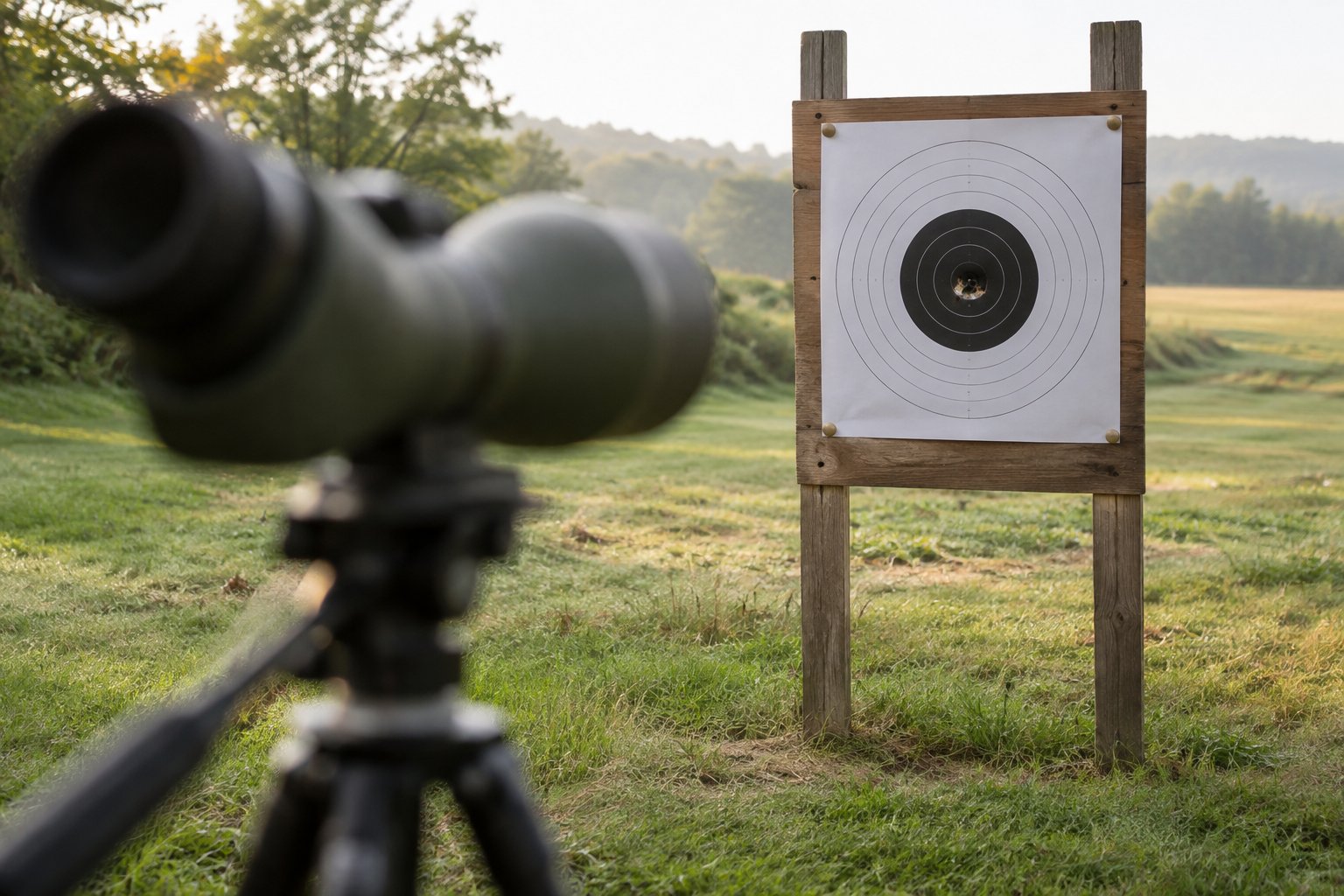

Can bigger cartridges hurt accuracy? They can, but size alone is not the deciding factor. Larger cartridges often produce more recoil, muzzle blast, heat, and barrel vibration, which may make accurate shooting harder for some hunters. Rifle fit, ammunition consistency, bullet compatibility, barrel quality, and the shooter’s ability to manage recoil usually matter more than cartridge diameter alone.
Why Bigger Cartridges Can Reduce Practical Accuracy
A cartridge does not automatically become inaccurate because it is larger. However, a more powerful cartridge can create conditions that make consistent shooting more difficult.
| Factor | How it can affect accuracy | What to do |
|---|---|---|
| Recoil | Can cause flinching, poor follow-through, and inconsistent shooting position. | Use a rifle and cartridge you can control comfortably. |
| Muzzle blast | May disturb concentration and encourage anticipation of the shot. | Use appropriate hearing protection and practice gradually. |
| Barrel heating | Repeated firing can change point of impact on some rifles. | Allow the barrel to cool during accuracy testing. |
| Ammunition variation | Different loads can produce different velocities and group sizes. | Test compatible factory loads individually. |
| Rifle fit | A poor stock fit can transfer recoil inefficiently and disturb aim. | Check length of pull, stock shape, and shooting position. |
| Bullet and barrel compatibility | Different bullet designs and weights may perform differently in a particular rifle. | Follow the firearm manufacturer’s specifications and test responsibly. |
Recoil Is Usually the Biggest Human Factor
Recoil can affect accuracy even when the rifle and ammunition are mechanically capable of producing small groups. A shooter who expects heavy recoil may tighten their grip, move their head, close their eyes, or pull the trigger abruptly before the shot.
These reactions are often called flinching or recoil anticipation. They can be more important in the field than small theoretical differences in ballistic performance.
A cartridge that produces less recoil may allow a hunter to practice more comfortably and place shots more consistently. That does not make every smaller cartridge more accurate, but it can improve practical accuracy for a particular shooter.
Cartridge Size Is Not the Same as Accuracy
Cartridge size involves several different characteristics, including bullet diameter, case capacity, operating pressure, bullet weight, and powder charge. Two cartridges with similar bullet diameters can have very different recoil and velocity characteristics.
Likewise, a larger bullet diameter does not automatically mean poorer accuracy. A well-made rifle firing ammunition it prefers may shoot very well, while a smaller cartridge may perform poorly with an unsuitable load or damaged equipment.
Accuracy depends on the complete system:
- The rifle’s barrel, action, trigger, and stock
- The cartridge and bullet design
- How consistently the ammunition is manufactured
- How the rifle fits the shooter
- The optic and its mounting system
- The shooting position and support
- Wind, temperature, and other environmental conditions
- The shooter’s training and recoil tolerance
How Ammunition Can Change Group Size
Different factory loads can produce different results in the same rifle. Bullet weight, construction, bearing surface, seating characteristics, and velocity can all influence how a load behaves in a particular barrel.
This does not mean one brand or bullet is universally most accurate. It means hunters should verify performance with their own rifle instead of assuming that a larger or more expensive cartridge will shoot better.
Use Compatible Ammunition Only
Use ammunition that exactly matches the chamber marking and the firearm manufacturer’s instructions. Never substitute a cartridge based only on similar appearance, bullet diameter, or marketing claims.
Read the rifle manual and ammunition labeling carefully. If the chambering is unclear, stop and ask a qualified gunsmith or the manufacturer before firing.
Barrel Heat and High-Volume Shooting
More powerful cartridges can generate substantial heat during repeated firing. Heat may change the way a barrel, stock, or action interacts, and some rifles may show a shift in point of impact as the barrel warms.
This is not unique to large cartridges. Any rifle can show changes during extended firing, depending on its design and setup.
When checking hunting accuracy:
- Use a stable and safe shooting position.
- Fire controlled groups rather than rapidly firing many rounds.
- Allow the barrel to cool between groups.
- Record the ammunition, conditions, and group location.
- Confirm the final zero with the equipment configured as it will be used in the field.
Do not touch a hot barrel or use improvised cooling methods that could damage the firearm. Follow the manufacturer’s instructions.
When a Bigger Cartridge May Be a Poor Practical Choice
A larger cartridge may be a poor choice for a particular hunter when its recoil prevents consistent practice or causes uncertainty during shot preparation. This is especially important for new shooters, smaller-framed hunters, and anyone who has developed recoil sensitivity.
The right question is not simply, “What is the biggest cartridge I can fire?” A better question is, “Which legal cartridge gives me adequate performance while allowing reliable, ethical shot placement?”
Species, bullet construction, expected distance, local regulations, rifle fit, and demonstrated accuracy all matter. No cartridge compensates for poor target identification, an unsafe backstop, or a shot beyond the hunter’s ability.
How to Find the Most Accurate Load for Your Rifle
Accuracy testing should be systematic rather than based on a single impressive group.
- Inspect the rifle, optic, mounts, and stock according to the manufacturer’s instructions.
- Confirm the ammunition is correct for the chamber.
- Choose a safe range with an adequate backstop.
- Use hearing and eye protection.
- Fire several carefully controlled groups with each suitable load.
- Let the barrel cool consistently between groups.
- Record group size, point of impact, weather, and shooter position.
- Choose a load that provides dependable accuracy and suitable hunting performance.
- Reconfirm zero before hunting and after any change to ammunition, optic, mounting, or rifle configuration.
A single small group can happen by chance. Consistent results across multiple groups are more useful for judging a hunting load.
Common Mistakes That Make Large Cartridges Seem Inaccurate
- Testing ammunition while badly fatigued or uncomfortable
- Firing too quickly and overheating the barrel
- Changing ammunition without confirming the zero
- Using an optic with loose or improperly installed mounts
- Ignoring poor stock fit
- Practicing only from a bench and never confirming field positions
- Trying to manage recoil through a tense, inconsistent grip
- Judging accuracy from one group
- Using ammunition that does not match the chamber marking
- Taking hunting shots beyond the distance at which accuracy has been demonstrated
Firearm Safety and Ethical Hunting
Always follow the four basic firearm safety rules:
- Treat every firearm as if it is loaded.
- Keep the muzzle pointed in a safe direction.
- Keep your finger outside the trigger guard until ready to shoot.
- Be certain of the target and what is beyond it.
Keep the rifle unloaded while transporting it and while climbing into or out of a stand. Use a safe backstop, positively identify the animal, respect property boundaries, and follow current hunting regulations for the location and species.
Before hunting, verify licenses, tags, ammunition restrictions, season rules, hunter-orange requirements, and any public-land regulations with the relevant state or provincial wildlife agency. Official regulations override general online guidance.
FAQs
Can a larger caliber rifle be more accurate than a smaller caliber rifle?
Yes. Accuracy depends on the rifle, ammunition, shooter, and conditions. A larger caliber is not automatically less accurate.
Does more recoil always mean worse accuracy?
No, but more recoil can make consistent shooting harder for many people. If recoil causes flinching or poor shooting form, practical accuracy may suffer.
Can ammunition choice affect rifle accuracy?
Yes. Different compatible loads may produce different group sizes and points of impact in the same rifle. Test ammunition safely and follow the firearm manual.
Should hunters choose the smallest cartridge possible?
No. Choose a legal cartridge and suitable bullet that meet the hunting need while allowing you to shoot accurately and confidently within your proven limits.
Does a magnum cartridge guarantee better hunting performance?
No. More velocity or energy does not replace proper bullet selection, shot placement, practice, and ethical range limits.
How often should hunting accuracy be checked?
Check accuracy before each hunting season and after changing ammunition, optics, mounts, rifle components, or travel conditions. Confirm the zero again if the rifle receives a significant impact or change.
Final Answer: Can Bigger Cartridges Hurt Accuracy?
Can bigger cartridges hurt accuracy? They can hurt practical accuracy when their recoil, blast, heat, or ammunition requirements make consistent shooting more difficult. Cartridge size itself does not determine accuracy; the best choice is a legal, suitable cartridge that your rifle shoots reliably and you can control comfortably. Practice with the exact hunting setup, verify the zero, follow manufacturer instructions, and never take a shot beyond your demonstrated ability.
Related posts:

How to Bow Hunt Deer: A Beginner-Friendly Guide

How to Hunt Public Land Deer: The Ultimate Beginner Guide
How to Hunt Turkey for Beginners: A Safe Step-by-Step Guide
How to Hunt Marshes: A Safe, Beginner-Friendly Guide

How to Build a Ground Blind: A Safe, Legal Guide for Hunters