
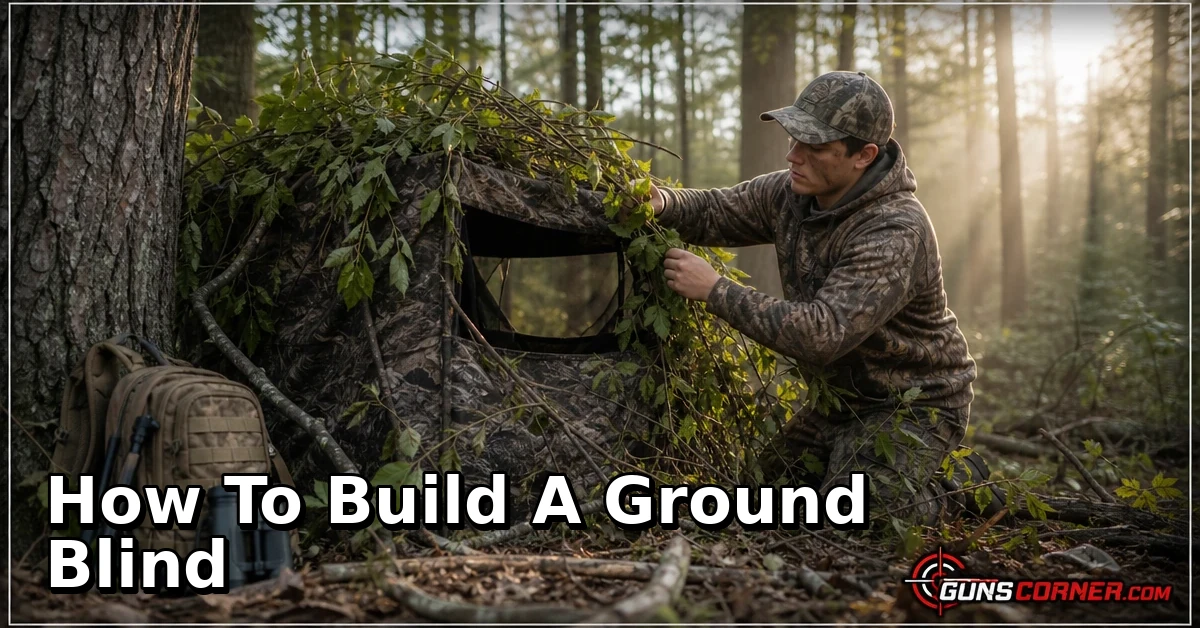

Learning how to build a ground blind can improve concealment, comfort, and patience during deer, turkey, hog, and other game hunts. A good blind blends with the habitat, keeps movement controlled, protects you from weather, and provides a safe view of the surroundings without damaging the land.
This guide explains how to choose a legal location, build a simple natural or portable ground blind, prepare for an ethical shot, and avoid common safety and access problems. Always follow current wildlife regulations and landowner rules.
To build a ground blind, first confirm legal access and scout a location near active game sign while keeping wind, visibility, and safe shooting directions in mind. Use natural vegetation, a commercial blind, or lightweight materials to create concealment without blocking your view or damaging trees. Keep the blind low, stable, quiet, and large enough for safe movement. Never hunt from a blind until you have confirmed your target, what lies beyond it, and all local weapon and visibility requirements.
Important Legal and Safety Notice Before You Hunt
Hunting regulations vary by state, province, county, season, species, weapon, and land type. Before building or using a ground blind, check your official wildlife agency and land manager for current requirements.
- Carry the required hunting license, permits, and tags.
- Confirm season dates, legal hunting hours, bag limits, and harvest reporting rules.
- Verify that your weapon, ammunition, broadheads, or other equipment is legal.
- Obtain written or clearly documented permission before using private land.
- Confirm public land boundaries, blind-placement rules, and any time limits.
- Wear required blaze orange or other visibility clothing.
- Keep firearms unloaded until you are legally in position and ready to hunt; keep bows pointed safely.
- Identify the target and what is beyond it before taking any shot.
- Never shoot toward roads, homes, livestock, vehicles, trails, people, or unclear movement.
- Plan for weather, navigation, hydration, first aid, and emergency communication.
What Makes a Good Ground Blind?
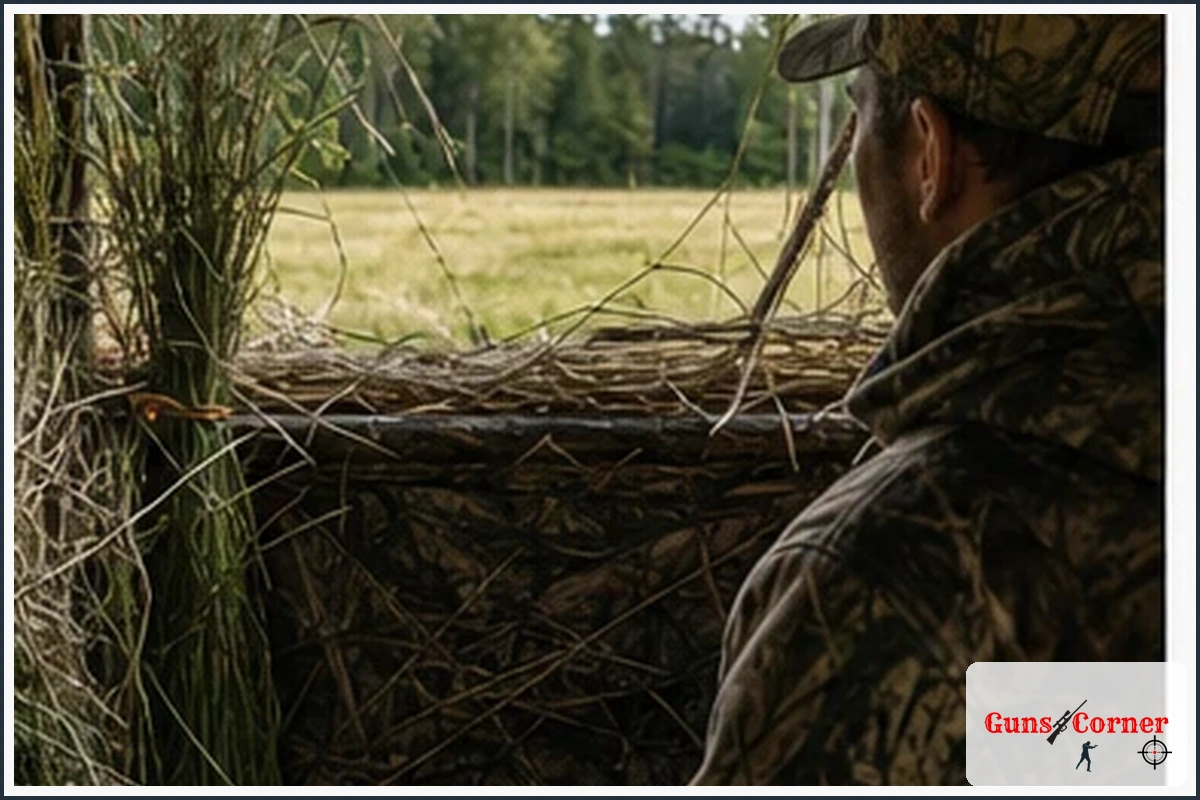
A useful ground blind does more than hide a hunter. It should help you remain still, preserve a safe field of view, reduce exposure to wind and weather, and allow a controlled shooting position.
- Concealment: The blind should break up your outline rather than create an obvious artificial shape.
- Visibility: You need clear views of likely approach routes and safe shooting lanes.
- Stability: The structure must not collapse, shift, or make noise in wind.
- Comfort: A seat, kneeling pad, or stool can help you remain patient.
- Low impact: Avoid cutting live vegetation or damaging trees unless regulations and landowner permission allow it.
- Safe shooting design: Openings should support a stable position without encouraging unsafe shots.
Where to Place a Ground Blind
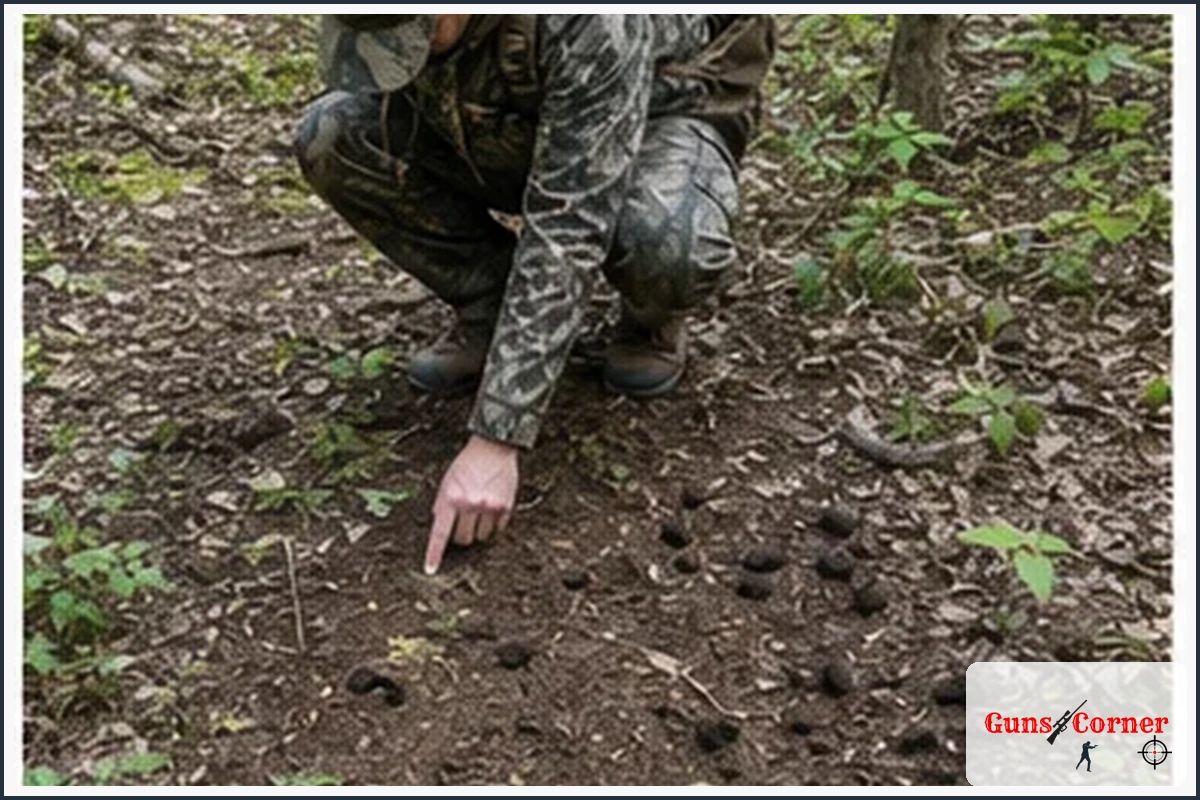
Scout before building. Look for fresh, lawful-to-hunt sign such as tracks, droppings, feeding activity, game trails, bedding areas, rubs, scrapes, rooting, wallows, roosting areas, or travel corridors, depending on the species.
Choose a Location Near Consistent Movement
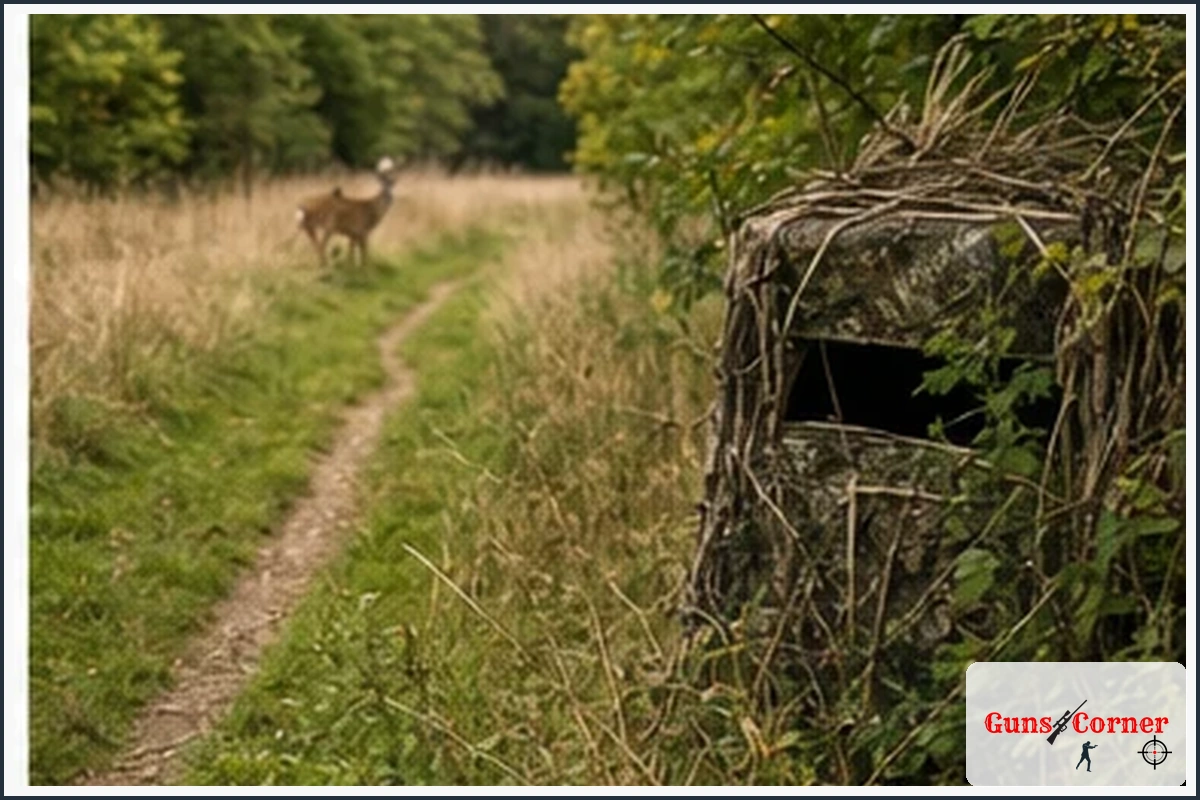
Focus on places where animals naturally travel between food, water, bedding, cover, and security areas. Avoid placing the blind directly in the middle of a trail. Position it far enough away to preserve the animal’s normal route and close enough for a practiced, ethical shot.
Use Natural Backgrounds
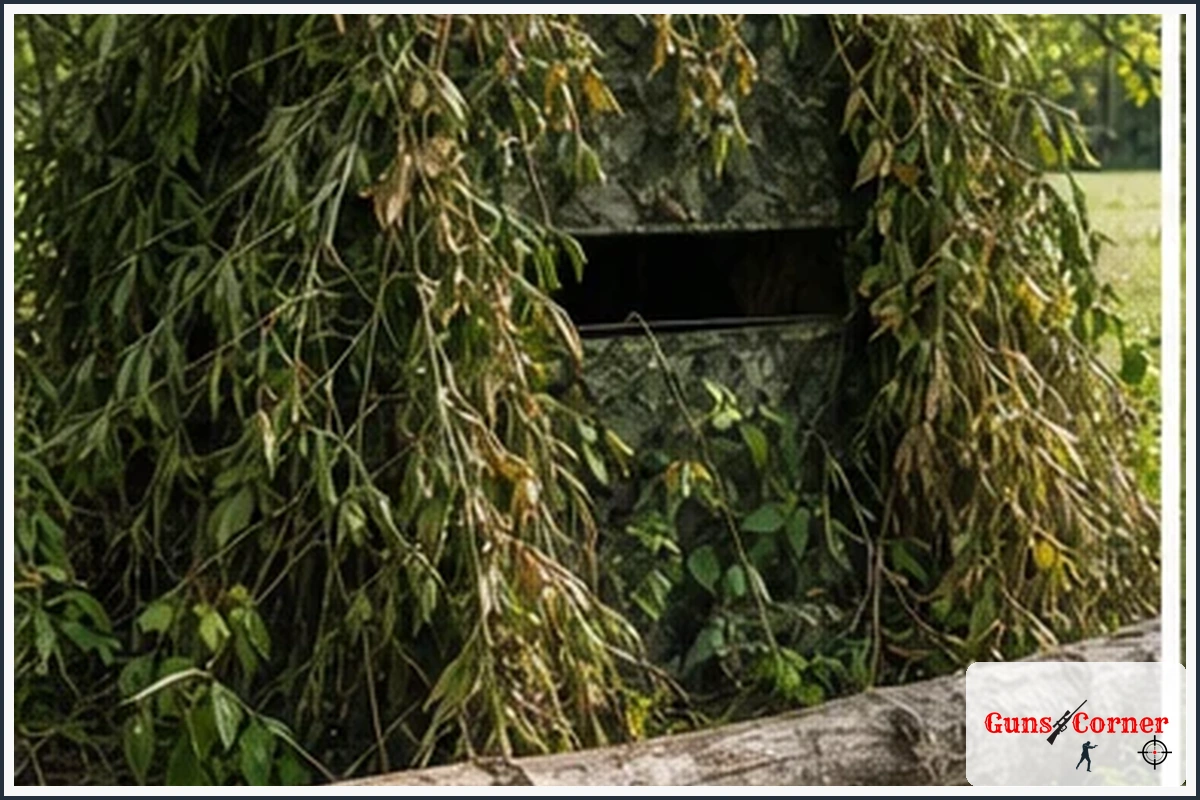
Place the blind against brush, shadow, a fallen log, tall grass, or another irregular background. Avoid open, exposed ground where the blind’s outline will be easy to recognize.
Plan the Wind and Entry Route
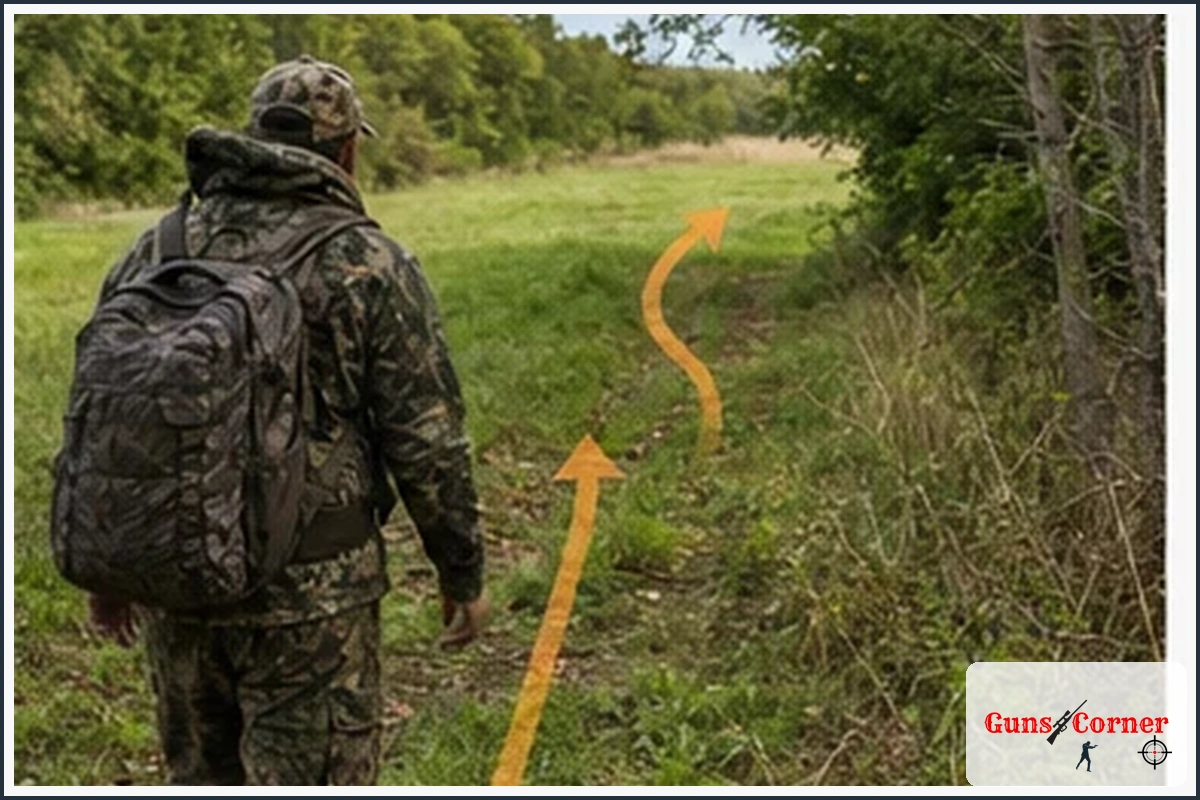
Wind should generally carry your scent away from expected animal approaches. Plan a quiet entry and exit route that avoids bedding areas, feeding locations, and heavily used trails. If the wind is wrong, move or postpone the hunt rather than forcing the setup.
Check the Backstop and Surroundings
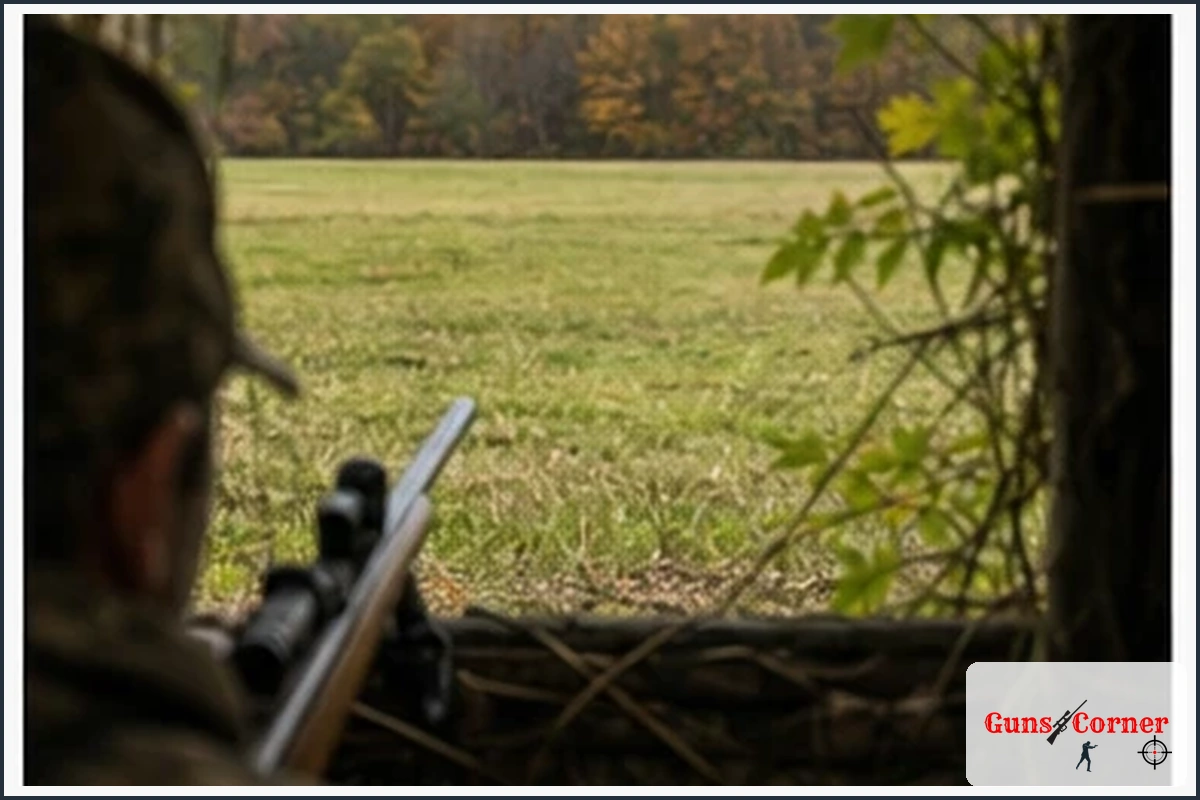
Before hunting, identify every safe shooting direction and what lies beyond it. Dense earth or a safe natural backstop may be appropriate in some situations, but brush and thin vegetation do not reliably stop projectiles. Never assume a blind makes an unsafe direction safe.
Materials and Gear You May Need
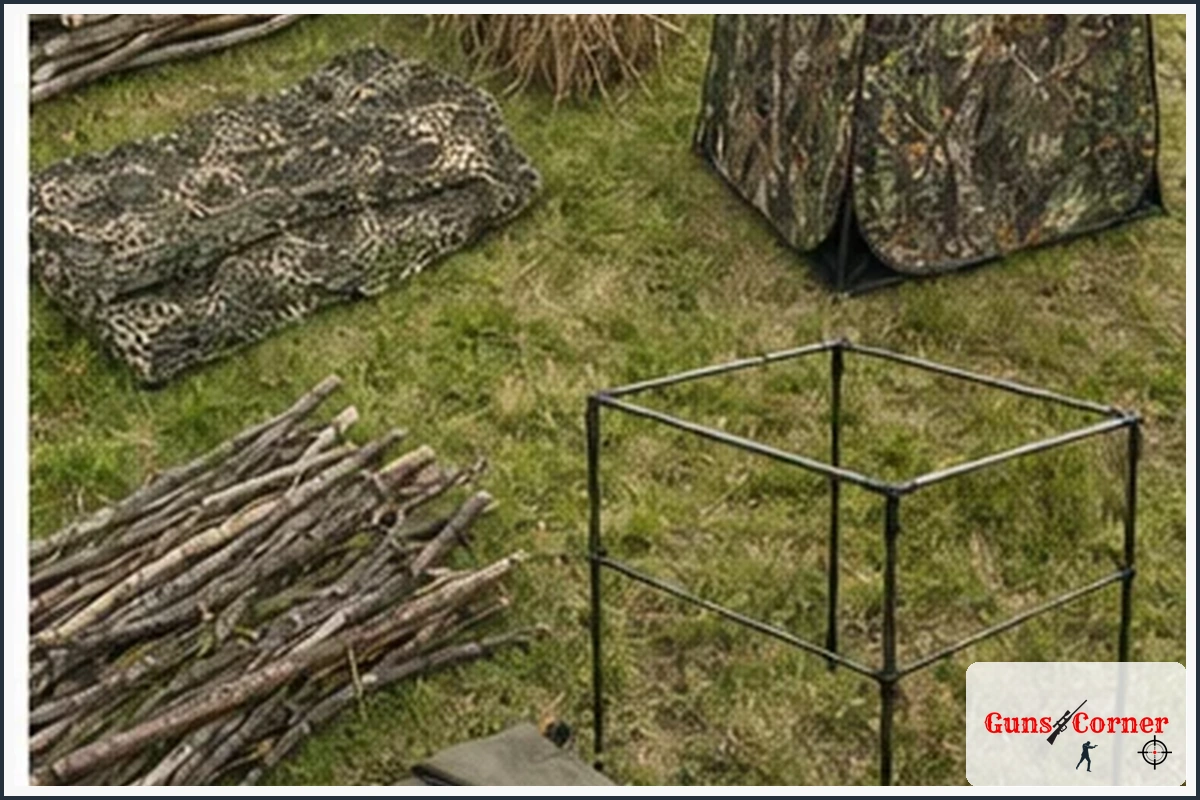
You can build a simple blind with natural materials, a lightweight frame, or a commercial hunting blind. Choose based on local rules, terrain, expected weather, and whether the blind will be temporary or left in place.
- Natural brush or legally gathered vegetation
- Lightweight poles, stakes, or flexible branches
- Camouflage fabric, burlap, or a commercial blind shell
- Paracord, approved ties, or fasteners
- Hand pruners or a small saw where legal and permitted
- Ground stakes for windy conditions
- Seat, kneeling pad, or low stool
- Map, compass, GPS, or hunting app
- Binoculars or optics
- First aid kit, water, flashlight, and emergency communication
- Required visibility clothing
How to Build a Ground Blind Step by Step
Step 1: Check Regulations and Land Permission
Before carrying materials into the field, confirm that ground blinds are allowed on the property. Some public lands regulate blind construction, placement, removal, labeling, or overnight storage. On private land, get landowner permission for the exact location and materials you plan to use.
Step 2: Scout the Area Before Construction
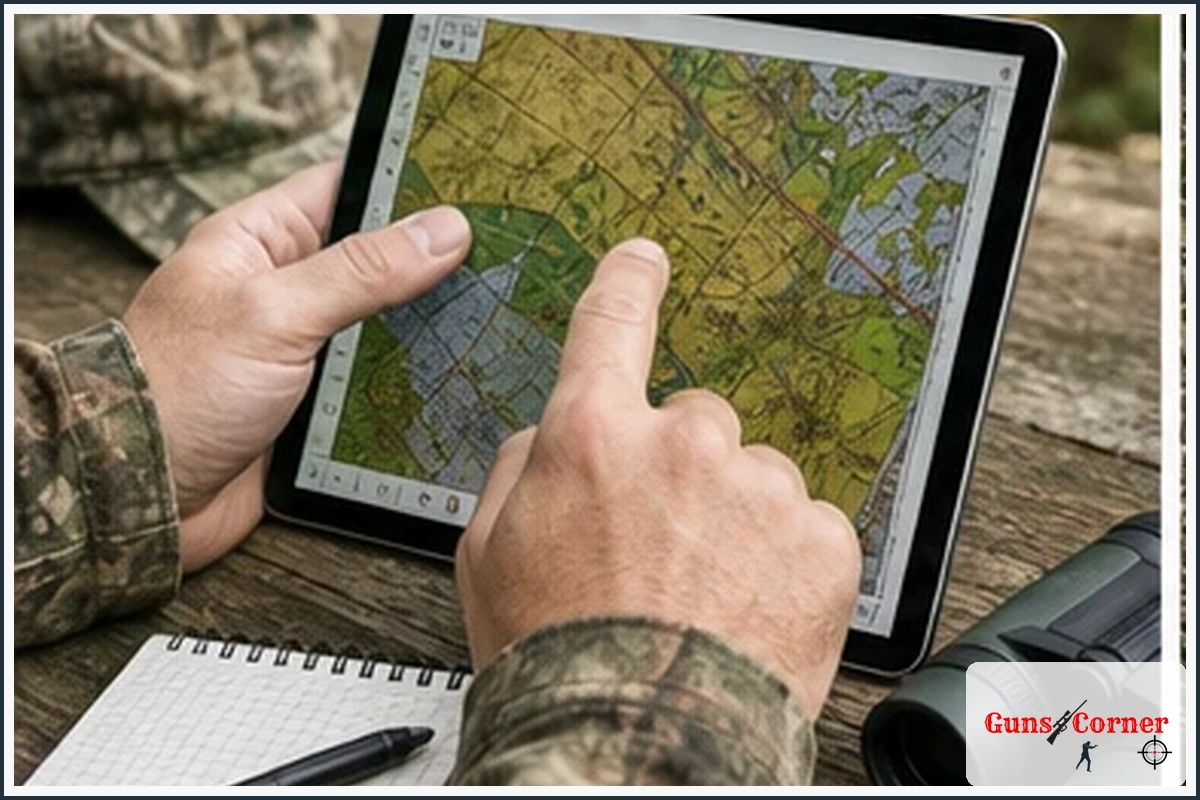
Use maps and careful observation to locate active game sign, access routes, wind patterns, and safe shooting directions. Scout far enough ahead of the hunt to avoid unnecessary disturbance during prime activity periods.
Step 3: Mark Safe Shooting Lanes
From the proposed blind site, identify a limited number of safe shooting lanes. Do not create broad openings in every direction. Narrow, intentional lanes help you stay focused and reduce the chance of swinging a firearm or bow toward an unsafe area.
Step 4: Select a Stable Base
Choose level or gently sloping ground that drains well and does not contain unstable branches, loose rocks, hidden holes, or flood risk. Sit or kneel at the proposed location before building to check comfort and visibility.
Step 5: Build a Simple Frame
For a temporary natural blind, place three or more sturdy poles or branches around the back and sides, leaving the front or shooting side controlled and open. Secure the frame so it will not shift in normal wind. Do not attach materials to live trees without permission or in ways that damage them.
Step 6: Add Concealment Gradually
Attach fabric or place natural vegetation around the frame. Keep the appearance irregular rather than perfectly symmetrical. Use materials that match the surrounding colors and textures, but do not strip large areas of vegetation or create excessive disturbance.
Step 7: Leave Safe Viewing Openings
Create small viewing and shooting openings at the height you will actually use. Test the position with your unloaded firearm or safely secured bow. Make sure you can identify the target clearly without leaning, twisting, or making large movements.
Step 8: Reduce Movement and Noise
Arrange your seat, pack, weapon, and gear before animals approach. Secure loose fabric and remove noisy branches from the immediate sitting area. Avoid unnecessary zippers, plastic bags, metal contact, or shifting equipment during the hunt.
Step 9: Check the Blind From the Animal’s View
Walk away from the blind and inspect it from likely approach routes. Look for exposed edges, bright openings, unnatural angles, and movement in the wind. Make only modest adjustments so you do not over-disturb the area.
Step 10: Test Safety Before Hunting
Confirm that you can enter and exit safely, identify all nearby people and property risks, and maintain a safe muzzle or bow direction. If using a firearm, keep the action open and the muzzle pointed in a safe direction until you are ready according to your training. If bowhunting, keep arrows secured until you are settled and shooting conditions are clear.
Step 11: Use the Blind With Patience
Enter quietly, settle into position, and allow the area to become calm. Watch and listen rather than constantly scanning or moving. If the wind changes or visibility becomes unsafe, do not force the hunt.
Step 12: Remove or Maintain the Blind Responsibly
Follow property rules about removing temporary blinds, cordage, fabric, stakes, and other materials. Pack out all waste and repair avoidable damage. Never leave an abandoned structure that could harm wildlife, livestock, other hunters, or land users.
Natural Ground Blind Options
Brush Blind
A brush blind uses existing limbs, grass, and vegetation to break up your outline. It is inexpensive and blends well when built lightly. Use only legally available materials and avoid cutting live cover unnecessarily.
Stake-and-Fabric Blind
A few stakes or poles with camouflage fabric can provide quick concealment. Anchor the fabric securely, but leave enough ventilation and visibility for safe use. Check it after strong wind or rain.
Commercial Portable Blind
A commercial blind is convenient and often easier to transport. Set it up several days before hunting when possible so animals can become accustomed to its presence. Follow the manufacturer’s instructions and local blind-placement rules.
Natural Cover Setup
Sometimes the best blind is a naturally concealed sitting position behind existing cover. Use the terrain without building anything when it provides sufficient concealment and a safe shooting direction.
How to Build a Ground Blind for Different Hunting Methods
Firearm Hunting
Leave enough room to mount and control the firearm without contacting the blind. Keep the muzzle pointed safely and confirm that vegetation will not interfere with the projectile or obscure the target. Never shoot through uncertain cover.
Bowhunting
Test your draw motion from the exact seat or kneeling position. Make sure limbs, fabric, and branches cannot contact the bowstring or limbs. Keep shooting distances within your practiced effective range, and pass on shots that do not offer a responsible recovery opportunity.
Turkey Hunting
A low blind can help conceal movement, but turkey hunting requires extra awareness because other hunters may be nearby. Wear any legally required visibility clothing, never stalk sounds or visible colors, and positively identify the bird and background before acting.
Deer Hunting
Place the blind near legal travel corridors, food sources, water, or bedding transitions without blocking the animal’s route. Pay close attention to wind direction and entry routes, since deer may detect unusual scent or disturbance.
Hog Hunting
Follow local rules carefully because hog hunting regulations vary widely. Use a sturdy setup with clear visibility, avoid close contact with animals, and plan safe recovery and meat-handling procedures before the hunt.
Best Conditions for Using a Ground Blind
Ground blinds can be useful in many conditions, but their effectiveness depends on wind, visibility, weather, animal pressure, and local terrain.
- Use wind conditions that carry your scent away from likely animal approaches.
- Consider how rain may affect ground stability, visibility, and equipment.
- Anchor fabric and lightweight frames before windy weather.
- Use shade and natural backgrounds to reduce the blind’s outline.
- Avoid flooding, lightning exposure, unstable trees, and unsafe cold or heat.
- Expect animals to behave differently after heavy human activity or sudden weather changes.
Helpful Tips for Better Results
- Build the blind before the day of the hunt when regulations allow it.
- Use the smallest structure that provides adequate concealment and comfort.
- Match the blind to the surrounding vegetation rather than using a highly contrasting color.
- Keep the entrance away from the main travel route.
- Use binoculars to observe animals before handling your weapon.
- Practice mounting your firearm or drawing your bow from the blind.
- Keep equipment organized so you do not need large movements.
- Bring water, layers, and a communication device even for short hunts.
- Mark the blind location on a map so you can navigate safely in low light.
- Leave if visibility, weather, or shooting conditions become unsafe.
Common Mistakes to Avoid
- Building without permission: Verify land access and blind rules first.
- Making the blind too large: Oversized structures are harder to conceal and more noticeable.
- Ignoring the wind: A hidden blind is not useful if your scent reaches approaching game.
- Blocking every shooting lane: Excess cover can make safe observation difficult.
- Creating unsafe lanes: Never plan a shot toward roads, homes, trails, livestock, or unclear backgrounds.
- Using unstable materials: Loose branches, weak stakes, and unsecured fabric can cause noise or collapse.
- Overcutting vegetation: Excessive disturbance can reduce concealment and damage habitat.
- Forgetting visibility requirements: Follow all local rules for blaze orange or other hunter visibility gear.
- Taking a rushed shot: Wait for a clear target, safe background, and practiced range.
- Leaving materials behind: Remove trash, cordage, plastic, and abandoned structures when required.
Troubleshooting Common Problems
| Problem | Possible Cause | What to Do |
|---|---|---|
| Animals avoid the blind | Too much disturbance, unusual shape, or strong human scent | Reduce visits, improve the background, adjust the entry route, and check wind direction. |
| The blind is noisy | Loose fabric, branches, stakes, or gear contact | Secure loose parts and remove noisy materials before the hunt. |
| You cannot see clearly | Openings are too small, low, or poorly positioned | Adjust only the necessary opening while keeping safe concealment and legal shooting lanes. |
| Wind moves the blind | Weak anchors or exposed placement | Add approved stakes or relocate to a more protected, legal position. |
| You are exposed when entering | Entry route crosses a trail, bedding area, or open ground | Plan a quieter route and approach when animal activity is least likely. |
| You cannot identify the background | Brush, darkness, fog, or terrain blocks visibility | Do not shoot. Improve visibility or end the hunt. |
| The ground becomes wet or unstable | Rain, flooding, or poor drainage | Move to higher stable ground where legal, or leave if the setup becomes unsafe. |
| You feel nervous handling equipment | Insufficient practice or unfamiliar surroundings | Unload or secure the equipment and seek instruction from a qualified mentor or hunter education instructor. |
Ethical Hunting and Conservation
A ground blind is a concealment tool, not a substitute for judgment. Ethical hunters respect wildlife, landowners, other hunters, and the habitat they use.
- Follow seasons, licenses, tags, bag limits, and reporting requirements.
- Take only shots that are safe, legal, and within your practiced ability.
- Pass on uncertain opportunities rather than forcing a result.
- Plan recovery, cooling, transport, and responsible use of harvested game.
- Leave gates, fences, crops, livestock areas, and property improvements undisturbed.
- Pack out all blind materials and trash.
- Support conservation through legal participation, license purchases, and responsible land stewardship.
When to Get More Training or Professional Guidance
Seek additional instruction before hunting if you have never safely handled a firearm or bow, have not completed hunter education, or are uncertain about local regulations and property boundaries.
Official hunter education courses, certified instructors, wildlife agencies, conservation groups, and experienced ethical mentors can help with shooting practice, navigation, blind placement, tracking, recovery, meat care, and local rules.
After the Hunt: Gear Care and Learning
Inspect the blind, stakes, fabric, seat, and navigation equipment after each hunt. Dry wet materials, clean equipment according to manufacturer instructions, and store weapons safely and separately from ammunition when applicable.
Record weather, wind, animal sign, entry routes, visibility, and what worked or failed. These notes can improve future scouting without relying on guesswork. Complete any required harvest report and handle game promptly and responsibly according to local guidance.
Recommended Hunting Gear and Tools to Consider
You do not need expensive equipment to build a ground blind responsibly. Choose gear based on local regulations, terrain, weather, hunting method, skill level, and budget.
- Legal firearm or bow approved for the hunt
- Camouflage fabric, natural materials, or a permitted commercial blind
- Stakes, poles, cordage, and safe fasteners
- Comfortable boots and weather-appropriate clothing
- Required hunter visibility gear
- Binoculars or suitable optics
- Map, compass, GPS, or hunting app
- First aid kit, water, snacks, flashlight, and emergency communication
- Gloves, game bags, cooler, and meat-care supplies when relevant
Final Thoughts
Learning how to build a ground blind is mainly about thoughtful placement, controlled concealment, safe shooting lanes, and respect for the land. Scout first, verify the rules, manage wind and entry routes, build lightly, and practice from the exact position you will use.
A well-planned blind can improve comfort and observation, but patience and ethical decision-making matter more than construction. Hunt legally, identify your target and background, and leave the area cleaner and healthier than you found it.
Frequently Asked Questions
What is the easiest way to build a ground blind?
A simple stake-and-fabric blind or a carefully arranged natural brush blind is usually easiest. It should provide concealment without blocking visibility or creating unsafe shooting directions.
Can I build a ground blind on public land?
Only if the specific public land agency allows it. Check rules about construction, placement, labeling, storage, removal, and materials before building.
Do I need permission to build a ground blind on private land?
Yes. Obtain landowner permission before entering, building, cutting vegetation, attaching materials, or leaving equipment on private property.
How far should a ground blind be from a game trail?
There is no universal distance. Place it close enough for a practiced ethical opportunity but far enough away to avoid blocking the trail or exposing the hunter to animals.
Should a ground blind face into the wind?
Plan the blind so prevailing wind carries your scent away from likely animal approaches. Local terrain can change wind direction, so check conditions before hunting.
Should I build the blind before hunting day?
When legal and practical, setting it up ahead of time allows you to test stability and gives the area time to settle. Avoid repeated disturbance.
How high should a ground blind be?
It should be high enough to conceal your body while seated or kneeling but low enough to blend with surrounding cover. Test the height from your actual hunting position.
Can I use live branches to build a blind?
Only where permitted by the land manager or landowner. It is better to use existing dead material, approved fabric, or a portable blind when cutting vegetation is restricted.
What should be behind a ground blind?
A natural, irregular background such as brush, shadow, or terrain can break up your outline. Avoid bright open backgrounds that make movement visible.
How many shooting lanes should a ground blind have?
Use only the lanes needed for safe observation and ethical opportunities. Fewer, well-planned lanes are usually easier to monitor than openings in every direction.
Can I shoot through brush from a ground blind?
Do not shoot through uncertain vegetation. Brush can deflect a projectile, interfere with an arrow, or prevent you from confirming the target and background.
Is a ground blind safe for firearm hunting?
It can be when used legally and responsibly. Keep the muzzle pointed safely, identify the target and background, and never shoot toward people, roads, homes, livestock, or unclear movement.
Is a ground blind useful for bowhunting?
Yes, but test your draw motion from the exact seat or kneeling position. Keep the bow and arrow clear of fabric and branches, and remain within your practiced effective range.
What is the best seat for a ground blind?
Choose a quiet, stable seat that keeps your eyes at the correct height and allows safe movement. Avoid chairs that are unstable, noisy, or too tall for the blind.
How do I keep a ground blind from blowing away?
Use suitable stakes and secure all fabric, poles, and loose edges. Check the setup before hunting and leave if severe weather makes the blind unstable.
How do I make a ground blind blend in?
Place it against an existing background, use colors and textures that match the surroundings, and avoid perfectly straight lines or excessive openings.
Will animals avoid a new ground blind?
Some animals may react to sudden changes, human scent, or activity. Build with minimal disturbance, limit visits, and avoid placing the blind directly across a normal travel route.
Should I use scent control around a ground blind?
Reduce unnecessary odor by keeping clothing and equipment clean, but wind direction, quiet access, and legal hunting practices remain more important than relying on scent products.
Where should I place a deer ground blind?
Look for legal locations near food, water, bedding transitions, or travel corridors. Keep the wind favorable and preserve safe shooting lanes and a quiet entry route.
Where should I place a turkey ground blind?
Choose a location with concealment, clear visibility, and a safe background near legal turkey activity. Be especially cautious because other hunters may be present.
Where should I place a hog ground blind?
Scout for fresh legal sign such as rooting, tracks, trails, or wallows, then choose a stable location with clear visibility and safe shooting directions. Follow local hog regulations carefully.
Can I leave a ground blind overnight?
Only if local land rules allow it. Some properties require blinds and equipment to be removed daily or by a specific deadline.
Should a ground blind have a roof?
A roof can provide shade and weather protection, but it must not block visibility, interfere with a firearm or bow, or create a safety problem in wind.
How do I enter a ground blind without alerting animals?
Use a route that avoids feeding and bedding areas, approach during a legally appropriate time, minimize noise, and check wind direction before entering.
What should I do if the wind changes?
Stop hunting if your scent reaches likely animal approaches or if the new wind creates unsafe conditions. Move only when legal and practical, or leave the area.
Can I build a ground blind near a road?
Do not place or use a blind where local rules prohibit hunting or where a shot could endanger road users. Check setbacks and weapon restrictions with the appropriate agency.
How do I know whether a shooting lane is safe?
Identify the target, the full background, nearby roads and structures, property boundaries, people, livestock, and other users. If anything is uncertain, do not shoot.
What if I cannot see beyond the animal?
Do not take the shot. A blind does not make an unclear background safe.
Can children use a ground blind?
Children should be supervised by a qualified adult, meet all legal requirements, and receive age-appropriate hunter education and equipment instruction.
How can beginners practice from a ground blind?
Practice sitting, kneeling, observing, mounting a firearm safely, or drawing a bow without live animals present. Use unloaded equipment or follow formal range safety procedures.
What should I do if the blind is too hot or cold?
Use weather-appropriate layers, ventilation, water, and safe timing. Leave if heat, cold, storms, or reduced alertness create a safety risk.
What should I do if another hunter approaches my blind?
Remain calm, keep your weapon pointed safely, and clearly identify yourself without creating a confrontation. Follow property rules and contact the land manager or authorities if necessary.
How do I handle a blind after a successful hunt?
Follow all tagging, reporting, recovery, transport, and meat-care requirements. Remove or maintain the blind according to land rules and pack out waste.
Do ground blinds guarantee hunting success?
No. Success depends on regulations, scouting, weather, animal behavior, hunting pressure, wind, skill, patience, and ethical decisions.
When should I ask a mentor for help?
Ask for help before hunting if you are unfamiliar with local laws, weapons, navigation, land boundaries, recovery, or meat care. A hunter education instructor or experienced ethical mentor can provide practical guidance.