
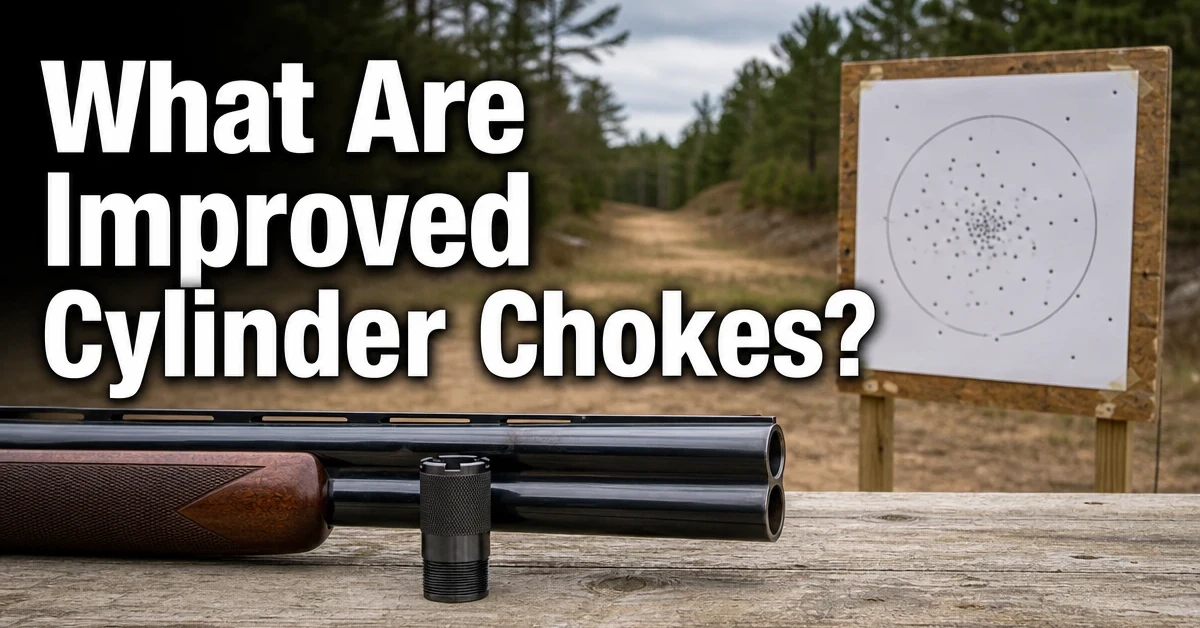

Improved cylinder chokes are shotgun chokes with slight constriction that tighten the shot pattern more than a cylinder choke while remaining relatively open. They are commonly used for close-range hunting, upland birds, small game, and some shotgun sports. The best choice depends on your shotgun, ammunition, shot material, range, and local regulations.
What Are Improved Cylinder Chokes?
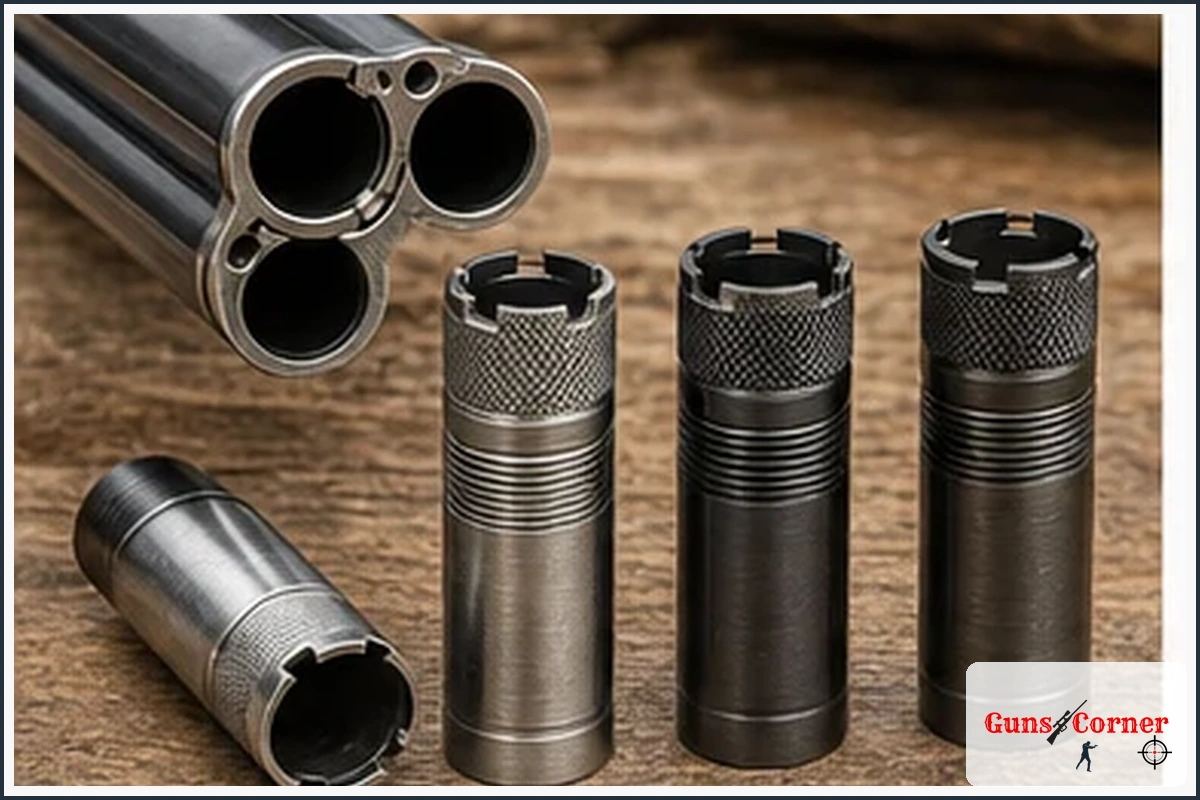
An improved cylinder choke is a relatively open shotgun choke designed to produce a moderately wider shot pattern at short to medium distances. It sits between cylinder and modified chokes in the traditional choke system.
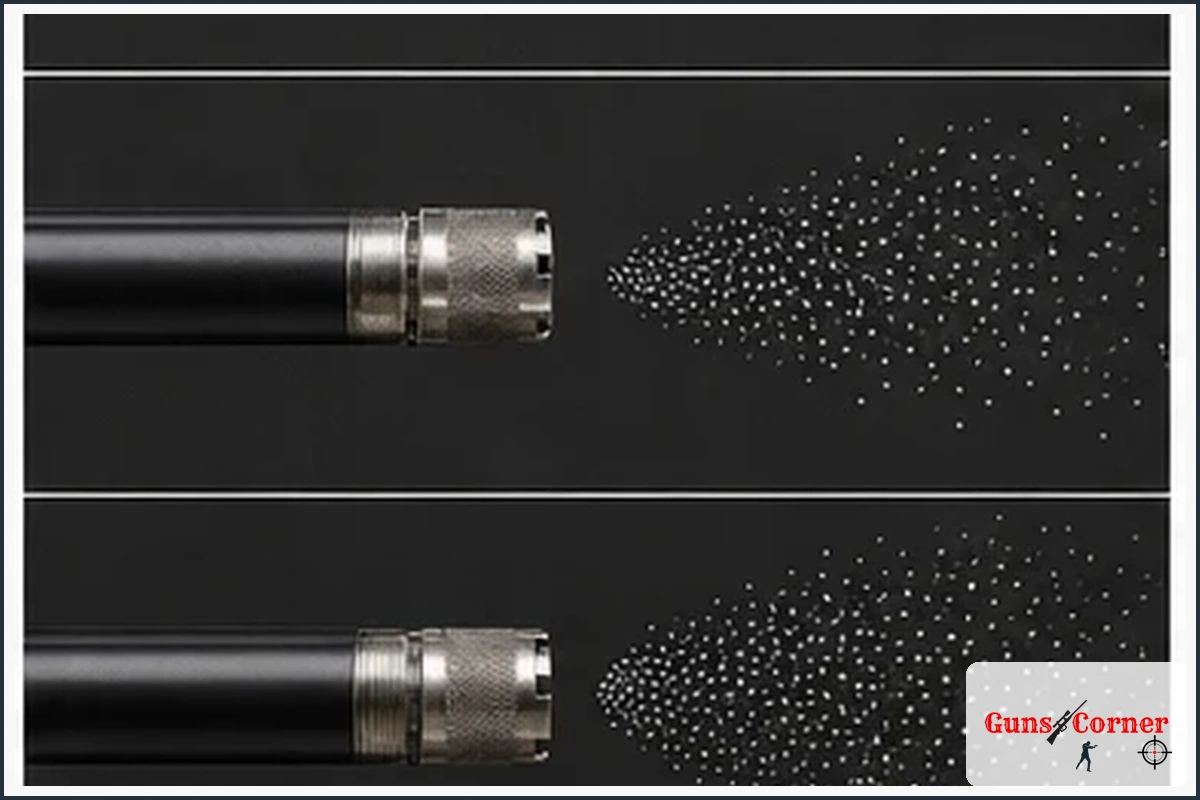
Unlike a cylinder choke, which has little or no constriction, an improved cylinder choke narrows the muzzle slightly. This can help keep more pellets within the intended target area without creating as tight a pattern as modified or full chokes.
Where Improved Cylinder Fits in the Choke System
| Choke | Relative constriction | Typical pattern | Common use |
|---|---|---|---|
| Cylinder | None or minimal | Very open | Very close-range shooting |
| Improved cylinder | Slight | Open to moderate | Close-range hunting and upland birds |
| Modified | Moderate | Medium | General-purpose hunting and some waterfowl loads |
| Improved modified | More than modified | Tight | Longer-range applications |
| Full | Strong | Very tight | Long-range patterns and selected hunting uses |
Choke names describe relative constriction, not a guaranteed pattern diameter. Actual performance changes with the shotgun, barrel, shell, pellet material, shot size, velocity, and distance.
What Is an Improved Cylinder Choke Used For?
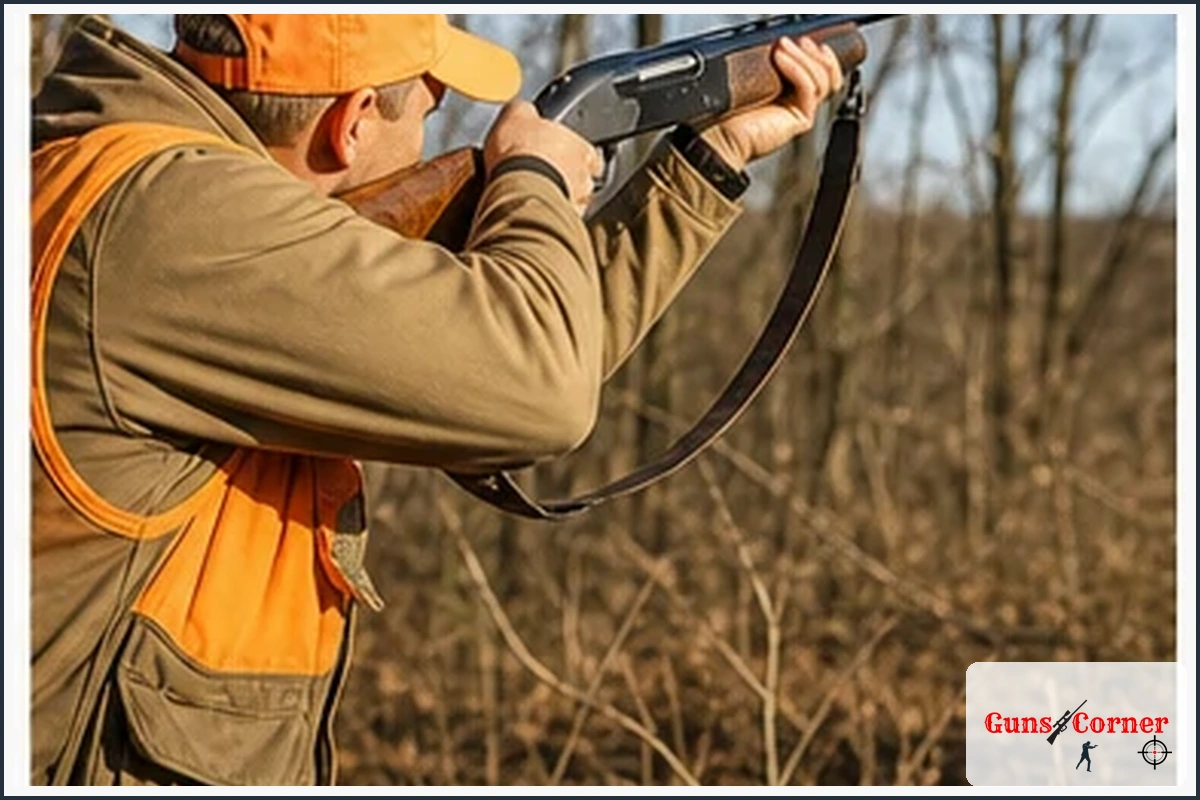
Upland bird hunting
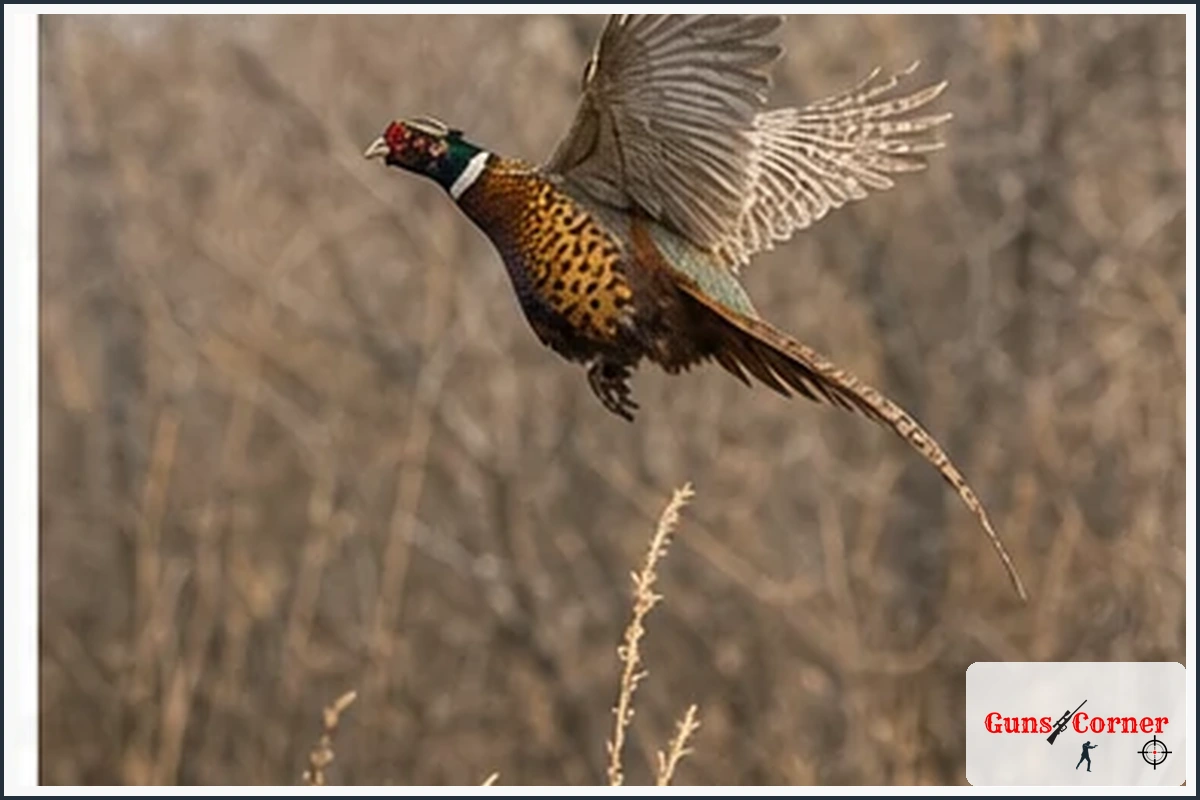
Improved cylinder is often useful for close and moderate shots at birds such as grouse, woodcock, quail, and pheasants in thick cover. Its relatively open pattern can make sense when birds rise suddenly and shooting distances are short.
Small-game hunting
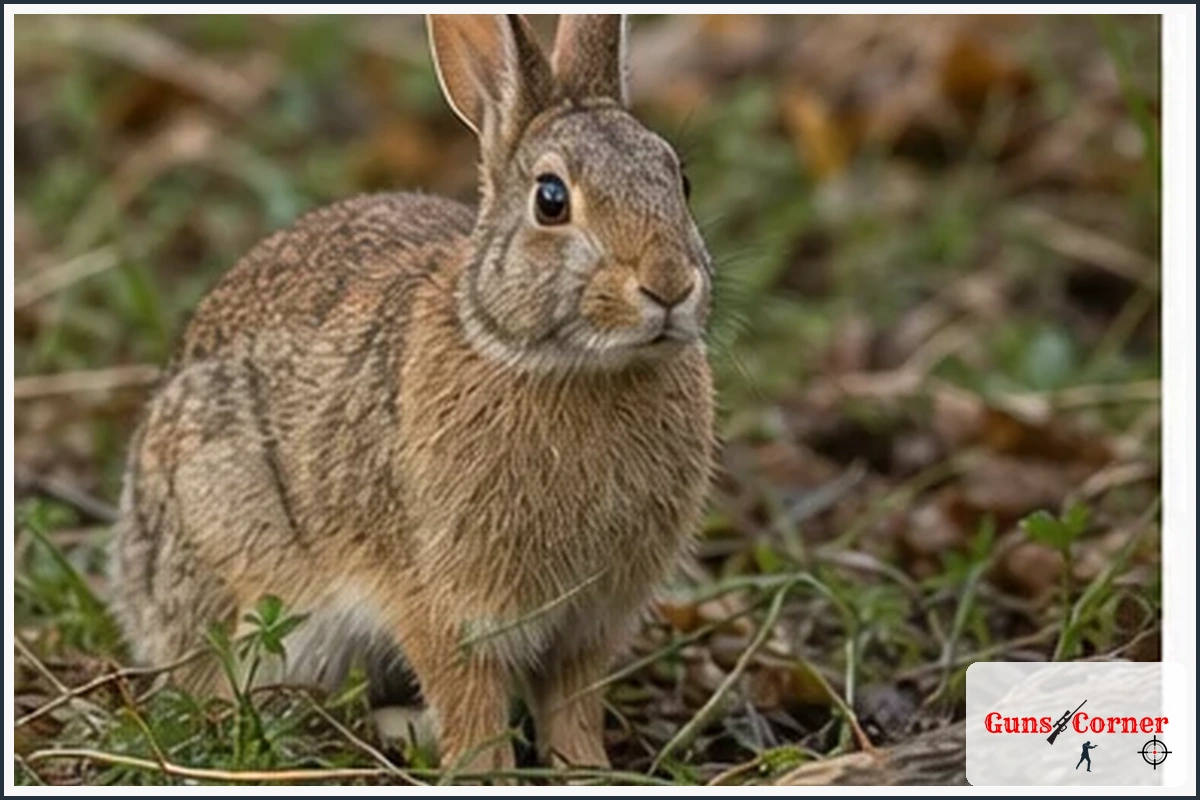
Depending on local law and the ammunition used, improved cylinder may work for close-range rabbit or squirrel hunting. Always match the load and choke to the species, expected distance, and legal requirements.
Close-range waterfowl hunting
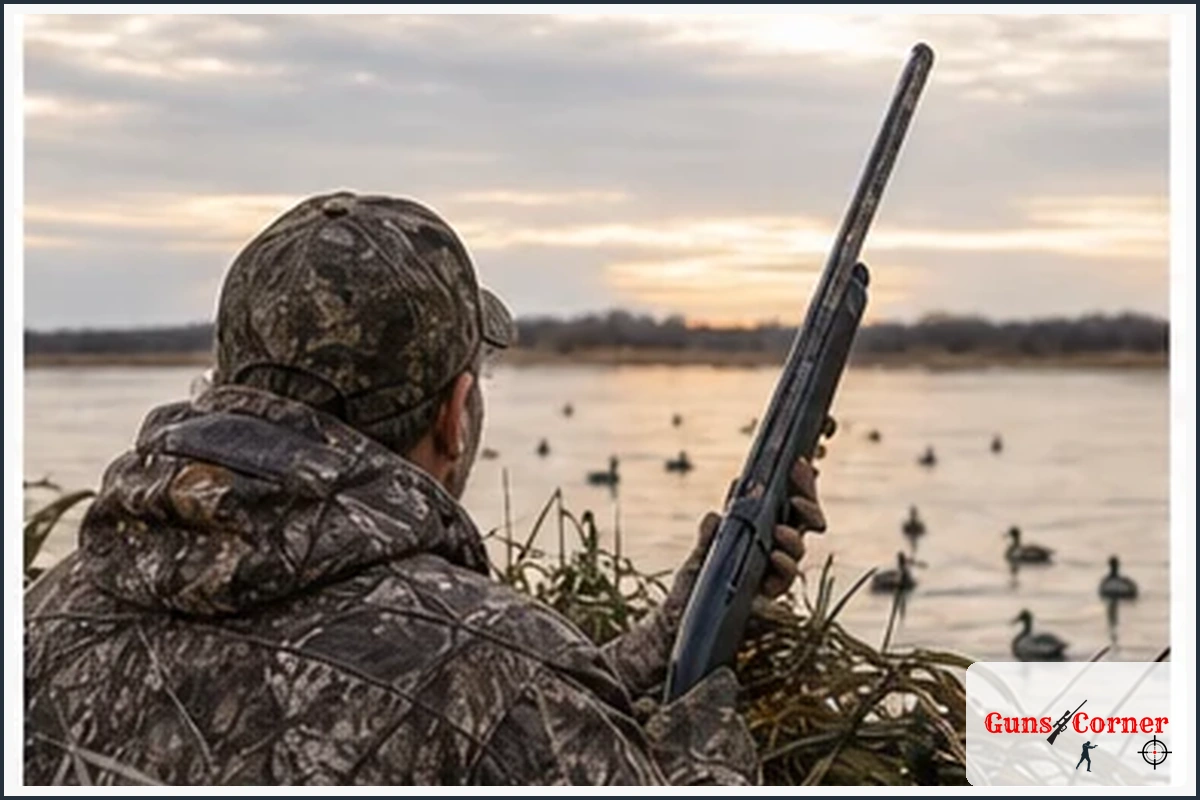
Improved cylinder can be used for some close-range waterfowl situations, but the ammunition must be compatible with the choke and legal requirements. Many waterfowl areas require nontoxic shot, and steel shot may pattern differently from lead or other shot materials.
Clay-target shooting
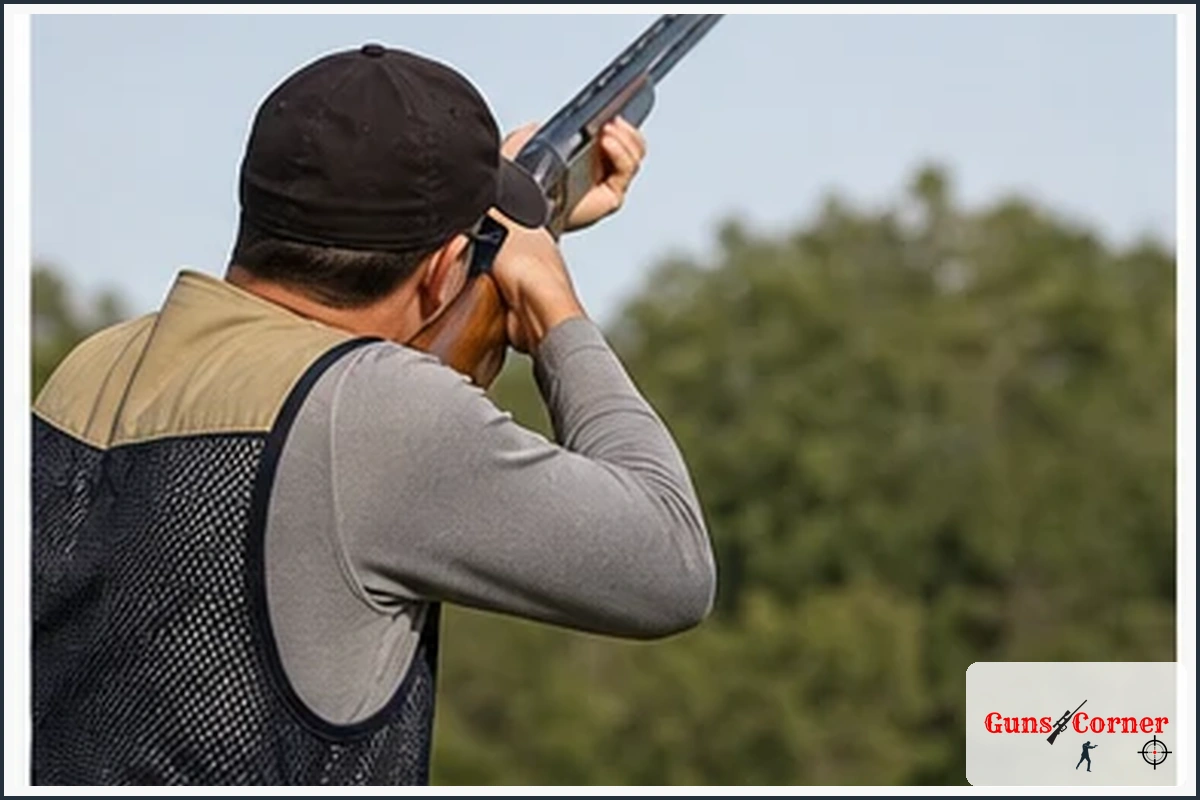
Improved cylinder is commonly selected for some skeet and close presentations. However, the correct choke depends on the specific discipline, station, target distance, and the pattern produced by your shotgun and ammunition combination.
How Improved Cylinder Differs From Cylinder and Modified
Improved cylinder versus cylinder
Both are open chokes suited to relatively short distances. Improved cylinder provides slightly more constriction, which may produce a denser pattern farther from the muzzle than cylinder. Cylinder may be preferable when shots are extremely close and a very wide pattern is helpful.
Improved cylinder versus modified
Modified choke generally produces a tighter pattern and may be more suitable for longer shots. Improved cylinder usually provides a wider pattern, but that wider pattern can become too sparse at greater distances. Neither is automatically better; the right choice depends on verified pattern performance and the shot distance you can ethically manage.
Why Pattern Testing Matters
Choke labels are only a starting point. Pattern testing shows how a particular shotgun, choke, shell, and shot combination performs at realistic distances.
- Use a safe patterning range with an adequate backstop.
- Confirm that the choke and ammunition are compatible with the shotgun.
- Place a large paper or commercial patterning target at a known distance.
- Fire from a stable position while following all firearm-safety rules.
- Repeat the test rather than judging performance from one shot.
- Check whether the pattern provides adequate coverage without unacceptable gaps.
Pattern testing can also reveal that two shells with the same advertised shot size perform differently. Use the results to establish a responsible range limit, not to justify shots beyond your skill or visibility.
Shot Material and Improved Cylinder Chokes
Shot material affects both patterning and choke safety. Lead, steel, bismuth, and other nontoxic loads may behave differently in the same barrel and choke.
- Lead: May pattern differently from nontoxic alternatives and may be prohibited in certain hunting areas.
- Steel: Requires careful attention to the shotgun manufacturer’s compatibility guidance and local regulations.
- Bismuth and other nontoxic loads: Must be used according to the ammunition and firearm manufacturer’s instructions.
Never assume that an improved cylinder tube is safe with every shell. Read the shotgun manual and ammunition instructions, and follow any restrictions concerning shot material, pressure, and choke design.
Fixed Improved Cylinder or Interchangeable Choke Tube?
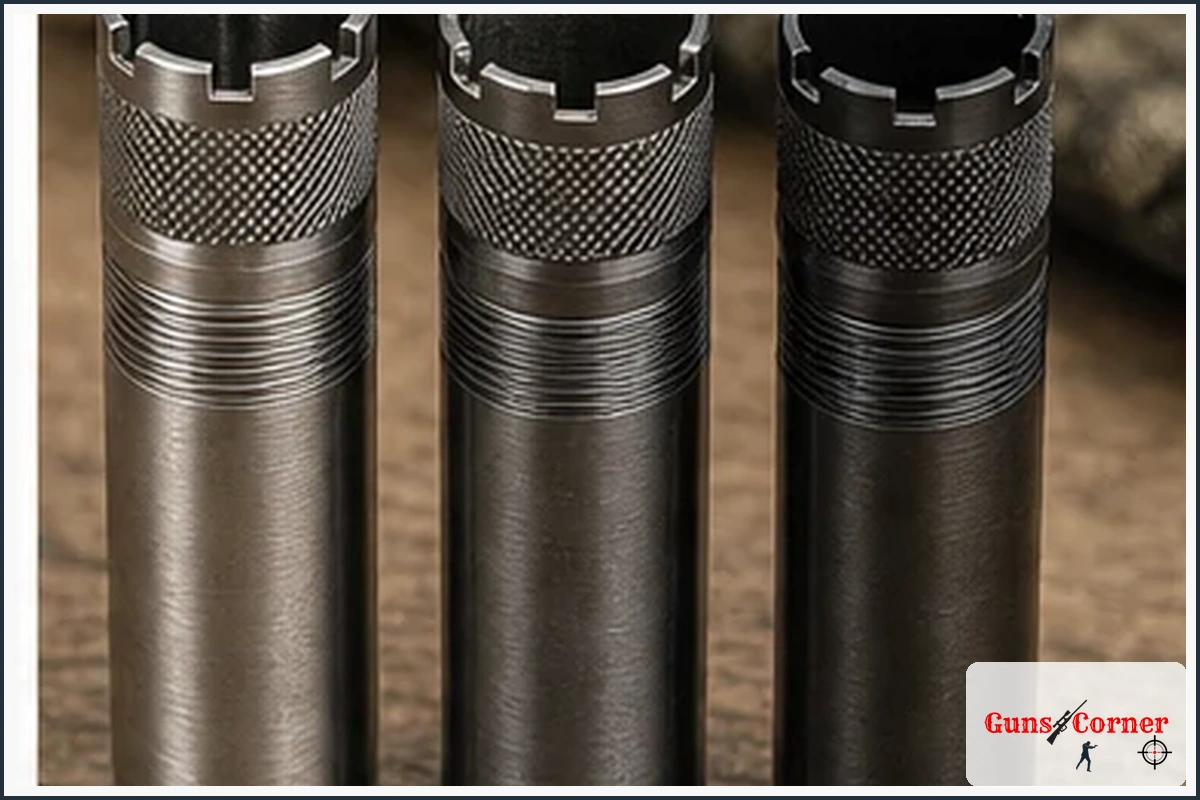
A shotgun may have a fixed improved cylinder barrel or an interchangeable choke system. Fixed chokes cannot normally be changed by the user, while screw-in choke tubes allow the shooter to select different constrictions.
Choke tubes are not universal. Compatibility may depend on the shotgun manufacturer, model, gauge, barrel configuration, and tube system. Use only the correct tube for the firearm, install it as directed, and keep the threads clean and properly maintained.
Firearm Safety When Using Choke Tubes
- Treat every firearm as if it is loaded.
- Keep the muzzle pointed in a safe direction.
- Keep your finger outside the trigger guard until ready to shoot.
- Be certain of the target and what is beyond it.
- Unload the shotgun before removing or installing a choke tube.
- Use eye and hearing protection at the range.
- Never force an incompatible choke tube into a barrel.
- Follow the shotgun and choke manufacturer’s instructions.
A mechanical safety is not a substitute for safe handling. If you are uncertain about choke compatibility, ask the manufacturer or a qualified gunsmith before firing the shotgun.
Common Mistakes to Avoid
- Assuming improved cylinder works equally well with every shell.
- Choosing a choke only by its name without pattern testing.
- Using ammunition or shot material prohibited by local law.
- Forcing a choke tube into the wrong barrel or thread system.
- Leaving a choke tube loose or poorly maintained.
- Believing a wider pattern eliminates the need for accurate shooting.
- Taking shots beyond the pattern’s effective coverage or your proven ability.
Legal and Ethical Considerations
Hunting regulations may specify legal shot materials, choke requirements, hunting methods, or ammunition restrictions. These rules vary by species, location, season, and land type. Check the current regulations from the appropriate state or provincial wildlife agency before hunting.
Ethical hunting requires positive target identification, a safe backstop, a reasonable range, and a realistic chance of a clean harvest. A more open choke does not compensate for poor shot placement, inadequate practice, or unsafe visibility.
FAQs
1. Are improved cylinder chokes open or tight?
They are relatively open chokes with slight constriction. They are more open than modified and tighter than cylinder.
2. What distance is improved cylinder choke best for?
It is generally suited to close and moderate ranges, but the practical distance depends on the shotgun, load, target, and tested pattern.
3. Is improved cylinder good for bird hunting?
It can be useful for close-range upland bird hunting, especially in thick cover. Pattern testing is still important.
4. Can you use improved cylinder for deer hunting?
It may be used with appropriate rifled slugs in shotguns and choke systems approved by the firearm and ammunition manufacturers, but local regulations and manufacturer instructions control.
5. Is improved cylinder good for turkey hunting?
It is usually more open than hunters select for many turkey setups. A turkey hunter should pattern the approved load and follow local rules rather than choosing a choke by name alone.
6. Can improved cylinder shoot steel shot?
Often, but not universally. Verify the shotgun and choke manufacturer’s guidance before using steel shot.
7. Is improved cylinder safe with lead shot?
It is commonly compatible with lead shot, but the firearm manual remains the controlling source for your specific shotgun.
8. What is the difference between improved cylinder and skeet choke?
The names and specifications can vary by standard and manufacturer. Compare the actual constriction and follow the choke manufacturer’s information.
9. Is improved cylinder tighter than cylinder?
Yes. Improved cylinder has slight constriction, while cylinder has little or none.
10. Is improved cylinder tighter than modified?
No. Modified is generally tighter and produces a denser pattern at longer distances.
11. Can improved cylinder be used for waterfowl?
It can be appropriate for some close-range situations if the shot material, choke, firearm, and local regulations are compatible.
12. Is improved cylinder good for skeet?
It is commonly useful for skeet-type distances, but the best choice depends on the course, target presentation, and pattern testing.
13. Is improved cylinder good for sporting clays?
It can work for close targets, but sporting-clays distances vary widely. Shooters often select chokes according to the station and verify their patterns.
14. Can you use an improved cylinder choke with buckshot?
Only when the firearm, choke, and ammunition manufacturers permit it. Pattern the specific load and follow all safety instructions.
15. Can you shoot slugs through an improved cylinder choke?
Some smoothbore shotgun and slug combinations permit this, but you must follow the firearm and slug manufacturer’s instructions. Do not assume every slug is compatible with every choke.
16. Do improved cylinder chokes improve accuracy?
They can influence shot distribution, but they do not replace proper aiming, practice, ammunition selection, or pattern testing.
17. Are improved cylinder chokes interchangeable?
Only if the shotgun has a compatible interchangeable choke system. Tube systems are not universal.
18. How do you install an improved cylinder choke tube?
Unload the shotgun completely, follow the manufacturer’s instructions, use the correct wrench if specified, and ensure the tube is properly seated before firing.
19. How often should a choke tube be checked?
Check it before shooting and periodically during extended use. A loose tube can damage the choke, barrel, or firearm.
20. Does improved cylinder reduce recoil?
Choke selection is not a reliable way to manage recoil. Recoil is affected more by the firearm, ammunition, projectile weight, velocity, and shooter fit.
21. Does improved cylinder create a wider pattern?
Compared with modified or full chokes, it generally creates a wider pattern. The exact pattern must be confirmed with your chosen load.
22. Can an improved cylinder pattern be too wide?
Yes. At longer distances, the pattern may become too sparse to provide reliable coverage.
23. Should beginners use improved cylinder?
It can be a practical starting point for close-range applications, provided the shooter learns safe handling and pattern-tests the shotgun.
24. Is improved cylinder suitable for home defense?
Choke selection should not be treated as a substitute for secure firearm storage, professional training, safe handling, and compliance with local law.
25. Where can I verify choke compatibility?
Start with the shotgun owner’s manual and the choke manufacturer’s documentation. A qualified gunsmith can help resolve uncertainty.
26. What is the most important thing to know about improved cylinder chokes?
It is an open choke intended for relatively close-range use, but its real performance depends on the complete shotgun-and-ammunition combination.
Final Answer: What Are Improved Cylinder Chokes?
Improved cylinder chokes are shotgun chokes with slight constriction that produce a moderately open pattern. They are commonly used for close-range upland hunting, small game, some waterfowl situations, and clay shooting. Select them only after checking firearm compatibility, ammunition restrictions, local regulations, and verified pattern performance.