

Bobcat hunting is a form of regulated predator or furbearer hunting in which a licensed hunter pursues a wild bobcat (Lynx rufus) where taking the species is legal. Unlike deer hunting, it usually involves looking for signs of a secretive, solitary cat, sometimes using permitted predator calls, and making a carefully identified, safe, humane shot if an opportunity arises. Some jurisdictions allow certain hunting methods, others permit trapping under separate rules, and others prohibit recreational bobcat harvest entirely.
If you are wondering what is bobcat hunting and whether it is legal, this guide explains the activity without treating any particular state’s regulations as universal. It also covers the animal’s role in the ecosystem, how hunting differs from trapping or wildlife-damage response, what beginners should learn first, and what happens after a lawful harvest.
Quick Answer: What Is Bobcat Hunting?
Bobcat hunting means intentionally searching for and, where lawful, harvesting a bobcat under the applicable wildlife regulations. It is generally categorized as predator or furbearer hunting rather than big-game hunting. Common approaches include scouting suitable habitat and using a lawful call, while some places also authorize pursuit with dogs or other methods. A hunter must verify the open season, land access, licenses, permitted equipment, and any reporting or tagging requirements before going afield. Because bobcats help regulate small-prey populations, responsible hunters should consider both the law and the ecological purpose of harvest.
What Exactly Is a Bobcat?
The bobcat (Lynx rufus) is a native North American wild cat named for its short, bobbed tail. It has a muscular, compact body, a spotted or mottled coat, tufted ears, and a facial ruff that may look like short sideburns. Its fur can vary from grayish to reddish brown, depending on the individual and region.
Bobcats are typically solitary. They occupy a wide variety of environments, including forest edges, brushlands, rocky hillsides, swamps, and semiarid terrain. They may live near people while remaining rarely seen. They feed primarily on smaller animals such as rabbits and rodents, although birds and other available prey can also be important. Wildlife agencies describe them as valuable participants in natural food webs, not simply as pests. For species background, see the Maine Department of Inland Fisheries and Wildlife bobcat profile and the California Department of Fish and Wildlife bobcat guidance.
How can you recognize a bobcat?
The shortened tail is one of the most noticeable clues. A bobcat’s tail tip is typically dark on top and pale underneath, while a Canada lynx generally has a fully black-looking tail tip. Compared with a Canada lynx, a bobcat usually has smaller feet and shorter ear tufts. However, lighting, distance, thick vegetation, and winter fur make identification difficult. Where lynx and bobcat ranges overlap, never rely on a fleeting glimpse, tracks alone, or one physical feature to justify a shot. The U.S. Fish and Wildlife Service Canada lynx profile offers additional identification context.
Why Do People Hunt Bobcats?
Different people and jurisdictions give different reasons for legal bobcat hunting. Understanding those reasons helps separate a regulated hunting opportunity from a claim that all bobcats need to be removed.
- Fur and traditional use: Bobcats are managed as furbearers in many jurisdictions, and a legally harvested pelt may be used or processed subject to tagging, transport, and trade rules.
- Regulated sporting opportunity: Some licensed hunters regard observing a difficult-to-see animal and learning its habitat as part of a challenging outdoor pursuit.
- Agency-managed harvest: Wildlife agencies may use population information, harvest reports, and conservation goals when designing seasons and limits.
- Specific wildlife-damage situations: In some circumstances, bobcats may prey on unsecured poultry or small livestock. These incidents call for preventive measures and appropriate agency guidance, not an assumption that unrestricted hunting is justified.
Important distinction: Hunting a bobcat is not automatically necessary for ecological balance, and killing predators does not guarantee an increase in deer, turkey, or other prey populations. Predator-prey relationships are complex and vary by location. Nonlethal livestock protection, healthy habitat, and science-based wildlife management all matter.
How Does Bobcat Hunting Work?
At its simplest, a legal bobcat hunt has three phases: preparation, field observation, and lawful follow-through. A beginner should understand these stages before considering specialized gear or hunting techniques.
1. Confirm the law before choosing a place
Determine whether recreational bobcat hunting is open in the state, county, wildlife unit, and specific property. Obtain the required licenses, permits, and training. Check method restrictions, legal hunting hours, harvest limits, property access, and pelt-registration rules. If any rule is unclear, ask the state wildlife agency before hunting.
2. Learn the animal’s habitat and behavior
Bobcats often travel where cover and prey intersect. Observing habitat, tracks, and other signs can tell a hunter whether bobcats use an area, but no single sign establishes that one is present that day. Wildlife sightings, trail-camera photos where lawful, and careful observation are useful even for people who ultimately decide to watch or photograph rather than hunt.
3. Use only permitted methods
Where allowed, some hunters sit quietly and use hand-operated or electronic calls that imitate prey sounds. Others may encounter a bobcat while pursuing an authorized furbearer hunt. Dogs are permitted in certain jurisdictions but prohibited in others. Trapping is a separate activity requiring its own rules, education, and welfare safeguards. No call, decoy, season, or location guarantees a bobcat will appear.
4. Make an ethical decision rather than forcing an opportunity
A hunter must positively identify the animal, establish a safe direction and backstop, know what lies beyond the target, and remain within demonstrated ability. If the bobcat is obscured, moving unpredictably, too close to an unsafe boundary, or possibly a protected lynx, the responsible choice is not to shoot. Observing the animal and leaving without a harvest is a valid outcome.
5. Follow reporting, recovery, and handling rules
After any lawful harvest, follow required tagging and registration procedures, make appropriate recovery efforts, and handle the animal hygienically. Do not presume the pelt can be sold, shipped, or transported across state or international borders without additional documentation.
Bobcat Hunting, Trapping, and Wildlife Damage Control: What’s the Difference?
| Activity | Basic meaning | Typical legal questions | Important distinction |
|---|---|---|---|
| Bobcat hunting | Searching for and potentially taking a bobcat under a hunting authorization | Open hunting season, legal equipment, hours, bag limits, and land access | A hunting license alone may not be enough. |
| Bobcat trapping | Attempting to capture a bobcat with a regulated trapping device | Trapping license, approved devices, education, inspections, welfare, and reporting | Legal trapping rules can differ substantially from hunting rules. |
| Wildlife-damage response | Addressing a documented conflict involving people, pets, or livestock | Damage permits, agency approval, humane methods, and local restrictions | A nuisance complaint does not automatically authorize a private person to kill wildlife. |
| Bobcat watching or photography | Nonconsumptive observation of wild bobcats | Access, disturbance rules, protected areas, and trail-camera rules | Often a suitable alternative where hunting is restricted or unwanted. |
Missouri’s Department of Conservation beginner guide discusses predator hunting separately from trapping and describes bobcats as furbearing mammals subject to prescribed seasons.
Is Bobcat Hunting Legal in the United States?
There is no nationwide yes-or-no answer. Bobcat laws are set primarily by individual jurisdictions, and even states permitting harvest may have designated counties, zone-specific rules, quotas, or different restrictions for residents and nonresidents. Rules may change during the year, including an early closure when a quota is reached.
Regulation examples checked October 13, 2026: The following examples show how dramatically requirements differ. They are not a substitute for the current official regulation booklet or emergency orders.
| Jurisdiction | Illustrative official rule | What it teaches | Official source |
|---|---|---|---|
| California | Recreational bobcat hunting and trapping have been prohibited since January 1, 2020. | Do not assume bobcats may be hunted just because they occur locally. | California DFW |
| Indiana | The announced 2026–27 season includes hunting in designated counties; the current state page specifies a one-bobcat season limit and a statewide quota that can trigger early closure. | County boundaries, special licenses, quotas, and mandatory registration can all apply. | Indiana DNR |
| North Dakota | The published 2026–27 bobcat regulations distinguish hunting zones and methods, with different season starting dates. | Legal methods and dates can change even within one state. | North Dakota Game and Fish |
For example, Indiana’s current page requires a bobcat license together with an applicable hunting or trapping authorization for most participants, and requires successful harvesters to register a bobcat within 24 hours. North Dakota’s current agency page provides zone-by-zone dates and tagging instructions. These are examples of particular jurisdictions, not rules to copy elsewhere.
How to check the rules for your actual hunt
- Find your state or provincial fish and wildlife agency’s current bobcat or furbearer regulations.
- Confirm the species classification and whether hunting, trapping, or both are authorized.
- Check the exact season, open counties, wildlife unit, legal hours, and any quota or early closure.
- Verify residency rules, license type, bobcat-specific permits, hunter education, and any special land permission.
- Read restrictions on firearms, archery equipment, electronic calls, dogs, bait, decoys, artificial lights, and night hunting.
- Determine whether the harvest must be reported, presented for inspection, or fitted with a state or CITES pelt tag.
- Recheck the official agency website immediately before going out, even if you already reviewed a printed guide.
Public land adds another layer: check the controlling land-management agency for closures, access limitations, firearm discharge restrictions, and any special property rules. Never assume that a state hunting season overrides restrictions on national parks, refuges, municipal land, or private property.
Where Do Bobcats Live, and When Are They Active?
Bobcats can live in wooded mountains, brushy creek bottoms, rocky slopes, forest edges, marsh-adjacent cover, and desert scrub. Good habitat generally offers access to prey and places to conceal themselves. The terrain itself does not prove that a particular site is open to hunting or currently occupied.
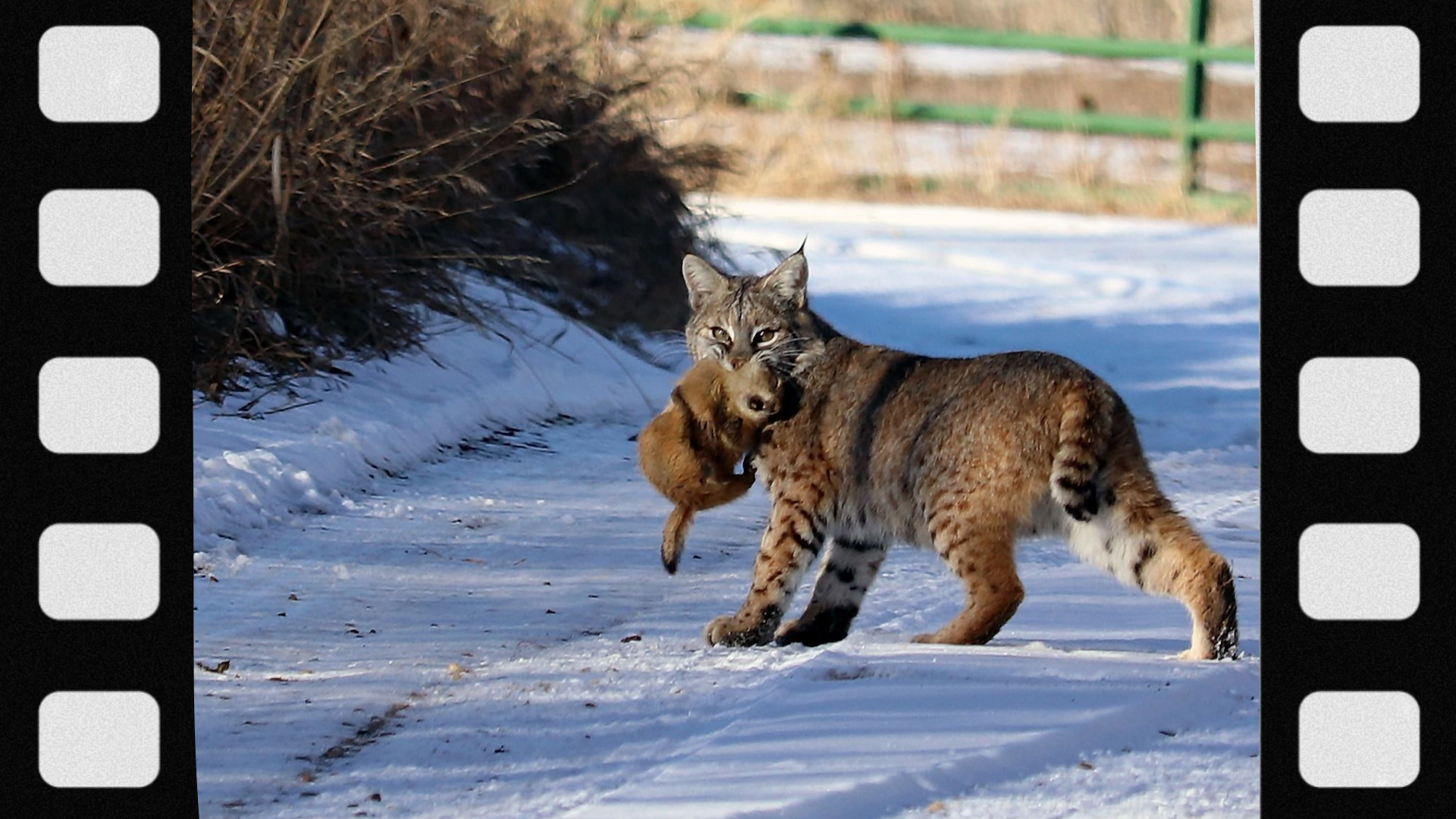
Bobcats are often active near dawn, dusk, and at night, although they may move in daylight, especially where conditions are quiet or food is available. Their activity patterns change with weather, human disturbance, season, prey distribution, and individual behavior. Maine’s wildlife agency notes that bobcats can be active at various times of day and are often difficult to observe.
What kinds of signs might a person notice?
- Tracks: Catlike, generally rounded paw prints, often with four toes and no obvious claw impressions on suitable surfaces. Surface conditions can distort them.
- Trail-camera images: Useful for identification when the image shows enough of the animal, but cameras must be used legally and respectfully.
- Travel corridors: Wildlife trails, edges of thick vegetation, and passages between feeding cover and sheltered terrain.
- Scrapes and other scent marks: Possible signs of feline territorial behavior, but not reliable proof of species on their own.
- Prey activity: Rabbits and rodents are part of the broader habitat picture, not a guarantee of bobcat presence.
Tracks can be confused with domestic cats, lynx, and other animals; the significance of any one clue is limited. Good fieldcraft begins with careful observation and ends with the ability to admit uncertainty.
Which Bobcat Hunting Methods Are Common?
The methods below explain what the term can include. They are not an assertion that every method is allowed where you live.
Calling from a stationary position
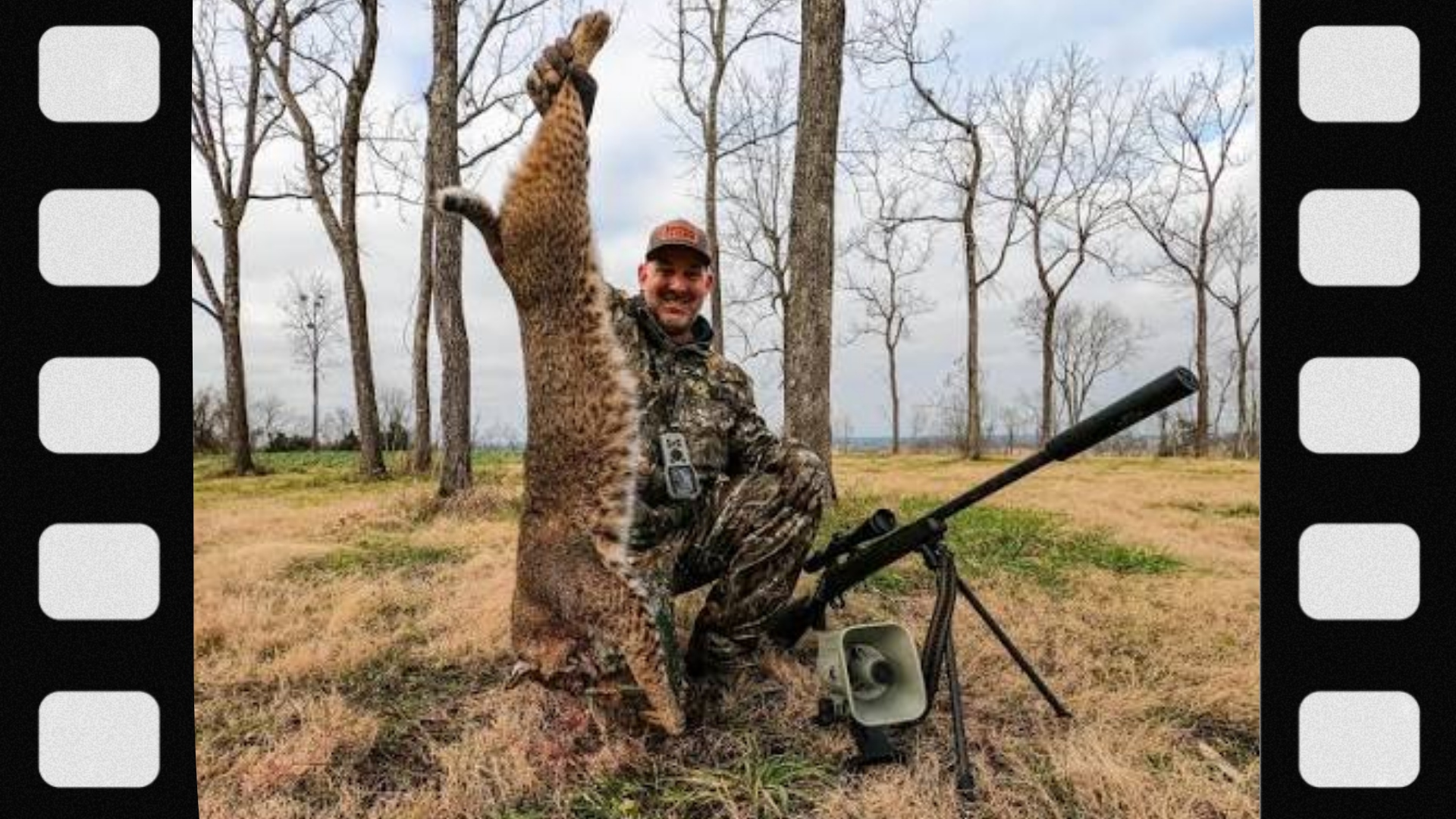
Predator calling involves imitating prey sounds to see whether an animal approaches or reveals itself. Hand calls and electronic calls are regulated differently in some jurisdictions. A stationary approach also gives the hunter more time to evaluate an approaching animal and the surrounding area. Calls may attract unintended wildlife or other hunters, so a safe and lawful setting is essential.
Observational hunting and still-hunting
Some legal hunters watch likely habitat for movement or move slowly while scanning for wildlife sign. Because bobcats blend into cover and are wary of human disturbance, an unsuccessful outing is common. The priority remains avoiding trespass, maintaining orientation, and identifying the species beyond doubt.
Hunting with dogs
Some jurisdictions allow trained dogs for bobcat pursuit during particular dates or in specified zones; others forbid it. Dog welfare, land boundaries, interactions with other animals, and the law deserve particular attention. A hunter should not assume methods allowed for raccoons, coyotes, or other animals also apply to bobcats.
Trapping
Trapping is not simply another word for hunting. It involves devices and checks governed by separate rules, often including trapper education, inspection intervals, reporting, identification, and animal-welfare standards. Anyone interested should receive training from the wildlife agency or an authorized education program before attempting it. This article does not provide instructions for setting traps.
What Equipment Does a Beginner Actually Need?
You do not need the most expensive equipment to participate responsibly. Select clothing and field supplies for the weather, terrain, legal activity, personal experience, and need to return safely.
| Item | Purpose | Priority | What to check |
|---|---|---|---|
| Valid licenses, permits, and required documentation | Legal authorization | Essential when required | Species, unit, land, season, residency, and method |
| Weather-appropriate clothing and sturdy boots | Comfort and protection | Essential | Cold, precipitation, traction, and mobility |
| Map, compass, and/or offline GPS | Navigation and boundary awareness | Essential for remote areas | Battery independence and current land information |
| Water, food, first-aid kit, and emergency contact plan | Health and emergency preparedness | Essential | Trip length and terrain conditions |
| Legally permitted hunting implement | Harvest only when lawful and appropriate | Method-dependent | Safe operation, training, legality, and compatibility |
| Binoculars | Observation from a safe distance | Useful | Clarity and ease of identifying wildlife without pointing a firearm |
| Hand call or electronic caller | Optional method of attracting attention | Optional | Local restrictions on calls and electronic devices |
| Protective gloves and clean handling supplies | Reduce exposure when handling carcasses | Essential if handling a harvest | Hygiene and proper disposal |
| Satellite communicator or backup communication | Emergency communication in poor coverage | Useful in backcountry | Coverage and subscription requirements |
Camouflage clothing may help a person remain visually unobtrusive, but it does not replace required high-visibility apparel where hunter-orange or similar rules apply. Nor does camouflage justify sitting where another hunter may mistake movement for wildlife.
Firearm and Field Safety During Bobcat Hunting
If firearms are used where legal, all four core firearm safety principles still apply:
- Treat every firearm as if it is loaded.
- Keep the muzzle pointed in a safe direction.
- Keep your finger off the trigger and outside the trigger guard until you are ready to shoot.
- Know your target, its identity, and what lies beyond it.
Inspect and operate equipment according to its manufacturer instructions. Transport and store firearms securely under applicable law. Avoid pointing a firearm at an unidentified shape through an optic; use binoculars instead. Never use darkness, movement, a sound, or an uncertain silhouette as a substitute for positive identification. Do not shoot toward roads, homes, livestock, other people, or terrain without a safe backstop.
Weather matters just as much as equipment. Cold, wet clothing, icy ground, poor visibility, exhaustion, and low phone coverage can turn an otherwise simple outing into an emergency. Tell someone where you are going and when you expect to return. If you cannot identify the animal or assess the background, do not take the shot.
Is Bobcat Hunting Ethical or Helpful to Conservation?
Ethics depend on more than whether an activity is technically legal. A responsible hunter should ask why the harvest is allowed, whether the animal can be identified and recovered humanely, and what role local wildlife management gives the species. State wildlife agencies may regulate harvest using biological data, monitoring, and social or conservation objectives. Those choices can be debated, and they are not uniform across the country.
Bobcats consume rodents, rabbits, and other animals and contribute to ecological processes. They are not inherently a threat to people; conflicts with small pets or poultry are typically better addressed first through secure housing, removing food attractants, and following wildlife-agency guidance. California’s wildlife agency emphasizes nonlethal conflict prevention and explicitly explains bobcats’ ecosystem benefits.
Fair-chase principles include respecting property boundaries, not harassing wildlife unlawfully, avoiding questionable shots, minimizing waste, and making a reasonable recovery effort after a lawful harvest. A hunter can support conservation without assuming every predator encounter should end with a kill.
Bobcat Pelts, Harvest Reporting, and CITES Tags
Because bobcats are furbearers, legal harvest may involve obligations after the animal is taken. Some states require prompt online reporting, physical inspection, pelt tagging, or additional paperwork before a pelt can be transferred. Indiana, for example, requires electronic harvest registration and subsequent pelt registration and tagging under its current rules.
CITES stands for the Convention on International Trade in Endangered Species of Wild Fauna and Flora. Its controls concern international trade, not a blanket declaration that bobcats are endangered everywhere. The U.S. Fish and Wildlife Service’s export guidance explains the tagging and documentation requirements for commercial export of native furbearer skins, including bobcats. State tagging rules may also govern possession or transportation. Before selling, shipping, tanning, exporting, or crossing a state line with a pelt, check the precise requirements that apply to your situation.
How Should a Lawfully Harvested Bobcat Be Handled?
Hygiene is essential because hunters can come into contact with parasites, bacteria, or other hazards when handling wild animals. The CDC’s wildlife health guidance recommends gloves when handling dead game, protecting open cuts, practicing tick prevention, and washing thoroughly afterward.
- Avoid handling an animal that appears obviously diseased; follow the wildlife agency’s directions if illness is suspected.
- Wear suitable disposable gloves when touching a carcass or pelt, and protect any cuts or broken skin.
- Keep tools and hands clean and avoid contact with the face or food while handling animal tissues.
- Dispose of waste lawfully, safely, and in a manner that does not attract other wildlife.
- Arrange any required registration, inspection, and professional processing without delay.
Bobcat meat is not a routine food choice for most hunters. Anyone considering consumption should seek qualified food-safety and local health guidance; do not assume general deer-meat advice or an unverified cooking temperature applies to wild felids. Do not eat meat from an animal that appeared ill or was improperly handled.
Common Misunderstandings About Bobcat Hunting
- “Bobcats are the same as Canada lynx.” They are different species, and confusing them can have serious conservation and legal consequences.
- “If coyotes are legal to hunt, bobcats must be too.” The two species can have completely different seasons, licenses, hours, and bag limits.
- “A landowner can always kill a bobcat near livestock.” Wildlife-damage laws and permit systems vary; protective enclosures and agency advice may be the appropriate first response.
- “Bobcats are always nocturnal.” They can be active in daylight, and their activity changes with local conditions.
- “Calling guarantees an opportunity.” Wildlife behavior is unpredictable; an animal may never approach or may remain unseen.
- “A hunting license covers trapping and selling pelts.” Those activities may require different permissions and additional paperwork.
- “Predator removal always increases game numbers.” Ecosystem outcomes depend on many interacting factors and cannot be guaranteed.
- “The season dates in an old article are good enough.” Quotas, orders, and regulations can change, including before the scheduled season ends.
A Responsible Beginner’s Pre-Hunt Checklist
- Verify the current official bobcat rules for the exact place and date.
- Complete all required hunter education and obtain the correct authorization.
- Know how to distinguish a bobcat from a lynx and domestic cat; decline uncertain opportunities.
- Check public-land and private-property permission requirements.
- Read the legal-method, permitted-hours, and equipment restrictions.
- Practice firearm or archery safety within your trained capabilities.
- Prepare for weather, navigation, first aid, and emergency communication.
- Understand harvest reporting, pelt tagging, and any transport restrictions.
- Decide in advance to pass on an unsafe, unclear, or unethical opportunity.
FAQs
1. What is bobcat hunting in simple terms?
It is the regulated pursuit and possible harvest of a wild bobcat by a hunter using methods authorized in the relevant location. In some places it is prohibited altogether.
2. Is a bobcat a type of lynx?
Bobcats belong to the genus Lynx, but the bobcat (Lynx rufus) and Canada lynx (Lynx canadensis) are distinct species with important differences in appearance, habitat, and legal protection.
3. Are bobcats dangerous to people?
They generally avoid people. Do not approach, corner, feed, or handle a wild bobcat, especially one behaving unusually; contact the appropriate animal-control or wildlife authority when necessary.
4. Is bobcat hunting legal in every state?
No. California, for example, has prohibited recreational bobcat hunting since 2020. Other states authorize regulated hunting with differing limitations.
5. Do you need a license to hunt a bobcat?
Where hunting is lawful, appropriate hunting authorization is generally required, and additional species-specific permits or privileges may apply. Confirm the exact requirements with the state wildlife agency.
6. Is there a nationwide bobcat hunting season?
No. Season dates and access depend on the jurisdiction, and some places have no open season. Quotas and emergency changes may also affect dates.
7. What time of year is bobcat hunting usually allowed?
Several jurisdictions schedule seasons during colder months, but no single month is universally legal. Refer to the official regulations for the current hunting year.
8. Can you hunt bobcats at night?
Only where the law explicitly permits it. Night-hunting rules, artificial-light restrictions, thermal-device rules, and public-land regulations require separate verification.
9. Can you hunt bobcats on public land?
Sometimes, but a statewide season does not mean every public parcel is open. Check the specific agency’s access and activity rules before entering.
10. Can you hunt bobcats on private property?
Only with lawful access, required permissions, and compliance with all other hunting laws. Property ownership does not automatically eliminate wildlife regulations.
11. Is bobcat hunting considered predator hunting?
Yes, it is commonly described as predator hunting because bobcats are carnivorous hunters. Many agencies also manage them as furbearers.
12. What is a furbearer?
A furbearer is an animal managed partly under regulations historically associated with its fur or pelt. The classification and related rules vary by jurisdiction.
13. Is bobcat hunting the same as bobcat trapping?
No. Hunting and trapping are distinct activities, and trapping may require different licenses, authorized devices, inspection duties, and education.
14. Are electronic predator calls allowed for bobcats?
They are allowed in some states and restricted in others. Missouri and Michigan provide examples of agency guidance discussing calls, but their rules do not apply nationwide.
15. Can hunters use dogs for bobcats?
Some locations authorize dogs during specified seasons, while others prohibit their use. Check dates, zone restrictions, land access, and animal-welfare obligations.
16. What do bobcats eat?
Rabbits, hares, rodents, and other small animals are important prey, with birds and larger prey occasionally included. Diet varies by habitat and food availability.
17. Do bobcats hunt during the day?
Yes. Although often active near dusk or dawn and after dark, bobcats may hunt or travel in daylight depending on local conditions.
18. Where do bobcats usually live?
They use varied habitats with prey and cover, including forests, rocky country, shrublands, swamp edges, and some suburban landscapes. Presence does not establish hunting legality.
19. How can you tell bobcat tracks from dog tracks?
Bobcat prints tend to be rounded and often lack obvious claw marks, whereas canine tracks more often show them. Mud, snow, and gait can make tracks misleading; use multiple clues rather than one print.
20. How do you tell a bobcat from a Canada lynx?
Look at several characteristics, including the underside of the tail tip, foot size, ear tufts, and body proportions. When identification is uncertain, do not shoot.
21. Are bobcats endangered?
Their conservation status varies by context, and international trade controls do not mean every bobcat population is endangered. Protected look-alike species, local rules, and conservation status still matter.
22. Does bobcat hunting help deer populations?
Not necessarily. Bobcats can take deer fawns, but removing a predator does not automatically produce more deer. Habitat, weather, disease, other predators, and management objectives all influence outcomes.
23. Why are bobcats sometimes managed as furbearers?
Historically, their pelts had economic and practical uses. Contemporary programs may include population monitoring, seasons, reporting, and restrictions to manage harvest.
24. Is bobcat fur legal to sell?
That depends on where the animal was taken and where the pelt will go. State possession and sale rules, mandatory tags, and international trade controls can apply.
25. What is a CITES tag for a bobcat?
It is documentation associated with regulated trade and identification of certain wildlife skins. Specific state harvest-tagging requirements and international export requirements must be checked separately.
26. Must a harvested bobcat be reported?
Some states require reporting or physical registration, sometimes within a short deadline. Indiana’s current regulation is one example; consult your own agency’s deadline.
27. Are there bobcat bag limits?
Some jurisdictions have individual limits, area limits, or season quotas, while others use different systems. Never assume that a “no bag limit” rule for another species applies to bobcats.
28. Is an electronic caller essential for beginners?
No. Calls are optional and may be restricted. Legal preparation, animal identification, navigation, weather readiness, and safe handling are more important first steps.
29. What should you do if you see a bobcat with kittens?
Observe from a distance without disturbing the family. If hunting, do not make a hasty decision, and check any applicable sex, age, and dependent-young restrictions.
30. Can you hunt bobcats to protect backyard chickens?
A property-damage concern does not automatically authorize hunting or killing a bobcat. Secure coops, remove attractants, and contact local wildlife authorities about legal options.
31. What if a bobcat approaches a hiking trail?
Give the animal space and do not attempt to touch, feed, or corner it. If it behaves abnormally or creates an immediate public-safety concern, notify the responsible wildlife agency.
32. How should someone handle a harvested bobcat safely?
Use gloves, protect cuts, follow public-health hygiene advice, avoid animals showing signs of disease, and follow the official registration and disposal rules.
33. Can you eat bobcat meat?
People sometimes ask about consumption, but it is not a standard recommendation. Seek region-specific health and food-safety advice before considering it, and never consume a sick or poorly handled animal.
34. What is the biggest beginner mistake in bobcat hunting?
Assuming that rules for other predators also apply to bobcats. Other serious mistakes include poor species identification, unsafe backgrounds, trespass, and failing to report a lawful harvest.
35. Can you photograph bobcats instead of hunting them?
Yes. Wildlife viewing and photography offer a nonconsumptive way to appreciate these elusive cats, provided you respect access restrictions and avoid disturbing animals.
36. Where can I get official information about bobcat hunting?
Start with the current hunting regulations from your state fish and wildlife department, then confirm land-specific rules with the managing agency. Direct questions about special circumstances to agency staff rather than relying on forum answers.
Final Answer: What Is Bobcat Hunting?
What is bobcat hunting? It is the regulated pursuit of a native wild cat that some jurisdictions classify as a furbearer or predator game species. The activity may involve observing habitat and using legally authorized hunting methods, but the defining responsibilities are knowing the law, identifying the animal correctly, keeping every decision safe, and meeting all post-harvest obligations. It is neither legal everywhere nor automatically necessary for wildlife management.
For beginners, the best next step is not buying a specialized call or planning a hunting method. It is checking the current wildlife regulations for the exact location, completing relevant education, learning bobcat-versus-lynx identification, and deciding whether a lawful, ethical hunt—or simply observing bobcats—is right for them.
Official Sources and Further Reading
- California Department of Fish and Wildlife — Bobcat conservation, conflicts, and statewide prohibition.
- Indiana Department of Natural Resources — Current bobcat season, licenses, quota, and registration.
- North Dakota Game and Fish — Bobcat zones, methods, season dates, and tagging.
- Missouri Department of Conservation — Introduction to predator hunting.
- Maine Department of Inland Fisheries and Wildlife — Bobcat natural history.
- U.S. Fish and Wildlife Service — Canada lynx identification and ecology.
- U.S. Fish and Wildlife Service — CITES and native fur export information.
- CDC — Wildlife handling and hunter health precautions.
Legal-information check: October 13, 2026. This is general educational information, not legal advice. Official, up-to-date rules control every hunting decision.