
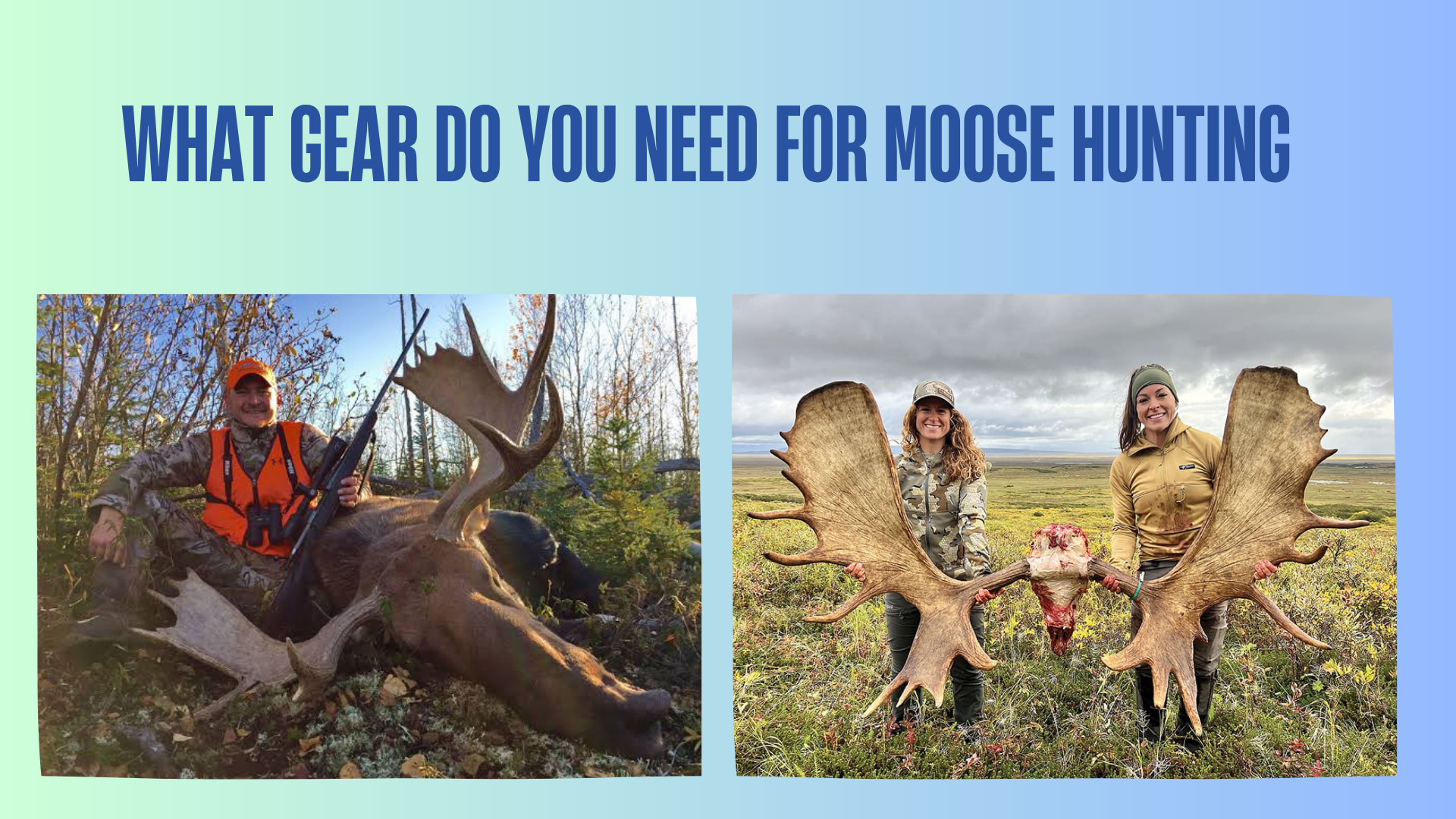

Moose hunting requires more preparation than an ordinary day hunt. In addition to legal hunting equipment, you need reliable navigation, weather protection, emergency communication, field-dressing tools, and a realistic plan for moving a very large animal from the field. The exact equipment depends on your hunting method, location, season, terrain, access, and local regulations.
This guide provides a practical starting point for new and experienced hunters. Always check the current regulations issued by the wildlife agency responsible for your hunting area because license, tag, hunter-orange, weapon, ammunition, evidence-of-sex, meat-salvage, and transportation rules vary.
Quick Answer
What gear do you need for moose hunting? At minimum, carry your required license and tag, a legal and familiar hunting firearm or bow, appropriate ammunition or arrows, binoculars, navigation tools, weatherproof layered clothing, sturdy boots, a first-aid and survival kit, emergency communication, and enough food and water. You also need knives, clean game bags, protective gloves, cord, a pack frame or other hauling system, and a complete meat-cooling and transportation plan. Do not begin a moose hunt without knowing how you will recover all legally required meat before it spoils.
Essential Moose Hunting Gear at a Glance
| Gear Category | Important Items | Priority | What to Check |
|---|---|---|---|
| Documents | License, moose tag or permit, identification, maps, land permission | Essential | Current season, hunt unit, boundaries, harvest and reporting rules |
| Hunting equipment | Legal firearm or bow, appropriate ammunition or arrows, sling or case | Essential | Legality, condition, zero, familiarity, and ethical effective range |
| Optics | Binoculars, lens cloth, optional rangefinder or spotting scope | Essential to useful | Weather resistance, clarity, and secure carrying method |
| Navigation | Paper map, compass, offline map, GPS, spare batteries | Essential | Ability to navigate without cellular service |
| Communication | Phone, satellite messenger, personal locator beacon, radio where legal | Essential in remote areas | Coverage, charging, emergency contacts, and local communication rules |
| Clothing | Base layers, insulation, rain shell, gloves, hat, legal hunter orange | Essential | Weather forecast, visibility rules, moisture management, and spare layers |
| Footwear | Waterproof boots, gaiters, spare socks, optional hip boots or waders | Essential | Terrain, water depth, insulation, fit, and break-in time |
| Survival | First-aid kit, fire starter, shelter, headlamp, food, water treatment | Essential | Training, waterproof storage, and trip duration |
| Field care | Knives, sharpener, gloves, clean game bags, cord, tarp | Essential | Meat-salvage laws, cleanliness, airflow, and cooling plan |
| Recovery | Pack frame, sled, cart, boat, winch, or arranged assistance | Essential plan | Access restrictions, payload limits, distance, terrain, and manpower |
1. Licenses, Tags, and Current Regulations
Start with the legal requirements rather than the equipment catalog. Carry every license, tag, permit, identification document, and land-access authorization required for the hunt. Save or print the relevant regulations and mark your hunt-unit boundaries on both electronic and paper maps.
Confirm all of the following before leaving:
- Season dates and legal hunting hours
- Exact hunt unit and boundary descriptions
- Whether your tag permits a bull, cow, calf, or another defined class
- Antler or other animal-identification requirements
- Legal firearm, bow, ammunition, and archery specifications
- Hunter-orange or other visibility requirements
- Motorized access and off-road vehicle restrictions
- Tag validation and attachment procedures
- Evidence-of-sex requirements
- Mandatory meat-salvage and removal order
- Harvest reporting, inspection, or registration procedures
For example, the Ontario Hunting Regulations Summary provides annual rules covering licenses, equipment, tagging, and other legal obligations. Hunters elsewhere should use the equivalent official agency for their destination.
2. A Legal and Familiar Hunting Setup
Bring a firearm, bow, muzzleloader, or other method that is legal for your season and that you can use competently. The most powerful option is not automatically the most appropriate. Reliable function, legal compliance, suitable ammunition or arrows, manageable recoil or draw weight, and accurate shot placement matter more than impressive specifications.
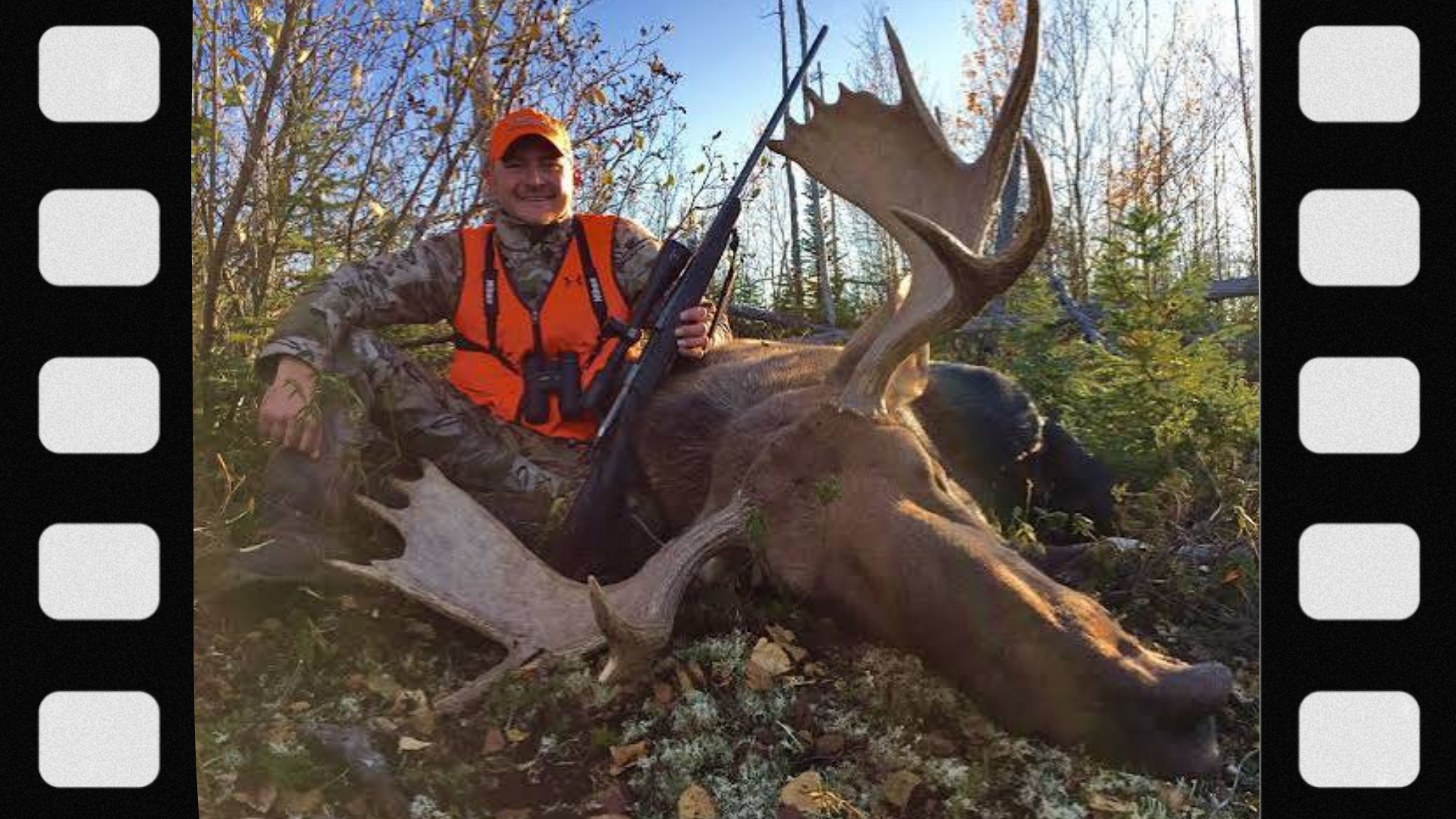
Your basic setup may include:
- A legal hunting firearm or bow
- Appropriate hunting ammunition, arrows, or bolts
- A secure sling, bow carrier, or protective case
- A properly mounted and confirmed optic or sight
- A small field maintenance kit appropriate to the equipment
- Only the amount of ammunition needed for the hunt and safe verification
Confirm zero or point of impact before the trip using the same lawful hunting load you intend to carry. Practice from realistic field positions and establish a personal maximum range at which you can consistently make an ethical shot. Never take a shot without a clear target, safe background, and high-confidence path to the vital area.
3. Binoculars and Other Optics
Binoculars allow you to search habitat and evaluate an animal without pointing a firearm at it. They are therefore one of the most important pieces of moose hunting equipment.
A rangefinder can help when distance is difficult to judge, particularly in open country or for archery hunting. A spotting scope may be useful in large open areas, but it can add unnecessary weight in dense forest or swamp habitat.
Carry a lens cloth and protect optical surfaces from rain, mud, and condensation. Use a harness or secure strap so your binoculars remain accessible without swinging while you walk.
4. Navigation and Mapping Equipment
Moose habitat often includes thick timber, wetlands, logging roads, river corridors, and areas with limited cellular coverage. Do not rely on a phone as your only navigation tool.
A dependable system includes:
- A printed topographic or hunt-unit map in a waterproof sleeve
- A compass and the knowledge to use it
- A GPS receiver or phone with offline maps downloaded in advance
- Spare batteries or a protected power bank
- Marked camp, vehicle, landing, and emergency pickup locations
- A method for recording the animal’s location after the shot
Test your digital maps while the device is in airplane mode. This confirms that the information you need is actually stored offline.
5. Emergency Communication
A charged phone is useful, but cellular service may be unreliable or absent. In remote country, consider a satellite messenger or personal locator beacon. Understand how to activate an emergency signal before the trip and ensure that emergency contacts know your route and return deadline.
Two-way radios may help members of a hunting party communicate, but their use is regulated in some jurisdictions. Never use communication equipment to coordinate hunting activity in a way prohibited by local law. Alaska’s current hunting regulations, for example, note that communications equipment may be used for safety while imposing rules on its hunting-related use.
Leave a written trip plan with a responsible person. Include your route, hunt area, vehicle or aircraft details, party members, communication devices, and the time at which that person should request help.
6. Layered, Weatherproof Clothing
Moose seasons can bring rain, wind, freezing mornings, wet brush, and rapid temperature changes. Choose a layering system that manages moisture and can be adjusted as your activity level changes.
- Base layer: Moves moisture away from the skin
- Mid layer: Provides insulation without excessive bulk
- Outer layer: Blocks wind and rain
- Insulated layer: Adds warmth during glassing or long periods of inactivity
- Accessories: Warm hat, brimmed cap, gloves, and neck protection
- Visibility garment: Hunter orange or another color required by law
Avoid depending on cotton in cold, wet conditions because it retains moisture. Pack at least one dry insulating layer in waterproof storage. The Alaska Department of Fish and Game’s remote travel guidance recommends warm waterproof layers and emergency supplies because weather can change quickly and delays are possible.
7. Boots, Gaiters, and Water-Crossing Gear
Your footwear should match the actual ground you expect to cover. Waterproof hunting boots may be sufficient on forest roads and relatively dry terrain. Rubber boots, gaiters, hip boots, or waders may be appropriate for bogs, marshes, shallow water, or boat-based access.
Choose footwear that provides traction, ankle support, and enough room for suitable socks without restricting circulation. Break boots in before the hunt and carry dry spare socks in a waterproof bag.
If traveling by boat, wear an appropriate personal flotation device. Cold water can quickly become life-threatening. Alaska’s hunting travel safety guidance emphasizes wearing a PFD on cold waters rather than merely keeping one nearby.
8. Daypack or Expedition Pack
A daypack should carry essentials without interfering with safe firearm or bow handling. Remote hunts may require a larger expedition pack plus a separate load-hauling system.
Useful features include:
- A stable frame and supportive hip belt
- Weather-resistant material or a pack cover
- Accessible storage for water and rain gear
- Compression straps
- A compartment or shelf suitable for clean, bagged meat
- A design that can be cleaned after the hunt
Do not assume every ordinary hiking backpack can safely carry a demanding meat load. Check the manufacturer’s intended use and load guidance.
9. First-Aid and Emergency Survival Kit
Carry a first-aid kit appropriate for your group size, trip length, and distance from professional care. Useful contents include wound dressings, gauze, medical tape, blister care, antiseptic supplies, nitrile gloves, and medications personally needed by members of the party.
A compact emergency kit should also include:
- Headlamp and spare batteries
- Waterproof fire-starting methods
- Emergency shelter or bivy
- Insulating blanket
- Whistle and signal mirror
- Repair tape and cord
- Backup food
- Water container and treatment method
Carry critical survival equipment on your body or in a small kit that stays with you if you become separated from the main pack. Take wilderness first-aid and hunter-education training rather than relying on equipment alone.
10. Food, Water, and Water Treatment
Pack enough food for the planned hunt plus a reasonable delay. Select foods that are easy to carry and eat in poor weather. Water requirements depend on temperature, exertion, trip length, and available water sources.
Bring a filter, purifier, or other treatment system appropriate to local water risks. Include a backup treatment method. Do not assume clear-looking wilderness water is safe to drink untreated.
11. Field-Dressing and Meat-Care Tools
Moose recovery requires more than a single pocketknife. Assemble and test a dedicated field-care kit before the hunt.
- Two dependable knives or a knife with spare blades
- A compact sharpener
- Cut-resistant gloves if desired
- Disposable food-safe or nitrile gloves
- Several strong, clean, breathable game bags
- Paracord or other suitable cord
- A clean tarp or ground sheet
- Flagging material where legal and removed after use
- Headlamp with spare batteries
- Cleaning materials for hands and tools
- A bone saw only if needed and legal
Game bags should protect meat from dirt and insects while permitting airflow. Ordinary plastic bags can trap heat and moisture, so they should not be used as long-term warm-weather meat storage.
12. A Realistic Moose Recovery System
Your extraction plan is essential equipment. Decide how the animal will be broken down, cooled, moved to the vehicle or pickup location, and transported to refrigeration. Account for distance, elevation, swamp crossings, daylight, weather, group ability, and legal access.
Possible recovery tools include:
- A load-rated pack frame
- A game cart where terrain and regulations permit
- A durable sled for suitable ground or snow
- A boat with adequate legal capacity and safety equipment
- A vehicle or off-road vehicle used only where permitted
- A winch, pulley, or mechanical-assistance system used safely
- Coolers or another cooling arrangement at the vehicle
- Additional capable helpers arranged in advance
Do not rely on dragging an intact moose over a long distance. Do not overload a boat, aircraft, vehicle, cart, or backpack. Check manufacturer limits and transportation regulations before the hunt.
13. Meat Cooling and Transportation Equipment
Rapid, clean cooling protects meat quality and may be required under local salvage rules. Remove heat efficiently, keep meat clean, promote airflow, and prevent pieces from lying in water or directly on dirty ground.
Your plan may require:
- Breathable game bags
- Clean cord for hanging bags where appropriate
- A shaded, ventilated cooling location
- Clean coolers at the vehicle or base camp
- A method to keep melting ice water from soaking meat
- Access to refrigeration or a processor
Know which portions must be salvaged and whether meat must be removed before antlers in your jurisdiction. Local regulations override general field-care advice.
14. Moose Calls and Wind Detection
A cow call, bull grunt, or scraping tool can be useful during seasons when calling matches moose behavior. Calling is a skill rather than a guaranteed method, and responses vary with timing, animal pressure, weather, and individual behavior.
A simple wind indicator can help you monitor scent direction. Use commercial wind powder or lightweight natural material only when lawful and environmentally responsible. Avoid leaving flagging, tape, or other litter in the field.
15. Gear for Camp-Based Moose Hunts
A remote or multiday camp may require additional equipment:
- Weatherworthy shelter with appropriate anchors
- Sleep system rated for expected conditions
- Reliable stove and lawful fuel storage
- Food storage appropriate for bear country
- Camp sanitation supplies
- Dry clothing stored separately
- Repair tools for tents, packs, boats, or vehicles
- Additional emergency food and fuel
- Charging system for essential electronics
Store food, garbage, and scented items according to local bear-safety requirements. Keep a clean camp and learn the recommended wildlife-response procedures for the area.
Gear Priorities by Hunting Style
| Hunting Style | Gear to Prioritize | Main Planning Concern |
|---|---|---|
| Road-access hunt | Maps, optics, rain gear, field-care kit, coolers, recovery assistance | Legal access and distance from the road to the animal |
| Backcountry hunt | Satellite communication, shelter, pack frame, water treatment, survival gear | Self-sufficiency and repeated meat-hauling trips |
| Boat-based hunt | PFDs, dry bags, navigation lights, emergency signaling, boat repair kit | Cold water, changing conditions, and safe payload capacity |
| Archery hunt | Rangefinder, legal bow setup, release or finger gear, spare essentials | Close-range opportunity and equipment familiarity |
| Late-season hunt | Insulation, traction, gloves, emergency shelter, cold-rated sleep system | Cold injury, short daylight, and frozen or snow-covered terrain |
| Guided hunt | Personal clothing, boots, required documents, optics, and guide-approved equipment | Confirming what the outfitter supplies and the condition of loaned gear |
Common Moose Hunting Gear Mistakes
Planning the Hunt but Not the Pack-Out
Finding a moose is only part of the hunt. Determine how you will recover the meat from every likely area before deciding to hunt there.
Relying Only on a Cellphone
A phone can fail because of poor coverage, cold temperatures, physical damage, or a depleted battery. Carry redundant navigation and communication options.
Taking Brand-New Boots Into the Field
Unbroken footwear can cause blisters and reduce mobility. Test boots, socks, gaiters, and waders before the trip.
Using Heavy Clothing Without Moisture Control
Overheating during travel can soak inner layers with perspiration and leave the hunter cold when movement stops. Add and remove layers as needed.
Carrying Too Few Game Bags
Moose produce multiple large meat sections plus loose trim. Bring enough strong bags for your chosen breakdown method and legal salvage obligations.
Depending on One Knife or Light
Knives become dull, blades can break, and batteries fail. Carry practical backups for tools needed during recovery.
Overloading Transportation Equipment
Excess weight can destabilize a boat, damage a cart or pack, or cause a vehicle accident. Follow payload limits and make additional trips when necessary.
Skipping a Regulation Check
Rules may change between seasons. Advice from a friend, an old video, or last year’s booklet is not a substitute for current official regulations.
Final Pre-Hunt Checklist
- License, tag, identification, and current regulations confirmed
- Hunt area, boundaries, access rules, and land permission verified
- Legal hunting equipment inspected and zero confirmed
- Ethical shooting range established through practice
- Paper and electronic navigation systems prepared
- Trip plan left with a responsible contact
- Emergency communication tested
- Weatherproof clothing and footwear tested
- First-aid, shelter, fire, lighting, food, and water supplies packed
- Field-dressing kit complete
- Enough clean game bags packed
- Recovery helpers and equipment confirmed
- Meat-cooling and transportation plan confirmed
- Harvest reporting and tagging procedures understood
Final Answer
What gear do you need for moose hunting? You need legally compliant hunting equipment, licenses and tags, binoculars, redundant navigation, emergency communication, layered waterproof clothing, sturdy footwear, survival supplies, and a complete field-care kit. Most importantly, you need enough clean game bags and a safe, legal recovery system capable of moving and cooling the harvested meat. Match every item to the terrain, weather, access method, and current regulations for your exact hunt area.
FAQs
1. What is the most important gear for moose hunting?
Legal hunting equipment, navigation, communication, weather protection, and a workable meat-recovery system are all essential. No single item replaces a complete plan.
2. Do I need a special license to hunt moose?
Moose hunting commonly requires a hunting license plus a species-specific tag, permit, or lottery authorization. Requirements differ by jurisdiction and season, so verify them with the responsible wildlife agency.
3. What firearm do I need for moose hunting?
Use a lawful, reliable hunting firearm that you can shoot accurately with appropriate legal ammunition. Cartridge and firearm rules vary, and shot placement remains more important than choosing equipment you cannot control well.
4. What bow equipment is needed for moose hunting?
You need a legal bow setup, lawful arrows and broadheads, a sight or aiming system, a release aid if used, and any required archery certification. Confirm minimum equipment standards in current local regulations.
5. How much ammunition should I carry?
Carry enough lawful hunting ammunition for reasonable field needs without adding unnecessary weight. Bring additional matching ammunition to camp or the vehicle for zero verification, stored and transported safely.
6. Do I need binoculars for moose hunting?
Yes. Binoculars help locate and identify animals without using a firearm scope as a viewing device. They also support safer evaluation of antlers and surrounding terrain.
7. Is a spotting scope necessary?
Not always. It is useful in open country but may be unnecessary in dense forest or wetland habitat where viewing distances are shorter.
8. Should I carry a rangefinder?
A rangefinder can improve distance assessment, particularly for archery hunting or open terrain. It does not replace practice or justify shooting beyond your demonstrated ability.
9. Do moose hunters need calls?
Calls are optional but can be useful during appropriate seasonal behavior. Learn realistic calling methods and remain alert because a responding animal may approach closely.
10. What clothing is best for moose hunting?
Use moisture-managing base layers, adjustable insulation, waterproof outerwear, gloves, head protection, and any legally required visibility garment. Match insulation to weather and activity level.
11. Is camouflage necessary?
Camouflage can help break up the hunter’s outline, but wind management, movement control, legal visibility requirements, and suitable habitat use are more important. Hunter orange may be mandatory.
12. Do I need hunter orange?
That depends on the jurisdiction, season, and hunting method. Check the current official rule for garment type, placement, and required coverage.
13. What boots are best for moose country?
Choose waterproof, supportive boots with dependable traction. Rubber boots, gaiters, hip boots, or waders may be appropriate in wet habitat, but the correct choice depends on conditions.
14. Should I bring waders?
Bring waders only when water depth and route conditions justify them. Use them carefully because deep water, current, cold, and unstable footing create serious hazards.
15. What size backpack do I need?
Pack size depends on trip length and hunting style. More important than capacity is a stable fit, weather protection, and a load system suitable for the intended use.
16. Do I need a pack frame?
A pack frame is highly useful when meat must be carried over terrain unsuitable for a cart or vehicle. Use equipment designed for heavy loads and work within your physical ability.
17. How many game bags should I bring?
Bring enough strong, breathable bags for all legally required meat under your planned breakdown method, plus a spare. The necessary number and size vary by bag design and regulations.
18. Can I use plastic garbage bags for moose meat?
Plastic can trap heat and moisture and is unsuitable for cooling warm meat. Use clean, breathable game bags and follow local food-safety and salvage guidance.
19. What knife is best for field dressing a moose?
A comfortable, controllable knife that holds or accepts a dependable edge is more useful than an unnecessarily large blade. Carry a backup and a safe sharpening method.
20. Do I need a bone saw?
Not necessarily. Some breakdown methods require little or no bone cutting. If you carry one, use it safely and ensure your method complies with evidence-of-sex and salvage requirements.
21. Should I carry disposable gloves?
Yes. Food-safe or nitrile gloves help keep hands and meat cleaner. They do not replace handwashing, clean tools, or careful meat handling.
22. What navigation tools should I carry?
Carry a paper map and compass plus an offline digital map or GPS. Know how to use each option and pack protected spare power.
23. Is a satellite messenger necessary?
It is strongly worth considering in remote areas without dependable cellular coverage. A personal locator beacon is another emergency option, while some devices also provide non-emergency messaging.
24. What should be in a moose hunting first-aid kit?
Include wound dressings, gauze, tape, blister care, gloves, antiseptic supplies, and personal medication. Adapt the kit to group size and remoteness, and obtain first-aid training.
25. Should I carry bear spray while moose hunting?
Bear spray may be appropriate where bears are present and lawful to carry. Learn correct storage and deployment, check transportation restrictions, and follow local wildlife-agency advice.
26. What emergency shelter should I carry?
Carry a compact shelter suitable for expected weather, such as an emergency bivy or tarp. On remote hunts, use a more substantial shelter and sleep system.
27. How much food and water should I pack?
Needs depend on exertion, weather, body size, trip duration, and available water. Carry extra food for delays and a dependable water-treatment system with a backup.
28. Can I hunt moose alone?
Solo hunting may be legal, but it significantly complicates emergencies and meat recovery. Assess your experience, physical ability, communication, and extraction plan honestly before going alone.
29. How many people are needed to pack out a moose?
There is no universal number. Distance, terrain, weather, pack capacity, individual fitness, and recovery method determine how much help is needed.
30. Can I use an ATV to recover a moose?
Only where motorized travel is legal and the vehicle is permitted on the specific route or land. Stay within payload limits and avoid unnecessary habitat damage.
31. What gear is needed for a boat-based moose hunt?
Use properly fitted PFDs, dry bags, navigation equipment, emergency signaling, spare propulsion or repair supplies, and all legally required boating equipment. Never exceed the boat’s capacity.
32. How do I keep moose meat cool?
Expose the meat to clean, cool airflow, place it in breathable game bags, keep it shaded, and move it toward refrigeration promptly. Follow local salvage and food-safety guidance.
33. Do I need large coolers?
Coolers can help during vehicle transport, but their number and size depend on the breakdown method and cooling plan. Do not seal warm meat in a way that traps heat.
34. What should I ask a moose hunting outfitter?
Ask what gear is supplied, what you must bring, how meat and antlers are recovered, how emergencies are handled, and what licenses or permits remain your responsibility.
35. How early should I prepare my gear?
Begin well before the season so there is time to practice, break in footwear, test electronics, confirm regulations, repair equipment, and arrange transportation or recovery help.
36. What is the biggest gear-planning mistake?
The biggest mistake is failing to plan for recovery and meat cooling. Every potential hunting location should be evaluated according to how a harvested animal can be removed legally and safely.
37. Do regulations require meat to be removed before antlers?
Some jurisdictions impose removal-order requirements, while others do not. Read the current rules for your exact hunt rather than assuming a general standard.
38. Should I carry printed regulations?
Yes. A printed or offline copy is useful when cellular service is unavailable. Confirm that it is the current version and includes emergency changes or special permit conditions.
39. Is a hunting partner part of the recovery plan?
Yes. A capable partner can assist with navigation, emergencies, field care, and hauling. Discuss responsibilities and safe firearm handling before entering the field.
40. What gear should stay on my body?
Keep essential communication, navigation, fire-starting, signaling, and emergency items with you rather than leaving everything in the main pack, boat, or vehicle.
Read more: