
Can a felon go hunting? In the United States, sometimes—but a felony conviction can restrict firearm possession, hunting methods, licenses, and travel. A person may be able to hunt with a bow or another lawful method in some jurisdictions, but the controlling federal, state, local, probation, and parole rules must be checked before going afield.
What Determines Whether a Felon Can Hunt?
“Felon” is not a complete legal answer. Eligibility depends on several facts:
- The country and state where the person lives or hunts
- The specific felony and whether firearm rights were restored
- Probation, parole, supervised-release, or court-order conditions
- Whether the hunting method involves a firearm, bow, crossbow, or airgun
- Current hunting-license, permit, and weapon regulations
- Whether the person is transporting or possessing firearms or ammunition
Because these rules can change and penalties may be serious, general online guidance should not be treated as legal advice.
Why Firearm Hunting Is Usually the Main Legal Problem

Federal law generally prohibits many people convicted of felony-level offenses from possessing firearms or ammunition. A hunting rifle, shotgun, muzzleloader, handgun, and ammunition can all raise separate possession issues. A firearm does not need to be loaded or used for hunting to create a potential legal problem.
State law may impose additional restrictions. A state may also have separate rules concerning firearm possession, hunting licenses, muzzleloaders, antique firearms, ammunition, and restoration of civil rights. Do not assume that a hunting license authorizes firearm possession.
Being near a firearm can also create risk
Possession is not limited to holding a gun. Depending on the facts and applicable law, constructive possession or control may be alleged when a person has access to, authority over, or control of a firearm. Keeping another hunter’s rifle in a vehicle, handling it at camp, or storing it in a home may therefore require careful legal review.
Do not handle, transport, store, load, unload, or control a firearm unless a qualified attorney confirms that doing so is lawful.
Can a Felon Hunt With a Bow or Crossbow?
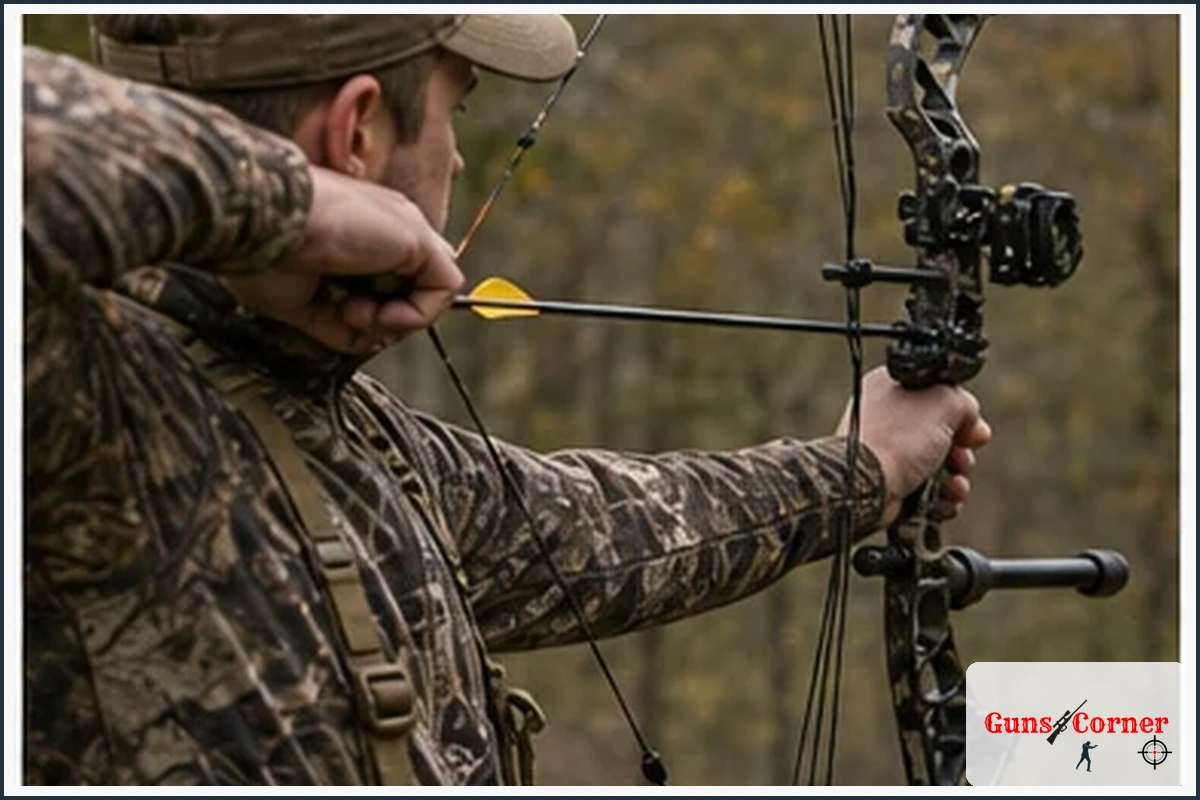
In some jurisdictions, a person with a felony conviction may legally hunt with a bow or crossbow if the person is otherwise eligible and follows all regulations. This is not universal. Some states impose restrictions based on the conviction, supervision status, weapon type, or hunting license.
Archery hunting still requires compliance with:
- A valid hunting license and any required tags or permits
- Season dates and weapon-specific regulations
- Minimum draw-weight, broadhead, or equipment rules where applicable
- Hunter-education requirements
- Land-access and trespass laws
- Bag limits, tagging, reporting, and game-recovery rules
A bow or crossbow is not a legal workaround if a court order, probation condition, or state law prohibits hunting or weapon possession.
Does a Felony Conviction Prevent a Hunting License?
Not automatically everywhere. A hunting license and firearm rights are separate legal questions. Some agencies may issue a hunting license while the person remains prohibited from possessing firearms. Other jurisdictions may restrict licensing based on the conviction, unpaid obligations, supervision status, or specific wildlife-law violations.
| Question | Why It Matters |
|---|---|
| Can the person legally possess the chosen weapon? | A license does not override firearm or weapon restrictions. |
| Can the person obtain the required hunting license? | Licensing rules vary by state and conviction history. |
| Are probation or parole conditions active? | Supervision terms may restrict weapons, travel, or hunting. |
| Is the method legal during the selected season? | Archery, crossbow, muzzleloader, and firearm seasons can differ. |
| Is the hunting location lawful? | Private permission, public-land rules, and federal restrictions may apply. |
How to Verify Eligibility Before Hunting
- Read the sentencing and supervision documents. Check probation, parole, supervised-release, and court conditions for weapon, travel, or outdoor restrictions.
- Contact the state wildlife agency. Ask specifically about hunting-license eligibility and the intended hunting method.
- Confirm firearm status separately. A licensed attorney should evaluate federal and state firearm-possession rules.
- Check the current regulation booklet. Verify season dates, permits, equipment rules, public-land restrictions, and reporting requirements.
- Get written clarification when possible. Keep agency correspondence and legal advice with your hunting documents.
- Do not hunt until every requirement is satisfied. Uncertainty is a reason to pause, not to test the rule in the field.
What a Felon Should Not Do
- Do not borrow, hold, transport, or store a firearm without legal confirmation.
- Do not assume an unloaded firearm is legally harmless.
- Do not assume an antique firearm, muzzleloader, airgun, or ammunition is exempt.
- Do not rely on another hunter to “own” or control the firearm for you.
- Do not hunt while violating probation, parole, or supervised-release conditions.
- Do not hunt without the required license, tag, permission, or permit.
- Do not cross state lines with weapons without checking every applicable law.
- Do not take a shot unless the target and what lies beyond it are clearly identified.
Safety Rules Still Apply to Archery Hunting
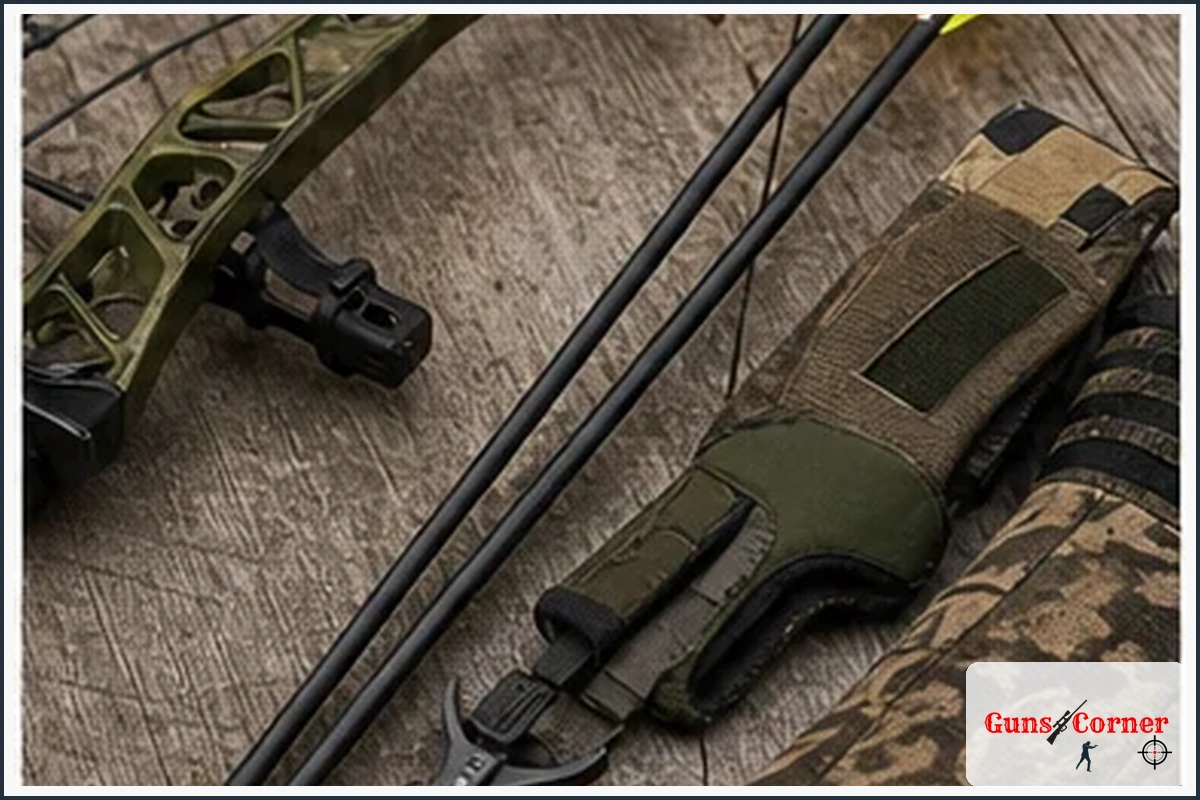
Archery equipment can cause serious injury. Keep arrows pointed in a safe direction, use a suitable backstop, inspect strings and limbs, follow manufacturer instructions, and practice before hunting. Crossbow users should follow the manufacturer’s cocking and decocking procedures and never dry-fire the equipment.
For any lawful hunting method, complete hunter education when required or available, respect property boundaries, follow fair-chase principles, and make every reasonable legal effort to recover wounded game.
FAQs
Can a felon hunt deer?
Possibly, depending on the state, conviction, supervision conditions, license status, and hunting method. Firearm deer hunting may be prohibited even when archery hunting is lawful.
Can a felon hunt with a muzzleloader?
Do not assume so. Muzzleloader definitions and firearm-possession rules differ, and some muzzleloaders may still be treated as firearms under applicable law. Obtain jurisdiction-specific legal advice first.
Can a felon go hunting with someone who owns the rifle?
Simply having another person own the rifle does not necessarily remove possession concerns. A felon should not handle, control, transport, or have access to a firearm unless a qualified attorney confirms that arrangement is lawful.
Can a felon hunt with a crossbow?
Some jurisdictions allow it when the person is otherwise eligible and the season permits crossbows. Verify the current wildlife regulations and all court or supervision conditions.
Does a hunting license restore firearm rights?
No. A hunting license and firearm rights are separate issues. Licensing authorities and firearm laws must be checked independently.
Who should a felon contact before hunting?
Contact the state wildlife agency about licensing and hunting rules, and consult a qualified criminal-defense or firearms-rights attorney about possession, transportation, restoration, probation, and parole issues.
Final Answer: Can a Felon Go Hunting?
Yes, a felon may be able to hunt in some circumstances, particularly with a lawful non-firearm method, but there is no universal answer. Firearm possession is often the most serious restriction, and hunting-license eligibility does not automatically authorize firearm use. Verify the current rules with the relevant wildlife agency, review all supervision conditions, and obtain qualified legal advice before hunting.
Related posts:
What Grain Bullet for Deer Hunting? Caliber-by-Caliber Guide

How to Choose a Pot Call: A Beginner-Friendly Turkey Hunting Guide

15 Best Rain Pants for Hunting: Waterproof, Quiet, Packable, and Camo Rain Gear Picks
What Is a Spike Camp? Backcountry Hunting Guide

15 Best Hunting Ear Plugs for Hearing Protection and Field Awareness
