

Alabama hunting season varies by species, hunting zone, weapon, land type, and license status. Deer, turkey, waterfowl, dove, squirrel, rabbit, and other game each have separate seasons, so hunters should use the current Alabama Department of Conservation and Natural Resources regulations before going afield.
What Alabama Hunting Season Includes
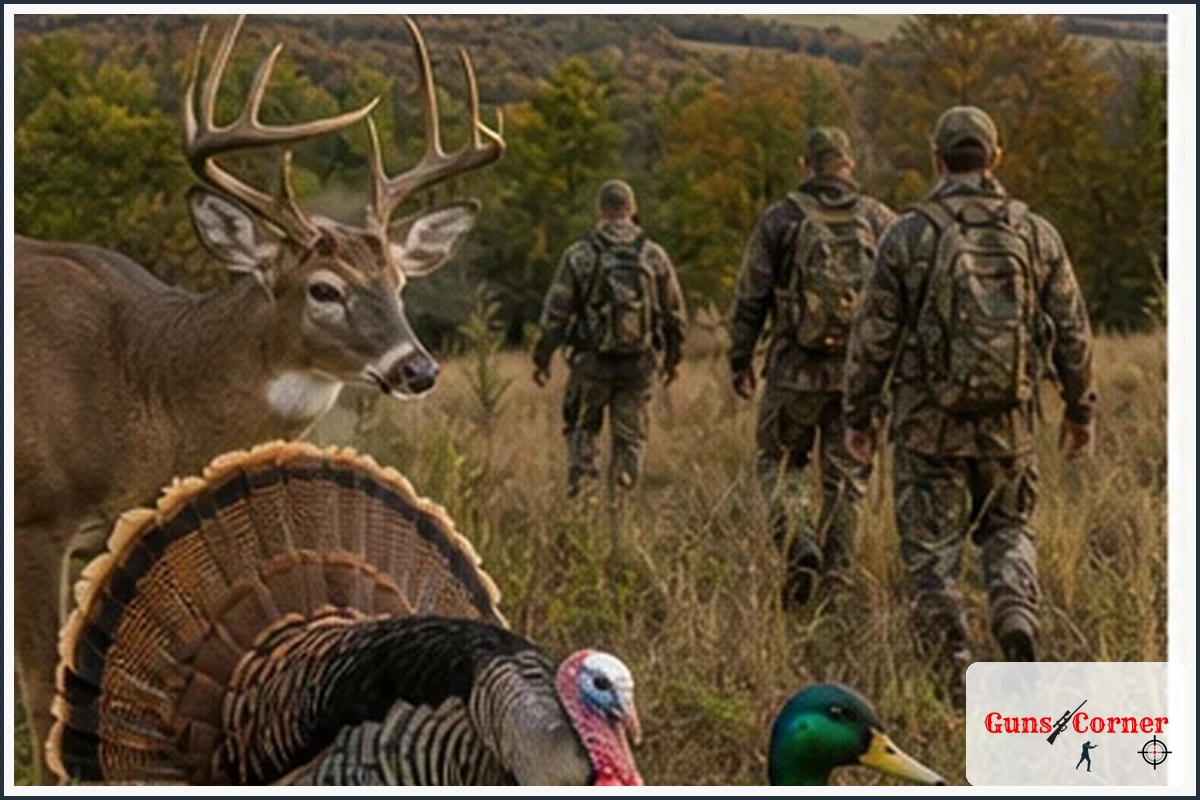
Alabama offers hunting opportunities during much of the year, but the legal season depends on the species and location. Major categories include:
| Game | Important Variables | What to Verify |
|---|---|---|
| White-tailed deer | Zone, sex, weapon, and season segment | Dates, legal weapons, bag limits, and reporting rules |
| Wild turkey | Spring or fall season, zone, and permit requirements | Season dates, harvest limits, and tagging or reporting requirements |
| Waterfowl | Species, migratory-bird rules, and hunting zones | Federal framework, state dates, licenses, and stamps |
| Dove | Season segments and daily limits | Opening times, bag limits, and ammunition restrictions |
| Small game | Species and statewide or regional rules | Dates, possession limits, and legal methods |
Why Alabama Hunting Season Dates Change
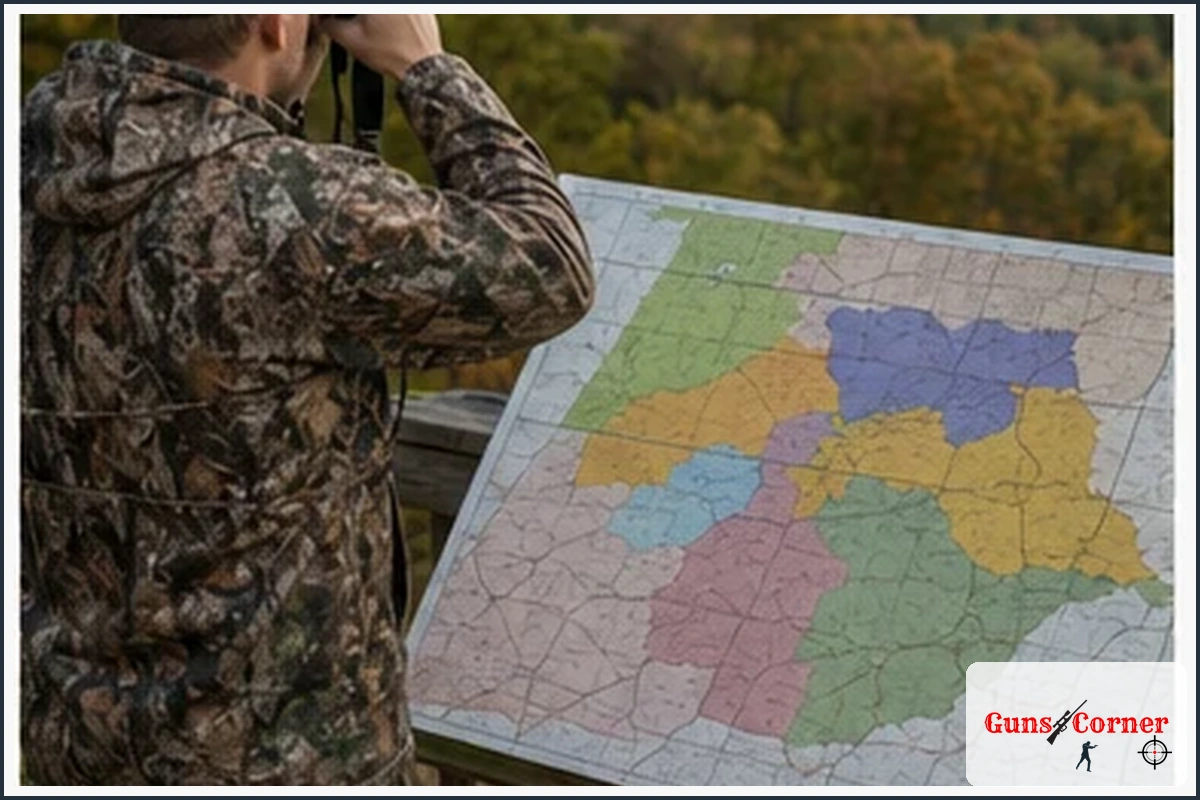
Alabama hunting regulations can differ according to:
- Wildlife management zone or county
- Species, sex, or age class
- Archery, muzzleloader, shotgun, or centerfire rifle use
- Private land, wildlife management area, or other public property
- Resident or nonresident status
- Special youth, disabled-hunter, or permit hunts
- Emergency wildlife-management orders
A date found in an older article may no longer be valid. Official regulations always take priority over general hunting guides, printed summaries, or social-media posts.
Deer Hunting Season in Alabama
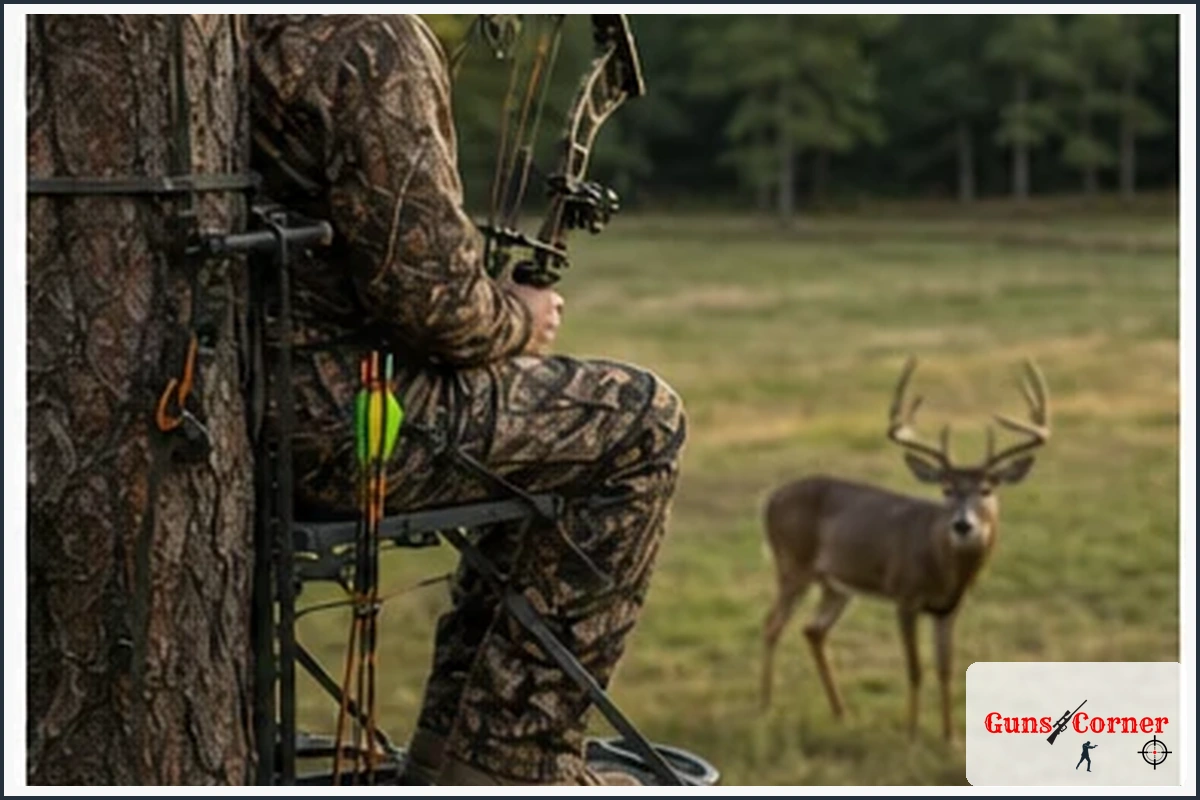
Alabama deer hunting commonly includes archery, primitive weapons, and firearms seasons. Exact dates and legal deer limits vary by zone and may also depend on the weapon being used.
What Deer Hunters Should Check
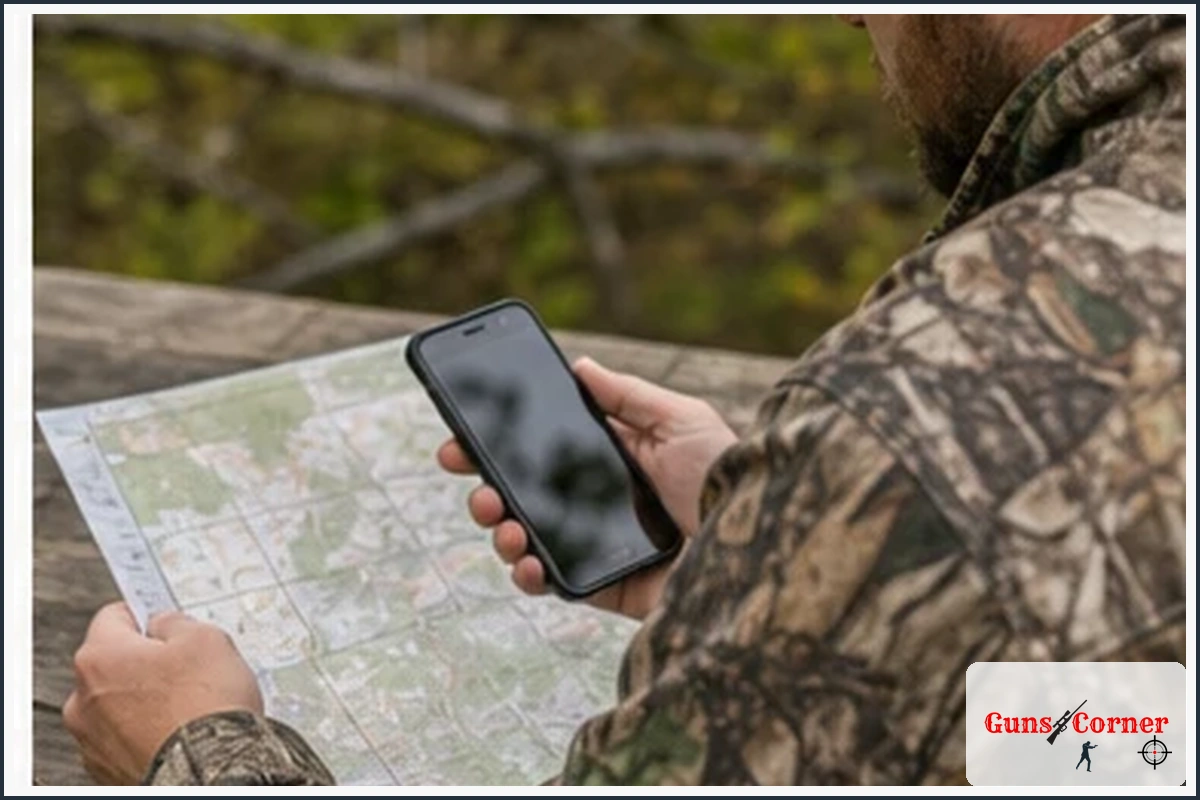
- The correct deer zone for the property
- Opening and closing dates for the selected weapon
- Whether antlered or unantlered deer may be harvested
- Daily, seasonal, or possession limits
- Game-check or harvest-reporting requirements
- Hunter-orange requirements and exceptions
- Rules for wildlife management areas
Before taking a shot, identify the animal and confirm that the firearm, ammunition, season, and property rules are all legal. A safe backstop and knowledge of what lies beyond the target are essential.
Turkey Hunting Season in Alabama
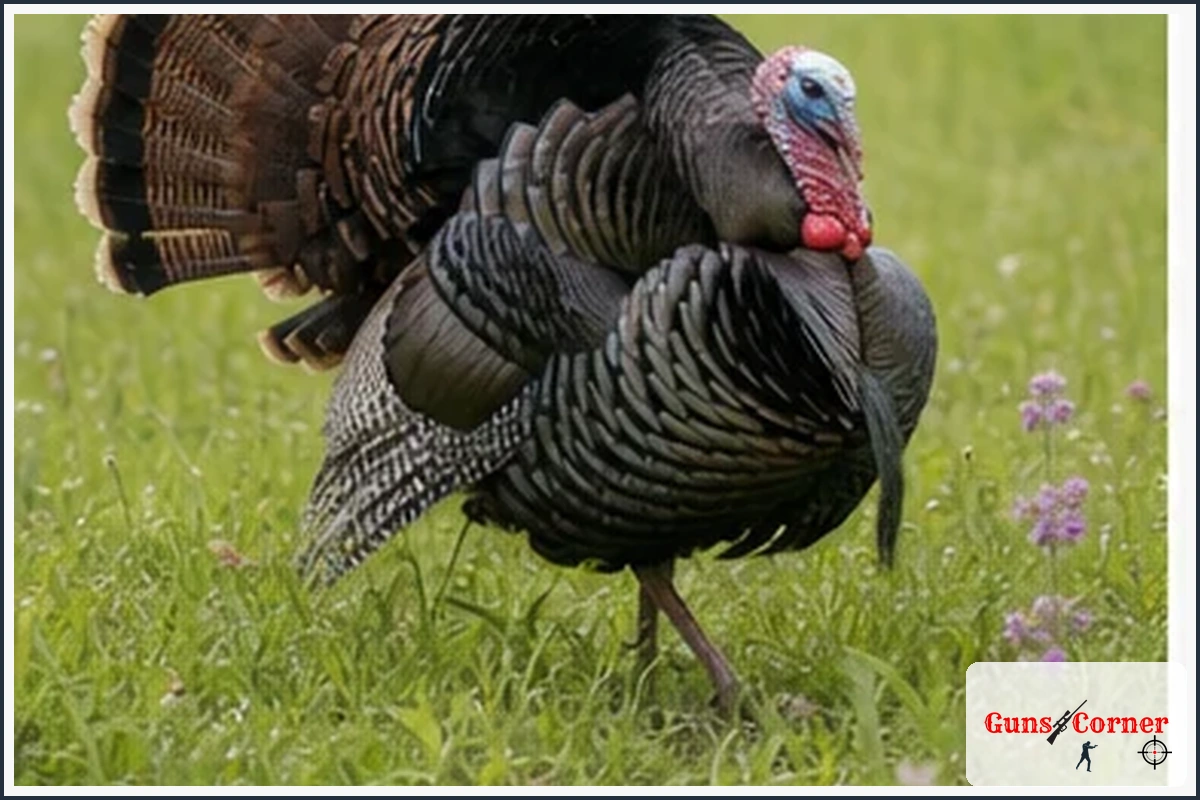
Alabama is well known for its spring turkey hunting opportunity, and fall turkey hunting may also be available under separate rules. Turkey seasons, zones, harvest limits, and permit requirements must be checked in the current regulations.
Turkey Hunting Preparation
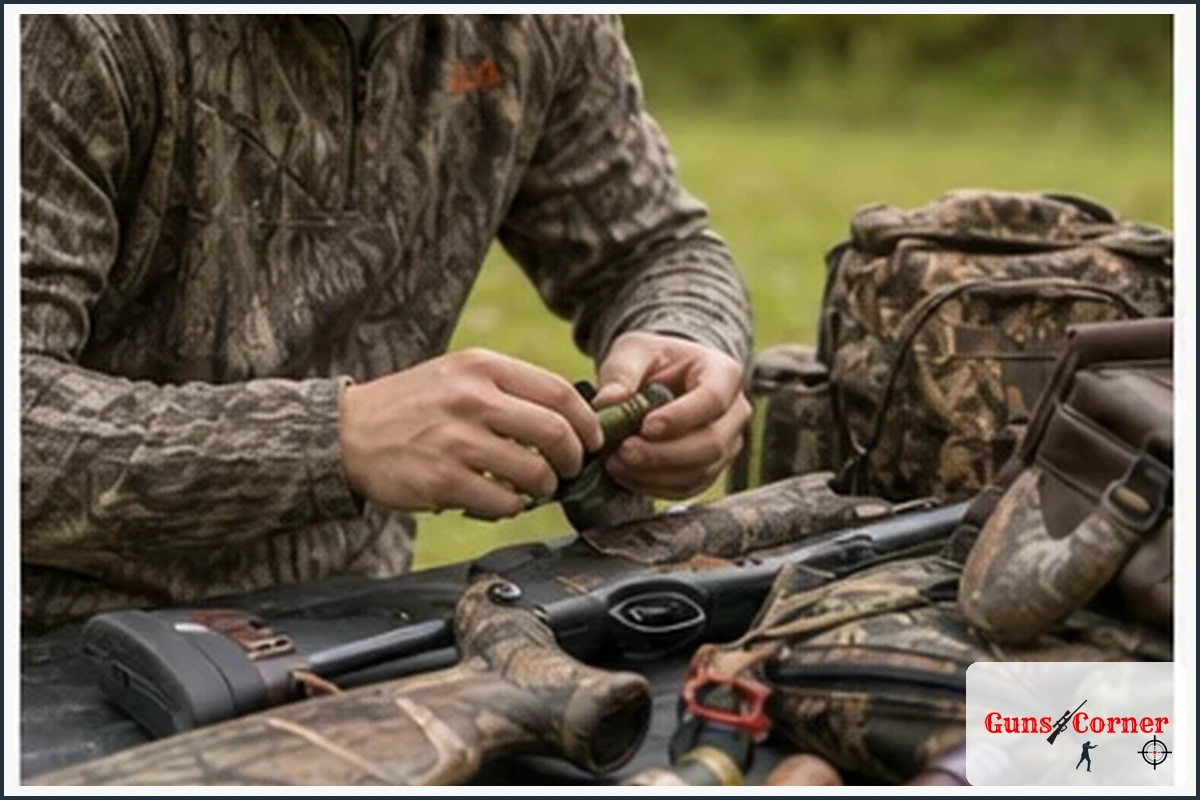
- Complete required hunter education and licensing steps.
- Confirm the correct turkey zone and season segment.
- Review legal calling, tagging, reporting, and equipment rules.
- Identify the bird positively before shooting.
- Never use a turkey call to approach an unidentified person.
- Wear required safety clothing and follow public-land restrictions.
Turkey hunting demands careful target identification because hunters may be concealed and calling from the same habitat.
Waterfowl and Migratory Bird Seasons
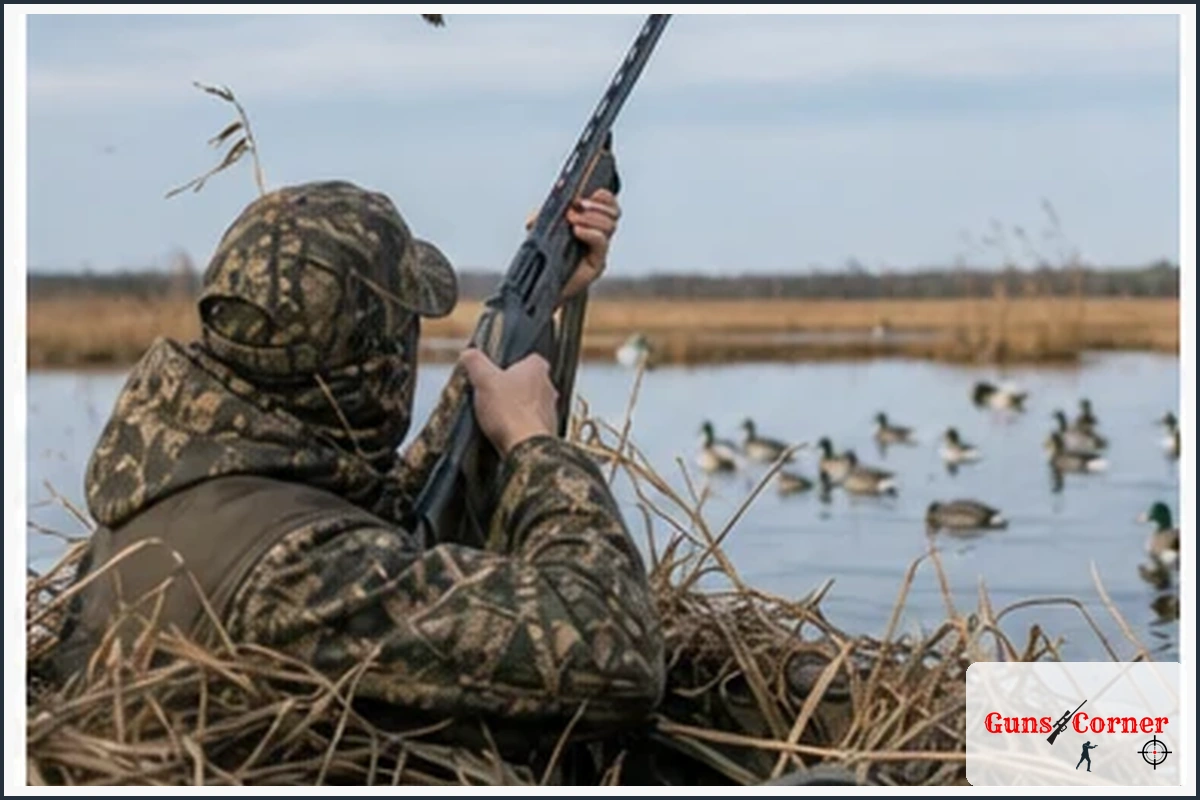
Duck, goose, coot, merganser, dove, and other migratory-bird seasons are influenced by both Alabama regulations and federal migratory-bird frameworks. Dates and limits can vary by species and zone.
Waterfowl hunters should verify:
- Federal and state hunting licenses
- Required migratory-bird or waterfowl stamps
- Species-specific daily and possession limits
- Legal shooting hours
- Approved non-toxic shot requirements
- Special refuge, wildlife-management-area, and boat rules
Use a properly fitted personal flotation device when boating or hunting in cold water. Weather, waves, ice, waders, and firearm handling can quickly create life-threatening conditions.
Small-Game Hunting Seasons
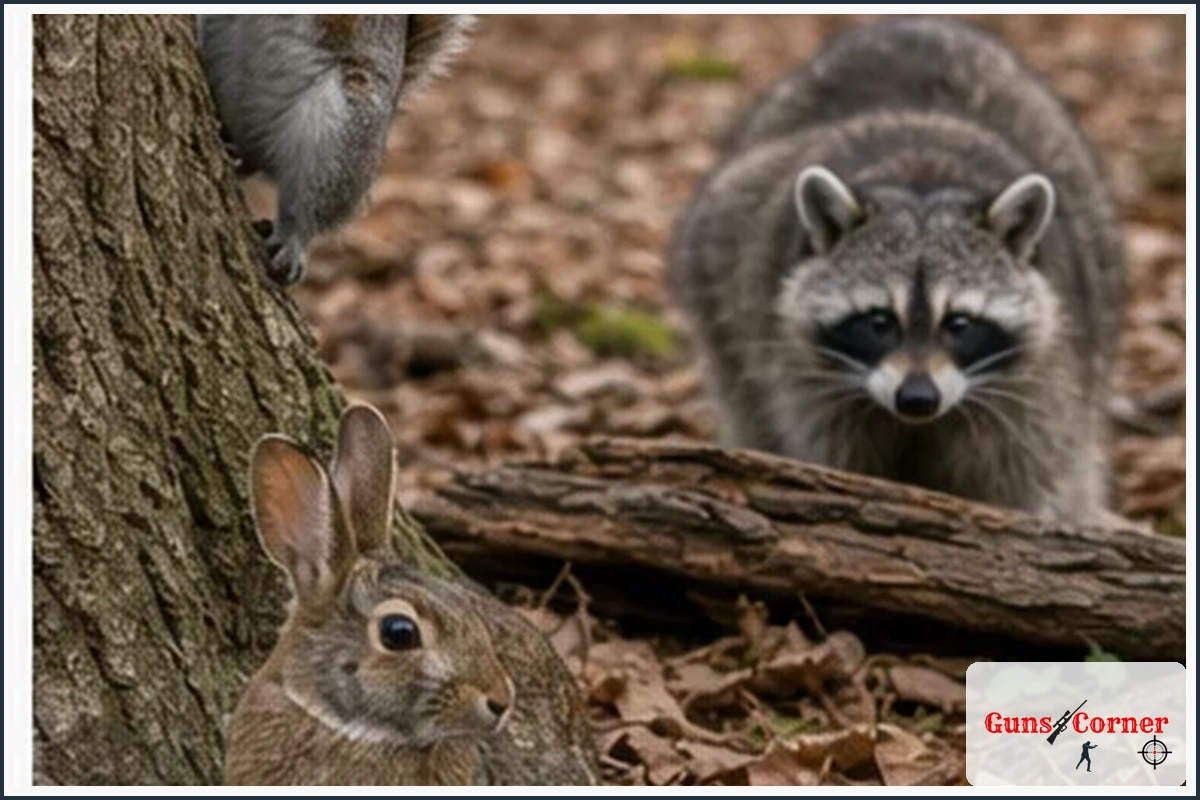
Alabama small-game opportunities may include squirrel, rabbit, raccoon, opossum, and other designated species. These hunts are often suitable for introducing new hunters to safe firearm handling, wildlife identification, tracking, and ethical harvest.
Small-game hunters should verify the season for each species instead of assuming that all small game shares one calendar. Also check legal weapons, nighttime restrictions, bag limits, land-access rules, and dog-hunting provisions.
How to Check the Current Alabama Hunting Regulations
- Visit the official Alabama Department of Conservation and Natural Resources website.
- Open the current hunting regulations or wildlife regulation publication.
- Identify the species, county, zone, weapon, and property type.
- Check season dates, limits, licenses, permits, and reporting requirements.
- Review wildlife management area or federal-land supplements if applicable.
- Confirm updates again immediately before the hunt.
For migratory birds, also review current federal requirements and the official Alabama waterfowl regulations. Regulations may change because of wildlife disease, habitat conditions, emergency orders, or management decisions.
Licenses, Tags, and Harvest Reporting
Most Alabama hunters need appropriate licenses, permits, or tags unless a specific exemption applies. Requirements may differ for residents, nonresidents, youth, landowners, military personnel, and hunters using public lands.
Carry required documentation while hunting and complete harvest reporting within the required period. Do not assume that owning land automatically removes every licensing or reporting obligation.
Public-Land and Private-Land Hunting
Public Land
Wildlife management areas, national forests, and other public properties may have additional rules. Check boundaries, permits, daily access requirements, weapon restrictions, shooting hours, check-in procedures, and area-specific bag limits.
Private Land
Obtain clear permission before hunting private property. Respect posted boundaries, neighboring landowners, livestock, homes, roads, and occupied buildings. Permission to hunt does not automatically permit access across another property to recover game.
Firearm and Archery Safety During Alabama Hunting Season
- Treat every firearm as if it is loaded.
- Keep the muzzle pointed in a safe direction.
- Keep your finger outside the trigger guard until ready to shoot.
- Be certain of the target and what lies beyond it.
- Use only ammunition compatible with the firearm.
- Unload firearms before climbing, crossing obstacles, or entering vehicles.
- Wear eye and hearing protection during practice and sight-in sessions.
- Use a full-body fall-arrest system and lifeline in elevated stands.
- Do not take shots beyond your practiced ability.
Common Alabama Hunting Season Mistakes
- Relying on an old season calendar
- Confusing one wildlife zone with another
- Ignoring wildlife-management-area supplements
- Forgetting required stamps, permits, or harvest reporting
- Assuming private-land rules apply on public land
- Failing to confirm legal ammunition or weapon restrictions
- Shooting without identifying the target and background
- Entering private property while tracking wounded game
- Ignoring severe weather, heat, cold, or unsafe terrain
Ethical Hunting in Alabama
Ethical hunting means following the law, using fair-chase methods, taking only high-confidence shots, and making every reasonable legal effort to recover harvested game. Hunters should avoid waste, respect wildlife habitat, report violations appropriately, and support conservation programs that maintain healthy populations.
Practice with your firearm or bow before the season. Equipment cannot replace accurate shooting, animal identification, good judgment, or knowledge of local regulations.
FAQs
1. When is Alabama hunting season?
There is no single Alabama hunting season. Dates vary by species, zone, weapon, and property type, so check the current official regulations.
2. When does deer season start in Alabama?
Deer season opening dates vary by zone and weapon. Verify the current archery, primitive-weapons, and firearms dates for the property you plan to hunt.
3. Does Alabama have different deer hunting zones?
Yes. Deer regulations can differ among Alabama zones, including season dates, limits, and legal harvest categories.
4. When is turkey season in Alabama?
Alabama has regulated spring turkey hunting and may provide fall opportunities under separate rules. Check the current zone-specific regulations.
5. How long is Alabama spring turkey season?
The spring turkey season is commonly several weeks long, but exact dates and limits must be confirmed in the current official regulations.
6. Can nonresidents hunt in Alabama?
Nonresidents may hunt when they obtain the required Alabama licenses, permits, and stamps. Requirements vary by species and hunting method.
7. Do Alabama hunters need hunter education?
Many hunters must meet hunter-education requirements based on age and circumstances. Confirm current requirements through Alabama’s official wildlife agency.
8. Is hunter orange required in Alabama?
Hunter-orange requirements depend on the season, weapon, property, and activity. Review the current regulation booklet before hunting.
9. Are Alabama hunting regulations different on wildlife management areas?
Yes. Wildlife management areas may have additional permits, dates, limits, check-in rules, and weapon restrictions.
10. Can I hunt deer with a rifle in Alabama?
Rifle use depends on the season, zone, firearm rules, and property. Confirm that centerfire rifles and the intended ammunition are legal for that hunt.
11. Can I hunt Alabama deer with a bow?
Archery seasons are available in many areas, but dates and equipment rules vary. Check minimum equipment and season requirements.
12. Are muzzleloaders legal for Alabama deer hunting?
Muzzleloader legality depends on the applicable season and regulation. Verify the definition of a legal primitive weapon before hunting.
13. Does Alabama require deer harvest reporting?
Alabama may require harvest reporting through its official game-check system. Follow the current instructions and deadlines for the applicable species.
14. What licenses are needed to hunt deer in Alabama?
License requirements depend on residency, age, land type, and other circumstances. Use the official license guide for the current requirements.
15. When is duck season in Alabama?
Duck dates vary by species and zone and are influenced by federal migratory-bird frameworks. Check both current state and federal requirements.
16. Does Alabama require non-toxic shot for waterfowl?
Federal migratory-bird rules generally require approved non-toxic shot for waterfowl. Confirm current ammunition requirements before hunting.
17. When is dove season in Alabama?
Dove season is divided into regulated segments. Check opening dates, shooting hours, bag limits, and any area-specific rules.
18. Can I hunt squirrels in Alabama?
Squirrel hunting is regulated by season and limit. Confirm the current dates and legal methods before going afield.
19. Can I hunt rabbits in Alabama?
Rabbit hunting is allowed during designated seasons, subject to current limits and legal-method rules.
20. Can I hunt at night in Alabama?
Night hunting rules vary by species, method, and location. Never assume that lights, thermal optics, or night equipment are legal without checking current regulations.
21. Is baiting deer legal in Alabama?
Baiting rules are subject to Alabama law and may include licensing or distance restrictions. Verify the current requirements before placing or hunting over bait.
22. Can I use a trail camera while hunting in Alabama?
Trail-camera rules may differ between private land, public land, and wildlife management areas. Check the current regulations for the property.
23. Can I hunt on Alabama national forest land?
Hunting may be available on national forest land, but federal property rules and Alabama wildlife regulations both apply. Confirm boundaries and restrictions.
24. Do I need permission to hunt private land?
Yes. Obtain permission from the landowner or authorized manager before entering or hunting private property.
25. What should I carry while hunting in Alabama?
Carry required licenses and permits, identification, communication equipment, navigation tools, water, first aid supplies, weather-appropriate clothing, and legally required safety equipment.
26. What should I do before opening day?
Check current regulations, secure licenses, scout legally, practice with your equipment, inspect safety gear, plan emergency communication, and confirm property access.
27. Can Alabama hunting dates change after publication?
Yes. Emergency orders, disease-management decisions, weather events, or other wildlife concerns can change regulations.
28. Where can I find official Alabama hunting dates?
Use the Alabama Department of Conservation and Natural Resources, Wildlife and Freshwater Fisheries Division, and its current hunting regulations publication.
29. Are federal rules important for Alabama hunting?
Yes, especially for migratory birds, federal lands, non-toxic shot, and certain wildlife-management requirements.
30. What is the safest way to prepare for Alabama hunting season?
Complete hunter education, verify current rules, practice within your abilities, identify targets positively, plan for emergencies, and stop when conditions become unsafe.
Final Answer: Alabama Hunting Season
Alabama hunting season is divided by species, zone, weapon, and property type. Deer, turkey, waterfowl, dove, and small-game seasons all have different dates and requirements. Before hunting, consult the current Alabama Department of Conservation and Natural Resources regulations, review any federal or property-specific rules, secure the proper licenses, and follow safe, ethical hunting practices.