
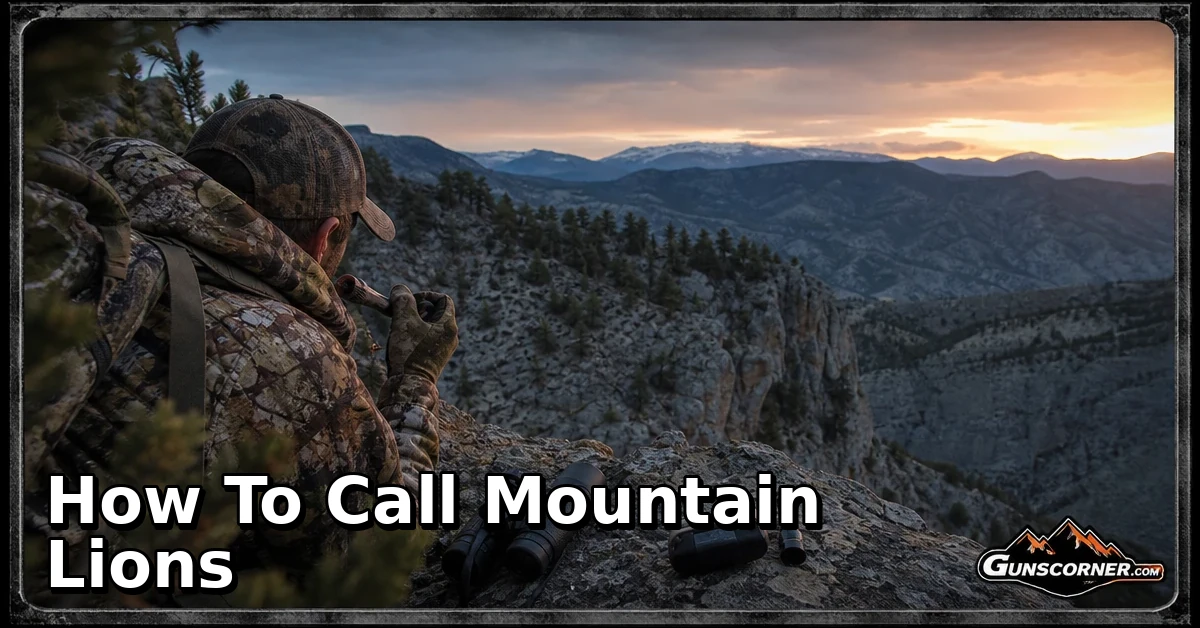

Learning how to call mountain lions requires patience, careful scouting, realistic expectations, and strict attention to local laws. Mountain lions are elusive predators, and calling success depends on habitat, weather, prey availability, hunting pressure, and the animal’s response to sound. This guide explains how to prepare, choose a legal setup, use prey and mountain lion vocalizations responsibly, and make safe, ethical decisions in the field.
To call mountain lions, first confirm current regulations, obtain the required license and permits, scout suitable habitat, and choose a setup with good visibility and a favorable wind. Use a legal distress or animal vocalization at low volume, remain still, and watch carefully for a long period because a mountain lion may approach quietly. Always identify the target and background before considering a shot, and hunt with an experienced mentor whenever possible.
Important Legal and Safety Notice Before You Hunt
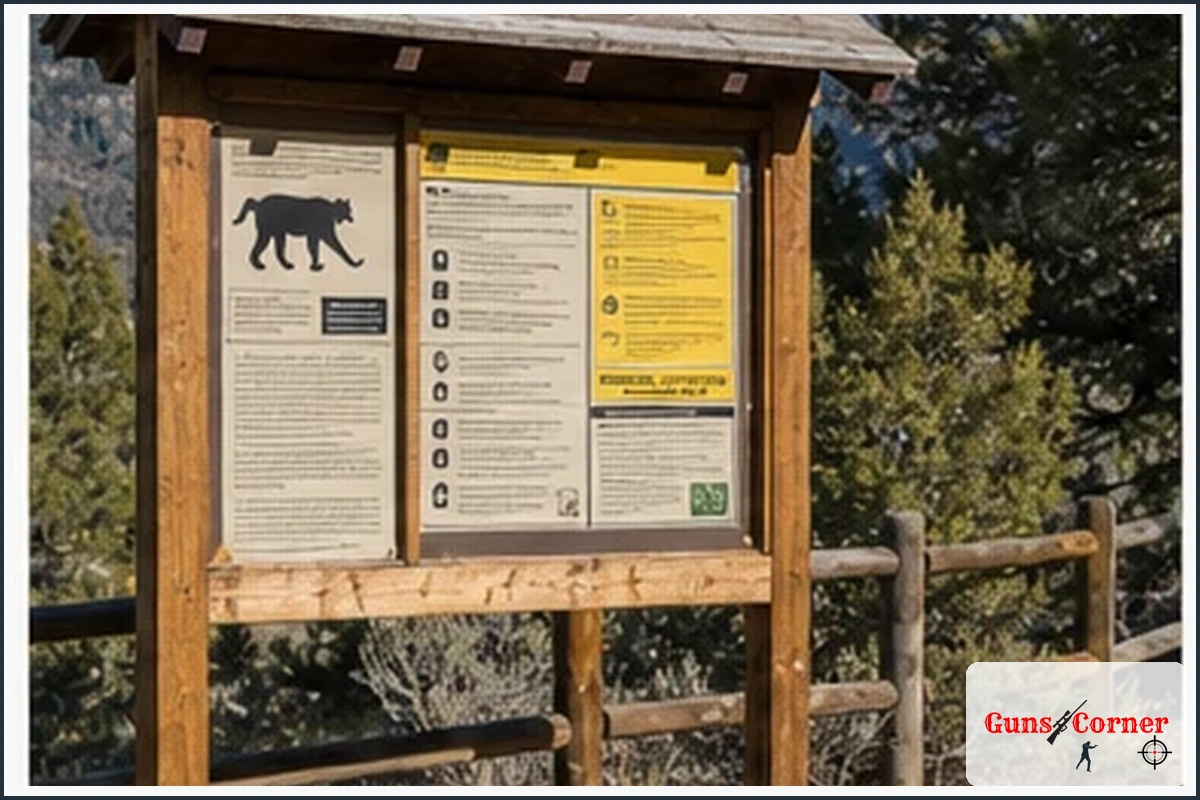
Mountain lion regulations vary widely by state, province, season, hunting unit, weapon type, land classification, and population-management rules. Before hunting, check the official wildlife agency for current requirements.
- Confirm your hunting license, permit, tag, and eligibility requirements.
- Verify the legal season, hunting hours, bag limits, and harvest-reporting rules.
- Check which weapons, ammunition, calls, dogs, bait, and electronic devices are legal.
- Confirm public-land boundaries or obtain written permission for private land.
- Learn required hunter-orange or visibility rules.
- Complete hunter education and use an experienced mentor if you are new to hunting.
- Identify the animal and what lies beyond it before firing.
- Never shoot toward roads, homes, livestock, people, vehicles, or unclear movement.
- Plan for navigation, weather changes, communication, hydration, and emergencies.
Understanding Mountain Lion Behavior
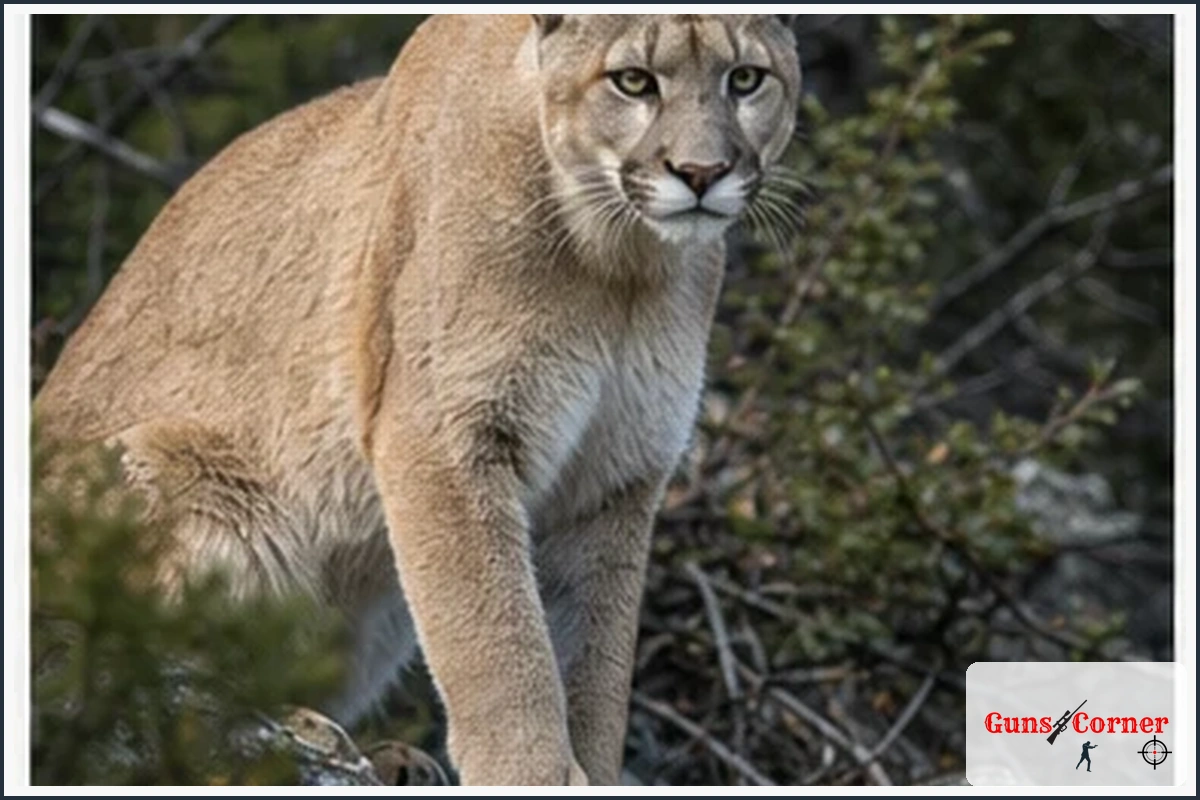
Mountain lions are solitary, wide-ranging predators that often travel through rugged terrain, cover, and areas supporting deer or other prey. They may investigate a distress sound out of curiosity, territorial interest, or perceived feeding opportunity, but they do not respond predictably every time.
A lion can approach slowly, use cover, circle downwind, or remain hidden while watching the caller. This makes visibility, wind direction, patience, and careful scanning especially important. Do not assume that silence means the setup has failed.
Where Calling Is Most Likely to Make Sense
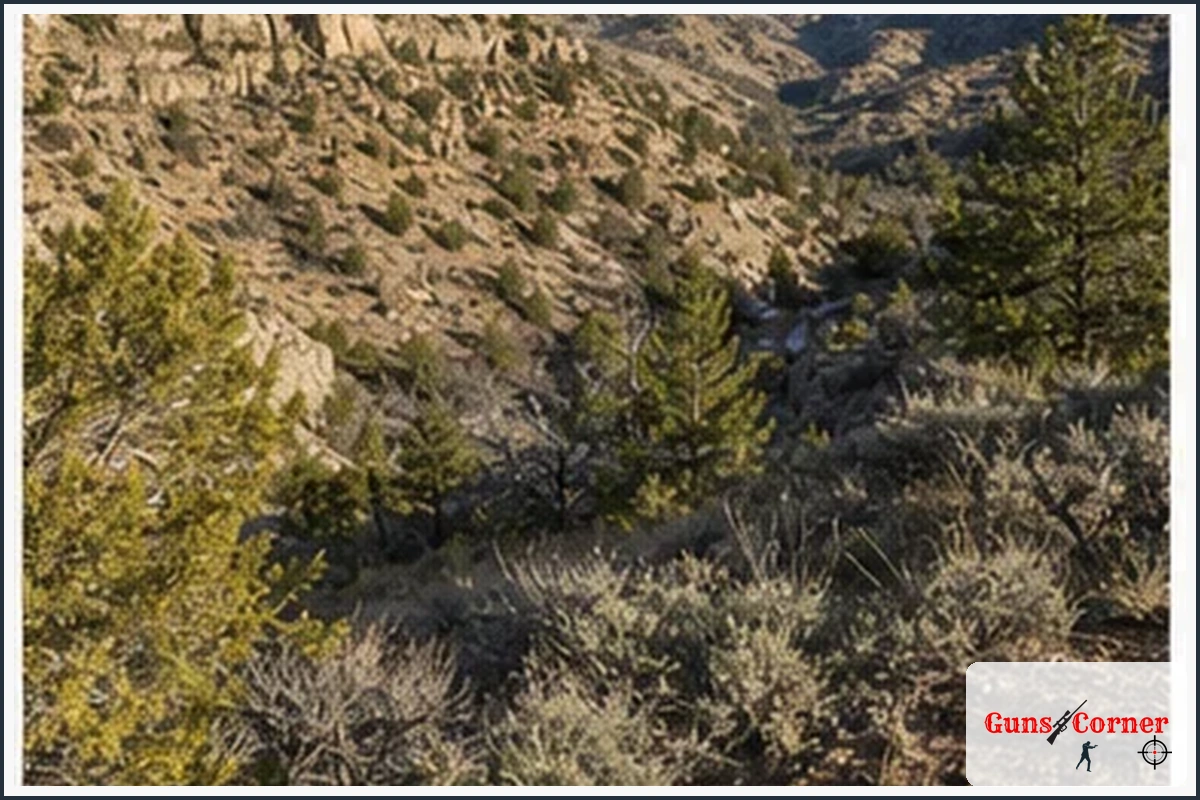
Focus on legal areas containing suitable cover, prey, water, and travel routes. Useful terrain may include brushy draws, canyon edges, broken foothills, timber transitions, and secluded basins. Avoid choosing a location solely because it looks remote; access, safe shooting angles, wind, and visibility matter just as much.
Signs Worth Learning
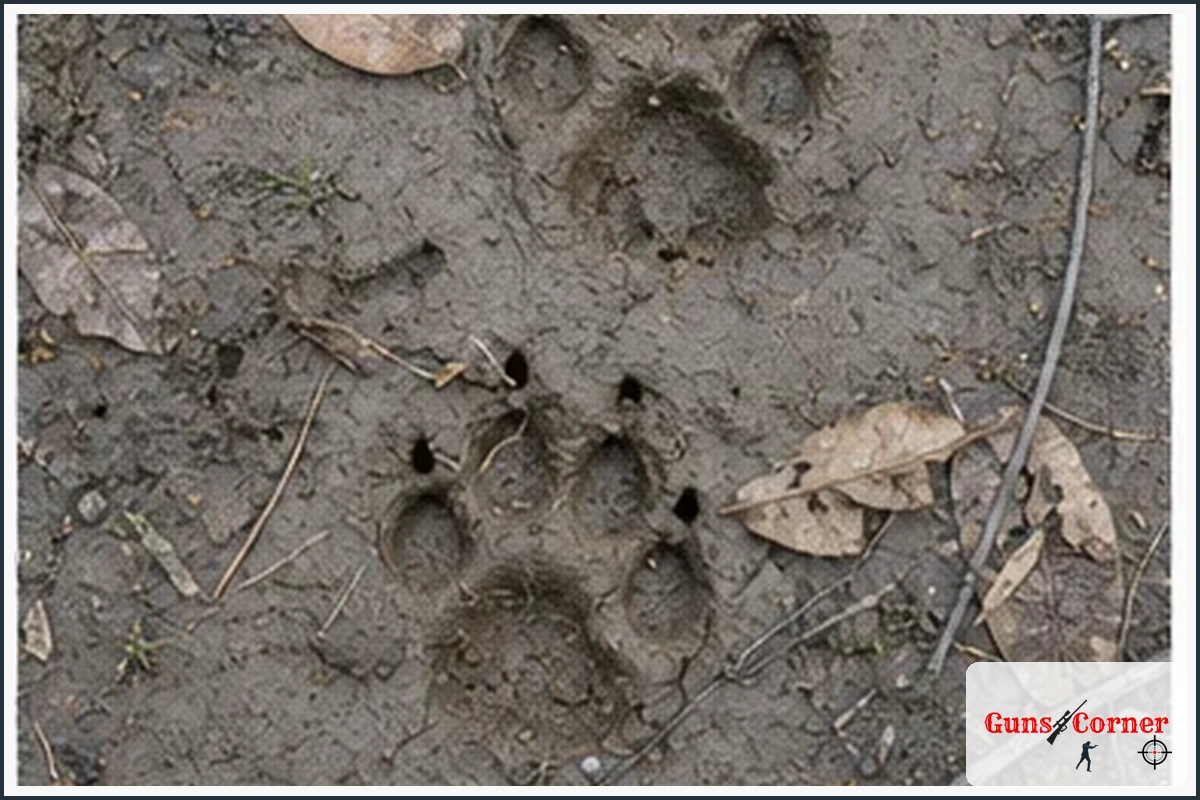
- Fresh tracks on mud, dust, snow, or soft soil.
- Game trails connecting feeding, bedding, and watering areas.
- Scrapes, scat, or other predator sign identified with help from a qualified local source.
- Concentrations of deer or other legal prey species.
- Tracks and movement corridors near canyon crossings or saddles.
- Reports from land managers or wildlife professionals, where legally and ethically obtained.
Sign should be interpreted carefully. One old track does not prove a lion is still using the area. Look for several pieces of recent evidence and avoid excessive disturbance during scouting.
Gear and Preparation Checklist
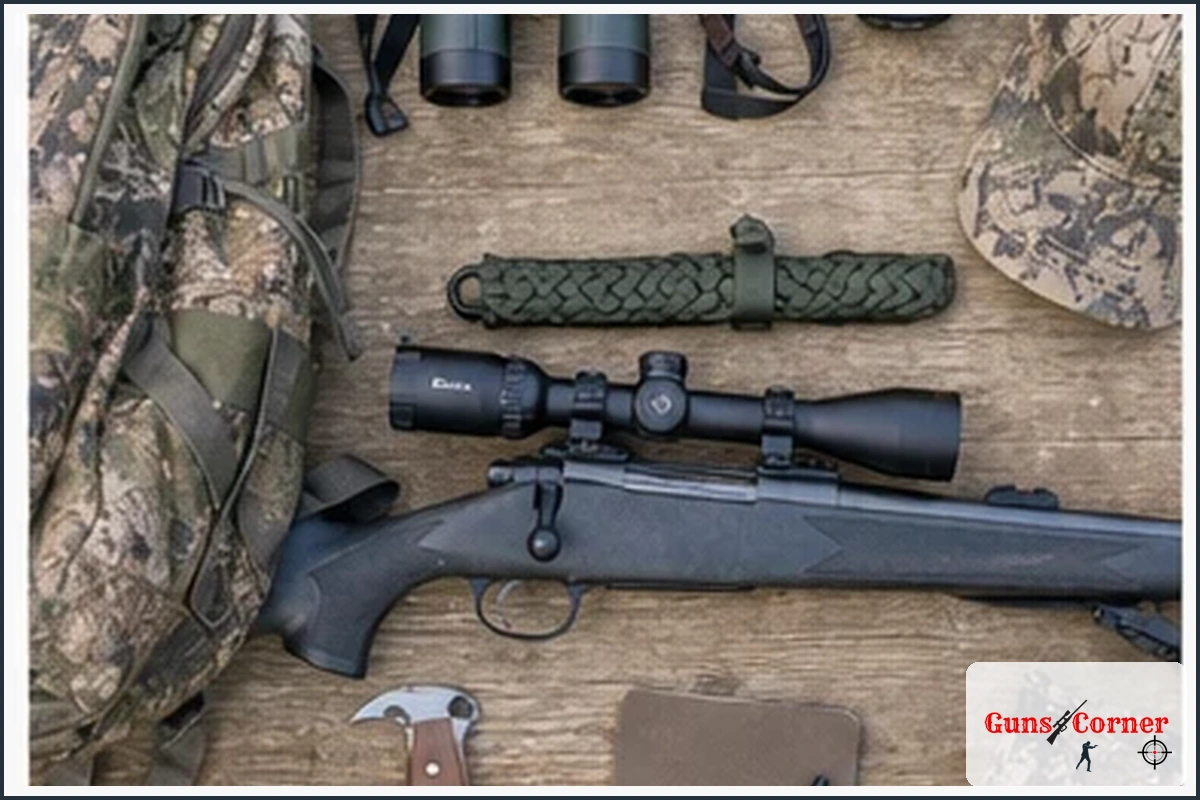
- Valid license, tag, permits, and a copy of current regulations.
- Legal firearm or bow selected for the hunt and practiced within your ability.
- Binoculars or appropriate optics for scanning cover.
- Legal handheld or electronic call, if permitted.
- Weather-appropriate layers and sturdy footwear.
- Required visibility clothing.
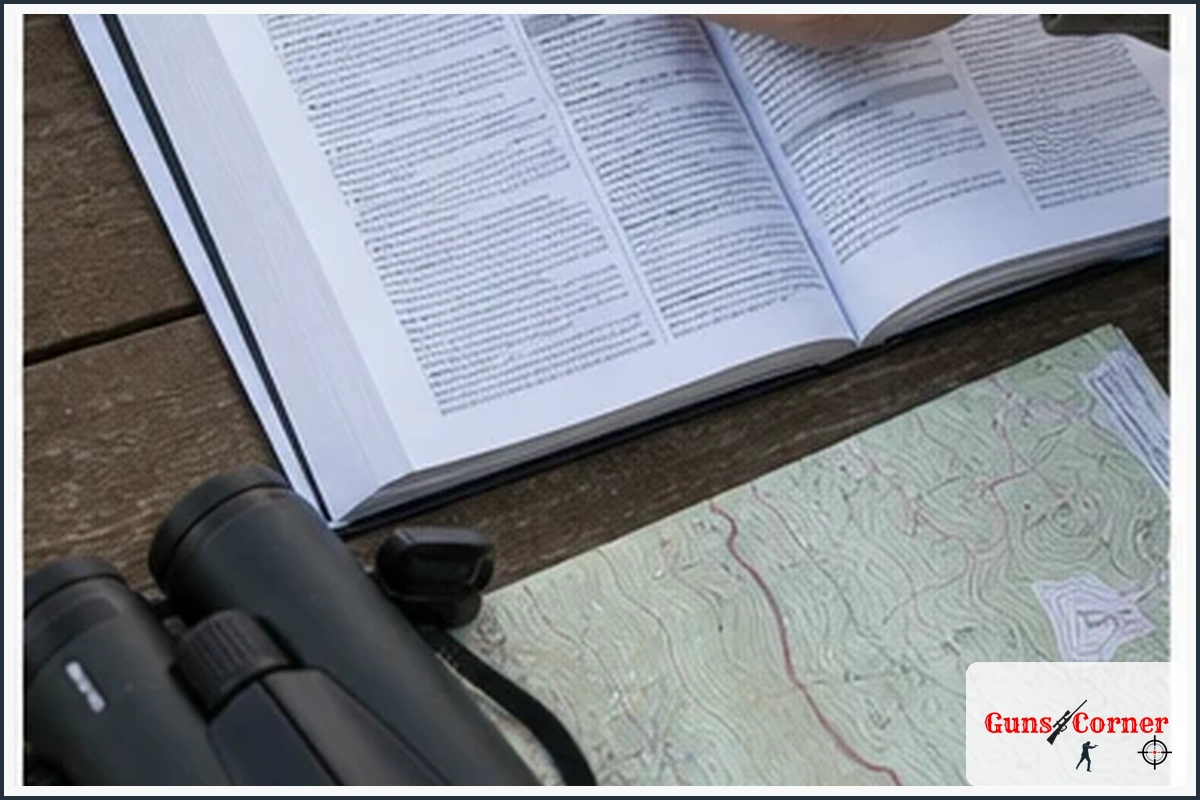
- Map, compass, GPS, spare batteries, and an emergency communication device.
- Water, food, first aid, flashlight, and basic repair supplies.
- Gloves, game bags, cooling supplies, and transport equipment if a harvest is possible.
- Full-body safety harness if using an elevated position, where legal and appropriate.
How to Call Mountain Lions Step by Step
Step 1: Check the Current Regulations
Confirm the exact rules for your hunting unit before scouting or calling. Pay particular attention to season dates, legal hours, sex or age restrictions, reporting procedures, weapon regulations, electronic-call rules, and access restrictions.
Step 2: Scout Without Overpressuring the Area
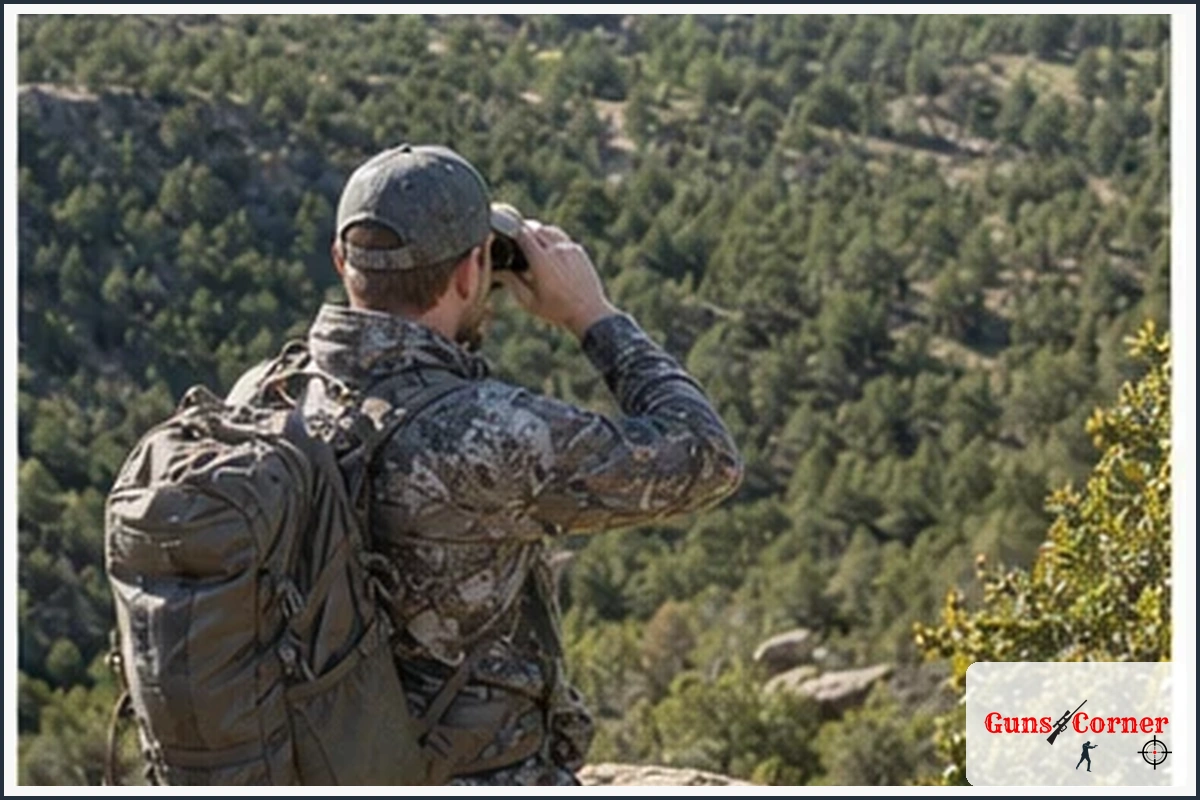
Use maps, legal observation points, and carefully planned visits to identify prey, cover, water, tracks, and likely travel corridors. Avoid repeatedly walking through the most promising locations, since unnecessary disturbance can reduce your chances and affect other wildlife.
Step 3: Choose a Safe Calling Position
Select a position that provides a wide field of view without exposing you against the skyline. A slight elevation can help with observation, but natural cover is often more important than height. Make sure you have a safe backstop and clear shooting lanes before beginning.
Step 4: Plan the Wind and Approach
Approach quietly and keep your scent from blowing directly toward likely travel routes. Check the wind before setting up and periodically during the stand. A changing wind may alert an animal before you see it.
Step 5: Begin With Subtle Calling
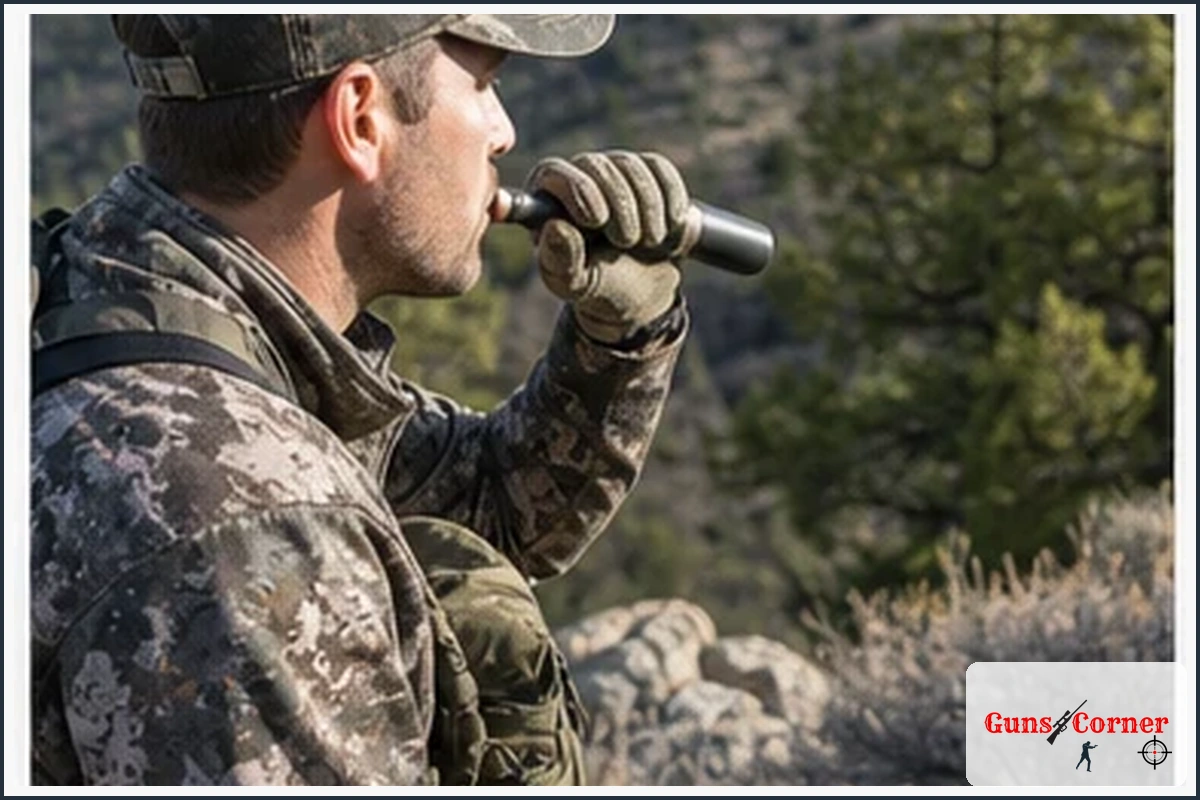
Start with a low-volume, legal prey-distress sound or another call permitted in your area. Subtle calling is less disruptive and allows you to listen for movement. If using an electronic caller, place it where you can monitor the surrounding area without creating an unsafe shooting angle.
Step 6: Use a Deliberate Calling Rhythm
A practical beginner approach is to call briefly, pause, and listen. Some hunters use several minutes of sound followed by several minutes of silence, then gradually adjust volume. There is no guaranteed sequence, so avoid constant calling and give a quiet animal time to approach.
Step 7: Consider Vocalizations Only When Appropriate
Mountain lion vocalizations can be difficult to imitate and may be confused with other animals. If local regulations allow them, use them sparingly and learn from a qualified mentor or reputable wildlife educator. Do not assume that a vocal response confirms a legal or harvestable animal.
Step 8: Watch More Than You Call
Scan slowly with binoculars and pay attention to small changes in brush, rocks, shadows, and vegetation. Mountain lions may appear at the edge of cover and remain motionless. Keep movements controlled, secure loose gear, and avoid unnecessary head turns.
Step 9: Stay for a Complete Stand
Give each setup enough time for an animal to approach from a distance. The appropriate duration depends on terrain, weather, access, and local conditions. Leaving too quickly is a common beginner mistake, but staying longer is not useful if the wind has shifted or the setup has become unsafe.
Step 10: Make Only a Safe and Ethical Decision
Take action only when you have positively identified a legal target, confirmed the background, and judged the opportunity to be within your practiced ability. If visibility, distance, angle, movement, or identification is uncertain, do not shoot. Passing on an unsafe opportunity is responsible hunting.
Step 11: Follow Recovery, Tagging, and Reporting Rules
If a legal harvest occurs, follow local requirements for tagging, reporting, recovery, transport, and evidence of sex or species. Use a careful, methodical recovery process and seek experienced assistance if you are uncertain. Handle the animal respectfully and avoid unnecessary disturbance to the site.
Prey Calls Versus Mountain Lion Vocalizations
| Approach | Potential Use | Beginner Consideration |
|---|---|---|
| Prey-distress call | May attract a curious or hunting predator. | Begin quietly and confirm that the sound is legal in your area. |
| Mountain lion vocalization | May interest a territorial or social animal. | Requires practice and can be difficult to interpret accurately. |
| Electronic caller | Can provide consistent sound from a position away from the device. | Legality varies, so verify current regulations before use. |
Best Conditions for Calling
Calling can be affected by wind, temperature, precipitation, visibility, prey movement, and hunting pressure. Calm conditions may make it easier to hear movement, while changing weather can alter animal behavior. Choose conditions that are safe for travel and observation rather than relying on a single “best” weather pattern.
Early and late periods of legal hunting hours may offer useful opportunities in some areas, but local mountain lion behavior varies. More important than a fixed time is the combination of fresh sign, suitable cover, favorable wind, and a safe setup.
Public Land and Private Land Considerations
Public Land
- Verify boundaries with current maps and official land records.
- Respect roads, trails, campsites, hikers, livestock, and other hunters.
- Park legally and avoid blocking gates or access roads.
- Identify nearby private parcels before choosing a shooting direction.
Private Land
- Obtain clear permission before entering or hunting.
- Discuss boundaries, gates, livestock, parking, and permitted methods.
- Follow landowner instructions and leave gates and property as found.
- Do not cross private property during tracking unless permission allows it.
Helpful Tips for Better Results
- Practice operating your call and firearm or bow before entering the field.
- Use maps to plan both your approach and your exit route.
- Set up with the wind in mind, not merely where tracks were found.
- Keep your weapon safely controlled while scanning and calling.
- Use binoculars to examine cover before moving.
- Change locations based on fresh sign rather than calling the same area repeatedly.
- Keep detailed notes about wind, weather, sounds, tracks, and animal sightings.
- Hunt with a partner or tell someone your exact plan and expected return time.
- Carry extra batteries and protect electronic equipment from weather.
- Stop calling if the area becomes unsafe or other people enter the vicinity.
Common Mistakes to Avoid
- Calling before confirming that the method is legal.
- Assuming every large track belongs to a mountain lion.
- Using excessive volume from the beginning.
- Moving too much while scanning.
- Ignoring wind shifts.
- Leaving a stand before allowing enough time for a distant approach.
- Setting up without a safe backstop or clear knowledge of nearby property.
- Taking a shot at an unclear shape, shadow, or partially hidden animal.
- Hunting alone in unfamiliar backcountry without an emergency plan.
- Failing to prepare for tagging, reporting, transport, and meat care.
Troubleshooting Common Problems
| Problem | Possible Cause | What to Do |
|---|---|---|
| No mountain lions appear | Limited sign, poor timing, unsuitable habitat, or insufficient patience. | Review your scouting, move to fresh legal sign, and improve your observation routine. |
| Animals detect you before you see them | Wind, movement, noise, or an exposed approach. | Change your entry route, use better cover, and monitor wind direction. |
| Visibility is poor | Heavy brush, low light, fog, or unsafe weather. | Choose a more open legal setup or end the stand rather than forcing a shot. |
| Other hunters or recreationists enter the area | Shared public-land use or poor visibility to others. | Unload or secure your weapon as appropriate, identify yourself safely, and relocate if needed. |
| You are unsure whether a call is legal | Rules differ by location and may change. | Stop and verify with the official wildlife agency before continuing. |
| You are uncertain about recovery | Limited experience or difficult terrain. | Follow local rules and contact an experienced mentor or qualified guide. |
Ethical Hunting and Conservation
Ethical mountain lion hunting means respecting wildlife, habitat, landowners, other outdoor users, and the law. Follow seasons and limits, avoid unnecessary disturbance, and pass on any shot that is uncertain or unsafe. Responsible hunters support conservation by purchasing required licenses, reporting harvests accurately, following wildlife-management rules, and using the harvest respectfully.
Leave camps and access areas clean, minimize noise and damage, and avoid interfering with protected species or research activities. Mountain lion populations and management goals differ by region, so local wildlife-agency guidance should always take priority.
When to Get More Training or Professional Guidance
Seek additional training if you have never handled a firearm or bow, are unfamiliar with backcountry navigation, cannot interpret local regulations, or are unsure about safe shot selection. An official hunter education course, certified instructor, experienced ethical mentor, conservation organization, or reputable local guide can provide valuable instruction.
After the Hunt: Gear Care and Learning
- Unload and store firearms or bows according to manufacturer and hunter-education guidance.
- Dry clothing, clean optics, inspect calls, and replace damaged equipment.
- Complete required tagging and harvest reporting promptly.
- Care for meat according to safe local handling practices.
- Record weather, wind, sign, stand locations, and lessons learned.
- Review whether your approach, calling rhythm, and setup were safe and effective.
Recommended Hunting Gear and Tools to Consider
You do not need expensive equipment to call mountain lions responsibly. Choose gear based on local regulations, terrain, weather, hunting method, safety needs, and your experience level.
- Legal hunting weapon and ammunition or archery equipment.
- Legal mouth or electronic call.
- Binoculars and suitable optics.
- Quiet, weather-appropriate clothing and durable boots.
- Required visibility clothing.
- Map, compass, GPS, spare batteries, and communication equipment.
- First aid kit, water, food, and emergency shelter.
- Gloves, game bags, cooling supplies, and transport equipment.
Final Thoughts
How to call mountain lions is less about a magic sound and more about preparation, habitat knowledge, wind, patience, and careful observation. Scout legally, practice your equipment, use a safe setup, and remain willing to pass on any uncertain opportunity. Responsible hunting protects people, wildlife, and the future of the activity.
Frequently Asked Questions
Is it legal to call mountain lions everywhere?
No. Calling methods, electronic devices, seasons, permits, and hunting areas vary. Check your official wildlife agency before hunting.
What is the best call for mountain lions?
A legal prey-distress call is commonly considered a practical starting point, but no call guarantees a response. Local rules and conditions should guide your choice.
Can electronic calls be used for mountain lions?
Some jurisdictions allow them and others restrict or prohibit them. Verify the current regulation for your hunting unit.
Should beginners use prey sounds or mountain lion sounds?
Prey sounds are generally simpler to practice, while mountain lion vocalizations require more experience and careful interpretation.
How long should I call in one location?
There is no universal duration. Give a setup enough time for a distant animal to approach, but relocate if wind, safety, visibility, or human activity makes the site unsuitable.
How often should I call?
Use deliberate intervals with quiet pauses. Constant calling can reduce your ability to hear movement and may be less natural.
Should I call loudly?
Begin softly and increase volume only when conditions require it. Loud calling from the start can be unnecessary, especially in calm terrain.
Can a mountain lion approach silently?
Yes. A mountain lion may use cover and move slowly, so careful glassing and patience are essential.
What habitat should I look for?
Look for legal areas with cover, prey, water, and travel routes such as draws, canyon edges, brush, timber transitions, and broken terrain.
What tracks should I look for?
Learn to distinguish fresh predator tracks from older or misidentified sign with help from a local wildlife educator or experienced mentor.
Does fresh deer sign guarantee a mountain lion is nearby?
No. Prey presence makes an area potentially suitable, but it does not prove a mountain lion is using it.
Is snow useful for scouting?
Snow or soft ground can reveal tracks, but weather and timing affect how fresh the sign is. Follow all access and wildlife rules.
What wind direction is best?
Choose a wind that carries your scent away from likely approach routes while still allowing safe observation and shooting angles.
How important is scent control?
Wind management is usually more important than trying to eliminate every scent. Avoid strong odors and approach quietly.
What time of day is best?
Legal hunting hours and local conditions matter more than a guaranteed time. Some opportunities may occur during lower-light periods, so visibility and identification must remain adequate.
Can I call mountain lions at midday?
It may be possible, but success depends on habitat, weather, prey movement, and local behavior. Do not assume midday calling will work everywhere.
Should I hunt mountain lions alone?
Beginners should strongly consider hunting with an experienced mentor, especially in remote or rugged terrain.
What firearm safety rules apply?
Keep the firearm pointed in a safe direction, treat it as loaded, keep your finger outside the trigger guard until ready, identify the target and background, and follow hunter-education guidance.
What if I use a bow?
Practice until you can place an ethical shot consistently within your personal range. Follow local draw-weight and equipment rules, and use appropriate broadheads.
How far should I shoot?
Only shoot within the distance at which you have practiced reliably under comparable conditions. Legal maximums do not define your personal ethical range.
Can I shoot at a mountain lion in heavy brush?
No. Do not shoot unless the animal is clearly identified and the background and shooting lane are safe.
What should I do if another hunter enters my setup?
Do not create a confrontation. Secure your weapon safely, communicate clearly, and relocate when practical.
Can I hunt mountain lions on public land?
Yes, where legal and open to the activity. Confirm boundaries, access rules, seasons, and restrictions before entering.
Do I need permission to hunt private land?
Yes. Obtain clear permission before entering or hunting private property, and respect all landowner instructions.
What should I do if property boundaries are unclear?
Do not proceed until boundaries are verified with reliable maps, posted information, or the landowner.
How do I know whether a mountain lion is legal to harvest?
Review current species, sex, age, permit, and season requirements for your location. Never rely on assumptions.
What should I do after a successful harvest?
Follow local tagging, reporting, recovery, transport, and evidence requirements. Seek experienced help if you are uncertain.
How should the harvest be handled?
Use clean tools and gloves, cool the meat promptly, follow local transport rules, and avoid waste. Consult qualified guidance for detailed meat care.
What if I cannot find the animal after a shot?
Stop, mark your location, follow a careful recovery process, and seek an experienced mentor or qualified local assistance. Follow all reporting requirements.
Are mountain lions dangerous to hunters?
They generally avoid people, but any close wildlife encounter requires caution. Do not approach, corner, handle, or pursue a mountain lion, and contact authorities if there is an immediate public-safety concern.
Can calling attract other predators?
Yes. Remain aware of the entire area and identify every animal before considering any action.
How much gear do I need?
Prioritize legal equipment, navigation, weather protection, communication, first aid, water, and safe weapon handling over unnecessary accessories.
Does expensive equipment improve success?
Not necessarily. Scouting, patience, practice, wind awareness, and sound decision-making are more important than premium gear.
What is the biggest beginner mistake?
Rushing the process—especially skipping regulations, scouting, practice, or safe identification.
How can I improve if I do not call in a mountain lion?
Keep notes, review wind and access routes, improve your ability to read sign, and seek feedback from an experienced ethical hunter or instructor.
Should I use bait?
Baiting laws vary widely and may be prohibited. Do not use bait unless current local regulations clearly allow it and you understand every restriction.
Can I use dogs?
Dog use is regulated differently by location and may be restricted by season or method. Verify current rules before considering it.
What conservation role do mountain lion hunters have?
Responsible hunters follow science-based regulations, report harvests accurately, respect habitat, and support wildlife management through lawful participation.
Where can I learn more?
Start with your official wildlife agency, hunter education program, certified instructors, local conservation organizations, and experienced ethical mentors.