
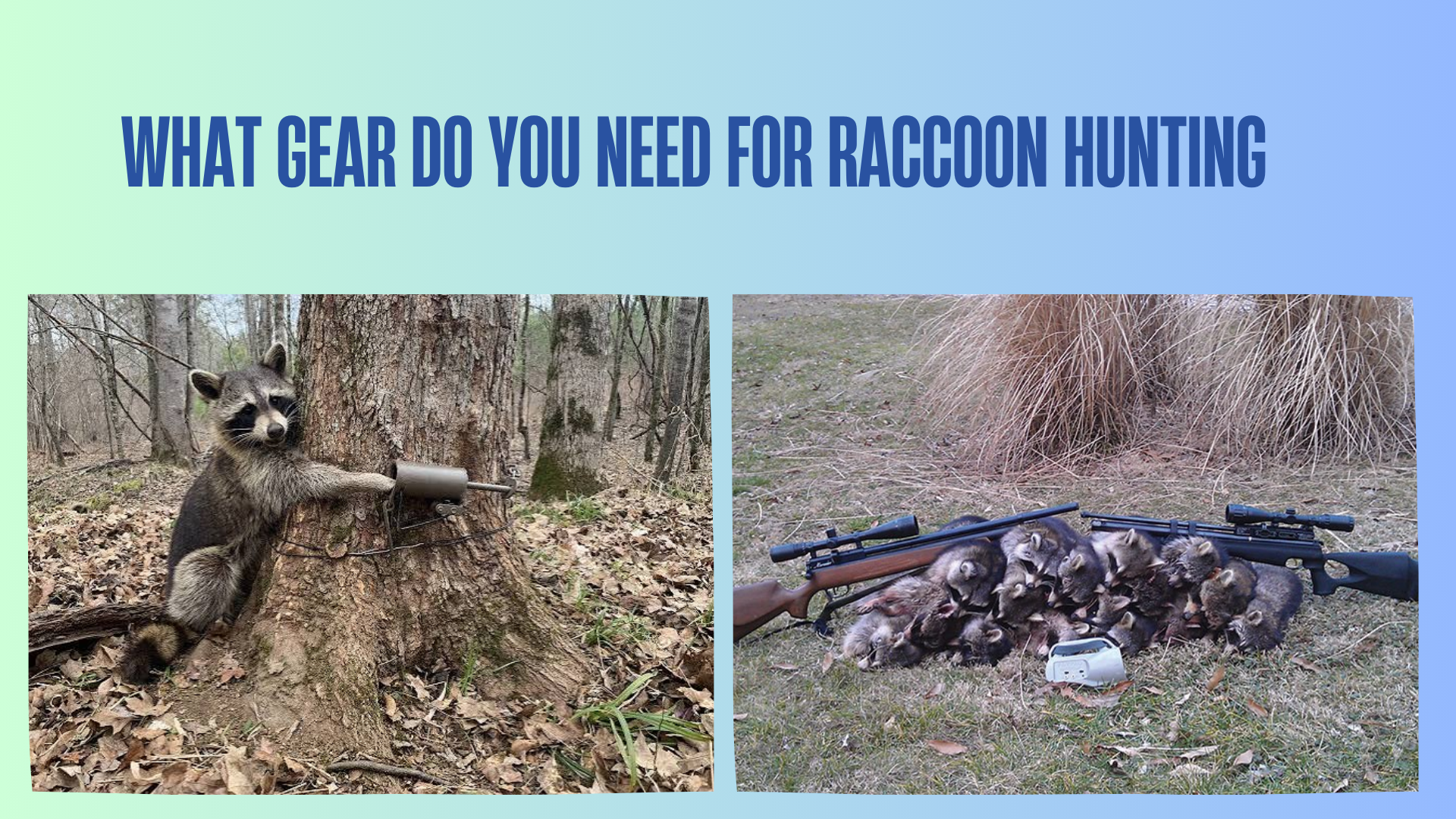

If you are asking what gear do you need for raccoon hunting, the answer depends on whether you hunt with hounds, call raccoons, walk public land, or hunt private property. Because raccoons are often pursued after dark, dependable lighting, navigation, communication, protective clothing, and positive target identification are especially important.
You do not need the most expensive equipment to hunt responsibly. You need legal equipment that functions reliably, fits the terrain and weather, and helps you return safely. Before heading out, verify the current season, license, bag limit, permitted hunting hours, dog rules, artificial-light restrictions, weapon restrictions, and land-access requirements in your location.
Quick Answer
The essential raccoon hunting gear includes a legal hunting license, written landowner permission where needed, a dependable headlamp, backup flashlight, spare batteries, navigation tools, a charged phone or emergency communicator, weather-appropriate clothing, waterproof boots, gloves, water, and a first-aid kit. Hunters using hounds also need properly fitted collars, identification, a leash, water, a canine first-aid kit, and a legal tracking system where permitted.
If a firearm or bow is used, it must be lawful for the location and season, compatible with the selected ammunition or arrow, and handled according to hunter-education principles. Regulations governing night hunting, artificial lights, thermal devices, electronic calls, dogs, and legal weapons differ significantly by jurisdiction.
Raccoon Hunting Gear at a Glance
| Gear | Purpose | Priority | What to Check |
|---|---|---|---|
| License and permits | Legal authorization | Required | Season, species, land type, and hunter-education requirements |
| Property map and permission | Prevent trespassing | Required where applicable | Boundaries, access points, neighboring land, and local ordinances |
| Headlamp | Hands-free movement | Essential | Runtime, weather resistance, controls, and legal light use |
| Backup flashlight | Emergency illumination | Essential | Fresh batteries and independent power source |
| Phone, GPS, map, and compass | Navigation and communication | Essential | Offline maps, battery level, and local coverage |
| Waterproof boots | Foot protection and traction | Essential | Fit, ankle support, insulation, and terrain |
| Briar-resistant clothing | Protection from vegetation | Essential in thick cover | Mobility, visibility, ventilation, and weather |
| First-aid kit | Treat minor field injuries | Essential | Training, supplies, medications, and emergency plan |
| Legal hunting implement | Humane harvest where allowed | Method-dependent | Weapon, ammunition, season, location, and manufacturer instructions |
| Dog collar and identification | Control and recovery of hounds | Essential with dogs | Fit, contact information, condition, and visibility |
| GPS dog tracker | Locate working dogs | Highly useful with dogs | Legality, charge, range limitations, and map download |
| Water and collapsible bowl | Hydration | Essential with dogs | Temperature, duration, and water availability |
| Small backpack or vest | Organize equipment | Useful | Fit, noise, capacity, and weight |
| Game-handling supplies | Legal recovery and clean transport | Harvest-dependent | Tagging, reporting, disease, and carcass-disposal rules |
Important Legal and Safety Notice
Raccoon hunting regulations are not uniform across the United States. One state may permit night hunting and portable lights, while another may allow lights only after a raccoon has been treed by dogs. Some jurisdictions restrict legal firearms, electronic calls, thermal optics, night vision, vehicle-mounted lights, dog training, or activity on wildlife management areas.
For example, current official regulations demonstrate this variation: Virginia Department of Wildlife Resources, Maine Department of Inland Fisheries and Wildlife, and Missouri Department of Conservation publish substantially different conditions for lights, dogs, seasons, and legal methods.
Legal information checked September 6, 2026. Regulations can change after publication. Consult your current state wildlife-agency regulation booklet immediately before hunting. Also check wildlife-management-area rules, municipal firearm-discharge ordinances, federal-land restrictions, and private-property conditions.
What Gear Do You Need for Raccoon Hunting?
1. Current Hunting License and Required Permits
Carry every license, permit, stamp, tag, or hunter-education document required by your jurisdiction. A general hunting license may not be the only authorization needed. Rules can differ for residents, nonresidents, youth hunters, public land, trapping, dog training, and nighttime activity.
Download or print the current regulations instead of relying on an old screenshot. Save electronic documents for offline access because cellular service may be unavailable in wooded or rural areas.
2. Written Landowner Permission
Obtain permission before entering private property. Written permission may be legally required in some locations and provides clearer documentation than a verbal understanding. Discuss access routes, gates, livestock, residences, parked equipment, and areas the owner wants hunters to avoid.
A hound crossing a boundary does not automatically authorize a hunter to trespass. Know the applicable dog-recovery law and contact the landowner or conservation officer when necessary.
3. Property Map and Offline Navigation
Use a current property map showing roads, water, steep terrain, public-land borders, and private parcels. Download the map before leaving home. A mapping application is useful, but it should not be the only navigation method.
Carry a compass and understand how to use it. Paper maps, marked access points, and a recorded vehicle location provide valuable backups if a phone or GPS unit fails.
4. Hands-Free Headlamp
A headlamp keeps both hands available for walking, controlling a dog, checking a map, or crossing an obstacle. Choose one with controls you can operate while wearing gloves. A lower-output setting helps conserve power and reduces glare from nearby branches or fog.
Do not assume that every color or type of artificial light is legal. Verify restrictions on portable lights, weapon-mounted lights, vehicle use, and shining wildlife before the hunt.
5. Independent Backup Flashlight
Every nighttime hunter should carry a second light that does not depend on the headlamp’s battery, cable, or control system. Store it where it can be reached in darkness rather than at the bottom of a tightly packed bag.
Test both lights before leaving the vehicle. A phone flashlight is helpful at close range but is not an adequate primary emergency light.
6. Spare Batteries or Power Source
Cold weather, repeated high-output use, and aging batteries can shorten operating time. Carry protected spare batteries that match your equipment. Prevent loose battery terminals from contacting metal objects.
If using rechargeable equipment, begin with a full charge and carry a suitable backup. A power bank can support a phone or compatible device, but it should not replace spare illumination.
7. Charged Phone or Emergency Communicator
A phone provides maps, weather information, communication, and documentation. Keep it protected from moisture and preserve its battery by reducing screen brightness and closing unnecessary applications.
In areas without dependable cellular service, a satellite communicator or personal locator beacon can provide an additional emergency option. Understand its operation and subscription status before relying on it.
8. Waterproof, Supportive Boots
Raccoon habitat may include creek bottoms, mud, marsh edges, fallen timber, farm lanes, and steep banks. Boots should provide traction, water protection, and enough ankle support for the terrain.
Fit matters more than brand or price. Test boots with the socks you intend to wear and break them in before a long hunt. Replace footwear with damaged soles, leaks, or inadequate tread.
9. Briar-Resistant Pants or Chaps
Thorns, blackberry canes, brush, and wet vegetation can quickly damage ordinary clothing. Briar-resistant pants or protective chaps help reduce scratches and keep the hunter drier while following hounds through dense cover.
Protection should not severely restrict movement. Make sure you can step over logs, kneel, and climb a bank safely.
10. Layered Hunting Clothing
Use a moisture-managing base layer, an insulating layer when needed, and a weather-resistant outer layer. Nighttime temperatures can fall quickly, especially around low ground and water.
Avoid overheating during strenuous walking. Carrying a removable insulating layer is generally more adaptable than wearing one extremely heavy garment.
11. Required High-Visibility Clothing
Hunter-orange or other high-visibility requirements vary by state, season, species, and overlap with big-game firearms seasons. Even when it is not mandatory, a visible outer layer may help hunting partners identify one another in darkness and thick vegetation.
Check the precise legal color, surface-area, and placement requirements rather than assuming that an orange hat alone is sufficient.
12. Protective Gloves
Gloves protect against briars, cold metal, rough bark, mud, and minor abrasions. Choose a pair that preserves enough dexterity to operate lighting, dog-handling equipment, zippers, and communication devices.
Carry a dry backup pair in cold or wet conditions. Remove or change gloves if they interfere with safe firearm handling.
13. Eye and Hearing Protection
Clear protective eyewear helps shield the eyes from branches when walking through brush at night. Hearing protection is important whenever firearms may be discharged.
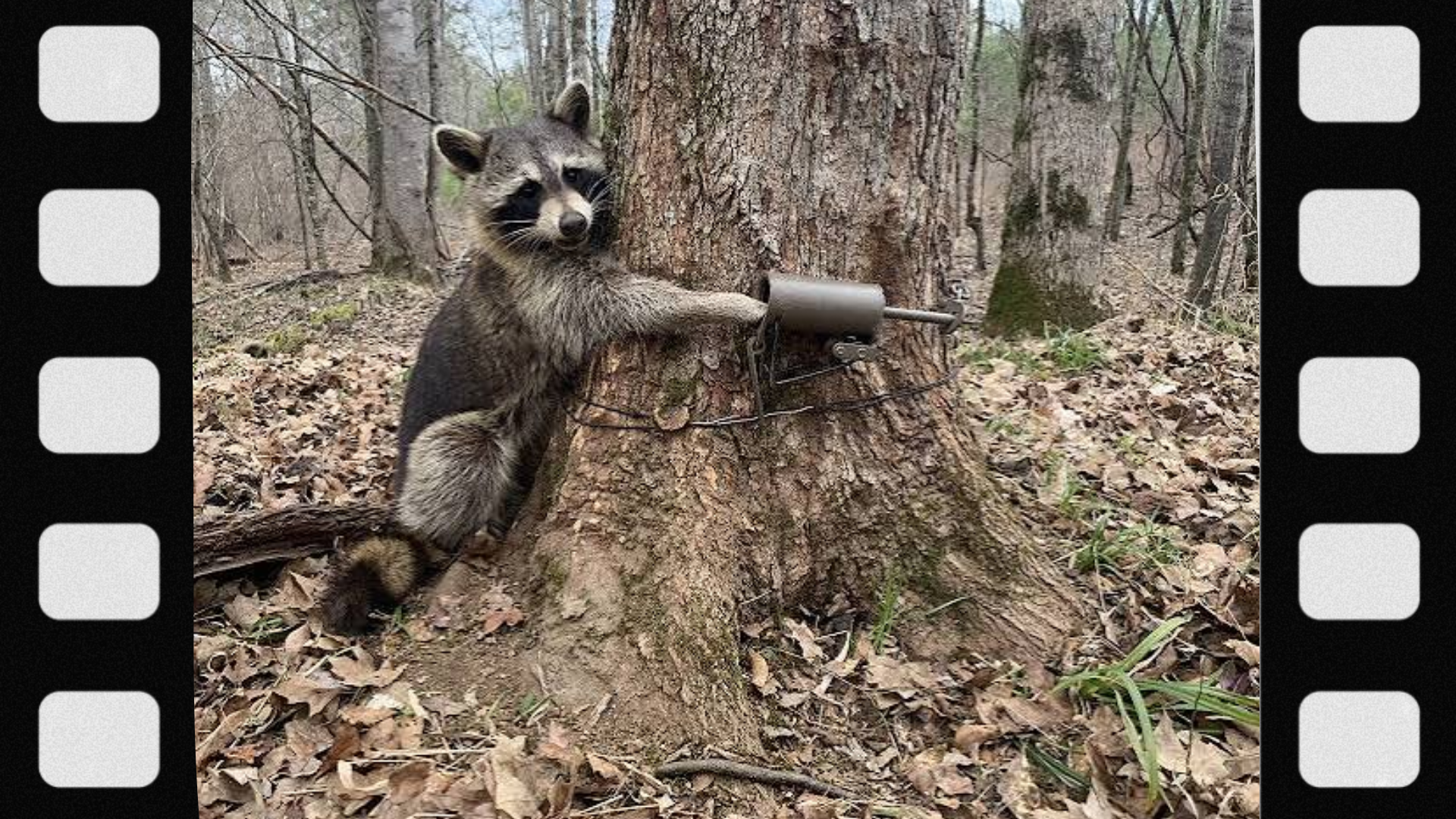
Electronic hearing protection can make communication and environmental sounds easier to hear while reducing harmful impulse noise, but hunters must understand its limitations and keep the equipment charged.
14. Small First-Aid Kit
Carry supplies appropriate for cuts, punctures, blisters, insect bites, sprains, and minor bleeding. Include personal medication and any emergency allergy treatment prescribed to you.
A kit is useful only when the hunter understands its contents. Basic first-aid and emergency-response training are more valuable than carrying unfamiliar equipment.
15. Water and Food
Night hunting can involve more walking and waiting than expected. Carry sufficient drinking water and simple food appropriate for the hunt’s duration, temperature, and terrain.
Do not depend on untreated surface water. In hot or humid weather, plan additional water for both hunters and dogs.
16. Compact Backpack or Hunting Vest
A small pack or vest keeps batteries, navigation equipment, water, first aid, dog supplies, and weather layers organized. Select a design that does not obstruct movement or interfere with carrying equipment safely.
Pack only what supports safety, legal compliance, dog care, weather protection, and realistic field needs. Unnecessary weight increases fatigue and can make creek crossings or steep climbs more hazardous.
17. Legal Hunting Implement
Where lawful harvest is intended, use only a firearm, bow, or other hunting implement permitted for raccoons in the specific season and location. Local rules may limit firearm type, ammunition, hunting hours, or when a weapon may be loaded.
Use only ammunition specified by the firearm manufacturer and confirm that the bore and chamber are clear before loading. A new hunter should complete hunter education and receive supervised instruction rather than learning firearm handling during a night hunt.
18. Secure Sling or Approved Carrying System
A properly adjusted sling or carrying system can help maintain control while walking, but it does not replace muzzle awareness. Inspect attachment points before every trip.
Unload the firearm as required before crossing fences, climbing difficult obstacles, entering a vehicle, or handing it to another person. Follow your hunter-education training and the manufacturer’s manual.
19. Dog Collars and Visible Identification
Each hound should wear a properly fitted collar with current owner contact information. A reflective or illuminated component can improve visibility, but it must not create a snag hazard or violate local equipment rules.
Inspect collars for damaged buckles, worn material, and improper fit. Identification should remain readable after exposure to mud and water.
20. Dog Tracking System
A GPS tracking collar can help handlers locate a hound, recognize when it is approaching a road or property boundary, and plan a safer recovery route. It is an important supplement to responsible handling, not permission to release a dog anywhere.
Charge the handheld unit and collar, download maps, update contact information, and understand practical range limitations. Confirm whether electronic tracking or training functions are restricted on the land being hunted.
21. Strong Leash or Lead
A durable lead allows the handler to control the dog near roads, livestock, houses, vehicles, other hunters, and hazardous terrain. Carry it where it can be reached immediately.
Check clips and stitching before each hunt. A short backup lead can be useful if the primary one is lost or damaged.
22. Dog Water and Collapsible Bowl
Working hounds require access to clean water even in cool conditions. Carry a lightweight bowl and enough water for the expected duration instead of assuming a creek is safe or accessible.
Monitor the dog for unusual fatigue, poor coordination, overheating, limping, or reluctance to continue. End the hunt and seek veterinary help when symptoms warrant it.
23. Canine First-Aid Supplies
A canine kit may include clean dressings, cohesive wrap, saline, a veterinarian-approved tick-removal tool, and emergency contact information. Do not give a dog human medication unless a veterinarian specifically directs it.
Know the location and hours of the nearest emergency veterinary clinic. Serious bleeding, breathing difficulty, snakebite, heat illness, deep punctures, or major trauma require prompt professional care.
24. Game-Handling and Cleaning Supplies
If harvesting is legal and intended, carry the materials required for tagging, reporting, clean handling, and transport. Disposable gloves, clean bags, and hand-cleaning supplies help limit direct contact with blood and bodily fluids.
Avoid handling an animal that appeared sick or behaved abnormally. Follow state wildlife-agency guidance concerning testing, parasites, carcass disposal, and public-health reporting.
25. Emergency and Vehicle Kit
Keep additional water, warm clothing, a larger first-aid kit, vehicle-charging equipment, and basic roadside supplies at the vehicle. Tell a responsible person where you will hunt, who is with you, your parking location, and when to expect your return.
Establish a clear overdue-time procedure. If conditions become unsafe, turn around before the situation becomes an emergency.
Gear Needed for Hunting With Hounds
Hound hunting requires additional planning because the hunter is responsible for the dog’s welfare and movements. A beginner should first accompany an experienced, responsible handler who understands local laws, property boundaries, dog behavior, and nighttime navigation.
- Properly fitted identification collar
- Legal GPS tracking collar and charged handheld unit
- Reflective or visible collar where appropriate
- Strong primary lead and backup lead
- Water and collapsible bowl
- Canine first-aid supplies
- Towel or blanket for the vehicle
- Secure, ventilated transportation crate or dog box
- Current vaccination and veterinary information
- Local emergency-veterinarian contact details
Condition dogs gradually for the distance, terrain, and temperature. Check paws, nails, coat, eyes, hydration, and general behavior before and after the hunt. Do not continue working an injured, overheated, exhausted, or disoriented dog.
Gear for Raccoon Hunting Without Dogs
Where hunting without dogs is legal, the equipment list may shift toward stationary observation, calling, or lawful movement through suitable habitat. A legal call, binoculars, compact seat, shooting support, and wind indicator may be useful, but none is essential in every location.
Electronic calls, bait, night vision, thermal optics, and artificial lights may be restricted even when nighttime raccoon hunting is otherwise legal. Verify each method separately. Never use technology as a substitute for positive identification or a safe backstop.
Four Firearm Safety Rules for Night Hunting
- Treat every firearm as if it is loaded. Verify its condition whenever it changes hands or storage status.
- Keep the muzzle pointed in a safe direction. Darkness, brush, dogs, and uneven terrain demand constant attention to muzzle control.
- Keep your finger outside the trigger guard until ready to shoot. Do not place a finger on the trigger while searching, walking, or identifying an animal.
- Be certain of the target and what is beyond it. Eyeshine, sound, or movement alone is not adequate identification.
A mechanical safety can fail or be unintentionally disengaged. It never makes unsafe firearm handling acceptable. Do not load until it is legal and appropriate to do so, and unload before entering a vehicle or negotiating an obstacle as directed by hunter-education guidance.
How to Pack a Lightweight Raccoon Hunting Kit
Organize the kit by consequence rather than convenience. Items that prevent getting lost, provide light, support communication, control a dog, address weather, or meet legal requirements deserve priority.
Carry on Your Body
- License and identification
- Primary headlamp
- Backup light
- Phone or communicator
- Map and compass
- Dog lead when applicable
- Emergency whistle
Carry in the Pack
- Spare batteries
- Water and food
- First-aid supplies
- Extra clothing layer
- Canine supplies
- Game-handling materials
Leave in the Vehicle
- Additional water
- Dry clothing and footwear
- Larger medical kit
- Charging equipment
- Vehicle-recovery and roadside equipment
Pre-Hunt Equipment Check
- Confirm that the season is open for the date, unit, and property.
- Verify the license, bag limit, hunting hours, and reporting requirements.
- Check rules governing dogs, lights, calls, bait, night vision, and thermal equipment.
- Obtain landowner permission and identify property boundaries.
- Review the weather and cancel for unsafe storms, flooding, heat, ice, or poor visibility.
- Download offline maps and mark the vehicle location.
- Charge every electronic device.
- Test the primary and backup lights.
- Inspect boots, clothing, dog equipment, and first-aid supplies.
- Inspect the legal hunting implement according to its manufacturer’s instructions.
- Share the route and return time with a responsible person.
- Identify the nearest medical and veterinary emergency services.
Common Beginner Mistakes
Depending on One Light
A dead or damaged headlamp can turn a routine walk into an emergency. Carry an independent backup light and spare power.
Using an Outdated Regulation Summary
Seasons, wildlife-management-area rules, dog restrictions, and night-hunting equipment laws can change. Use the current official regulation publication.
Following a Dog Across an Unknown Boundary
Track property lines continually and understand the local recovery process before releasing a hound. Contact the landowner or appropriate authority instead of assuming access.
Carrying Too Much Gear
A heavy pack increases fatigue and instability. Remove duplicate convenience items before removing navigation, lighting, water, first aid, or weather protection.
Ignoring the Weather
Rising creeks, lightning, ice, heat, fog, and falling temperatures can make familiar terrain hazardous. Establish turnaround conditions before the hunt.
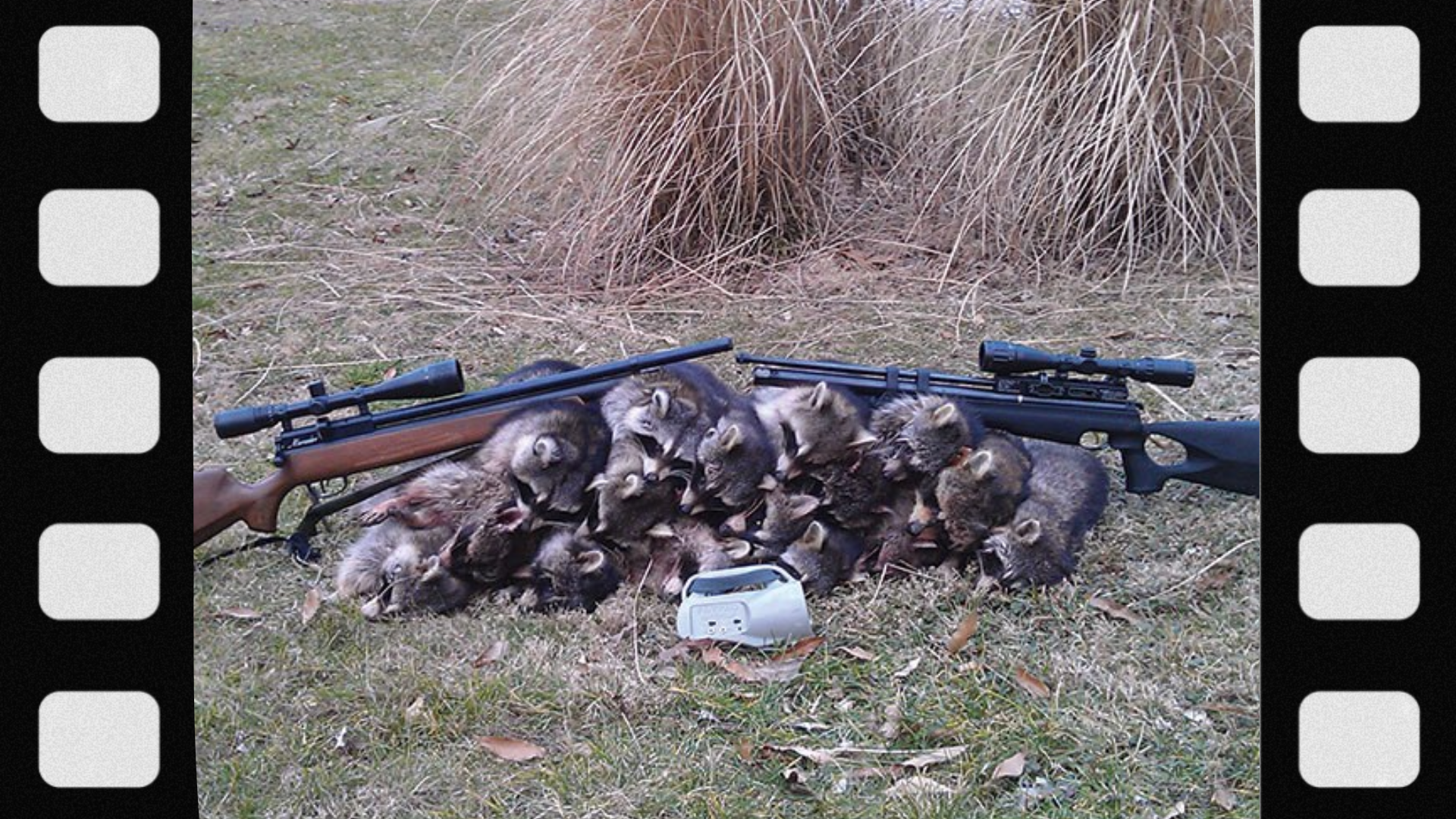
Relying on Eyeshine for Identification
Many animals produce visible eye reflection. Identify the entire animal and confirm a safe background before considering a shot.
Failing to Condition the Dog
An enthusiastic hound can still become exhausted, injured, overheated, or hypothermic. Match the hunt to the dog’s fitness and health.
What Not to Do
- Do not hunt without checking current official regulations.
- Do not enter private land without permission or legal authority.
- Do not shoot at eyeshine, sound, or unidentified movement.
- Do not fire toward roads, homes, vehicles, livestock, people, dogs, or an uncertain backstop.
- Do not cast light from a vehicle unless the law expressly allows it.
- Do not use thermal optics, night vision, electronic calls, or bait without confirming legality.
- Do not depend on a firearm’s mechanical safety.
- Do not cross difficult obstacles while carrying a loaded firearm.
- Do not allow a dog to work when injured, exhausted, or dangerously hot or cold.
- Do not continue when flooding, lightning, poor visibility, fatigue, or navigation problems make the hunt unsafe.
- Do not trespass while attempting to retrieve a dog or harvested animal.
- Do not take wildlife outside the open season or legal bag limit.
Printable Raccoon Hunting Gear Checklist
Documents and Access
- License and required permits
- Hunter-education documentation
- Written landowner permission
- Current regulation booklet
- Property map
- Emergency contact and trip plan
Lighting and Navigation
- Headlamp
- Independent backup flashlight
- Spare batteries or power bank
- Charged phone
- Offline GPS map
- Compass and paper map
- Emergency whistle or communicator
Clothing and Personal Safety
- Waterproof boots
- Briar-resistant pants or chaps
- Layered clothing
- Rain protection
- Required high-visibility garment
- Protective gloves
- Clear eye protection
- Hearing protection
- First-aid kit
- Water and food
- Insect or tick protection
Dog Equipment
- Identification collar
- Legal tracking collar
- Charged handheld receiver
- Primary and backup leads
- Water and collapsible bowl
- Canine first-aid supplies
- Secure transportation system
- Veterinary contact information
Harvest Equipment
- Legal hunting implement
- Correct manufacturer-approved ammunition or arrows
- Secure sling or carrying system
- Required tags
- Disposable gloves
- Clean game-handling materials
- Reporting information
FAQs
1. What is the most important piece of raccoon hunting gear?
Dependable lighting is critical after dark, but it must be supported by navigation, communication, legal documentation, weather protection, and an emergency plan.
2. Do you need a dog to hunt raccoons?
Not universally. Some jurisdictions and methods allow hunting without dogs, while particular nighttime seasons may require a dog. Check the applicable wildlife-agency rules.
3. What gear do you need for raccoon hunting with dogs?
You need the normal safety and navigation kit plus fitted identification collars, strong leads, water, canine first aid, secure transportation, and preferably a legal GPS dog tracker.
4. Can beginners go raccoon hunting alone?
A beginner is safer learning with an experienced, responsible mentor. Night navigation, dog handling, property boundaries, and firearm safety create challenges that are difficult to learn alone.
5. Do you need a hunting license for raccoons?
A license or other authorization is generally required, but exemptions and permit categories vary. Verify the current rules with the wildlife agency where you will hunt.
6. Can raccoons legally be hunted at night?
Night hunting is permitted in some jurisdictions under specific conditions and prohibited or restricted in others. There is no nationwide rule.
7. Can you use a spotlight for raccoon hunting?
That depends on state law, local ordinances, land type, season, whether dogs are used, and how the light is carried. Vehicle-mounted or vehicle-cast lights may be treated differently from portable lights.
8. Are red and green hunting lights legal?
Light color is regulated in some locations but irrelevant in others. Confirm the law rather than assuming red or green automatically makes a light legal.
9. Can you use night vision to hunt raccoons?
Some jurisdictions permit it and others restrict it. Equipment legality may also change by property, weapon, species, and season.
10. Are thermal scopes legal for raccoon hunting?
Thermal-device rules vary widely. Check the current wildlife regulations and any public-land or local restrictions before possessing one while hunting.
11. Can you hunt raccoons with an electronic call?
Electronic calls are legal in some areas and prohibited or limited in others. Verify both species-specific and land-specific rules.
12. Is bait legal for raccoon hunting?
Baiting rules differ by jurisdiction and may change because of wildlife-disease policies. Check the definition of bait, placement restrictions, distance rules, and public-land prohibitions.
13. What kind of boots are best for raccoon hunting?
Choose waterproof boots with reliable traction, sufficient support, and insulation appropriate for the terrain and weather. Proper fit is more important than a specific style.
14. Do you need hip boots or waders?
Only when the planned terrain justifies them. Waders can introduce drowning, entrapment, and overheating risks and should not encourage unnecessary entry into deep or swift water.
15. What clothes should you wear for coon hunting?
Wear layered, weather-appropriate clothing with briar protection, supportive boots, gloves, and any legally required high-visibility garment.
16. Should you wear hunter orange at night?
It may be legally required depending on the state and overlapping season. Even where optional, visible clothing can help partners recognize one another.
17. How bright should a raccoon hunting headlamp be?
There is no universal brightness requirement. Prioritize dependable runtime, usable lower settings, comfortable controls, weather resistance, and compliance with light regulations.
18. Why do you need a backup flashlight?
A separate flashlight provides emergency illumination if the primary lamp fails, is lost, becomes wet, or runs out of power.
19. Is a phone enough for navigation?
No. Phones can lose service, power, or functionality. Download offline maps and carry a compass or another independent navigation tool.
20. Do GPS dog collars work without cellular service?
Many dedicated tracking systems communicate directly with their collars, but map downloads and other features may require prior setup. Confirm the limitations of the specific system.
21. Are GPS tracking collars legal everywhere?
No assumption should be made. Electronic dog equipment may be restricted by jurisdiction, land manager, hunt type, or competition rules.
22. What should be in a canine first-aid kit?
Useful basics include dressings, cohesive wrap, saline, veterinary contact information, and supplies recommended by your veterinarian. Training is necessary to use them safely.
23. How much water should you carry for a hunting dog?
The amount depends on the dog, weather, exertion, and trip duration. Carry more than the expected minimum and do not rely on untreated creeks.
24. How do you keep a hunting dog safe near roads?
Monitor the tracker, plan releases away from traffic, carry a reachable lead, use visible identification, and regain physical control before approaching a road.
25. What should you do if a dog crosses onto private land?
Follow the local dog-recovery law and contact the landowner or appropriate authority. Do not assume that retrieving a dog automatically authorizes entry.
26. What firearm is legal for raccoon hunting?
The answer depends on local regulations, season, hunting method, and land rules. Consult the current official regulation booklet before selecting any firearm or ammunition.
27. What firearm safety rule matters most at night?
All four universal rules apply together. Positive target identification and knowledge of what lies beyond the target are particularly challenging and important after dark.
28. Is eyeshine enough to identify a raccoon?
No. Eyeshine can come from multiple animals. Identify the complete animal and verify a safe background before considering any shot.
29. Should a firearm be loaded while walking behind hounds?
Follow local law and formal hunter-education guidance. Never load before it is legal and appropriate, and maintain muzzle and trigger control at all times.
30. Do you need hearing protection for small-game hunting?
Yes, firearm noise can damage hearing. Use suitable protection and make sure it does not prevent necessary communication or awareness.
31. What first-aid supplies are important at night?
Carry supplies for bleeding, cuts, punctures, blisters, sprains, and personal medical needs, along with a light that allows treatment and a reliable emergency-contact method.
32. How do you avoid getting lost while raccoon hunting?
Download maps, carry a compass, mark the vehicle, monitor your route, establish boundaries, maintain backup lighting, and leave a trip plan with someone responsible.
33. What should you do during severe weather?
End the hunt before flooding, lightning, ice, extreme heat, high winds, or poor visibility creates an emergency. Do not risk personal or canine safety to continue.
34. Is expensive raccoon hunting gear necessary?
No. Reliable lighting, navigation, communication, safe clothing, legal documentation, and properly maintained dog gear matter more than premium branding.
35. What is the best way for a beginner to start raccoon hunting?
Complete hunter education, study current regulations, practice navigation and firearm safety, and accompany an experienced ethical hunter before organizing an independent night hunt.
36. Can raccoon hounds be trained outside hunting season?
Some states allow chase-only or dog-training periods, while others impose dates, land restrictions, or license requirements. Training permission does not necessarily authorize harvesting an animal.
37. What should you do after the hunt?
Account for every hunter and dog, unload and secure equipment, inspect dogs for injuries and ticks, report or tag harvested animals as required, clean equipment, and recharge electronics.
38. How should harvested raccoons be handled?
Wear gloves, avoid animals that appear sick, prevent contamination, follow tagging and reporting laws, and consult wildlife and public-health guidance for handling, testing, and disposal.
39. Are raccoons dangerous to hunting dogs?
Raccoons can injure dogs, and wildlife encounters can expose dogs to disease. Keep vaccinations current, supervise responsibly, and seek veterinary care for bites, punctures, or abnormal symptoms.
40. Where should hunters verify raccoon hunting regulations?
Use the official state fish and wildlife agency, department of natural resources, or equivalent authority. Also check the rules for the specific wildlife-management area or federal property.
Final Answer
So, what gear do you need for raccoon hunting? Start with legal documentation, property permission, two independent lights, offline navigation, communication, weather-appropriate clothing, waterproof boots, eye and hearing protection, water, and first aid. Add lawful hunting equipment and clean game-handling supplies only when harvest is intended.
When hunting with hounds, carry identification collars, reliable leads, sufficient water, canine first aid, and a permitted tracking system. The most valuable preparation is not a costly accessory—it is current regulation knowledge, hunter education, practiced equipment use, positive target identification, respect for property boundaries, and the willingness to end the hunt when conditions become unsafe.
Read more: