
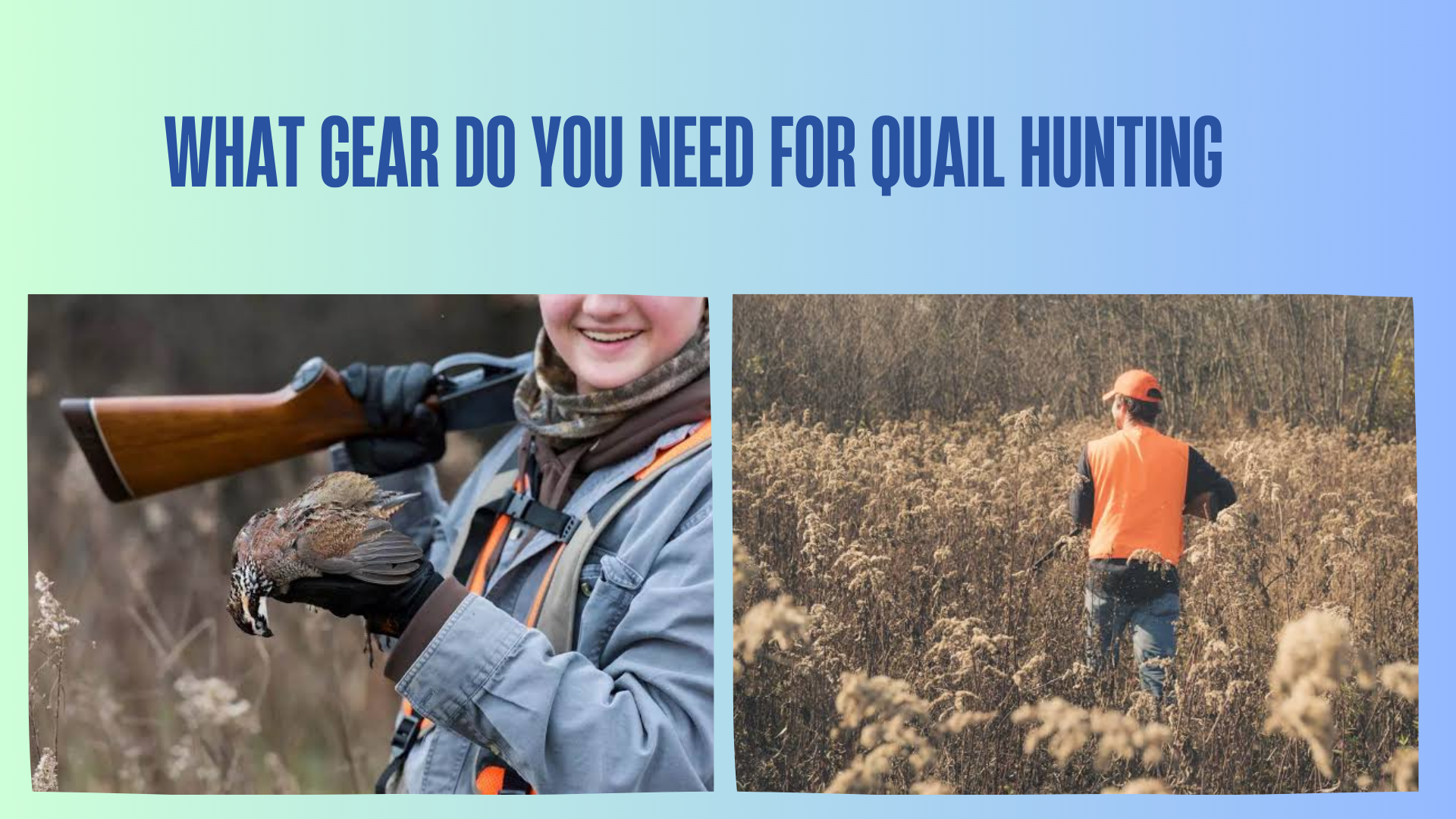

If you are asking what gear do you need for quail hunting, start with a legal and familiar shotgun, compatible hunting ammunition, required licenses, high-visibility clothing, supportive boots, eye and hearing protection, water, navigation, first aid, and a practical way to carry recovered birds.
Quail hunting usually involves walking through grass, brush, desert cover, agricultural edges, or open woodland while watching for birds that may flush suddenly. The best equipment keeps you safe and mobile without weighing you down. Your exact list will depend on the quail species, terrain, weather, regulations, hunting method, whether you use a dog, and how far you will travel from the vehicle.
Quick Answer: What Gear Do You Need for Quail Hunting?
Essential quail hunting gear includes a valid license and any required permits, a legal shotgun, appropriate shotshells, a blaze-orange garment where required, broken-in boots, brush-resistant clothing, eye and hearing protection, an upland vest or bird bag, water, a first-aid kit, and navigation and communication tools. Binoculars, gaiters, shooting gloves, a field knife, and a cooler at the vehicle are also useful. Dog handlers need extra water, a collapsible bowl, identification, a leash, a canine first-aid kit, and protective equipment suited to local hazards. Verify the current season, bag limit, weapon, ammunition, access, and hunter-orange rules before every hunt.
Important Safety and Legal Notice
Quail hunting regulations vary by state, province, country, wildlife unit, species, property and season. Requirements may cover licenses, stamps, bag and possession limits, shooting hours, legal weapons, shotgun capacity, ammunition, hunter orange, dogs, public-land access and the transport of harvested birds.
Do not assume lead shot is legal because quail are upland birds. Some wildlife refuges, conservation areas and other properties require approved nontoxic shot for all shotgun hunting. The U.S. Fish and Wildlife Service general hunting laws explain that nontoxic-shot requirements apply in designated federal areas, while individual refuges may publish additional restrictions.
Check the current regulation booklet and the rules for the exact property immediately before hunting. Official regulations and posted notices override general online guidance.
Quail Hunting Gear at a Glance
| Item | Purpose | Essential or Optional | What to Check |
|---|---|---|---|
| License, permits and stamps | Legal authorization to hunt | Essential where required | Species, dates, unit, residency and reporting rules |
| Shotgun | Primary quail hunting equipment | Essential for shotgun hunting | Fit, legal gauge, capacity, condition and familiarity |
| Compatible shotshells | Legal ammunition for harvesting quail | Essential | Gauge, chamber length, shot material, shot size and property rules |
| Blaze-orange hat or vest | Helps other hunters identify you | Required in some locations; recommended in many group hunts | Color, garment type and minimum visible area |
| Eye protection | Protects against brush, debris and firearm-related hazards | Strongly recommended | Fit, clarity and impact protection |
| Hearing protection | Reduces exposure to damaging firearm noise | Strongly recommended | Fit, noise reduction and ability to communicate safely |
| Upland vest or bird bag | Carries ammunition, water and recovered birds | Strongly recommended | Visibility, ventilation, capacity and fit |
| Broken-in boots | Traction and foot protection | Essential | Terrain, temperature, ankle support and water resistance |
| Brush-resistant pants | Protects legs from thorns and abrasive plants | Situational but highly useful | Local vegetation, heat and freedom of movement |
| Water and snacks | Hydration and energy | Essential | Heat, distance, hunt duration and dog needs |
| Map, compass or GPS | Navigation and boundary awareness | Essential in unfamiliar areas | Offline access, batteries and map accuracy |
| Phone or satellite communicator | Routine and emergency communication | Essential or strongly recommended | Coverage, charge and emergency capability |
| First-aid kit | Treats common field injuries | Essential | Contents, training and personal medication |
| Field knife and gloves | Bird care and sanitation | Useful | Sharpness, safe storage and local processing rules |
| Cooler with ice | Helps cool harvested birds | Strongly recommended at the vehicle | Capacity, cleanliness and weather |
| Dog equipment | Hydration, control, identification and protection | Essential when using a dog | Heat, thorns, snakes, water and veterinary needs |
The 21 Essential Quail Hunting Gear Items
1. Hunting License, Permits and Regulations
Carry every license, permit, habitat stamp or other document required for the location and species. Some jurisdictions recognize several quail species with different seasons or limits, so identify the bird and understand the applicable rules before hunting.
Save an offline copy of the current regulations and record the telephone number for the responsible wildlife agency. Review tagging or reporting obligations even if quail do not require individual carcass tags in your area.
2. A Properly Fitting Shotgun
A quail shotgun should fit the hunter well, operate reliably and be legal for the location. Because birds may flush quickly, fit and familiarity are more important than decorative features or price.
Common quail-hunting choices include 12-, 20- and 28-gauge shotguns, while some experienced hunters use a .410 bore. No single option is best for everyone. Consider firearm weight, recoil, ammunition availability, shooter experience and the ability to place an effective pattern at responsible distances.
Before hunting, confirm the firearm’s chamber marking, read the manufacturer’s manual and inspect its condition. Never load a shotshell that does not match the firearm’s gauge and chamber specifications.
3. Legal and Compatible Shotshells
Choose ammunition that is compatible with the shotgun and lawful for the property. Quail hunters commonly use relatively small shot, but the appropriate load depends on the firearm, choke, expected distance, bird species and ammunition material.
Pattern the exact shotgun, choke and load combination before hunting. A printed label on a box cannot show how evenly a particular firearm distributes pellets.
Confirm whether lead, steel, bismuth or another approved material is required. National wildlife refuges and state-managed properties may impose nontoxic-shot rules that go beyond general upland-game regulations.
4. Blaze-Orange Clothing
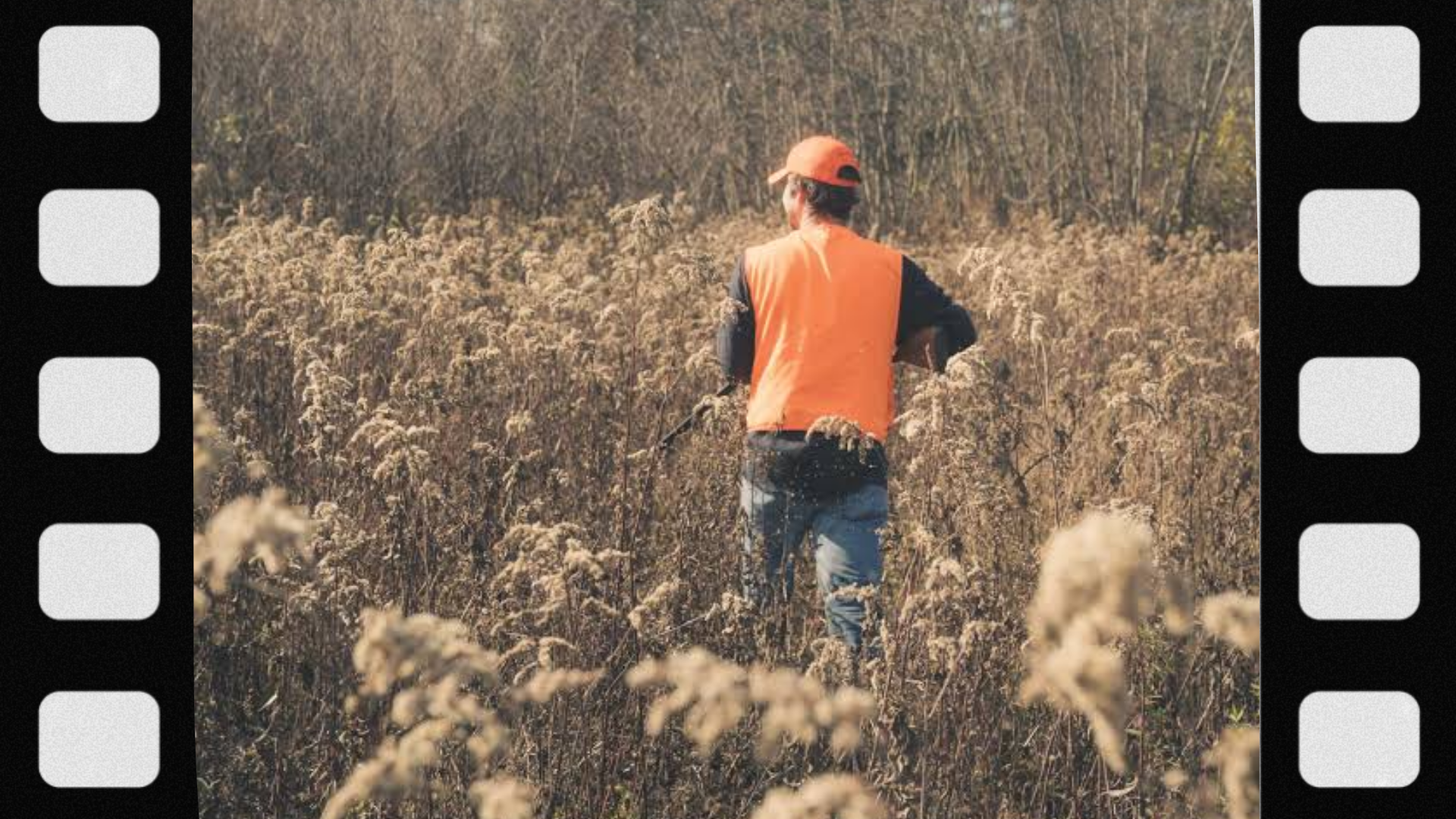
A blaze-orange hat, vest or both can make a hunter easier for partners and other land users to recognize. Many jurisdictions require a particular amount or type of fluorescent clothing for upland hunting, while others do not.
Check the precise rule rather than assuming an orange logo or camouflage pattern qualifies. Visibility is particularly valuable when several hunters are walking through tall vegetation.
5. Eye Protection
Protective glasses help shield the eyes from branches, grass seeds, dust and debris. Choose clear, yellow, amber or tinted lenses according to the light, but ensure the lenses do not interfere with identifying birds, terrain or other hunters.
Well-fitting impact-resistant glasses are useful even when local law does not require them.
6. Hearing Protection
Shotgun noise can permanently damage hearing. Properly fitted earplugs, earmuffs or level-dependent electronic hearing protection can reduce exposure.
Electronic protection may allow normal conversation and environmental sounds while reducing loud impulses, but it does not replace visual communication or a pre-hunt safety plan.
7. An Upland Hunting Vest
A practical upland vest provides high visibility and carries ammunition, water, small emergency supplies and harvested birds. Look for comfortable shoulder straps, good ventilation and a game pouch that can be cleaned after the hunt.
Do not overload the vest. Excess weight increases fatigue and can interfere with smooth, safe shotgun mounting.
8. Supportive, Broken-In Boots
Quail hunting often involves many miles of walking over uneven ground. Choose boots with traction and support appropriate to grassland, rocky desert, brush, mud or wet fields.
Wear the boots before hunting to identify pressure points and prevent avoidable blisters. Pair them with moisture-managing socks and carry a spare pair when conditions are wet.
9. Brush-Resistant Pants or Chaps
Briar-resistant pants, brush pants or chaps can protect against thorns, cactus and abrasive plants. They are particularly useful in dense cover but may retain heat in warm climates.
Select a garment that balances protection, ventilation and unrestricted movement. Chaps should fit securely without loose straps that can catch on vegetation.
10. Weather-Appropriate Layers
Use lightweight layers that manage perspiration and can be added or removed as conditions change. A breathable base layer, light insulating layer and packable rain or wind shell cover most variable day-hunt conditions.
Avoid overdressing before a long walk. Moisture trapped in clothing can become uncomfortable or dangerous when temperatures fall.
11. Water
Carry enough drinking water for the weather, distance and terrain. Quail seasons can occur in warm, dry regions where dehydration develops quickly.
If hunting with a dog, calculate its water separately. Do not depend on livestock tanks, ponds or seasonal streams without a safe treatment plan and confirmation that water is available.
12. Food and Quick Energy
Bring compact snacks that are easy to eat without contaminating them with ammunition residue, soil or bird-cleaning materials. For longer walks, include enough food for an unexpected delay.
13. Navigation Tools
Carry an offline map, compass, GPS or a combination of these tools. Mark the vehicle, legal boundaries, access routes and areas that are closed to hunting.
Phone applications can be helpful, but battery failure, poor reception and inaccurate boundaries remain possible. A printed map and basic compass provide useful redundancy.
14. Communication Equipment
Carry a charged phone in a protected pocket. In remote areas without reliable coverage, consider a satellite messenger or personal locator beacon.
Leave a trip plan with a dependable person. Include the property, parking point, companions, vehicle, intended route and expected return time.
15. A First-Aid Kit
A compact kit should address blisters, cuts, punctures, sprains and other common field injuries. Include personal medication, gloves, dressings, medical tape and supplies you have been trained to use.
Adapt the kit to local hazards such as heat, cactus, ticks or venomous snakes. First-aid equipment is not a substitute for training or timely professional care.
16. A Bird-Carrying System
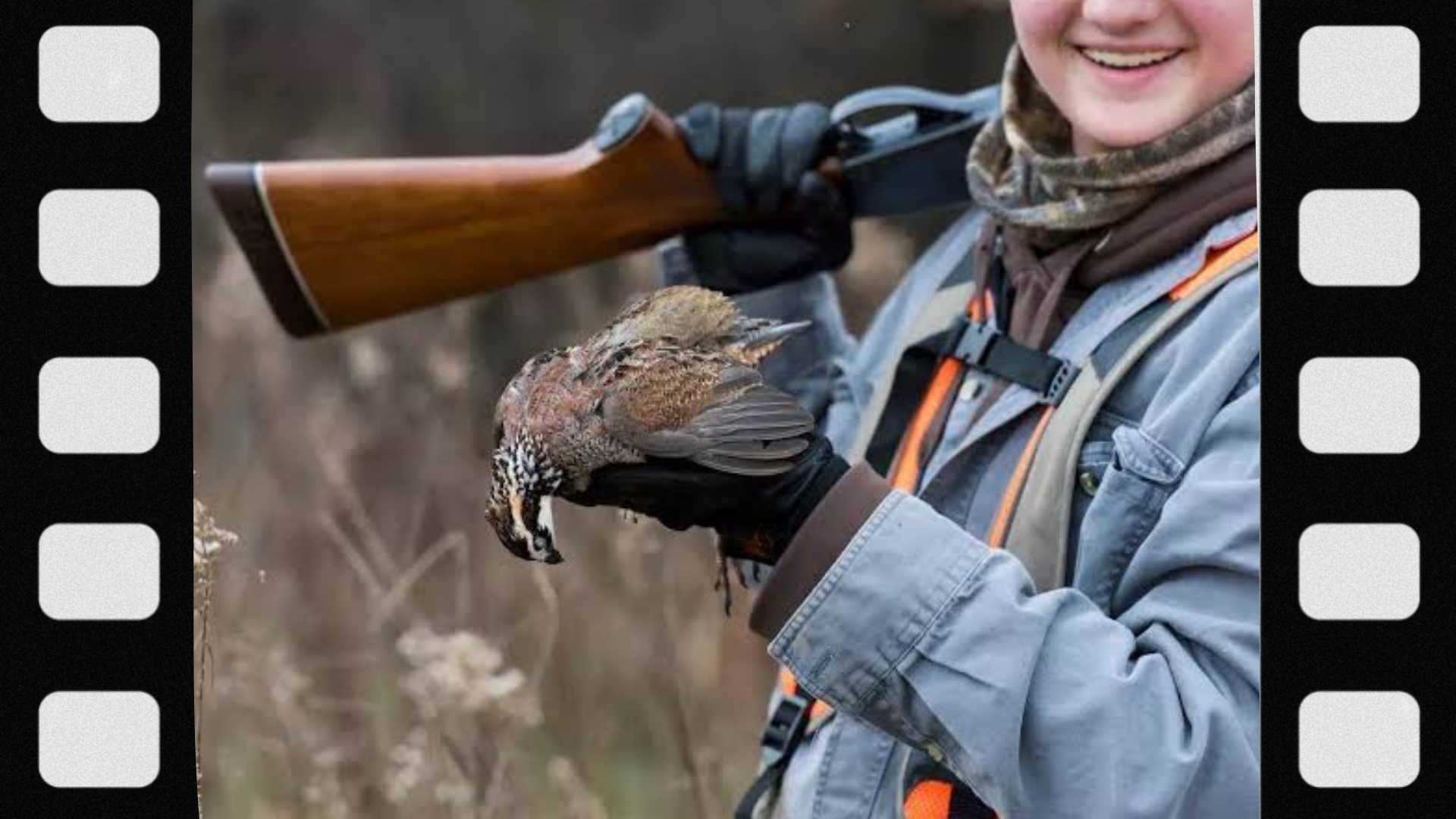
Use the game pouch in an upland vest or a separate bird bag that allows reasonable airflow and does not contaminate food or drinking equipment. Avoid crushing birds beneath heavy gear.
Count birds as they are placed in the bag. Know the daily bag and possession limits and maintain species identification where regulations require it.
17. Field Knife and Disposable Gloves
A small, sharp knife is usually sufficient for field care. Keep it in a secure sheath and cut away from your hands.
Disposable or washable gloves help reduce contact with blood and body fluids. Wash hands and clean tools after handling birds.
18. A Cooler at the Vehicle
Prepare a clean cooler with sufficient ice or frozen packs before the hunt. Warm weather and an extended drive can allow game meat to deteriorate.
Cool birds promptly while following local requirements concerning species identification, evidence of sex, dressing and transport. Do not seal warm birds in a way that traps heat.
19. Sun and Insect Protection
A brimmed hat, sunscreen, insect repellent and tick-removal tool may be valuable depending on the location. Apply products according to their labels and keep them away from eyes, food and firearm surfaces where damage could occur.
Check yourself, your clothing and your dog for ticks and embedded grass seeds after the hunt.
20. Basic Maintenance and Emergency Supplies
A lens cloth, compact firearm-approved cleaning supplies, spare batteries, whistle, small amount of tape and a little cordage can solve common field problems. Keep the kit small and avoid attempting unsafe repairs in the field.
If a firearm is damaged, obstructed or malfunctioning, unload it safely and stop using it until a qualified person can inspect it.
21. Dog Gear When Applicable
A trained pointing or flushing dog can help locate and recover quail, but a dog is optional. Hunters using one must plan for the dog’s hydration, conditioning, identification, control and medical needs.
Useful dog equipment includes:
- Water reserved specifically for the dog
- A collapsible bowl
- A visible identification collar
- A leash or lead
- A tracking collar where legal and properly used
- A canine first-aid kit
- Protective boots or a chest protector when terrain warrants them
- A towel, crate and clean bedding at the vehicle
- Tick, parasite and veterinary protection appropriate to the area
Tracking electronics do not replace training or supervision. Check local regulations before using electronic collars or other devices.
How to Choose a Shotgun for Quail Hunting
The best shotgun is one the hunter can handle safely, mount consistently and shoot accurately. Gauge alone does not determine field performance.
| Option | Potential Advantages | Potential Limitations | Best Consideration |
|---|---|---|---|
| 12 gauge | Broad ammunition availability and many load options | Some firearms are heavier or produce more recoil | Fit, firearm weight and recoil tolerance |
| 20 gauge | Often available in lighter, softer-shooting configurations | Performance still depends on load, choke and pattern | A common balance for walking hunters |
| 28 gauge | Can be light and pleasant to carry | Ammunition may be less available or more expensive | Availability and shooter proficiency |
| .410 bore | Light firearms and limited recoil in some configurations | Smaller payload can demand greater precision | Best considered by skilled shooters after careful patterning |
A light firearm can be comfortable during a long walk, but extremely light shotguns may produce sharper felt recoil. Try different firearms under qualified supervision and prioritize correct fit.
What Shot Size and Choke Should You Use?
There is no universally correct shot size or choke for every quail hunt. Hunters should consider bird size, cover density, expected flushing distance, firearm pattern, legal shot material and local requirements.
Relatively open chokes are commonly chosen for close birds in thick cover, while a somewhat tighter pattern may suit longer opportunities in open terrain. However, choke names do not guarantee identical performance between shotguns or ammunition types.
Pattern your hunting load on paper at realistic distances. Look for an even distribution rather than a pattern with large gaps. If recoil, pattern density or point of impact is unsuitable, obtain help from a qualified instructor or gunsmith rather than making unsupported firearm modifications.
Quail Hunting Safety Gear and Field Rules
The Four Universal Firearm Safety Rules
- Treat every firearm as if it is loaded.
- Keep the muzzle pointed in a safe direction.
- Keep your finger outside the trigger guard until you are ready to shoot.
- Be certain of the target and what is in front of and beyond it.
Establish Safe Shooting Zones
Before entering cover, every hunter should understand where partners and dogs are located and which directions are safe. Maintain a consistent walking line and communicate when terrain or vegetation causes someone to move out of position.
Quail often fly low immediately after flushing. Do not shoot at a low bird when a person, dog, road, vehicle, building or livestock could be in the line of fire. Let an unsafe opportunity pass.
Do Not Shoot at Sound or Movement
Identify the bird positively before raising the shotgun to fire. Quail may share habitat with protected species, other game birds and non-game wildlife.
Control the Muzzle Around Obstacles
Unload the shotgun according to your hunter education training before entering a vehicle, crossing a fence, negotiating a dangerous obstacle or handing the firearm to another person. Never pull a firearm toward yourself by its muzzle.
Use a Qualified Hunting Mentor
A first-time quail hunter can learn valuable habits from a responsible mentor or certified hunter education instructor. Practice safe carry positions, target identification, field communication and shotgun handling before hunting live birds.
Gear for Hunting Quail Without a Dog
Quail hunting without a dog is possible where legal. The hunter normally walks suitable cover carefully, pauses to encourage holding birds to flush, and watches where birds land.
Helpful equipment includes:
- Lightweight binoculars for evaluating habitat
- A mapping application with marked habitat edges
- A visible upland vest
- Brush-resistant clothing
- A walking stick for balance rather than striking vegetation recklessly
- A whistle for signaling partners
- A careful bird-marking and retrieval plan
Without a dog, recovering a downed bird can be more difficult. Mark the exact location immediately, approach directly and search methodically. Make every reasonable legal recovery effort before continuing the hunt.
Gear for Different Quail Habitats
Desert Quail Hunting
For Gambel’s, scaled or other quail in dry country, prioritize extra water, sun protection, ventilated clothing, durable boots, navigation and supplies for cactus or thorn injuries. Start with conservative walking plans until you understand the terrain and heat.
Grassland and Agricultural Edges
Water-resistant boots, gaiters, visible clothing and wind protection may be useful. Obtain permission before entering private fields and respect crops, fences, livestock and farm equipment.
Dense Brush and Woodland
Eye protection, briar-resistant clothing and secure equipment become especially important. Keep partners close enough for safe communication without crowding one another.
Wet or Cold Conditions
Add a waterproof shell, insulating layers, dry gloves and spare socks. Use a waterproof container for ammunition and emergency items, but keep equipment accessible and avoid restricting safe firearm handling.
How to Pack Light for Quail Hunting
Quail hunters cover ground, so unnecessary weight can reduce alertness and safe movement. Pack the essentials first and add optional equipment only when it serves a specific purpose.
- Carry one appropriate ammunition supply rather than several untested loads.
- Use an upland vest to combine bird storage, visibility and equipment carrying.
- Select compact first-aid and navigation systems without removing essential contents.
- Leave large optics behind unless the habitat genuinely requires them.
- Share appropriate emergency equipment with trusted partners, but keep personal water and critical supplies.
- Store the cooler, cleaning equipment and spare clothing at the vehicle.
- Carry dog water based on actual conditions rather than expecting natural sources.
You do not need the most expensive equipment to hunt responsibly. Choose gear based on the species, terrain, weather, local regulations, fit, safety, reliability, maintenance requirements, and your actual experience.
Common Quail Hunting Gear Mistakes
Using an Unfamiliar Shotgun
A new or borrowed shotgun can have unfamiliar controls, dimensions and handling characteristics. Learn its operation, confirm compatibility and practice before hunting.
Skipping the Patterning Board
Two loads with similar labels may perform differently. Patterning reveals point of impact, pattern distribution and whether the setup suits realistic distances.
Carrying Too Much Ammunition
Excess ammunition adds weight and encourages no improvement in judgment. Carry a reasonable amount while respecting any property-specific possession restrictions.
Ignoring Eye and Hearing Protection
Brush injuries and permanent hearing damage are preventable risks. Select protective equipment that remains comfortable enough to wear throughout the hunt.
Wearing New Boots
Unbroken boots can cause blisters and reduce stability. Test footwear on progressively longer walks before the season.
Underestimating Water Needs
Cool morning temperatures can become hot afternoon conditions. Carry water for both hunter and dog and establish a conservative turnaround point.
Failing to Check Property-Specific Ammunition Rules
A load may be legal under general state rules but prohibited on a particular refuge or management area. Verify both wildlife regulations and land-manager restrictions.
Poor Dog Preparation
An unconditioned dog can overheat, become injured or get lost. Build fitness gradually, maintain control and learn local veterinary hazards before the hunt.
What Not to Do While Quail Hunting
- Do not hunt without checking the current season, property rules and bag limit.
- Do not load ammunition that is incompatible with the shotgun.
- Do not assume lead shot is legal on every property.
- Do not shoot at an unidentified bird.
- Do not fire at a low bird when hunters, dogs or property could be beyond it.
- Do not swing the muzzle through another hunter’s position.
- Do not shoot beyond your practiced ability.
- Do not carry a loaded firearm in a vehicle or across a hazardous obstacle.
- Do not trespass or cross private land without lawful permission.
- Do not continue hunting when heat, injury, weather or fatigue makes conditions unsafe.
- Do not abandon a wounded bird without making a reasonable legal recovery effort.
- Do not waste game or allow birds to remain warm unnecessarily.
- Do not rely on equipment as a substitute for hunter education and practice.
Printable Quail Hunting Gear Checklist
Licenses and Planning
- Valid hunting license
- Quail permit, habitat stamp or other required documents
- Current regulations
- Public-land permit or private-land permission
- Season dates and shooting hours
- Bag and possession limits
- Legal ammunition confirmation
- Offline map and trip plan
Firearm Equipment
- Legal, inspected shotgun
- Compatible, patterned shotshells
- Appropriate choke installed correctly
- Secure firearm case for transport
- Eye protection
- Hearing protection
- Cleaning cloth and basic approved maintenance supplies
Clothing and Footwear
- Required blaze-orange garment
- Upland hunting vest
- Brush-resistant pants or chaps
- Broken-in boots
- Moisture-managing socks
- Weather-appropriate layers
- Rain or wind shell
- Hat and gloves as needed
- Sun and insect protection
Field Essentials
- Water
- Snacks
- First-aid kit
- Personal medication
- Phone or emergency communicator
- GPS, compass or paper map
- Whistle
- Small knife with sheath
- Disposable gloves
- Bird bag or game pouch
- Headlamp for emergencies
- Spare batteries or power bank
Dog Equipment
- Dog water
- Collapsible bowl
- Identification collar
- Leash
- Tracking equipment where lawful
- Canine first-aid supplies
- Protective vest or boots if appropriate
- Crate and bedding at the vehicle
- Veterinarian contact information
Vehicle Supplies
- Clean cooler
- Ice or frozen packs
- Extra water
- Dry clothing and socks
- Towel
- Bird-cleaning supplies
- Emergency vehicle equipment
Final Answer
So, what gear do you need for quail hunting? Begin with your required documents, a legal and familiar shotgun, compatible ammunition, high-visibility clothing, eye and hearing protection, an upland vest, supportive boots, brush-resistant clothing, water, navigation, communication, first aid and a clean way to carry and cool harvested birds.
Add dog equipment, rain protection, gaiters and other specialized items only when the terrain and hunting method justify them. Pattern your shotgun, practice safe field handling and establish shooting zones with your partners before entering cover. Most importantly, confirm current wildlife and property-specific rules so your firearm, ammunition, clothing, access and hunting method are legal.
FAQs
1. What are the basic items needed for quail hunting?
The basic kit includes legal documents, a shotgun, compatible shotshells, visible clothing, eye and hearing protection, boots, an upland vest, water, first aid, navigation and a bird-carrying system.
2. What type of gun is used for quail hunting?
Most quail hunters use a shotgun. The appropriate gauge and action depend on fit, recoil tolerance, experience, legal requirements and personal preference.
3. Is a 12-gauge shotgun suitable for quail?
Yes, a properly fitted 12 gauge can be suitable when paired with an appropriate legal load and choke. Some hunters prefer a lighter firearm for long walks.
4. Is a 20-gauge shotgun good for quail hunting?
A 20 gauge is a common quail-hunting choice because many models balance manageable weight and recoil. Performance still depends on fit, ammunition, choke and shooter ability.
5. Can you hunt quail with a 28 gauge?
Where legal, a 28 gauge can be effective in experienced hands. Pattern the firearm and confirm that suitable ammunition is available.
6. Is a .410 bore enough for quail hunting?
A .410 can be used where legal, but its smaller pellet payload may leave less margin for aiming and range errors. It is generally better suited to a practiced shooter who understands its patterns and limitations.
7. What shot size is best for quail?
Quail hunters commonly use relatively small shot, but no size is universally best. Bird species, distance, choke, load material, pattern quality and local regulations should determine the choice.
8. What choke should I use for quail?
Open or moderately open chokes are commonly considered for close birds, while more open terrain may favor a somewhat tighter pattern. Test the actual load and choke rather than relying on the name alone.
9. Do I need to pattern my shotgun?
Yes. Patterning shows whether the firearm places an even pattern at realistic distances and helps identify unsuitable loads or point-of-impact problems before hunting.
10. Do I need nontoxic shot for quail?
It depends on the jurisdiction and property. Some refuges and management areas require approved nontoxic shot for quail and other upland species.
11. Do I need blaze orange for quail hunting?
Requirements vary. Check the current regulation for the exact state and property. Even where optional, visible clothing can improve safety during group hunts.
12. Do quail hunters need hearing protection?
Hearing protection is strongly recommended because shotgun noise can cause permanent damage. Choose protection that fits properly and allows safe communication.
13. Should quail hunters wear eye protection?
Yes. Protective glasses help guard against branches, seeds, dust and debris as well as shooting-related hazards.
14. What kind of boots are best for quail hunting?
Choose broken-in boots with traction, support and weather resistance appropriate to the habitat. Fit is more important than brand or appearance.
15. Do I need snake boots?
Snake-resistant footwear may be worth considering in areas with venomous snakes, but it does not eliminate risk. Learn local snake safety and remain aware of where you step and place your hands.
16. Are brush pants necessary?
They are not always essential, but they can greatly improve comfort in briars, cactus or abrasive cover. Lightweight pants may be better in open, hot terrain.
17. What is an upland vest?
An upland vest is a hunting garment with storage for ammunition, water and small equipment plus a rear pouch for recovered birds. Many designs include blaze-orange panels.
18. How much ammunition should I carry?
Carry enough for the planned hunt and reasonable contingencies without adding unnecessary weight. Observe any ammunition restrictions imposed by the property.
19. How much water should I carry?
The amount depends on temperature, terrain, pace and hunt duration. Carry an additional supply for a dog and do not assume natural water will be safe or available.
20. Do I need a dog to hunt quail?
No. A trained dog can help locate and recover birds, but hunters can legally pursue quail without one in many areas.
21. What kind of dog is used for quail hunting?
Pointing, flushing and retrieving breeds are commonly used. Individual training, health, temperament, conditioning and handler control matter more than breed name alone.
22. Does a quail dog need a tracking collar?
A tracking collar is optional but can help locate a dog in heavy cover. Confirm that electronic devices are legal and do not use technology as a substitute for training and supervision.
23. How do I protect my dog during quail season?
Condition the dog gradually, provide water and rest, use identification, inspect paws and coat, and prepare for heat, thorns, grass seeds, parasites and local wildlife hazards.
24. What belongs in a canine first-aid kit?
Common items include gloves, dressings, bandaging material, a tick-removal tool, saline for flushing and supplies recommended by your veterinarian. Obtain canine first-aid training.
25. Can I hunt quail without an upland vest?
Yes, but you still need secure storage for ammunition, water and recovered birds. A vest conveniently combines these functions and often improves visibility.
26. Do I need binoculars for quail hunting?
Binoculars are optional. They can help inspect habitat or identify distant birds, but large optics may add unnecessary weight during a walking hunt.
27. Do I need a rangefinder?
A rangefinder is usually optional for shotgun quail hunting. Familiarity with realistic distances and shotgun patterns is more important.
28. What should I carry for navigation?
Carry an offline map, GPS or mapping application, plus a compass or printed backup in unfamiliar country. Mark the vehicle and legal boundaries before beginning.
29. Should I carry a first-aid kit?
Yes. Quail habitat can cause blisters, cuts, punctures and falls. Carry a compact kit matched to your skills and personal medical needs.
30. How should harvested quail be carried?
Use a clean, ventilated game pouch or bird bag. Avoid crushing birds or allowing them to remain warm in a sealed container.
31. How quickly should quail be cooled?
Cool harvested birds promptly, especially in warm weather. Follow local rules concerning field dressing, species identification and transport.
32. What gear is needed for desert quail hunting?
Prioritize additional water, sun protection, ventilated clothing, durable boots, navigation, eye protection and supplies for cactus or thorn injuries.
33. What gear is needed for quail hunting in thick brush?
Use eye protection, briar-resistant clothing, gloves, supportive boots and highly visible garments. Secure loose straps that could snag vegetation.
34. What should a beginner practice before quail hunting?
Practice the four firearm safety rules, safe carry positions, smooth shotgun mounting, crossing obstacles, target identification, field communication and shooting clay targets under qualified supervision.
35. How do hunters avoid shooting toward a dog?
Know the dog’s location, maintain safe shooting zones and refuse every low or uncertain shot. No bird is worth risking a person or dog.
36. What should I do when a covey flushes?
Maintain muzzle and trigger control, select one positively identified bird and shoot only within a safe zone. Avoid swinging across partners or firing into an uncertain background.
37. How do I recover a downed quail without a dog?
Watch the bird continuously, mark the exact landing point, approach directly and search outward methodically. Avoid firing at another bird before marking the first one.
38. Can I hunt quail on public land?
Yes, where the parcel is open to quail hunting during a legal season. Confirm permits, boundaries, ammunition rules, vehicle access and property-specific closures.
39. Do I need permission to hunt quail on private land?
Yes. Obtain the landowner’s permission in the form required by local law before entering or hunting private property.
40. What is the most important quail hunting equipment?
Beyond required legal equipment, the most important assets are a properly fitted firearm, practiced safe handling, effective eye and hearing protection, reliable footwear, water and sound judgment.
Read more: